
Updated planning guide for 2026-2027
Chobe River Safari: Best Guide
Discover the magic of a Chobe River safari. This comprehensive guide covers everything you need to know for planning your 2026-2027 trip, from wildlife viewing to accommodation and logistics.
WhatsApp +255616946642 | topguideadventures@gmail.com | info@topguideadventures.com
Chobe River Safari: Your Essential Travel Guide 2026-2027
A Chobe River safari offers a unique perspective on African wildlife, focusing on the abundant life that congregates along the mighty Chobe River. Unlike the vast, open plains of some other famous reserves, Chobe presents a dynamic ecosystem where water plays a central role in shaping the safari experience. This guide is designed to provide you with all the essential information for planning an unforgettable trip, whether you’re looking at 2026 or 2027 travel. We’ll cover everything from understanding the best time to visit and what wildlife to expect, to accommodation options, itinerary planning, and practical booking advice. Prepare to explore one of Africa’s most spectacular wildlife destinations.
Quick Answers for Your Chobe River Safari
- What is a Chobe River safari? A safari experience focused on wildlife viewing along the Chobe River in Botswana, known for its large elephant herds and diverse birdlife, often experienced via boat cruises and game drives.
- When is the best time for a Chobe River safari? The dry season (May to October) is generally best for concentrated wildlife viewing as animals gather at water sources. The wet season (November to April) offers lush landscapes and migratory birds.
- What wildlife can I see? Expect large herds of elephants, buffalo, hippos, crocodiles, various antelope species, lions, leopards, and over 400 species of birds.
- What are the main activities? Boat cruises on the Chobe River, game drives in Chobe National Park, and walking safaris in certain areas.
- Where do I stay? Options range from luxury lodges and tented camps along the riverfront to more budget-friendly options in nearby Kasane town.
- How do I get there? Most international travelers fly into Kasane Airport (BBK) via Maun or Johannesburg.
Table of Contents
- Understanding the Chobe River Ecosystem
- Why Choose a Chobe River Safari?
- Chobe River Safari: Quick Facts
- Best Time to Visit Chobe River (2026-2027 Outlook)
- Chobe River Area Overview
- Sample Chobe River Safari Itinerary Logic
- What to Expect on Your Safari
- Key Activities on a Chobe River Safari
- Chobe Wildlife: What You Might See
- Accommodation Options
- Preparation and Packing for Your Trip
- Common Mistakes to Avoid
- Who is a Chobe River Safari Best Suited For?
- Alternatives to a Chobe River Safari
- Planning Your 2026-2027 Chobe Adventure
- Booking Your Chobe River Safari
- Frequently Asked Questions
Understanding the Chobe River Ecosystem
The Chobe River forms part of the northern border of Chobe National Park, Botswana, and is a vital artery for an astonishing array of wildlife. This riverine environment creates a lush, green corridor that contrasts sharply with the arid Kalahari Desert found elsewhere in Botswana. The river’s banks are teeming with life, especially during the dry season when water sources become scarce. Herds of elephants, often numbering in the hundreds, are a signature sight, coming down to drink, bathe, and cross the river. Buffalo also congregate in large numbers, creating dramatic scenes. Beyond these iconic species, the river is home to pods of hippos, numerous crocodiles basking on the banks, and a variety of antelope species like waterbuck, impala, and puku seeking refuge and sustenance.
The Chobe National Park itself is divided into several distinct areas, but the riverfront section is the most famous and accessible for safari-goers. This area is renowned for its high density of wildlife, particularly mammals that are attracted to the permanent water. The combination of the river, the floodplains, and the surrounding woodlands creates diverse habitats that support a rich biodiversity. Understanding this dynamic interplay between water, vegetation, and animal behavior is key to appreciating the magic of a Chobe River safari.
Why Choose a Chobe River Safari?
Choosing a Chobe River safari means opting for an experience that is both visually stunning and incredibly rewarding in terms of wildlife encounters. Here’s why it stands out:
- Unparalleled Elephant Sightings: Chobe is famously known as the ‘land of giants’ due to its enormous elephant population. You can witness vast herds moving across the landscape, interacting at waterholes, and even swimming across the river. The sheer scale of these gatherings is breathtaking.
- Unique Riverine Perspective: The ability to explore the river by boat offers a completely different viewpoint compared to land-based safaris. You get up close to hippos and crocodiles, observe elephants drinking and playing from the water’s edge, and enjoy incredible birdwatching opportunities.
- Abundant Wildlife Density: The concentration of animals along the Chobe River, especially during the dry season, is remarkable. This increases your chances of seeing a wide variety of species in a relatively concentrated area.
- Spectacular Scenery: The contrast between the lush riverbanks, the wide expanse of the Chobe River, and the African savanna provides a beautiful backdrop for your safari. Sunsets over the river are particularly iconic.
- Accessibility: Compared to some more remote safari destinations, Chobe is relatively accessible, with a well-developed infrastructure in Kasane town and a range of accommodation options.
- Combination of Activities: The flexibility to combine boat cruises with traditional game drives allows for a varied and engaging safari experience.
Chobe River Safari: Quick Facts
| Feature | Details |
|---|---|
| Location | Northern Botswana, along the Chobe River bordering Namibia, Zambia, and Zimbabwe. |
| Primary National Park Area | Chobe National Park (Riverfront area). |
| Key Wildlife Concentrations | Elephants, buffalo, hippos, crocodiles, lions, leopards, diverse birdlife. |
| Main Safari Activities | Boat cruises, game drives, walking safaris (limited areas). |
| Best Time for Wildlife Viewing (Dry Season) | May to October. |
| Best Time for Birding & Lush Scenery (Wet Season) | November to April. |
| Gateway Town | Kasane. |
| Nearest International Airport | Kasane Airport (BBK). |
| Visa Requirements | Varies by nationality; often obtainable on arrival or online. Check for Botswana. |
| Currency | Botswana Pula (BWP). |
Best Time to Visit Chobe River (2026-2027 Outlook)
The timing of your Chobe River safari significantly impacts the wildlife viewing experience. Botswana’s climate is characterized by distinct wet and dry seasons, each offering unique advantages.
| Season | Months | Wildlife Viewing | Vegetation & Scenery | Birdlife | Traveler Experience |
|---|---|---|---|---|---|
| Dry Season (High Season) | May – October | Excellent. Animals concentrate around the Chobe River and remaining waterholes. High visibility due to sparser vegetation. Elephant herds are particularly prominent. | Dry, dusty. Vegetation thins, making spotting easier. Landscapes can appear stark but beautiful. | Moderate. Migratory birds have left. Resident birds are present but less abundant than in the wet season. | Popular, pleasant temperatures, but can be busy. Higher prices are common. Road conditions are generally good. |
| Wet Season (Low Season) | November – April | Good, but more dispersed. Animals have access to water throughout the park. Excellent for spotting young animals (birth season is typically Jan-Mar). | Lush, green, and vibrant. Landscapes are stunning. Can make spotting animals more challenging. | Exceptional. Migratory birds arrive, and resident birds are in breeding plumage. Excellent for birdwatchers. | Fewer crowds, lower prices. Temperatures are hotter, with potential for afternoon thunderstorms. Some roads may become impassable. Ideal for photographers seeking dramatic skies and greenery. |
Outlook for 2026-2027: While climate patterns can vary, the general trends for Botswana’s seasons are expected to continue. For optimal wildlife viewing, especially iconic elephant herds and predator sightings, the dry months from May through October 2026 and 2027 remain the prime choice. If your passion is birdwatching or you prefer a greener, less crowded landscape and potentially more budget-friendly travel, consider the wet season between November 2026 and April 2027.
Chobe River Area Overview
The Chobe River safari experience is primarily centered around the northern part of Chobe National Park and the adjacent riverfront. Here’s a simplified illustration of the key areas and their relationship:
Chobe National Park & Riverfront Area:
- Kasane Town: The main gateway town, located on the eastern edge of the park. It offers accommodation, supplies, and the main entry point for many visitors. Kasane Airport (BBK) is nearby.
- Chobe Riverfront (Park Section): This is the heart of the Chobe safari experience. It stretches west from Kasane for about 50 km. This area is characterized by a wide, slow-moving river, vast floodplains, and mopane woodlands. It’s where you find the highest concentration of wildlife, especially elephants and buffalo.
- Chobe River: The river itself is a major highway for wildlife and a prime location for boat safaris. It forms the park’s northern boundary.
- Serondela: A specific area within the Riverfront, often used to refer to the prime game viewing spots along the river.
- Savuti Marsh: Located further south within Chobe National Park, Savuti is famous for its predator populations and a large waterhole. While part of Chobe NP, it’s a distinct ecosystem and typically accessed via a longer drive or flight from the riverfront. A Chobe River safari usually focuses on the riverfront, but longer trips might include Savuti.
- Caprivi Strip (Namibia): Directly across the river from the Chobe Riverfront. While not part of Botswana, it’s geographically linked and offers similar wetland environments and wildlife. Cross-border excursions are sometimes possible, but typically a Botswana safari stays within Botswana.
Geographic Context:
Kasane > Chobe Riverfront (Park Entrance) > Chobe River > Namibia (Caprivi Strip) across the river.
To the south of the Riverfront lies the rest of Chobe National Park, including the Savuti region, which is a different safari experience, often requiring longer travel times.
Sample Chobe River Safari Itinerary Logic
A typical Chobe River safari itinerary is built around maximizing wildlife viewing opportunities, balancing land and water-based activities, and considering travel time. Here’s a breakdown of how a multi-day trip might be structured, focusing on the riverfront area:
3-Day Chobe River Safari Example
Day 1: Arrival in Kasane & River Cruise
- Morning/Afternoon: Arrive at Kasane Airport (BBK). You’ll be met by your guide and transferred to your lodge or camp located along the Chobe Riverfront. Check-in and have lunch.
- Late Afternoon: Your first safari activity is likely a boat cruise on the Chobe River. This is the perfect introduction to the area, offering close-up views of elephants, hippos, crocodiles, and abundant birdlife from the water. Enjoy sunset over the river.
- Evening: Return to your lodge for dinner and relaxation.
Day 2: Game Drive & Exploration
- Early Morning: Set out on a game drive into Chobe National Park’s Riverfront area. This is prime time for predator sightings and observing animals as they become active. Look for lions, leopards, hyenas, and various antelope species.
- Midday: Return to the lodge for brunch and a siesta during the hottest part of the day. Many lodges have swimming pools or shaded areas to relax.
- Late Afternoon: Another game drive, perhaps exploring a different section of the park or focusing on areas where you had promising sightings in the morning. Alternatively, some lodges offer walking safaris in designated areas.
- Evening: Dinner at the lodge.
Day 3: Final Safari Activity & Departure
- Early Morning: Depending on your flight schedule, you might have time for one last early morning game drive or a shorter boat cruise.
- Late Morning: Enjoy breakfast. Check out from your lodge.
- Midday: Transfer back to Kasane Airport (BBK) for your onward flight.
Extending Your Stay: Logic for Longer Itineraries
- More Game Drives: Add more game drives to explore different sectors of the Riverfront, increasing chances of seeing a wider array of animals and behaviors.
- Full-Day Excursions: Some operators offer full-day game drives with picnic lunches, allowing for deeper exploration of the park.
- Savuti or Linyanti: For a more comprehensive Botswana safari, consider adding a few days in the Savuti region of Chobe NP or the private concessions of Linyanti (adjacent to Chobe NP). These areas offer different landscapes and wildlife viewing dynamics, particularly for predators. This would typically involve a light aircraft transfer.
- Botswana’s Okavango Delta: Combine your Chobe experience with the Okavango Delta for a contrasting water-based (mokoro, delta cruises) and land-based safari adventure. This requires a flight from Kasane or a nearby airstrip.
This itinerary logic ensures you experience the best of the Chobe River, balancing its unique aquatic offerings with the classic safari drive.
What to Expect on Your Safari
A Chobe River safari is an immersive wildlife experience, but it’s helpful to know what to anticipate:
- Abundant Wildlife: The sheer number of animals, especially elephants, can be overwhelming in the best way. You’ll likely see large herds daily.
- River Focus: Expect a significant portion of your safari time to be spent on or near the Chobe River. Boat cruises are a highlight and offer unique viewing angles.
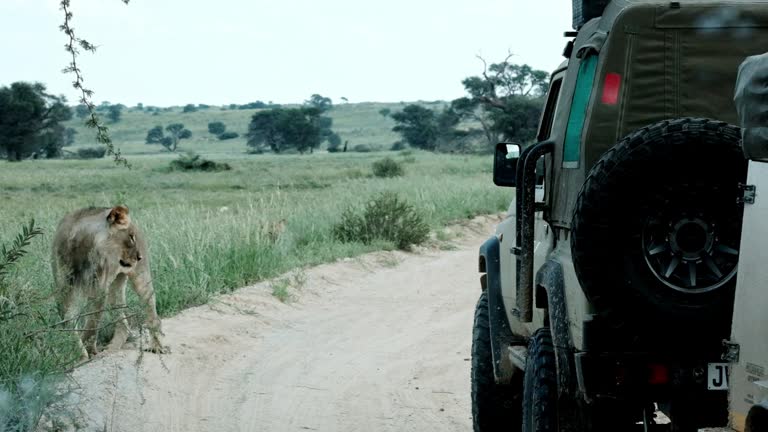
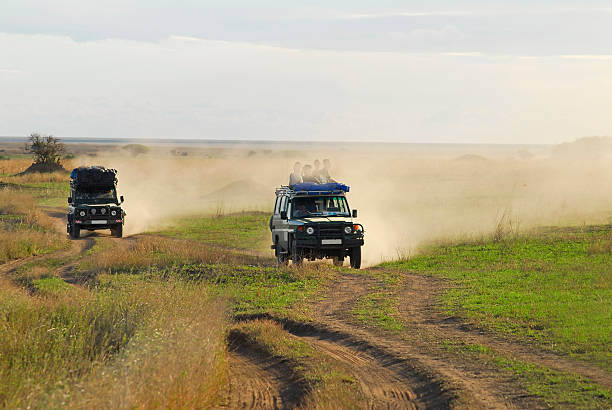
- Game Drive Experience: Game drives are conducted in open 4×4 safari vehicles, usually with a guide and a tracker. You’ll traverse designated tracks within the park.
- Vehicle Density: The Chobe Riverfront is popular, so you might encounter other safari vehicles, particularly during peak season. However, the park is large enough to still feel intimate.
- Accommodation Styles: Lodges range from rustic tented camps with canvas walls and en-suite bathrooms to more luxurious permanent structures with swimming pools and fine dining.
- Climate: Botswana can be hot, especially during the wet season (November-April). The dry season (May-October) has pleasant daytime temperatures but can be cool in the early mornings and evenings, requiring layers.
- Logistics: Transfers between the airport and lodges are usually handled by your tour operator or lodge. Park entry fees and activity costs are typically included in package deals.
- Pace: Safaris are generally an early morning and late afternoon activity to take advantage of animal activity. Midday is often for resting, enjoying lodge facilities, or optional activities.
Key Activities on a Chobe River Safari
The Chobe River offers a diverse range of activities that cater to different interests and provide varied perspectives on the wildlife and landscape.
- Chobe River Boat Cruises: This is arguably the signature activity. You’ll board a comfortable, motorized boat (often a flat-bottomed pontoon style) for a journey along the river. This allows you to:
- Observe elephants bathing, drinking, and sometimes crossing the river at very close range.
- See large pods of hippos and basking crocodiles.
- Spot a vast array of birdlife, including kingfishers, fish eagles, herons, and more.
- Enjoy stunning views of the riverbanks and the Namibian side of the Caprivi Strip.
- Witness spectacular sunsets.
- Game Drives: Conducted in open 4×4 safari vehicles, these are the classic safari experience. Guides will take you into the Chobe National Park (Riverfront area) to search for a variety of terrestrial animals. You’ll look for:
- Large herds of elephants and buffalo.
- Predators like lions, leopards, and cheetahs (though less common than elephants).
- Various antelope species (impala, kudu, waterbuck, sable, roan).
- Smaller mammals like warthogs, baboons, and monkeys.
- The drives typically occur in the early morning and late afternoon when animals are most active.
- Walking Safaris: In certain areas, particularly within private concessions or specific zones outside the main park, guided walking safaris may be offered. These are a more intimate way to experience the bush, focusing on smaller details like tracks, plants, and insects, and offering a different sense of immersion. Availability depends on your lodge and location.
- Fishing: Some lodges offer the opportunity to try your hand at fishing for the formidable tigerfish or bream in the Chobe River, adding an adventurous element to your trip.
Chobe Wildlife: What You Might See
The biodiversity along the Chobe River is exceptional. While elephants are the undisputed stars, the ecosystem supports a rich variety of other animals.
Mammals:
- African Elephant: The undisputed king of Chobe. Expect to see massive herds, particularly during the dry season, as they congregate to drink and cross the river.
- African Buffalo: Large herds of buffalo are common, often seen grazing on the floodplains or drinking at the river’s edge.
- Hippopotamus: Numerous pods of hippos inhabit the river, often seen yawning, playing, or resting in the water.
- Nile Crocodile: These large reptiles are frequently spotted basking on the riverbanks or submerged in the water.
- Predators: While not as guaranteed as elephants, Chobe is home to lions, leopards, and cheetahs. Lions are often seen on the floodplains or in the woodlands. Leopards are more elusive and nocturnal.
- Antelope Species: A wide variety are present, including impala, waterbuck, puku (unique to this region), kudu, sable antelope, roan antelope, wildebeest, and warthogs.
- Other Mammals: Giraffe, baboons, vervet monkeys, wild dogs (less common but possible), hyenas, and smaller mammals like mongooses and genets can also be encountered.
Birds:
Chobe is a birdwatcher’s paradise, with over 400 species recorded. Highlights include:
- Raptors: African Fish Eagle, Bateleur, Tawny Eagle, Martial Eagle.
- Water Birds: Goliath Heron, Grey Heron, African Jacana, Malachite Kingfisher, Pied Kingfisher, various egrets and storks.
- Other Notable Species: Pel’s Fishing Owl (elusive, nocturnal), Bradfield’s Hornbill, Southern Ground Hornbill, various bee-eaters, rollers, and weavers.
The concentration of wildlife around the river means that almost every game drive and boat cruise offers exciting sightings. Even the seemingly quiet moments can reveal fascinating animal behavior.
Accommodation Options
Chobe offers a range of accommodation to suit different budgets and preferences, all designed to immerse you in the safari experience.
- Luxury Lodges: These are often situated directly on the riverfront, offering stunning views, exceptional service, fine dining, swimming pools, and spacious rooms or suites. Many are all-inclusive, covering meals, drinks, and activities. Examples include properties with prime river frontage.
- Tented Camps: A popular choice, offering a blend of comfort and a close-to-nature feel. Tents are typically large canvas structures with proper beds, en-suite bathrooms (often with flushing toilets and hot showers), and private verandas. They provide an authentic safari ambiance.
- Boutique Hotels/Guesthouses: Located in or near Kasane town, these offer a more conventional hotel experience but are conveniently located for accessing park activities. They can be a more budget-friendly option, and you can book activities separately.
- Houseboats: For a truly unique experience, consider a houseboat safari on the Chobe River. These offer comfortable accommodation with cabins, dining areas, and decks for wildlife viewing, allowing you to drift along the river and wake up to incredible sights.
When choosing, consider the location (riverfront vs. town), the level of luxury, and whether activities are included. Booking a package through a reputable tour operator often simplifies the process and ensures a well-coordinated experience.
Preparation and Packing for Your Trip
Proper preparation is key to a comfortable and enjoyable Chobe River safari. Here’s a guide to what you’ll need:
Essential Documents:
- Passport (with at least 6 months’ validity beyond your stay) and necessary visas.
- Flight tickets and booking confirmations.
- Travel insurance details.
- Vaccination certificates (e.g., Yellow Fever if required).
- Copies of all important documents, stored separately.
Clothing:
Pack light, neutral-colored clothing. Avoid bright colors and dark colors (like black or navy) which can attract tsetse flies. Layers are important as mornings and evenings can be cool.
- Tops: Lightweight, breathable shirts (long-sleeved for sun and insect protection), t-shirts.
- Bottoms: Comfortable trousers or shorts suitable for game drives.
- Outerwear: A fleece or warm jacket for cool mornings/evenings, especially during the dry season. A light waterproof jacket is useful for potential rain showers, particularly in the wet season.
- Footwear: Comfortable walking shoes or trainers for game drives and around the lodge. Sandals or flip-flops for relaxing.
- Headwear: A wide-brimmed hat or cap for sun protection.
- Swimwear: If your lodge has a pool.
Health and Safety:
- Insect Repellent: Essential, especially for evenings and areas with standing water. Look for products containing DEET or Picaridin.
- Sunscreen: High SPF sunscreen.
- After-sun lotion: For soothing skin.
- Basic First-Aid Kit: Including plasters, antiseptic wipes, pain relievers, and any personal medications.
- Malaria Prophylaxis: Consult your doctor about malaria precautions for Botswana well in advance of your trip.
Gear and Accessories:
- Binoculars: Crucial for spotting wildlife at a distance.
- Camera: With extra batteries and memory cards. Consider a zoom lens.
- Power Bank/Adapter: For charging electronics. Botswana uses Type D and G plugs.
- Reusable Water Bottle: To stay hydrated and reduce plastic waste.
- Small Backpack: For day trips and carrying essentials.
- Field Guide: For identifying birds and mammals (optional, but enhances the experience).
Important Notes:
- Most lodges provide laundry services, so you don’t need to pack excessively.
- Pack light for any internal flights, as baggage allowances are usually strict.
- Always check the specific packing recommendations from your tour operator or lodge.
Common Mistakes to Avoid
To ensure your Chobe River safari is as smooth and enjoyable as possible, be aware of these common pitfalls:
- Over-packing: Laundry services are common, and internal flights have strict weight limits. Pack light and focus on versatile, neutral clothing.
- Ignoring Tsetse Flies: These biting insects can be present, especially near water. Avoid dark blue and black clothing, and use repellent.
- Expecting Guaranteed Sightings: While Chobe has abundant wildlife, nature is unpredictable. Enjoy every sighting and the overall experience, rather than focusing solely on ticking off a list.
- Not Booking in Advance: Especially for peak season (May-October) in 2026 and 2027, popular lodges and activities fill up quickly. Book well in advance.
- Underestimating the Sun: The African sun is intense. Always wear a hat, sunglasses, and sunscreen, and stay hydrated.
- Not Bringing Binoculars: You’ll miss so much detail without them. They are essential for wildlife viewing.
- Forgetting Insect Repellent: Mosquitos and other biting insects can be a nuisance, particularly at dawn and dusk.
- Focusing Only on Big Cats: While lions and leopards are sought after, Chobe’s strength lies in its elephants, buffalo, hippos, and birdlife. Appreciate the full spectrum of wildlife.
- Not Considering the Wet Season’s Advantages: While dry season is prime for game, the wet season offers incredible birding, lush landscapes, and fewer crowds. Don’t dismiss it if your priorities align.
- Poorly Planned Itineraries: Rushing between locations or trying to cram too much in can be exhausting. A well-paced itinerary focusing on quality experiences is better.
Who is a Chobe River Safari Best Suited For?
A Chobe River safari appeals to a wide range of travelers, but it’s particularly well-suited for:
- Wildlife Enthusiasts: Anyone passionate about observing animals in their natural habitat will be thrilled by the sheer abundance and variety of species, especially the iconic elephant herds.
- Photographers: The dramatic river scenes, large animal congregations, and beautiful light conditions (especially at sunrise and sunset) make Chobe a photographer’s dream.
- Birdwatchers: With over 400 species, Chobe is a haven for bird lovers, particularly during the wet season.
- First-Time Safari Goers: Its accessibility, high wildlife density, and variety of activities make it a fantastic introduction to African safaris.
- Families: Many lodges cater to families, and the boat safaris are often enjoyed by children. The exciting wildlife sightings keep younger travelers engaged.
- Couples and Honeymooners: The scenic beauty, romantic lodge settings, and exclusive experiences make it an ideal destination for couples.
- Travelers Seeking Variety: The combination of boat cruises and game drives offers a dynamic safari experience that differs from land-only safaris.
- Those Interested in Botswana’s Icon: If you’ve heard about Botswana’s incredible elephant populations, a Chobe River safari is the best way to witness this phenomenon firsthand.
While it can be a luxury experience, more budget-conscious options exist, making it accessible to a broader audience planning for 2026 or 2027.
Alternatives to a Chobe River Safari
While Chobe is exceptional, other destinations offer unique safari experiences. If you’re considering alternatives or looking to combine trips, here are a few:
- Okavango Delta, Botswana: Famous for its unique inland delta system, offering water-based safaris (mokoro canoes, motorboats) and land-based game drives. It’s a more pristine and exclusive experience, often at a higher price point. Ideal for a different kind of water safari.
- Moremi Game Reserve, Botswana: Part of the Okavango Delta, Moremi is renowned for its incredible wildlife diversity and excellent predator sightings. It offers a classic safari experience with varied habitats.
- South Luangwa National Park, Zambia: Known as the birthplace of the walking safari, South Luangwa offers a more ‘wild’ and adventurous feel. It’s excellent for spotting leopards and has a very high density of wildlife.
- Kruger National Park (and surrounding Private Reserves), South Africa: Kruger is one of Africa’s largest and most accessible parks, offering vast wildlife populations. Private reserves bordering Kruger offer a more exclusive, off-road, and night-driving experience.
- Serengeti National Park, Tanzania: Famous for the Great Migration, the Serengeti offers immense plains and incredible wildlife viewing year-round, with iconic predator-prey interactions.
- Maasai Mara National Reserve, Kenya: Another prime location for the Great Migration, the Mara is known for its vast open grasslands and high concentrations of predators, especially lions and cheetahs.
Each destination offers something distinct. Chobe’s strength lies in its riverine wildlife, particularly elephants, and its accessible boat safari experience. If you’re looking for the ultimate Chobe River safari, combining it with the Okavango Delta offers a fantastic contrast within Botswana.
Planning Your 2026-2027 Chobe Adventure
Planning a safari for 2026 or 2027 requires foresight to secure the best experiences and manage your budget. Here’s a guide to planning your Chobe River safari for the coming years:
Key Planning Steps:
- Define Your Travel Dates: Decide on the season (dry for peak wildlife, wet for lush scenery/birding) and specific dates. Popular times like July-September 2026 and 2027 will book up first.
- Set Your Budget: Botswana safaris can range from mid-range to ultra-luxury. Determine how much you’re comfortable spending. This will influence accommodation choices and the duration of your stay.
- Choose Your Safari Style: Are you looking for a self-drive adventure (less common for Chobe Riverfront due to park rules), a lodge-based safari, or a combination with other Botswana destinations?
- Research Accommodation: Look into lodges or camps that fit your budget and desired experience. Consider proximity to the river, included activities, and reviews.
- Book Flights: Secure international flights to hubs like Johannesburg (South Africa) or directly to Kasane (BBK) if possible. Book domestic flights within Botswana if needed (e.g., to Maun if combining with the Delta).
- Select Tour Operators/Lodges: For a hassle-free experience, work with a reputable tour operator. They can help tailor an itinerary, book accommodation and transfers, and manage logistics. Booking directly with lodges is also an option.
- Confirm Visa Requirements: Check visa regulations for Botswana for your nationality well in advance of your 2026 or 2027 travel dates.
- Health Preparations: Consult your doctor about necessary vaccinations and malaria prophylaxis at least 6-8 weeks before travel.
- Travel Insurance: Essential for covering unforeseen events like medical emergencies, trip cancellations, or lost luggage.
- Packing List: Refer to our packing guide to ensure you have all necessary items.
- Currency: Familiarize yourself with the Botswana Pula (BWP). While cards are accepted in lodges and Kasane, having some cash is useful for tips or smaller purchases.
Timeline Considerations for 2026-2027:
- 12+ Months Out: Research destinations, define budget, consider major itinerary components (e.g., Chobe + Delta). Book high-demand lodges or peak season travel.
- 6-9 Months Out: Book flights, finalize itinerary with a tour operator, confirm accommodation. Start health preparations.
- 3-6 Months Out: Apply for visas if needed, purchase travel insurance, confirm all bookings.
- 1-3 Months Out: Finalize packing, arrange currency, inform bank of travel plans.
- Weeks Before: Double-check all documents, confirmations, and health advice.
Proactive planning ensures a more relaxed and fulfilling Chobe River safari experience for your 2026-2027 adventure.
Booking Your Chobe River Safari
Booking a safari can feel complex, but with the right approach, it’s straightforward. Here’s how to book your Chobe River safari effectively:
1. Decide Your Travel Style:
- Independent Booking: You can book flights, accommodation, and activities directly. This offers maximum flexibility but requires significant research and coordination.
- Using a Tour Operator: This is often the most recommended method for Botswana. A good tour operator specializing in African travel can:
- Offer expert advice on the best lodges and itineraries for your interests and budget.
- Handle all bookings and logistics, saving you time and stress.
- Provide support before, during, and after your trip.
- Negotiate better rates with lodges due to their relationships.
2. Key Information to Provide to Operators:
- Your desired travel dates (or flexibility).
- Your budget range per person.
- The number of travelers and ages (if children).
- Your interests (e.g., photography, birding, specific animals).
- Any mobility issues or special requirements.
- Your preferred level of accommodation (luxury, mid-range, comfort).
3. What to Expect in a Safari Package:
Most safari packages for Chobe will include:
- Accommodation at selected lodges/camps.
- Meals (usually full board: breakfast, lunch, dinner).
- Standard safari activities (e.g., game drives, boat cruises) as specified by the lodge.
- Transfers between Kasane Airport and your lodge.
- Park entry fees (though sometimes these are paid directly).
Typically NOT included:
- International and domestic flights.
- Visas.
- Travel insurance.
- Gratuities for guides and lodge staff.
- Premium drinks or imported beverages.
- Optional activities not offered by the lodge.
- Personal expenses.
4. Booking with Us:
We specialize in crafting unforgettable safari experiences in Botswana and across East Africa. Our team is dedicated to providing personalized service and ensuring every detail of your Chobe River safari is handled with care. Whether you’re planning for 2026 or 2027, we can help you create the perfect itinerary.
Contact us to start planning:
- WhatsApp: +255616946642
- Email: topguideadventures@gmail.com
- Backup Email: info@topguideadventures.com
We look forward to helping you plan your dream safari adventure!
Frequently Asked Questions
Q1: Is a Chobe River safari suitable for solo travelers?
A1: Yes, Chobe River safaris are very suitable for solo travelers. Many lodges cater to individuals, and joining shared game drives and boat cruises is a great way to meet other travelers. Reputable tour operators can also arrange single supplements or connect you with others for shared costs.
Q2: What is the difference between a Chobe River safari and a general Chobe National Park safari?
A2: A Chobe River safari specifically emphasizes the experiences along the river itself, primarily using boat cruises for wildlife viewing. A general Chobe National Park safari might include game drives in various sectors of the park, including the riverfront but potentially also other areas like Savuti, offering a broader park experience.
Q3: Can I do a day trip to Chobe from Victoria Falls?
A3: Yes, day trips from Victoria Falls (Zimbabwe) or Livingstone (Zambia) to the Chobe National Park Riverfront are very popular. These typically involve an early morning pick-up, a game drive, and a boat cruise, returning in the evening. It’s a long day but a great way to get a taste of Chobe if time is limited.
Q4: Are there any malaria risks on a Chobe River safari?
A4: Yes, Chobe National Park and the surrounding areas are considered malaria-endemic. It is crucial to consult your doctor about taking malaria prophylaxis before your trip. Additionally, use insect repellent, wear long sleeves and trousers at dawn and dusk, and sleep under mosquito nets if provided.
Q5: What kind of vehicles are used for game drives?
A5: Game drives in Chobe National Park are typically conducted in open 4×4 safari vehicles, often Land Cruisers or similar robust models. These vehicles are designed for off-road travel and offer excellent visibility for wildlife viewing and photography.
Q6: How much walking is involved in a Chobe River safari?
A6: The amount of walking is generally minimal. You’ll walk short distances from your vehicle to your lodge/camp, and potentially on guided walking safaris if your lodge offers them. Most exploration is done from safari vehicles or boats.
Q7: What are the best lodges for a Chobe River safari in 2026-2027?
A7: The ‘best’ lodge depends on your budget and preferences. For luxury riverfront experiences, consider lodges like Chobe Chilwero, Sanctuary Chobe Chilwero, or Ngoma Safari Lodge. For excellent tented camp experiences, look at properties like Ghoha Hills Safari Lodge (though further from the river) or lodges within private concessions. We can help you find the perfect fit for your 2026-2027 travel plans.
Q8: How do I get to Chobe River from Maun?
A8: The most convenient way to travel from Maun to Chobe is by a light aircraft flight directly to Kasane Airport (BBK). This flight offers spectacular aerial views of the Okavango Delta and the landscape. Driving is possible but very long and not recommended for most tourists.
Q9: Is it safe to swim in the Chobe River?
A9: No, it is generally not safe to swim in the Chobe River due to the presence of large, potentially dangerous animals such as crocodiles and hippos, as well as bilharzia risk in some areas. Only swim in designated, safe areas within lodge premises, if available.
Q10: What are the electricity and charging facilities like?
A10: Most lodges and camps in Chobe operate on generator power, often with solar backup. They typically provide 220V electricity, and charging facilities for cameras and phones are usually available in rooms or a central lounge area. Botswana uses Type D and G plug sockets. It’s advisable to bring a universal adapter and a power bank.
Ready for Your Chobe River Safari Adventure?
A Chobe River safari promises an unforgettable journey into the heart of Botswana’s wild beauty. With its immense elephant herds, abundant river life, and stunning landscapes, it offers a safari experience unlike any other. Whether you’re planning for 2026 or 2027, preparing adequately and booking with confidence are key to making your dream trip a reality.
Let us help you craft the perfect itinerary. We have extensive experience in organizing bespoke safari adventures that cater to your specific interests and budget. From selecting the ideal lodge to arranging seamless transfers and activities, we handle all the details so you can focus on the magic of the African bush.
Get in touch today to start planning your incredible Chobe River safari:
- WhatsApp: +255616946642
- Email: topguideadventures@gmail.com
- Backup Email: info@topguideadventures.com
We are excited to help you create memories that will last a lifetime!
Plan your Chobe river safari with Top Guide Adventures
Tell us your travel dates, group size, comfort level, and dream experience. We will help you shape a clear, realistic, and memorable Tanzania itinerary.







 Veedesigner
 Fatma Kizanga
 Benjamin Waryuba
 Philip Philip
 John jr Itaja
 Antonia Optatus
 Edith Kanyere
 Neema Iddy
 Kelvin Boniphace
 Damari Maiga



