
Updated planning guide for 2026, 2027-2028
Community-Based Tourism From Moshi: Complete Guide 2026-2027-2028
Explore the enriching world of community-based tourism originating from Moshi, Tanzania. This comprehensive guide provides practical advice for travelers seeking authentic cultural immersion and meaningful interactions with local communities, covering planning, activities, and booking for 2026-2027.
WhatsApp +255616946642 | topguideadventures@gmail.com | info@topguideadventures.com

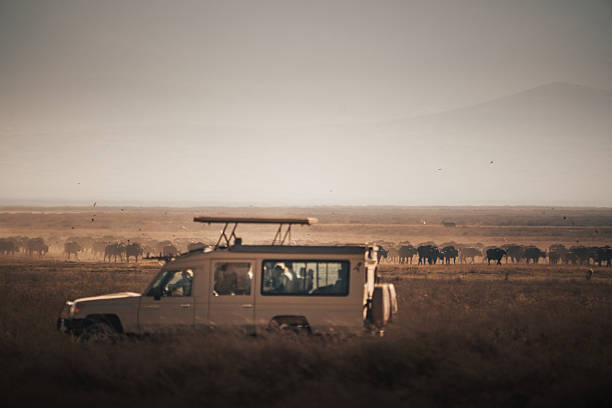
Community-Based Tourism From Moshi: Your Comprehensive Guide
Moshi, a vibrant town nestled at the foot of Mount Kilimanjaro, serves as a gateway not only to Africa’s highest peak but also to a rich landscape of cultural experiences. Community-based tourism (CBT) from Moshi offers a profound way to connect with the heart of Tanzania, moving beyond typical tourist trails to engage directly with local people, understand their way of life, and contribute positively to their communities. This guide explores the depth and breadth of community-based tourism initiatives accessible from Moshi, providing essential information for planning an impactful and memorable journey in 2026 and 2027.
Unlike conventional tourism that often keeps visitors at a distance, community-based tourism prioritizes genuine interaction. It allows travelers to witness daily life, participate in local activities, and gain insights into traditions, crafts, and social structures. For those looking to travel with purpose, understanding and supporting local economies, CBT from Moshi presents an unparalleled opportunity. This guide is designed to help you navigate this unique travel style, from initial planning to booking your authentic Tanzanian adventure.
Quick Facts: Community-Based Tourism From Moshi
| Aspect | Details |
|---|---|
| Primary Location | Moshi and surrounding Kilimanjaro region, Tanzania |
| Focus | Cultural immersion, local interaction, sustainable development, authentic experiences |
| Key Activities | Village visits, cultural performances, local craft workshops, cooking classes, farming experiences, school visits, guided nature walks |
| Traveler Type | Culturally curious, socially conscious, adventurous, those seeking authenticity |
| Best Time to Visit | Throughout the year, with drier months (June-October, December-February) generally preferred |
| Duration | Typically 1-5 days, but can be integrated into longer itineraries |
| Accommodation | Homestays, community guesthouses, basic lodges |
What is Community-Based Tourism From Moshi?
Community-based tourism, in the context of Moshi, refers to tourism initiatives that are owned and/or managed by local communities. The primary goal is to empower these communities by generating income, preserving cultural heritage, and improving livelihoods, while offering travelers an authentic and enriching experience. These projects are often found in villages surrounding Moshi, in areas where traditional lifestyles are still prevalent and where communities have actively sought to share their culture with the outside world in a controlled and beneficial manner.
These initiatives are distinct from standard tours because they place the community at the center of the tourism experience. Instead of observing from a distance, visitors become temporary participants. This might involve staying with a local family, learning traditional farming techniques, understanding how local crafts are made, or sharing meals and stories. The revenue generated directly supports community projects, such as schools, health clinics, or conservation efforts, ensuring that tourism has a tangible positive impact.
Why Choose Community-Based Tourism From Moshi?
Opting for community-based tourism from Moshi offers several compelling advantages:
- Authentic Cultural Exchange: Experience the real Tanzania, not a curated performance. Engage in genuine conversations, learn about daily life, and build meaningful connections with local people.
- Direct Economic Benefit: Your travel spending goes directly to the community, supporting local businesses, education, and healthcare. This ensures your trip contributes to sustainable development.
- Unique Learning Opportunities: Gain firsthand knowledge of local customs, agricultural practices, traditional medicine, and artistic skills.
- Responsible Travel: CBT promotes environmental conservation and cultural preservation by involving the community in decision-making and ensuring tourism respects local values.
- Off-the-Beaten-Path Adventures: Discover hidden gems and landscapes away from crowded tourist hubs, offering a more intimate and personal travel experience.
- Personal Growth: Such experiences can be deeply rewarding, fostering empathy, understanding, and a broader perspective on the world.
The Cultural Landscape Around Moshi
The Kilimanjaro region is home to several ethnic groups, each with its unique traditions and customs. The Chagga people are the most prominent group in the immediate vicinity of Moshi. Historically, they are known for their agricultural prowess, particularly coffee and banana cultivation, and their complex social structures, including impressive underground tunnel systems used for defense. Community-based tourism initiatives often allow visitors to learn about these aspects of Chagga culture.
Beyond the Chagga, the region is a crossroads for various cultures, offering opportunities to learn about the traditions of the Maasai, Pare, and other groups, especially in areas slightly further afield from Moshi. Understanding the local ethnic diversity enriches the CBT experience, providing a more nuanced view of Tanzanian society.
Popular Community-Based Tourism Activities Near Moshi
Several types of community-based tourism activities are readily accessible from Moshi. These can often be combined into multi-day itineraries or experienced as day trips.
1. Village Immersion and Homestays
This is perhaps the most direct form of CBT. Visitors stay with local families in designated homestays, sharing meals, participating in household chores, and learning about daily routines. These experiences offer unparalleled insight into local life, family structures, and community dynamics. Homestays near Moshi can be found in villages like Marangu, Machame, and various smaller settlements.
2. Cultural Tours and Village Walks
Guided tours led by community members take visitors through villages, explaining local customs, history, and social organization. These walks often include visits to local markets, traditional homesteads, and significant cultural sites. You might learn about traditional brewing methods, local storytelling, or the significance of certain rituals.
3. Agricultural Experiences
The Kilimanjaro region is agriculturally rich. CBT programs often include opportunities to learn about and participate in farming activities, such as coffee cultivation and processing (a hallmark of the Chagga), banana farming, or tending to other local crops. This hands-on experience provides a deep appreciation for the local economy and food production.
4. Craft Workshops and Demonstrations
Many communities have traditional craftspeople who create beautiful items from local materials. CBT initiatives can offer workshops where visitors can learn to make crafts like pottery, beadwork, or basket weaving. Observing or participating in these activities provides insight into local artistry and provides an opportunity to purchase unique souvenirs directly from the artisans.
5. Traditional Cooking Classes
Learn to prepare authentic Tanzanian dishes using local ingredients. These classes often involve visiting a local market to select produce, followed by hands-on cooking sessions, and finally, enjoying the meal together. Staple dishes like Ugali, pilau, and various stews are common subjects.
6. School and Community Project Visits
Some CBT programs facilitate visits to local schools or other community development projects. These visits offer a chance to understand the educational system, see the impact of community initiatives, and interact with children and project leaders. It’s important that these visits are conducted respectfully and do not disrupt daily activities.
7. Nature and Hiking Experiences
While not strictly cultural, many CBT initiatives incorporate guided nature walks or hikes in the surrounding hills and foothills of Kilimanjaro or Mount Meru. These walks are often led by local guides who share knowledge about local flora, fauna, and traditional uses of plants.
Planning Your Community-Based Tourism Experience From Moshi
Planning for community-based tourism requires a different mindset than booking a standard hotel or safari. It’s about flexibility, respect, and a willingness to immerse yourself.
When to Plan Your Trip (2026-2027 Seasonality)
Tanzania enjoys a favorable climate for tourism year-round, but certain periods offer distinct advantages for community-based tourism from Moshi:
- Dry Seasons (June to October, December to February): These are generally the most popular times for travel in Tanzania. The weather is typically sunny and dry, making village visits, walking tours, and agricultural activities more comfortable. The Kilimanjaro trekking season also aligns with these periods.
- Green Seasons (March to May, November): These months bring rain, which transforms the landscape into lush greenery. While some activities might be affected by downpours, the scenery is spectacular, and there are fewer tourists. Rain is often in short, intense bursts, typically in the afternoons. For those who don’t mind occasional rain, these seasons offer a more tranquil experience and can be more budget-friendly.
For 2026 and 2027, consider booking community-based tourism experiences during the shoulder seasons (e.g., early June, late October, early November) for a good balance of weather and fewer crowds.
Duration and Itinerary Ideas
Community-based tourism experiences can range from half-day trips to week-long immersions. Here are a few itinerary concepts:
| Duration | Focus | Sample Activities |
|---|---|---|
| 1 Day | Cultural Introduction | Morning village walk, local market visit, traditional lunch preparation and meal, afternoon craft demonstration. |
| 2-3 Days | Deeper Immersion | Day 1: Village arrival, homestay setup, introductory walk, evening storytelling. Day 2: Agricultural activity (e.g., coffee tour), cooking class, visit to a local school. Day 3: Craft workshop, farewell cultural performance, departure. |
| 4-5 Days | Comprehensive Experience | Includes all activities from a 2-3 day trip plus a guided nature walk in the foothills, potentially a visit to a nearby waterfall, and more in-depth sessions on local history or traditional healing. |
Sample Route: Marangu Village Immersion (2 Days)
Marangu, famous as a starting point for Kilimanjaro climbs, also offers excellent CBT opportunities focused on Chagga culture and coffee farming.
Day 1: Arrival and Chagga Life
- Morning: Arrive in Marangu village, meet your local host family/guide.
- Late Morning: Guided walk through the village, learning about Chagga history and traditions. Visit a traditional Chagga house and learn about their architecture.
- Afternoon: Participate in a coffee farm tour – from picking beans to the final roasting and brewing process. Enjoy a cup of locally grown coffee.
- Evening: Learn to prepare a traditional Chagga meal (e.g., banana stew, Ugali) and share dinner with your host family. Experience local storytelling and music.
Day 2: Waterfalls and Departure
- Morning: Hike to the beautiful Marangu Waterfalls, enjoying the lush scenery and learning about local plant uses.
- Late Morning: Visit a local craft market or participate in a short craft demonstration.
- Afternoon: Enjoy a final local lunch before departing from Marangu.
Choosing the Right Community
Not all communities are equally equipped for tourism. Reputable tour operators will partner with established CBT groups that have proper training, infrastructure (like safe homestays), and a clear benefit-sharing mechanism. Research or ask your tour operator about the specific community you will be visiting and how the tourism benefits are distributed.
What to Expect During Your CBT Experience
Community-based tourism is about authenticity, which means it won’t always be polished or predictable. Embrace the unexpected.
Accommodation
Expect basic but clean and comfortable accommodations. Homestays offer a room within a local family’s house, providing a genuine glimpse into their living conditions. Community guesthouses are often simple structures built with local materials, offering private rooms and shared facilities. Hot water might be limited, and electricity can sometimes be unreliable in more remote areas.
Food
Meals are typically prepared using fresh, local ingredients. Expect hearty, traditional Tanzanian fare. Staples include Ugali (a stiff maize porridge), rice, beans, vegetables, and sometimes chicken or goat meat. You’ll likely have opportunities to try local fruits like bananas and mangoes. If you have dietary restrictions, inform your tour operator well in advance.
Daily Life and Pace
Life in these communities moves at a different pace. Activities are often dictated by the rhythms of nature and daily chores. Be prepared for early mornings and a slower pace of life. Flexibility is key, as schedules can change based on local needs or events.
Interaction and Communication
While English is spoken in many tourist areas, it may be less common in remote villages. Learning a few basic Swahili phrases (like ‘Jambo’ for hello, ‘Asante’ for thank you) is greatly appreciated and can enhance your interactions. Guides will facilitate communication, but genuine effort to connect goes a long way.
Cultural Sensitivity
Respect is paramount. Dress modestly, especially when visiting villages or religious sites. Always ask for permission before taking photographs of people. Be mindful of local customs and traditions. Your guide will provide specific guidance on cultural etiquette.
Inclusions and Packing for CBT
What’s Typically Included?
When you book a CBT package through a reputable operator, inclusions usually cover:
- Accommodation (homestay or community guesthouse)
- Meals (breakfast, lunch, dinner)
- Guided activities and excursions as per the itinerary
- Local community guide fees
- Contributions to community development projects (often built into the tour price)
What’s typically NOT included:
- International and domestic flights
- Visas
- Travel insurance
- Personal expenses (souvenirs, extra drinks)
- Tips for guides and hosts
- Optional activities not listed in the itinerary
Packing Essentials for Community-Based Tourism
Pack light, practical, and respectful clothing. Consider the following:
| Category | Items | Notes |
|---|---|---|
| Clothing | Lightweight, breathable long-sleeved shirts and trousers, t-shirts, comfortable walking shoes/sandals, a light jacket or fleece, rain jacket, modest dresses or skirts (knee-length or longer). | Prioritize comfort and modesty. Long sleeves and trousers protect from sun and insects. |
| Footwear | Comfortable walking shoes, sturdy sandals. | You’ll be doing a lot of walking. Flip-flops for around the homestay. |
| Health & Hygiene | Personal toiletries, hand sanitizer, insect repellent (DEET recommended), sunscreen, basic first-aid kit (band-aids, antiseptic wipes, pain relievers, any personal medications). | Access to pharmacies might be limited. |
| Documents & Money | Passport, visa, flight details, insurance documents, copies of important documents, cash (USD is widely accepted, Tanzanian Shillings for local purchases). | Keep digital and physical copies separate. |
| Miscellaneous | Reusable water bottle, small backpack, camera, power bank, headlamp or flashlight, small gifts for hosts (optional, e.g., school supplies, practical items). | Gifts should be thoughtful and useful, not extravagant. |
Common Mistakes to Avoid
To ensure a smooth and respectful experience, be aware of potential pitfalls:
- Expecting Luxury: CBT is about authenticity, not luxury. Adjust your expectations regarding amenities and comfort levels.
- Lack of Flexibility: Schedules can change. Be prepared to go with the flow and adapt to local circumstances.
- Cultural Insensitivity: Failing to dress modestly, taking photos without permission, or disregarding local customs can cause offense.
- Not Engaging: Being a passive observer misses the point of CBT. Ask questions, participate, and show genuine interest.
- Ignoring Health Precautions: Not using insect repellent or drinking unpurified water can lead to illness.
- Over-reliance on Technology: Internet and phone signal may be weak or non-existent. Embrace the disconnect.
- Not Tipping Appropriately: Tipping is customary for guides and hosts who provide excellent service. Discuss expectations with your tour operator.
Who is Community-Based Tourism From Moshi Best For?
Community-based tourism from Moshi is ideal for:
- Culturally Curious Travelers: Those eager to understand different ways of life, traditions, and social structures.
- Socially Conscious Individuals: Travelers who want their trips to have a positive impact and support local development.
- Adventurous Spirits: People who are comfortable stepping outside their comfort zone and embracing the unexpected.
- Families Seeking Educational Experiences: A great way for children to learn about global cultures and develop empathy.
- Budget-Conscious Travelers: CBT can often be more affordable than high-end lodges, with the added benefit of direct community support.
- Solo Travelers: CBT offers a safe and structured way for solo travelers to connect with local communities.
It might not be the best fit for travelers seeking five-star luxury, constant entertainment, or a completely predictable schedule.
Alternatives to Pure CBT Experiences
If a full immersion into community-based tourism feels like too much, or if you want to combine it with other experiences, consider these alternatives:
- Day Trips to Villages: Many CBT initiatives offer day tours that include a village walk, a cultural demonstration, and lunch, allowing for a taste of local life without an overnight stay.
- Cultural Centers and Museums: Moshi and surrounding areas have cultural centers that offer insights into local history and traditions, often with craft displays and performances.
- Coffee Plantation Tours: While often part of CBT, dedicated coffee tours focusing on the production process can be booked independently.
- Maasai Boma Visits: While not strictly CBT from Moshi, organized visits to Maasai villages (bomas) are common. Ensure these are run ethically and benefit the community.
- Volunteering Programs: Some organizations offer short-term volunteer opportunities that connect you with local communities, though these require careful vetting to ensure they are genuinely beneficial and not exploitative.
Community-Based Tourism From Moshi in 2026-2027: Planning Ahead
Planning for your community-based tourism adventure in 2026 or 2027 involves leveraging expert advice and booking strategically.
Booking Timeline:
| Time Before Travel | Action |
|---|---|
| 6-12 Months | Research tour operators specializing in CBT. Book Kilimanjaro treks or popular safari dates. Identify potential CBT dates. |
| 3-6 Months | Confirm your chosen CBT itinerary and operator. Book flights. Secure necessary visas. |
| 1-3 Months | Arrange travel insurance. Start planning your packing list. Confirm details with your tour operator. Exchange some currency. |
| 1-2 Weeks | Finalize packing. Inform your bank of travel dates. Download offline maps if needed. Confirm airport transfers. |
Choosing a Reputable Operator:
Selecting the right tour operator is crucial for a positive CBT experience. Look for operators who:
- Clearly articulate their commitment to ethical tourism and community benefits.
- Have strong relationships with the local communities they work with.
- Provide detailed itineraries and transparent pricing.
- Offer good communication and support before, during, and after your trip.
- Have positive reviews or testimonials specifically mentioning their CBT offerings.
For community-based tourism from Moshi, partnering with experienced local operators like Best Tanzania Tour Operator ensures that your visit is well-organized, culturally sensitive, and directly benefits the communities involved.
Sustainability and Impact
When planning for 2026-2027, consider the sustainability aspect of your trip. Community-based tourism is inherently sustainable when managed correctly, as it provides direct economic incentives for conservation and cultural preservation. Ask your operator about their specific sustainability practices and how they measure the impact of their CBT programs.
Booking Your Community-Based Tourism From Moshi
Booking your community-based tourism experience from Moshi should be a straightforward process when you work with the right partners. The goal is to find a tour that aligns with your interests and provides genuine cultural immersion while ensuring your visit benefits the local community.
Steps to Book:
- Research and Inquiry: Identify tour operators that specialize in community-based tourism in Tanzania. Reach out with your desired dates, duration, and any specific interests (e.g., coffee farming, crafts, homestays).
- Consultation: Discuss your options with the operator. They should be able to explain different community projects, village experiences, and what to expect in terms of accommodation and activities.
- Itinerary Customization: Work with the operator to tailor an itinerary that fits your schedule and preferences. For example, you might want to combine a day trip with a longer village stay or integrate it into a Kilimanjaro climb.
- Quotation and Confirmation: Receive a detailed quotation outlining inclusions, exclusions, and the total cost. Once you agree, confirm your booking.
- Deposit and Payment: A deposit is usually required to secure your booking, with the balance due closer to your travel date.
- Pre-Trip Information: The operator should provide comprehensive pre-trip information, including packing lists, cultural guidelines, and contact details.
Why Book With Us?
At Best Tanzania Tour Operator, we are passionate about connecting travelers with the authentic heart of Tanzania through community-based tourism from Moshi. We work closely with local communities, ensuring that our tours are not only enriching for our guests but also genuinely beneficial for the people whose culture and traditions we share. Our team has extensive experience in organizing responsible and impactful travel experiences.
We understand the nuances of community-based tourism and are dedicated to providing well-organized, culturally sensitive, and memorable journeys. Whether you’re looking for a short cultural excursion or a more immersive homestay experience, we can craft an itinerary that meets your needs.
Contact Us to Plan Your Authentic Tanzanian Adventure:
Ready to experience the warmth and richness of Tanzanian culture through community-based tourism from Moshi? Get in touch with our expert team today to start planning your unforgettable journey for 2026 or 2027.
WhatsApp: +255616946642
Email: topguideadventures@gmail.com
Backup Email: info@topguideadventures.com
Frequently Asked Questions (FAQs)
1. Is community-based tourism safe?
Yes, community-based tourism from Moshi is generally safe when organized through reputable operators. These operators work with communities that are accustomed to hosting visitors and have established safety protocols. Guides are experienced and knowledgeable about the local area and customs. As with any travel, it’s important to follow your guide’s instructions and maintain general safety awareness.
2. What is the difference between community-based tourism and regular village tours?
The key difference lies in ownership and management. Community-based tourism is initiated, owned, and/or managed by the local community itself, with the primary goal of empowering the community and ensuring benefits are distributed locally. Regular village tours might be organized by external companies with less direct community involvement and benefit sharing.
3. Can I arrange community-based tourism directly with the villages?
While direct arrangements might be possible in some cases, it is often more reliable and beneficial to book through a recognized tour operator. Operators ensure proper vetting of communities, manage logistics, provide experienced guides, and guarantee that your payment supports the community ethically and effectively. They also have contingency plans and can offer support during your trip.
4. What kind of contribution do I make to the community?
Your financial contribution through booking a CBT tour directly supports the community. This can include funding for local schools, healthcare facilities, infrastructure development, or providing income for local guides, artisans, and families hosting you. Some tours may also involve direct participation in community projects.
5. What should I do if I don’t speak Swahili?
You don’t need to speak Swahili to enjoy community-based tourism from Moshi. Most guides will be fluent in both Swahili and English. However, learning a few basic Swahili greetings and phrases (‘Jambo’, ‘Asante’, ‘Karibu’) is highly appreciated by the local people and can greatly enhance your interactions.
6. Are there specific ethical considerations for visiting schools?
Yes, if your CBT itinerary includes school visits, it’s crucial to be respectful. Visits should be brief, non-disruptive, and ideally arranged in advance by your tour operator. Avoid giving money or sweets directly to children, as this can encourage begging. If you wish to donate, it’s best to do so through the school administration for educational supplies.
7. How much should I tip?
Tipping is customary for good service. For a multi-day CBT experience, a tip for your local guide and host family is appreciated. Your tour operator can provide specific guidance on appropriate amounts based on the duration and nature of your experience. It’s generally best to present tips at the end of your stay.
8. Can I customize a community-based tourism experience for 2026 or 2027?
Absolutely. Customization is often a key feature of community-based tourism. Reputable operators can tailor itineraries based on your interests, available time, and desired level of immersion. Whether you want to focus on agriculture, crafts, or simply experiencing daily life, customization is possible.
9. What if I have dietary restrictions?
It’s essential to inform your tour operator about any dietary restrictions or allergies well in advance of your trip. While local cuisine is generally simple, operators can often work with communities to accommodate specific needs, especially for common restrictions like vegetarianism. However, options might be limited in very remote settings.
10. How can I ensure my visit is genuinely beneficial and not exploitative?
Choose operators committed to ethical tourism principles. Look for transparency in how funds are distributed, ensure communities have a voice in the tourism activities, and prioritize experiences that respect local culture and traditions. Responsible operators will be able to explain their community partnerships and impact measurement.
Your Journey of Connection Awaits
Community-based tourism from Moshi offers a unique pathway to understanding Tanzania’s rich cultural heritage and contributing to its sustainable development. By stepping beyond the ordinary, you gain experiences that are both deeply personal and profoundly impactful. Whether you’re planning for 2026 or 2027, embracing this style of travel promises authentic connections and a true appreciation for the spirit of Tanzania.
We invite you to discover the transformative power of community-based tourism from Moshi. Let us help you craft an itinerary that resonates with your desire for authentic travel and meaningful engagement. Contact us to begin planning your unforgettable Tanzanian cultural adventure.
Reach out to our expert team:
WhatsApp: +255616946642
Email: topguideadventures@gmail.com
Backup Email: info@topguideadventures.com
Plan your Community-Based Tourism From Moshi with Top Guide Adventures
Tell us your travel dates, group size, comfort level, and dream experience. We will help you shape a clear, realistic, and memorable Tanzania itinerary.







 Veedesigner
 Fatma Kizanga
 Benjamin Waryuba
 Philip Philip
 John jr Itaja
 Antonia Optatus
 Edith Kanyere
 Neema Iddy
 Kelvin Boniphace
 Damari Maiga



