
Updated planning guide for 2026, 2027-2028
Conservation Safari From Moshi: Best Guide 2026-2027-2028
Your comprehensive guide to planning a conservation safari from Moshi, Tanzania. Learn about ethical wildlife viewing, key conservation areas, best travel times for 2026-2027, sample itineraries, and how to book a responsible safari experience.
WhatsApp +255616946642 | topguideadventures@gmail.com | info@topguideadventures.com
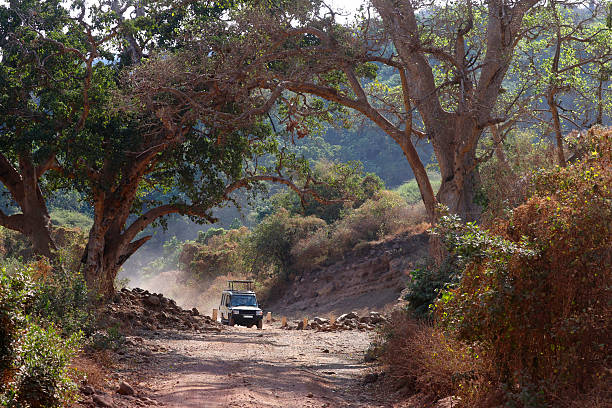
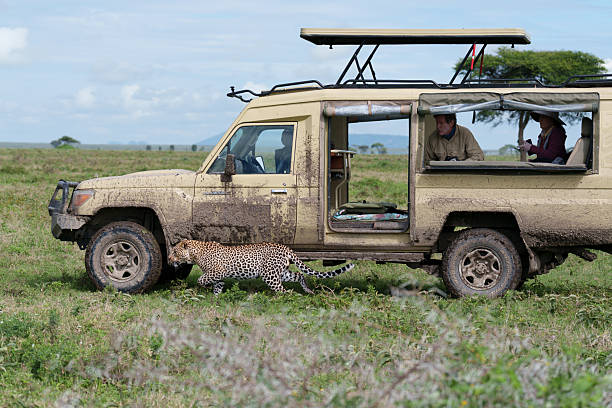
Conservation Safari From Moshi: Your Ultimate Planning Guide
Moshi, Tanzania, serves as a significant gateway for many travelers, not just for those aiming to summit Mount Kilimanjaro, but also for those seeking a more profound connection with the natural world through conservation safaris. A conservation safari from Moshi focuses on responsible tourism practices that directly benefit wildlife protection, habitat preservation, and local community development. This guide is designed to provide you with all the essential information to plan an impactful and memorable conservation safari experience, starting from the vibrant town of Moshi.
Unlike traditional safaris that might prioritize game viewing above all else, a conservation-focused trip emphasizes understanding the ecological challenges and successes in Tanzania’s protected areas. It involves supporting lodges and tour operators committed to sustainability, visiting projects that aid wildlife, and engaging with conservationists. Planning such a trip requires attention to detail, from choosing the right parks to understanding the ethical considerations involved. This article will walk you through every step, ensuring your 2026 or 2027 safari makes a positive difference.
Quick Facts: Conservation Safari From Moshi
| Starting Point: | Moshi, Tanzania |
| Primary Focus: | Wildlife conservation, habitat protection, community engagement, ethical tourism. |
| Key Wildlife Areas Accessible: | Serengeti National Park, Ngorongoro Conservation Area, Tarangire National Park, Lake Manyara National Park, Arusha National Park. |
| Best Time to Travel (General): | Dry seasons (June-October, January-February) for wildlife viewing; Green season (November-May) for birding and fewer crowds. |
| Duration: | Typically 5 days to 2 weeks, depending on itinerary scope. |
| Accommodation: | Eco-lodges, community-run camps, lodges with sustainability certifications. |
| Activities: | Game drives, walking safaris, community visits, conservation project tours, bird watching. |
Understanding Conservation Safaris
A conservation safari is more than just observing animals; it’s about contributing to their survival. This means choosing operators who actively participate in conservation efforts, such as funding anti-poaching units, supporting research, or investing in community-based conservation initiatives. Lodges often have their own sustainability practices, like waste management, water conservation, and employing local staff. Your travel choices can directly impact the long-term health of these vital ecosystems.
When you opt for a conservation safari from Moshi, you are aligning your travel with principles that ensure wildlife and natural habitats thrive for future generations. This involves a conscious decision to minimize your environmental footprint and maximize your positive social and economic impact. It’s about experiencing the wild while actively participating in its protection.
Why Choose a Conservation Safari From Moshi?
Moshi’s location makes it an ideal base for conservation safaris. It’s close to some of Tanzania’s most iconic protected areas, including Arusha National Park, which is often a starting point for Kilimanjaro climbs but also a significant wildlife area. Furthermore, Moshi is a hub for tour operators who are increasingly focused on responsible tourism. By starting your journey here, you gain access to a network of guides and services that prioritize conservation ethics.
Choosing a conservation safari means your travel budget contributes to:
- Wildlife Protection: Funding anti-poaching patrols, research, and anti-snare initiatives.
- Habitat Preservation: Supporting efforts to maintain and restore natural habitats crucial for wildlife survival.
- Community Empowerment: Investing in local communities through employment, education, and sustainable development projects, fostering a sense of stewardship for wildlife.
- Sustainable Operations: Choosing lodges and operators committed to eco-friendly practices like renewable energy, waste reduction, and water conservation.
Best Time for Your Conservation Safari
The timing of your conservation safari from Moshi significantly impacts your experience. Tanzania offers diverse wildlife viewing opportunities throughout the year, but certain periods are better suited for specific conservation-focused activities and general wildlife observation.
Dry Seasons (June – October & January – February)
These months are characterized by clear skies and pleasant temperatures. Wildlife congregates around water sources, making game viewing more predictable. This is an excellent time for observing large mammals and understanding their dependence on water resources, a key conservation concern. However, it’s also peak tourist season, so booking well in advance for 2026 and 2027 is advisable, especially for eco-lodges with limited capacity.
Green Season (November – May)
This period sees rainfall, though typically not all day. The landscape becomes lush and green, attracting migratory birds and newborn animals. It’s a quieter time with fewer tourists, offering a more intimate wildlife experience. The lush vegetation can make spotting some animals more challenging, but it’s ideal for birdwatching and understanding the breeding cycles of wildlife. This season can also be more budget-friendly.
Specific Considerations for Conservation:
- Great Migration: Witnessing the Great Migration in the Serengeti (timing varies, but generally June-October for the river crossings in the west and north, and January-March for calving in the south) offers a powerful insight into ecosystem dynamics. This is a prime time for conservation-focused discussions.
- Birding: November to April is prime time for birdwatching, especially with the arrival of migratory birds from Europe and Asia.
- Calving Season: January to March in the southern Serengeti is when wildebeest and zebras give birth, attracting predators and offering a raw look at the circle of life.
Key Conservation Areas Accessible From Moshi
Moshi is strategically located to access several of Tanzania’s premier national parks and conservation areas, each offering unique ecosystems and conservation challenges.
1. Arusha National Park
Proximity to Moshi: Very close (approx. 1-1.5 hours drive).
Conservation Focus: This park protects Mount Meru, alkaline lakes (Momella Lakes), and Ngurdoto Crater. It’s a vital corridor for wildlife movement and home to diverse species including elephants, giraffes, zebras, hippos, and various monkeys. It’s also one of the few parks where walking safaris are permitted, offering a more intimate connection with the environment and a chance to learn about flora and fauna up close.
2. Tarangire National Park
Proximity to Moshi: Moderate (approx. 3-4 hours drive).
Conservation Focus: Famous for its large elephant herds and iconic baobab trees. Tarangire is crucial for elephants that migrate from the dry hinterlands. Conservation efforts here often focus on managing human-wildlife conflict as elephant populations increase and interact with surrounding communities. It’s also a significant birding destination.
3. Lake Manyara National Park
Proximity to Moshi: Moderate (approx. 3-4 hours drive).
Conservation Focus: Known for its tree-climbing lions, large elephant herds, and diverse birdlife along the alkaline lake. Conservation efforts focus on protecting the delicate lake ecosystem and its inhabitants, including the unique groundwater forest.
4. Ngorongoro Conservation Area (Ngorongoro Crater)
Proximity to Moshi: Longer drive (approx. 4-5 hours).
Conservation Focus: A UNESCO World Heritage Site, this area is unique because it allows human habitation (Maasai people) alongside wildlife. The Ngorongoro Crater, a vast caldera, hosts an incredible density of wildlife, including the endangered black rhino. Conservation here involves balancing the needs of local communities with wildlife protection and managing tourism impacts on this fragile ecosystem.
5. Serengeti National Park
Proximity to Moshi: Longest drive or flight (approx. 6-8 hours drive, or a short flight from Arusha Airport).
Conservation Focus: Home to the Great Migration, the Serengeti is the quintessential African savanna. Conservation efforts are vast, focusing on protecting millions of migratory animals, managing predator-prey dynamics, and combating poaching. It’s a crucial area for understanding large-scale ecosystem health.
Route Overview from Moshi
A typical conservation safari route from Moshi often follows a circuit:
- Day 1: Arrive in Moshi, transfer to accommodation. Optional visit to Arusha National Park for a walking safari or game drive.
- Day 2: Drive to Tarangire National Park for game drives, focusing on elephant conservation and the unique landscape. Stay in an eco-lodge nearby.
- Day 3: Morning game drive in Tarangire, then drive to the Ngorongoro Conservation Area. Visit a Maasai village for cultural insights and to understand community-based conservation efforts.
- Day 4: Descend into the Ngorongoro Crater for a full-day game drive, observing the diverse wildlife and the conservation challenges within the caldera.
- Day 5: Drive to Lake Manyara National Park for a morning game drive, then return to Moshi or Arusha.
For longer safaris, the Serengeti can be added, often involving a flight from Arusha or a longer drive, potentially spending 2-3 days there to witness the migration or explore different regions.
Sample Conservation Safari Itinerary (7 Days)
This sample itinerary emphasizes conservation aspects and responsible tourism practices, suitable for 2026 or 2027 travel.
Day 1: Arrival in Moshi & Arusha National Park Exploration
Arrive at Kilimanjaro International Airport (JRO) and transfer to your hotel in Moshi. After settling in, take a guided tour of Arusha National Park. Focus on a walking safari with an armed ranger to learn about the smaller flora and fauna, and the park’s role as a vital water catchment for the region. Observe diverse birdlife and primates. Your guide will explain the park’s conservation importance and challenges.
Conservation Highlight: Understanding the ecological significance of Arusha NP and the benefits of walking safaris for low-impact wildlife observation.
Day 2: Tarangire National Park – Elephants & Baobabs
After breakfast, drive to Tarangire National Park. Tarangire is renowned for its massive elephant herds and ancient baobab trees. Spend the day on game drives, focusing on elephant behavior and the park’s efforts to manage human-elephant conflict. Your guide will discuss the importance of migratory corridors and the role of baobabs in the ecosystem. Stay at an eco-lodge committed to sustainable practices.
Conservation Highlight: Learning about elephant conservation strategies and the impact of habitat fragmentation.
Day 3: Tarangire to Ngorongoro – Community Engagement
Enjoy a final morning game drive in Tarangire, perhaps seeking out species less commonly seen. Afterwards, drive towards the Ngorongoro Conservation Area. En route, visit a Maasai community. This visit is designed to be respectful and educational, offering insight into their traditional lifestyle, their relationship with the land, and how community-based conservation initiatives are helping to protect wildlife while supporting local livelihoods. Stay at a lodge on the crater rim or nearby.
Conservation Highlight: Understanding the integration of human populations and wildlife in a conservation area and the benefits of community involvement.
Day 4: Ngorongoro Crater – A Unique Ecosystem
Descend into the Ngorongoro Crater, a UNESCO World Heritage Site, for a full-day game drive. This caldera boasts an exceptional concentration of wildlife, including the rare black rhino. Your guide will explain the geological formation and the unique ecological balance within the crater. Discuss the challenges of managing such a dense wildlife population and tourism activities within a protected, yet inhabited, zone.
Conservation Highlight: Observing the density of wildlife and discussing the management of a unique, enclosed ecosystem with human co-existence.
Day 5: Lake Manyara & Transfer to Moshi
After breakfast, drive to Lake Manyara National Park. This park is known for its diverse habitats, from groundwater forests to open savannas, and its tree-climbing lions. Enjoy a game drive, focusing on the variety of species and the park’s conservation efforts to protect its rich birdlife and forest ecosystems. Later, begin your journey back to Moshi.
Conservation Highlight: Appreciating the biodiversity of a smaller, varied park and its specific conservation focus.
Day 6: Optional Conservation Project Visit or Cultural Tour
Depending on your interests and availability, you could visit a local conservation project near Moshi, such as a wildlife rehabilitation center or a reforestation initiative. Alternatively, explore local markets or engage in a cultural exchange program. This day is dedicated to understanding conservation beyond the parks.
Conservation Highlight: Direct engagement with local conservation efforts and community development.
Day 7: Departure
Enjoy a final Tanzanian breakfast before transferring to Kilimanjaro International Airport (JRO) for your departure, carrying with you the knowledge and experiences from your conservation safari.
What to Expect on Your Conservation Safari
A conservation safari from Moshi is designed to be both educational and awe-inspiring. Expect early mornings for optimal wildlife viewing, comfortable yet practical 4×4 safari vehicles, and knowledgeable guides who are passionate about Tanzania’s natural heritage and conservation efforts.
Game Drives
Game drives are the primary activity. Vehicles are typically open-sided or pop-top for unobstructed views and photography. Guides are trained to spot wildlife and interpret animal behavior, often sharing insights into conservation challenges and successes related to the species you encounter.
Walking Safaris
In parks like Arusha National Park, walking safaris offer a different perspective. Accompanied by an armed ranger, you can learn about the smaller details of the ecosystem – the plants, insects, and tracks – that are often missed from a vehicle. This is a fantastic way to connect with the environment on a deeper level.
Accommodation
Choose lodges and camps that demonstrate a commitment to sustainability. Look for certifications or clear policies on waste management, water conservation, renewable energy use, and local community employment. These accommodations often blend harmoniously with their surroundings and provide a comfortable base for your safari.
Community Interaction
Respectful visits to local communities, particularly Maasai villages, are often included. These interactions are opportunities to learn about traditional lifestyles, understand the human dimension of conservation, and support community development projects directly. Ensure your tour operator facilitates these visits ethically.
Packing and Preparation for Your Safari
Proper packing is crucial for comfort and to ensure you are prepared for the varied conditions on a conservation safari. Focus on lightweight, neutral-colored clothing.
Clothing Essentials:
- Neutral-Colored Clothing: Khaki, green, beige, or brown. Avoid bright colors and dark colors like black or navy blue, which can attract insects.
- Lightweight Trousers/Convertible Pants: For game drives and cooler evenings.
- Long-Sleeved Shirts: To protect from the sun and insects.
- T-shirts and Tops: For warmer days.
- Fleece Jacket or Warm Sweater: Evenings and early mornings can be cool, especially at higher altitudes like Ngorongoro.
- Rain Jacket or Poncho: Especially if traveling during the shoulder seasons or green season.
- Comfortable Walking Shoes/Hiking Boots: Essential for walking safaris.
- Sandals or Flip-flops: For relaxing at the lodge.
- Hat: Wide-brimmed for sun protection.
- Swimsuit: Some lodges have pools.
Other Essentials:
- Insect Repellent: With DEET or Picaridin.
- Sunscreen: High SPF.
- Sunglasses: With UV protection.
- Binoculars: Essential for wildlife viewing.
- Camera and Accessories: Extra batteries, memory cards, and a telephoto lens if possible.
- Adapter and Power Bank: For charging electronics.
- Personal First-Aid Kit: Include any personal medications.
- Hand Sanitizer: For hygiene on the go.
- Reusable Water Bottle: To reduce plastic waste.
- Small Backpack/Daypack: For carrying essentials during game drives.
- Travel Towel: Quick-drying, if staying in more basic camps.
Preparation Tips:
- Vaccinations and Health: Consult your doctor about recommended vaccinations (e.g., Yellow Fever, Hepatitis A) and malaria precautions well in advance of your 2026 or 2027 trip.
- Travel Insurance: Comprehensive travel insurance is essential, covering medical emergencies, trip cancellations, and lost luggage.
- Visas: Check visa requirements for Tanzania for your nationality.
- Fitness: While not strenuous, good mobility is needed for getting in and out of vehicles and for walking safaris.
- Respect Local Customs: Dress modestly when visiting villages. Learn a few Swahili phrases; it’s always appreciated.
Common Mistakes to Avoid on a Conservation Safari
To ensure your conservation safari from Moshi is as impactful and enjoyable as possible, be aware of common pitfalls:
- Choosing the Wrong Operator: Not all tour operators prioritize conservation. Research companies thoroughly. Look for those with clear sustainability policies, community engagement programs, and positive reviews regarding ethical practices.
- Ignoring Wildlife Etiquette: Never feed wild animals, never leave your vehicle when instructed not to, and always maintain a respectful distance. This is critical for their well-being and your safety.
- Overlooking Community Impact: A true conservation safari includes understanding and respecting local cultures. Ensure any community visits are arranged ethically and benefit the community directly, not just the tour operator.
- Excessive Plastic Use: Bring a reusable water bottle and avoid single-use plastics. Many lodges offer filtered water refills.
- Inadequate Packing: Forgetting essentials like insect repellent or a warm layer can detract from your experience.
- Focusing Only on ‘Big Five’: While exciting, a conservation safari is about appreciating the entire ecosystem. Take time to observe birds, insects, and plant life.
- Not Booking in Advance: Popular eco-lodges and reputable conservation-focused operators can book up quickly, especially for peak seasons in 2026 and 2027.
Who is a Conservation Safari From Moshi Best For?
A conservation safari from Moshi appeals to a specific type of traveler:
- Eco-conscious Travelers: Those who want their travel to have a positive impact and minimize their environmental footprint.
- Nature Enthusiasts: Individuals with a deep appreciation for wildlife, ecosystems, and the natural world.
- Lifelong Learners: Travelers who are curious about conservation science, wildlife management, and the challenges facing endangered species.
- Responsible Tourists: People who actively seek out ethical and sustainable travel options and are willing to pay a premium for them.
- Families: A conservation safari can be an incredibly educational experience for children, instilling a sense of responsibility and respect for nature.
- Photographers: Those looking for unique photographic opportunities that go beyond standard wildlife shots, perhaps focusing on conservation in action or subtle environmental details.
It might be less suitable for travelers whose sole priority is ticking off a checklist of sightings with minimal regard for the environmental or social impact of their trip.
Alternatives to a Conservation Safari
While a conservation safari offers a unique focus, other safari experiences from Moshi cater to different interests:
- Classic Wildlife Safari: This focuses on maximizing wildlife sightings across the northern circuit parks, often prioritizing iconic animals. It’s less about the conservation angle and more about the classic safari adventure.
- Luxury Safari: Emphasizes high-end accommodation, fine dining, and exclusive experiences, often in private concessions. While many luxury operators are improving sustainability, it’s not always the primary focus.
- Budget Safari: Focuses on affordability, often using more basic accommodation and transport. While budget safaris can be ethical, the conservation impact might be less direct or measurable compared to specialized conservation tours.
- Cultural Tourism: While integrated into conservation safaris, a dedicated cultural tour from Moshi would focus more on visiting local tribes, understanding traditions, and engaging in cultural activities, with less emphasis on wildlife.
Planning Your 2026-2027 Conservation Safari
Planning ahead is key for a successful conservation safari, especially for popular travel years like 2026 and 2027. Early booking ensures you secure spots with reputable, conservation-minded operators and lodges.
Conservation Safari Planning Checklist:
- Define Your Interests: What specific conservation issues or wildlife are you most interested in? (e.g., elephants, rhinos, community projects, birdlife).
- Research Tour Operators: Look for companies with clear conservation ethics, sustainability reports, and certifications. Check reviews specifically mentioning responsible tourism.
- Choose Accommodation Wisely: Prioritize eco-lodges and camps that demonstrably practice sustainability.
- Determine Travel Dates: Consider the best time for your interests (e.g., migration, birding) and book at least 9-12 months in advance for 2026-2027.
- Set a Budget: Conservation safaris can be more expensive due to the higher operating costs of ethical practices and eco-lodges.
- Health Preparations: Consult your doctor 6-8 weeks before your trip for necessary vaccinations and malaria advice.
- Visa and Passport: Ensure your passport is valid for at least six months beyond your stay and check visa requirements.
- Pack Appropriately: Use the packing list provided to ensure comfort and preparedness.
- Learn Basic Phrases: A few words in Swahili can enhance your interactions.
- Confirm Inclusions/Exclusions: Understand what your safari package covers (park fees, meals, accommodation, activities, guides) and what it doesn’t.
Booking Your Conservation Safari
Booking a conservation safari from Moshi requires careful consideration to ensure you partner with a provider that genuinely supports conservation efforts.
Choosing a Reputable Operator:
When selecting a tour operator, look for evidence of their commitment to conservation. This might include:
- Partnerships with conservation organizations.
- Support for local community projects.
- Use of eco-certified lodges.
- Transparency about their sustainability practices.
- Guides trained in conservation principles.
Best Tanzania Tour Operator is dedicated to offering authentic and responsible travel experiences. We work closely with lodges and local communities that share our commitment to conservation. Our itineraries are designed to minimize environmental impact while maximizing positive contributions to wildlife and local people.
What to Expect in Your Booking:
A typical conservation safari package from Moshi will include:
- Airport transfers.
- Accommodation in selected eco-lodges or camps.
- Private 4×4 safari vehicle with a professional, English-speaking guide.
- Park entrance fees and conservation fees.
- Meals as specified in the itinerary (usually full board on safari).
- Bottled water during game drives.
- A contribution to a local conservation or community project (often built into the package price or as an optional add-on).
Exclusions often include:
- International flights.
- Visa fees.
- Travel insurance.
- Tips for guides and lodge staff.
- Personal expenses (souvenirs, drinks, laundry).
- Optional activities not listed in the itinerary.
We recommend discussing your specific conservation interests with your chosen operator to tailor an itinerary that aligns with your goals for 2026 or 2027.
Frequently Asked Questions (FAQs)
Q1: What makes a safari “conservation-focused”?
A conservation safari prioritizes ethical wildlife viewing, supports lodges and operators with strong sustainability practices, contributes to wildlife protection and habitat preservation efforts, and often involves direct engagement with local community conservation initiatives. It’s about ensuring your travel benefits the environment and people of Tanzania.
Q2: Is a conservation safari more expensive than a regular safari?
Generally, yes. The higher cost reflects the investment in eco-friendly lodges, employing knowledgeable guides focused on conservation education, supporting community projects, and adhering to stricter environmental standards. The value, however, lies in the positive impact and the unique, responsible experience you gain.
Q3: Can I see the Great Migration on a conservation safari from Moshi?
Yes, you can. While the migration’s location varies throughout the year, it is primarily in the Serengeti. A conservation safari can be extended to include the Serengeti, focusing on the ecosystem dynamics and conservation challenges associated with this incredible natural phenomenon. The best time to see specific parts of the migration (like calving or river crossings) should be factored into your 2026-2027 planning.
Q4: What are the risks of wildlife encounters on a conservation safari?
While guides are trained to manage encounters safely, wildlife is wild. Following your guide’s instructions, staying in the vehicle unless permitted, and maintaining a respectful distance are crucial for your safety. Conservation safaris emphasize minimizing human impact, which also contributes to safety by not habituating animals to human presence.
Q5: How can I ensure my safari operator is genuinely committed to conservation?
Research their website for sustainability policies, conservation partnerships, and community involvement. Look for certifications from reputable eco-tourism organizations. Read reviews that specifically mention their ethical practices. Direct communication with the operator about their conservation efforts is also key.
Q6: What is the best way to minimize my environmental impact on safari?
Use a reusable water bottle, avoid single-use plastics, stick to designated paths, respect wildlife by not feeding or disturbing them, and choose lodges and operators with strong environmental policies. Support local communities through respectful engagement and purchasing local crafts.
Q7: Are conservation safaris suitable for children?
Absolutely. Conservation safaris offer fantastic educational opportunities for children, teaching them about wildlife, ecosystems, and the importance of environmental stewardship from a young age. Many operators can tailor itineraries to be engaging for younger travelers.
Q8: What kind of conservation projects can I expect to visit or support?
This varies, but common projects include anti-poaching units, wildlife research initiatives, community-based conservation education programs, reforestation efforts, or projects that help mitigate human-wildlife conflict. Some tours might include a visit to a wildlife rescue center.
Q9: When is the best time to book a conservation safari for 2026 or 2027?
For popular travel years like 2026 and 2027, it is highly recommended to book at least 9 to 12 months in advance, especially if you are targeting peak seasons or specific lodges known for their conservation focus. This ensures availability and allows for thorough planning.
Q10: What if I want to focus on a specific animal, like rhinos?
While rhinos are elusive, the Ngorongoro Crater is one of the best places to see them. A conservation safari can be customized to spend more time in areas known for specific species, and your guide will have expert knowledge on the best strategies for sightings while respecting conservation guidelines.
Begin Your Conservation Safari Journey From Moshi
A conservation safari from Moshi is a rewarding way to experience Tanzania’s incredible biodiversity while making a tangible contribution to its protection. By choosing this path, you become part of the solution, supporting vital efforts to safeguard wildlife and empower local communities.
We, at Best Tanzania Tour Operator, are passionate about creating meaningful and responsible safari experiences. We understand the nuances of conservation tourism and are committed to connecting you with the wild in a way that respects and protects it. Let us help you craft your perfect conservation safari from Moshi for 2026 or 2027.
Ready to plan your impactful adventure?
Contact us today to discuss your conservation safari from Moshi. We’re here to answer your questions and build a personalized itinerary that aligns with your conservation goals and travel dreams.
WhatsApp: +255616946642
Email: topguideadventures@gmail.com
Backup Email: info@topguideadventures.com
Plan your Conservation Safari From Moshi with Top Guide Adventures
Tell us your travel dates, group size, comfort level, and dream experience. We will help you shape a clear, realistic, and memorable Tanzania itinerary.







 Veedesigner
 Fatma Kizanga
 Benjamin Waryuba
 Philip Philip
 John jr Itaja
 Antonia Optatus
 Edith Kanyere
 Neema Iddy
 Kelvin Boniphace
 Damari Maiga



