
Updated planning guide for 2026-2027
Corporate Retreat Safari Packages — Team Building & Meetings: Best Guide
Discover how a corporate retreat safari in Tanzania can elevate your team's cohesion and productivity. This comprehensive guide covers planning, itineraries, benefits, and booking advice for 2026-2027.
WhatsApp +255616946642 | topguideadventures@gmail.com | info@topguideadventures.com
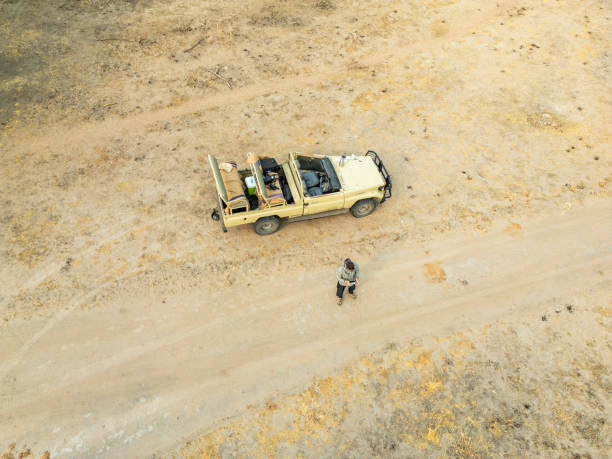
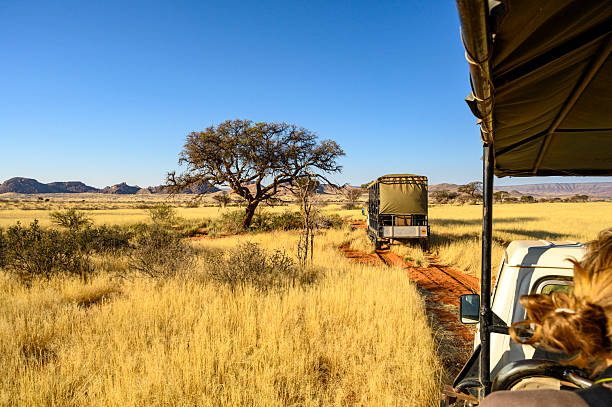
Corporate Retreat Safari Packages: Team Building & Meetings Expert Guide
Organizing a successful corporate retreat requires careful consideration of location, activities, and objectives. For companies seeking an experience that goes beyond the ordinary, corporate retreat safari packages in Tanzania offer a unique blend of adventure, team bonding, and strategic planning opportunities. Imagine your team immersed in the breathtaking landscapes of the Serengeti or Ngorongoro Crater, forging stronger connections while engaging in productive meetings and collaborative activities. This guide provides an in-depth look at planning and executing an unforgettable corporate safari experience for 2026 and 2027.
Table of Contents
- Quick Facts: Corporate Safari Retreats in Tanzania
- Overview: What are Corporate Safari Retreats?
- Why Choose Tanzania for Your Corporate Safari Retreat?
- Key Benefits for Your Team and Business
- Best Time to Plan Your Corporate Safari Retreat (2026-2027)
- Popular Destinations for Corporate Retreats
- Sample Corporate Retreat Safari Itinerary (7 Days)
- Meeting Facilities and Logistics
- Team Building Activities on Safari
- What to Expect: The Safari Experience
- Typical Inclusions and Exclusions
- Packing and Preparation Essentials
- Common Mistakes to Avoid
- Who is This Retreat Best Suited For?
- Alternatives to a Safari Retreat
- Planning Your 2026-2027 Corporate Retreat
- Booking Your Corporate Retreat Safari Package
- Frequently Asked Questions
- Ready to Plan Your Corporate Safari Retreat?
Quick Facts: Corporate Safari Retreats in Tanzania
| Aspect | Details |
|---|---|
| Focus Keyword | Corporate Retreat Safari Packages |
| Primary Goal | Team Building, Strategic Meetings, Employee Appreciation |
| Top Destinations | Serengeti, Ngorongoro Crater, Tarangire, Lake Manyara, Zanzibar (for beach elements) |
| Best Time (Wildlife) | June-October (Dry Season), January-February (Calving Season) |
| Best Time (Meetings) | Generally year-round, but consider weather for outdoor activities. |
| Typical Duration | 5-10 days |
| Key Activities | Game drives, nature walks, cultural visits, team challenges, strategic workshops, relaxation. |
| Accommodation | Luxury lodges, tented camps, boutique hotels. |
| Logistics | Requires experienced tour operator for transport, accommodation, guides, and meeting arrangements. |
Overview: What are Corporate Safari Retreats?
A corporate retreat safari is an organized trip for a company’s employees, often management or specific teams, to a safari destination, most notably in Africa, with Tanzania being a premier choice. These retreats are designed to achieve multiple business objectives simultaneously. They combine the thrill and unique environment of a wildlife safari with structured opportunities for team-building activities, strategic planning sessions, leadership development, and employee recognition. Unlike traditional corporate offsites held in conference centers, a safari retreat leverages the natural environment to foster a sense of adventure, collaboration, and shared experience, which can significantly enhance team cohesion and creativity. The focus is on creating an immersive, engaging, and memorable experience that yields tangible benefits for both the individuals and the organization.
Why Choose Tanzania for Your Corporate Safari Retreat?
Tanzania stands out as an exceptional destination for corporate retreats due to its unparalleled natural beauty, iconic wildlife, and diverse landscapes. It offers a truly wild and awe-inspiring setting that can invigorate any team.
- World-Class Wildlife Viewing: Home to the Great Migration, the Serengeti National Park offers one of the planet’s most spectacular wildlife events. The Ngorongoro Crater, a UNESCO World Heritage Site, boasts a remarkable density of wildlife in a unique caldera setting. Tarangire National Park is famous for its large elephant herds and baobab trees, while Lake Manyara offers diverse ecosystems and tree-climbing lions.
- Diverse Environments: From the vast plains of the Serengeti to the lush forests of the Ngorongoro Highlands and the tropical beaches of Zanzibar, Tanzania provides a range of environments that can cater to different retreat styles and preferences.
- Exceptional Lodging Options: Tanzania offers a spectrum of accommodation, from luxurious lodges and exclusive tented camps that provide comfort and excellent service amidst nature, to more rustic yet comfortable options. Many high-end establishments are equipped to handle corporate needs, offering meeting spaces and specialized services.
- Cultural Richness: Beyond the wildlife, Tanzania offers rich cultural experiences. Interactions with local communities, such as the Maasai people, can provide valuable insights and foster cross-cultural understanding, adding another layer to the team-building experience.
- Adventure and Exclusivity: The safari itself is an adventure. Companies can arrange private game drives, walking safaris, hot air balloon rides over the plains, and bush dinners, creating exclusive experiences that are both exciting and conducive to bonding.
- Accessibility: Major international airports like Kilimanjaro International Airport (JRO) serve as gateways to the northern safari circuit, making access relatively straightforward for international corporate groups.
Key Benefits for Your Team and Business
Integrating team-building and strategic sessions into a safari setting offers unique advantages:
- Enhanced Team Cohesion: Shared extraordinary experiences, like witnessing a lion hunt or navigating the bush together, create powerful bonds and break down hierarchical barriers. The remote and engaging environment encourages open communication and mutual reliance.
- Boosted Morale and Motivation: An exotic and adventurous retreat serves as a significant reward and motivator for employees, showing appreciation for their hard work and dedication. The change of scenery can also reduce stress and burnout.
- Improved Problem-Solving and Creativity: The natural, less structured environment, away from daily office distractions, can stimulate new perspectives and innovative thinking. Team challenges and problem-solving activities in this setting can yield creative solutions.
- Leadership Development: Safaris often present situations that require quick thinking, adaptability, and decisive leadership. These can be excellent opportunities for observing and developing leadership skills within the team.
- Strategic Planning: The tranquility and remove from daily operations provide an ideal backdrop for focused strategic discussions. The fresh perspective gained from the environment can lead to more insightful and forward-thinking planning.
- Memorable Experience: A safari retreat is far more memorable than a standard conference. The lasting impact of such a trip can contribute to a positive company culture and employee loyalty.
Best Time to Plan Your Corporate Safari Retreat (2026-2027)
Choosing the right time for your corporate retreat safari in Tanzania is crucial for maximizing wildlife viewing opportunities and ensuring comfortable weather for meetings and activities. The year can be broadly divided into two main seasons:
Tanzania Safari Seasons
| Season | Months | Key Characteristics | Pros for Retreats | Cons for Retreats |
|---|---|---|---|---|
| Dry Season | June – October | Little to no rain, clear skies, cooler temperatures, vegetation thins out, wildlife congregates around water sources. The Great Migration is typically in the Western or Northern Serengeti during this period. | Excellent for wildlife viewing, easier game drives, comfortable for outdoor meetings and activities. Peak season for Great Migration viewing. | Higher prices, more crowded in popular areas. Need to book well in advance for 2026-2027. |
| Short Rains | November – December | Intermittent, brief showers, often in the afternoon. Landscapes become greener. | Fewer crowds, lower prices than peak season. Good birdwatching. | Rain can interrupt game drives or outdoor activities. Wildlife may disperse slightly. |
| Long Rains | March – May | Heavier, longer rains, lush green scenery, fewer tourists, migratory birds arrive. | Lowest prices, very few tourists, stunning green landscapes. Calving season for wildebeest (late Jan/Feb) is in the Southern Serengeti. | Heavy rains can make some roads impassable, impacting game drives and access. Many camps may close or reduce services. Not ideal for extensive outdoor meetings. |
| Hot/Dry Season | January – March | Hot and dry, though rains can occur in March. This is the calving season for wildebeest in the Southern Serengeti. | Good wildlife viewing, especially the Southern Serengeti’s calving season. Generally good for game drives. | Can be very hot, especially in January and February. Need to plan meetings for cooler parts of the day. |
Recommendation for 2026-2027 Corporate Retreats:
- For optimal wildlife viewing and comfortable weather: June to October. This period aligns with the dry season and offers the best chances to see the Great Migration.
- For a balance of good weather, fewer crowds, and potentially better value: Late May, early June, or late October/early November.
- For budget-conscious groups or those interested in the calving season: January to February (focusing on Southern Serengeti). However, be prepared for heat.
Always consult with your tour operator regarding specific conditions and availability for your chosen dates in 2026 or 2027.
Popular Destinations for Corporate Retreats
Tanzania’s northern safari circuit is the most popular for corporate retreats due to its concentration of iconic parks and relatively good infrastructure.
Northern Tanzania Safari Circuit Overview
A typical corporate retreat might focus on a combination of these parks, connected by road or short bush flights.
- Arusha: The gateway city. Often used for pre-safari briefings, acclimatization, and post-safari debriefs. Offers hotels with conference facilities.
- Tarangire National Park: Known for its large elephant herds, baobab trees, and diverse birdlife. Excellent for game drives and walking safaris.
- Lake Manyara National Park: Famous for its tree-climbing lions, flamingos, and diverse ecosystems from groundwater forests to soda lakes. Offers unique game viewing experiences.
- Ngorongoro Conservation Area: Features the stunning Ngorongoro Crater, a caldera teeming with wildlife. Offers incredible game viewing within a contained ecosystem and opportunities for cultural visits to Maasai villages.
- Serengeti National Park: The quintessential African savanna, famous for the Great Migration. Offers vast plains, diverse wildlife, and iconic safari experiences. Different regions (Central, North, South, West) offer varying experiences depending on the time of year.
- Zanzibar: While not a safari destination, it can be a perfect add-on for relaxation, team debriefs, or a different kind of team activity after the safari portion. Stone Town offers historical and cultural experiences, while the beaches offer relaxation and water sports.
Sample Corporate Retreat Safari Itinerary (7 Days)
This sample itinerary is designed to balance wildlife experiences, team-building, and strategic sessions. It can be customized extensively based on your company’s specific goals and desired pace.
7-Day Tanzania Corporate Safari Retreat
| Day | Location | Morning Activities | Afternoon Activities | Evening Activities | Notes |
|---|---|---|---|---|---|
| Day 1 | Arusha | Arrival at Kilimanjaro International Airport (JRO). Transfer to hotel in Arusha. Welcome briefing and team introductions. | Company strategy session 1: Setting the stage and objectives for the retreat. | Welcome dinner. | Focus on settling in and establishing the retreat’s purpose. |
| Day 2 | Tarangire National Park | Morning drive to Tarangire. Check into lodge/camp. | First game drive in Tarangire, focusing on elephant herds and diverse birdlife. Short team-building icebreaker activity. | Bush dinner under the stars (optional). | Tarangire offers a less crowded introduction to safari. |
| Day 3 | Ngorongoro Crater | Morning game drive in Tarangire. Drive towards the Ngorongoro Conservation Area. | Descend into the Ngorongoro Crater for an afternoon game drive. Witness the incredible wildlife density. | Check into lodge on the crater rim or nearby. Company strategy session 2: Reviewing initial thoughts and brainstorming. | Ngorongoro is a highlight for wildlife. Consider a lodge with meeting facilities. |
| Day 4 | Serengeti National Park | Morning visit to a Maasai village (optional cultural immersion). Drive to the Serengeti. | Arrive in the Serengeti. Check into lodge/camp. Afternoon game drive. | Team bonding activity: Campfire discussion or reflection session. | The vastness of the Serengeti is impressive. Choose a central location for easier access to different areas. |
| Day 5 | Serengeti National Park | Early morning game drive. Optional hot air balloon safari (extra cost). | Company strategy session 3: Deep dive into key strategic areas. Team challenge activity. | Dinner and presentation of team challenge outcomes. | Focus on collaboration and problem-solving. The balloon safari offers a unique perspective. |
| Day 6 | Serengeti / Arusha | Final morning game drive in the Serengeti. Fly from a Serengeti airstrip back to Arusha. | Afternoon: Team debrief and future action planning. Farewell lunch. | Farewell dinner. | Transition back to civilization. Allows for reflection and consolidation of ideas. |
| Day 7 | Departure | Leisurely breakfast. Transfer to Kilimanjaro International Airport (JRO) for departure. | N/A | N/A | Ensure sufficient time for airport transfers. |
Meeting Facilities and Logistics
While the wilderness is the main draw, successful corporate retreat safari packages must address meeting and logistical needs:
- Accommodation with Facilities: Many luxury lodges and tented camps in Tanzania offer dedicated conference rooms or versatile common areas that can be adapted for meetings. These often come equipped with projectors, screens, whiteboards, and sound systems.
- Private Dining: Exclusive bush dinners or lunches can be arranged, providing a unique setting for informal discussions or celebratory meals.
- Connectivity: Internet and phone reception can be unreliable in remote safari areas. Plan for this by downloading necessary materials beforehand or designating specific times and locations for communication. Some high-end lodges offer Wi-Fi.
- Transport: Reliable 4×4 safari vehicles are essential for game drives and transfers. For larger groups, multiple vehicles are needed. Short bush flights between parks can save significant travel time and add a touch of luxury.
- Experienced Guides: Knowledgeable safari guides are not just drivers; they are crucial for wildlife spotting, safety, and providing insights into the local environment and culture. They can also facilitate certain team activities.
- Customization: A good tour operator will work with you to secure the right venues, arrange audiovisual equipment, plan meeting schedules around game drives, and cater to dietary requirements.
Team Building Activities on Safari
Beyond the standard game drives, a safari offers a unique playground for team building:
- Guided Bush Walks: Focus on observation, navigation, and teamwork in a different sensory environment.
- Campfire Debates/Discussions: Informal sessions under the stars to discuss retreat objectives or team dynamics.
- Wildlife Photography Challenges: Teams compete to capture the best wildlife shots, encouraging observation and strategic thinking.
- Map Reading and Navigation Exercises: Using basic tools to understand the terrain and plan routes (guided, of course).
- Community Visits: Engaging with local communities can foster empathy, understanding, and cross-cultural teamwork skills.
- Problem-Solving Scenarios: Using the safari environment as a backdrop for hypothetical challenges related to business operations.
- Hot Air Balloon Safaris: A shared, exhilarating experience that can be a great morale booster and conversation starter.
- Cooking/Camp Craft Challenges: Learning basic safari skills together.
What to Expect: The Safari Experience
A safari retreat is an immersive experience that engages all senses:
- Early Mornings: Safaris often start at dawn to take advantage of cooler temperatures and peak animal activity.
- Game Drives: Expect to spend several hours each day in open-top 4×4 vehicles, searching for wildlife. Patience is key; wildlife sightings are not guaranteed but are incredibly rewarding.
- The Sounds and Smells of the Bush: From the roar of a lion to the scent of acacia trees after rain, the environment is rich and constantly changing.
- Varied Terrain: You’ll traverse open plains, rocky outcrops, riverbeds, and woodlands, depending on the park.
- Comfortable but Rustic Accommodation: Lodges and camps offer varying levels of luxury, but expect to be close to nature. You might hear hippos at night or see elephants near your camp.
- Exceptional Service: Many safari lodges pride themselves on high standards of service, with attentive staff catering to your needs.
- Limited Connectivity: Embrace the opportunity to disconnect. Embrace the chance to disconnect from digital distractions and reconnect with colleagues and nature.
Typical Inclusions and Exclusions
Understanding what is included in your corporate retreat safari package is vital for budgeting and expectation management.
Typical Inclusions
- Accommodation in selected lodges or tented camps.
- All meals (breakfast, lunch, dinner) as specified in the itinerary.
- Park entrance fees and conservation fees.
- Game drives in custom-built 4×4 safari vehicles with experienced English-speaking driver-guides.
- Bottled water during game drives.
- All internal transfers (road or scheduled bush flights).
- Meeting room hire (if pre-booked and specified).
- Designated team-building activities as per the package.
Typical Exclusions
- International flights to and from Tanzania.
- Visa fees.
- Travel insurance (mandatory).
- Gratuities for guides, drivers, and lodge staff.
- Personal expenses (e.g., laundry, souvenirs, alcoholic beverages, premium drinks).
- Optional activities such as hot air balloon safaris, guided walks not part of the core itinerary, or cultural visits (unless specified).
- Meeting equipment not explicitly included (e.g., specialized AV, flip charts if not standard).
- Tips for hotel staff in Arusha.
Packing and Preparation Essentials
Proper packing ensures comfort and readiness for your safari retreat.
Essential Packing List
- Clothing: Neutral-colored clothing (khaki, beige, olive green) is best for safaris to avoid startling wildlife. Pack light layers. Include long-sleeved shirts and trousers for sun and insect protection. A warmer jacket or fleece is essential for cool mornings and evenings.
- Footwear: Comfortable walking shoes or hiking boots (if planning walks), and sandals or flip-flops for relaxing at the lodge.
- Sun Protection: High SPF sunscreen, wide-brimmed hat, sunglasses.
- Insect Repellent: With DEET or Picaridin.
- Camera Gear: Camera, extra batteries, memory cards, zoom lens, protective bag. Binoculars are highly recommended for wildlife viewing.
- Personal Items: Prescription medications, basic first-aid kit, hand sanitizer.
- Documents: Passport, visa (if required), flight details, travel insurance information, emergency contact list. Keep copies separate from originals.
- Adapter: For charging electronics (Type D and G sockets are common in Tanzania).
- Reusable Water Bottle: To stay hydrated and reduce plastic waste.
Preparation Tips:
- Consult Your Doctor: Discuss necessary vaccinations (e.g., Yellow Fever if coming from an affected country) and malaria precautions.
- Travel Insurance: Ensure it covers medical emergencies, evacuation, and trip cancellation.
- Pre-Retreat Briefing: Conduct a virtual or in-person briefing to outline objectives, itinerary, and expectations.
- Pack Light for Flights: If using bush planes, there are strict weight limits for luggage (usually 15-20kg total, soft bags only).
- Hydration: Drink plenty of water, especially in the heat.
Common Mistakes to Avoid
Planning a corporate retreat safari can be complex. Avoiding these common pitfalls will ensure a smoother experience:
- Underestimating Logistics: Tanzania’s vastness and infrastructure require expert planning for transport, accommodation, and activity coordination. Don’t try to DIY this for a corporate group.
- Not Defining Clear Objectives: A retreat needs a purpose. Without clear goals for team building or strategy, it can become just a holiday.
- Over-Scheduling: While there are many activities, allow for downtime and flexibility. Spontaneity is part of the safari magic.
- Ignoring Dietary Needs: Ensure your tour operator is fully aware of all dietary restrictions and preferences well in advance.
- Inadequate Packing: Lack of appropriate clothing or gear can significantly impact comfort and enjoyment.
- Assuming Constant Connectivity: Plan for limited internet and phone access.
- Choosing the Wrong Time of Year: Planning during the rainy season can lead to significant disruptions.
- Not Engaging a Reputable Operator: A good operator is key to a successful corporate retreat. They handle the complexities and ensure safety and quality.
Who is This Retreat Best Suited For?
Corporate retreat safari packages are ideal for:
- Executive Teams: For strategic planning, leadership alignment, and high-level decision-making in an inspiring environment.
- Sales and Marketing Teams: To reward top performers, foster camaraderie, and brainstorm new strategies away from the usual pressures.
- Project Teams: To celebrate project milestones, strengthen collaboration, and plan future initiatives.
- Companies Seeking Unique Employee Incentives: As a reward for exceptional performance or as a way to boost company culture.
- Organizations Prioritizing Experiential Learning: Where shared adventures and challenges are seen as powerful tools for development.
- Firms Looking to Enhance Employee Well-being: Offering a rejuvenating break that combines business with an unforgettable personal experience.
Alternatives to a Safari Retreat
While a safari retreat is exceptional, other options might suit different company cultures or budgets:
- Luxury Beach Resort Retreat: Offers relaxation, water sports, and a different kind of scenic beauty, often with excellent conference facilities. Think Zanzibar, Maldives, or Caribbean.
- Mountain Lodge Retreat: Focuses on outdoor activities like hiking, with opportunities for strategic thinking in a serene, natural setting.
- Cultural Immersion Retreat: Visiting historical cities or regions with rich traditions, focusing on learning and exchange.
- Adventure Camps: Locations offering activities like white-water rafting, zip-lining, or obstacle courses, emphasizing physical challenges and teamwork.
- City-Based Offsites: Utilizing boutique hotels or unique venues in major cities for focused workshops and networking, with cultural excursions.
The safari retreat’s unique advantage lies in its blend of raw nature, wildlife encounters, and the sense of adventure, which can foster deeper connections and more profound insights than many other settings.
Planning Your 2026-2027 Corporate Retreat
Planning a corporate safari retreat for 2026 or 2027 requires foresight, especially for popular periods. Here’s a timeline:
Corporate Retreat Planning Timeline (12-18 Months Out)
- 12-18 Months Prior:
- Define objectives, budget, and ideal dates.
- Research and select potential tour operators.
- Initial consultations with operators to gauge capabilities and availability for 2026-2027.
- 9-12 Months Prior:
- Confirm budget and dates.
- Select your preferred tour operator and sign a preliminary agreement.
- Start designing a preliminary itinerary with the operator.
- Identify key stakeholders and decision-makers within your company.
- 6-9 Months Prior:
- Finalize itinerary, accommodation, and key activities.
- Confirm group size and any special requirements (dietary, accessibility).
- Operator begins booking lodges, internal flights, and vehicles.
- 4-6 Months Prior:
- Communicate retreat details to participants.
- Begin collecting necessary participant information (passport details, emergency contacts).
- Discuss and confirm meeting room requirements and AV needs.
- 2-4 Months Prior:
- Finalize participant numbers.
- Make final payments as per the contract.
- Send out detailed pre-departure information (packing lists, itinerary, visa requirements).
- 1 Month Prior:
- Confirm all arrangements with the tour operator.
- Hold a pre-retreat briefing session for participants.
- 1-2 Weeks Prior:
- Final check on participant queries.
- Ensure all travel documents are in order.
Booking Your Corporate Retreat Safari Package
Securing the right corporate retreat safari package is crucial. Here’s how to approach it:
- Partner with an Expert Operator: For corporate groups, working with a specialized tour operator is essential. They have the local knowledge, supplier relationships, and expertise to manage complex logistics, negotiate group rates, and tailor experiences. Look for operators with proven experience in handling corporate or incentive travel.
- Clearly Define Your Needs: Before contacting operators, have a clear understanding of your budget, desired dates (and flexibility), group size, primary objectives (team building, strategy, reward), and any must-have experiences or accommodation standards.
- Request Detailed Proposals: Ask for comprehensive proposals that outline the itinerary, accommodation details, inclusions/exclusions, pricing structure, and payment terms. Compare proposals from 2-3 operators.
- Ask About Customization: Ensure the operator is willing and able to customize the package to your specific needs, including meeting facilities, unique team-building activities, and dietary accommodations.
- Inquire About Group Rates: Operators can often secure better rates for groups than individuals can. Understand how pricing is structured and what discounts may apply.
- Review Contracts Carefully: Pay close attention to cancellation policies, payment schedules, and liability clauses.
- Consider a Site Visit (if feasible): For very large or high-stakes retreats, a pre-visit by key organizers might be worthwhile.
- Plan for 2026-2027 Early: Popular lodges and optimal safari seasons book up months, even years, in advance, especially for corporate groups. Starting your planning for 2026 or 2027 as early as possible is highly recommended.
Frequently Asked Questions
Your Questions Answered
Q1: What is the typical cost of a corporate retreat safari package in Tanzania?
A1: The cost varies significantly based on the length of stay, level of accommodation luxury, number of participants, time of year, and included activities. Generally, expect costs to range from USD $400 to $1,000+ per person per day. This typically covers accommodation, meals, park fees, game drives, and guide services. Optional activities like hot air balloon safaris are extra. For 2026-2027 planning, budget accordingly and get detailed quotes.
Q2: How far in advance should we book a corporate retreat safari for 2026 or 2027?
A2: For corporate groups, it is highly recommended to book at least 9-12 months in advance, and ideally 12-18 months for peak seasons (June-October). This ensures availability of preferred lodges, guides, and vehicles, and allows for better negotiation of group rates.
Q3: Can we combine a safari with a beach stay in Zanzibar?
A3: Absolutely. Many corporate retreat safari packages can be extended to include a few days in Zanzibar. This offers a perfect contrast, allowing for relaxation, team debriefs on the beach, or cultural exploration after the safari portion. It’s a popular add-on for a well-rounded experience.
Q4: What are the safety considerations for a corporate safari retreat?
A4: Tanzania is generally safe for tourists, especially when traveling with reputable operators. Your tour operator will brief you on safety protocols, such as staying in vehicles during game drives, respecting wildlife, and following guide instructions. Accommodation facilities also have safety measures in place. Malaria precautions and travel insurance are essential.
Q5: What kind of meeting facilities can we expect in safari lodges?
A5: Luxury lodges and tented camps often have dedicated conference rooms or flexible common areas that can be set up for meetings. These can include projectors, screens, whiteboards, and sound systems. However, connectivity can be limited. Discuss your specific AV and meeting needs with your tour operator well in advance.
Q6: Is it possible to arrange private game drives for our corporate group?
A6: Yes, private game drives are a common and recommended option for corporate groups. This allows your team to have exclusive use of a safari vehicle and guide, setting your own pace and focusing on your specific interests, which is ideal for team bonding and strategic discussions.
Q7: What is the Great Migration, and when is the best time to see it?
A7: The Great Migration is the annual movement of over 1.5 million wildebeest, zebras, and other antelopes across the Serengeti-Mara ecosystem. The best time to witness it depends on the location: river crossings in the Grumeti River (Western Serengeti) are typically June-July, while the Mara River crossings (Northern Serengeti) are often August-October. The calving season in the Southern Serengeti is late January to February.
Q8: What should we pack for a corporate safari retreat?
A8: Pack light, neutral-colored clothing, comfortable walking shoes, a warm jacket for cool mornings/evenings, sun protection (hat, sunscreen, sunglasses), insect repellent, binoculars, and a camera. Avoid bright colors and camouflage. Soft-sided luggage is often required for internal flights.
Q9: How do we handle tipping for guides and staff?
A9: Tipping is customary and appreciated. Your tour operator can provide guidelines on recommended amounts for guides, drivers, lodge staff, and chefs. It’s often best to pool tips for lodge staff and give a separate tip to your primary guide.
Q10: Can we include specific team-building activities beyond game drives?
A10: Absolutely. Many operators can arrange guided bush walks, cultural village visits, problem-solving exercises, and even specialized workshops tailored to your company’s objectives. Discuss your desired activities with your tour operator during the planning phase.
Ready to Plan Your Corporate Safari Retreat?
A corporate retreat safari package in Tanzania offers an unparalleled opportunity to strengthen your team, inspire innovation, and reward your employees. The combination of breathtaking landscapes, incredible wildlife, and unique cultural experiences provides a powerful backdrop for achieving your business objectives. Let us help you craft an unforgettable and impactful retreat for your team in 2026 or 2027.
Contact us today to discuss your vision and receive a personalized proposal:
- WhatsApp: +255616946642
- Email: topguideadventures@gmail.com
- Backup Email: info@topguideadventures.com
Let’s plan your extraordinary corporate adventure!
Plan your Corporate Retreat Safari Packages — Team Building & Meetings with Top Guide Adventures
Tell us your travel dates, group size, comfort level, and dream experience. We will help you shape a clear, realistic, and memorable Tanzania itinerary.







 Veedesigner
 Fatma Kizanga
 Benjamin Waryuba
 Philip Philip
 John jr Itaja
 Antonia Optatus
 Edith Kanyere
 Neema Iddy
 Kelvin Boniphace
 Damari Maiga



