
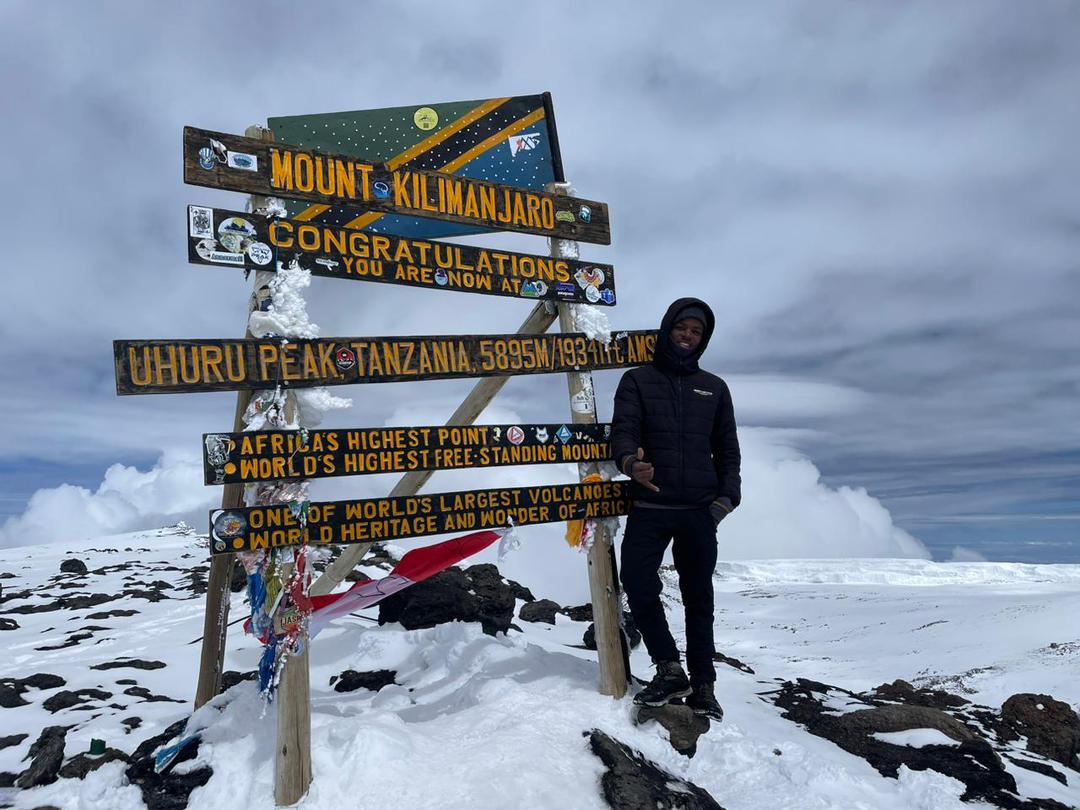
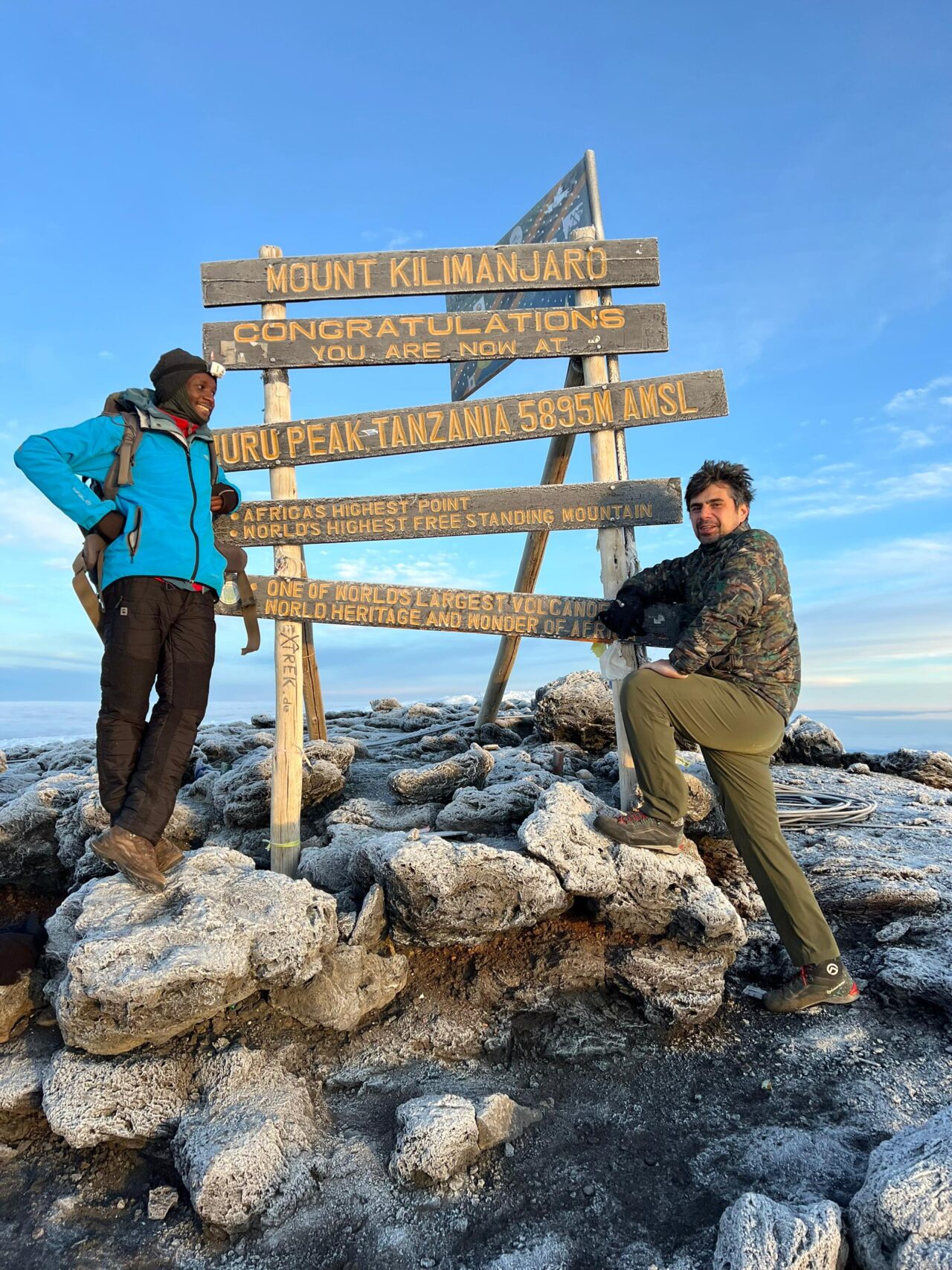
Understanding the Cost to Climb Kilimanjaro Mountain Per Person in High Season
When planning an expedition to the Roof of Africa, one of the primary questions on every aspiring climber’s mind is the cost to climb Kilimanjaro mountain per person for high season. This is a crucial piece of information that shapes budgets, influences route choices, and guides the entire planning process, especially for those looking to trek in peak years like 2026 and 2027. High season on Kilimanjaro typically refers to the drier months, offering the best weather conditions and therefore commanding a higher price point due to increased demand and operational costs. These peak periods are highly sought after, ensuring better visibility, less challenging trails, and an overall more comfortable climbing experience.
The price you will pay is not a single, fixed number. Instead, it’s a reflection of various factors, from the tour operator you choose and the route you select to the level of service and comfort you desire. For high season treks, expect prices to be at the upper end of the spectrum. A realistic range for a reputable operator during peak season in 2026 or 2027, covering standard inclusions like park fees, guides, porters, food, and basic accommodation, can typically fall between $2,000 and $4,500 USD per person. Luxury or premium packages can extend this considerably higher, sometimes reaching $6,000 or more, depending on the level of service and amenities provided. Conversely, while lower-cost options exist, they often come with compromises in safety, crew welfare, or overall experience, making them less advisable for such a significant undertaking.
This article aims to demystify these costs, providing a transparent breakdown of what contributes to the overall expense, what’s usually included, and what you might need to budget for separately. Understanding these elements will empower you to make informed decisions and select the right operator for your unforgettable Kilimanjaro journey, ensuring that your investment translates into a safe, successful, and memorable adventure. We will delve into the specifics of park fees, route variations, operator tiers, and essential preparations, all tailored for the high season of 2026-2027.
Key Factors Dictating the Cost to Climb Kilimanjaro Per Person in High Season (2026-2027)
The price tag for your Kilimanjaro climb is influenced by a complex interplay of operational, logistical, and service-related elements. For high season treks, especially those planned for 2026 and 2027, these factors become even more pronounced as demand peaks and operators strive to provide the best possible experience. Let’s break down the key components that contribute to the overall expense:
1. Government Park Fees and Levies: The Non-Negotiable Foundation
Mount Kilimanjaro is a protected National Park, and as such, entry and camping/hut fees are mandatory for every climber. These fees are set by the Tanzanian government and constitute a significant, non-negotiable portion of the total cost. For high season, these fees remain consistent regardless of the operator, but they represent a larger percentage of a higher-priced package due to the increased demand and operational standards associated with peak season climbs. These fees are essential for park conservation, infrastructure maintenance, and ensuring the safety and cleanliness of the mountain environment. When comparing quotes, always verify that these fees are explicitly included.
- Park Entrance Fees: Daily fees charged for every individual entering the Kilimanjaro National Park. These are calculated per day spent within the park boundaries.
- Camping/Hut Fees: Overnight fees for utilizing designated campsites or the basic mountain huts along the routes. The type and location of the campsite can influence the fee.
- Crater Fees: A specific fee applicable to climbers who wish to ascend to the crater rim and visit the Stella Point or Uhuru Peak. This is an additional cost on top of daily park fees.
- Rescue Fees: A mandatory fee for mountain rescue services. This fee ensures that if an emergency arises, trained rescue teams are available to assist climbers. It’s a vital component of safety protocols.
- Crew Fees: In some cases, government fees are also levied on the guides and porters. These are designed to ensure fair compensation and welfare for the mountain crew.
These fees are generally bundled into your tour package by reputable operators. They are non-negotiable and directly contribute to the preservation of Kilimanjaro’s unique ecosystem and the support of the local economy. For 2026-2027 high season climbs, these government charges remain a fixed base cost.
2. Route Selection: The Path to the Summit and Its Price Tag
Kilimanjaro offers several distinct routes, each varying in length, acclimatization profile, scenic beauty, and difficulty. Generally, longer routes that offer better acclimatization tend to be more expensive. This is because they require more days on the mountain, translating directly into increased costs for staff (guides, porters, cooks), food, fuel, and additional park fees for extended stays. Choosing a route for your 2026 or 2027 high season climb involves balancing cost, acclimatization, and the desired experience.
- Marangu Route (5-6 Days): Often considered the most budget-friendly option due to its shorter duration and the availability of dormitory-style huts instead of camping. However, its rapid ascent profile leads to lower acclimatization success rates, making it less recommended for a high season summit attempt where optimal conditions are desired.
- Machame Route (6-7 Days): This is arguably the most popular route, renowned for its stunning scenery and good acclimatization profile, especially when opted for over 7 days. The 7-day Machame is a solid choice for high season, offering a good balance of cost, scenery, and success rate.
- Lemosho Route (7-8 Days): Celebrated for its exceptional acclimatization benefits and breathtaking panoramic views as it traverses the western side of the mountain. The 8-day Lemosho itinerary is highly recommended for high season climbs, providing ample time for the body to adjust to the altitude. This extended duration naturally increases its cost compared to shorter routes.
- Northern Circuit (9-10 Days): The longest and most comprehensive route available. It encircles the mountain, offering the best acclimatization, highest success rates, and unparalleled opportunities to witness diverse landscapes. Due to its 9-10 day duration, it is typically the most expensive option, but it is considered the gold standard for safety and success, especially for high season climbs in 2026-2027.
- Rongai Route (6-7 Days): This route approaches Kilimanjaro from the north, near the Kenyan border. It’s often a good alternative, particularly in wetter seasons, but it still adheres to high season pricing. It offers a slightly different landscape compared to the southern routes.
- Umbwe Route (5-6 Days): The steepest and most direct route, offering a challenging climb with poor acclimatization. It’s generally not recommended, especially for high season, due to its difficulty and low success rates.
For 2026 or 2027 high season treks, the cost to climb Kilimanjaro per person will naturally be higher for longer, better-acclimatizing routes like the Northern Circuit or 8-day Lemosho, compared to shorter options like the 6-day Machame or Marangu, assuming similar service levels. Prioritizing acclimatization is key to a successful summit, making the slightly higher cost of a longer route a worthwhile investment.
3. Trek Duration: The Direct Correlation to Cost
As highlighted in route selection, the duration of your trek is a primary driver of the overall cost to climb Kilimanjaro per person. Longer treks inherently mean more days requiring the support of guides, porters, cooks, and the provision of food and fuel. This directly translates into increased operational expenses for the tour operator.
While a 5-day trek might appear cheaper on the surface, it significantly compromises acclimatization and, consequently, summit success rates. Most reputable operators strongly recommend a minimum of 7 days for the Machame or Lemosho routes, and 9-10 days for the Northern Circuit, especially for high season climbs in 2026-2027. This extended duration, while increasing the total cost, is critical for allowing your body to adapt to the extreme altitude, thereby enhancing safety and the probability of reaching Uhuru Peak. Investing in a longer trek is investing in a safer and more successful climb.
4. Operator Tier and Service Level: The Most Significant Cost Variable
This is perhaps the most significant variable influencing the cost to climb Kilimanjaro per person. Tour operators range dramatically in their service offerings, from bare-bones budget outfits to ultra-luxury providers. The differences in pricing reflect these varying levels of quality, safety, crew welfare, and amenities.
- Budget Operators: Often locally based, these companies typically offer the lowest prices. They might operate with minimal guide-to-climber ratios, use basic or older equipment, provide simpler meals, and may not prioritize porter welfare as highly. While appealing for extreme budget travelers, they can sometimes compromise on essential safety measures, crew well-being, and the overall quality of the experience. For 2026-2027, it’s crucial to scrutinize their inclusions and reputation carefully.
- Mid-Range Operators: This category represents the sweet spot for most climbers, offering a robust balance of quality, safety, and value. These are typically well-established companies, either local or international, that adhere to stringent safety protocols, employ experienced and fairly compensated guides and porters, provide good quality camping equipment, and offer varied, nutritious menus. They often follow ethical trekking guidelines and ensure adequate support crew ratios. This is where most travelers find the best value for their investment in a safe and successful climb.
- Luxury/Premium Operators: These operators cater to clients who prioritize comfort, superior amenities, and an enhanced service experience. They offer high-end equipment, more experienced guides (sometimes with specialized training), higher guide-to-client ratios, gourmet meal options, private toilet tents, and sometimes even supplementary oxygen systems. Their pricing reflects this elevated level of comfort, service, and attention to detail. For those seeking the utmost comfort on their 2026 or 2027 climb, these packages are available.
When comparing prices for 2026 or 2027, it is imperative to scrutinize the detailed inclusions and exclusions. A seemingly lower price might indicate that essential elements like pre/post-climb accommodation, airport transfers, or adequate crew tipping guidelines are missing, leading to unexpected additional costs.
5. Guide and Porter Wages and Welfare: Ethical Considerations
Ethical tourism is a growing concern on Kilimanjaro, and reputable operators place a high priority on the fair treatment and welfare of their support crew. This includes paying guides, porters, and cooks fair wages, providing them with adequate warm clothing and gear, ensuring they receive nutritious meals, and limiting the weight they carry. Operators who adhere to the guidelines set by organizations like the Kilimanjaro Porters Assistance Project (KPAP) or similar ethical standards will likely have higher prices. This is because ensuring the well-being of the mountain crew adds to operational costs, but it is a crucial aspect of responsible tourism and significantly contributes to a positive and safe climbing experience for everyone involved. For 2026-2027, choosing an operator committed to ethical practices is highly recommended.
6. Group Size vs. Private Climb: Flexibility vs. Economy
The choice between joining a pre-scheduled group departure or arranging a private climb significantly impacts the cost to climb Kilimanjaro per person. Climbing with a group of like-minded individuals on a scheduled departure is typically the most cost-effective option. The fixed costs associated with logistics, guides, and park fees are shared among multiple participants, thereby reducing the per-person expense. This makes it an attractive option for solo travelers or those looking to minimize costs for their 2026 or 2027 trek.
Conversely, a private climb offers unparalleled flexibility. You can choose your exact departure date and customize aspects of the trek to suit your group’s preferences. However, this flexibility comes at a higher price, as you will bear the full cost of the support crew and logistics, regardless of the number of people in your private group. While generally more expensive, private climbs can be cost-effective for larger groups where the per-person cost might approach that of a group departure.
7. Inclusions and Exclusions: Understanding the Fine Print
The specific items included in your tour package versus those that are excluded are critical determinants of the final cost to climb Kilimanjaro per person. A comprehensive understanding of what your quoted price covers is essential to avoid unexpected expenses and to make accurate comparisons between different operators. For high season treks in 2026-2027, always request a detailed list of inclusions and exclusions.
- Typically Included: Park fees, rescue fees, pre/post-climb accommodation (usually 1-2 nights in Moshi/Arusha), all meals on the mountain, purified drinking water, professional guides, porters, cooks, camping equipment (tents, mess tent, toilet tent), group climbing equipment (first-aid kit, oxygen cylinder), and often airport transfers to/from Kilimanjaro International Airport (JRO).
- Commonly Excluded: International flights to JRO, visa fees, mandatory travel insurance, vaccinations, personal climbing gear (rentals are usually available), tips for the crew (a significant additional cost), extra snacks, alcoholic beverages, and optional services like portable toilets or hot showers on the mountain.
For 2026-2027 planning, ensure you have a clear, itemized list of inclusions and exclusions from your chosen operator to accurately budget for your entire Kilimanjaro expedition.
Typical Inclusions for a High Season Kilimanjaro Climb Package
When you invest in the cost to climb Kilimanjaro mountain per person for a high season trek with a reputable, mid-range to premium operator, you can generally expect a comprehensive package designed for safety, comfort, and success. These inclusions are standard for well-organized expeditions during peak periods like 2026 and 2027:
- Mandatory Park and Conservation Fees: All government-mandated fees, including daily park entrance, camping/hut charges, and the crucial rescue fee, are covered for the entire duration of your trek. This ensures compliance and supports park conservation efforts.
- Professional Guiding Team, Porters, and Cooks: A highly experienced and licensed lead guide, typically accompanied by assistant guides (especially for larger groups), is standard. A dedicated team of porters will carry your main luggage, and a skilled cook will prepare all your meals on the mountain. The ratio of crew to climbers is often a key indicator of service quality and safety.
- Nutritious Meals on the Mountain: All three meals (breakfast, lunch, and dinner) are prepared fresh by your cook. Menus are designed to be varied, delicious, and energy-rich, catering to diverse dietary needs and preferences. Expect hot breakfasts, packed lunches or hot lunches at designated stops, and hearty dinners.
- Safe, Purified Drinking Water: Operators provide safe drinking water throughout the trek, typically sourced from mountain streams and purified using filters or tablets to ensure it’s safe for consumption.
- High-Quality Camping Equipment: This includes spacious sleeping tents (usually 3-person tents for 2 people to ensure comfort), a separate mess tent for dining, and a toilet tent for privacy. Sleeping mats are also usually provided.
- Essential Group Equipment: A comprehensive first-aid kit, emergency oxygen cylinder (often with a demand valve mask), and communication devices (like satellite phones or radios for emergencies) are carried by the guides.
- Pre- and Post-Climb Accommodation: Most packages include 1-2 nights in a comfortable hotel or lodge in Moshi or Arusha before the trek begins and often one night after the climb concludes. This allows for acclimatization to the local climate, pre-climb briefings, and post-climb relaxation.
- Pre-Climb Briefings and Post-Climb Debriefings: Detailed briefings cover route information, gear checks, and safety protocols. Post-climb debriefings offer a chance to reflect on the experience and receive your climbing certificate.
- Ground Transportation: Transfers from Kilimanjaro International Airport (JRO) to your hotel, transport to and from the mountain gate on your trekking days, and return transport to your hotel or the airport.
These inclusions form the backbone of a well-organized Kilimanjaro expedition, ensuring safety, comfort, and a higher probability of summit success during the demanding high season of 2026-2027.
Common Exclusions and Additional Costs to Budget For: Beyond the Base Price
Understanding what is *not* included in your Kilimanjaro package is just as vital as knowing what is. These are the common additional expenses you’ll need to budget for, which can significantly impact the overall cost to climb Kilimanjaro per person, especially when planning for 2026 or 2027. Being aware of these will help you avoid surprises and ensure you have adequate funds for a complete experience.
- International Airfare: The cost of flights to and from Kilimanjaro International Airport (JRO) is almost always excluded. This can be a substantial part of your travel budget, depending on your departure location and booking time.
- Tanzania Visa Fees: Depending on your nationality, a visa may be required to enter Tanzania. Check the latest requirements and costs well in advance.
- Mandatory Travel Insurance: This is a non-negotiable requirement for all Kilimanjaro climbs. Ensure your policy explicitly covers high-altitude trekking (up to 6,000 meters) and includes emergency medical evacuation. This is critical for your safety and peace of mind.
- Personal Climbing Gear: While operators provide tents and group equipment, you are responsible for your personal clothing and gear. This includes essential items like waterproof hiking boots, layered clothing, a warm sleeping bag, a waterproof jacket and trousers, gloves, hats, and a headlamp. You can purchase these items or rent some of the more expensive pieces (like sleeping bags or down jackets) from your tour operator or local rental shops.
- Tips for the Crew: This is a significant and customary expense that directly supports the guides, porters, and cooks. While not always explicitly stated in the base price, it’s an expected part of the climb. Reputable operators provide clear tipping guidelines, but a general estimate for a 7-day climb can range from $250 to $400+ USD per climber, depending on the group size and the number of crew members. This is a vital component of the cost to climb Kilimanjaro per person.
- Personal Expenses: This covers any extras you might wish to purchase, such as souvenirs, additional snacks or drinks (especially alcoholic beverages), laundry services, personal medications, and tips for hotel staff.
- Optional Services: Some operators offer optional services like private toilet tents for an additional fee, or the availability of hot showers at certain campsites (though rare and usually costly).
- Vaccinations and Medications: Costs associated with necessary travel health preparations, such as malaria medication, vaccinations (e.g., Yellow Fever, Hepatitis A), and any personal prescriptions. Consult your doctor or a travel clinic well in advance.
Being fully aware of these potential additional costs is crucial for accurate budgeting and ensuring you have a stress-free experience when undertaking your Kilimanjaro climb in 2026 or 2027.
Defining High Season: Optimal Times for Your 2026-2027 Kilimanjaro Ascent
The cost to climb Kilimanjaro per person in high season reflects the most favorable weather conditions, which generally occur during the drier periods of the year. These are the times when the skies are clearest, precipitation is minimal, and the trails are less muddy, making for a more comfortable and successful ascent. For those planning their expeditions for 2026 or 2027, targeting these peak seasons significantly increases your chances of a rewarding climb with stunning views.
- January to March: This period represents another dry season, often characterized by colder temperatures at higher altitudes but generally clear skies. It’s a good time to climb, often with fewer crowds than the peak summer months. Visibility is usually excellent, making it a prime season for those seeking clear panoramic views.
- June to October: This is the longest and most popular dry season, often considered the prime high season. It offers the most stable weather, with abundant sunshine and minimal rainfall. Consequently, this period also sees the highest demand and, therefore, the highest prices for Kilimanjaro climbs. Expect pleasant temperatures during the day, but be prepared for cold conditions at night and near the summit. This is the most sought-after time for high season treks in 2026-2027.
While climbing is technically possible year-round, the shoulder seasons (April-May and November-December) typically experience significant rainfall, cloud cover, and more challenging trail conditions. Although prices might be lower during these periods, the likelihood of a clear summit view and a comfortable trek is reduced. For the best experience and highest probability of success during 2026 or 2027, aiming for the January-March or June-October high seasons is highly recommended, even with the associated higher cost to climb Kilimanjaro per person.
Cost Comparison: Budget vs. Mid-Range vs. Luxury for 2026-2027 High Season Climbs
The cost to climb Kilimanjaro mountain per person varies considerably based on the chosen service level and operator. For high season treks in 2026 or 2027, understanding these differences will help you select a package that aligns with your expectations for safety, comfort, and overall experience. Here’s a general breakdown:
Budget Climbs:
Estimated Cost: $1,800 – $2,500 USD per person
These packages are designed to be the most affordable. They typically feature:
- Basic but functional camping equipment.
- Simpler, less varied meal options.
- Standard guide-to-climber ratios, potentially at the higher end of permissible limits.
- Less emphasis on extensive porter welfare programs beyond minimum legal requirements.
- May exclude some pre/post-climb accommodation or airport transfers, requiring additional booking.
Best for: Highly experienced trekkers on a very strict budget who are comfortable with basic conditions and prioritize cost savings above all else. However, it’s crucial to exercise caution and thoroughly research the operator’s safety record and ethical practices, as compromises in these areas can occur at the lowest price points.
Mid-Range Climbs:
Estimated Cost: $2,500 – $3,800 USD per person
This is the most popular and widely recommended tier for Kilimanjaro climbs. It strikes an excellent balance between quality, safety, and value:
- Good quality, well-maintained tents and camping gear.
- Diverse, nutritious, and satisfying meals prepared by experienced cooks.
- Well-trained, licensed, and fairly compensated guides and porters, often adhering to ethical trekking standards (e.g., KPAP guidelines).
- Generally higher safety standards, including well-stocked first-aid kits and communication protocols.
- Comprehensive inclusions, often covering pre/post-climb accommodation and airport transfers, simplifying logistics.
Best for: The majority of travelers seeking a safe, comfortable, and successful Kilimanjaro experience without the extravagance of luxury options. For 2026-2027 planning, this tier often represents the best overall investment for a memorable and secure summit bid.
Luxury/Premium Climbs:
Estimated Cost: $3,800 – $6,000+ USD per person
These packages are designed for clients who prioritize superior comfort, enhanced amenities, and an elevated level of service throughout their expedition:
- High-end, spacious camping equipment, often including private toilet tents for added convenience and privacy.
- Gourmet meal options with a wider variety of sophisticated dishes.
- Higher guide-to-climber ratios, ensuring more personalized attention and support.
- Potentially access to advanced safety equipment like supplementary oxygen systems and more experienced/specialized guides.
- Exceptional pre- and post-climb hotel stays with premium facilities.
- Often include extras such as complimentary sleeping bag rental, branded climbing shirts, or dedicated support staff.
Best for: Travelers who seek the utmost comfort, appreciate fine dining on the mountain, require specific amenities, or have particular needs that necessitate the highest level of support. These climbs offer a luxurious way to tackle Kilimanjaro for your 2026 or 2027 adventure.
Maximizing Your Investment: Smart Budgeting Tips for 2026-2027 Treks
While the cost to climb Kilimanjaro per person in high season is substantial, strategic planning can help you maximize your investment and ensure a rewarding experience for your 2026 or 2027 adventure. Prioritizing value over the absolute lowest price is key to a safe and successful climb.
- Book Well in Advance: For high season treks (June-October and January-March), booking 6-12 months ahead is highly recommended. This secures your spot with your preferred reputable operator and allows for better planning. Some operators might offer modest early booking discounts, though these are less common for peak season dates.
- Prioritize Reputable Operators: Choose an operator known for its safety record, commitment to ethical porter treatment, experienced guides, and consistent success rates. A slightly higher cost for a mid-range operator often translates into a significantly safer, more comfortable, and ultimately more enjoyable climb. Research reviews and certifications thoroughly.
- Consider Group Departures: If your dates are flexible, joining a scheduled group departure is generally more economical than arranging a private climb. Check operator websites for group departure dates in 2026 and 2027. This allows you to share logistical costs among more participants.
- Choose the Right Route Duration: While a longer route (e.g., 8 days for Lemosho, 9-10 days for the Northern Circuit) incurs a higher total cost, it significantly boosts your acclimatization and summit success chances. This is often a better long-term investment than opting for a cheaper, shorter trek that might lead to altitude sickness and disappointment. For high season, prioritize acclimatization.
- Pack Smart and Rent Wisely: Invest in essential personal items like high-quality hiking boots and waterproof outer layers. For expensive gear like four-season sleeping bags, down jackets, or trekking poles, consider renting them. Many operators offer rental services, which can be more cost-effective than purchasing if you don’t plan to use them frequently.
- Understand and Budget for Tipping: Crew tips are a significant and expected part of the overall expense. While an additional cost, they are crucial for supporting the local crew’s livelihood and acknowledging their hard work. Budget approximately $250-$400+ USD per climber for tips, following your operator’s guidelines.
- Travel Insurance is Non-Negotiable: Do not skimp on travel insurance. Ensure it covers high-altitude trekking up to 6,000 meters and includes emergency medical evacuation. This is a vital safety net that can save lives and significant financial costs in an emergency.
By carefully considering these factors, you can ensure that your budget for the cost to climb Kilimanjaro per person in 2026 or 2027 is well-allocated, leading to a safer, more successful, and ultimately more fulfilling expedition.
Route-Specific Cost Variations for High Season Climbs (2026-2027)
While park fees are standardized across all routes, the overall cost to climb Kilimanjaro per person in high season does vary based on the chosen route’s duration, complexity, and popularity. Understanding these differences is key to comparing quotes accurately for your 2026-2027 trek.
- Marangu Route (5-6 Days): Typically the least expensive due to its shorter duration and the use of huts rather than tents. However, its rapid ascent profile offers poor acclimatization, leading to lower success rates. The 6-day option offers slightly better acclimatization than the 5-day.
- Machame Route (6-7 Days): A highly popular route offering excellent scenery and good acclimatization, especially the 7-day itinerary. The 7-day Machame is a strong contender for high season, providing a good balance between cost, experience, and success probability. The 6-day version is cheaper but compromises acclimatization.
- Lemosho Route (7-8 Days): Known for its stunning western approach and superior acclimatization profile. The 8-day Lemosho is strongly recommended for high season climbs in 2026-2027, offering the best chance of success and a more enjoyable trek due to gradual altitude gain. This will be more expensive than the Machame route due to the extra day.
- Northern Circuit (9-10 Days): The longest and most expensive route, circling the mountain. It provides the best acclimatization and highest success rates, making it ideal for those prioritizing safety and summit achievement, especially in the demanding high season conditions. The extended duration means higher operational costs, reflected in the price.
- Rongai Route (6-7 Days): Approaches from the north, offering a different landscape. Its cost is generally comparable to the Machame or Lemosho routes of similar duration. The 7-day option is preferable for acclimatization.
When comparing quotes for 2026 or 2027, ensure that the operator is quoting for the same route and, crucially, the same number of days on the mountain. A price difference might simply reflect a shorter, less acclimatized trek rather than a difference in service quality.
Safety and Preparation: The Unseen Value in Your Climb Cost
It’s crucial to understand that when you’re evaluating the cost to climb Kilimanjaro per person for high season in 2026 or 2027, a significant portion of that investment is dedicated to ensuring your safety and providing the necessary support for a successful ascent. Reputable operators do not cut corners on safety protocols, equipment, or crew training, and these elements are reflected in the price. Attempting to find the absolute cheapest option can often mean compromising on these vital aspects.
- Experienced and Certified Guides: Your guides are your lifeline on the mountain. They are trained in wilderness first aid, altitude sickness management, and mountain rescue techniques. Higher-priced packages often ensure you have guides with extensive experience on Kilimanjaro and higher guide-to-climber ratios for more personalized attention.
- Quality Equipment: Reliable, high-quality tents, sleeping bags, and group gear (like oxygen cylinders and first-aid kits) are essential. A higher cost often means better-maintained, more robust equipment that can withstand the harsh mountain environment.
- Emergency Protocols and Communication: Reputable operators have well-defined emergency procedures, including access to supplementary oxygen and communication systems (satellite phones or radios) to contact base should an emergency arise. These systems and the training to use them represent a significant operational cost.
- Proper Acclimatization: While route selection is key, guides also manage the pace of the trek to promote acclimatization. Operators who emphasize and correctly implement acclimatization schedules, even on shorter routes, invest in climber safety and success.
- Porter Welfare: Fair wages, proper gear, and adequate food for porters are not just ethical considerations; they contribute to a healthier, more motivated, and safer support team. A well-treated crew is more likely to perform optimally and spot potential issues early.
- Pre-Climb Briefings: Comprehensive briefings on what to expect, how to manage altitude sickness, and proper gear usage are vital preparation steps included in the cost.
When budgeting for your 2026 or 2027 climb, view the higher cost of a reputable operator not just as an expense, but as an investment in your safety, well-being, and the overall success of your Kilimanjaro journey. The peace of mind that comes with knowing you are in capable hands is invaluable.
Estimating the Total Cost: High Season 2026-2027 – A Realistic Breakdown
To provide a clearer picture of the cost to climb Kilimanjaro per person for high season in 2026-2027, let’s consolidate the typical ranges. Remember, these are estimates, and actual prices will vary based on the operator and specific package details.
Core Trekking Package (Mid-Range Operator, 7-8 Days):
- Estimated Cost: $2,500 – $3,800 USD per person
- This typically covers park fees, guides, porters, cooks, meals, accommodation on the mountain, and pre/post-climb hotel stays and transfers.
Additional Essential Costs:
- International Flights: Highly variable, budget anywhere from $800 – $1,500+ USD depending on origin and booking time.
- Visa Fees: Typically around $50 – $100 USD, depending on nationality.
- Mandatory Travel Insurance: Expect costs from $100 – $300 USD, ensuring adequate coverage.
- Personal Gear Purchase/Rental: Variable, but budget $200 – $500 USD if buying essentials or renting significant items.
- Crew Tips: Budget $250 – $400+ USD per person for a standard trek.
- Vaccinations/Medications: Variable based on individual needs and doctor’s advice.
- Personal Expenses/Souvenirs: Discretionary, but budget $100 – $200 USD.
Total Estimated Cost (High Season 2026-2027):
Adding these components, the total realistic cost to climb Kilimanjaro per person for a well-supported high season trek in 2026 or 2027 typically falls between $4,000 and $7,000+ USD. This range accounts for a reputable mid-range operator plus all essential additional expenses. Luxury packages would push this total higher.
Booking Your High Season Kilimanjaro Climb for 2026-2027
Securing your spot for a high season climb on Kilimanjaro in 2026 or 2027 requires careful planning and timely booking. Given the popularity of these peak periods, popular operators tend to fill up quickly. Here’s advice on how to proceed:
- Research and Select Your Operator: Start by identifying reputable tour operators. Look for those with excellent safety records, ethical porter treatment policies, positive reviews, and clear communication. Consider operators like Best Tanzania Tour operator for a reliable experience.
- Request Detailed Quotes: Once you have a shortlist, request detailed itineraries and quotes for your preferred dates and route. Ensure the quotes clearly list all inclusions and exclusions, and specify the number of days for the trek.
- Compare Apples to Apples: When comparing quotes, ensure you are comparing similar service levels and route durations. A cheaper quote might be for a shorter, less acclimatized route or may omit crucial inclusions like pre/post-climb accommodation or transfers.
- Book in Advance: As mentioned, high season is popular. Aim to book at least 6-12 months in advance to secure your preferred dates and operator. This is especially important if you are looking for a private climb or specific departure dates.
- Understand Payment Terms: Most operators require a deposit (typically 10-30%) at the time of booking to secure your place, with the balance due closer to your departure date (often 30-60 days prior). Clarify these terms.
- Confirm Inclusions: Double-check that all essential elements like park fees, rescue fees, accommodation, meals, guides, porters, and transfers are included in your package price.
- Get Your Travel Insurance: Purchase your mandatory travel insurance as soon as you book your trek. Ensure it covers high-altitude trekking and emergency evacuation.
For assistance with booking your Kilimanjaro climb for 2026 or 2027, especially during the high season, consider reaching out to experienced local operators. You can contact them via WhatsApp at +255616946642, or by email at topguideadventures@gmail.com or info@topguideadventures.com. They can provide tailored itineraries and transparent pricing.
Conclusion: Investing Wisely in Your Kilimanjaro Summit Dream
The cost to climb Kilimanjaro per person in high season, particularly for 2026 and 2027, is a significant investment, typically ranging from $2,000 to $4,500 USD for the trek package alone with a reputable mid-range operator. When factoring in international flights, insurance, gear, and crew tips, the total expense can realistically fall between $4,000 and $7,000+ USD per person. While budget options exist, they often come with compromises that can impact safety, comfort, and success rates—critical factors for an undertaking like climbing Kilimanjaro.
Choosing a mid-range to premium operator is an investment in safety, quality support, and a higher probability of reaching Uhuru Peak. Factors such as the chosen route, trek duration, operator’s service level, and ethical crew treatment all contribute to the final price. For 2026 or 2027, prioritizing a longer route (7-10 days) for better acclimatization, booking well in advance, and thoroughly understanding all inclusions and exclusions are key strategies for a successful and rewarding expedition.
Ultimately, the cost to climb Kilimanjaro mountain per person is justified by the unparalleled experience of standing on the Roof of Africa. By planning meticulously and choosing wisely, you can ensure your dream climb is both memorable and achievable.
Contact for Expert Guidance and Booking:
For personalized advice, detailed itineraries, and transparent pricing for your 2026 or 2027 Kilimanjaro high season climb, consider contacting experienced local tour operators. They can offer invaluable insights and ensure your adventure is safe and successful.
- WhatsApp: +255616946642
- Email: topguideadventures@gmail.com
- Backup Email: info@topguideadventures.com







 Veedesigner
 Fatma Kizanga
 Benjamin Waryuba
 Philip Philip
 John jr Itaja
 Antonia Optatus
 Edith Kanyere
 Neema Iddy
 Kelvin Boniphace
 Damari Maiga



