
Updated planning guide for 2026, 2027-2028
Cultural Heritage Tour From Moshi: Complete Guide 2026-2027-2028
Your comprehensive guide to experiencing a cultural heritage tour from Moshi, Tanzania. Learn about local traditions, historical sites, and how to plan an unforgettable journey in 2026-2027.
WhatsApp +255616946642 | topguideadventures@gmail.com | info@topguideadventures.com
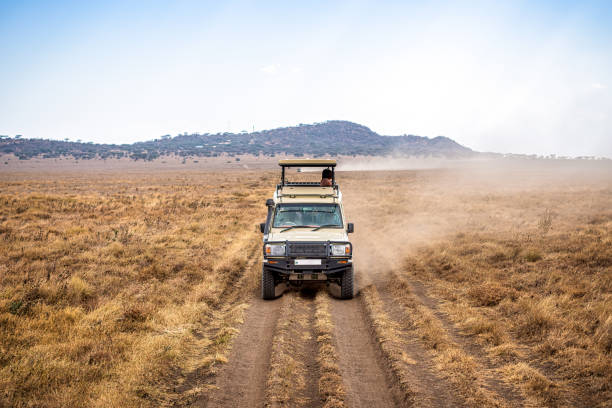
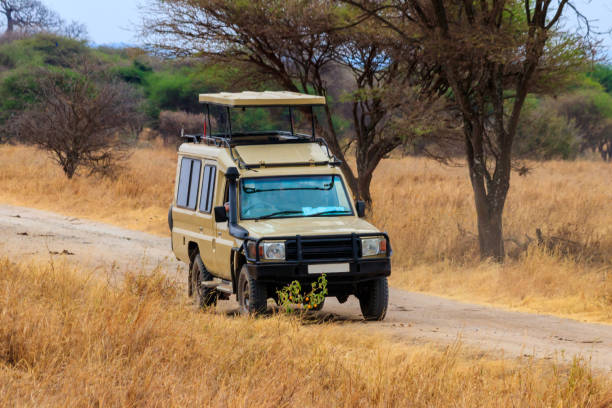
Moshi, a vibrant town nestled at the foot of Mount Kilimanjaro, serves as a gateway to incredible natural wonders and a rich cultural landscape. For travelers seeking more than just a safari or a trek, a cultural heritage tour from Moshi offers a profound connection to the heart of Tanzania. This guide provides an in-depth look at what such a tour entails, from exploring local communities and historical sites to understanding the traditions and daily life of the people who call this region home. We aim to equip you with all the information needed to plan a meaningful and enriching experience, whether you’re considering a trip in 2026, 2027, or 2028.
Table of Contents
- Quick Facts: Cultural Heritage Tour From Moshi
- Overview: What is a Cultural Heritage Tour From Moshi?
- Why Undertake a Cultural Heritage Tour From Moshi?
- Best Time to Visit for a Cultural Tour
- Cultural Sites and Communities Near Moshi
- Sample Itinerary: A 5-Day Cultural Immersion
- What to Expect on Your Tour
- Typical Inclusions and Exclusions
- Packing and Preparation Essentials
- Common Mistakes to Avoid
- Who is a Cultural Heritage Tour From Moshi Best For?
- Alternatives to a Dedicated Cultural Tour
- Planning Your Cultural Tour for 2026-2027
- Booking Your Tour: Expert Advice
- Frequently Asked Questions
Quick Facts: Cultural Heritage Tour From Moshi
| Aspect | Details |
|---|---|
| Primary Location | Moshi and surrounding Kilimanjaro region, Tanzania |
| Focus | Local communities, traditions, history, daily life, crafts, agriculture |
| Key Ethnic Groups | Chagga, Maasai (often visited in nearby areas) |
| Duration | Typically 1 to 7 days, can be customized |
| Activities | Village visits, local market exploration, cooking classes, traditional dance performances, historical site tours, coffee farm tours |
| Accommodation | Homestays, local guesthouses, lodges |
| Best For | Travelers interested in authentic cultural experiences, learning, and community interaction |
| Seasonality | Year-round, though dry seasons (June-Oct, Dec-Feb) are generally more comfortable for travel |
Overview: What is a Cultural Heritage Tour From Moshi?
A cultural heritage tour from Moshi is designed to immerse travelers in the rich traditions, history, and daily life of the communities living in and around the Kilimanjaro region of Tanzania. Unlike standard safaris that focus on wildlife or treks that highlight mountain scenery, these tours prioritize human connection and cultural understanding. They often involve visiting local villages, interacting with residents, learning about their customs, participating in traditional activities, and exploring historical sites that tell the story of the region and its people, particularly the indigenous Chagga people who have long inhabited the fertile slopes of Kilimanjaro.
These tours move beyond superficial observation. They aim for genuine engagement, offering opportunities to learn about traditional farming practices, witness local crafts being made, share meals with families, and understand the social structures and beliefs that shape community life. The experience is often hands-on, encouraging participation and dialogue. It’s about seeing Tanzania through the eyes of its people, gaining insights into their challenges, celebrations, and their deep connection to the land.
Why Undertake a Cultural Heritage Tour From Moshi?
Choosing a cultural heritage tour from Moshi enriches your travel experience in several significant ways:
- Authentic Connection: It provides a direct and respectful way to connect with local communities, moving beyond the typical tourist path. You’ll meet people, hear their stories, and gain a genuine understanding of their way of life.
- Deeper Understanding: Learn about the history, traditions, and social dynamics of groups like the Chagga, their agricultural practices on Kilimanjaro’s slopes, and their unique heritage.
- Support Local Economies: Many cultural tours are designed to benefit the communities directly through fees for visits, homestays, and purchases of local crafts, ensuring your tourism dollars have a positive impact.
- Personal Growth: Experiencing different cultures broadens perspectives, fosters empathy, and offers valuable lessons about humanity and resilience.
- Unique Insights: Discover aspects of Tanzania that are often overlooked, such as the importance of coffee cultivation, traditional brewing, or the intricacies of Chagga homesteads.
- Educational Value: For students or those with a keen interest in anthropology, sociology, or history, these tours offer invaluable real-world learning opportunities.
In essence, a cultural heritage tour from Moshi transforms a vacation into an educational and deeply human journey.
Best Time to Visit for a Cultural Tour
Tanzania’s climate is generally favorable for tourism year-round, but certain periods offer a more comfortable experience for cultural exploration around Moshi.
| Period | Weather Conditions | Cultural Tour Considerations |
|---|---|---|
| June to October (Dry Season) | Cooler temperatures, sunny days, minimal rainfall. Ideal for outdoor activities. | Excellent for village visits and market days. Comfortable for walking and exploring. Kilimanjaro is often clear, offering stunning backdrops. |
| November (Short Rains) | Intermittent showers, can be humid. | Fewer tourists. Landscapes are lush. Rain can sometimes disrupt travel plans, but often clears quickly. |
| December to February (Hot & Dry Season) | Warm to hot temperatures, sunny, dry. | Good for travel, but can be hot for strenuous walking. Popular time due to holidays. |
| March to May (Long Rains) | Heavy rainfall, can be humid and overcast. Roads can become challenging. | Lowest tourist season. Landscapes are exceptionally green. Tours might be more flexible due to weather, but some outdoor activities could be impacted. Best to book with a reliable operator who can adapt. |
While the dry seasons offer the most predictable weather, cultural interactions are possible and rewarding year-round. The decision often depends on your tolerance for heat or rain and your desire to avoid peak tourist crowds. Planning for 2026 or 2027, consider the dry seasons for the most pleasant conditions, but don’t rule out the shoulder seasons for a more intimate experience.
Cultural Sites and Communities Near Moshi
The area around Moshi is rich with cultural significance, primarily associated with the Chagga people. A cultural heritage tour from Moshi will likely take you through these key areas:
1. Chagga Villages:
- Location: Scattered across the fertile lower slopes of Mount Kilimanjaro, often accessible via winding roads from Moshi. Villages like Marangu, Machame, and Kibosho are common destinations.
- Significance: These are the ancestral homes of the Chagga, known for their sophisticated agricultural systems, particularly coffee and banana cultivation. You’ll see traditional compounds, learn about their unique social structures, and understand their history of resistance and resilience.
- Activities: Visiting Chagga homes, learning about traditional farming, seeing banana beer brewing, understanding family life, and sometimes participating in local crafts.
2. Local Markets:
- Location: Moshi town itself has a central market, and smaller markets operate in surrounding villages, often on specific days of the week.
- Significance: Markets are the vibrant heart of community life, where people gather to trade goods, socialize, and exchange news. They offer a sensory experience of local produce, crafts, and daily commerce.
- Activities: Exploring stalls, observing local interactions, and perhaps purchasing local produce or small crafts.
3. Coffee Plantations:
- Location: The fertile volcanic soil on Kilimanjaro’s slopes is ideal for coffee growing. Many tours include visits to family-run or cooperative farms.
- Significance: Coffee is a vital crop for the Chagga economy and culture. Understanding the process from bean to cup offers insight into their livelihood and connection to the land.
- Activities: Walking through coffee fields, learning about cultivation and harvesting, participating in the processing (washing, drying), and enjoying a freshly brewed cup.
4. Waterfalls and Caves:
- Location: Often found within or near Chagga settlements, like the Kinukamori Falls or the Challa Lake (though Challa is further afield, closer to the Kenyan border).
- Significance: These natural sites often hold historical or spiritual importance for local communities. Caves, in particular, served as refuge during tribal conflicts or colonial periods.
- Activities: Hiking to waterfalls, exploring historical caves (like those used by Chagga warriors), and enjoying the natural beauty.
5. Maasai Bomas (Optional, requires travel further afield):
- Location: While not strictly in the immediate Moshi area, organized tours can incorporate visits to Maasai communities in regions like Arusha or West Kilimanjaro.
- Significance: Offers a contrasting cultural experience to the settled agricultural Chagga, showcasing the nomadic pastoralist lifestyle of the Maasai.
- Activities: Visiting a Maasai village, learning about their traditions, observing their unique housing (bomas), understanding their relationship with livestock, and witnessing traditional dances and crafts.
6. Historical Sites:
- Location: Moshi town and surrounding areas may have remnants of colonial architecture or sites related to local history.
- Significance: Provide context for the region’s past, including periods of German and British colonial influence, and local resistance movements.
- Activities: Guided walks through historical parts of Moshi, visiting local museums or cultural centers if available.
Route Illustration (Conceptual):
| Moshi Town (Start/End) | —> | Chagga Village (e.g., Marangu/Kibosho) | —> | Coffee Plantation | —> | Local Market (if scheduled) | —> | Waterfall/Cave | —> | Return to Moshi |
| (Optional: Day Trip to Maasai Boma – requires longer travel) |
This is a simplified representation. Actual routes are often more flexible and can be tailored to specific interests.
Sample Itinerary: A 5-Day Cultural Immersion
This is a sample itinerary for a cultural heritage tour from Moshi, focusing on the Chagga people and their environment. It can be adjusted for longer or shorter durations.
| Day | Morning | Afternoon | Evening |
|---|---|---|---|
| Day 1: Arrival in Moshi & Local Introduction | Arrive in Moshi, transfer to your accommodation (lodge or guesthouse). Settle in and have lunch. | Guided walking tour of Moshi town. Visit the local market to observe daily life and perhaps sample some local fruits. Introduction to Chagga culture and history. | Welcome dinner at a local restaurant, experiencing Tanzanian cuisine. Briefing for the days ahead. |
| Day 2: Chagga Homesteads & Coffee Experience | Travel to a nearby Chagga village (e.g., Kibosho or Uru). Visit a traditional Chagga homestead, learn about family structures and daily routines. | Explore a local coffee plantation. Participate in the process from bean to cup, including roasting and tasting. Learn about the economic importance of coffee for the Chagga. | Dinner and overnight stay in a community guesthouse or homestay in the village. Engage with your host family. |
| Day 3: Culture, Crafts & Community | Visit a local women’s group or craft cooperative. Learn about traditional crafts like pottery, weaving, or beadwork. Opportunity to purchase authentic souvenirs. | Learn about traditional Chagga food preparation. Participate in making a local dish or banana beer. Enjoy a communal lunch featuring the prepared food. | Experience a traditional Chagga storytelling session or a local music/dance performance (if available). Dinner and overnight in the community. |
| Day 4: Waterfalls, Caves & Kilimanjaro Views | Hike to a scenic waterfall (e.g., Kinukamori Falls). Learn about the water sources and their importance to the community. | Explore a historical cave used by Chagga people as a refuge. Enjoy panoramic views of Mount Kilimanjaro (weather permitting). | Return to Moshi. Farewell dinner at a lodge or restaurant, reflecting on the cultural experiences. |
| Day 5: Departure or onward travel | Enjoy a final Tanzanian breakfast. Depending on your flight schedule, you may have time for last-minute souvenir shopping or a relaxed morning. | Transfer to Kilimanjaro International Airport (JRO) or your next destination. | N/A |
What to Expect on Your Tour
A cultural heritage tour from Moshi is an immersive experience that differs significantly from standard tourism. Here’s what you can generally expect:
- Authentic Interactions: Expect genuine conversations and connections with local people. While language barriers can exist, guides will facilitate communication. Be open, respectful, and curious.
- Simple Living: Accommodation might range from comfortable lodges to basic homestays. Embrace the simplicity and focus on the cultural exchange rather than luxury amenities. Running hot water and electricity might not always be consistent in rural areas.
- Hands-on Activities: Many tours involve participation. You might help with farm tasks, learn to cook local dishes, or try your hand at crafts.
- Varied Terrain: You’ll likely walk on uneven paths, sometimes muddy or dusty, depending on the weather and location. Comfortable walking shoes are essential.
- Sensory Experiences: Be prepared for new sights, sounds, and smells – bustling markets, cooking fires, local music, and the aroma of spices and fresh produce.
- Cultural Sensitivity: Dress modestly, especially when visiting villages or religious sites. Always ask permission before taking photographs of people. Be mindful of local customs and etiquette.
- Guides: You will typically be accompanied by a local guide who is knowledgeable about the culture, history, and language, and who acts as a crucial bridge between you and the community.
- Flexibility: While itineraries are planned, be prepared for minor adjustments due to local conditions, community events, or weather. A flexible attitude enhances the experience.
Typical Inclusions and Exclusions
Understanding what your tour package covers is crucial for budgeting and expectations. While specifics vary by operator, here’s a general guide:
| Likely Inclusions | Likely Exclusions |
|---|---|
| Accommodation during the tour (as specified in itinerary) | International flights to and from Tanzania |
| All ground transportation in a private vehicle with a driver/guide | Visa fees for Tanzania |
| Meals as specified (e.g., breakfast, lunch, dinner) | Travel insurance (mandatory) |
| English-speaking local guide(s) | Personal expenses (souvenirs, laundry, alcoholic beverages, snacks) |
| Entrance fees to villages, cultural sites, and activities mentioned in the itinerary | Tips for guides, drivers, and local hosts |
| Activities such as coffee farm tours, craft demonstrations, cooking classes | Optional activities not listed in the itinerary |
| Bottled water during game drives/transfers | Vaccinations or medical expenses |
| Community contribution fees (often included to support local projects) | Gratuities for hotel/lodge staff (if applicable) |
Always confirm the exact inclusions and exclusions with your tour operator before booking. For 2026-2027 travel, ensure clarity on any new regulations or requirements.
Packing and Preparation Essentials
Proper preparation ensures a comfortable and respectful cultural heritage tour from Moshi. Here’s what to consider:
Packing List:
- Clothing: Lightweight, breathable clothing (cotton, linen). Long-sleeved shirts and trousers to protect from sun and insects, and for modesty. A light to medium jacket or fleece for cooler evenings/mornings. Comfortable walking shoes/hiking boots. Sandals or flip-flops for relaxing. Modest attire for village visits (e.g., knee-length skirts/dresses or trousers for women, long trousers for men). A rain jacket or poncho, especially during rainy seasons.
- Health & Hygiene: Personal first-aid kit with essentials (band-aids, antiseptic wipes, pain relievers, anti-diarrhea medication, motion sickness medication if needed). Insect repellent (with DEET). Hand sanitizer. Sunscreen (high SPF). After-sun lotion. Personal toiletries. Prescription medications with copies of prescriptions.
- Gear: Reusable water bottle. Small backpack for day trips. Camera and extra batteries/memory cards. Power bank or universal adapter (Tanzania uses Type G plugs, 230V). Sunglasses. Sun hat or cap. Small notebook and pen. Binoculars (optional, for scenery).
- Documents & Money: Passport (valid for at least 6 months beyond your stay) with necessary visas. Copies of passport, visa, and flight details (stored separately). Vaccination certificates (e.g., Yellow Fever, if required). Travel insurance details. Credit/debit cards and some USD cash (small denominations for tips and small purchases).
Preparation Tips:
- Vaccinations & Health: Consult your doctor or a travel clinic 4-6 weeks before your trip regarding recommended vaccinations (e.g., Hepatitis A, Typhoid, Tetanus) and malaria prophylaxis.
- Travel Insurance: Secure comprehensive travel insurance that covers medical emergencies, evacuation, trip cancellation, and lost belongings.
- Learn Basic Swahili: Knowing a few basic phrases like ‘Jambo’ (Hello), ‘Asante’ (Thank you), ‘Karibu’ (Welcome), and ‘Pole pole’ (Slowly, slowly) is highly appreciated and enhances interactions.
- Cultural Briefing: Read up on Chagga culture and customs. Understand the importance of respecting elders, asking permission for photos, and dressing modestly.
- Fitness: Be prepared for walking on uneven terrain. Moderate fitness is beneficial for exploring villages and natural sites.
- Currency: The Tanzanian Shilling (TZS) is the local currency. USD is widely accepted for tourist services, but it’s good to have Shillings for local markets and smaller purchases. Inform your bank about your travel dates.
Common Mistakes to Avoid
To ensure a smooth and respectful cultural heritage tour from Moshi, be aware of these common pitfalls:
- Lack of Respect: Failing to dress modestly, taking photos without permission, being loud or intrusive in villages, or dismissing local customs are major mistakes. Always approach with humility and respect.
- Unrealistic Expectations: Expecting luxury amenities in rural homestays or assuming constant Wi-Fi. Embrace the authentic experience for what it is.
- Ignoring Cultural Norms: Not understanding or respecting local etiquette, such as greetings, gift-giving customs (if applicable), or social interactions. Your guide will assist, but prior knowledge is helpful.
- Over-reliance on Technology: While useful, don’t let your phone or camera become a barrier. Engage with people directly rather than just through a lens.
- Tipping Guesses: Not knowing appropriate tipping amounts can lead to awkwardness. Research standard tipping practices for guides and drivers, or ask your operator.
- Poor Preparation: Forgetting essentials like insect repellent, sunscreen, or appropriate clothing can significantly impact comfort.
- Booking with Unverified Operators: Choosing an operator without checking reviews or certifications can lead to poorly organized tours that don’t benefit the community.
- Trying to See Too Much Too Quickly: A rushed itinerary prevents deep engagement. Focus on quality interactions over quantity of sites visited.
By being mindful of these points, you can ensure your trip is both enjoyable and culturally sensitive.
Who is a Cultural Heritage Tour From Moshi Best For?
A cultural heritage tour from Moshi is ideal for a specific type of traveler who seeks more than just a typical vacation. It is best suited for:
- Curious Explorers: Individuals and families who possess a genuine desire to learn about different ways of life, traditions, and the history of a place.
- Culturally Sensitive Travelers: Those who value respectful interaction, are open to new experiences, and wish to understand rather than just observe.
- Educational Seekers: Students, academics, or lifelong learners interested in anthropology, sociology, history, and sustainable development.
- Community-Minded Tourists: Travelers who want their tourism spending to have a positive and direct impact on local communities.
- Adventurous Spirits: Those comfortable with stepping outside their comfort zone, adapting to simpler living conditions, and engaging in hands-on activities.
- Off-the-Beaten-Path Enthusiasts: Travelers looking for authentic experiences away from mass tourism routes.
- Families Seeking Meaningful Experiences: Parents looking to educate their children about global diversity and foster empathy.
This type of tour is less suitable for those seeking luxury resorts, non-stop entertainment, or a completely predictable, sanitized experience. It requires an open mind, a willingness to engage, and a respect for the local culture.
Alternatives to a Dedicated Cultural Tour
While a dedicated cultural heritage tour from Moshi offers deep immersion, other options can provide cultural insights if time or preference dictates:
- Day Trips to Local Villages: Many operators offer shorter excursions from Moshi to nearby Chagga villages. These typically include a village walk, a visit to a homestead, and perhaps a coffee farm tour. They provide a good introduction but lack the overnight immersion.
- Cultural Tourism Programs in National Parks: Some parks, like Arusha National Park, have cultural tourism programs that might involve visiting local communities on the periphery or learning about the history of the area.
- Homestays in Moshi Town: Staying with a local family in Moshi itself offers daily interaction and insight into urban Tanzanian life, though it misses the rural community experience.
- Volunteering Programs: Longer-term stays focused on volunteering in schools or community projects offer profound cultural immersion, but require significant time commitment.
- Integrating Cultural Elements into Safaris/Treks: While on a safari or Kilimanjaro trek, you can request stops at local craft markets or brief visits to villages en route (if logistically feasible and respectful). This is a more superficial integration.
- Visiting Cultural Heritage Centers/Museums: If available in Moshi or Arusha, these can offer historical and cultural context, but lack direct interaction.
These alternatives can be valuable, but for a truly deep understanding of the region’s heritage, a dedicated tour is unparalleled.
Planning Your Cultural Tour for 2026-2027
Planning a trip for 2026 or 2027 requires foresight, especially for unique experiences like cultural heritage tours. Here are key planning considerations:
Booking Timeline:
- 12+ Months Ahead: For peak seasons (e.g., June-October 2026/2027) or if you have very specific requirements, start researching operators and destinations. This allows ample time for custom itinerary design.
- 6-9 Months Ahead: This is a good timeframe for booking most cultural tours. It allows you to secure your preferred operator and dates, especially if you’re combining it with other major activities like Kilimanjaro climbs or safaris.
- 3-6 Months Ahead: For off-peak seasons or more standard itineraries, booking within this window is usually sufficient. It still allows time for visa applications and pre-trip preparations.
- Last Minute (Less than 3 months): Possible, especially for shorter tours or during the low season, but availability might be limited, and prices could be higher. Customization options will be reduced.
Budgeting Notes:
Exact prices fluctuate based on the operator, tour duration, accommodation style, group size, and inclusions. However, consider these cost factors:
- Tour Operator Fees: This is the largest component, covering guides, transport, accommodation, activities, and community contributions. Expect higher rates from reputable operators who ensure fair wages and community benefits.
- Accommodation: Homestays are generally the most affordable, followed by community guesthouses, and then lodges.
- Transportation: Private vehicle hire is standard for comfort and flexibility.
- Community Fees: Many tours include direct contributions to the villages visited.
- Personal Expenses: Budget for tips, souvenirs, extra snacks, and drinks.
- Flights: International flights are a significant separate cost.
- Visas & Insurance: Factor these essential costs in.
Note on Pricing: Instead of providing exact figures which can become outdated, reputable operators will provide detailed quotes based on your specific requirements for 2026 or 2027 travel. Always ask for a breakdown of costs.
Visa Requirements:
Most nationalities require a visa for Tanzania. You can typically apply online through the official Tanzanian Immigration website or obtain one on arrival at Kilimanjaro International Airport (JRO). Check the latest requirements well in advance for 2026-2027 travel, as regulations can change.
Health and Safety Updates:
Stay informed about any health advisories or safety recommendations from your government’s foreign travel advice service and the Tanzanian Ministry of Health. Ensure your vaccinations are up-to-date and you have adequate travel insurance.
Booking Your Tour: Expert Advice
Choosing the right tour operator is paramount for an authentic and responsible cultural heritage tour from Moshi. Here’s how to make an informed decision:
- Research Reputable Operators: Look for companies with a strong presence in Tanzania, positive reviews (check independent sites like TripAdvisor), and clear commitments to responsible tourism and community benefit. Operators specializing in cultural tours or those with strong local ties are often best.
- Prioritize Local Expertise: Companies that are locally owned or have deep roots in Tanzania often have better relationships with communities and a more authentic understanding of the culture.
- Inquire About Community Engagement: Ask specifically how the tour benefits the local communities. Do they pay fair wages? Is there a direct community contribution? Does the tour respect local customs and privacy? A good operator will be transparent about this.
- Request a Detailed Itinerary: Ensure the proposed itinerary aligns with your interests and clearly outlines activities, accommodation, and meals.
- Ask About Guide Qualifications: Local guides should be knowledgeable, fluent in English (or your preferred language), and trained in cultural sensitivity and first aid.
- Understand Inclusions/Exclusions: Get a clear, written breakdown of what is included in the price and what is not, to avoid surprises.
- Read the Fine Print: Pay attention to cancellation policies, payment terms, and any mandatory requirements like travel insurance.
- Communication is Key: Choose an operator who communicates clearly, promptly, and answers all your questions thoroughly. For 2026-2027 bookings, start early to ensure the best options.
- Get a Written Quote: Always obtain a formal quote detailing the services, dates, and total cost.
Contact Us for Your Cultural Heritage Tour:
Ready to plan your unforgettable cultural heritage tour from Moshi? Let Best Tanzania Tour operator (operating as Top Guide Adventures) help you craft the perfect itinerary. We are committed to authentic experiences that benefit local communities.
WhatsApp: +255616946642
Email: topguideadventures@gmail.com
Backup Email: info@topguideadventures.com
We look forward to helping you discover the heart of Tanzania in 2026 and 2027!
Frequently Asked Questions
1. What is the primary cultural group visited on a tour from Moshi?
The primary cultural group you will encounter on a cultural heritage tour from Moshi is the Chagga people, who inhabit the fertile slopes of Mount Kilimanjaro. You might also have opportunities to visit Maasai communities if the tour is extended or specifically designed to include them, though these are typically further from Moshi.
2. Is a cultural heritage tour suitable for families with children?
Yes, cultural heritage tours can be very suitable for families with children, provided the children are old enough to appreciate and engage with new experiences (typically 8 years and above). It offers a valuable educational opportunity. Ensure the operator is informed about children’s ages when booking to tailor activities appropriately.
3. What should I wear on a cultural tour from Moshi?
It’s important to dress modestly and respectfully. Lightweight, breathable clothing is best. For village visits, long trousers or skirts that reach the knee or below are recommended for both men and women. Long-sleeved shirts are also advisable for sun protection and to show respect. Comfortable walking shoes are essential.
4. How much should I tip the local guides and hosts?
Tipping is customary and appreciated for good service. For a multi-day tour, a general guideline is $10-15 USD per day for the driver-guide and $5-10 USD per day for local community guides or hosts. It’s best to confirm specific recommendations with your tour operator, as practices can vary. Present tips at the end of the tour.
5. Can I take photos of people during the tour?
Always ask for permission before taking photographs of people, especially children. A simple gesture and a smile, or asking your guide to translate, is crucial. Respect their decision if they decline. Many communities are happy to be photographed if asked respectfully.
6. What is the difference between a homestay and a guesthouse?
A homestay involves staying with a local family in their home, offering the most intimate cultural immersion. A guesthouse is typically a simpler, locally-run accommodation facility that might host multiple travelers, offering more privacy but less direct family interaction. Both provide a more authentic experience than standard hotels.
7. Are these tours safe?
Tanzania is generally a safe country for tourists, and reputable tour operators prioritize safety. Your guide will be experienced and knowledgeable about the areas. Standard travel precautions apply: be aware of your surroundings, secure valuables, and follow your guide’s advice. Health precautions like vaccinations and malaria prevention are also important.
8. What if I have dietary restrictions?
It’s vital to inform your tour operator of any dietary restrictions or allergies well in advance of your trip. While local cuisine is often simple and adaptable, operators can liaunt with hosts and cooks to accommodate needs like vegetarian, vegan, or gluten-free diets, especially in more structured accommodations.
9. How much walking is involved?
The amount of walking varies. Village tours often involve walking through communities and farms, which can be on uneven terrain. Hikes to waterfalls or caves require moderate walking ability. Your tour operator can provide details on the physical demands of specific itineraries for your 2026-2027 trip.
10. How can I ensure my tour is responsible and benefits the community?
Choose operators who are transparent about their community engagement, pay fair wages, employ local guides, and contribute directly to community projects. Look for certifications or affiliations with responsible tourism organizations. Ask direct questions about their practices.
Ready to Experience a Cultural Heritage Tour From Moshi?
Discover the rich traditions and warm hospitality of Tanzania with a thoughtfully planned cultural heritage tour from Moshi. Whether you’re planning for 2026, 2027, or beyond, Best Tanzania Tour operator (Top Guide Adventures) is here to help you create an unforgettable journey. We specialize in authentic experiences that connect you with local communities and support sustainable tourism.
Contact us today to start planning:
WhatsApp: +255616946642
Email: topguideadventures@gmail.com
Backup Email: info@topguideadventures.com
Let us guide you through the cultural heart of Tanzania!
Plan your Cultural Heritage Tour From Moshi with Top Guide Adventures
Tell us your travel dates, group size, comfort level, and dream experience. We will help you shape a clear, realistic, and memorable Tanzania itinerary.







 Veedesigner
 Fatma Kizanga
 Benjamin Waryuba
 Philip Philip
 John jr Itaja
 Antonia Optatus
 Edith Kanyere
 Neema Iddy
 Kelvin Boniphace
 Damari Maiga



