
Updated planning guide for 2026-2027
Dar Es Salaam Travel Guide: Best Things To Do: Complete
Explore Dar es Salaam with our expert guide. Find the best activities, local insights, planning tips, and travel advice for your unforgettable Tanzanian adventure.
WhatsApp +255616946642 | topguideadventures@gmail.com | info@topguideadventures.com
Dar es Salaam Travel Guide: Best Things to Do
Welcome to Dar es Salaam, Tanzania’s vibrant commercial capital and a bustling gateway to East Africa. Often overlooked by travelers rushing to safaris or the spice island of Zanzibar, Dar es Salaam offers a rich cultural experience, historical depth, and a lively urban atmosphere. This guide is designed to help you explore the best things to do in Dar es Salaam, providing practical advice for planning your visit, whether you’re arriving for a brief stopover or a longer exploration.
As a leading Tanzania tour operator, we understand the nuances of experiencing this dynamic city. We’ve crafted this extensive Dar es Salaam travel guide to ensure your visit is as enriching and smooth as possible. From historical landmarks and bustling markets to serene beaches and delicious local cuisine, prepare to discover the heart of Tanzania.
Quick Answer: Top Dar es Salaam Experiences
For those seeking a quick overview, the essential Dar es Salaam experiences include visiting the National Museum, exploring the vibrant Kariakoo Market, relaxing at the beaches of Kunduchi or Msasani, taking a ferry to the historic island of Zanzibar (though this guide focuses on the city itself), and enjoying fresh seafood along the Msasani Peninsula. Understanding the local culture and history is key to appreciating the city’s charm.
| Fact | Detail |
|---|---|
| Official Name | Dar es Salaam (Swahili for “Abode of Peace”) |
| Location | Coast of Tanzania, Indian Ocean |
| Population | Over 6 million (metropolitan area) |
| Primary Language | Swahili (official), English (widely spoken in business/tourism) |
| Currency | Tanzanian Shilling (TZS) |
| International Airport | Julius Nyerere International Airport (DAR) |
| Main Port | Port of Dar es Salaam |
Table of Contents
- Dar es Salaam: More Than Just a Transit Hub
- Why Visit Dar es Salaam?
- Best Time to Visit Dar es Salaam
- Getting Around Dar es Salaam
- Best Things to Do in Dar es Salaam
- National Museum of Tanzania
- Kariakoo Market Experience
- Botanical Gardens
- Askari Monument
- Tanzania Traditional Villages (Village Museum)
- State House Grounds (Exterior Views)
- Dar es Salaam Lighthouse
- Coastal Escapes: Kunduchi & Msasani Bay
- Art Galleries and Craft Markets
- Religious Sites: St. Joseph’s Cathedral & Azania Front Lutheran Church
- Dar es Salaam Marine Biology Centre (Aquarium)
- Ferry to Zanzibar
- Food and Drink in Dar es Salaam
- Where to Stay in Dar es Salaam
- Sample Dar es Salaam Itinerary (3 Days)
- Essential Planning Tips for Dar es Salaam
- What to Pack for Dar es Salaam
- Safety and Health Considerations
- Who is Dar es Salaam Best Suited For?
- Alternatives to Dar es Salaam
- Planning Your Trip for 2026-2027
- Booking Advice with Top Guide Adventures
- Frequently Asked Questions (FAQs)
Dar es Salaam: More Than Just a Transit Hub
Dar es Salaam’s name, translating to “Abode of Peace” in Arabic, belies its dynamic and sometimes chaotic energy. Founded in 1866 by the Sultan of Zanzibar, it grew from a small fishing village into a significant port city under German and then British colonial rule. Today, it is the economic engine of Tanzania, a cosmopolitan melting pot where traditional Swahili culture meets modern African aspirations.
Many travelers use Dar es Salaam solely as a point of arrival or departure for safaris to the Serengeti, Ngorongoro Crater, or the beaches of Zanzibar. However, spending a few days here allows you to appreciate a different facet of Tanzania – its urban pulse, its history, and the warmth of its people away from the typical tourist trails. This city offers a genuine glimpse into contemporary Tanzanian life.
Why Visit Dar es Salaam?
The reasons to visit Dar es Salaam extend beyond mere convenience. It’s a city that rewards the curious traveler:
- Cultural Immersion: Experience the vibrant local markets, interact with friendly residents, and understand the blend of African, Arab, and European influences.
- Historical Significance: Explore colonial architecture, museums, and sites that tell the story of Tanzania’s past.
- Gateway to Adventure: It’s the primary entry point for many Tanzanian adventures, including safaris and island hopping.
- Coastal Charm: Discover nearby beaches and enjoy fresh seafood, offering a relaxing contrast to city life.
- Economic Hub: Witness firsthand Tanzania’s rapid development and its position as a key player in East Africa.
- Authentic Experiences: Unlike heavily touristed areas, Dar offers a more unfiltered look at daily life.
Best Time to Visit Dar es Salaam
Dar es Salaam enjoys a tropical climate, meaning it’s warm year-round. However, certain periods are more pleasant for visiting:
| Period | Weather | Pros | Cons |
|---|---|---|---|
| June to October (Dry Season) | Warm days, cooler evenings, low humidity, minimal rain. Average temperatures around 25-30°C (77-86°F). | Pleasant weather for exploring, ideal for outdoor activities, lower humidity makes it comfortable. | Peak tourist season, potentially higher accommodation prices. |
| November to March (Short Rains & Hot Season) | Hot and humid, with occasional short, heavy downpours, especially in November and December. Temperatures can reach 30-35°C (86-95°F). | Fewer crowds, potentially lower prices, lush green scenery after rains. | High humidity can be uncomfortable, rain showers can disrupt plans, though usually brief. |
| April to May (Long Rains) | Heavy, prolonged rainfall, high humidity. Temperatures are slightly cooler but still warm. | Very few tourists, lowest prices, very green landscape. | Significant rainfall can make travel difficult, some attractions or roads may be less accessible. Not ideal for beach activities or extensive city exploration. |
For the best balance of good weather and manageable crowds, the period from June to October is generally considered ideal. However, if you prefer fewer tourists and don’t mind occasional rain, the shoulder seasons (November, March) can also be rewarding.
Getting Around Dar es Salaam
Navigating Dar es Salaam can be an adventure in itself. Understanding your options is crucial:
- Taxis: Widely available but negotiate fares *before* starting your journey. Always agree on a price for the entire trip. Many hotels can arrange reliable taxis.
- Ride-Sharing Apps: Apps like Uber and Bolt operate in Dar es Salaam and can offer more transparent pricing and convenience. Ensure you have a local SIM card or reliable data connection.
- Dala-Dalas: These are the local minibuses, the cheapest way to travel. They are crowded, follow fixed routes, and can be intimidating for first-time visitors. They are best for short, local experiences if you’re feeling adventurous.
- Private Car Hire: For maximum comfort and flexibility, especially for sightseeing, hiring a car with a driver is recommended. This can be arranged through your hotel or a tour operator.
- Walking: The city center can be explored on foot, but be mindful of traffic, heat, and street vendors. Stick to main roads and be aware of your surroundings.
Best Things to Do in Dar es Salaam
Dar es Salaam offers a diverse range of attractions. Here are some of the must-see and must-do experiences:
National Museum of Tanzania
This is an essential stop for understanding Tanzania’s history and culture. The museum houses a fascinating collection of artifacts, including early human fossils discovered in Tanzania (like those from Olduvai Gorge), traditional crafts, historical photographs, and exhibits on wildlife and colonial history. It provides crucial context for the rest of your Tanzanian journey.
Kariakoo Market Experience
For an authentic taste of Dar es Salaam’s vibrant daily life, a visit to Kariakoo Market is a must. This sprawling, chaotic, and colorful market is the city’s commercial heart. You’ll find everything from fresh produce, spices, and local snacks to textiles, household goods, and souvenirs. It’s a sensory overload in the best way possible. Be prepared for crowds, practice your bargaining skills politely, and keep your valuables secure. Visit in the morning for the most vibrant atmosphere.
Botanical Gardens
Escape the city bustle in the tranquil Dar es Salaam Botanical Gardens. Established during the colonial era, these gardens offer a peaceful retreat with a variety of tropical plants, palm trees, and flowering species. It’s a pleasant spot for a leisurely stroll, especially in the cooler parts of the day.
Askari Monument
Located in the city center, the Askari Monument is a prominent landmark commemorating the African soldiers who fought for the British Empire during World War I. The statue depicts a soldier holding a rifle, with inscriptions detailing the memorial’s purpose. It’s a significant historical marker and a popular meeting point.
Tanzania Traditional Villages (Village Museum)
Just outside the city center, the Village Museum (also known as the National Museum of Tanzania’s open-air annex) offers a unique insight into traditional Tanzanian village life. It features reconstructed huts from various ethnic groups, showcasing their architecture, customs, and way of life. You can often see traditional dances and crafts demonstrations here. It’s a great way to learn about the country’s diverse cultures without traveling extensively.
State House Grounds (Exterior Views)
While access to the State House itself is restricted, the surrounding area offers glimpses of historical architecture and the official residence of the President of Tanzania. It’s part of the city’s administrative and historical landscape.
Dar es Salaam Lighthouse
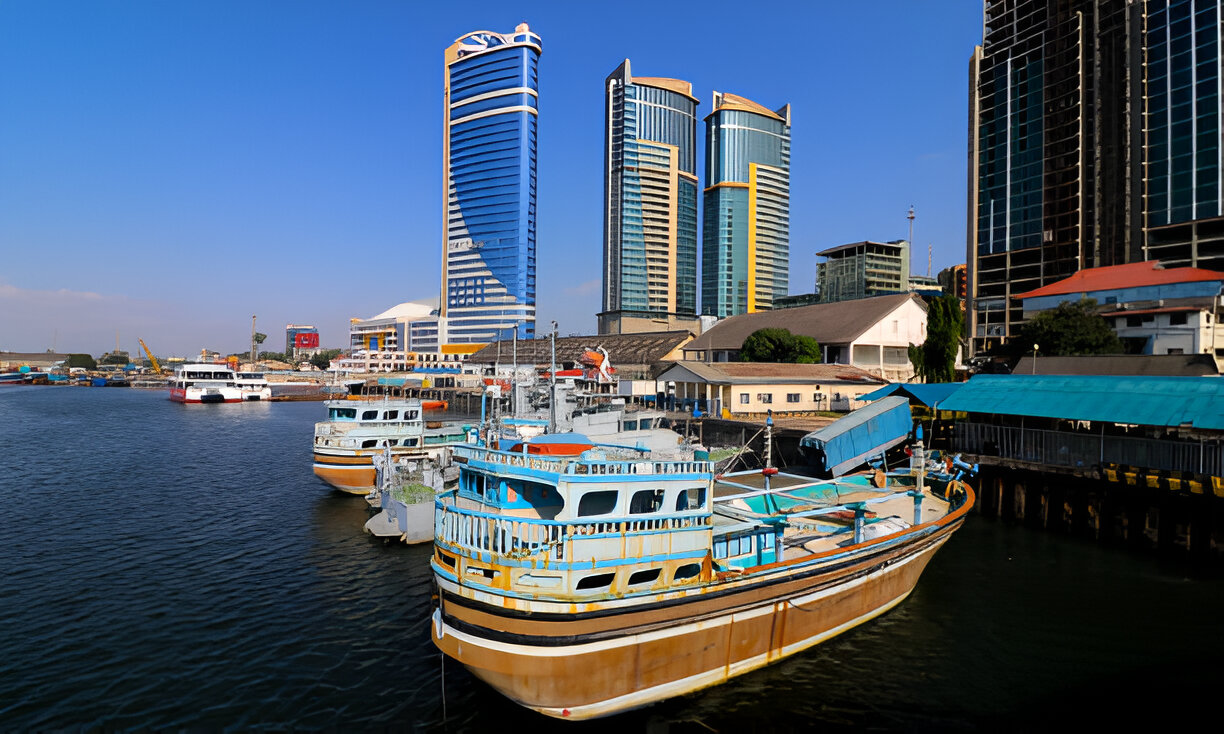
The Dar es Salaam Lighthouse, also known as the Lighthouse of the Coast, stands as a beacon near the harbor. While not a major tourist attraction, it’s a recognizable landmark and offers views of the busy port and the ocean. Sometimes, guided tours or access to the vicinity can provide a different perspective of the city’s maritime history.
Coastal Escapes: Kunduchi & Msasani Bay
For a break from the urban environment, head to the coast. Kunduchi is known for its long sandy beaches and resorts, offering a more relaxed atmosphere. Msasani Bay is popular for its seafood restaurants and a more local vibe. While not pristine tropical paradises, these beaches provide a pleasant escape and a chance to enjoy the Indian Ocean breeze. Consider a sunset stroll or a seafood dinner overlooking the water.
Art Galleries and Craft Markets
Dar es Salaam has a burgeoning art scene. Explore galleries like the Nyumba ya Sanaa (House of Art) for contemporary Tanzanian art, sculptures, and crafts. You can also find local art and souvenirs at various smaller markets and shops throughout the city. Bargaining is expected, but always be respectful.
Religious Sites: St. Joseph’s Cathedral & Azania Front Lutheran Church
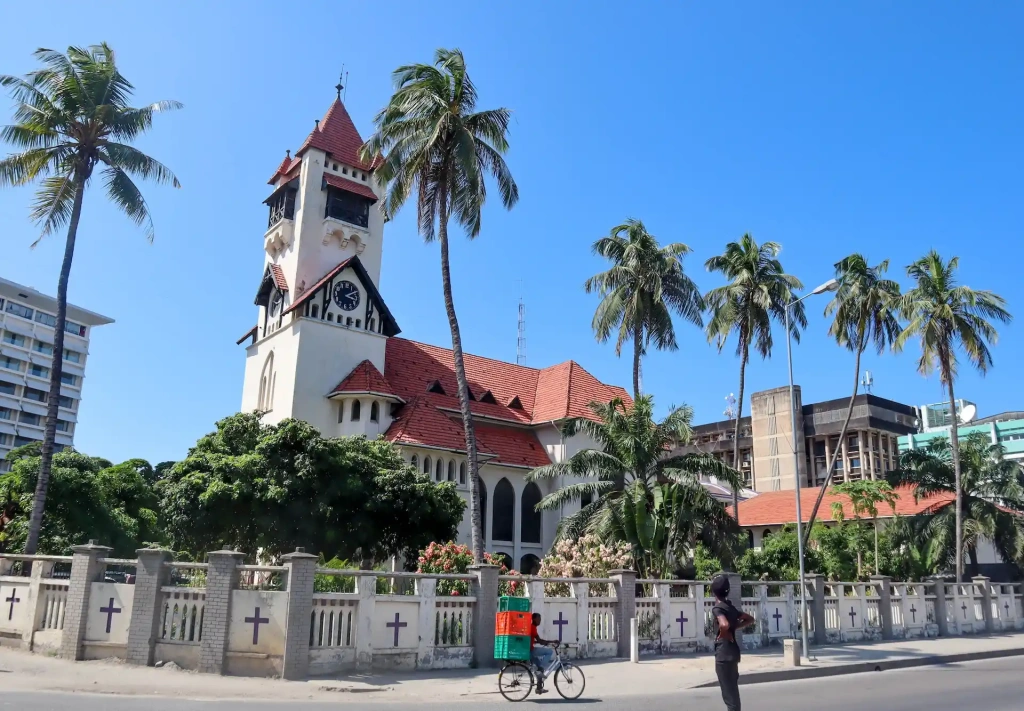
These two prominent religious institutions showcase the city’s diverse architectural styles and religious harmony. St. Joseph’s Metropolitan Cathedral, with its distinctive spire, is a beautiful example of Gothic Revival architecture. The Azania Front Lutheran Church, a landmark on the city’s skyline, offers historical significance and a peaceful atmosphere. Both are active places of worship and can be visited respectfully during non-service hours.
Dar es Salaam Marine Biology Centre (Aquarium)
Located near the University of Dar es Salaam, this center focuses on marine research and conservation. It houses a small aquarium that displays various local marine life from the Indian Ocean. It’s an educational visit, especially for those interested in marine ecosystems.
Ferry to Zanzibar
While Zanzibar is a destination in itself, taking the ferry from Dar es Salaam is a common activity. The journey takes about 1.5 to 2 hours. It’s a bustling experience, offering views of the harbor and the coastline. Book your tickets in advance, especially during peak season. Be aware of touts at the ferry terminal.
Food and Drink in Dar es Salaam
Tanzanian cuisine is a delicious blend of Swahili, African, Indian, and Arabic influences. Dar es Salaam is the perfect place to sample it:
- Seafood: Being a coastal city, fresh seafood is a highlight. Grilled fish, prawns, and calamari are popular. Head to Msasani Bay or local beachfront restaurants for the best options.
- Pilau: A fragrant rice dish cooked with spices, meat (often beef or chicken), and sometimes vegetables.
- Ugali: The staple carbohydrate, a stiff porridge made from maize flour, usually served with stews or grilled meats.
- Nyama Choma: Grilled meat (goat, beef, or chicken) is a national favorite, often served with ugali and kachumbari (tomato and onion salad).
- Chapati: A type of flatbread, often served with curries or as a side.
- Street Food: Be adventurous and try local snacks like samosas, mandazi (sweet doughnuts), and grilled corn from reputable vendors. Always ensure food is cooked thoroughly and served hot.
- Local Beers: Kilimanjaro Lager and Serengeti Lager are popular choices.
- Fresh Juices: Look for stalls selling fresh mango, pineapple, or passion fruit juice – refreshing in the heat.
Dining options range from high-end restaurants offering international cuisine to casual local eateries (vibandas) and bustling market food stalls. For an authentic experience, try a local restaurant frequented by residents.
Where to Stay in Dar es Salaam
Dar es Salaam offers a range of accommodation to suit different budgets and travel styles:
- Luxury Hotels: For upscale comfort, international chains like the Hyatt Regency, Serena Hotel, and Johari Rotana offer excellent amenities, services, and often harbor views.
- Mid-Range Hotels: Numerous comfortable hotels cater to business travelers and tourists, providing good value and essential facilities.
- Boutique Hotels & Guesthouses: Smaller, more intimate options can offer a more personalized experience, often with a local charm.
- Beach Resorts: If you prefer to be closer to the coast, resorts in areas like Kunduchi offer a more relaxed, holiday atmosphere.
- Budget Accommodation: Hostels and basic guesthouses are available, particularly for backpackers and budget-conscious travelers.
Popular areas to stay include the city center for business and easy access to attractions, the Msasani Peninsula for a more relaxed vibe and seafood restaurants, and areas closer to the airport for convenience if you have early or late flights.
Sample Dar es Salaam Itinerary (3 Days)
This itinerary focuses on experiencing the city’s highlights. It can be customized based on your interests and pace.
Day 1: History and Culture
- Morning (9:00 AM): Visit the National Museum of Tanzania to gain historical and cultural context.
- Late Morning (11:30 AM): Explore the Botanical Gardens for a peaceful interlude.
- Lunch (1:00 PM): Enjoy local Tanzanian cuisine at a restaurant near the city center.
- Afternoon (2:30 PM): Visit the Askari Monument and take a walk around the city center, observing colonial architecture.
- Late Afternoon (4:00 PM): Immerse yourself in the vibrant chaos of Kariakoo Market (best experienced in the morning, but still fascinating later).
- Evening: Dinner at a restaurant on the Msasani Peninsula, enjoying fresh seafood.
Day 2: Local Life and Coastal Breeze
- Morning (9:30 AM): Head to the Tanzania Traditional Villages (Village Museum) to learn about diverse ethnic groups.
- Lunch (1:00 PM): Have lunch at a local eatery.
- Afternoon (2:30 PM): Visit the Dar es Salaam Marine Biology Centre for an insight into local marine life.
- Late Afternoon (4:00 PM): Relax at Kunduchi Beach or explore the beachfront area.
- Evening: Enjoy dinner at your hotel or a recommended restaurant in your chosen area.
Day 3: Art, Religion, and Departure
- Morning (9:00 AM): Visit art galleries like Nyumba ya Sanaa or explore craft markets for souvenirs.
- Late Morning (11:00 AM): Visit the impressive St. Joseph’s Cathedral and Azania Front Lutheran Church.
- Lunch (12:30 PM): Enjoy a final Tanzanian meal.
- Afternoon: Depending on your flight schedule, you could revisit a favorite spot, do some last-minute shopping, or head to the airport. If time permits and you’re interested, consider the ferry terminal for a glimpse of the Zanzibar ferry operations.
Essential Planning Tips for Dar es Salaam
Proper planning ensures a smoother and more enjoyable trip:
- Visa Requirements: Check the latest visa regulations for Tanzania for your nationality well in advance. Many nationalities can obtain a visa on arrival, but e-visas are also available.
- Vaccinations & Health: Consult your doctor or a travel clinic about recommended vaccinations (e.g., Yellow Fever, Hepatitis A, Typhoid) and malaria prophylaxis.
- Currency: The local currency is the Tanzanian Shilling (TZS). US Dollars are widely accepted in tourist areas, but it’s good to have some local currency for markets and smaller purchases. ATMs are available, and credit cards are accepted in larger hotels and stores.
- Connectivity: Purchase a local SIM card (e.g., Vodacom, Tigo, Airtel) upon arrival for affordable data and local calls. This is invaluable for ride-sharing apps and communication.
- Language: Swahili is the national language. While English is widely spoken in tourist establishments and business circles, learning a few basic Swahili phrases (like ‘Jambo’ – hello, ‘Asante’ – thank you) is appreciated.
- Tipping: Tipping is not mandatory but is appreciated for good service. A small tip for hotel staff, drivers, and restaurant servers is customary.
- Bargaining: In markets and with taxi drivers (if not using an app), polite bargaining is expected. Start at around 50-60% of the asking price and negotiate respectfully.
- Respect Local Customs: Dress modestly, especially when visiting religious sites or more traditional areas. Avoid overly revealing clothing. Ask permission before taking photos of people.
What to Pack for Dar es Salaam
Pack light, breathable clothing suitable for a tropical climate. Focus on comfort and practicality:
- Lightweight Clothing: Cotton or linen shirts, t-shirts, shorts, skirts, and light trousers.
- Modest Attire: Long-sleeved shirts and long trousers or skirts are recommended for evenings, visiting religious sites, and for general respect in local areas.
- Rain Gear: A light, waterproof jacket or umbrella, especially if traveling during the rainy seasons.
- Comfortable Walking Shoes: Essential for exploring the city and markets.
- Sandals/Flip-flops: For relaxing or beach visits.
- Sun Protection: Wide-brimmed hat, sunglasses, and high SPF sunscreen.
- Insect Repellent: Especially important for evenings and if you plan to visit areas with standing water.
- Swimwear: If your accommodation has a pool or you plan to visit beach resorts.
- Basic First-Aid Kit: Including any personal medications, pain relievers, antiseptic wipes, and bandages.
- Power Adapter: Tanzania uses Type G plugs (the UK-style three-pin plug). Voltage is 230V.
- Reusable Water Bottle: Stay hydrated and reduce plastic waste. Ensure you refill it with purified or bottled water.
Safety and Health Considerations
Dar es Salaam is generally safe for tourists, but like any large city, it requires awareness and precautions:
- Petty Crime: Be vigilant against pickpocketing and bag snatching, especially in crowded areas like markets and bus stations. Keep valuables secure and out of sight.
- Scams: Be wary of overly friendly strangers offering unsolicited help or tours, especially around tourist sites and the ferry terminal.
- Transportation: Use reputable taxis or ride-sharing apps. Always agree on fares beforehand if using a standard taxi. Avoid walking alone at night in unfamiliar areas.
- Health: Drink only bottled or purified water. Be cautious with street food; ensure it is cooked thoroughly and served hot. Malaria is present; take precautions and consider prophylaxis.
- Photography: Always ask for permission before taking photos of individuals, especially children, and be discreet when photographing government buildings or military installations.
- Emergency Contacts: Keep a list of emergency numbers and your embassy’s contact information.
By taking sensible precautions, you can have a safe and enjoyable experience in Dar es Salaam.
Who is Dar es Salaam Best Suited For?
Dar es Salaam appeals to a variety of travelers:
- Cultural Enthusiasts: Those interested in understanding Tanzanian urban life, history, and diverse cultural influences.
- History Buffs: Individuals keen on exploring colonial architecture, museums, and historical landmarks.
- First-Time Tanzania Visitors: As a primary entry point, it’s often the first taste of the country, offering a contrast to the wilderness of safaris.
- Stopover Travelers: Those with a few days between international flights or before heading to Zanzibar or a safari.
- Foodies: Anyone eager to sample fresh seafood and diverse local Tanzanian dishes.
- Independent Travelers: Those who enjoy exploring cities at their own pace and engaging with local life.
It may be less suited for travelers solely seeking pristine beaches or remote wilderness, as those experiences are found elsewhere in Tanzania.
Alternatives to Dar es Salaam
While Dar es Salaam is unique, other Tanzanian destinations offer different experiences:
- Zanzibar: For idyllic beaches, rich history, and spice tours, Zanzibar is the classic island paradise. It’s a short ferry or flight away.
- Arusha: The gateway to the Northern Safari Circuit (Serengeti, Ngorongoro). It’s a smaller, more relaxed city focused on tourism and wildlife.
- Moshi/Arusha: The starting point for Mount Kilimanjaro treks and Mount Meru climbs.
- Coastal Towns (e.g., Bagamoyo): For a quieter historical experience, the ancient port town of Bagamoyo, north of Dar es Salaam, offers significant historical ruins and a more laid-back atmosphere.
- Mafia Island: For a more remote and less developed island experience focused on diving and marine life, Mafia Island is an excellent choice.
Planning Your Trip for 2026-2027
When planning your Dar es Salaam adventure for 2026 or 2027, consider these points:
2026-2027 Travel Planning Checklist
- Research & Inspiration: Read guides like this one to understand what Dar es Salaam offers.
- Best Time to Travel: Decide on your preferred weather conditions and tourist crowds for your 2026/2027 visit.
- Visa Requirements: Check official government websites for the most up-to-date visa information for Tanzania for your nationality.
- Health Consultations: Schedule appointments with your doctor or travel clinic at least 6-8 weeks before departure.
- Flight Bookings: Flights to DAR can be booked several months in advance for better prices, especially if traveling during peak seasons in 2026 or 2027.
- Accommodation: Book hotels or guesthouses, particularly if you have specific preferences or are traveling during busy periods.
- Itinerary Customization: Plan your days, but remain flexible.
- Local SIM Card: Plan to purchase one upon arrival for easy communication and data access.
- Currency Exchange: Familiarize yourself with current exchange rates and have some USD for initial expenses.
- Travel Insurance: Ensure comprehensive travel insurance is in place for 2026/2027.
Booking in advance, especially for flights and popular accommodations, is advisable for 2026 and 2027 travel to secure the best options and potentially better prices.
Booking Advice with Top Guide Adventures
As a premier Tanzania tour operator, Top Guide Adventures specializes in creating memorable travel experiences. While Dar es Salaam is often a starting or ending point for larger itineraries, we can assist with:
- Airport Transfers: Smooth and reliable transfers from Julius Nyerere International Airport (DAR) to your hotel.
- Day Tours: We can arrange guided day trips to key attractions in and around Dar es Salaam, including the National Museum, Village Museum, and coastal areas.
- Custom Itineraries: If you wish to spend more time exploring Dar es Salaam as part of a larger Tanzanian adventure, we can build a custom itinerary that includes city exploration alongside safaris, Kilimanjaro climbs, or Zanzibar holidays.
- Accommodation Booking: We can assist in booking hotels that suit your budget and preferences.
- Logistical Support: From arranging private transportation to providing local insights, our team is here to ensure your trip runs smoothly.
Let us help you plan your perfect Tanzanian journey, starting or ending with the vibrant energy of Dar es Salaam. Contact us to discuss your travel plans:
WhatsApp: +255616946642
Email: topguideadventures@gmail.com
Backup Email: info@topguideadventures.com
Frequently Asked Questions (FAQs)
- What is the best way to get from DAR airport to the city center?
- The most convenient ways are pre-booked airport transfers arranged by your hotel or a tour operator, or by using official airport taxis. Ride-sharing apps like Uber and Bolt are also available but may require a short walk from the arrivals terminal to the pick-up zone.
- Is Dar es Salaam safe for solo female travelers?
- Dar es Salaam is generally safe for solo female travelers, but it’s important to exercise common sense precautions. Dress modestly, avoid walking alone late at night in unfamiliar areas, and be aware of your surroundings. Using reputable transport and sticking to well-trafficked areas will enhance safety.
- Do I need a visa for Tanzania?
- Most foreign nationals require a visa to enter Tanzania. You can often obtain a visa on arrival at the airport, or apply for an e-visa online in advance. Always check the latest requirements with the Tanzanian embassy or consulate in your country.
- What currency should I use in Dar es Salaam?
- The official currency is the Tanzanian Shilling (TZS). US Dollars are widely accepted for larger purchases like hotel rooms and tours, but it’s advisable to carry some Shillings for markets, local transport, and smaller expenses. ATMs are available for cash withdrawals.
- Is it possible to do a day trip to Zanzibar from Dar es Salaam?
- While technically possible to take the early ferry to Zanzibar and return on the late ferry, it is not recommended. The ferry journey takes 1.5-2 hours each way, and you would have very limited time on the island. It’s much better to dedicate at least 2-3 days to exploring Zanzibar.
- What are the must-try local foods in Dar es Salaam?
- You must try Pilau (spiced rice), Ugali (maize porridge) served with stew, Nyama Choma (grilled meat), and fresh seafood like grilled fish and prawns. Mandazi (sweet doughnuts) are also a popular snack.
- Can I drink tap water in Dar es Salaam?
- No, it is not recommended to drink tap water. Always drink bottled or purified water. Ensure any ice used in drinks is also made from purified water.
- How should I dress in Dar es Salaam?
- Lightweight, breathable clothing is best for the tropical climate. For exploring the city and visiting religious sites, modest dress is appreciated, covering shoulders and knees. Beachwear is suitable for beach resorts or designated beach areas.
- What is the best time of year to visit Dar es Salaam for good weather?
- The dry season from June to October offers the most pleasant weather with lower humidity and minimal rain, making it ideal for exploring the city and its surroundings.
- Are there good shopping opportunities in Dar es Salaam?
- Yes, Dar es Salaam offers shopping for various items. Kariakoo Market is great for local produce and goods, while places like Nyumba ya Sanaa offer Tanzanian art, crafts, and souvenirs. There are also modern shopping malls for international brands.
- How can I arrange a safari or Kilimanjaro trek starting from Dar es Salaam in 2026 or 2027?
- You can contact reputable tour operators like Top Guide Adventures. They can help you plan and book custom safaris to national parks like the Serengeti and Ngorongoro, or organize your Kilimanjaro climb for 2026 or 2027. Ensure you book well in advance for popular trekking seasons.
Your Dar es Salaam Adventure Starts Here
Dar es Salaam is a city that offers a unique blend of history, culture, and urban vibrancy. It’s a perfect introduction to Tanzania or a fascinating destination in its own right. Whether you’re planning a brief stopover or a longer exploration, our team at Top Guide Adventures is dedicated to making your experience unforgettable.
Let us handle the details so you can focus on enjoying the best things to do in Dar es Salaam. We offer personalized travel planning, reliable transfers, and expertly guided tours.
Contact us today to start planning your 2026-2027 Tanzanian adventure:
WhatsApp: +255616946642
Email: topguideadventures@gmail.com
Backup Email: info@topguideadventures.com
We look forward to helping you discover the wonders of Dar es Salaam and Tanzania!
Plan your Dar es Salaam Travel Guide: Best Things to Do with Top Guide Adventures
Tell us your travel dates, group size, comfort level, and dream experience. We will help you shape a clear, realistic, and memorable Tanzania itinerary.







 Veedesigner
 Fatma Kizanga
 Benjamin Waryuba
 Philip Philip
 John jr Itaja
 Antonia Optatus
 Edith Kanyere
 Neema Iddy
 Kelvin Boniphace
 Damari Maiga



