
Updated planning guide for 2026, 2027-2028
Datoga Blacksmith Tour From Moshi: Complete Guide 2026-2027-2028
Discover the ancient art of Datoga blacksmithing on a unique tour from Moshi. This guide provides everything you need to plan, prepare, and book an unforgettable cultural immersion in Tanzania.
WhatsApp +255616946642 | topguideadventures@gmail.com | info@topguideadventures.com
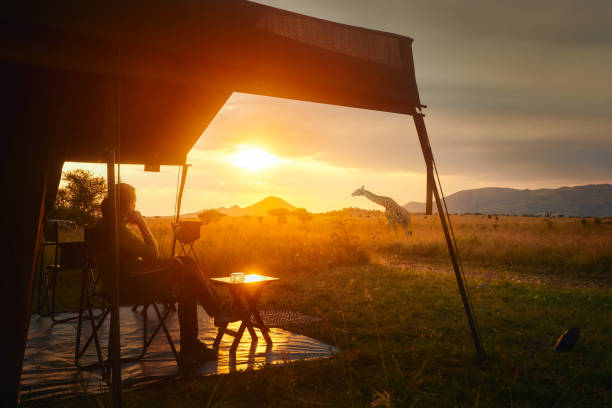
Datoga Blacksmith Tour From Moshi: Essential Travel Guide 2026-2027
For travelers seeking authentic cultural encounters beyond the typical safari circuits, a Datoga blacksmith tour from Moshi offers a profound connection to Tanzania’s rich heritage. This unique experience allows you to witness the skilled craftsmanship of the Datoga people, an indigenous community renowned for their traditional metalworking techniques. Imagine observing artisans shape iron using age-old methods, creating essential tools and ornaments that have sustained their way of life for generations. This comprehensive guide is designed to help you understand every aspect of planning and enjoying a Datoga blacksmith tour from Moshi, ensuring a memorable and respectful cultural exchange for your 2026 or 2027 travels.
This guide covers all you need to know, from what to expect on the tour itself to practical advice on preparation, seasonality, and booking. We aim to provide detailed insights that go beyond surface-level descriptions, helping you make informed decisions for an enriching journey.
Quick Facts About Datoga Blacksmith Tours
| Aspect | Details |
|---|---|
| Focus Activity | Observing and interacting with Datoga blacksmiths, learning about traditional metalworking. |
| Starting Point | Moshi, Tanzania |
| Duration | Typically a full-day excursion, but can be combined with longer cultural stays. |
| Cultural Significance | Insight into Datoga traditions, social structure, and their vital role in community life. |
| Logistics | Requires private transport from Moshi, often a 4×4 vehicle due to road conditions. |
| Best Time to Visit | Dry seasons (June-October, December-February) offer easier travel. |
| Key Considerations | Respectful interaction, photography etiquette, understanding local customs. |
Understanding the Datoga People and Their Craft
The Datoga, also known as the Datooga or Tatoga, are a Nilotic ethnic group primarily residing in the Manyara region of Tanzania, often found near the Ngorongoro Conservation Area and Lake Eyasi. Historically, they are pastoralists and skilled artisans, with blacksmithing being a particularly vital and respected skill passed down through generations. Their traditional way of life is deeply connected to the land and their ancestral practices.
The blacksmith’s role in a Datoga community is crucial. They are responsible for creating and repairing essential tools for farming, hunting, and daily life, as well as crafting beautiful adornments like copper and brass bracelets, necklaces, and earrings. The process is intricate, involving heating metal in a charcoal-fueled forge, shaping it with hammers on an anvil, and quenching it in water. This is not just a craft; it’s a heritage, a source of livelihood, and a central element of their cultural identity.
Why Undertake a Datoga Blacksmith Tour From Moshi?
Choosing a Datoga blacksmith tour from Moshi means stepping away from the well-trodden tourist paths and engaging with a living culture. Here’s why it’s a valuable experience:
- Authentic Cultural Immersion: Unlike staged cultural performances, this is a genuine glimpse into the daily life and traditions of the Datoga people. You witness skills honed over centuries in their natural environment.
- Support for Local Communities: By visiting and engaging respectfully, your tour contributes directly to the economic well-being of the Datoga communities, helping to preserve their traditions in a changing world.
- Unique Learning Opportunity: Gain a deeper understanding of traditional technologies, resourcefulness, and the significance of craftsmanship in pre-industrial societies.
- Photographic Potential: The raw, elemental nature of blacksmithing, combined with the distinctive appearance of the Datoga people, offers exceptional photographic opportunities, provided you ask permission.
- Off-the-Beaten-Path Adventure: This tour takes you to regions less frequented by mass tourism, offering a sense of discovery and adventure.
Table of Contents
- Quick Facts
- Understanding the Datoga People and Their Craft
- Why Undertake a Datoga Blacksmith Tour From Moshi?
- Best Time to Visit for a Datoga Blacksmith Tour
- Route Overview: Moshi to Datoga Lands
- Sample Full-Day Datoga Blacksmith Tour Itinerary
- What to Expect During the Tour
- Preparation and Packing Essentials
- Cultural Etiquette and Respectful Interaction
- Common Mistakes to Avoid
- Who is This Tour Best Suited For?
- Alternatives to a Datoga Blacksmith Tour
- Planning Your Tour for 2026-2027
- Booking Your Datoga Blacksmith Tour
- Frequently Asked Questions (FAQs)
Best Time to Visit for a Datoga Blacksmith Tour
The ideal time for a Datoga blacksmith tour from Moshi largely depends on weather conditions, which significantly impact road accessibility and overall comfort. Tanzania experiences distinct wet and dry seasons.
| Season | Months | Conditions | Pros | Cons |
|---|---|---|---|---|
| Long Dry Season | June – October | Sunny, minimal rain, cooler temperatures. | Excellent road conditions, comfortable for travel, ideal for photography. | Can be busy with other tourists in popular safari areas (though less so for this specific tour). |
| Short Rains | November – December | Intermittent showers, can be humid. | Lush landscapes, fewer tourists. | Roads can become muddy and difficult, especially in remote areas. |
| Long Rains | March – May | Heavy, prolonged rainfall. | Very few tourists, dramatic landscapes. | Roads can be impassable, many areas become difficult to access, potentially leading to tour cancellations. |
| Short Dry Season | December – February | Hot, humid, sporadic short rains possible. | Good for travel, though can be hot. | Can be hot, occasional rain showers. |
Recommendation: The long dry season (June to October) is generally the best period for a Datoga blacksmith tour from Moshi. Roads to areas like Lake Eyasi, where many Datoga communities reside, are more reliable. The short dry season (December to February) is also a viable option, though it can be quite hot. Traveling during the shoulder months (e.g., late October, early November, or late February, early March) can offer a balance of decent weather and fewer crowds.
Route Overview: Moshi to Datoga Lands
The journey from Moshi to the traditional Datoga lands, often centered around the Lake Eyasi basin, is an adventure in itself. It’s important to understand that these are not paved highways, and the travel time can be substantial.
General Route:
- Moshi to Arusha: A relatively short drive (approx. 1-1.5 hours) on a paved road.
- Arusha to Mto wa Mbu/Karatu: This leg takes you towards the Ngorongoro Conservation Area access points. The road is mostly paved, passing through agricultural areas and the bustling town of Mto wa Mbu, known for its diverse tribal communities. This can take 2-3 hours.
- Karatu towards Lake Eyasi: This is where the terrain changes dramatically. The roads become unpaved, often dusty tracks that can be rough, particularly in the wet season. The landscape shifts to drier savanna and acacia woodlands. This segment can take anywhere from 3 to 5 hours or more, depending on road conditions and the specific Datoga settlement you are visiting.
Travel Considerations:
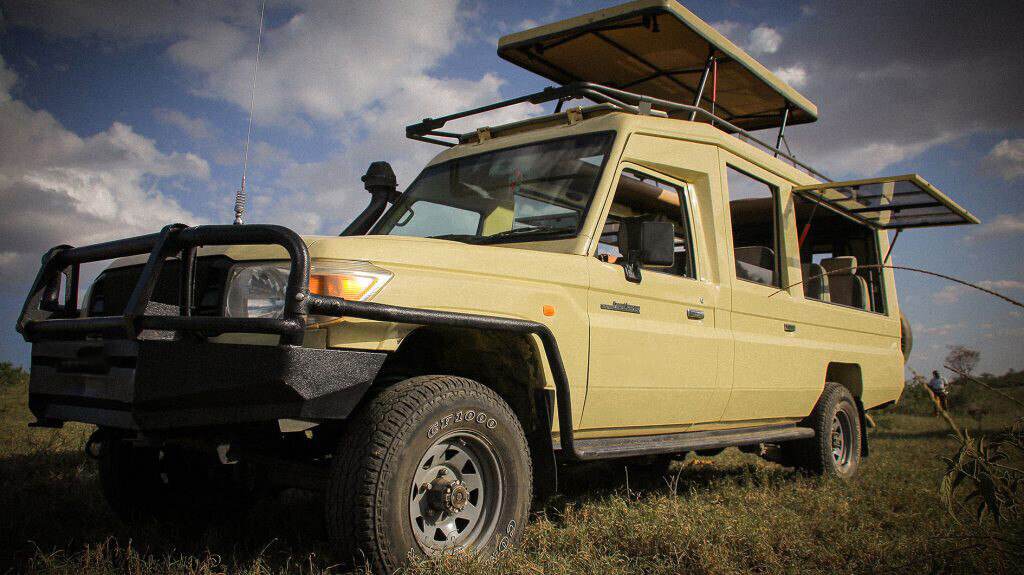
- Vehicle: A sturdy 4×4 vehicle is essential for this journey. Standard vehicles will struggle with the terrain.
- Time: Factor in a full day for the excursion, with significant driving time (potentially 8-10 hours round trip, plus time spent with the community).
- Flexibility: Road conditions can necessitate detours or adjustments to the schedule.
Simple Route Illustration (Conceptual):
Moshi –> Arusha –> Mto wa Mbu –> Karatu –> (Unpaved tracks) –> Lake Eyasi Basin (Datoga Villages)
Sample Full-Day Datoga Blacksmith Tour Itinerary
This is a sample itinerary, and actual timings may vary based on your tour operator, location of the Datoga village, and road conditions. This itinerary assumes a departure from Moshi.
| Time | Activity | Notes |
|---|---|---|
| 6:00 AM | Depart from Moshi | Early start is crucial due to the long drive. Breakfast can be packed or taken en route. |
| 7:30 AM – 8:00 AM | Arrive in Arusha / Brief Stop | Optional stop for supplies or a quick coffee. |
| 8:00 AM – 11:00 AM | Drive towards Lake Eyasi region | Journey through diverse landscapes. The latter part of this drive will be on unpaved roads. |
| 11:00 AM – 1:30 PM | Arrive at Datoga Village & Blacksmith Encounter | Meet your local guide who will facilitate introductions. Witness the blacksmith at work, observe the process, and learn about the tools and their significance. Engage in respectful conversation (often through a translator). |
| 1:30 PM – 2:30 PM | Cultural Exchange & Lunch | Opportunity to interact further with the community, perhaps see other traditional crafts or daily life activities. A packed lunch is usually provided. |
| 2:30 PM – 3:00 PM | Optional: Visit Other Community Members | Depending on the tour and arrangements, you might visit a traditional Datoga home or interact with other artisans. |
| 3:00 PM | Depart from the Datoga Village | Begin the return journey to Moshi. |
| 3:00 PM – 7:00 PM | Drive back to Moshi | The return journey can be tiring but offers a chance to reflect on the day’s experiences. |
| 7:00 PM onwards | Arrive back in Moshi | Transfer to your accommodation. |
What to Expect During the Tour
A Datoga blacksmith tour is an immersive cultural experience that differs significantly from a typical safari or city tour. Here’s what you can realistically expect:
- Authenticity over Comfort: The villages are remote, and facilities are basic. Roads are rough, and travel can be bumpy and dusty. Embrace this as part of the adventure.
- Sensory Experience: You’ll encounter the heat of the forge, the smell of charcoal and hot metal, the rhythmic sound of hammering, and the visual spectacle of skilled hands at work.
- Direct Interaction: While direct communication might be limited by language, your guide will facilitate understanding. You’ll have the chance to observe closely and ask questions through your guide.
- Traditional Techniques: Witness the use of bellows (often made from animal hides), charcoal for heat, and simple, effective tools to shape metal. You’ll see them making items like arrowheads, knives, bracelets, and other ornaments.
- Community Life: Beyond the blacksmith, you’ll get a glimpse into the broader Datoga lifestyle, their homes (often made from mud and thatch), and their daily routines.
- Photography: The Datoga are often recognizable by their distinctive attire and beadwork. Photography is usually permitted, but always ask permission before taking close-up shots of individuals, especially children. Your guide will advise on this.
- Potential for Bartering/Purchasing: If you wish to purchase items directly from the blacksmith or other artisans, arrangements can often be made. This is a great way to support the community directly. Prices are typically negotiated.
- Language Barrier: While your guide will translate, be prepared for a language barrier. Patience and non-verbal communication are key.
Preparation and Packing Essentials
Proper preparation is key to enjoying your Datoga blacksmith tour from Moshi. Given the remote location and the nature of the activity, packing smart is important.
Packing List:
- Clothing: Lightweight, breathable, long-sleeved shirts and trousers. These protect from the sun, dust, and insects, and are also culturally appropriate. Neutral colors are best for photography.
- Footwear: Comfortable, closed-toe walking shoes or hiking boots. The terrain can be uneven.
- Headwear: A wide-brimmed hat or cap for sun protection.
- Sun Protection: High SPF sunscreen, sunglasses.
- Insect Repellent: Especially important for the late afternoons and evenings.
- Water Bottle: Reusable water bottle. Staying hydrated is crucial, especially in the heat.
- Snacks: While lunch is usually provided, having some personal snacks can be helpful.
- Camera: With extra batteries and memory cards. Ensure you have a zoom lens if you wish to capture details from a respectful distance.
- Small Notebook and Pen: For jotting down observations or learning new words.
- Hand Sanitizer: For hygiene before eating or after interacting.
- Small First-Aid Kit: Basic supplies for minor cuts or ailments.
- Cash: Small denominations of Tanzanian Shillings for potential purchases or small tips (though tipping is usually arranged by the tour operator).
- Scarf or Bandana: Useful for dusty conditions or to cover your mouth and nose if needed.
Important Note: Pack light but smart. Your tour operator will likely provide details on what to bring, but this list covers essentials for a full-day excursion.
Cultural Etiquette and Respectful Interaction
Visiting a Datoga community requires sensitivity and respect for their traditions and way of life. Your tour operator should brief you, but here are key points:
- Ask Permission for Photos: Always seek permission before taking pictures of people, especially children or elders. A smile and a gesture often suffice, but your guide is your best resource.
- Dress Modestly: While not strictly enforced for visitors, dressing in a way that respects local customs (avoiding overly revealing clothing) is appreciated.
- Respect Personal Space: Do not intrude into homes or personal spaces without an invitation.
- Engage Through Your Guide: Your guide acts as a cultural bridge. Let them facilitate conversations and explain customs. Avoid direct, unsolicited physical contact.
- Observe, Don’t Interfere: Watch the blacksmithing process with genuine interest, but avoid touching tools or equipment unless invited to do so.
- Be Mindful of Children: While children are often curious, avoid giving them money or sweets directly, as this can disrupt community dynamics and encourage begging. If you wish to contribute, discuss with your guide the best way to support the community (e.g., through purchasing crafts, or donating to a community project).
- Patience and Humility: Understand that you are a guest. Approach the experience with an open mind, patience, and a willingness to learn.
- Gift Giving: If you wish to offer a gift, it’s best to discuss this with your tour operator beforehand. Practical items needed by the community or specific individuals might be appropriate, but avoid anything that could undermine local economies or traditions.
Common Mistakes to Avoid
To ensure a positive and respectful experience, be aware of common pitfalls:
- Assuming Access: Do not expect to just show up at a village. These tours must be arranged through reputable operators who have established relationships with the communities.
- Treating it as a Zoo: Avoid gawking or treating the Datoga people as exhibits. Remember you are visiting a community of people with their own lives and dignity.
- Disregarding Photography Rules: Taking photos without permission is disrespectful and can cause offense.
- Being Impatient with Travel: The journey can be long and rough. Expect delays and understand that road conditions are beyond anyone’s control.
- Ignoring Cultural Norms: Failing to dress appropriately or interact respectfully can lead to misunderstandings.
- Over-bargaining for Crafts: While negotiation is part of the process, be fair. Remember these are the artisans’ livelihoods. Aggressive bargaining can be seen as disrespectful.
- Expecting Modern Amenities: Do not expect toilets, running water, or electricity in the villages.
- Ignoring Your Guide: Your guide is invaluable for navigation, translation, and cultural interpretation. Listen to their advice.
Who is This Tour Best Suited For?
A Datoga blacksmith tour from Moshi is ideal for:
- Culturally Curious Travelers: Those who seek authentic interactions and want to understand different ways of life.
- Photographers: Individuals interested in capturing unique cultural and human subjects, with a commitment to ethical photography.
- Adventurous Spirits: Travelers who don’t mind rough roads, basic conditions, and a long day of travel in pursuit of a unique experience.
- Off-the-Beaten-Path Explorers: Those looking to venture beyond the typical tourist trails in Tanzania.
- Educational Travelers: People interested in learning about traditional crafts, anthropology, and indigenous cultures.
This tour is less suited for travelers seeking luxury, comfort, modern amenities, or those who are easily uncomfortable with basic living conditions and long, bumpy drives.
Alternatives to a Datoga Blacksmith Tour
While a Datoga blacksmith tour is unique, other cultural experiences are available from Moshi:
- Maasai Village Visit: Many tour operators offer visits to Maasai communities. These are often more established tourist experiences, focusing on Maasai traditions, bomas (homesteads), and warrior culture.
- Chagga Cultural Tours: Explore the history and culture of the Chagga people, the indigenous group of Mount Kilimanjaro. This can include visiting coffee plantations, traditional homes (shambas), and learning about their agricultural practices.
- Local Market Visits: Exploring local markets in Arusha or nearby towns offers a vibrant glimpse into daily Tanzanian life, crafts, and produce.
- Hadza Hunter-Gatherer Interaction: If your itinerary allows for travel closer to Lake Eyasi, some specialized tours can include interaction with the Hadza people, known for their ancient hunter-gatherer lifestyle. This is a more logistically complex and often longer commitment than a day trip.
- Local Village Walks: Guided walks through villages near Moshi can offer insights into rural Tanzanian life, farming, and community interactions.
The Datoga blacksmith tour stands out for its specific focus on a skilled traditional craft and its location in a more remote, less-visited area compared to some other cultural tours.
Planning Your Tour for 2026-2027
Planning ahead is crucial for a successful Datoga blacksmith tour, especially if you are looking at the 2026 or 2027 travel seasons. Early booking ensures better availability and allows for customization.
Key Planning Steps for 2026-2027:
- Define Your Travel Dates: Consider the best time to visit (dry seasons are preferable). Research if any major holidays or local events might affect your travel.
- Choose a Reputable Tour Operator: This is paramount. Look for operators with good reviews, clear communication, and established relationships with the Datoga communities. They ensure respectful access and a well-organized experience.
- Discuss Itinerary Customization: While a day trip is common, you might want to combine it with other activities or extend your stay in the Lake Eyasi region if time permits.
- Understand Inclusions/Exclusions: Clarify what is covered (transport, guide, lunch, community fees) and what is not (personal expenses, tips, optional purchases).
- Budgeting: While exact prices vary, factor in costs for the tour, potential purchases, and any personal expenses. For 2026-2027, it’s wise to get quotes from operators well in advance.
- Health Precautions: Consult your doctor about necessary vaccinations and malaria precautions for Tanzania.
- Visa Requirements: Check the latest visa regulations for Tanzania for your nationality well ahead of your travel dates for 2026-2027.
Booking Your Datoga Blacksmith Tour
Booking your Datoga blacksmith tour from Moshi should be done with care to ensure a quality and ethical experience. Here’s how to proceed:
Steps to Book:
- Research Tour Operators: Look for companies specializing in cultural tours or offering custom itineraries in Tanzania. Recommendations from travel forums or trusted sources can be helpful.
- Get Quotes and Compare: Contact several operators. Provide your desired dates, group size, and any specific interests. Ask for detailed itineraries and what is included.
- Check for Community Engagement: Reputable operators will explain how they work with the Datoga communities, ensuring fair compensation and respectful visits.
- Read Reviews: Look for recent reviews focusing on cultural tours, authenticity, guide quality, and community interaction.
- Communicate Clearly: Discuss your expectations, any concerns, and confirm all details, including meeting points, times, and what to bring.
- Confirm Booking and Payment: Understand the payment terms, cancellation policy, and what documentation you will receive.
Contact Us for Your Tour Planning:
For a well-organized and culturally sensitive Datoga blacksmith tour from Moshi, tailored to your preferences for 2026 or 2027, reach out to our expert team. We pride ourselves on creating authentic travel experiences that benefit local communities.
WhatsApp: +255616946642
Email: topguideadventures@gmail.com
Backup Email: info@topguideadventures.com
We are here to help you craft the perfect cultural adventure.
Frequently Asked Questions (FAQs)
Q1: How long does a Datoga blacksmith tour from Moshi typically last?
A1: A Datoga blacksmith tour from Moshi is usually a full-day excursion. This includes the significant driving time to and from the remote Datoga villages near Lake Eyasi, as well as the time spent with the community observing the blacksmithing and engaging in cultural exchange.
Q2: What is the best way to get to the Datoga villages from Moshi?
A2: The best way is via a private 4×4 vehicle arranged by a reputable tour operator. The roads to these remote areas are often unpaved and can be challenging, especially during the rainy season. A 4×4 is essential for navigating the terrain.
Q3: Can I buy items directly from the Datoga blacksmiths?
A3: Yes, it is often possible to purchase items directly from the blacksmiths or other artisans in the community. This is a great way to support them directly. Your guide can help facilitate negotiations, and it’s important to bargain respectfully.
Q4: What should I wear on a Datoga blacksmith tour?
A4: It is recommended to wear lightweight, breathable clothing that covers your arms and legs for sun and dust protection, and to show respect for local customs. Comfortable, closed-toe shoes are also essential due to the terrain.
Q5: Is it safe to visit Datoga communities?
A5: Yes, with a reputable tour operator, these visits are generally safe. The operators have established relationships with the communities, ensuring respectful interactions. Your guide will provide guidance on safety and cultural etiquette throughout the tour.
Q6: What is the best time of year for this tour in 2026 or 2027?
A6: The dry seasons are generally best for accessibility and comfort. This includes the long dry season from June to October and the short dry season from December to February. The dry periods offer more reliable road conditions.
Q7: Will there be a language barrier with the Datoga people?
A7: Yes, a language barrier is likely as the Datoga have their own language. However, your tour guide will act as a translator, facilitating communication and ensuring a deeper understanding of the cultural exchange.
Q8: How can I book a Datoga Blacksmith Tour From Moshi for 2027?
A8: To book a Datoga blacksmith tour from Moshi for 2027, it is best to contact a specialized Tanzanian tour operator. Companies like ours can arrange all logistics, including transport, guides, and community access, ensuring an authentic and respectful experience. Contact us via WhatsApp at +255616946642 or email topguideadventures@gmail.com.
Q9: What should I expect regarding accommodation if I extend my stay in the Lake Eyasi area?
A9: If you choose to extend your stay, accommodation options near Lake Eyasi are generally limited and range from basic tented camps to more comfortable lodges. These are typically rustic but offer a unique experience of being close to nature and local communities.
Q10: Is this tour suitable for children?
A10: While children can certainly benefit from cultural experiences, the long driving distances on rough roads and the basic nature of the environment might be challenging for very young children. It is best suited for older children or teenagers who can appreciate the cultural immersion and the adventure aspect.
Ready to Experience Datoga Blacksmithing?
A Datoga blacksmith tour from Moshi is more than just a day trip; it’s an opportunity to witness a tradition that has endured for centuries and to connect with the heart of Tanzanian culture. It offers a profound contrast to the wildlife-focused safaris and a genuine insight into the lives of the people who call this land home.
Let us help you plan an unforgettable cultural journey for your 2026 or 2027 adventure. We specialize in creating authentic experiences that respect local traditions and communities.
Contact us today to start planning your Datoga blacksmith tour from Moshi:
WhatsApp: +255616946642
Email: topguideadventures@gmail.com
Backup Email: info@topguideadventures.com
Plan your Datoga Blacksmith Tour From Moshi with Top Guide Adventures
Tell us your travel dates, group size, comfort level, and dream experience. We will help you shape a clear, realistic, and memorable Tanzania itinerary.







 Veedesigner
 Fatma Kizanga
 Benjamin Waryuba
 Philip Philip
 John jr Itaja
 Antonia Optatus
 Edith Kanyere
 Neema Iddy
 Kelvin Boniphace
 Damari Maiga



