
Updated planning guide for 2026, 2027-2028
Datoga Tribe Tour From Moshi: Complete Guide 2026-2027-2028
This comprehensive guide provides everything you need to know for an unforgettable Datoga tribe tour from Moshi. Learn about cultural immersion, itinerary options, practical planning, and what to expect.
WhatsApp +255616946642 | topguideadventures@gmail.com | info@topguideadventures.com
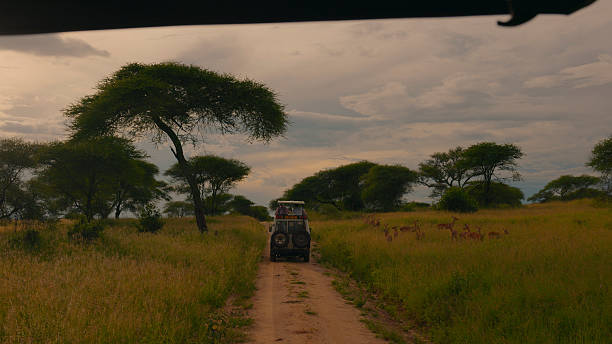
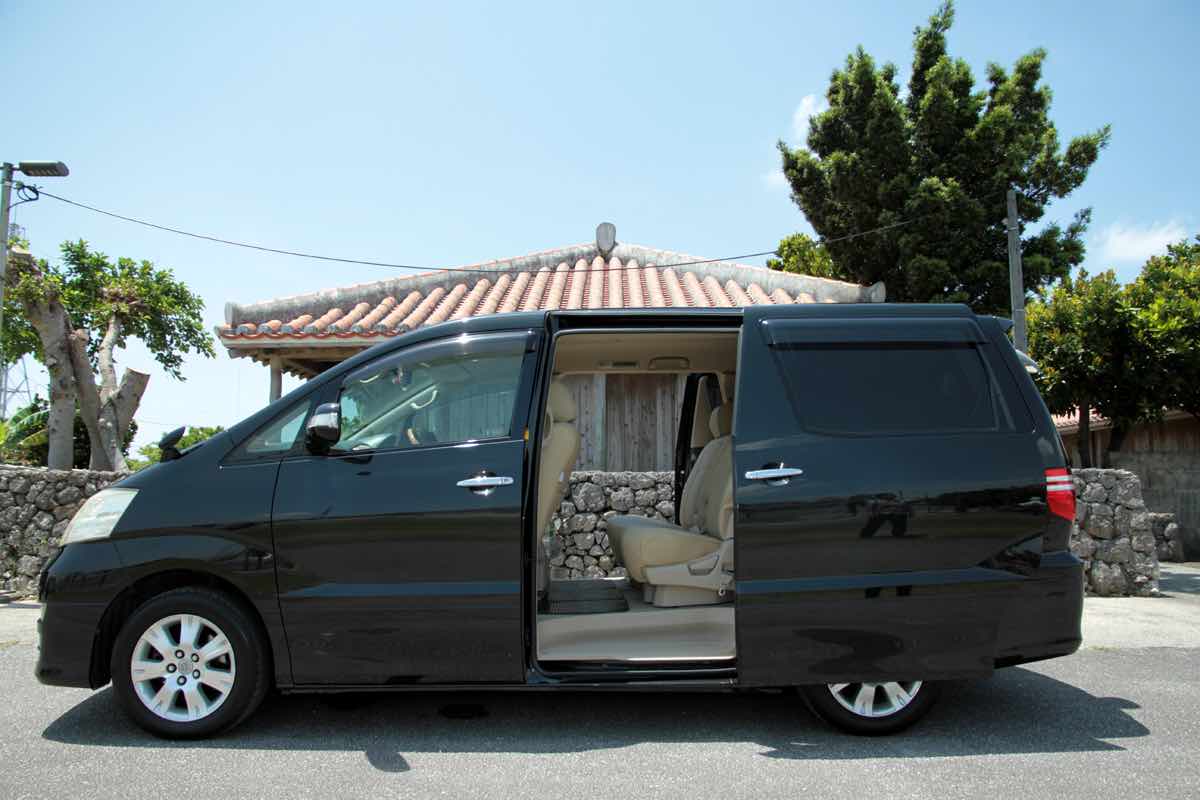
Datoga Tribe Tour From Moshi: Essential Travel Guide 2026-2027
For travelers seeking authentic cultural experiences beyond the usual safari circuits, a Datoga Tribe tour from Moshi offers a profound connection with one of Tanzania’s most distinctive indigenous communities. Situated in the northern part of the country, the Datoga people, also known as the Datooga or Tatoga, maintain a traditional way of life deeply intertwined with pastoralism, iron-working, and unique spiritual practices. This guide is designed to provide an in-depth look at planning, experiencing, and appreciating a visit to the Datoga people, ensuring your journey from Moshi is both enriching and responsible, especially as you plan for 2026 and 2027.
Moshi, the bustling town at the foot of Mount Kilimanjaro, serves as an excellent gateway for many Tanzanian adventures. Its proximity to various cultural sites, including the settlements of the Datoga, makes it a convenient starting point for day trips or multi-day cultural explorations. Understanding the nuances of a Datoga tour, from logistics to etiquette, is key to a meaningful encounter.
Quick Facts: Datoga Tribe Tour from Moshi
| Aspect | Details |
|---|---|
| Focus Keyword | Datoga Tribe Tour From Moshi |
| Primary Location | Northern Tanzania, often accessed from areas near Lake Manyara, Mto wa Mbu, or Karatu. |
| Cultural Highlights | Traditional iron-smithing, beadwork, pastoralist lifestyle, unique clothing and adornments, spiritual beliefs, music, and dance. |
| Typical Duration | Day trip (long day) or 1-3 days for deeper immersion. |
| Best Time to Visit | Dry seasons (June-October, December-February) for easier travel. Cultural festivals can occur year-round. |
| Starting Point | Moshi, Arusha, or areas around Lake Manyara/Karatu. |
| Travel Style | Cultural tourism, community-based tourism, immersive experience. |
| Key Considerations | Respectful interaction, photography etiquette, supporting local economy, understanding the community’s pace of life. |
Understanding the Datoga People
The Datoga are a Nilotic ethnic group with a rich history and distinct cultural identity. Historically, they are known for their nomadic or semi-nomadic lifestyle, primarily focused on cattle herding. Their traditional lands span across northern Tanzania, often overlapping with areas visited by tourists for safaris, such as the Serengeti and Ngorongoro Conservation Area peripheries. However, their primary settlements are often found in more remote areas, away from the main tourist tracks.
What sets the Datoga apart culturally are several key elements:
- Iron-working: The Datoga are renowned blacksmiths. They craft essential tools, weapons (like spears and arrowheads), and decorative items from iron. This skill is passed down through generations and is a vital part of their economy and daily life. Witnessing a blacksmith at work, pounding hot metal into shape, is a powerful experience.
- Beadwork: Datoga women are skilled artisans, creating intricate beadwork used in jewelry, clothing, and decorative items. The colors and patterns often carry symbolic meanings.
- Pastoralism: Their lives revolve around their livestock, particularly cattle, which are central to their wealth, social status, and sustenance. They have deep knowledge of animal husbandry and the land.
- Adornments and Attire: Both men and women often wear distinctive clothing and adornments, including leather garments, elaborate hairstyles, and traditional tattoos. Their appearance is a visual representation of their heritage.
- Spiritual Beliefs: Like many indigenous African communities, the Datoga hold strong spiritual beliefs, often centered around ancestral spirits and a supreme being. Their rituals and ceremonies are integral to their social structure.
A Datoga Tribe tour from Moshi provides an opportunity to observe these traditions firsthand, moving beyond stereotypes to a genuine appreciation of their resilience and cultural richness. Planning for 2026 and 2027 means understanding that these traditions are living, evolving aspects of their society.
Why Choose a Datoga Tribe Tour from Moshi?
While Tanzania is globally famous for its wildlife safaris and Mount Kilimanjaro climbs, its cultural landscape is equally compelling. Opting for a Datoga tour offers several unique benefits:
- Authentic Cultural Immersion: Unlike some staged cultural experiences, interactions with the Datoga can be genuinely authentic, offering insights into a way of life that has persisted for centuries.
- Support for Local Communities: Responsible tourism directly benefits the Datoga communities. When organized ethically, your tour fee contributes to their livelihoods, education, and preservation of their culture.
- Unique Skills and Crafts: Witnessing traditional crafts like iron-smithing and intricate beadwork provides a tangible connection to their heritage and offers opportunities to purchase unique, handmade souvenirs directly from the artisans.
- Understanding Tanzania’s Diversity: Tanzania is a mosaic of cultures. Experiencing the Datoga alongside other ethnic groups like the Maasai or Hadzabe provides a more complete picture of the nation’s rich cultural tapestry.
- Accessibility from Moshi: Moshi’s strategic location makes it a practical base for organizing such tours, often combined with other northern circuit activities.
Planning a Datoga Tribe tour from Moshi in the coming years (2026, 2027-2028) allows you to be part of a growing trend towards more meaningful and responsible travel.
Planning Your Datoga Tribe Tour from Moshi
Organizing a successful Datoga tour requires careful planning. Here’s a breakdown of key aspects to consider:
Best Time to Visit for a Datoga Tour
While the Datoga live in Tanzania year-round, certain times are more conducive for travel from Moshi due to weather and accessibility:
- Dry Seasons (June – October and December – February): These periods offer the most pleasant weather for travel. Roads are generally in better condition, making the journey from Moshi smoother. Wildlife viewing is also excellent during these times if you combine your cultural visit with a safari.
- Shoulder Seasons (March – May and November): These months can also be good, but expect some rain, which might affect road conditions and make travel more challenging. However, fewer crowds can be an advantage.
For planning purposes in 2026 and 2027, the dry seasons remain the most recommended for optimal travel conditions. It’s worth noting that specific cultural events or festivals might occur outside these periods, and an experienced tour operator can advise on these possibilities.
Typical Routes and Areas
A Datoga Tribe tour from Moshi typically involves a drive to the regions where Datoga communities are settled. These are often found in areas west and south of Moshi, sometimes in conjunction with visits to other cultural groups or national parks.
Commonly visited areas include:
- Around Mto wa Mbu: This vibrant, multi-ethnic town is a hub for cultural tourism and a gateway to areas where Datoga communities reside. It’s a popular stop for those traveling between Arusha and Lake Manyara or the Serengeti.
- Areas near Lake Manyara: The landscapes around Lake Manyara National Park are home to various ethnic groups, including the Datoga.
- Karatu District: This region, close to the Ngorongoro Conservation Area, also hosts Datoga settlements.
- Further afield: For a more immersive experience, tours might extend to areas like Kondoa or even towards Shinyanga, though these typically require longer durations than a day trip from Moshi.
A simple route illustration:
Route Overview (Example Day Trip from Moshi):
- Morning Departure (Moshi): Start early (around 7:00 AM – 8:00 AM) for the drive towards the Mto wa Mbu/Lake Manyara region (approx. 3-4 hours).
- Arrival and Community Visit: Reach a Datoga settlement. Meet with community elders or designated guides.
- Cultural Activities: Observe iron-smithing, visit a homestead, learn about beadwork, and interact with community members (with respect and guidance).
- Lunch: Often a simple, locally prepared meal.
- Afternoon Exploration: Further interaction or a short walk in the surrounding area.
- Late Afternoon Departure: Begin the drive back to Moshi.
- Evening Arrival (Moshi): Return to Moshi in the early evening.
Itinerary Options
The duration of your Datoga tour can vary significantly, impacting the depth of your experience.
Option 1: Day Trip (Long Day)
Datoga Tribe Cultural Experience (1 Day from Moshi)
- 07:30: Depart from Moshi in a private 4×4 vehicle.
- 10:30 – 11:00: Arrive at a Datoga community near Mto wa Mbu or Lake Manyara. Meet your local guide.
- 11:00 – 13:00: Visit the blacksmith’s workshop. Observe the traditional methods of iron smelting and crafting tools. Interact with the artisan.
- 13:00 – 14:00: Visit a Datoga homestead. Learn about daily life, family structures, and traditional housing. See women’s beadwork.
- 14:00 – 15:00: Enjoy a simple, traditional lunch prepared by the community.
- 15:00 – 16:00: Engage in further cultural exchange, perhaps learning a few words, observing traditional attire, or understanding their pastoralist lifestyle.
- 16:00: Depart from the village.
- 19:00 – 19:30: Arrive back in Moshi.
Option 2: Overnight Immersion (1 Night / 2 Days)
Datoga Cultural Immersion (2 Days / 1 Night)
- Day 1:
- 08:00: Depart from Moshi.
- 11:00 – 12:00: Arrive at the Datoga community. Meet local guides.
- 12:00 – 13:00: Lunch.
- 13:00 – 17:00: Extended exploration: visit multiple homesteads, observe crafts, learn about traditional farming and animal husbandry, potentially participate in a traditional dance or song.
- 17:00: Settle into basic but clean accommodation within or near the community (e.g., a guesthouse or a dedicated visitor’s hut).
- 19:00: Traditional dinner with the community. Storytelling around a fire.
- Day 2:
- 08:00: Breakfast with the hosts.
- 09:00 – 12:00: Morning activities: perhaps a walk to observe cattle grazing, learning more about medicinal plants, or more detailed discussions with elders.
- 12:00: Farewell lunch.
- 13:00: Depart from the village.
- 16:00 – 17:00: Arrive back in Moshi.
For those planning for 2026-2027, the overnight option offers a significantly deeper understanding and connection. Always discuss your desired level of immersion with your tour operator.
What to Expect on a Datoga Tour
Prepare for an experience that is rich in cultural exchange but may differ from Western expectations of comfort and convenience.
- Authentic Interactions: Expect genuine curiosity and a willingness to share from the Datoga people, facilitated by local guides who bridge language and cultural gaps.
- Simple Living Conditions: The Datoga live a traditional lifestyle. While visits are organized to be respectful, you will see and experience their everyday reality, which involves basic housing, traditional sanitation, and a focus on essential resources.
- Sensory Experience: Be ready for the sights, sounds, and smells of a rural, pastoral community – wood smoke, livestock, the clang of the blacksmith’s hammer, vibrant beadwork, and the unique aroma of traditional foods.
- Patience and Flexibility: Life moves at a different pace. Embrace the opportunity to slow down, observe, and be present. Flexibility is key, as schedules can adapt to community activities or daily routines.
- Learning and Observation: The primary goal is to learn. Ask questions (through your guide), observe carefully, and absorb the knowledge shared by the community members.
Inclusions and Exclusions
When booking a Datoga Tribe tour from Moshi, clarify what is included:
| Typically Included | Typically Excluded |
|---|---|
| Private 4×4 vehicle with driver/guide for transport from Moshi. | Gratuities for the driver/guide and community guides. |
| Local Datoga guide fees and community contributions. | Personal expenses (souvenirs, drinks). |
| Entrance fees to the community (if applicable). | Travel insurance. |
| Bottled water during the drive. | Visa fees. |
| Lunch (for day tours) or all meals (for overnight tours). | Accommodation (for day tours). |
| Cultural activity facilitation. | Tips for hosts (optional, consult guide). |
Packing and Preparation Checklist
Being well-prepared ensures a more comfortable and respectful visit.
- Clothing:
- Lightweight, long-sleeved shirts and trousers (to protect from sun and insects, and for cultural modesty).
- Comfortable walking shoes or sturdy sandals.
- A light jacket or fleece for cooler mornings/evenings.
- Scarf or headwrap (useful for sun protection or cultural appropriateness).
- Essentials:
- Sunscreen, sunglasses, and a wide-brimmed hat.
- Insect repellent.
- Personal medications and a basic first-aid kit.
- Hand sanitizer.
- Camera and extra batteries/power bank.
- Small backpack for day use.
- Cultural Considerations:
- Small gifts (optional, discuss with your operator – e.g., school supplies for children, useful items for elders, but avoid giving cash directly unless advised).
- A respectful attitude and an open mind.
- Documents:
- Passport and visa (if required).
- Copies of important documents.
For 2026 and 2027 trips, ensure your packing list is updated with any new travel advisories or recommendations from your tour operator.
Common Mistakes to Avoid on a Datoga Tour
To ensure a positive and respectful experience, be aware of potential pitfalls:
- Disrespectful Photography: Always ask for permission before taking photos of people, especially close-ups. Be sensitive to privacy. Your guide will assist with this.
- Cultural Insensitivity: Avoid making judgments about their way of life. Dress modestly and be mindful of local customs. Do not touch people without permission.
- Rushing the Experience: A Datoga tour is about connection, not ticking off a checklist. Allow time for genuine interaction and observation.
- Ignoring Local Guides: Your local Datoga guide is crucial for understanding the culture, facilitating communication, and ensuring respectful interactions. Listen to their advice.
- Undermining Local Economy: Bargaining too aggressively for crafts or giving money indiscriminately can disrupt the local economy and social dynamics. Purchase crafts fairly and support community initiatives as advised.
- Expecting Western Standards: Understand that you are visiting a traditional community. While efforts are made to ensure safety and basic comfort, do not expect luxury amenities.
Avoiding these mistakes is fundamental for a meaningful Datoga Tribe tour from Moshi.
Who is a Datoga Tribe Tour Best For?
This type of tour is ideal for travelers who:
- Seek authentic cultural immersion and a deeper understanding of indigenous life.
- Are interested in traditional crafts, particularly iron-working and beadwork.
- Appreciate community-based tourism that directly benefits local people.
- Are open-minded, flexible, and respectful of different ways of life.
- Are looking for experiences beyond typical wildlife safaris.
- Are comfortable with simple living conditions and potentially basic facilities.
It may not be the best fit for travelers seeking luxury accommodations, fast-paced itineraries, or those uncomfortable with close interaction in rural settings.
Alternatives to a Datoga Tribe Tour
While the Datoga offer a unique experience, Tanzania is home to many other fascinating cultural groups. If a Datoga tour doesn’t perfectly align with your interests, consider these alternatives, also accessible from Moshi:
- Maasai Village Visit: Learn about the iconic Maasai people, their semi-nomadic pastoralist lifestyle, warrior traditions, and vibrant culture. This is a very popular cultural experience.
- Chagga Cultural Tour: Explore the culture of the Chagga people, who live on the slopes of Kilimanjaro. Visit coffee plantations, learn about their agricultural practices, explore traditional houses, and understand their history.
- Hadzabe Bushmen Tour: For a truly unique experience, visit the Hadzabe, one of the last hunter-gatherer tribes in Africa. This requires travel further afield, often from Arusha or Karatu, and offers insights into ancient survival techniques.
- Local Market Visits: Explore bustling local markets in Moshi or nearby towns to see daily life, local produce, and crafts from various communities.
Each of these offers a distinct window into Tanzania’s diverse heritage. When planning for 2026 and 2027, you can potentially combine a Datoga visit with one of these for a more comprehensive cultural exploration.
Planning Your 2026-2027 Datoga Tribe Tour from Moshi
As you look ahead to future travel, here are specific tips for planning your Datoga Tribe tour from Moshi in 2026 and 2027:
- Book in Advance: Especially for popular travel periods in 2026 and 2027, booking your tour and accommodation (if applicable) several months ahead is advisable. This ensures availability and allows operators to make necessary arrangements with the communities.
- Choose a Reputable Operator: Select a tour company with a proven track record in responsible cultural tourism. Look for operators who work closely with communities, ensure fair compensation, and prioritize ethical interactions. Best Tanzania Tour Operator is a trusted name in this regard.
- Discuss Your Interests: Clearly communicate your specific interests (e.g., focus on iron-working, learning about women’s roles, understanding spiritual practices) to your operator. They can tailor the experience accordingly.
- Understand Community Dynamics: Be aware that communities may have specific protocols for visitors. Your tour operator and local guides will navigate these for you.
- Health and Safety: Consult your doctor about necessary vaccinations and malaria precautions well in advance of your 2026 or 2027 travel dates. Ensure you have adequate travel insurance.
- Budgeting: While exact prices fluctuate, factor in costs for the tour package, any optional purchases (crafts), and gratuities. Discuss potential costs with your operator.
Cost Considerations for Datoga Tours
The cost of a Datoga Tribe tour from Moshi can vary based on several factors:
- Duration: Day trips are less expensive than overnight stays.
- Inclusions: Tours that include meals, accommodation, and more extensive activities will naturally cost more.
- Group Size: Larger groups may sometimes lead to a lower per-person cost due to shared transport and guide fees. However, smaller groups often allow for more intimate interactions.
- Operator’s Pricing Structure: Different companies have different overheads and profit margins. Reputable operators often charge more because they invest in fair community partnerships and experienced guides.
- Vehicle Type: Using a private 4×4 is standard for comfort and accessibility.
When budgeting for 2026-2027, expect day tours to be moderately priced, reflecting the transport, guide fees, and community contributions. Overnight tours will be a higher investment but offer a richer experience.
Booking Your Datoga Tribe Tour
Booking a cultural tour requires trust and clear communication. Here’s how to approach it:
Step 1: Research Tour Operators
Look for companies specializing in cultural tourism in Tanzania. Check reviews, ask for recommendations, and ensure they have a strong commitment to ethical tourism practices. Best Tanzania Tour Operator is a prime example of a company dedicated to authentic and responsible travel experiences.
Step 2: Inquire and Get a Quote
Contact your chosen operators with your desired dates (e.g., for 2026 or 2027), number of travelers, and any specific interests. Request a detailed itinerary and a clear quote outlining inclusions and exclusions.
Step 3: Discuss Customization
If you have particular requirements or wish to combine your Datoga tour with other activities (like a short safari or a visit to a Maasai village), discuss these possibilities. Operators like Best Tanzania Tour Operator excel at creating custom itineraries.
Step 4: Review and Confirm Booking
Carefully review the proposed itinerary, terms, and conditions. Once satisfied, proceed with the booking process, which usually involves a deposit. Ensure you receive a confirmation document.
Step 5: Pre-Trip Communication
Stay in touch with your operator leading up to your trip. They will provide final confirmations, packing lists, and important pre-departure information.
To start planning your unforgettable Datoga Tribe tour from Moshi, reach out to experienced local guides. You can connect via:
- WhatsApp: +255616946642
- Email: topguideadventures@gmail.com
- Backup Email: info@topguideadventures.com
They can help craft a memorable and respectful experience for your 2026 or 2027 adventure.
Frequently Asked Questions (FAQs)
1. How far is the Datoga community from Moshi?
The Datoga communities are typically located a few hours’ drive from Moshi, often in the direction of Lake Manyara or Mto wa Mbu. The journey can take approximately 3 to 4 hours one way, depending on the specific community and road conditions. This makes it feasible as a long day trip or the first leg of a multi-day tour.
2. Is it safe to visit the Datoga tribe?
Yes, visiting the Datoga tribe with a reputable tour operator is generally safe. These tours are organized with local guides who are familiar with the community and ensure respectful interactions. It’s important to follow the guidance of your tour leader and local guides regarding safety and cultural etiquette. As you plan for 2026 or 2027, ensure your operator prioritizes safety protocols.
3. Can I take photos of the Datoga people?
Photography is usually permitted, but always ask for permission before taking pictures of individuals, especially close-ups or of children. Your guide will facilitate this. Be respectful and sensitive to their privacy. Some individuals may ask for a small fee or a tip for being photographed.
4. What should I wear during a Datoga tour?
It’s recommended to wear modest, comfortable clothing. Long trousers or skirts and shirts with sleeves are advisable for both sun protection and cultural respect. Comfortable walking shoes are essential. Avoid overly revealing clothing.
5. Can I buy crafts directly from the Datoga?
Yes, purchasing crafts directly from the artisans is a great way to support the community. You will have the opportunity to see their work, such as intricate beadwork and iron-forged items. Discuss fair pricing with your guide, and remember that your purchase directly benefits the craftspeople.
6. What is the best way to interact with the Datoga people?
The best way to interact is with respect, humility, and an open mind. Listen attentively, ask questions through your guide, and show genuine interest in their culture and way of life. Avoid making comparisons or judgments. Smiling and a friendly demeanor go a long way.
7. Are there accommodation options within Datoga communities?
For overnight stays, some tour operators can arrange basic accommodation within or near Datoga communities, such as simple guesthouses or designated visitor huts. These offer a more immersive experience but come with basic facilities. For day trips from Moshi, you will return to your accommodation there.
8. What is the role of the local guide?
The local Datoga guide is indispensable. They act as translators, cultural interpreters, and facilitators of interaction. They ensure that visits are respectful, informative, and beneficial to both visitors and the community. They can explain traditions, answer questions, and help navigate social customs.
9. Can I combine a Datoga tour with a safari?
Absolutely. Many travelers combine a Datoga Tribe tour from Moshi with safaris to nearby parks like Lake Manyara, Tarangire, or even the Ngorongoro Crater. This provides a well-rounded experience of Tanzania’s natural beauty and cultural richness. Planning for 2026 and 2027 can include such multi-faceted itineraries.
10. How much should I budget for a Datoga tour?
Costs vary, but a day trip from Moshi typically includes transport, guide fees, and community contributions. Expect it to be a moderate expense, reflecting the private vehicle and guided experience. Overnight stays will be more. For specific pricing for your 2026 or 2027 trip, it’s best to get a personalized quote from a tour operator.
Your Authentic Datoga Tribe Tour from Moshi Awaits
A Datoga Tribe tour from Moshi is more than just a trip; it’s an opportunity for genuine human connection and cultural education. By understanding the Datoga people, planning thoughtfully, and engaging respectfully, you can create memories that last a lifetime. Whether you opt for a day excursion or an overnight immersion, this journey promises a unique perspective on Tanzania’s vibrant heritage.
For a meticulously planned and ethically conducted Datoga Tribe tour from Moshi, consider partnering with experts who are dedicated to providing authentic experiences while supporting local communities. We are ready to help you craft your perfect Tanzanian cultural adventure for 2026, 2027, and beyond.
Contact us today to start planning:
- WhatsApp: +255616946642
- Email: topguideadventures@gmail.com
- Backup Email: info@topguideadventures.com
Plan your Datoga Tribe Tour From Moshi with Top Guide Adventures
Tell us your travel dates, group size, comfort level, and dream experience. We will help you shape a clear, realistic, and memorable Tanzania itinerary.







 Veedesigner
 Fatma Kizanga
 Benjamin Waryuba
 Philip Philip
 John jr Itaja
 Antonia Optatus
 Edith Kanyere
 Neema Iddy
 Kelvin Boniphace
 Damari Maiga



