
Updated planning guide for 2026-2027
Djibouti, Eritrea & Somalia: Complete Guide 2026-2027
Discover the unique allure of the Horn of Africa with our in-depth guide to Djibouti, Eritrea, and Somalia. Plan your 2026-2027 adventure.
WhatsApp +255616946642 | topguideadventures@gmail.com | info@topguideadventures.com
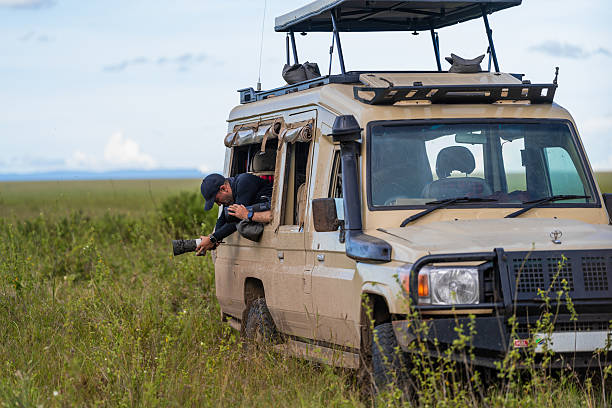
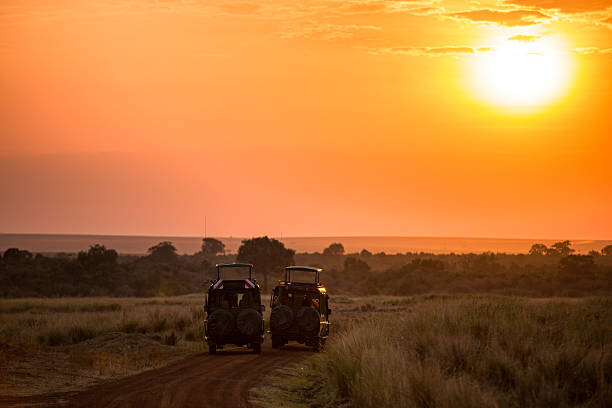
Djibouti, Eritrea & Somalia: An Essential Travel Guide
The Horn of Africa, a region rich in history, diverse cultures, and striking landscapes, presents a compelling, albeit less-traveled, frontier for adventurous explorers. While many travelers focus on more established routes, the nations of Djibouti, Eritrea, and Somalia offer unparalleled opportunities for discovery, cultural immersion, and witnessing raw, untamed beauty. This guide provides a comprehensive look at what planning a journey to Djibouti, Eritrea, and Somalia entails, focusing on practicalities, potential itineraries, and what to expect for travelers looking to visit between 2026 and 2027.
Quick Facts: Djibouti, Eritrea, Somalia
| Feature | Djibouti | Eritrea | Somalia |
|---|---|---|---|
| Capital | Djibouti City | Asmara | Mogadishu |
| Languages | French, Arabic, Somali, Afar | Tigrinya, Arabic, English | Somali, Arabic, English |
| Currency | Djiboutian Franc (DJF) | Eritrean Nakfa (ERN) | Somali Shilling (SOS) |
| Visa Requirements | Generally available on arrival for many nationalities; check specific requirements. | Strict visa process, often requiring sponsorship and significant lead time. | Requires visa in advance, often with specific sponsorship or tour operator arrangements. |
| Main Attractions | Lake Assal, Lake Abbe, Red Sea coast, desert landscapes. | Asmara’s Art Deco architecture, Dahlak Archipelago, historical sites. | Mogadishu’s beaches, historical sites (with security considerations), local culture. |
| Safety Considerations | Generally stable, some border areas require caution. | Political climate and travel restrictions are significant factors. | Security is a primary concern; travel is highly restricted and requires significant planning and security arrangements. |
Understanding the Region: Djibouti, Eritrea, and Somalia
The Horn of Africa is a region of immense strategic importance, situated at the crossroads of Africa, the Middle East, and the Indian Ocean. This geographical positioning has shaped its history, culture, and modern-day realities. For travelers, it means encountering a mosaic of influences, from ancient trade routes to colonial legacies and contemporary challenges. Understanding this context is crucial for appreciating the destinations and navigating them responsibly.
Djibouti: Gateway to the Horn
Djibouti, a small but strategically vital nation, serves as a relatively accessible entry point to the region for many international travelers. Its landscape is dominated by volcanic formations, salt lakes, and a stark desert beauty. The country offers unique natural wonders like Lake Assal, the lowest point in Africa and a hypersaline lake, and Lake Abbe, famous for its towering limestone chimneys and hot springs. Djibouti City itself is a bustling port with a mix of French colonial architecture and modern development. It’s a nation where nomadic traditions still hold sway in rural areas, contrasting with the urban life.
Eritrea: A Time Capsule of Italian Colonialism and Resilience
Eritrea, with its capital Asmara, is a UNESCO World Heritage site for its remarkably preserved Italian Art Deco and modernist architecture from the colonial era. This offers a visual feast unlike any other in Africa. Beyond Asmara, the country boasts the stunning Dahlak Archipelago, a pristine diving and snorkeling destination in the Red Sea, and a rich history tied to ancient kingdoms and modern struggles for independence. However, travel in Eritrea is highly regulated, and access to many areas is restricted for foreigners. Planning a trip here requires patience and adherence to government guidelines.
Somalia: A Nation Rebuilding and Resilient
Somalia presents the most complex travel proposition in the Horn of Africa due to ongoing security concerns and political instability in certain areas. However, for the truly intrepid, there are pockets of stability and immense cultural richness to explore. Mogadishu, once known as the ‘Pearl of the Indian Ocean,’ is undergoing a significant rebuilding phase, with its beaches and historical sites slowly becoming accessible again, albeit with strict security protocols. Beyond the capital, the Puntland and Somaliland regions (which declared independence but is not widely recognized internationally) offer distinct cultural experiences and landscapes, though travel to these areas requires separate, thorough planning and assessment of local conditions.
Why Consider Djibouti, Eritrea & Somalia for Your Next Trip?
For travelers seeking experiences off the beaten path, the combination of Djibouti, Eritrea, and Somalia offers:
- Unspoiled Natural Wonders: From hyper-saline lakes and active volcanoes to pristine coral reefs and vast deserts, the natural beauty is raw and often dramatic.
- Unique Cultural Encounters: Interact with diverse ethnic groups like the Afar, Somali, and Tigrinya peoples, experiencing traditions that have persisted for centuries.
- Historical Depth: Explore remnants of ancient trade routes, Italian colonial architecture, and the stories of nations forging their own paths.
- True Adventure: These destinations cater to those who crave genuine exploration, requiring adaptability, resilience, and a spirit of discovery.
- Limited Tourist Footprint: Experience places before they become mainstream tourist destinations, offering a more authentic and less commercialized interaction.
Best Time to Visit Djibouti, Eritrea & Somalia (2026-2027)
The climate across these nations is generally hot and arid, with variations depending on elevation and proximity to the coast. For the most comfortable travel experience in 2026-2027, consider the following:
Climate Considerations by Month
| Season | Months | Djibouti | Eritrea (Coastal) | Eritrea (Highlands/Asmara) | Somalia | Notes |
|---|---|---|---|---|---|---|
| Cooler, Dry Season | November – February | Pleasant temperatures (20s°C), less humid. Ideal for exploration. | Warm and pleasant (high 20s°C). Good for diving. | Mild and sunny (low 20s°C). Comfortable for city exploration. | Warm and dry (high 20s-low 30s°C). Generally good. | This is often considered the best overall window for visiting all three. |
| Hot Season | March – May | Very hot (30s-40s°C), high humidity. Can be challenging. | Hot and humid (30s°C+). Can be intense. | Warm and pleasant (mid-20s°C). Still good for highlands. | Very hot (30s-40s°C). Can be uncomfortable for outdoor activities. | Coastal areas become very hot and humid. Inland highlands remain more temperate. |
| Rainy Season (Gu) | April – June | Intermittent showers, still hot. | Sporadic rains, can affect visibility. | Occasional rains, cooler temperatures. | Main rainy season, significant rainfall possible, impacting travel. | Travel can be disrupted by heavy rains, especially in Somalia. |
| Rainy Season (Deyr) / Cooler Dry | September – October | Mild temperatures, some showers. | Some showers, can be cooler. | Cooler, potential for rain. | Secondary rainy season, generally lighter than Gu. | Temperatures start to drop, conditions improve towards the end of this period. |
Navigating the Region: A Sample Route & Itinerary Logic
Due to the complexities and varying accessibility of these countries, a multi-country trip requires significant logistical planning, often best managed by experienced local operators. A common approach for those interested in the Horn of Africa is to focus on one or two countries per trip, or to undertake a longer, dedicated expedition. Below is a conceptual itinerary focusing on Djibouti and Eritrea, acknowledging that Somalia travel is a separate, highly specialized undertaking.
Horn of Africa Exploration Route (Conceptual)
This route prioritizes accessibility and key highlights, assuming a focus on Djibouti and Eritrea.
- Djibouti City (3 Days): Arrival, acclimatization, city exploration (markets, port, colonial architecture), preparation for inland excursions.
- Lake Assal & Arta Mountains (1 Day): Day trip to the stunning salt lake, experience the arid mountain scenery.
- Lake Abbe (2 Days): Journey to the unique landscape of Lake Abbe, known for its chimney-like fumaroles and flamingo populations. Overnight camping or in basic lodges.
- Return to Djibouti City (1 Day): Final preparations or a brief exploration of coastal areas.
- Travel to Asmara, Eritrea (Flight): Transfer to Asmara, likely via Addis Ababa, Ethiopia, or another regional hub depending on flight availability. Note: Direct flights may be limited or non-existent.
- Asmara Exploration (3 Days): Immerse yourself in the UNESCO-listed Art Deco city. Guided tours of architectural highlights, cafes, and local life.
- Dahlak Archipelago Excursion (4-5 Days): Travel to Massawa, then arrange boat trips for snorkeling and diving in the Red Sea’s pristine waters. Requires pre-arranged permits and logistics.
- Massawa & Coastal Visit (1 Day): Explore the historic port city of Massawa before departure.
- Departure from Asmara
Note on Somalia: Travel to Somalia, particularly Mogadishu, requires extensive security planning, often involving chartered transport and highly specialized security escorts. It is typically arranged as a standalone trip or as part of a very specific expedition focused on the region’s resilience and rebuilding efforts. Access to other regions like Puntland or Somaliland involves different logistical and security considerations.
What to Expect: The Realities of Travel in Djibouti, Eritrea & Somalia
These destinations offer profound experiences but come with distinct challenges. Managing expectations is key to a successful and enjoyable trip.
Infrastructure and Comfort
Infrastructure can be basic, especially outside the capitals. Roads may be unpaved, and travel can be slow. Accommodation options range from modern hotels in Djibouti City and Asmara to more basic guesthouses and camping in remote areas. Hot water and reliable electricity can sometimes be inconsistent. Embrace the spirit of adventure and be prepared for less predictability than in more developed tourist destinations.
Cultural Etiquette
Respect for local customs is paramount. Dress modestly, particularly when visiting religious sites or rural areas. Women should cover their shoulders and knees. Men should also dress respectfully. It is customary to ask permission before taking photographs of people. Learning a few basic phrases in Arabic, French, or Somali/Tigrinya can go a long way in fostering positive interactions. Alcohol consumption is restricted in Eritrea and Somalia, and widely available but discreetly consumed in Djibouti.
Safety and Security
This is the most critical consideration, especially for Somalia. While Djibouti is generally stable, border areas may require caution. Eritrea has strict travel regulations and a complex political environment. Travel to Somalia requires significant security arrangements, often necessitating travel with a reputable local security provider. It is essential to stay informed about the latest travel advisories from your government and to work with tour operators who have a deep understanding of the local security landscape. Independent travel to many parts of Somalia is not recommended for safety reasons.
Connectivity and Communication
Internet access can be slow and unreliable outside of major hotels in the capitals. Local SIM cards are available but may have limited coverage in remote areas. Be prepared to disconnect and enjoy the experience without constant digital connection.
Inclusions, Packing, and Preparation
Successful travel to the Horn of Africa relies heavily on thorough preparation. Working with a specialized tour operator is highly recommended, as they can assist with complex visa processes, secure necessary permits, and arrange reliable ground transportation and accommodation.
Typical Inclusions (for organized tours):
| Inclusions | Details |
|---|---|
| Visas & Permits | Assistance with visa applications, securing necessary travel permits for restricted areas (especially in Eritrea and Somalia). |
| Accommodation | Hotels, guesthouses, or camping as per itinerary. |
| Transportation | 4×4 vehicles for overland travel, airport transfers, domestic flights (if applicable). |
| Guides | Local English-speaking guides, sometimes with specialized security escorts for certain regions. |
| Meals | Often includes breakfast, with some lunches and dinners depending on the tour package. |
| Activities | Entrance fees to national parks, sites, and organized excursions. |
| Security (Somalia) | Arrangement of professional security personnel and secure transport. |
Essential Packing List:
- Clothing: Lightweight, breathable, long-sleeved shirts and trousers (for sun and insect protection), sturdy walking shoes/boots, comfortable sandals, hat with a wide brim, scarf or bandana (useful for dust and sun). Modest clothing is essential for cultural sensitivity.
- Health: Personal first-aid kit, any prescribed medications, insect repellent (high DEET content), hand sanitizer, sunscreen (high SPF), rehydration salts. Consult your doctor about necessary vaccinations (e.g., Yellow Fever, Hepatitis A/B, Typhoid) and malaria prophylaxis well in advance of 2026-2027 travel.
- Documents: Passport (with at least 6 months validity beyond your stay), multiple copies of passport and visa, flight tickets, travel insurance details, vaccination certificates. Keep digital copies separate from your physical documents.
- Gear: Reusable water bottle, power bank for charging electronics, universal travel adapter, headlamp or flashlight, sunglasses, camera with extra memory cards and batteries.
- Miscellaneous: Small backpack for day trips, any personal comfort items.
Preparation Checklist for 2026-2027 Travel:
- Visa Applications: Start researching and applying for visas at least 3-6 months in advance, especially for Eritrea and Somalia, where processes can be lengthy and complex.
- Travel Insurance: Ensure your policy covers adventure travel, medical evacuation, and activities planned. Some policies may have exclusions for certain regions; verify this.
- Health Consultations: Visit your doctor or a travel clinic 6-8 weeks before your trip for vaccinations and health advice.
- Physical Fitness: Be prepared for walking, potentially in hot conditions or uneven terrain.
- Cultural Briefing: Research local customs, traditions, and basic phrases.
- Security Awareness: Stay updated on government travel advisories and discuss security plans thoroughly with your tour operator.
- Financial Planning: Carry a mix of local currency and USD/Euros for exchange. Inform your bank of your travel dates.
Common Mistakes to Avoid
To ensure a smoother journey through Djibouti, Eritrea, and Somalia, be aware of these common pitfalls:
- Underestimating Visa Complexity: Especially for Eritrea and Somalia, visas are not straightforward and require significant lead time and specific documentation.
- Ignoring Security Advisories: Particularly for Somalia, independent travel or disregarding local security advice can lead to dangerous situations. Always travel with reputable guides and security if recommended.
- Lack of Flexibility: Travel plans can change due to local conditions, transport issues, or permit delays. Maintain a flexible attitude.
- Insufficient Packing: Forgetting essentials like sun protection, appropriate clothing, or basic medical supplies can significantly impact comfort.
- Assuming Infrastructure is Modern: Expect basic facilities in many areas. This is part of the adventure, but requires preparation.
- Not Engaging with Local Culture: While safety is paramount, making an effort to connect with local people respectfully can enrich the experience immensely.
- Booking Last Minute: For these destinations, especially Eritrea and Somalia, extensive planning and booking well in advance (6-12 months or more for Somalia) is crucial for 2026-2027 trips.
Who is This Trip Best For?
A journey to Djibouti, Eritrea, and Somalia is not for the faint of heart or the casual tourist. It is best suited for:
- Experienced Travelers: Those who have traveled to challenging destinations before and are comfortable with unpredictable situations.
- Adventure Seekers: Individuals looking for genuine exploration, remote landscapes, and a departure from typical tourist trails.
- Cultural Enthusiasts: Travelers deeply interested in understanding diverse cultures, history, and the resilience of people in developing regions.
- Photographers: The stark landscapes, unique architecture, and vibrant local life offer incredible photographic opportunities for those prepared to capture them.
- Those Seeking Authenticity: Visitors who prioritize genuine experiences over luxury amenities and seek to witness parts of the world rarely seen by outsiders.
Alternatives to Djibouti, Eritrea & Somalia
If the specific challenges or requirements of Djibouti, Eritrea, and Somalia seem too demanding for your next trip, consider these alternative destinations in Africa that offer unique adventures:
- Ethiopia: Offers incredible historical sites (Lalibela, Axum), diverse tribes (Omo Valley), and stunning landscapes (Simien Mountains). It’s more accessible and has a more developed tourism infrastructure.
- Sudan: Features ancient Nubian pyramids, fascinating desert landscapes, and a rich cultural heritage. Travel requires careful planning and awareness of current conditions.
- Madagascar: Known for its unique biodiversity, lemurs, baobab trees, and varied landscapes from rainforests to deserts. Offers a different kind of adventure with more established tourism routes.
- Oman: While not in Africa, Oman offers a similar desert landscape, ancient forts, and a rich cultural heritage with a strong focus on hospitality and safety, making it a good alternative for those interested in arid beauty and history.
Planning Your 2026-2027 Trip to Djibouti, Eritrea & Somalia
Planning a trip to these countries for 2026 or 2027 requires meticulous attention to detail, especially concerning visas, permits, and security. Early engagement with specialized tour operators is crucial.
Visa Processes:
- Djibouti: Visas are often available on arrival for many nationalities, but it’s wise to confirm with the embassy or your tour operator.
- Eritrea: This is the most challenging. Visas typically require an invitation letter from a local sponsor (often the tour operator) and can take several months to process. Specific travel plans must often be submitted.
- Somalia: Visas must be obtained in advance from a Somali embassy abroad. This process often involves an invitation letter from a registered business or a government entity, and tour operators play a vital role in facilitating this. Security clearances are also a significant part of the planning.
Booking and Logistics:
Due to the complex nature of travel, especially in Eritrea and Somalia, booking with a tour operator experienced in the Horn of Africa is not just recommended; it’s often essential. They can navigate the bureaucratic hurdles, arrange secure transport, and ensure you have experienced local guides. For Somalia, this includes professional security teams. Allow at least 6-12 months for planning and booking for Somalia, and 3-6 months for Eritrea and Djibouti.
Budget Considerations:
Travel to these countries is generally more expensive than typical tourist destinations due to the logistical complexities, security costs (especially in Somalia), and limited tourism infrastructure. Expect higher costs for flights, specialized transport, permits, and guided tours. Budgeting for a trip to Djibouti, Eritrea, and Somalia in 2026-2027 should account for these factors.
Frequently Asked Questions (FAQs)
Q1: Is it safe to travel to Djibouti, Eritrea, and Somalia in 2026-2027?
A1: Djibouti is generally considered safe for tourists, though caution is advised in border regions. Eritrea has strict government controls and travel restrictions. Somalia has significant security challenges; travel is only advisable with highly experienced local operators and security arrangements. Always check your government’s latest travel advisories.
Q2: How long does it take to get a visa for Eritrea?
A2: The visa process for Eritrea is lengthy and complex, often taking 2-4 months or even longer. It requires an invitation letter and detailed travel plans, which your tour operator will help arrange.
Q3: Can I travel independently to Somalia?
A3: Independent travel to most parts of Somalia is not recommended due to security risks. It is strongly advised to travel with a reputable tour operator that specializes in Somalia and can arrange necessary security and logistics.
Q4: What is the best time of year to visit these countries?
A4: The cooler, dry season from November to February is generally the most comfortable for travel across Djibouti, Eritrea, and Somalia, with pleasant temperatures and less humidity.
Q5: What kind of accommodation can I expect?
A5: In capitals like Djibouti City and Asmara, you’ll find modern hotels. In more remote areas, expect basic guesthouses, lodges, or camping. Facilities can be simple, and amenities like hot water and reliable electricity may not always be available.
Q6: Do I need special permits to travel in Eritrea?
A6: Yes, foreign travelers in Eritrea require permits for most travel outside of Asmara. Your tour operator will manage the application process for these permits.
Q7: What currency should I use?
A7: Djibouti uses the Djiboutian Franc (DJF). Eritrea uses the Eritrean Nakfa (ERN), which can be difficult to exchange outside the country. Somalia uses the Somali Shilling (SOS). US Dollars or Euros are often useful for initial exchange or for specific services.
Q8: What vaccinations are required for this region?
A8: Consult a travel doctor well in advance of your 2026-2027 trip. Recommended vaccinations often include Yellow Fever (especially if arriving from an endemic country), Hepatitis A, Typhoid, and Tetanus. Malaria prophylaxis may also be advised.
Q9: Is it possible to combine all three countries into one trip?
A9: While theoretically possible, combining Djibouti, Eritrea, and Somalia into a single trip is logistically very complex and time-consuming, especially due to visa requirements and travel restrictions. It’s more common and practical to focus on one or two countries per trip, or undertake a very long, specialized expedition.
Q10: What is the general cost of travel in Djibouti, Eritrea & Somalia?
A10: These destinations are generally more expensive than typical African safari destinations due to the specialized logistics, security needs (especially for Somalia), and limited infrastructure. Costs are higher for permits, guided tours, and secure transportation.
Ready to Plan Your Horn of Africa Adventure?
Exploring Djibouti, Eritrea, and Somalia offers a profound journey into a unique corner of the world. If you are an experienced traveler seeking authentic experiences, cultural depth, and raw natural beauty, and are prepared for the logistical and security considerations, this region promises unforgettable memories. For planning your 2026-2027 adventure, especially if considering travel to Eritrea or Somalia, working with experts is paramount. We specialize in crafting challenging yet rewarding journeys across Africa.
Let us help you navigate the complexities of planning a trip to Djibouti, Eritrea, and Somalia. Our team has the local knowledge and experience to make your ambitious travel dreams a reality. Contact us to discuss your tailored itinerary.
WhatsApp: +255616946642
Email: topguideadventures@gmail.com
Backup Email: info@topguideadventures.com
Plan your Djibouti, Eritrea & Somalia with Top Guide Adventures
Tell us your travel dates, group size, comfort level, and dream experience. We will help you shape a clear, realistic, and memorable Tanzania itinerary.







 Veedesigner
 Fatma Kizanga
 Benjamin Waryuba
 Philip Philip
 John jr Itaja
 Antonia Optatus
 Edith Kanyere
 Neema Iddy
 Kelvin Boniphace
 Damari Maiga



