
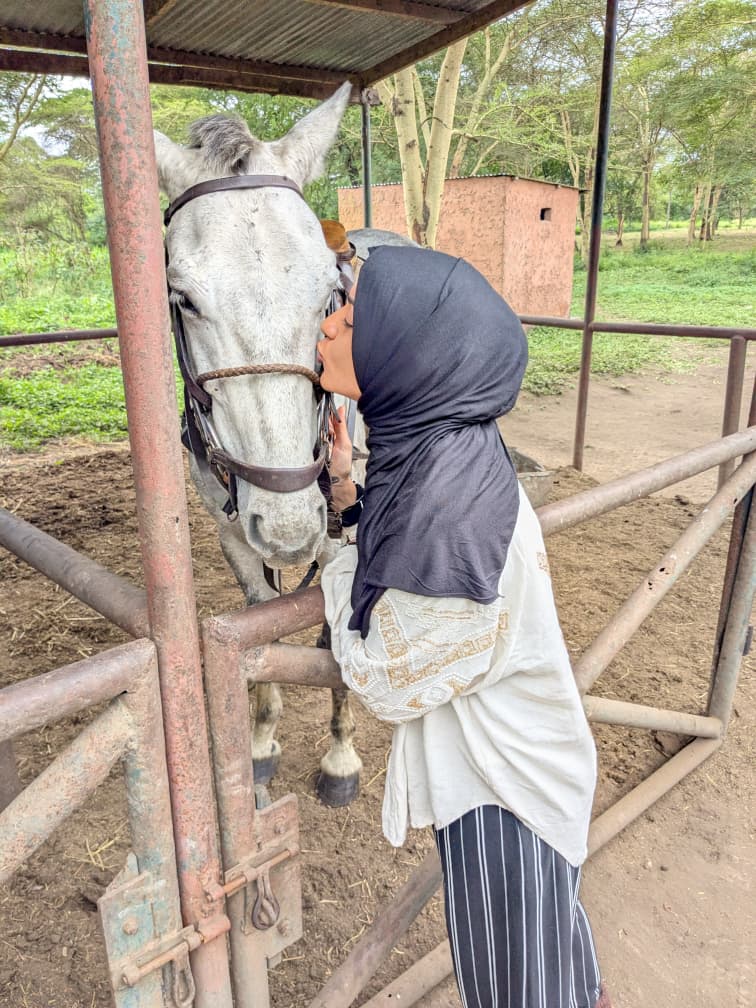
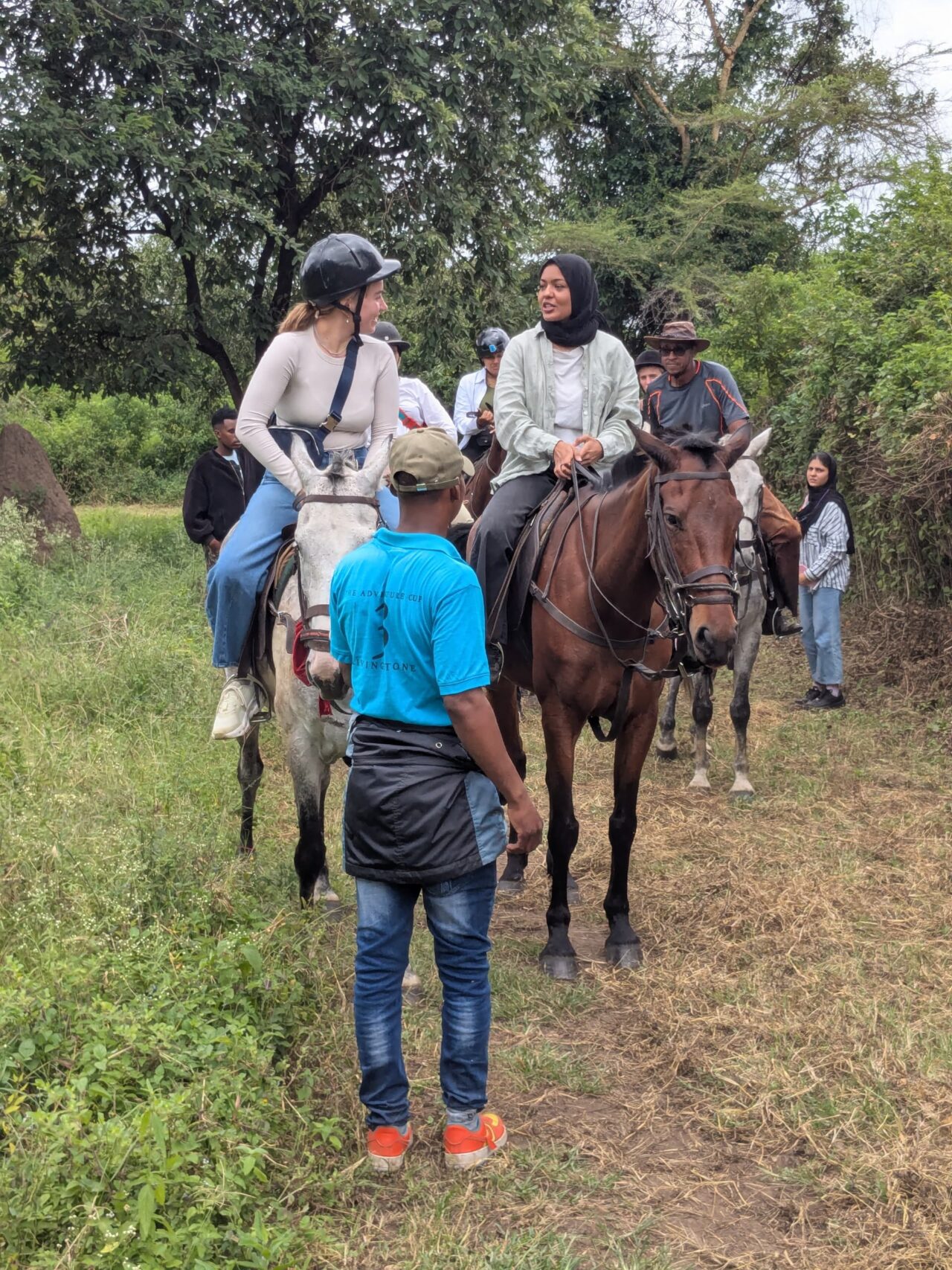
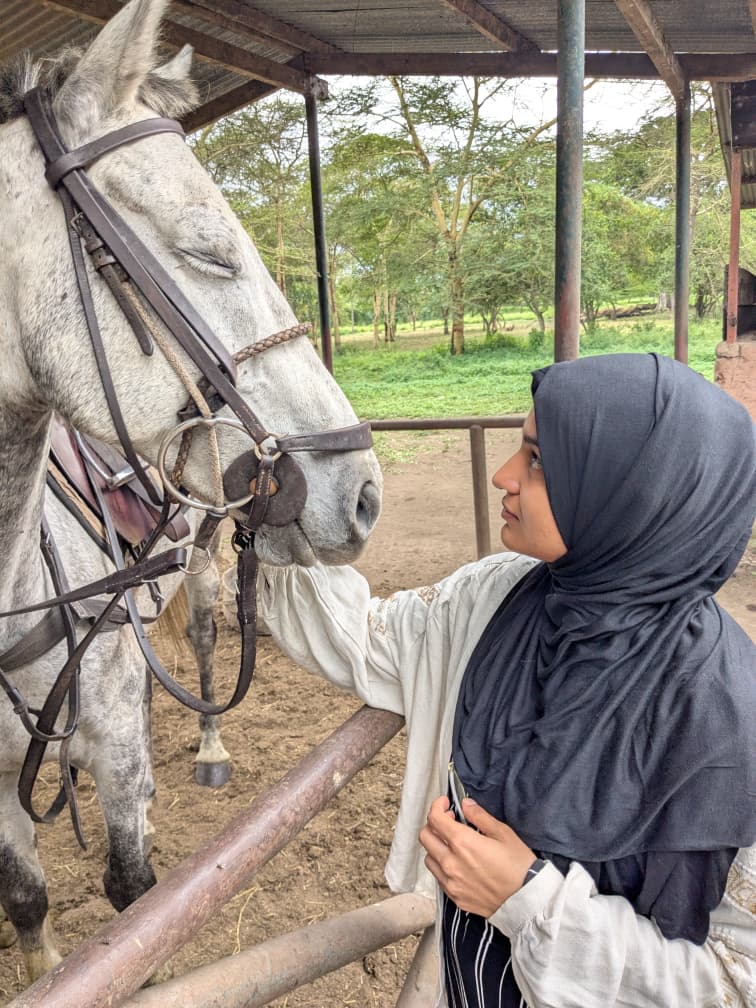
When you envision a safari in Tanzania, images of vast savannas, iconic wildlife, and rugged 4×4 vehicles often come to mind. While these elements are central to the classic Tanzanian safari experience, there are increasingly unique and intimate ways to connect with the country’s breathtaking natural beauty and diverse fauna. One such exceptional adventure is the Dolly Horse Riding Safari near Arusha. This isn’t your typical safari; it offers a distinct perspective, allowing you to traverse landscapes and observe animals from a different vantage point, creating memories that are both profound and personal. For those planning their Tanzanian getaway for 2026 or 2027, incorporating a Dolly Horse Riding Safari can elevate your trip from memorable to truly extraordinary.
What is a Dolly Horse Riding Safari in Arusha?
A Dolly Horse Riding Safari, sometimes referred to as a horse safari or equestrian safari, leverages the natural gait of horses to explore areas often inaccessible or less impactful than vehicle-based safaris. In the Arusha region, this typically involves guided rides through picturesque countryside, often bordering national parks, conservancies, or private ranches. The “Dolly” aspect might refer to a specific breed of horse or a local term for a particular style of riding or a well-loved local horse, but fundamentally, it means experiencing the wild on horseback.
Unlike a typical safari where you are enclosed in a vehicle, a horse safari offers an unparalleled sense of freedom and immersion. You feel the rhythm of the horse beneath you, hear the sounds of the bush more acutely, and smell the earth and vegetation. This proximity to nature allows for incredible wildlife viewing opportunities. Animals often perceive horses as natural parts of the environment, meaning they may be less startled and allow riders to approach closer than they might with a vehicle. This is particularly true for grazers and smaller game, though experienced guides ensure safe distances are maintained from larger, potentially dangerous animals.
The Arusha region, serving as a gateway to the Northern Circuit’s famed parks like Serengeti, Ngorongoro, Tarangire, and Lake Manyara, also boasts its own unique ecosystems. These include rolling hills, acacia woodlands, riverine forests, and open grasslands, providing a diverse and captivating backdrop for horseback excursions. These rides are typically led by experienced guides who are knowledgeable about both the horses and the local environment, ensuring both safety and an enriching experience.
Why Choose a Horse Safari Near Arusha for Your 2026-2027 Trip?
Choosing a Dolly Horse Riding Safari for your 2026 or 2027 Tanzanian adventure offers several compelling advantages:
- Unique Perspective: See the landscape and wildlife from a lower, quieter vantage point. This allows for more intimate encounters and different photographic opportunities.
- Environmental Friendliness: Horseback safaris have a minimal environmental footprint compared to vehicles, aligning with sustainable tourism principles.
- Connection with Nature: The sensory experience is far richer. You hear the birds, feel the breeze, smell the wild herbs, and feel connected to the earth in a way that’s difficult to achieve from inside a jeep.
- Access to Remote Areas: Horses can navigate narrower trails and areas that vehicles cannot reach, opening up hidden corners of the landscape.
- Thrilling Adventure: For those who love horses or are seeking an active, exhilarating experience, a horse safari provides an adrenaline rush combined with the serenity of the bush.
- Suitable for Various Fitness Levels: While riding experience is beneficial, many horse safaris cater to different skill levels, including beginners, with well-trained, calm horses.
When planning for 2026 or 2027, consider how this activity can complement a more traditional safari. It’s an excellent way to break up days of driving and offers a different pace and focus.
Popular Horse Riding Safari Locations and Routes Around Arusha
The Arusha region is blessed with several areas that are ideal for horseback safaris. While specific “Dolly” branded tours might vary, the general locations offer similar experiences. Top Guide Adventures specializes in creating custom itineraries that can include these unique activities.
1. West Kilimanjaro Conservancy Areas
Just across the border from Amboseli National Park in Kenya, the West Kilimanjaro conservancies offer spectacular views of Mount Kilimanjaro and are a prime area for horse riding. These areas are typically private or community-owned conservancies, offering exclusivity and excellent wildlife viewing, including giraffes, zebras, wildebeest, and various antelopes. The terrain is a mix of open plains and scattered acacia woodlands.
Key Features:
- Stunning Kilimanjaro backdrops.
- Abundant plains game.
- Less crowded than some national parks.
- Often combined with walking safaris.
2. Makuyuni Area (Near Tarangire National Park)
The region around Makuyuni, which lies between Arusha and Tarangire National Park, offers vast open spaces and rolling hills. This area provides opportunities for longer rides, exploring diverse landscapes that attract a variety of wildlife, especially during certain seasons when water sources are plentiful. It’s a great option for those who want to experience the transition from the highlands to the more arid northern plains.
Key Features:
- Expansive plains and hills.
- Good wildlife diversity.
- Proximity to Tarangire National Park for combined trips.
3. Local Ranches and Community Areas
Several local ranches and community-managed areas on the outskirts of Arusha offer tailored horse riding experiences. These might focus more on cultural immersion, riding through local villages and farmlands, interspersed with wildlife spotting in the surrounding bush. These are excellent for shorter excursions or as an introduction to horse safaris.
Key Features:
- Cultural insights.
- Flexible durations (half-day, full-day).
- Good for beginner riders.
Planning Your Dolly Horse Riding Safari for 2026-2027
When you’re setting your sights on a Tanzanian adventure in 2026 or 2027, integrating a horse safari requires some specific planning to ensure it complements your overall itinerary and meets your expectations.
Choosing the Right Operator
The quality and safety of your horse riding safari depend heavily on the operator. Look for companies with:
- Experienced Guides: Guides should be skilled riders, knowledgeable about local wildlife and flora, and trained in first aid.
- Well-Maintained Horses: The horses should be healthy, well-groomed, and suitable for the terrain and rider experience levels. A good operator will have a variety of horse breeds and temperaments.
- Safety Equipment: Ensure helmets and appropriate riding gear are available and recommended.
- Reputation: Check reviews and testimonials. For example, Top Guide Adventures has a strong reputation for organizing unique and safe safari experiences.
Best Time of Year for Horse Safaris
Tanzania’s climate is generally conducive to safaris year-round, but for horse riding, some periods are preferable:
- Dry Seasons (June-October, December-February): These months offer clear skies and less challenging terrain, making riding more comfortable and wildlife viewing potentially easier as animals congregate around water sources. The period from June to October is often considered ideal for Northern Circuit safaris.
- Shoulder Seasons (March-May, November): These can also be good, but the long rains (March-May) can make some areas muddy and less accessible. However, this is also a time of lush landscapes and fewer crowds.
For 2026 and 2027 planning, consider the major wildlife migrations if your horse safari is near areas like the Serengeti or Maasai Mara (though horse safaris are more common in areas adjacent to these, rather than within the core migration routes). The dry season generally offers the most reliable conditions for extensive riding.
What to Pack for Your Horse Safari
Packing smart is crucial for comfort and safety. Beyond your general safari packing list, consider these horse-riding specific items:
- Riding Boots or Sturdy Shoes: With a slight heel to prevent your foot from slipping through the stirrup.
- Comfortable Trousers: Long riding trousers (like breeches or jodhpurs) are ideal, but comfortable, sturdy long pants (like hiking trousers) will also work to prevent chafing.
- Lightweight Layers: The weather can change, and layering is key. Include a long-sleeved shirt for sun protection and warmth.
- Hat with a Brim: For sun protection, though a helmet will likely be provided and is essential for riding.
- Sunglasses.
- Sunscreen.
- Insect Repellent.
- Camera and Binoculars: Essential for wildlife viewing.
- Water Bottle: Staying hydrated is vital.
Duration and Intensity
Horse safaris can range from a few hours to multi-day expeditions. For beginners or those wanting a taste, a half-day or full-day ride is perfect. For experienced riders, multi-day trips can be arranged, often involving camping or staying at remote lodges, offering a deeper immersion into the wilderness.
Wildlife Encounters on a Dolly Horse Riding Safari
The thrill of a horse safari lies in its unique wildlife viewing potential. Imagine approaching a herd of zebras or wildebeest at eye level, their ears twitching as they notice you, but not being immediately alarmed by the presence of a horse.
- Common Sightings: Expect to see a variety of plains game such as zebras, wildebeest, giraffes, gazelles (Thomson’s and Grant’s), impalas, and various species of antelopes.
- Birdlife: Tanzania boasts incredible birdlife, and you’ll have ample opportunity to observe colorful species in their natural habitat.
- Elephants and Larger Mammals: While guides will maintain safe distances, in areas where elephants roam, you may have the chance to observe them from horseback. However, for safety reasons, close encounters with predators like lions or leopards are rare and managed with extreme caution, usually involving vehicles for observation.
- Unique Interactions: The key is the subtle difference in animal reaction. A horse is a familiar sight to many herbivores, leading to less skittish behavior and allowing for longer, more peaceful observation periods.
It’s crucial to remember that safety is paramount. Guides are trained to read animal behavior and the horses’ reactions, ensuring you are always in a secure position. Never expect to get extremely close to dangerous animals; the focus is on respectful observation and a unique way of experiencing the environment.
Comparing Horse Safaris with Other Safari Types
To truly appreciate the Dolly Horse Riding Safari, it’s helpful to compare it with other popular safari methods:
Horse Safari vs. Game Drive (4×4 Vehicle)
Game Drives:
- Pros: Cover large distances quickly, offer protection from elements and animals, can carry more equipment, excellent for spotting predators and rare animals due to height and speed.
- Cons: Can be noisy and intrusive, limited access to certain areas, can feel disconnected from the environment.
Horse Safaris:
- Pros: Intimate wildlife encounters, minimal environmental impact, quiet and immersive, access to trails, exhilarating experience.
- Cons: Slower pace, limited range, exposure to elements, not ideal for spotting elusive predators from a distance, requires a degree of physical ability.
Horse Safari vs. Walking Safari
Walking Safaris:
- Pros: Deep immersion, focus on tracking, plants, insects, and smaller details; very low impact.
- Cons: Slower than vehicles, safety concerns with predators mean guides are highly specialized and routes can be restricted.
Horse Safaris:
- Pros: Offers a balance of speed and immersion, covers more ground than walking, unique perspective, less physically demanding than extended walking for some.
- Cons: Less detailed focus on ground-level flora and tracks compared to walking.
For your 2026 or 2027 trip, consider combining these methods. A few days of game drives in the Serengeti, followed by a day or two of horseback riding near Arusha or Tarangire, offers a comprehensive and varied experience.
Cost Considerations for Dolly Horse Riding Safaris in 2026-2027
The cost of a Dolly Horse Riding Safari can vary significantly based on the duration, location, operator, and whether it’s a private or group excursion. As a specialized activity, it often comes at a premium compared to a standard game drive day.
General Price Indicators (Estimates for 2026-2027):
- Half-Day Ride: Expect prices ranging from $100 to $250 per person. This typically includes a 2-3 hour ride, guide, horse, and potentially snacks or a light lunch.
- Full-Day Ride: This could range from $250 to $500+ per person. It includes a longer riding time (4-6 hours), a packed lunch, and more extensive exploration of the area.
- Multi-Day Horse Safaris: These are more comprehensive and can range from $400 to $800+ per person per day. Costs usually include accommodation (camping or lodges), meals, horses, guides, and park/conservancy fees.
Factors Influencing Cost:
- Private vs. Group: Private rides are more expensive.
- Inclusions: Check if park fees, meals, transfers, and accommodation are included.
- Operator Reputation: High-end operators with top-quality horses and guides will charge more.
- Location: Rides in exclusive conservancies might have higher fees.
Booking Tip for 2026-2027: Early booking is recommended, especially for specialized activities like horse safaris. Popular operators and the best horses can be reserved quickly. When getting quotes for your 2026 or 2027 trip, be sure to clarify exactly what is included.
Important Considerations for Horse Safaris
Weight Limits: Most operators have a weight limit for riders, typically around 90-100 kg (198-220 lbs), to ensure the welfare of the horses. Always check this with your operator.
Riding Experience: While some rides are designed for beginners, having some basic riding experience can enhance your enjoyment. Operators will match you with a suitable horse based on your skill level.
Safety Briefing: Always pay close attention to the safety briefing provided by your guide before the ride.
Customizing Your Tanzanian Itinerary with Horse Riding
A Dolly Horse Riding Safari is a fantastic addition to a broader Tanzanian adventure. Here are some ideas for integrating it into your 2026 or 2027 plans:
Option 1: Arusha Gateway Experience
Arrive in Arusha, spend a day or two acclimatizing, and then enjoy a half-day or full-day horse safari in the nearby hills or conservancies. This is perfect for those with limited time or as a gentle introduction to Tanzania.
Option 2: Northern Circuit Extension
Combine a classic Northern Circuit safari (Serengeti, Ngorongoro Crater, Tarangire) with a 1-2 day horse riding excursion. For instance, after visiting Tarangire, spend a day riding in the Makuyuni area, or before heading to the parks, enjoy a ride in West Kilimanjaro.
Option 3: Adventure Focus
For the more adventurous, a multi-day horse safari can be a core part of your trip. Imagine trekking through remote landscapes, camping under the stars, and experiencing the wild in a truly unique, active way. This requires more planning and a good level of fitness.
Option 4: Family Adventure
Many operators can tailor rides for families, ensuring suitable horses and routes for younger or less experienced riders. A gentle ride through scenic countryside can be a memorable experience for all ages.
Planning for 2026-2027: When you contact us at Top Guide Adventures, we can help you design an itinerary that perfectly balances traditional game viewing with the thrill of horseback riding. Whether you’re looking for a short addition or a dedicated equestrian adventure, we can craft it. You can reach us via WhatsApp at +255616946642 or email us at topguideadventures@gmail.com or info@topguideadventures.com.
Safety and Responsible Tourism on Horseback
Safety is paramount on any safari, and horse riding is no different. Reputable operators prioritize:
- Well-Trained Horses: Horses are accustomed to safari environments and wildlife.
- Experienced Guides: Guides are trained in horse management, wildlife behavior, and emergency procedures.
- Appropriate Gear: Helmets are usually mandatory or highly recommended.
- Safe Distance Management: Guides ensure you maintain a respectful and safe distance from all wildlife.
Responsible tourism is also key. Horse safaris inherently have a low impact, but it’s important to:
- Follow your guide’s instructions precisely.
- Avoid making loud noises or sudden movements that could startle animals or horses.
- Do not feed any wildlife.
- Stay on designated trails where applicable.
- Respect local communities and customs if riding through populated areas.
By choosing responsible operators and practicing mindful tourism, your horse riding adventure contributes positively to conservation efforts and local economies.
Booking Your Dolly Horse Riding Safari with Top Guide Adventures
As you finalize your travel plans for 2026 or 2027, consider the unique allure of a Dolly Horse Riding Safari near Arusha. It’s an experience that offers a different rhythm, a closer connection, and a deeper appreciation for Tanzania’s wild heart.
Top Guide Adventures is your trusted partner for crafting unforgettable Tanzanian journeys. We understand the nuances of creating a balanced itinerary that includes both iconic safari experiences and distinctive activities like horseback riding. Our team is dedicated to providing safe, exhilarating, and responsible adventures tailored to your preferences.
Whether you envision a leisurely ride with stunning Kilimanjaro views, an adventurous trek through rugged terrain, or a family-friendly exploration, we can arrange the perfect Dolly Horse Riding Safari for you. Let us help you make your 2026 or 2027 Tanzanian dream a reality.
To discuss your custom itinerary, get a quote, or simply learn more about the possibilities, please reach out:
- WhatsApp: +255616946642
- Email: topguideadventures@gmail.com
- Backup Email: info@topguideadventures.com
- Website: www.topguideadventures.com
- Instagram: @top_guide_adventures
We look forward to helping you plan an extraordinary adventure that includes the magic of a Dolly Horse Riding Safari in Arusha!



