
An Eastern Serengeti Walking Adventure offers an intimate and exhilarating way to explore the vast, wild landscapes of Tanzania’s most famous park, focusing on areas often less crowded than the central plains, allowing for close-up encounters with wildlife on foot, guided by experienced rangers.
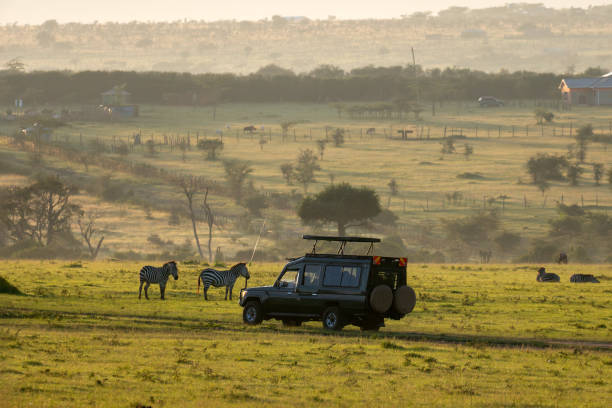
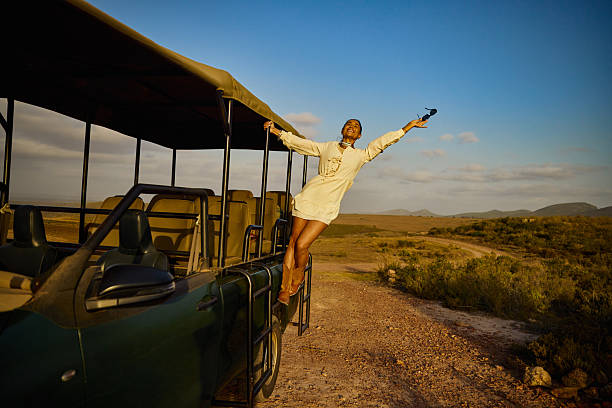
Discover the Untamed Heart of the Serengeti on Foot
The Serengeti National Park is a name synonymous with the greatest wildlife spectacle on Earth – the Great Migration. While many visitors flock to the central and western corridors, the eastern sector of the Serengeti holds a unique allure, especially for those seeking a more profound connection with nature. An Eastern Serengeti Walking Adventure is not just a safari; it’s an expedition into the wild, designed for travelers who crave authenticity, adventure, and a deeper understanding of the African bush. This is your chance to swap the rumble of a safari vehicle for the soft tread of your boots on the earth, the distant roar of a lion for the rustle of grass indicating its nearby presence, and the panoramic view from a jeep for the intimate detail of an elephant’s footprint or the vibrant colours of a dung beetle’s work.
For the 2026-2027 travel season, interest in unique, experiential safaris is at an all-time high. Travelers are looking for ways to escape the ordinary and connect with the natural world on a more personal level. An Eastern Serengeti Walking Adventure perfectly fits this desire, offering a perspective on wildlife and wilderness that is simply unattainable from within a vehicle. It’s about engaging all your senses: the scent of wild sage after rain, the distant call of a fish eagle, the warmth of the sun on your skin, and the profound silence of the plains broken only by nature’s sounds.
This is an experience tailored for the adventurous spirit, for those who understand that true exploration involves a degree of physical engagement and a willingness to step outside their comfort zone. It is an opportunity to learn from expert guides, to read the bush like a book, and to witness the intricate web of life that thrives in this iconic ecosystem. Whether you are a seasoned wildlife enthusiast or a first-time visitor to Africa, an Eastern Serengeti Walking Adventure promises memories that will last a lifetime.
Why Choose the Eastern Serengeti for a Walking Safari?
The Serengeti ecosystem is vast, and different regions offer distinct experiences. While the central Serengeti is famous for its resident predators and the migration’s passage through Seronera, and the western corridor is crucial for river crossings, the eastern plains, often encompassing areas like the Moru Kopjes, the Gol Kopjes, and the Lobo region, provide a unique canvas for walking safaris. These areas are characterized by their rolling grasslands, scattered acacia trees, rocky outcrops (kopjes), and riverine habitats, creating diverse micro-environments that support a rich array of wildlife.
Choosing the eastern Serengeti for your walking adventure offers several compelling advantages:
- Reduced Crowds: While the central Serengeti can become busy, especially during peak migration seasons, the eastern and northern sectors often offer a more secluded experience. This means more intimate wildlife sightings and a greater sense of having the wilderness to yourself.
- Unique Landscapes: The kopjes, in particular, are geological marvels offering stunning vistas and providing crucial shelter and vantage points for lions, leopards, and cheetahs. Walking around these rocky formations offers a different perspective on predator behaviour and habitat use.
- Diverse Wildlife: The eastern Serengeti is home to the Big Five (lion, leopard, elephant, rhino, buffalo) and a multitude of other species, including giraffes, zebras, wildebeest, cheetahs, hyenas, and a vast array of birdlife. The varied terrain supports both grazers and the predators that hunt them.
- Authentic Bush Experience: Walking safaris are the most traditional form of safari. They allow for a slower pace, enabling you to appreciate the smaller details of the ecosystem – the tracks and signs left by animals, the medicinal properties of plants, the calls of unseen birds, and the subtle changes in vegetation.
- Expert Guidance: These walks are led by highly trained and armed ranger guides who possess an unparalleled knowledge of the bush, animal behaviour, and tracking skills. Their expertise is crucial for safety and for enriching your understanding of the environment.
The eastern Serengeti, particularly regions accessible from camps located further east or north, provides an ideal setting for these activities. It’s a place where the sheer scale of the landscape can be truly appreciated on foot, where the sounds and smells of the wild are more pronounced, and where the connection between you and the environment feels palpable. Planning for 2026-2027, this type of in-depth experience is increasingly sought after by travelers looking for something beyond the standard game drive.
What to Expect on an Eastern Serengeti Walking Adventure
A walking safari in the Eastern Serengeti is a multi-sensory experience that differs significantly from a vehicle-based safari. The pace is dictated by your feet, not an engine, allowing for a much deeper observation of the environment. Here’s a breakdown of what you can typically expect:
The Pace and Duration
Walking safaris are usually conducted in the early morning and late afternoon when the temperatures are cooler and wildlife is most active. Walks can range from a few hours to a full day, depending on the specific lodge or camp’s offerings, the terrain, and the group’s fitness level. The pace is slow and deliberate, allowing ample time for observation, photography, and discussion with your guide.
Guided by Experts
Safety is paramount. You will always be accompanied by at least one, and often two, armed and highly experienced ranger guides. These guides are not just protectors; they are walking encyclopedias of the bush. They will point out animal tracks, explain the behaviour of different species, identify plants and their uses, and share fascinating insights into the ecosystem. Their knowledge significantly enhances the educational value of the experience.
Wildlife Encounters
While you are on foot, the encounters are more intimate and often more thrilling. You might track a herd of zebras across the plains, observe a pride of lions resting in the shade of an acacia tree from a safe distance, or marvel at the sheer size of an elephant herd as it moves through the bush. The guides are adept at reading the signs of the wild, leading you to areas where wildlife is likely to be present. It’s important to remember that this is wild Africa, and sightings are never guaranteed, but the probability of encountering significant wildlife is high, especially in areas known for their resident populations.
The Sensory Experience
This is where walking safaris truly shine. You’ll feel the ground beneath your feet, smell the distinct aroma of the African earth, hear the buzz of insects, the distant calls of birds, and perhaps the alarm call of a zebra signaling a predator’s presence. You’ll notice the intricate details often missed from a vehicle – the delicate patterns on a butterfly’s wings, the vibrant colours of a wildflower, the texture of an elephant’s hide. It’s a holistic engagement with the environment.
What to Carry
Your guide will advise on what to bring, but generally, you’ll need comfortable walking shoes, neutral-coloured clothing (avoiding bright colours and dark colours like black or navy blue which can attract tsetse flies), a hat, sunscreen, insect repellent, binoculars, a camera, and plenty of water. You might also carry a small backpack for these items.
Safety Protocols
Guides are trained to maintain a safe distance from potentially dangerous animals and will instruct you on how to behave. It’s crucial to follow their directions implicitly. This includes staying close to the guide, walking in single file, and never making sudden movements or loud noises. The guides carry firearms as a last resort for protection against dangerous animals, but their primary focus is on avoiding any confrontation through knowledge and careful navigation.
Key Considerations for 2026-2027 Bookings:
Interest in walking safaris is growing rapidly. To secure your preferred dates and lodges for 2026-2027, especially for specialized experiences like walking safaris in the Eastern Serengeti, early booking is highly recommended. This ensures availability and allows for proper planning of logistics and guiding services.
Regions within the Eastern Serengeti Suitable for Walking
The term “Eastern Serengeti” can encompass a broad area, and specific walking safari operations are often concentrated in particular zones known for their suitability and wildlife density. Understanding these regions helps in planning your adventure.
Moru Kopjes Area
The Moru Kopjes are a series of granite outcrops in the southern-central part of the Serengeti, often bordering the eastern plains. This area is renowned for its high concentration of predators, particularly lions and cheetahs, who use the kopjes as vantage points and resting spots. Walking in this region offers incredible opportunities to observe these magnificent cats up close (from a safe and respectful distance, of course). The kopjes themselves are fascinating geological features, and exploring their bases and surroundings on foot provides a unique perspective. This area is accessible and often visited by lodges located in the southern Serengeti, which may offer walking excursions into its periphery.
Gol Kopjes
Further north than Moru, the Gol Kopjes are another cluster of impressive rock formations. Similar to Moru, they are predator hotspots. Walking safaris here can be exceptionally rewarding, offering chances to see lions, leopards, and cheetahs in a dramatic landscape. The surrounding plains are rich with grazers, making it a prime hunting ground.
Lobo Area
Located in the northern Serengeti, the Lobo area is characterized by rolling hills, rocky outcrops, and riverine forests. It’s a less-visited region compared to Seronera, offering a more exclusive safari experience. Walking safaris in Lobo can be conducted along riverbeds, through woodlands, and across open plains. This area is particularly known for its resident wildlife, including elephants, giraffes, and a good number of predators. It’s also a key area for the annual migration during certain times of the year, though the walking focus here is often on the resident game.
Grumeti River and Ikorongo Area
While the Grumeti River is more famous for its western corridor river crossings, its eastern tributaries and the Ikorongo Game Reserve, which lies to the northeast of the main Serengeti National Park, also offer excellent walking safari opportunities. These areas are often less crowded and provide a chance to explore diverse habitats, including woodlands and riverine forests, which are rich in birdlife and offer good chances of spotting leopards and other elusive animals.
Key Considerations for 2026-2027 Planning
When choosing an Eastern Serengeti Walking Adventure, it’s vital to confirm with your tour operator which specific areas your chosen camp or lodge operates from and what walking safari activities are permitted and offered. Regulations regarding walking safaris can vary, and some areas might be more suitable or accessible than others. Top Guide Adventures can help you navigate these options to find the perfect fit for your 2026-2027 safari plans.
Wildlife You Might Encounter on Foot
The thrill of a walking safari lies in the intimate encounters with the wildlife. While you are on foot, your guides are experts at tracking and positioning you for safe and respectful viewing of various species. The Eastern Serengeti teems with life, and here are some of the animals you might be fortunate enough to see:
Predators
- Lions: The Serengeti is famously home to large prides of lions. Walking near kopjes or dense bush can offer opportunities to observe them resting, hunting, or interacting within their social structure. Your guide’s knowledge of their territorial movements is key.
- Leopards: These elusive cats are masters of camouflage and are often found in trees or rocky areas. While sightings are rare, a walking safari increases your chances of spotting one, especially if your guide is skilled at tracking their signs.
- Cheetahs: Often found on open plains, cheetahs are the fastest land animals. Observing them on foot, perhaps as they scan the horizon for prey, is an unforgettable experience.
- Hyenas: Both spotted and striped hyenas inhabit the Serengeti. While often seen at a distance on game drives, a walking safari might allow for a closer, though still cautious, observation of their unique behaviour.
Herbivores
- Elephants: While less common in some of the more arid eastern plains compared to areas like Tarangire, elephant herds can be found, especially near riverine areas. Their sheer size and presence are always awe-inspiring.
- Giraffes: The elegant giraffes are a common sight, often seen browsing on acacia trees. Walking near them allows for appreciation of their height and unique patterns.
- Zebras and Wildebeest: Depending on the season and location, you might encounter large herds of zebras and wildebeest. Walking in their vicinity requires caution, as they can be easily spooked.
- Buffalo: The formidable Cape buffalo are a common sight. Observing them on foot is a testament to the guide’s skill and the respect for these powerful animals.
- Dik-diks and Gazelles: The smaller antelopes, like dik-diks, Thomson’s gazelles, and Grant’s gazelles, are frequently seen. Their agility and constant vigilance make them fascinating to watch.
Other Wildlife and Avian Life
- Warthogs: You’ll likely see these comical creatures rooting for food or running with their tails held high.
- Baboons and Monkeys: Various species of monkeys and baboons inhabit the woodlands and kopjes.
- Birdlife: The Serengeti is a birdwatcher’s paradise. Walking safaris offer the perfect opportunity to spot and identify a vast array of species, from the majestic fish eagle to tiny sunbirds and colourful rollers.
Important Note on Safety:
While the goal is to see wildlife, your safety is the absolute priority. Guides are trained to manage encounters, and you will be instructed on how to behave. Maintaining a safe distance and following guide instructions are paramount for a successful and secure walking safari experience. Never approach wildlife on foot without explicit guidance from your ranger.
Planning Your Eastern Serengeti Walking Adventure for 2026-2027
Organizing a walking safari requires careful planning to ensure you have the best possible experience. For the 2026-2027 travel year, consider these key aspects:
Best Time to Travel
Walking safaris are generally best during the dry seasons when the grass is shorter, making it easier to spot wildlife and tracks, and when wildlife congregates around water sources. The dry seasons in the Serengeti typically run from June to October and again from December to February.
- June to October: This is the peak dry season. The weather is pleasant, with sunny days and cool nights. Wildlife is concentrated, and visibility is excellent for walking. This is also a popular time for the Great Migration to be in the western and northern Serengeti, though the eastern plains still hold resident game.
- December to February: This is the short dry season and the calving season in the southern Serengeti. While walking might be slightly more challenging due to taller grass in some areas, it offers unique viewing opportunities, especially for predators with young. The weather is generally warm and sunny.
Avoid the main rainy season (March to May) when walking can be difficult due to muddy conditions and potentially limited wildlife movement. However, even during the shoulder months, walking safaris can be very rewarding, often with fewer tourists.
Choosing Your Accommodation
Accommodation is key to a walking safari. You’ll typically stay at lodges or tented camps located in or near areas suitable for walking. These can range from luxury tented camps offering en-suite facilities and fine dining to more rustic, authentic bush camps. When choosing, consider:
- Location: Ensure the camp is situated in an area where walking safaris are permitted and offered, and ideally close to diverse habitats and wildlife concentrations.
- Type of Camp: Tented camps often offer a more in-depth bush experience. Mobile camps might follow the migration, but for a stable base for walking, a permanent or semi-permanent camp is usually preferred.
- Inclusions: Check if walking safaris are included in the daily rate or if they are an additional cost. Also, confirm the duration and frequency of walks offered.
Logistics and Transfers
Accessing the Eastern Serengeti typically involves flying into one of the Serengeti’s airstrips (e.g., Seronera, Sasakwa, Kogatende) and then taking a short game drive or transfer to your chosen camp. Some camps might be accessible via road from Arusha, but this is a very long journey. For walking safaris, proximity to the walking areas is crucial, so a camp located strategically within the eastern sector is ideal.
Booking Considerations for 2026-2027
Early Bird Planning for 2026-2027: Walking safaris, especially in prime locations, are in high demand. For 2026-2027, booking at least 9-12 months in advance is strongly advised to secure your preferred dates and accommodations, particularly if you are looking for a private walking safari experience or traveling during peak seasons.
Safety and What to Pack for Your Walking Safari
Safety is the cornerstone of any walking safari. Your guides are trained professionals, but adherence to their instructions is crucial. Here’s what you need to know and pack:
Safety Guidelines from Your Guides
- Stay Close: Always remain within a safe distance of your guide. Do not wander off.
- Listen Carefully: Pay close attention to all instructions given by your guide.
- No Sudden Movements: Avoid startling animals or making aggressive gestures.
- Noise Discipline: Keep noise to a minimum. Loud noises can disturb wildlife and may be perceived as a threat.
- Respect Animal Space: Your guide will determine safe viewing distances. Never attempt to approach an animal, especially a large or potentially dangerous one.
- Know Your Surroundings: Be aware of what is around you, but let the guide lead the way.
- Firearms: Guides carry firearms for protection, but their primary goal is to avoid confrontation through expert knowledge and navigation.
Essential Packing List
- Clothing: Lightweight, breathable, neutral-coloured clothing (khaki, olive green, beige). Avoid bright colours and dark colours like black, navy blue, or dark brown, which can attract tsetse flies or make you more visible to wildlife.
- Trousers: Long, durable trousers are essential for protection against the sun, insects, and thorns.
- Shirts: Long-sleeved shirts offer sun protection and can help deter insects.
- Footwear: Sturdy, comfortable walking boots or hiking shoes are a must. Ensure they are well broken-in before your trip.
- Hat: A wide-brimmed hat for sun protection.
- Sunscreen: High SPF sunscreen.
- Insect Repellent: A good quality repellent containing DEET or Picaridin.
- Binoculars: Essential for spotting wildlife at a distance and appreciating details.
- Camera: With extra batteries and memory cards. Consider a zoom lens for wildlife photography.
- Water Bottle: Reusable water bottles are encouraged. Your camp will provide water.
- Backpack: A small daypack to carry water, snacks, camera, and other essentials.
- Lightweight Jacket/Fleece: For cooler mornings and evenings.
- First-Aid Kit: A basic personal kit.
The Role of Guides in Your Walking Safari
The guide is the linchpin of any walking safari. In the Eastern Serengeti, your guides will be more than just companions; they are your educators, protectors, and interpreters of the wild. Their expertise is what transforms a simple walk into an extraordinary adventure.
Expert Knowledge and Tracking Skills
Serengeti guides undergo rigorous training and possess an intimate understanding of the ecosystem. They can identify animal tracks, interpret droppings, and read the subtle signs left behind by wildlife. This allows them to lead you to areas where animals are likely to be found, whether it’s a lion kill, a leopard’s favourite tree, or a herd of elephants moving to a waterhole.
Safety and Risk Management
Their primary responsibility is your safety. They are trained in bushcraft, first aid, and the safe handling of firearms for defence against dangerous animals. They know how to read animal behaviour, anticipate potential threats, and manoeuvre you away from danger. Their calm demeanour and decisive actions in any situation are crucial.
Ecological Interpretation
Beyond tracking animals, guides share a wealth of knowledge about the flora and fauna. They can explain the medicinal uses of plants, identify different bird species by their calls, describe the complex social structures of animal groups, and illustrate the delicate balance of the Serengeti ecosystem. This educational aspect adds immense depth to the walking safari experience.
Enhancing the Experience
Your guide will tailor the walk to your interests and fitness level. They will encourage questions, share personal anecdotes from their life in the bush, and foster a deep appreciation for the natural world. Their passion for the Serengeti is infectious and will undoubtedly enhance your journey.
Why Top Guide Adventures Excels in Walking Safaris:
At Top Guide Adventures, we partner with lodges and employ guides who are not only highly skilled and certified but also deeply passionate about conservation and sharing the magic of the Serengeti. Our guides are local experts with years of experience, ensuring your safety and providing an unparalleled educational and adventurous experience. For your 2026-2027 Eastern Serengeti Walking Adventure, trust our expertise to craft an unforgettable journey.
Comparing Walking Safaris with Vehicle-Based Safaris
While both types of safaris offer incredible wildlife viewing opportunities in the Serengeti, they cater to different preferences and offer distinct experiences. Understanding these differences can help you choose the right safari for your trip.
Eastern Serengeti Walking Adventure: The Pros
- Intimacy: You are part of the environment, not just an observer. The connection with nature is profound.
- Sensory Engagement: All senses are heightened – the smells, sounds, and feel of the bush are more apparent.
- Detail-Oriented: You notice the small things – insect life, plant details, tracks, and signs.
- Quiet and Peaceful: The absence of engine noise allows for a more tranquil experience and better listening for animal sounds.
- Authenticity: This is the original form of safari, offering a raw and genuine connection to the wild.
- Fitness and Engagement: For those who enjoy moderate physical activity, it’s a more engaging way to explore.
Eastern Serengeti Walking Adventure: The Cons
- Limited Range: You can only cover as much ground as you can walk in a day.
- Safety Restrictions: You are limited to specific, approved walking areas, and encounters with dangerous animals require extreme caution and adherence to guide instructions.
- Physical Demand: Requires a reasonable level of fitness and mobility.
- Weather Dependent: Can be uncomfortable in extreme heat or rain.
- Less Ideal for Big Game Spotting: While possible, spotting large herds or distant animals is harder than from a vehicle with a higher vantage point.
Vehicle-Based Safari: The Pros
- Range and Speed: You can cover vast distances quickly, following animal movements and the migration.
- Comfort and Accessibility: Offers comfort and is accessible to people of all fitness levels.
- Higher Vantage Point: Better for spotting distant animals and getting panoramic views.
- Safety with Large Animals: Offers a safe enclosure when encountering large or dangerous animals.
- Access to Remote Areas: Vehicles can reach areas that are inaccessible on foot.
Vehicle-Based Safari: The Cons
- Less Intimate: You are an observer separated from the environment by glass and metal.
- Engine Noise: Can sometimes disturb wildlife and detract from the natural sounds.
- Crowding: Popular areas can become congested with safari vehicles.
- Missed Details: The speed and perspective can cause you to miss the smaller nuances of the bush.
Combining Experiences for 2026-2027:
For many travellers, the ideal safari combines both walking and vehicle-based components. This allows you to experience the best of both worlds – the intimate connection of walking safaris and the efficiency and comfort of game drives. Consider a multi-day itinerary that includes both for a comprehensive Eastern Serengeti experience in 2026-2027.
What Makes an Eastern Serengeti Walking Adventure Unique?
The Eastern Serengeti Walking Adventure is more than just a trek; it’s a philosophy of travel. It’s about embracing the wild in its most primal form, reconnecting with nature on a fundamental level, and experiencing the African bush with a depth that few other safari types can offer.
- The Unfiltered Experience: Without the barrier of a vehicle, you are truly present in the environment. The air is cleaner, the sounds are clearer, and the sense of awe is amplified.
- Learning the Language of the Bush: Your guide will teach you to read tracks, understand alarm calls, and interpret the signs that reveal the daily dramas unfolding around you. This transforms you from a passive observer into an active participant in the wilderness.
- A Pace for Appreciation: The slow, deliberate pace allows for contemplation and deep observation. You can spend time watching a dung beetle roll its prize, observing the intricate patterns of termite mounds, or simply soaking in the vastness of the landscape under the African sun.
- Challenging and Rewarding: For those seeking adventure, a walking safari provides a physical and mental challenge that is immensely rewarding. Overcoming the elements and navigating the wild on foot builds a unique sense of accomplishment.
- Conservation Connection: Walking safaris often emphasize low-impact travel and a deep respect for the environment. This fosters a stronger connection to conservation efforts and a desire to protect these precious wild spaces.
For 2026-2027, as travel trends lean towards more meaningful and experiential journeys, the Eastern Serengeti Walking Adventure stands out as an exceptional choice for discerning travellers who want to go beyond the surface and truly connect with one of the world’s greatest natural wonders.
Booking Your Eastern Serengeti Walking Adventure with Top Guide Adventures
Planning your dream safari can seem complex, but with the right partner, it becomes an exciting trip. Top Guide Adventures specializes in crafting bespoke safari experiences in Tanzania, including unforgettable walking adventures in the Eastern Serengeti.
We understand that every traveler is unique, and we are dedicated to tailoring your safari to your specific interests, budget, and desired pace. Whether you envision a private walking safari for two, a small group adventure, or a combination of walking and game drives, we can design the perfect itinerary for you.
For your 2026-2027 Eastern Serengeti Walking Adventure, here’s how we can help:
- Personalized Itinerary Planning: We work closely with you to understand your preferences, from the type of accommodation and the specific areas of the Serengeti you wish to explore, to the duration of your walks and any special interests (e.g., birdwatching, photography).
- Expert Guide Selection: We partner with experienced, certified, and passionate local guides who are experts in walking safaris and deeply knowledgeable about the Serengeti’s wildlife and ecosystems.
- Accommodation Recommendations: We recommend lodges and tented camps that are ideally located for walking safaris, offering comfort, authenticity, and excellent service.
- Logistics Management: We handle all the intricate details, including internal flights, transfers, park fees, and ensuring all permits for walking safaris are in order.
- Safety and Support: Your safety is our utmost priority. We ensure all our safaris adhere to the highest safety standards, and our team is available 24/7 to provide support during your trip.
We invite you to connect with us to start planning your extraordinary Eastern Serengeti Walking Adventure for 2026 or 2027. Let us help you create a journey that is not just a holiday, but a profound connection with the wild heart of Africa.
Contact us today:
- WhatsApp: +255616946642
- Email: topguideadventures@gmail.com
- Backup Email: info@topguideadventures.com
Explore more about our Tanzania safari offerings at Top Guide Adventures and view our group departure dates for other safari experiences at Tanzania Safari Group Departures. For those interested in Kilimanjaro, check out our Machame Route Kilimanjaro Departures. Follow us on Instagram for inspiration and read client reviews on TripAdvisor.
Check Availability for Eastern Serengeti Walking Adventure: Your Ultimate Guide For 2026-2027
Ready to compare dates, prices, and the best option for your group? Send the package name and travel month so the team can reply with a clear quote, availability, and what is included.
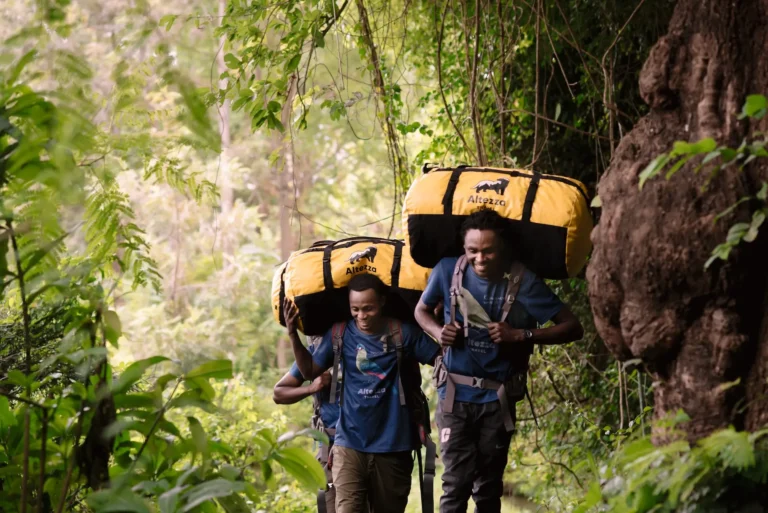
Kilimanjaro Marathon And Serengeti Safari: The Ultimate Tanzania Adventure
Experience the thrill of conquering Mount Kilimanjaro and the wonder of a Serengeti safari in one epic Tanzanian journey. This guide details how to combine the Kilimanjaro Marathon with an...
View package details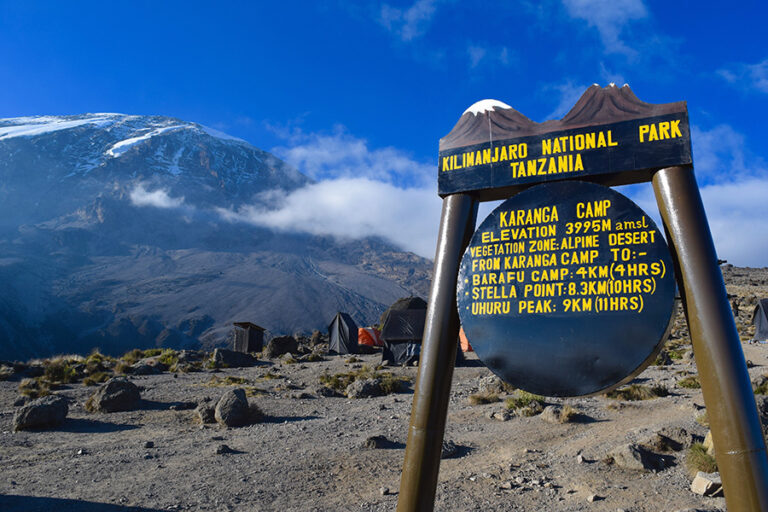
Kilimanjaro Safari And Climb Package For Seniors: Your Adventure 2026-2027
Top Guide Adventures offers tailored Kilimanjaro safari and climb packages for seniors in 2026-2027, focusing on safety, comfort, and an unforgettable Mount Kilimanjaro experience. Explore...
View package details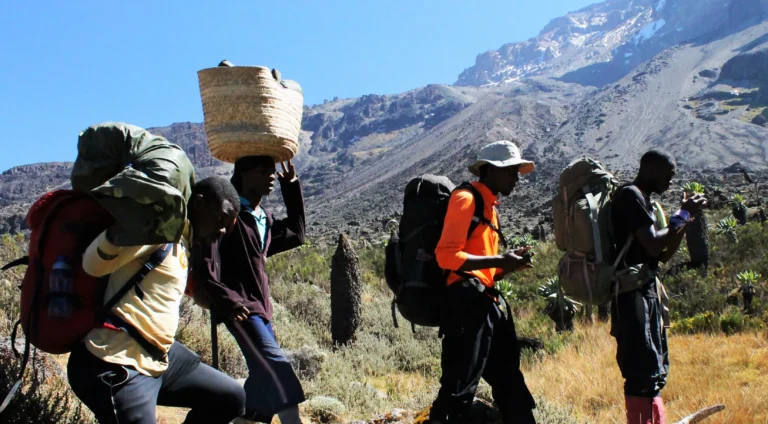
Kilimanjaro Safari Before Rejoining Your Climbing Group | Top Guide Adventures
Combining a safari with your Kilimanjaro climb is a classic Tanzanian adventure. Discover how to seamlessly integrate a wildlife safari experience before meeting your climbing group for the...
View package details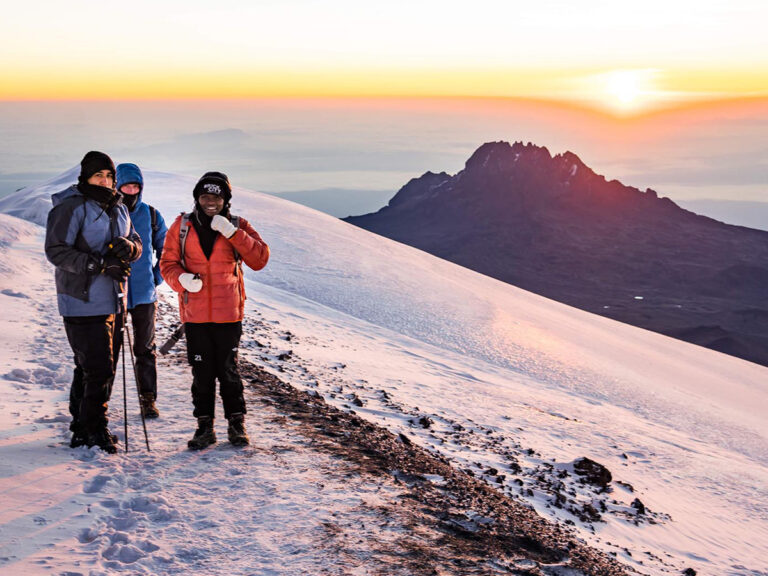
Kilimanjaro Graduation And Family Safari Package: Summit Success & Wildlife
Combine the ultimate achievement of summiting Mount Kilimanjaro with an unforgettable family safari in Tanzania. Top Guide Adventures curates these packages, blending adventure, cultural...
View package details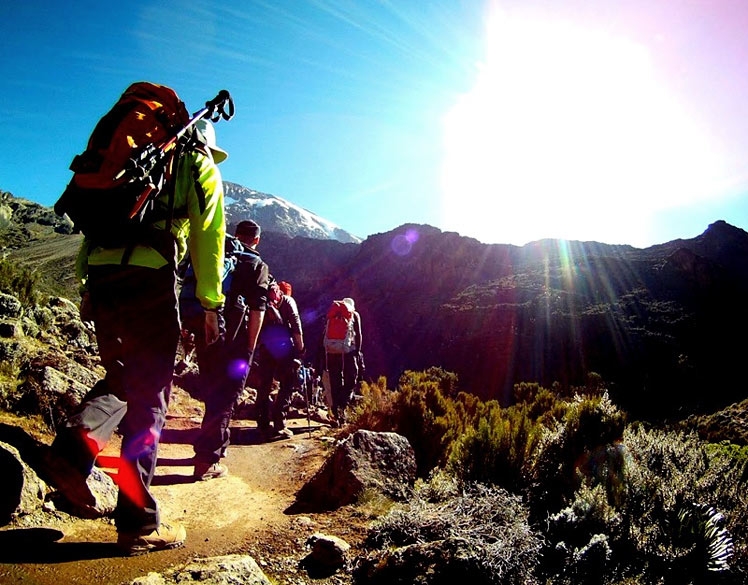
Kilimanjaro Family Safari After The Summit Guide
Extend your incredible Kilimanjaro achievement with a family safari in Tanzania. Top Guide Adventures crafts unforgettable post-summit experiences for 2026-2027, blending the thrill of...
View package details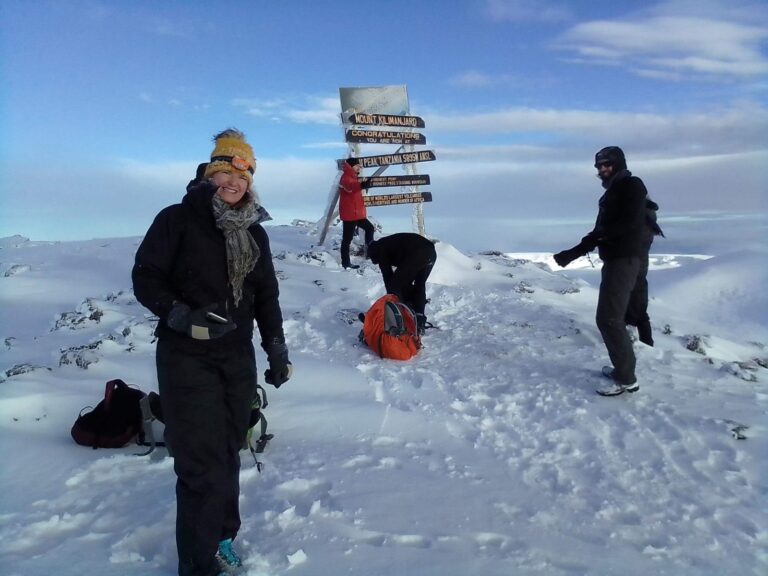
What Happens If You Lose Your Passport In Moshi? Guide
Losing your passport in Moshi, Tanzania, while on safari or climbing Kilimanjaro can be stressful. This guide outlines the immediate steps, required documents, embassy procedures, and...
View package details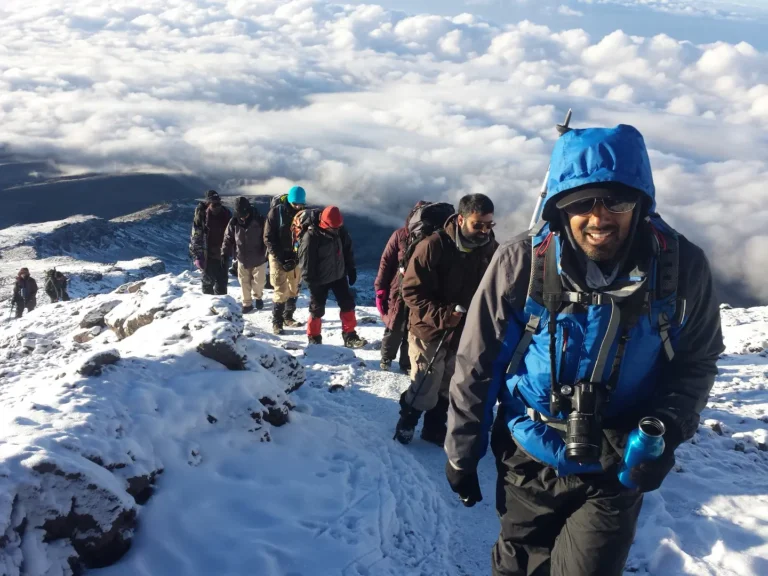
Kilimanjaro Bike, Hike And Safari Package Guide
Discover the ultimate Kilimanjaro Bike, Hike, and Safari package, a unique adventure combining the thrill of trekking Africa's highest peak with exhilarating cycling and iconic wildlife...
View package details
Kilimanjaro Fun Run And Safari Package Guide
Experience the thrill of a Kilimanjaro Fun Run followed by an incredible Tanzania safari. Top Guide Adventures offers comprehensive packages blending adventure and wildlife exploration for...
View package detailsNo related package matches those filters. Clear one or more filters to see the other topic-matched options.



