
An Empakaai Crater Photography Tour is a specialized expedition focused on capturing the impressive beauty of Empakaai Crater in Tanzania’s Ngorongoro Conservation Area, known for its vibrant alkaline lake, lush rainforest, and panoramic views of the Great Rift Valley, offering unique photographic opportunities for enthusiasts looking to document the region’s natural wonders in 2026-2027.
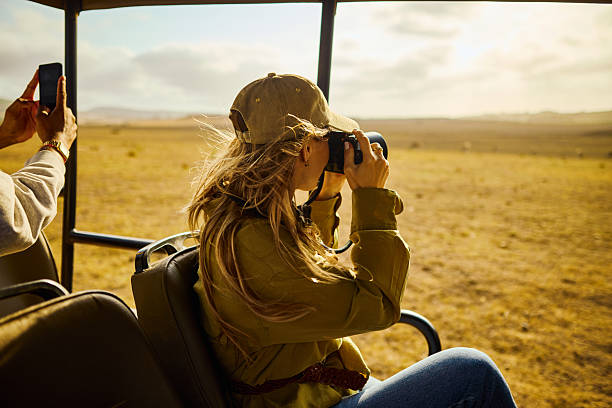

The Allure of Empakaai Crater for Photographers
Empakaai Crater, often overshadowed by its more famous neighbor, the Ngorongoro Crater, presents an equally compelling, if not more intimate, photographic subject. Its caldera, approximately 6 kilometers (3.7 miles) in diameter, cradles a stunningly beautiful, deep blue alkaline lake that reflects the sky and surrounding cliffs, creating a dynamic and ever-changing palette of colors. This tour is designed for photographers who seek to capture the essence of Tanzania’s natural landscapes beyond the typical safari circuit, focusing on the dramatic geological formations, unique flora, and the serene, almost mystical, atmosphere of the crater.
For photographers planning their 2026-2027 travels, an Empakaai Crater Photography Tour offers a chance to work with diverse lighting conditions, from the soft hues of dawn and dusk to the stark contrasts of midday sun. The journey to and from the crater rim also provides ample opportunities for landscape and wildlife photography, showcasing the transition from the open plains to the dense highland forests.
What to Expect on Your Empakaai Photography Expedition
A dedicated photography tour to Empakaai Crater is more than just a visit; it’s an experience crafted to maximize your creative output. This typically involves:
- Extended Stays: Unlike standard day trips, photography tours often include overnight stays near the crater rim or within the conservation area, allowing for sunrise and sunset shoots.
- Expert Guidance: Local guides who understand photographic needs will lead the way, knowing the best vantage points and times of day for optimal light and composition.
- Focus on Details: Beyond the grand vistas, photographers will have time to capture the intricate details of the crater’s ecosystem – unique plant life, bird species, and the textures of the volcanic landscape.
- Logistical Support: Arrangements for transport, accommodation, park fees, and necessary permits are handled, ensuring a smooth experience for participants.
The visual narrative of Empakaai is rich. The sheer, steep walls of the crater, carpeted in dense green forest, plunge dramatically towards the shimmering lake. The lake itself, while beautiful, is not a watering hole for large mammals in the same way as other Tanzanian lakes, meaning the focus shifts towards the landscape, the sky, and the birdlife. Flamingos are occasional visitors, adding a vibrant splash of pink to the blue waters, a sight that is a photographer’s dream.
Best Times for Empakaai Crater Photography (2026-2027 Planning)
Timing is crucial for any photography tour, and Empakaai is no exception. The best periods to visit, considering both weather and light, are:
- Dry Seasons (June to October and December to February): These months offer clear skies, making for dramatic landscape shots and predictable weather. The light can be sharp, and the air is generally dry. Sunrise and sunset colours are often spectacular during these times.
- Shoulder Seasons (March-May and November): While these can be wetter, they also offer lush, vibrant greenery and fewer crowds. The dramatic cloud formations can add depth and mood to photographs, especially during the transition periods of the day. Photographers who embrace moody weather can find incredible opportunities.
For 2026 and 2027, booking during the dry seasons will likely yield the most consistent photographic results for landscape clarity. However, photographers seeking unique atmospheric shots might consider the shoulder seasons, provided they are prepared for potential rain. The key is flexibility and a willingness to adapt to the conditions.
Essential Photography Gear for Empakaai Crater
To make the most of your Empakaai Crater Photography Tour, careful consideration of your equipment is vital. Here’s a recommended list:
- Camera Body: A DSLR or mirrorless camera offering manual controls is ideal. Consider bringing a backup body.
- Lenses: A versatile range is key. A wide-angle lens (e.g., 16-35mm or 24-70mm) is essential for capturing the vastness of the crater and landscapes. A telephoto lens (e.g., 70-200mm or longer) is useful for isolating details, distant wildlife, or birds. A prime lens (e.g., 50mm f/1.8) can be great for low-light situations or specific artistic shots.
- Tripod: Absolutely essential for low-light photography, long exposures, and ensuring sharp images, especially during sunrise and sunset.
- Filters: Polarizing filters can reduce glare and enhance colours, especially on the water and skies. Neutral Density (ND) filters can be useful for long exposures during the day.
- Batteries and Memory Cards: Bring plenty of spares, as power sources can be limited, and you’ll be taking many shots.
- Cleaning Kit: Dust is prevalent in Tanzania. A good lens cloth, blower, and cleaning solution are a must.
- Rain Protection: Waterproof covers for your camera and bag are advisable, especially if travelling in the shoulder seasons.
- Backpack: A comfortable, durable camera backpack that can hold all your gear and withstand trekking conditions.
The hike down into Empakaai Crater can be steep and requires sturdy footwear. Carrying your gear comfortably is paramount. For 2026-2027 planning, ensure your equipment is up-to-date and in good working order.
The Empakaai Crater Hike: A Photographer’s Journey
The descent into Empakaai Crater is part of the photographic experience. The trail is steep and can be slippery, especially after rain. It’s a journey that rewards effort with unparalleled access to the crater floor and its unique environment.
The Descent: As you walk down, the perspective shifts dramatically. The dense vegetation closes in, offering opportunities for macro photography of plants and insects. The sounds of the forest become more prominent. Look for unique textures in the moss-covered trees and the damp earth. The air is cooler and more humid here.
The Crater Floor: Once on the floor, the vastness of the lake and the towering crater walls dominate your view. The alkaline nature of the lake means life is sparse, but the reflections and colours are phenomenal. Photographers can spend hours here, experimenting with different angles, capturing the play of light on the water’s surface, and the dramatic shadows cast by the crater rim.
The Ascent: The climb back up is challenging but offers a different perspective. The views looking back into the crater as you ascend are equally stunning. The guides will ensure you take breaks, allowing for more photographic opportunities as you gain altitude.
Photography Tips for the Hike:
- Shoot details: Don’t just focus on the grand scene. Capture the ferns, the fungi, the insects, and the textures of the rocks.
- Use foreground elements: Incorporate interesting plants or rocks in the foreground to add depth to your landscape shots.
- Wait for light: Patience is key. Wait for the sun to break through clouds or for the light to change.
- Bracket your exposures: For high-contrast scenes, bracketing can help capture detail in both the highlights and shadows.
For those planning an Empakaai Crater Photography Tour in 2026-2027, remember that fitness plays a role in enjoying the hike and maximizing your shooting time. The journey itself is a significant part of the photographic narrative.
Beyond the Crater: Surrounding Landscapes and Wildlife
While Empakaai Crater is the primary focus, the surrounding areas of the Ngorongoro Conservation Area offer further photographic potential. The drive to and from the crater rim often passes through Maasai villages and open grasslands, providing glimpses into rural Tanzanian life and opportunities to photograph the iconic acacia trees silhouetted against the sky.
Wildlife Encounters: Although large mammals are less common within the crater itself, the surrounding highlands and plains are home to various wildlife. You might spot Maasai giraffes, zebras, various antelope species, and a rich diversity of birdlife, including raptors soaring overhead. The journey to Empakaai can be combined with visits to other parts of the Ngorongoro Conservation Area, offering a broader photographic scope.
Maasai Culture: The Maasai people are integral to the Ngorongoro landscape. If your tour includes opportunities to respectfully photograph their villages or daily life (with permission, of course), this adds a powerful human element to your portfolio. Capturing the vibrant colours of their traditional dress against the earthy tones of the landscape can be incredibly rewarding.
Panoramic Vistas: The viewpoints along the crater rim offer expansive panoramas of the Great Rift Valley. These wide shots, especially during the golden hours of sunrise and sunset, can be truly spectacular. Look for layers of mountains receding into the distance, creating a sense of immense scale.
For photographers visiting in 2026-2027, consider how these elements can complement your crater shots, creating a more comprehensive photographic story of your Tanzanian adventure.
Logistics and Planning Your Empakaai Photography Tour
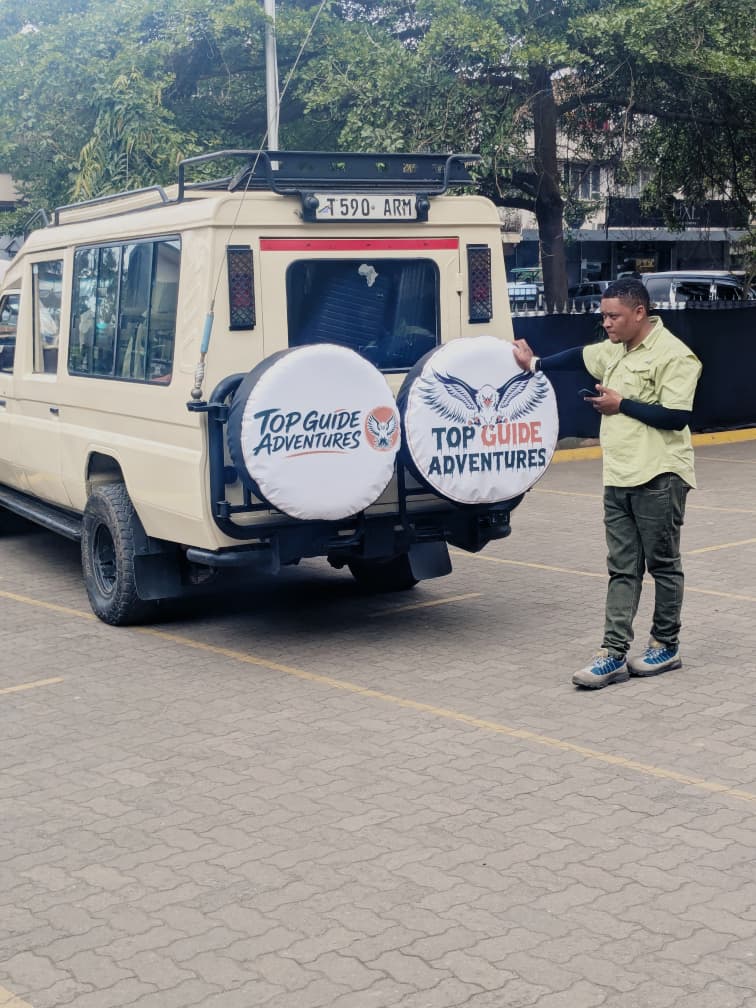
Organizing an Empakaai Crater Photography Tour requires attention to detail. Top Guide Adventures specializes in crafting such tailored experiences. Key logistical considerations include:
Accommodation Options
Accommodation near Empakaai Crater is limited, adding to its exclusive feel. Options typically range from:
- Camping: Designated campsites offer a chance to be close to nature. This is often the most in-depth option for photographers wanting to capture night skies or early morning light.
- Lodge/Tented Camp Stays: While not directly at the crater, comfortable lodges or tented camps in nearby areas provide amenities and a base for day trips to Empakaai.
For photographers seeking uninterrupted shooting time, camping near the rim, or staying in a lodge with easy access, is ideal. Planning for 2026-2027 should involve booking these accommodations well in advance, especially if travelling during peak seasons.
Park Fees and Permits
Access to the Ngorongoro Conservation Area requires park entry fees. For Empakaai Crater specifically, there might be additional fees related to guided walks or camping. Your tour operator will handle all necessary permits and fees.
Transportation
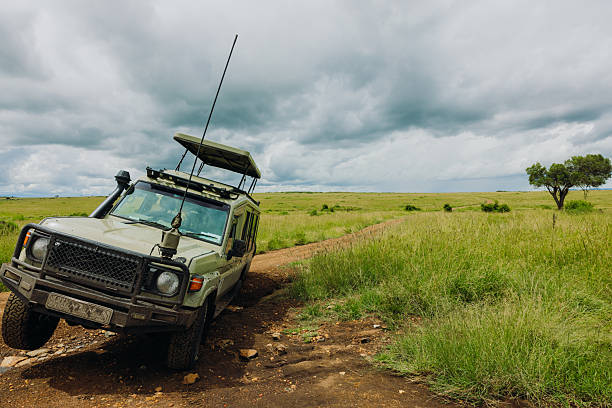
A sturdy 4×4 vehicle is essential for navigating the often rough terrain leading to Empakaai. These vehicles are equipped to handle the challenging roads and provide comfortable viewing platforms.
Guides and Porters
Local guides are mandatory for hiking into the crater. They are knowledgeable about the terrain, wildlife, and local customs. For longer treks or if carrying significant camera gear, porters can be arranged to ease the physical burden, allowing you to focus more on photography.
Customizing Your 2026-2027 Empakaai Photography Itinerary
The beauty of a specialized photography tour is its customizability. Top Guide Adventures can tailor an Empakaai Crater Photography Tour to your specific needs:
- Duration: Extend your stay to capture different light conditions or combine it with other destinations.
- Focus: Emphasize landscape, wildlife, or cultural photography based on your interests.
- Pace: A slower pace allows for more spontaneous shooting and time to wait for the perfect moment.
- Group Size: Opt for a private tour for maximum flexibility or join a small group departure for a more social experience.
For those planning their 2026-2027 photographic journey, consider what your ultimate goals are. Do you want to capture the dramatic light on the crater lake? Focus on the unique flora and fauna of the highlands? Or perhaps blend landscape with cultural elements? Discussing these with your tour operator is the first step.
Sample Itinerary Outline (Illustrative)
While itineraries vary, a typical 3-day Empakaai Photography focus might look like this:
Day 1: Arrival and Rim Exploration
Arrive at a lodge or campsite near the Ngorongoro Conservation Area. After settling in, drive to the Empakaai Crater rim for late afternoon photography, capturing the initial vistas and the changing light. Sunset shoot from a prime vantage point.
Day 2: Crater Descent and Floor Photography
Early morning start for sunrise shots over the crater. Descend into Empakaai Crater with your guide. Spend the day exploring the crater floor and lake’s edge, focusing on landscape, water reflections, and any visible birdlife. Ascend in the afternoon. Optional cultural visit to a Maasai village en route back to accommodation.
Day 3: Surrounding Landscapes and Departure
Morning photography session focusing on the broader Ngorongoro highlands, looking for wildlife and expansive landscapes. Depart from the area.
This is a basic framework; a dedicated photography tour in 2026-2027 could easily be extended to 4-5 days to allow for more in-depth exploration, including potential hikes to nearby viewpoints or visits to other geological features.
Comparing Empakaai with Other Tanzanian Photographic Destinations
While Empakaai offers a unique niche, Tanzania boasts a wealth of photographic opportunities. Understanding how an Empakaai Crater Photography Tour fits into a broader itinerary is key for planning.
- Ngorongoro Crater: Famous for its dense wildlife population within a collapsed caldera. Offers incredible opportunities for wildlife photography, particularly predators and large herds. The landscape is dramatic but often dominated by the animals.
- Serengeti National Park: Renowned for the Great Migration. Offers unparalleled opportunities for wildlife action, vast plains, and dramatic skies. Ideal for telephoto lenses and capturing movement.
- Mount Kilimanjaro: Offers stunning mountain landscapes, glacier photography, and sunrise/sunset views from above the clouds. Requires a multi-day trek.
- Zanzibar: Provides opportunities for cultural, architectural, and coastal photography. Different from the mainland safari experience, offering vibrant markets, historic Stone Town, and beautiful beaches.
An Empakaai tour complements these by offering a more focused, serene, and geologically dramatic landscape experience. It’s perfect for photographers who appreciate the subtle beauty of nature, the interplay of light and water, and the quiet grandeur of a caldera ecosystem, away from the concentrated wildlife viewing of the main Serengeti or Ngorongoro Crater floor.
Pricing and Booking Your 2026-2027 Photography Tour
The cost of an Empakaai Crater Photography Tour can vary significantly based on several factors:
- Duration of the tour
- Type of accommodation (camping vs. lodge)
- Level of service (private vs. group)
- Inclusions (e.g., specialized photographic guides, specific gear transport)
- Time of year (peak vs. low season)
General Cost Factors:
Park Fees: Ngorongoro Conservation Area fees are substantial and are charged per person per day. These are non-negotiable.
Guide Fees: A qualified local guide is mandatory for the crater descent, and specialized photographic guides may incur additional costs.
Accommodation: Camping is generally the most budget-friendly, while lodges offer higher comfort levels at a premium price.
Transportation: 4×4 vehicle hire and fuel costs contribute significantly.
Customization: Highly personalized tours with exclusive services will naturally cost more.
For an estimated quote for your 2026-2027 Empakaai Crater Photography Tour, it is best to contact Top Guide Adventures directly. They can provide a detailed breakdown based on your specific requirements.
Contact Top Guide Adventures for a personalized quote:
- WhatsApp: +255616946642
- Email: topguideadventures@gmail.com
- Backup Email: info@topguideadventures.com
Booking well in advance, especially for 2026 and 2027, is highly recommended to secure preferred dates and accommodations, particularly if you wish to travel during the peak dry seasons.
Capturing the Essence: Advanced Photography Techniques for Empakaai
To elevate your Empakaai Crater Photography Tour from good to exceptional, consider incorporating advanced techniques:
- Long Exposure Water: Using ND filters and a tripod, you can smooth the water’s surface on the lake, creating ethereal reflections and a sense of calm. This is particularly effective during dawn or dusk.
- Focus Stacking: For scenes with extreme depth, from foreground ferns to distant crater walls, focus stacking can ensure sharpness throughout the entire image. This involves taking multiple shots focused at different points and merging them in post-processing.
- High Dynamic Range (HDR): When the sun is harsh, HDR techniques can help capture detail in both the bright sky and the darker crater floor. This can be done in-camera or through post-processing.
- Compositional Techniques: Beyond the rule of thirds, experiment with leading lines (the trail, the shoreline), symmetry (reflections in the lake), and framing (using branches or rocks to frame the main subject).
- Black and White Conversion: Sometimes, stripping away colour can emphasize form, texture, and contrast. The dramatic shapes of the crater and the textures of the forest can translate beautifully into monochrome.
These techniques require practice and understanding, but applying them during your Empakaai Crater Photography Tour can result in truly unique and artistic images. Planning for 2026-2027 allows ample time to practice these skills.
Sustainability and Responsible Photography at Empakaai
As visitors to a fragile natural environment, responsible photography practices are paramount. Top Guide Adventures is committed to sustainable tourism, and photographers play a vital role.
- Respect Wildlife: Maintain a safe distance. Never feed animals or disturb their natural behaviour. Use telephoto lenses to capture close-ups without intrusion.
- Leave No Trace: Pack out everything you pack in. Avoid disturbing vegetation or geological formations. Stick to marked trails where available.
- Cultural Sensitivity: If photographing Maasai communities, always seek permission first. Be mindful of local customs and privacy. A small token of appreciation or a donation to the community can be appropriate, arranged through your guide.
- Minimizing Impact: When setting up tripods or moving around, be aware of your surroundings to avoid damaging plants or disturbing the ground.
By adhering to these principles during your Empakaai Crater Photography Tour, you help preserve this stunning location for future generations and ensure responsible travel for 2026-2027 and beyond. Reviewing sustainable travel guidelines before your trip is always a good idea.
Why Choose Top Guide Adventures for Your Empakaai Photography Tour?
Top Guide Adventures has extensive experience in organizing specialized tours within Tanzania. For an Empakaai Crater Photography Tour, their expertise offers significant advantages:
- Local Knowledge: Deep understanding of the Ngorongoro Conservation Area, including Empakaai’s specific conditions, best viewpoints, and optimal timings.
- Tailored Itineraries: Ability to customize tours to meet the specific needs and photographic goals of each client.
- Logistical Excellence: smooth handling of park fees, permits, transport, and accommodation, ensuring a stress-free experience.
- Experienced Guides: Local guides who are not only knowledgeable about the area but also understand the requirements of photographers, assisting in finding the best shots.
- Commitment to Sustainability: Ensuring that your tour is conducted in an environmentally and culturally responsible manner.
When planning your 2026-2027 adventure, partnering with a reputable operator like Top Guide Adventures ensures that your photographic aspirations are met with professionalism and care. Their dedication to creating memorable and impactful travel experiences makes them an ideal choice for capturing the magic of Empakaai Crater.
To start planning your unique Empakaai Crater Photography Tour for 2026-2027, or to inquire about other Tanzanian photography expeditions, reach out to the team at Top Guide Adventures. Let them help you craft an unforgettable visual journey.
Get in touch today:
- WhatsApp: +255616946642
- Email: topguideadventures@gmail.com
- Website: Top Guide Adventures
- Instagram: @top_guide_adventures
Check Availability for Empakaai Crater Photography Tour: Capturing Tanzanias Natural Beauty…
Ready to compare dates, prices, and the best option for your group? Send the package name and travel month so the team can reply with a clear quote, availability, and what is included.
 2-Day Empakaai Crater Camping Adventure: Your Ultimate Guide 2026-2027start an unforgettable 2-day Empakaai Crater camping adventure, a unique journey into the heart of Tanzania's Ngorongoro Conservation Area. This…View package
 1-Day Empakaai Crater Hike: Your Complete Guide For 2026-2027start an unforgettable 1-Day Empakaai Crater Hike in Tanzania's Ngorongoro Conservation Area. This guide covers everything from stunning crater…View package
 Empakaai Crater: A Tanzania Gem For Birdwatchers And Hikers 2026-2027Empakaai Crater is a impressive caldera in Tanzania's Ngorongoro Conservation Area, famous for its vibrant alkaline lake, abundant birdlife, and…View package
 Ngorongoro Crater Photography Safari: Your Ultimate Guide For 2026-2027start an unforgettable Ngorongoro Crater photography safari in 2026-2027. This guide details the best times, gear, wildlife, and planning tips…View package
 Empakaai Maasai Cultural Trek: Your Ultimate Guide For 2026-2027start an unforgettable Empakaai Maasai Cultural Trek, a journey that blends stunning natural beauty with authentic Maasai traditions. This guide…View package
 Empakaai Flamingo Walking Tour: Your Ultimate Guide For 2026-2027Discover the magic of the Empakaai Flamingo Walking Tour, a unique adventure in Tanzania's Ngorongoro Conservation Area. This guide covers…View packageNgorongoro Crater Family Adventure: Your Ultimate Guide For 2026-2027Discover the magic of a Ngorongoro Crater family adventure, a truly unique safari experience. This comprehensive guide covers everything from…View package
 Ngorongoro Crater Budget Camping Tour: Your Affordable Tanzania SafariA detailed 2026-2027 guide to Ngorongoro Crater Budget Camping Tour, with clear planning and booking information for travelers.View package
 Ngorongoro Crater Luxury Lodge Package: Your Ultimate Tanzania SafariSecure your dream Ngorongoro Crater luxury lodge package for 2026-2027. This comprehensive guide details exclusive accommodations, safari…View package
 Ngorongoro Crater Big Five Safari: Your Ultimate Guide For 2026-2027Plan your dream Ngorongoro Crater Big Five safari with Top Guide Adventures. This comprehensive guide covers everything from wildlife viewing to…View package
 2-Day Ngorongoro Crater Wildlife Tour: Your Essential Guide For 2026-2027Plan your ultimate 2-day Ngorongoro Crater wildlife tour with Top Guide Adventures. This guide covers everything from wildlife encounters and…View packageNgorongoro Crater Safari: Your Ultimate Guide For Adventures 2026-2027The Ngorongoro Crater offers an unparalleled wildlife viewing experience in Tanzania, renowned for its dense animal populations and stunning…View package


