
Updated planning guide for 2026, 2027-2028
Expert-Guided Lemosho Route Group Climb: Expert Trekking Guide 2026-2027-2028
Planning an Expert-Guided Lemosho Route group climb? This comprehensive guide covers everything you need to know for a successful 2026-2027 trek, from preparation to summit success.
WhatsApp +255616946642 | topguideadventures@gmail.com | info@topguideadventures.com
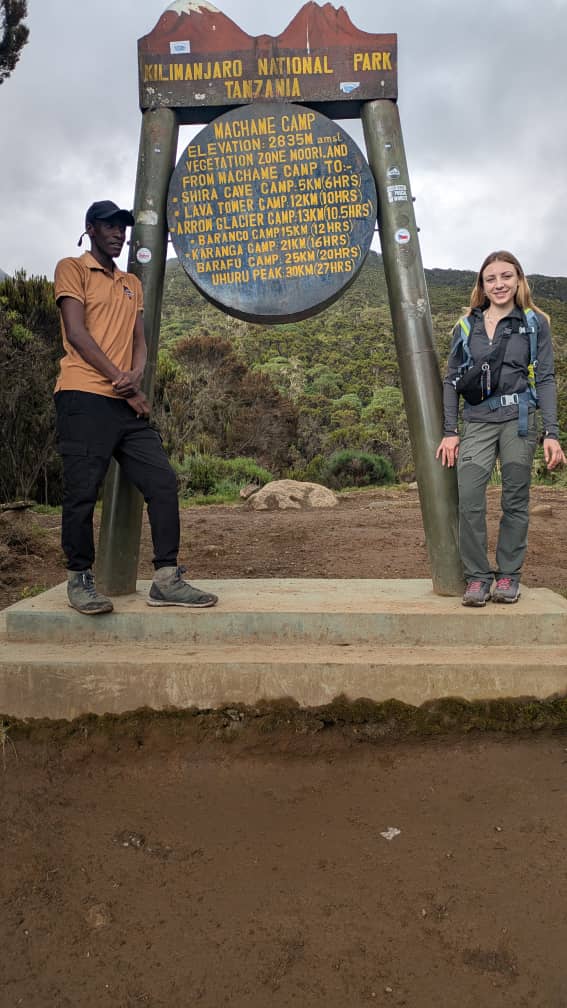
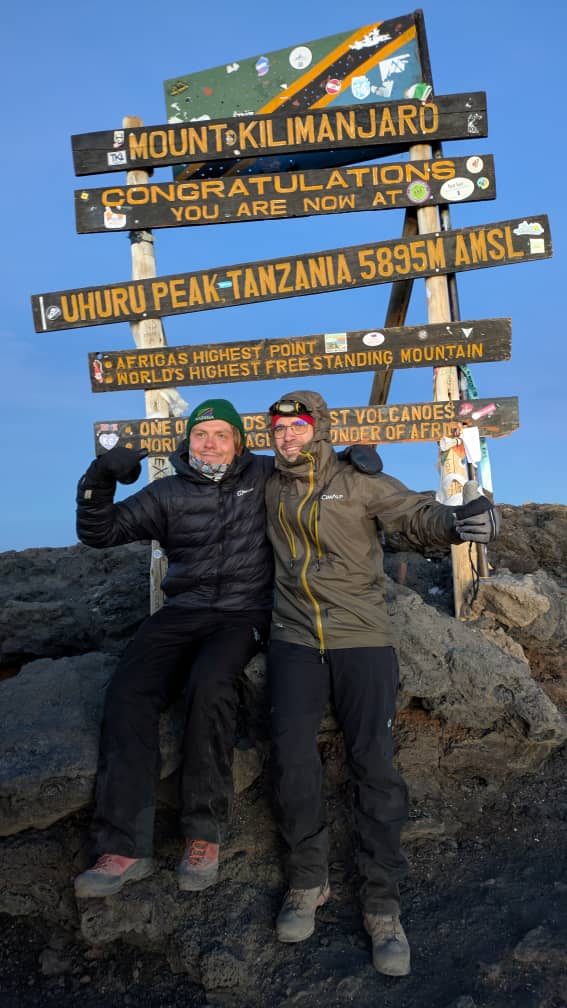
The Lemosho Route is widely recognized as one of the most scenic and successful paths to the summit of Mount Kilimanjaro. Choosing an expert-guided Lemosho Route group climb offers a fantastic opportunity to experience this majestic mountain with the support of seasoned professionals and fellow adventurers. This guide provides an in-depth look at what to expect, how to prepare, and why this route, especially when part of a group expedition, stands out for its high success rates and breathtaking vistas.
What is the Lemosho Route?
The Lemosho Route is a popular ascent path on Mount Kilimanjaro, known for its gradual acclimatization profile, stunning scenery, and high success rates. Originating from the western side of the mountain, it begins in the remote Lemosho Glades and traverses the Shira Plateau before joining the Barranco Wall and proceeding towards the summit. Its longer duration, typically 7 to 8 days, allows for better acclimatization, which is crucial for reaching Uhuru Peak, the highest point in Africa.
Why Choose a Lemosho Route Group Climb?
Opting for an expert-guided Lemosho Route group climb offers several distinct advantages:
- Shared Experience: Trekking with a group of like-minded individuals creates a supportive and motivating atmosphere. You’ll share the challenges and triumphs with others, fostering camaraderie and lasting friendships.
- Cost-Effectiveness: Group departures often reduce the overall cost per person compared to private treks, making the adventure more accessible. This is especially true for shared departures where costs are distributed among participants.
- Expert Support: An expert-guided climb ensures you are accompanied by experienced guides, porters, and cooks who are knowledgeable about the mountain, safety protocols, and the needs of trekkers. They handle logistics, navigation, and emergencies, allowing you to focus on the climb.
- Logistical Ease: The tour operator handles all the complex arrangements, including park permits, food, equipment, and transportation, simplifying your planning process.
- Enhanced Safety: Experienced guides are trained to monitor altitude sickness and other potential issues. A group setting also means more eyes looking out for each other and a greater collective ability to manage unforeseen circumstances.
Lemosho Route Quick Facts
| Feature | Details |
|---|---|
| Starting Point | Lemosho Glades (Western side) |
| Ending Point | Mweka Gate (Southern side) |
| Typical Duration | 7 to 8 days |
| Success Rate | High (especially with 7-8 day itineraries) |
| Scenery | Excellent, diverse landscapes |
| Acclimatization | Very good |
| Crowds | Less crowded initially, joins other routes later |
| Difficulty | Moderate to Strenuous |
Lemosho Route Overview and Map
The Lemosho Route is celebrated for its beauty and its effective acclimatization profile. It starts in the remote Lemosho Glades, offering a true wilderness experience in its initial days. The route then crosses the expansive Shira Plateau, providing dramatic views of the Shira Ridge and Mount Meru. It subsequently merges with the Machame Route, passing iconic landmarks like the Barranco Wall and Lava Tower. The final push to the summit is via Stella Point or Gilman’s Point, descending along the Mweka Route.
Route Progression:
Conceptual Route Flow (not a literal map)
- Day 1: Londorossi Gate to Mti Mkubwa Camp
- Day 2: Mti Mkubwa Camp to Shira 1 Camp
- Day 3: Shira 1 Camp to Shira 2 Camp (via Shira Ridge)
- Day 4: Shira 2 Camp to Barranco Camp (via Lava Tower)
- Day 5: Barranco Camp to Karanga Camp (via Barranco Wall)
- Day 6: Karanga Camp to Barafu Camp
- Day 7: Barafu Camp to Summit (Uhuru Peak) and descend to Mweka Camp
- Day 8: Mweka Camp to Mweka Gate
Best Time for a Lemosho Route Group Climb
The optimal times for trekking Kilimanjaro, including the Lemosho Route, are during the dry seasons. These periods offer clearer skies, less rain, and more stable weather conditions, enhancing both safety and enjoyment.
- January to March: Another dry season, often with colder temperatures and potentially snow on the summit. Good visibility.
- June to October: The longest dry season, characterized by pleasant temperatures during the day and cooler nights. This is a very popular time to climb.
The rainy seasons (April-May and November) are generally discouraged due to muddy trails, heavy rainfall, and reduced visibility, though they can offer fewer crowds and lower prices. For planning your 2026-2027 trek, consider booking during these dry windows.
Lemosho Route Itinerary Options
The Lemosho Route is typically offered in 7 or 8-day itineraries. While a 6-day option exists, it is strongly discouraged as it compromises acclimatization and significantly reduces success rates.
7-Day Lemosho Route Itinerary
This is a popular choice, balancing acclimatization with a slightly shorter trek time.
| Day | Start | End | Altitude (m/ft) | Approx. Trekking Time | Highlights |
|---|---|---|---|---|---|
| 1 | Londorossi Gate | Mti Mkubwa Camp | 2,360m / 7,743ft | 3-4 hours | Forest zone, initial ascent |
| 2 | Mti Mkubwa Camp | Shira 1 Camp | 3,500m / 11,483ft | 5-6 hours | Entering moorland, Shira Plateau views |
| 3 | Shira 1 Camp | Shira 2 Camp | 3,850m / 12,631ft | 4-5 hours | Traversing Shira Plateau, stunning vistas |
| 4 | Shira 2 Camp | Barranco Camp | 3,950m / 12,959ft | 5-7 hours | Crossing Lava Tower (4,600m), descent to Barranco |
| 5 | Barranco Camp | Karanga Camp | 3,930m / 12,894ft | 3-4 hours | Climbing the Barranco Wall, scenic trek |
| 6 | Karanga Camp | Barafu Camp | 4,650m / 15,256ft | 3-4 hours | Alpine desert, preparing for summit push |
| 7 | Barafu Camp | Uhuru Peak & Mweka Camp | 5,895m / 19,341ft (Summit) 3,100m / 10,171ft (Mweka) |
10-15 hours (total) | Summit night, sunrise, descent |
| 8 | Mweka Camp | Mweka Gate | 1,650m / 5,413ft | 3-4 hours | Final descent through forest |
8-Day Lemosho Route Itinerary
This extended itinerary offers an extra day for acclimatization, significantly increasing your chances of summit success and providing a more relaxed pace.
| Day | Start | End | Altitude (m/ft) | Approx. Trekking Time | Highlights |
|---|---|---|---|---|---|
| 1 | Londorossi Gate | Mti Mkubwa Camp | 2,360m / 7,743ft | 3-4 hours | Forest zone, initial ascent |
| 2 | Mti Mkubwa Camp | Shira 1 Camp | 3,500m / 11,483ft | 5-6 hours | Entering moorland, Shira Plateau views |
| 3 | Shira 1 Camp | Shira 2 Camp | 3,850m / 12,631ft | 4-5 hours | Traversing Shira Plateau, stunning vistas |
| 4 | Shira 2 Camp | Barranco Camp | 3,950m / 12,959ft | 5-7 hours | Crossing Lava Tower (4,600m), descent to Barranco |
| 5 | Barranco Camp | Karranga Camp | 3,930m / 12,894ft | 3-4 hours | Climbing the Barranco Wall, scenic trek |
| 6 | Karranga Camp | Barafu Camp | 4,650m / 15,256ft | 3-4 hours | Alpine desert, preparing for summit push |
| 7 | Barafu Camp | Summit & Kosovo Camp (or Mweka Camp) | 5,895m / 19,341ft (Summit) 4,800m / 15,748ft (Kosovo) 3,100m / 10,171ft (Mweka) |
10-15 hours (total) | Summit night, sunrise, descent to Kosovo/Mweka |
| 8 | Kosovo Camp / Mweka Camp | Mweka Gate | 1,650m / 5,413ft | 3-5 hours | Final descent through forest |
The 8-day itinerary often includes an additional camp at Kosovo Camp (around 4,800m) after Barafu Camp, which is higher and offers a shorter final summit push. This is a common strategy for maximizing acclimatization and success rates.
What to Expect on the Trail
Trekking the Lemosho Route is a gradual immersion into Kilimanjaro’s diverse ecosystems. The initial days are spent traversing lush montane forests, home to colobus monkeys and diverse birdlife. As you ascend, the landscape transitions to the open moorland, characterized by giant heathers and groundsels. Further up, you enter the alpine desert, a stark, rocky terrain with minimal vegetation. The final ascent to the summit is across scree and ice, under the vast, open sky.
Each day typically involves hiking for 4-7 hours, with meals provided by your crew. Campsites are usually set up in designated areas, offering basic amenities. The air becomes thinner with altitude, and temperatures drop significantly, especially at night and during the summit push.
Acclimatization: The Key to Success
Proper acclimatization is the single most important factor for reaching the summit of Kilimanjaro. The Lemosho Route, with its 7 or 8-day duration, is designed to facilitate this. Key principles include:
- ‘Pole Pole’ (Slowly, Slowly): Walk at a pace that allows you to hold a conversation without becoming breathless.
- Ascend High, Sleep Low: The route’s design, particularly with the inclusion of Lava Tower and Barranco Wall ascents followed by descents to camp, follows this principle.
- Hydration: Drink plenty of fluids (3-4 liters per day) to help your body adjust to the altitude.
- Monitor Symptoms: Be honest with your guides about any symptoms of altitude sickness (headache, nausea, dizziness). Early detection and management are vital.
The 8-day itinerary, with its slightly slower pace and potential for an extra acclimatization day, generally offers superior acclimatization compared to the 7-day version.
Gear and Packing Essentials
Proper gear is essential for comfort and safety on Kilimanjaro. Layers are key to managing temperature fluctuations.
| Category | Essential Items |
|---|---|
| Clothing (Layers) | Base layers (thermal tops & bottoms), mid-layers (fleece jacket), outer shell (waterproof & windproof jacket and trousers), insulated down jacket, hiking trousers, hiking shorts, t-shirts, warm hat, sun hat, gloves (liner and waterproof outer). |
| Footwear | Broken-in hiking boots (waterproof), camp shoes/sandals, warm socks (wool or synthetic), liner socks. |
| Sleeping Gear | Sleeping bag (rated to -15°C / 0°F), sleeping bag liner, inflatable sleeping pad (optional, but recommended for comfort). |
| Backpack & Bags | Duffel bag (for porters), daypack (30-40 liters), waterproof stuff sacks/dry bags. |
| Trekking Accessories | Trekking poles, headlamp with extra batteries, sunglasses, water bottles/hydration reservoir (at least 3 liters capacity), water purification tablets/filter. |
| Personal Items | Sunscreen (high SPF), lip balm with SPF, insect repellent, personal first-aid kit, toiletries, hand sanitizer, quick-dry towel, camera, power bank. |
| Documents | Passport, visa (if required), travel insurance details, vaccination certificates, cash (USD for tips and extras). |
Your tour operator will provide a detailed packing list. Ensure all gear is tested before your trip.
Physical Preparation for Kilimanjaro
While Kilimanjaro is not a technical climb, it requires significant cardiovascular fitness and endurance. Focus on training that mimics the demands of trekking:
- Cardiovascular Exercise: Aim for 3-4 sessions per week of activities like running, cycling, swimming, or brisk walking.
- Hiking with a Pack: Regularly hike on varied terrain, preferably with hills or stairs, carrying a backpack with weight (5-10 kg) to simulate mountain conditions.
- Strength Training: Focus on leg strength (squats, lunges) and core stability.
- Stamina Building: Incorporate longer hikes (3-5 hours) on weekends to build endurance.
Start your training at least 2-3 months before your departure date for your 2026-2027 climb.
Food and Hydration on the Mountain
Your trekking crew will provide nutritious meals designed to fuel your body at altitude. Expect a variety of carbohydrates, proteins, and vegetables. Breakfasts often include oatmeal, eggs, or pancakes. Lunches are typically packed meals or hot lunches at designated spots, featuring sandwiches, soups, or rice dishes. Dinners are usually hearty meals like stews, pasta, or chicken with rice.
Hydration is critical. You’ll be provided with boiled water, which you should supplement with electrolyte powders or tablets. Avoid alcohol and excessive caffeine, as they can contribute to dehydration.
Safety and Expert Guidance
Safety is paramount on Kilimanjaro. An expert-guided Lemosho Route group climb means you are in the care of professionals:
- Experienced Guides: Kilimanjaro guides are trained in first aid, high-altitude medicine, and mountain rescue. They constantly monitor trekkers for signs of altitude sickness.
- Oxygen Monitoring: Guides often use pulse oximeters to check blood oxygen levels and heart rates.
- Emergency Procedures: Established protocols are in place for evacuations and medical emergencies.
- Porters: A well-organized team of porters ensures your gear is carried, freeing you to focus on the climb.
- Communication: Guides carry satellite phones or other communication devices for emergencies.
Choosing a reputable operator like Top Guide Adventures ensures you have a highly trained and experienced team dedicated to your safety and success.
Group Dynamics and Trekking Companions
Trekking in a group can be a rewarding social experience. You’ll meet people from diverse backgrounds, all united by the common goal of reaching Kilimanjaro’s summit. Respecting each other’s pace, space, and needs is important. Your guides will facilitate a positive group dynamic, ensuring everyone feels supported. While individual experiences vary, the shared journey often leads to strong bonds and mutual encouragement.
Common Mistakes to Avoid
To maximize your chances of success and enjoyment on the Lemosho Route group climb, be aware of these common pitfalls:
- Inadequate Preparation: Underestimating the physical demands or not training sufficiently.
- Poor Acclimatization: Rushing the ascent, ignoring ‘pole pole’, or not drinking enough water.
- Improper Gear: Wearing cotton, not having waterproofs, or using new, untested boots.
- Ignoring Symptoms: Downplaying or hiding signs of altitude sickness from your guides.
- Dehydration: Not drinking enough fluids, especially on summit night.
- Overpacking: Carrying unnecessary weight, which can be exhausting.
- Choosing the Wrong Operator: Opting for the cheapest option can compromise safety, guide quality, and overall experience.
Who is a Lemosho Route Group Climb Best For?
The Lemosho Route group climb is ideal for:
- First-time Kilimanjaro Trekkers: Its gradual ascent and good acclimatization profile make it suitable for those new to high-altitude trekking.
- Scenery Enthusiasts: The route offers some of the most diverse and stunning landscapes on the mountain.
- Trekkers Prioritizing Success: The longer duration and excellent acclimatization significantly boost summit success rates.
- Those Seeking a Wilderness Experience: The initial days on the western side feel more remote and less crowded.
- Budget-Conscious Travelers: Group departures offer a more affordable way to experience the Lemosho Route with expert support.
- Social Trekkers: Individuals who enjoy the camaraderie and shared experience of trekking with others.
Alternative Kilimanjaro Routes
While Lemosho is excellent, other routes are available:
- Machame Route: Also known as the ‘Whiskey Route’, it’s popular for its scenic beauty and good acclimatization (6-7 days). It is generally more crowded than Lemosho. See our Machame Route group departures.
- Marangu Route: The ‘Coca-Cola Route’, it’s the only route with hut accommodation and is often the shortest (5-6 days). It has a lower success rate due to a less gradual ascent.
- Northern Circuit: The longest route (9-10 days), offering the best acclimatization and highest success rates, with a full circuit around the mountain.
- Rongai Route: Approaches from the north, making it a good option during the rainy season.
For those interested in combining Kilimanjaro with a safari, explore our Tanzania safari group departures and related blog articles.
Planning Your 2026-2027 Lemosho Trek
Planning ahead is crucial for a successful Kilimanjaro expedition, especially for 2026 and 2027 departures. Here’s a timeline and checklist:
Booking Timeline
| Timeframe | Action Items |
|---|---|
| 12-18 Months Prior | Research routes and operators. Decide on your preferred itinerary (e.g., 8-day Lemosho). Book your trek. Purchase travel insurance. |
| 6-12 Months Prior | Begin focused physical training. Start researching and purchasing essential gear. |
| 3-6 Months Prior | Intensify training. Acquire specialized gear (boots, sleeping bag, down jacket). Confirm visa requirements. |
| 1-3 Months Prior | Finalize gear purchases. Pack and test all equipment. Get necessary vaccinations/medications. Book flights. |
| 2-4 Weeks Prior | Lighten training but maintain activity. Finalize trip details. Inform your bank of travel plans. |
| During Trek | Follow guide instructions, stay hydrated, eat well, and enjoy the journey! |
| Post-Trek | Share your experience, review your operator. Plan your next adventure! |
Essential Planning Checklist
- [ ] Choose and book Lemosho Route group climb (7 or 8 days)
- [ ] Select a reputable tour operator
- [ ] Purchase comprehensive travel insurance (including high-altitude trekking and emergency evacuation)
- [ ] Obtain necessary visas and vaccinations
- [ ] Book international and domestic flights
- [ ] Develop a consistent physical training plan (cardio, strength, hiking)
- [ ] Acquire appropriate gear:
- [ ] – Layered clothing (thermals, fleece, waterproofs)
- [ ] – Insulated down jacket
- [ ] – Broken-in waterproof hiking boots
- [ ] – Warm sleeping bag (-15°C rating)
- [ ] – Trekking poles
- [ ] – Headlamp
- [ ] – Water bottles/hydration system
- [ ] – Sun protection (hat, sunglasses, sunscreen)
- [ ] – First-aid kit
- [ ] – Duffel bag and daypack
- [ ] – Medications (personal and altitude sickness prophylaxis, if prescribed)
- [ ] Arrange airport transfers
- [ ] Understand tipping guidelines for guides and porters
- [ ] Inform your doctor about your travel plans and any prescribed medications
- [ ] Pack important documents (passport, insurance, flight details)
- [ ] Plan for post-trek relaxation or other activities in Tanzania
Why Book Your Lemosho Group Climb with Us?
At Best Tanzania Tour Operator, we are dedicated to providing exceptional Kilimanjaro trekking experiences. Our expert-guided Lemosho Route group climbs are designed for safety, success, and an unforgettable adventure. We pride ourselves on:
- Experienced & Certified Guides: Our guides are highly trained, knowledgeable, and passionate about Kilimanjaro.
- High Safety Standards: We adhere to strict safety protocols and ensure our crew is well-equipped.
- Quality Equipment: We provide high-quality tents, sleeping mats, and ensure our porters are well-equipped and treated ethically.
- Nutritious Meals: Our chefs prepare delicious and energizing meals to keep you going.
- Ethical Trekking: We are committed to fair wages and working conditions for our entire mountain crew.
- Small Group Sizes: We maintain smaller group sizes for a more personalized experience and better support.
- Proven Success Rates: Our itineraries and guidance are optimized for high summit success.
We offer a range of group departures for 2026 and 2027. Connect with us to find the perfect fit for your Kilimanjaro dream. See our traveler feedback and visit our other website www.topguideadventures.com for more information.
What Our Trekkers Say
Hear from adventurers who have successfully summited Kilimanjaro with our expert guidance:
“The Lemosho route was incredible! Our guides were knowledgeable and kept us motivated. The food was surprisingly good, and the whole team made sure we were safe. Highly recommend Top Guide Adventures!” – Sarah K.
“An unforgettable experience. The 8-day Lemosho route allowed for perfect acclimatization. Summit night was tough but worth it. The group camaraderie was amazing.” – David L.
“From start to finish, Top Guide Adventures exceeded expectations. The Lemosho route is stunning, and their support was invaluable. I felt safe and well-cared for.” – Emily R.
Find more reviews on TripAdvisor and follow our latest adventures on Instagram.
Booking Your Expert-Guided Lemosho Route Group Climb
When booking your expert-guided Lemosho Route group climb for 2026 or 2027, consider these points:
- Reputation and Reviews: Look for operators with consistently positive reviews and a strong track record.
- Inclusions and Exclusions: Understand what is covered in the price (permits, food, guides, porters, accommodation before/after) and what is not (tips, personal gear, flights, insurance).
- Guide-to-Trekker Ratio: A lower ratio generally means more personalized attention and safety.
- Porter Welfare: Ensure the operator treats their porters ethically, providing fair wages, proper gear, and adequate food.
- Itinerary Length: For Lemosho, opt for a 7 or, ideally, an 8-day itinerary for best acclimatization.
- Group Size: Decide if you prefer a smaller, more intimate group or a larger one.
- Communication: Choose an operator that is responsive and provides clear, detailed information.
Contact us directly to discuss your needs and secure your spot on a 2026-2027 Lemosho Route group climb. We are here to answer all your questions and help you plan the adventure of a lifetime.
Frequently Asked Questions
Q1: Is the Lemosho Route suitable for beginners?
Yes, the Lemosho Route is generally considered one of the best routes for beginners due to its gradual ascent, scenic beauty, and excellent acclimatization profile, especially when trekked over 7 or 8 days. The expert guidance provided on a group climb further enhances safety and support for less experienced trekkers.
Q2: What is the success rate for the Lemosho Route group climb?
The success rate for the Lemosho Route is high, particularly for 7 and 8-day itineraries. While exact percentages vary by operator and individual factors, an 8-day trek on Lemosho typically sees success rates above 85-90%. Proper acclimatization, physical preparation, and expert guidance are key factors.
Q3: How cold does it get on Kilimanjaro?
Temperatures on Kilimanjaro can vary significantly. At base camp (around 4,000m), night temperatures can drop to between -5°C and -10°C (14°F to 23°F). On summit night, temperatures can fall to -15°C to -20°C (5°F to -4°F), with wind chill making it feel even colder. Proper layering, including a warm down jacket and gloves, is essential.
Q4: What kind of food is served on the Lemosho Route?
Your trekking crew will provide three nutritious meals a day, plus snacks. Meals are designed to be high in carbohydrates for energy. Expect dishes like porridge, eggs, pancakes for breakfast; sandwiches, pasta, rice, and vegetables for lunch; and stews, chicken, beef, or vegetarian curries for dinner. Fresh fruit and hot drinks are also provided.
Q5: How much should I tip the guides and porters?
Tipping is customary and greatly appreciated. A general guideline for an 8-day Lemosho trek is around $250-$350 per trekker for the entire crew (guides, assistant guides, cook, porters). Your operator will provide specific recommended tipping guidelines, often broken down per crew member. Ensure you carry enough USD cash for tips.
Q6: Can I book a Lemosho Route group climb for 2026 or 2027?
Yes, absolutely. We offer scheduled group departures for the Expert-Guided Lemosho Route group climb for 2026 and 2027. It’s advisable to book well in advance, especially for peak season dates, to secure your spot. Contact us to view our 2026-2027 departure calendar.
Q7: What is the difference between the 7-day and 8-day Lemosho Route?
The primary difference is the inclusion of an extra day for acclimatization on the 8-day itinerary. This typically means a slower pace, an extra camp at a higher altitude, or a rest day, all of which significantly improve acclimatization and increase summit success rates compared to the 7-day version. The 8-day is strongly recommended.
Q8: What happens if I get altitude sickness?
Your guides are trained to recognize and manage altitude sickness. If symptoms appear, they will assess your condition. Mild symptoms might be managed with rest, hydration, and medication. Moderate to severe symptoms will require descent to a lower altitude, which is the most effective treatment. Your safety is the top priority.
Q9: Do I need specific vaccinations for Kilimanjaro?
While there is no mandatory vaccination for Kilimanjaro itself, Yellow Fever vaccination may be required if you are arriving from or traveling through certain African countries. It’s recommended to consult your doctor or a travel clinic about routine vaccinations and malaria prophylaxis, especially if you’ll be spending time in other parts of Tanzania. Discussing altitude sickness medication like Diamox with your doctor is also advisable.
Q10: What is the terrain like on the Lemosho Route?
The terrain varies greatly. The lower sections are through lush rainforests with well-trodden paths. You’ll then traverse open moorlands and alpine deserts with rocky trails, scree slopes, and volcanic scree. The final ascent involves climbing on scree and potentially ice, especially near the crater rim and on the way to Uhuru Peak.
Ready to Climb Kilimanjaro? Book Your Expert-Guided Lemosho Route Group Climb!
An expert-guided Lemosho Route group climb is an extraordinary journey offering breathtaking scenery, a profound personal challenge, and the camaraderie of fellow adventurers. With its excellent acclimatization profile and high success rates, it’s a top choice for reaching the Roof of Africa.
Let us guide you to the summit. We specialize in creating memorable and safe Kilimanjaro expeditions. Whether you’re planning for 2026, 2027, or 2028, we have group departures that fit your schedule.
Contact us today to book your Expert-Guided Lemosho Route group climb:
- WhatsApp: +255616946642
- Email: topguideadventures@gmail.com
- Backup Email: info@topguideadventures.com
Don’t miss the chance to experience the magic of Kilimanjaro. We look forward to helping you achieve your summit dreams!
Complete Expert-Guided Lemosho Route Group Climb Planning Details for 2026- 2027-2028
Expert-Guided Lemosho Route Group Climb needs more than a quick description because travelers normally want to understand timing, route logic, comfort level, inclusions, local support, safety, and how the trip fits with the rest of a Tanzania journey. For 2026- 2027-2028, the best plan is to compare the route, travel month, daily pace, accommodation style, and transport arrangement before confirming.
A strong plan should explain where the trip starts, what happens each day, how long transfers may take, what travelers should prepare, and which parts can be customized. This makes the page useful for families, couples, solo travelers, private groups, budget travelers, mid-range guests, and luxury travelers.
Important things to confirm before booking
- Exact starting point and pickup time.
- Accommodation level or day-trip timing.
- Transport type and guide arrangement.
- Park fees, activities, meals, drinking water, and transfers.
- Best travel month for weather, wildlife, trekking, beaches, or photography.
- Payment plan, deposit, cancellation terms, and changes if travel dates move.
Expert-Guided Lemosho Route Group Climb Sample Structure and Route Logic
Most travelers choose Expert-Guided Lemosho Route Group Climb because they want a clear experience that is easy to understand and simple to book. The structure should feel practical: arrival or pickup, main activity, important stops, relaxed timing, overnight or return plan, and final drop-off. When the topic involves safari, the route should respect park distance and game drive time. When it involves Kilimanjaro, the route should respect acclimatization and safe pacing. When it involves Zanzibar, the plan should balance ocean activities, culture, relaxation, and transfer time.
| Planning Area | What to Check | Why It Matters |
|---|---|---|
| Timing | Season, pickup time, daily pace, and activity duration | Helps avoid rushed travel and gives better value |
| Comfort | Budget, mid-range, luxury, private, or shared style | Matches the trip with the traveler expectation |
| Logistics | Transfers, vehicle, guide, permits, and entry rules | Prevents surprises during the trip |
| Booking | Deposit, availability, route, inclusions, and final balance | Makes confirmation smooth and transparent |
Top Guide Adventures Recommendation
Best Tanzania Tour operator recommends treating Expert-Guided Lemosho Route Group Climb as a complete travel plan rather than only a title. A good operator should explain the route, guide support, what is included, what is excluded, how timing works, and what can be adjusted. Travelers can also compare Tanzania safari group departures and shared tours, check Machame Route Kilimanjaro group departures, or read more articles in the Tanzania safari tours blog.
For a more personal look at current trips and field updates, travelers may follow Top Guide Adventures on Instagram, review traveler feedback on Tripadvisor, or visit our another website.
Expert-Guided Lemosho Route Group Climb FAQs for 2026- 2027-2028
How early should I book Expert-Guided Lemosho Route Group Climb?
Booking early is better for 2026- 2027-2028, especially for high season, family travel, group departures, Kilimanjaro routes, Serengeti safaris, Zanzibar holidays, and private customized tours.
Can this trip be customized?
Yes. The route, accommodation level, pace, pickup point, and add-ons can usually be adjusted depending on availability and the travel dates.
Is Expert-Guided Lemosho Route Group Climb suitable for first-time travelers?
Yes, when the itinerary is explained clearly and the guide support is reliable. First-time travelers should ask for a simple day-by-day plan, inclusions, exclusions, and preparation notes.
What should I ask before confirming?
Ask about transport, guide, meals, park or activity fees, accommodation, payment plan, cancellation terms, and what happens if weather or travel timing changes.
Expert-Guided Lemosho Route Group Climb Detailed Cost and Value Notes
Cost can change by season, accommodation level, group size, park rules, transfer distance, and activity style. A useful page should explain what usually affects price rather than only giving one short number. Travelers comparing this topic for 2026-2027 should check whether transport, guide, meals, drinking water, accommodation, park fees, permits, and airport transfers are included.
Expert-Guided Lemosho Route Group Climb should be explained with enough detail for a traveler to understand the route, timing, comfort level, inclusions, exclusions, preparation, and booking steps. Repeating the focus topic naturally in helpful planning areas makes the article stronger without stuffing keywords.
Expert-Guided Lemosho Route Group Climb Best Traveler Type for This Plan
This plan can work for different travelers when the details are adjusted correctly. Families may need softer timing and private transport, couples may prefer better rooms and scenic pacing, group travelers may focus on shared departures and value, while photographers may need more time in key locations.
Expert-Guided Lemosho Route Group Climb should be explained with enough detail for a traveler to understand the route, timing, comfort level, inclusions, exclusions, preparation, and booking steps. Repeating the focus topic naturally in helpful planning areas makes the article stronger without stuffing keywords.
Expert-Guided Lemosho Route Group Climb Common Booking Mistakes to Avoid
Common mistakes include choosing only by the cheapest price, ignoring transfer time, booking without checking inclusions, using a rushed itinerary, not confirming accommodation names, and failing to ask how changes are handled if flights, weather, or park timing changes.
Expert-Guided Lemosho Route Group Climb should be explained with enough detail for a traveler to understand the route, timing, comfort level, inclusions, exclusions, preparation, and booking steps. Repeating the focus topic naturally in helpful planning areas makes the article stronger without stuffing keywords.
Expert-Guided Lemosho Route Group Climb What Makes a Strong Itinerary
A strong itinerary has a clear start point, realistic daily timing, enough activity time, transparent inclusions, simple communication, and a guide or operations team that understands local routes. It should also leave space for comfort, photos, meals, and unexpected delays.
Expert-Guided Lemosho Route Group Climb should be explained with enough detail for a traveler to understand the route, timing, comfort level, inclusions, exclusions, preparation, and booking steps. Repeating the focus topic naturally in helpful planning areas makes the article stronger without stuffing keywords.
Expert-Guided Lemosho Route Group Climb Final Planning Advice for 2026-2027
For 2026-2027, travelers should book early for busy seasons, compare the exact route carefully, ask for written inclusions and exclusions, and choose an operator who can explain the trip in practical language. This helps the page become useful for both planning and booking intent.
Expert-Guided Lemosho Route Group Climb should be explained with enough detail for a traveler to understand the route, timing, comfort level, inclusions, exclusions, preparation, and booking steps. Repeating the focus topic naturally in helpful planning areas makes the article stronger without stuffing keywords.
Plan your Expert-Guided Lemosho Route Group Climb with Top Guide Adventures
Tell us your travel dates, group size, comfort level, and dream experience. We will help you shape a clear, realistic, and memorable Tanzania itinerary.







 Veedesigner
 Fatma Kizanga
 Benjamin Waryuba
 Philip Philip
 John jr Itaja
 Antonia Optatus
 Edith Kanyere
 Neema Iddy
 Kelvin Boniphace
 Damari Maiga



