
Updated planning guide for 2026, 2027-2028
Family-Friendly Safari From Moshi: Best Guide 2026-2027-2028
Discover how to plan an unforgettable family-friendly safari starting from Moshi, Tanzania. This comprehensive guide covers everything from choosing parks and planning itineraries to packing essentials and understanding costs for your 2026-2027 adventure.
WhatsApp +255616946642 | topguideadventures@gmail.com | info@topguideadventures.com
Planning a Family-Friendly Safari From Moshi: The Complete Guide
Moshi, Tanzania, serves as a gateway to some of Africa’s most iconic wildlife destinations. While often associated with Kilimanjaro treks, it’s also an excellent starting point for families seeking an unforgettable safari experience. A family-friendly safari from Moshi offers a unique opportunity to introduce children to the wonders of the natural world, creating memories that will last a lifetime. This guide is designed to provide you with all the essential information to plan your adventure, ensuring it’s safe, engaging, and enjoyable for every member of your family.
We understand that planning a safari with children requires special considerations. From selecting the right parks and accommodations to managing travel times and ensuring kid-friendly activities, there’s a lot to think about. This article aims to demystify the process, offering practical advice and insights for families looking to explore the incredible wildlife of Northern Tanzania starting from the vibrant town of Moshi.
Quick Answers for Your Family Safari Planning
What are the best parks for a family-friendly safari from Moshi?
Tarangire National Park is excellent for its large elephant herds and diverse birdlife. Lake Manyara National Park offers tree-climbing lions and a beautiful soda lake. The Serengeti National Park, while vast, can be tailored for family visits, focusing on areas with higher animal concentrations and shorter game drives. Arusha National Park is convenient for shorter trips and offers canoeing and walking safaris.
What is the best time of year for a family safari from Moshi?
The dry seasons (June to October and December to February) are generally best for wildlife viewing as animals congregate around water sources. However, the shoulder months can offer fewer crowds and lush landscapes. For families, avoiding the peak of the long rains (April-May) is advisable.
How long should a family safari from Moshi be?
A minimum of 3-4 days is recommended to experience at least two different parks. Longer trips of 7-10 days allow for deeper exploration of multiple regions like the Serengeti and Ngorongoro Crater.
What are the key considerations for traveling with children on safari?
Safety, engagement, and comfort are paramount. Choose accommodations with family rooms or adjoining tents, opt for shorter game drives, incorporate educational elements, and pack appropriate clothing and entertainment.
Table of Contents
- Quick Facts: Family Safari from Moshi
- Overview: Your Family Safari Adventure
- Why Choose a Family Safari from Moshi?
- Best Time for a Family-Friendly Safari from Moshi
- Top Parks & Regions for Families Near Moshi
- Sample Family Safari Itineraries from Moshi
- What to Expect on a Family Safari
- Inclusions, Packing & Preparation
- Common Mistakes to Avoid
- Who is a Family-Friendly Safari from Moshi Best For?
- Alternatives to a Standard Family Safari
- Planning Your 2026-2027 Family Safari
- Booking Your Family Safari
- Frequently Asked Questions
Quick Facts: Family Safari from Moshi
| Aspect | Details |
|---|---|
| Starting Point | Moshi, Tanzania |
| Primary Goal | Wildlife viewing, cultural experiences, family bonding |
| Key Parks Accessible | Tarangire, Lake Manyara, Serengeti, Ngorongoro Crater, Arusha NP |
| Typical Duration | 3 days to 10+ days |
| Best Age for Children | Generally 6+ for full safaris; younger children can enjoy shorter trips or specific parks. |
| Accommodation Types | Family lodges, tented camps (some with family suites), mobile camps. |
| Travel Style | Private 4×4 safari vehicle with driver-guide is recommended for families. |
| Key Wildlife | Big Five (Lion, Leopard, Elephant, Rhino, Buffalo), Giraffes, Zebras, Wildebeest, Cheetahs, diverse birdlife. |
| Best Season for Families | June-October (dry season), December-February (dry season). Avoid peak rains (April-May). |
Overview: Your Family Safari Adventure
A family-friendly safari from Moshi is more than just a holiday; it’s an educational expedition into the heart of the African wilderness. Imagine your children’s eyes widening as they spot a lion pride resting under a tree, a herd of elephants gracefully crossing the savanna, or a giraffe nibbling acacia leaves. Moshi, nestled at the foot of Mount Kilimanjaro, provides a convenient and scenic launchpad for exploring the world-renowned Northern Circuit of Tanzania. This circuit includes parks like Tarangire, Lake Manyara, the Serengeti, and the Ngorongoro Crater, each offering distinct landscapes and wildlife viewing opportunities perfect for all ages. Planning this type of trip requires careful consideration of logistics, accommodations, and activities to ensure everyone, from the youngest to the oldest, has an enjoyable and safe experience. We focus on creating itineraries that balance exciting wildlife encounters with comfortable travel, engaging activities, and sufficient downtime.
Why Choose a Family Safari from Moshi?
Moshi offers a unique blend of accessibility and proximity to some of Tanzania’s most spectacular natural attractions. Here’s why it’s an ideal starting point for your family safari:
- Proximity to Key Parks: Moshi is relatively close to Arusha National Park and provides good access to the northern safari circuit, including Tarangire, Lake Manyara, and the Ngorongoro Conservation Area. This means less travel time on your first day, which is crucial when traveling with children.
- Gateway to Adventure: Beyond safaris, Moshi is the base for Kilimanjaro climbs. This means excellent infrastructure for tour operators, experienced guides, and a well-established tourism ecosystem ready to cater to diverse traveler needs, including families.
- Cultural Immersion: The region around Moshi offers opportunities for cultural visits, such as to local villages or coffee plantations. These experiences can enrich your safari, providing context and learning beyond just wildlife spotting.
- Variety of Experiences: From game drives in iconic national parks to potential activities like canoeing or walking safaris (age permitting) in areas like Arusha National Park, you can tailor the adventure to your family’s interests and energy levels.
- Expertise Available: As a dedicated Tanzania tour operator based near Moshi, we have in-depth knowledge of family travel dynamics and can customize trips to ensure comfort, safety, and maximum enjoyment for all ages.
Best Time for a Family-Friendly Safari from Moshi
Choosing the right time to visit is essential for a successful family safari. Tanzania experiences distinct wet and dry seasons, each offering different advantages:
- Dry Season (June to October): This is often considered the prime time for safaris. The vegetation is less dense, making animals easier to spot. Water sources are scarce, so animals tend to congregate around rivers and waterholes, leading to concentrated viewing opportunities. This is ideal for families as it increases the chances of seeing a variety of animals. Temperatures are pleasant, though evenings can be cool.
- Short Rains (November to mid-December): This period can be beautiful with greener landscapes and fewer tourists. Wildlife viewing is still good, though animals may be more dispersed than in the dry season. It’s a good option for families looking to avoid peak crowds.
- Long Rains (mid-December to May): This is the low season. While the landscape is lush and vibrant, and birdlife is spectacular, heavy rains can make some roads impassable, potentially disrupting travel plans. Animal sightings can be more challenging as water is plentiful, and animals spread out. However, this period offers lower prices and fewer visitors, which can appeal to some families. The calving season in the Serengeti (typically January-March) is a highlight during this time.
For families, the dry seasons (June-October and December-February) are generally recommended. The period around Christmas and New Year (December-February) offers a unique experience with the start of the great migration calving season in the southern Serengeti, but it’s also a popular and potentially more expensive time. For 2026 and 2027, consider booking well in advance, especially if planning for peak dry season months.
Top Parks & Regions for Families Near Moshi
Moshi is strategically located to access several of Tanzania’s premier wildlife destinations. For families, balancing travel time with exciting wildlife encounters is key. Here are the top recommendations:
1. Tarangire National Park
Why it’s great for families: Tarangire is famous for its massive elephant herds, particularly visible during the dry season when they gather around the Tarangire River. It also boasts an incredible diversity of birdlife and iconic baobab trees, offering a visually rich experience. The park is relatively compact, allowing for good game viewing within shorter drives.
Wildlife highlights: Elephants, lions, leopards, cheetahs, giraffes, zebras, wildebeest, numerous bird species.
Best for: Families who want to see large mammals, especially elephants, and enjoy varied landscapes.
2. Lake Manyara National Park
Why it’s great for families: This park is renowned for its tree-climbing lions, although sightings are not guaranteed. The park is small but diverse, featuring a shallow soda lake that attracts thousands of flamingos (seasonally), groundwater forests, and savanna. It’s perfect for shorter game drives and offers opportunities for walking safaris (for older children, depending on park regulations and guide discretion).
Wildlife highlights: Lions, elephants, hippos, buffalo, baboons, flamingos, diverse birdlife.
Best for: Families looking for a compact park with unique attractions like tree-climbing lions and flamingo flocks.
3. Ngorongoro Conservation Area & Crater
Why it’s great for families: The Ngorongoro Crater is a UNESCO World Heritage Site and a natural amphitheater teeming with wildlife. It offers one of the highest chances of spotting the Big Five (lion, leopard, elephant, rhino, buffalo) in a single day due to its high animal density. The dramatic landscape is awe-inspiring. Access to the crater floor is typically via a game drive, making it accessible for most families.
Wildlife highlights: Big Five, hippos, wildebeest, zebras, various antelope species, abundant birdlife.
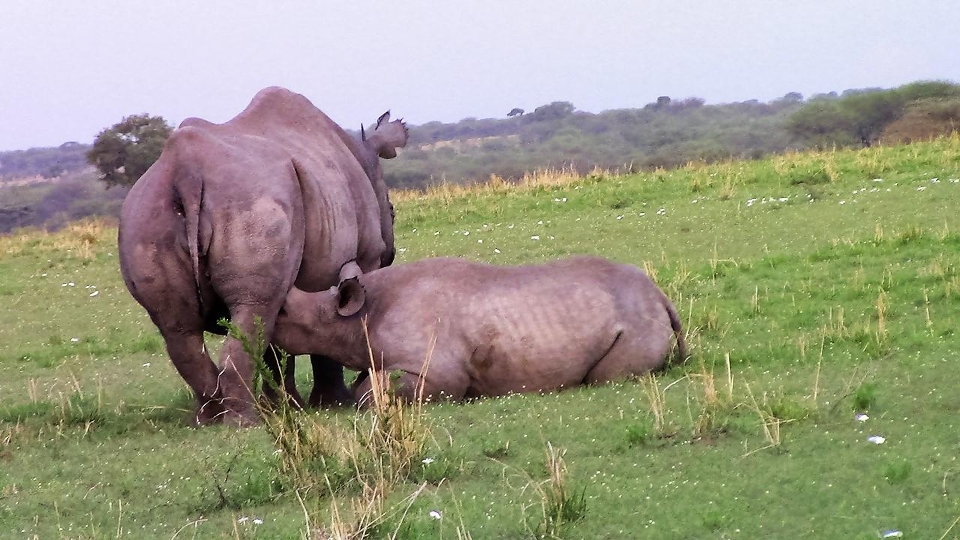
Best for: Families wanting a high probability of seeing iconic African animals, including the rare black rhino, in a stunning setting.
4. Serengeti National Park
Why it’s great for families: The vast plains of the Serengeti offer the quintessential safari experience. While its size means longer drives, focusing on specific regions can make it family-friendly. During the calving season (Jan-Mar), the southern Serengeti is a magnet for predators. The central Serengeti (Seronera) offers excellent year-round sightings. Opting for lodges or tented camps within the park minimizes travel time to game viewing areas.
Wildlife highlights: Lions, leopards, cheetahs, elephants, giraffes, zebras, wildebeest (and the Great Migration), hyenas, hippos.
Best for: Families seeking the classic, expansive savanna safari experience with opportunities to witness the Great Migration or its resident wildlife.
5. Arusha National Park
Why it’s great for families: This park is the closest to Moshi and offers a different kind of safari experience. It’s home to Mount Meru, Momella Lakes, and the Ngurdoto Crater. It’s particularly good for birdwatching and offers unique activities like canoeing on the lakes (age and safety permitting) and guided walking safaris (often with armed rangers, age restrictions apply), providing a more immersive experience for older children.
Wildlife highlights: Giraffes, zebras, various antelope, colobus monkeys, buffalos, hippos, diverse birdlife.
Best for: Families looking for a shorter, more accessible safari experience from Moshi, or those interested in walking and canoeing safaris.
Sample Family Safari Itineraries from Moshi
These itineraries are suggestions and can be fully customized to your family’s specific needs, interests, and pace. We prioritize minimizing long travel days and maximizing wildlife viewing opportunities.
Itinerary 1: Northern Circuit Explorer (7 Days / 6 Nights)
| Day | Location | Activities | Focus |
|---|---|---|---|
| Day 1 | Moshi to Tarangire NP | Morning drive to Tarangire. Afternoon game drive. | Elephant herds, diverse birdlife, baobab trees. |
| Day 2 | Tarangire NP | Full day game drive in Tarangire. | In-depth exploration of Tarangire’s ecosystems. |
| Day 3 | Tarangire to Lake Manyara | Morning game drive in Tarangire. Drive to Lake Manyara. Afternoon game drive. | Transition to Lake Manyara’s unique environment, potential for tree-climbing lions. |
| Day 4 | Lake Manyara to Ngorongoro | Morning exploration of Lake Manyara. Drive to Ngorongoro Conservation Area. Overnight at lodge on crater rim or nearby. | Flamingos, primates, scenic views. |
| Day 5 | Ngorongoro Crater | Full day game drive on the crater floor. | High chance of seeing the Big Five, dense wildlife concentration. |
| Day 6 | Ngorongoro to Serengeti NP (Central) | Morning drive to Serengeti, with optional stop at Olduvai Gorge. Afternoon game drive in Serengeti. | Vast plains, resident wildlife, introduction to Serengeti’s scale. |
| Day 7 | Serengeti to Moshi/Arusha | Morning game drive in Serengeti. Fly from Seronera airstrip to Arusha or drive back to Moshi. | Final wildlife viewing, departure. |
Itinerary 2: Family Fun Focus (5 Days / 4 Nights)
| Day | Location | Activities | Focus |
|---|---|---|---|
| Day 1 | Moshi to Lake Manyara NP | Morning drive to Lake Manyara. Afternoon game drive. | Flamingos, tree-climbing lions (possible), diverse habitats. |
| Day 2 | Lake Manyara to Ngorongoro Crater | Morning game drive in Lake Manyara. Drive to Ngorongoro. Afternoon relaxation or optional cultural visit. | More chances for Manyara’s wildlife, scenic transition to Ngorongoro. |
| Day 3 | Ngorongoro Crater | Full day game drive on the crater floor. | Excellent Big Five viewing, family-friendly pace. |
| Day 4 | Ngorongoro to Tarangire NP | Morning drive to Tarangire. Afternoon game drive. | Focus on elephants and birdlife. |
| Day 5 | Tarangire to Moshi | Morning game drive in Tarangire. Drive back to Moshi. | Final wildlife sightings, departure. |
Itinerary 3: Arusha National Park & Cultural Day Trip (3 Days / 2 Nights)
| Day | Location | Activities | Focus |
|---|---|---|---|
| Day 1 | Moshi to Arusha NP | Morning drive to Arusha National Park. Canoe safari on Momella Lakes or game drive. | Unique wildlife, birdwatching, scenic views of Mt. Meru. |
| Day 2 | Arusha NP / Cultural Experience | Morning walking safari in Arusha NP (age permitting) or further game drives. Afternoon visit to a local Maasai village or coffee plantation near Moshi. | Active safari elements, cultural learning, interaction with local communities. |
| Day 3 | Moshi Exploration & Departure | Leisurely morning in Moshi, souvenir shopping. Transfer to Kilimanjaro International Airport (JRO) or onward travel. | Relaxed departure, reflection on the adventure. |
What to Expect on a Family Safari
A family-friendly safari from Moshi is an immersive experience that engages all the senses. Here’s a breakdown of what you can typically expect:
- Early Mornings: Wildlife is most active during the cooler parts of the day, so expect early starts (around 6:00 AM) for game drives. This is often the best time to spot predators on the move.
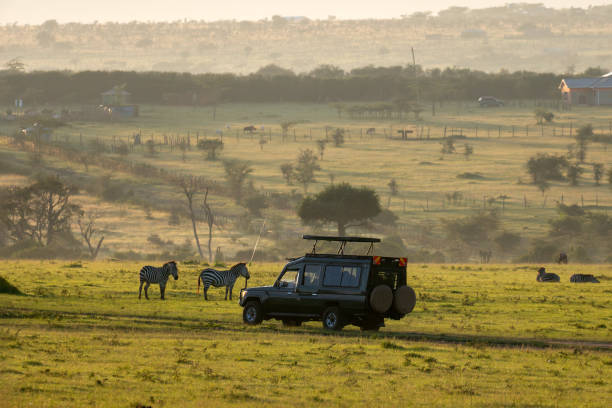
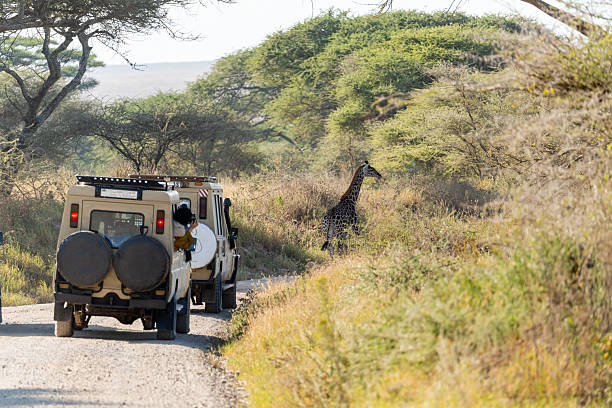
- Game Drives: You’ll travel in a specially adapted 4×4 safari vehicle with a pop-up roof, allowing for unobstructed views and photography. Drives typically last 2-3 hours, with breaks. We tailor the duration and pace for children, incorporating stops for snacks and stretching.
- Wildlife Sightings: While no safari guarantees specific sightings, the Northern Circuit is incredibly rich. You’ll likely see herds of zebras, wildebeest, giraffes, and numerous antelope species. Spotting predators like lions, leopards, and cheetahs requires patience and a bit of luck, but your guide will be skilled at finding them. The Big Five are high on most family wishlists.
- Accommodation: Options range from comfortable lodges with swimming pools and family rooms to luxury tented camps that offer a more adventurous yet comfortable experience. Many camps have family tents or adjoining rooms. Expect amenities like en-suite bathrooms, comfortable beds, and dining areas.
- Meals: Meals are typically served at your lodge or camp. Expect a mix of international and local cuisine, often buffet-style, with options to cater to children’s preferences. Packed lunches are common for full-day game drives.
- Guides: Your driver-guide is your key to the safari. They are knowledgeable about wildlife, animal behavior, and the local environment. They are also trained to handle family dynamics, ensuring safety and engagement for children.
- Pace: Family safaris are generally paced slower than adult-only trips. This means shorter game drives, more breaks, and time for relaxation at the lodge, perhaps by the pool or enjoying the natural surroundings.
- Safety: Safety is paramount. Guides are trained in wildlife behavior and emergency procedures. Children are always briefed on safety rules, such as staying inside the vehicle during game drives and not wandering off at camps.
Inclusions, Packing & Preparation
A well-prepared family makes for a smoother and more enjoyable safari. Here’s what to consider:
Typical Inclusions in a Safari Package:
| Included | Often Excluded |
|---|---|
| Park entrance fees | International flights |
| Accommodation (lodges/camps) | Visas |
| All meals during safari (breakfast, lunch, dinner) | Travel insurance |
| 4×4 safari vehicle with pop-up roof | Tips for guides and staff |
| Professional driver-guide | Personal expenses (souvenirs, drinks) |
| Bottled water during game drives | Optional activities (e.g., hot air balloon safari) |
| Airport transfers | Vaccinations |
Essential Packing List for Families:
- Clothing: Lightweight, neutral-colored clothing (khaki, beige, green, brown). Avoid bright colors and black/blue (can attract insects). Pack long-sleeved shirts and trousers for sun and insect protection, especially in the evenings. Include warm layers (fleece, jacket) for cool mornings and evenings.
- Footwear: Comfortable walking shoes or hiking boots (if planning walking safaris). Sandals or trainers for relaxing at the lodge.
- Sun Protection: Wide-brimmed hats, sunglasses, high SPF sunscreen.
- Insect Repellent: With DEET or Picaridin, especially for evenings.
- Health: Personal first-aid kit, any prescription medications, motion sickness remedies if needed. Consult your doctor about malaria precautions and other recommended vaccinations well in advance.
- Camera & Binoculars: Extra batteries, memory cards, and a good zoom lens are highly recommended. Binoculars are essential for spotting distant wildlife. Consider a pair for each family member.
- Backpack: A small daypack for carrying essentials during game drives (water, snacks, camera, sunscreen).
- Entertainment for Kids: Books, travel games, drawing supplies for downtime or long drives. A journal for kids to record sightings can be very engaging.
- Documents: Passports, visas, vaccination certificates, copies of important documents, travel insurance details.
- Comfort Items: Travel pillows, comfort items for younger children.
Preparation Tips:
- Health Consultations: Visit your doctor or a travel clinic 6-8 weeks before your trip to discuss vaccinations and malaria prophylaxis.
- Travel Insurance: Ensure your policy covers medical emergencies, evacuation, and trip cancellation.
- Educate Children: Talk to your children about the animals they might see and the importance of respecting wildlife and following safety rules. Books or documentaries about African wildlife can build excitement.
- Pack Smart: Soft-sided duffel bags are often preferred over hard suitcases for safari vehicles and small bush planes.
- Hydration: Drink plenty of water to stay hydrated, especially in the dry climate.
Common Mistakes to Avoid
To ensure your family-friendly safari from Moshi is as smooth as possible, be aware of these common pitfalls:
- Over-scheduling: Trying to pack too many parks or activities into a short period can lead to exhaustion, especially for children. Allow for downtime and flexibility.
- Underestimating Travel Times: Distances in Tanzania can be deceiving. Roads can be rough, and travel between parks often takes longer than anticipated. Factor this into your itinerary.
- Ignoring Children’s Needs: A safari should be fun for everyone. Don’t push children too hard with long game drives or early mornings every day. Incorporate activities or breaks that appeal to them.
- Not Packing Appropriately: Forgetting essentials like insect repellent, sun protection, or warm layers can significantly impact comfort. Neutral-colored clothing is also important for blending in.
- Choosing the Wrong Accommodation: Selecting accommodation that isn’t family-friendly (e.g., lacking family rooms, unsuitable for young children) can create logistical challenges and discomfort.
- Not Booking in Advance: Especially for peak seasons like 2026 or 2027, popular lodges and safari vehicles get booked up months, sometimes a year, in advance.
- Focusing Only on the Big Five: While exciting, encourage appreciation for the smaller creatures, birds, and the overall ecosystem. This broadens the experience for children.
- Ignoring Safety Briefings: Always listen to your guide’s safety instructions. Staying within designated areas and following rules is crucial for everyone’s well-being.
Who is a Family-Friendly Safari from Moshi Best For?
A family-friendly safari from Moshi is ideal for:
- Families with Children aged 6 and above: While younger children can enjoy shorter trips, children aged 6 and up generally have the patience and stamina for longer game drives and the overall safari experience. They can actively participate and learn.
- Families seeking Educational Experiences: A safari is a living classroom. It’s perfect for families who want to teach their children about wildlife, conservation, and different cultures in an engaging, hands-on way.
- Adventure-Loving Families: For families who enjoy the outdoors and are looking for an exciting, unique travel experience that goes beyond typical beach holidays or theme parks.
- Multi-Generational Families: With careful planning, safaris can cater to different age groups and mobility levels, making them suitable for grandparents, parents, and children traveling together.
- Families interested in Photography and Nature: Anyone with an appreciation for stunning landscapes, incredible wildlife photography opportunities, and the raw beauty of the African wilderness.
- Families looking for a break from routine: It offers a chance to disconnect from daily life and reconnect with each other in an extraordinary natural setting.
It might be less suitable for families with very young infants or toddlers who require constant supervision and may not cope well with early mornings, long drives, or the ruggedness of some safari environments. However, with careful selection of parks (like Arusha NP) and accommodations, even shorter trips can be adapted.
Alternatives to a Standard Family Safari
While a traditional safari is fantastic, other options can cater to specific family needs or interests:
- Short Safaris (1-3 days): Focus on parks closest to Moshi like Arusha National Park or a quick trip to Lake Manyara. This is great for families with limited time or very young children.
- Cultural Tourism Focus: Combine a shorter safari with more in-depth cultural experiences, such as visiting Maasai villages, learning about local crafts, or exploring coffee plantations. This adds another layer of learning and interaction.
- Walking Safaris (Age/Location Dependent): In certain areas of Tanzania (like parts of the Ngorongoro Conservation Area or near Arusha NP), guided walking safaris can offer a different perspective. These are typically for older children (often 12+) and require strict adherence to safety protocols.
- Canoe Safaris: Available in places like Arusha National Park, this offers a peaceful way to observe wildlife from the water, often with excellent birdwatching opportunities.
- Fly-in Safaris: For families prioritizing comfort and minimizing travel time between distant parks like the Serengeti, fly-in safaris from Arusha or Kilimanjaro are an option. This is generally a more expensive but very efficient way to explore.
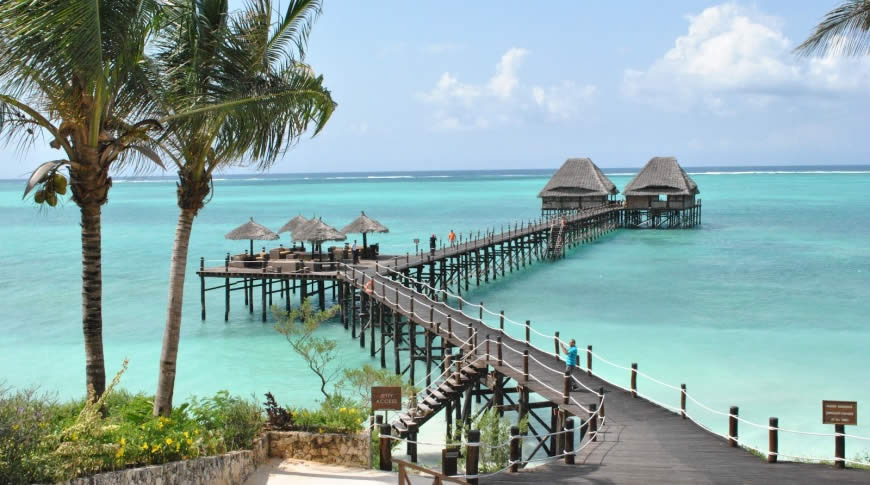
- Combine with Zanzibar: Many families opt to combine a Northern Circuit safari with a relaxing beach holiday on the island of Zanzibar. This offers a contrast of adventure and relaxation.
Planning Your 2026-2027 Family Safari
Planning ahead is crucial, especially for popular travel periods in 2026 and 2027. Here’s a timeline and key considerations:
Timeline for Planning:
- 12+ Months Before: Research destinations, travel styles, and tour operators. Get initial quotes and discuss your family’s specific needs. Book high-demand accommodations or unique experiences.
- 9-12 Months Before: Confirm your itinerary and book your chosen safari package. This secures your preferred dates, vehicles, and lodges, especially important for 2026-2027 travel during peak seasons.
- 6-9 Months Before: Book international flights. Start thinking about travel insurance.
- 4-6 Months Before: Consult your doctor about necessary vaccinations and malaria precautions. Order any required prescriptions.
- 2-3 Months Before: Purchase necessary safari gear and clothing. Finalize visa requirements.
- 1 Month Before: Confirm all booking details. Pack your bags. Prepare children with books and games.
- 1-2 Weeks Before: Exchange currency if needed. Confirm airport transfers.
Key Considerations for 2026-2027:
- Peak Season Demand: 2026 and 2027 are likely to see continued high demand for African safaris. Book early to secure the best options and prices.
- Flexibility: While planning is important, maintain some flexibility. Wildlife sightings are unpredictable, and weather can sometimes cause minor disruptions.
- Budgeting: Safari costs can vary significantly. Factor in accommodation level, vehicle type (private vs. shared), duration, and time of year. Consider what is included in your package for 2026-2027.
- Child Policies: Always confirm age restrictions for specific parks, lodges, and activities. Some lodges have minimum age requirements.
- Connectivity: Wi-Fi can be limited in remote areas. Consider this if you need to stay connected for work or family.
Booking Your Family Safari
Choosing the right tour operator is critical for a successful family-friendly safari from Moshi. Here’s how to approach booking:
- Research Reputable Operators: Look for companies with a strong track record in Tanzania and specific experience in family travel. Check reviews and testimonials.
- Customization is Key: Ensure the operator is willing and able to customize your itinerary. A good operator will listen to your needs and tailor the trip to your family’s pace, interests, and budget.
- Clear Inclusions/Exclusions: Get a detailed breakdown of what is included in your safari package (park fees, accommodation, meals, guide, vehicle, water) and what is not (tips, personal expenses, drinks, visas). This prevents unexpected costs.
- Vehicle and Guide Quality: Inquire about the type of safari vehicle used (4×4 is standard for Northern Circuit) and the experience of the driver-guides, especially their experience with children.
- Accommodation Choices: Discuss accommodation options that are family-friendly, safe, and comfortable. Ask about family rooms, adjoining rooms, and amenities suitable for children.
- Payment Terms: Understand the deposit requirements, payment schedule, and cancellation policy. Ensure it is fair and clearly stated.
- Communication: Choose an operator who is responsive and easy to communicate with. Good communication is vital throughout the planning process and during your trip.
Ready to plan your unforgettable family safari adventure from Moshi? We specialize in creating bespoke family itineraries that balance thrilling wildlife encounters with comfort and safety for all ages. Let us help you craft the perfect Tanzanian experience for 2026-2027.
Contact us today to start planning:
- WhatsApp: +255616946642
- Email: topguideadventures@gmail.com
- Backup Email: info@topguideadventures.com
Frequently Asked Questions
1. Is Tanzania safe for family safaris?
Yes, Tanzania is generally very safe for family safaris when planned with reputable operators and when travelers adhere to safety guidelines. The main concern is wildlife encounters, and your experienced guide will ensure you maintain a safe distance. Standard travel precautions apply, and medical facilities are available in major towns and at lodges. It’s crucial to have comprehensive travel insurance that includes medical evacuation.
2. What are the best parks for young children on a safari from Moshi?
For younger children, parks with shorter travel times and diverse, easily visible wildlife are ideal. Arusha National Park is excellent for day trips or overnight stays due to its proximity and varied activities. Lake Manyara National Park is also a good option as it’s compact and offers unique sights like flamingos and potentially tree-climbing lions. Tarangire’s large elephant herds are always a hit.
3. How do you handle malaria precautions for families?
Malaria is present in Tanzania. It is highly recommended to consult with your doctor or a travel clinic 6-8 weeks before your trip for personalized advice on malaria prophylaxis and other necessary vaccinations for adults and children. Your doctor will advise on the safest and most effective antimalarial medication for your family members, considering their ages. We also advise on using insect repellent, wearing long sleeves and trousers in the evenings, and staying in well-screened accommodations.
4. Can we do a family-friendly safari from Moshi in 2026-2027?
Absolutely! 2026 and 2027 are excellent years to plan a family-friendly safari from Moshi. Tanzania offers incredible wildlife viewing opportunities year-round, with distinct advantages in different seasons. Booking in advance for these years is highly recommended, especially for peak travel times, to secure the best availability and tailor your trip perfectly.
5. What is the cost of a family safari from Moshi?
The cost of a family safari varies significantly based on the duration, accommodation style (budget, mid-range, luxury), number of people, and private vehicle hire. Generally, a mid-range private safari for 4-5 days might range from $300-$600+ per person per day, with children often receiving a discount. We do not provide exact prices here, but we can provide a detailed quote tailored to your family’s specific requirements. It’s best to contact us directly for a personalized quote.
6. What kind of vehicle will we use?
For the Northern Circuit, including safaris from Moshi, you will typically use a specially adapted 4×4 safari vehicle, most commonly a Toyota Land Cruiser. These vehicles are equipped with pop-up roofs for excellent game viewing and photography, comfortable seating, and reliable performance on park tracks. For families, we ensure the vehicle is spacious enough for comfort and has all necessary safety features.
7. Can my toddler go on safari?
While technically possible, safaris with toddlers require significant planning and may not be ideal for everyone. Long drives, early mornings, and the need for constant supervision can be challenging. Some lodges have minimum age policies. For families with very young children, shorter trips to nearby parks like Arusha National Park, with ample downtime and child-friendly accommodations, are more advisable. We recommend discussing your specific situation with us to see if a safari is suitable and how to best manage it.
8. What if my child gets sick on safari?
Your safety and well-being are our top priorities. Our guides are trained to handle basic first aid. We carry a comprehensive first-aid kit in our vehicles. In case of a more serious illness or emergency, your guide will liaise with our operations team to arrange prompt medical attention, which may include transfer to the nearest medical facility or evacuation via air ambulance if necessary. This is why comprehensive travel insurance is essential.
9. How much should we tip the guide and staff?
Tipping is customary and appreciated for good service. While not mandatory, a general guideline for a private safari is $20-$30 per day for the driver-guide, and $10-$15 per day for camp/lodge staff. This can be pooled or given individually at the end of the safari. We can provide more specific recommendations based on your itinerary and the services received.
10. How much luggage can we bring?
For safari vehicles, soft-sided duffel bags are generally preferred over hard suitcases due to space limitations. The typical weight limit is around 15-20 kg (33-44 lbs) per person, including hand luggage. Some smaller bush flights may have stricter limits. We recommend packing light and efficiently, focusing on versatile clothing items.
A family-friendly safari from Moshi offers an unparalleled opportunity for adventure, education, and bonding. By carefully planning and choosing the right partners, you can ensure a safe, exciting, and memorable experience for your entire family. We are here to help you craft that perfect journey.
Ready to plan your dream family safari for 2026 or 2027? Let our expert team at Best Tanzania Tour Operator design a custom itinerary from Moshi that suits your family’s interests and budget. Contact us to begin your adventure!
WhatsApp: +255616946642
Email: topguideadventures@gmail.com
Backup Email: info@topguideadventures.com
Plan your Family-Friendly Safari From Moshi with Top Guide Adventures
Tell us your travel dates, group size, comfort level, and dream experience. We will help you shape a clear, realistic, and memorable Tanzania itinerary.

 Veedesigner
 Fatma Kizanga
 Benjamin Waryuba
 Philip Philip
 John jr Itaja
 Antonia Optatus
 Edith Kanyere
 Neema Iddy
 Kelvin Boniphace
 Damari Maiga



