
Updated planning guide for 2026-2027
Flying With Children In Tanzania: Complete Guide 2026-2027
Discover how to make flying with children in Tanzania a smooth and memorable experience. This comprehensive guide provides essential tips for parents planning a safari, beach holiday, or Kilimanjaro trek.
WhatsApp +255616946642 | topguideadventures@gmail.com | info@topguideadventures.com
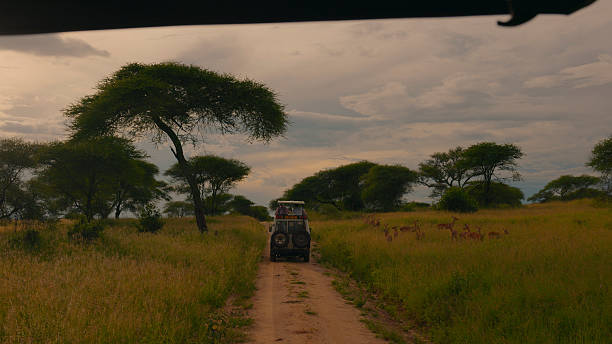
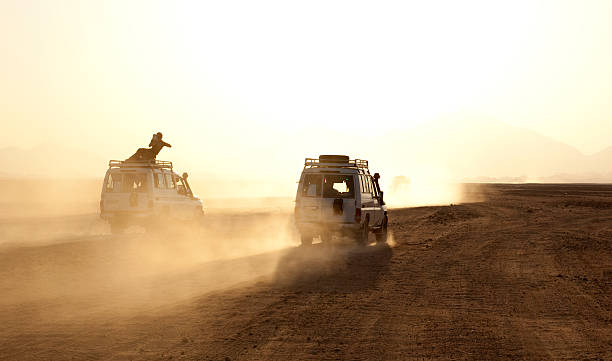
Flying With Children in Tanzania: Essential Travel Guide 2026-2027
Planning a family adventure to Tanzania is an exciting prospect, promising incredible wildlife encounters, cultural immersion, and breathtaking landscapes. However, the thought of flying with children in Tanzania can bring a unique set of considerations. From long-haul flights to domestic hops and navigating airports with little ones, preparation is key to ensuring a stress-free and enjoyable journey for everyone. This guide aims to equip parents with the knowledge and practical advice needed to make flying with kids to and within Tanzania a success, covering everything from booking flights to keeping them entertained and safe.
Quick Answer: Flying with children in Tanzania requires careful planning regarding flight duration, comfort, entertainment, and health. Focus on booking direct flights where possible, packing essentials, understanding airline policies for infants and children, and preparing for the local climate and potential health precautions. Domestic flights within Tanzania are common for reaching safari destinations and Zanzibar and are generally short, but require similar attention to detail for young travelers.
Table of Contents
- Quick Facts About Flying With Children in Tanzania
- Understanding the Flying Experience in Tanzania with Kids
- Why Planning is Crucial for Flying With Children
- Best Time to Fly to Tanzania with Children
- International Flights to Tanzania with Children
- Domestic Flights in Tanzania with Children
- Navigating Airports in Tanzania with Kids
- Keeping Children Entertained During Flights
- Health and Safety Considerations for Flying
- Essential Packing List for Flying With Children
- Common Mistakes to Avoid When Flying With Kids
- Who is Flying With Children in Tanzania Best Suited For?
- Alternatives to Flying for Shorter Distances
- Planning Your 2026-2027 Tanzania Trip: Flying Focus
- Booking Advice for Family Flights
- Frequently Asked Questions
Quick Facts About Flying With Children in Tanzania
| Aspect | Details for Families |
|---|---|
| Main Airports | Kilimanjaro International Airport (JRO), Julius Nyerere International Airport (DAR) in Dar es Salaam, Abeid Amani Karume International Airport (ZNZ) in Zanzibar. |
| Major Airlines Serving Tanzania | Ethiopian Airlines, Qatar Airways, Emirates, KLM, Turkish Airlines, Kenya Airways. Domestic carriers include Precision Air, Coastal Aviation, Auric Air, ZanAir. |
| Child Seat Policies | Varies by airline. Some allow approved child restraint devices, others provide bassinets for infants. Check with your airline well in advance. |
| Infant Travel (Under 2) | Can travel on lap (ticketed, often with a fee) or in a purchased seat with an approved car seat. Bassinets are often available on long-haul flights on request. |
| Baggage Allowances | Typically includes a standard checked allowance plus a carry-on. Strollers and car seats may be checked at the gate or as checked luggage. Always verify with the airline. |
| Domestic Flight Importance | Crucial for reaching safari parks (Serengeti, Ngorongoro Crater access via Manyara/Arusha) and Zanzibar efficiently from major hubs like Dar es Salaam or Kilimanjaro. |
| Airport Facilities for Families | Limited in some Tanzanian airports. Expect basic services. Bringing your own entertainment and snacks is highly recommended. |
| Travel Documents | Passports, visas (if required), birth certificates (especially for single parents), vaccination records (e.g., Yellow Fever if transiting affected countries). |
Understanding the Flying Experience in Tanzania with Kids
Tanzania is a vast country, and for many travelers, particularly those with children, flying is an integral part of the journey. Whether it’s the initial long-haul flight into Kilimanjaro International Airport (JRO) or Julius Nyerere International Airport (DAR), or the shorter domestic hops to the Serengeti, Zanzibar, or other remote airstrips, understanding the nuances of air travel here is essential. Unlike highly developed aviation hubs, Tanzanian airports and airlines, especially smaller domestic carriers, may offer a more ‘adventurous’ experience. This doesn’t mean it’s unsafe or unpleasant, but rather that expectations should be managed. Expect less predictable schedules on domestic routes, potentially smaller aircraft, and more basic facilities. For children, this can translate to needing more patience, flexibility, and a well-stocked carry-on bag.
The primary international gateways are Kilimanjaro (JRO) for northern circuit safaris and Mount Kilimanjaro, and Dar es Salaam (DAR) for southern circuit safaris and access to Zanzibar. Zanzibar’s Abeid Amani Karume International Airport (ZNZ) also receives international flights, particularly from the Middle East and Europe. Domestic flights are the lifeline connecting these hubs to the myriad of national parks and islands, making flying with children in Tanzania a practical necessity for many itineraries.
Why Planning is Crucial for Flying With Children
Children thrive on routine and predictability, which are often in short supply during travel. Flying, especially to a destination as diverse as Tanzania, introduces numerous variables that can impact a child’s comfort and well-being. Proactive planning addresses these potential challenges head-on.
- Flight Duration and Connections: Long flights with layovers can be exhausting for children. Choosing direct flights or minimizing layover times is crucial. Understanding how to manage a child’s energy levels and boredom during extended periods in transit is paramount.
- Airline Policies: Different airlines have varying policies regarding infants, children, baggage, and special meals. Booking in advance allows you to secure seats together, arrange for bassinets, and confirm baggage allowances for strollers and other child equipment.
- Health and Comfort: Air pressure changes, dry cabin air, and unfamiliar food can affect children. Planning for hydration, comfortable clothing, and necessary medications is vital. For Tanzania, understanding any required vaccinations or health precautions before flying is also part of this planning.
- Airport Navigation: Airports, especially in new environments, can be overwhelming. Knowing the layout, security procedures, and available amenities (or lack thereof) helps reduce stress for both parents and children.
- Domestic Flight Logistics: Tanzania’s domestic air network is essential but can be less structured. Advance booking, confirming flight times, and understanding baggage weight restrictions for small aircraft are critical to avoid last-minute issues.
By addressing these points before departure, you can transform potential travel headaches into manageable steps, allowing your family to focus on the excitement of the Tanzanian adventure that awaits.
Best Time to Fly to Tanzania with Children
While Tanzania is a year-round destination, the ‘best’ time to fly with children often depends on balancing weather, wildlife viewing, and crowd levels. For flying specifically, consider these factors:
- Dry Seasons (June-October, December-February): These periods generally offer pleasant weather, making flights smoother and outdoor activities more enjoyable upon arrival. June to October is peak safari season with abundant wildlife. December to February is a good time for families, with warm weather and the calving season in the Serengeti. Flights might be more expensive during peak times.
- Wet Seasons (March-May, November): These months can see lower flight prices and fewer tourists. However, the rains can sometimes cause flight delays or cancellations, especially for smaller domestic aircraft on unpaved airstrips. If you choose to travel during the wet season, build some flexibility into your itinerary and pack for rain.
For 2026 and 2027, consider booking flights for the dry seasons if budget allows for the best overall experience. If seeking more affordable options or fewer crowds, shoulder seasons (like November or early March) can be excellent choices, provided you are prepared for potential rain.
International Flights to Tanzania with Children
The journey to Tanzania from most international locations is a long one. Making it comfortable for children requires strategic planning:
- Choosing Airlines: Opt for airlines known for good family services. Look for those offering bassinets (for infants under 11kg/24lbs, usually on long-haul flights), in-flight entertainment systems with kid-friendly options, and the ability to pre-order special meals (e.g., child meals, vegetarian options). Airlines like Qatar Airways, Emirates, and Ethiopian Airlines often receive good reviews for family travel.
- Seat Selection: Book your flights well in advance to secure seats together. Consider bulkhead seats for more legroom (though often not allowing items to be stored at your feet during takeoff/landing) or seats near the lavatories for convenience. If your child has their own seat, ensure it’s suitable for an approved car seat if you plan to use one.
- Duration and Layovers: Direct flights are ideal but often unavailable. If layovers are necessary, aim for airports with good family facilities (play areas, quiet rooms) and try to keep the layover time manageable – not too short to risk missing connections, but not so long that it becomes an ordeal.
- In-Flight Comfort: Pack comfort items for your child: a favorite blanket, a neck pillow, and familiar toys or books. Noise-canceling headphones can be a lifesaver. Dress children in layers as cabin temperatures can fluctuate.
- Hydration and Snacks: Airplane air is dry. Encourage children to drink plenty of water. Bring a reusable water bottle to fill after security. Pack familiar, non-messy snacks, as airline food may not appeal to all children.
Domestic Flights in Tanzania with Children
Domestic flights are frequent and essential for maximizing time on safari or enjoying Zanzibar. These flights typically use smaller aircraft (e.g., Cessna Caravans, Twin Otters) and operate from main airports to various national park airstrips or smaller towns.
- Booking: Book domestic flights through your tour operator or directly with reputable local airlines like Precision Air, Coastal Aviation, or Auric Air. Confirm flight times close to your travel date, as schedules can change.
- Baggage Restrictions: This is critical. Small aircraft have strict weight limits, often around 15-20 kg (33-44 lbs) per person, including hand luggage. Soft-sided bags are often preferred as they are easier to stow. Check this meticulously with your operator or airline. Your tour operator should guide you on this.
- Airstrips: Many safari destinations have dirt airstrips. The landing and takeoff can be bumpier than on paved runways. Ensure children are securely buckled in.
- Duration: Most domestic flights in Tanzania are relatively short, ranging from 30 minutes to 2 hours. This makes them manageable for most children.
- Scenery: The views from domestic flights over Tanzania’s landscapes – the plains, the Great Rift Valley, or the islands – can be spectacular and provide an exciting experience for children.
Navigating Airports in Tanzania with Kids
Tanzanian airports, while functional, are generally less equipped with child-specific amenities compared to major international hubs.
- Arrivals: Upon arrival at JRO or DAR, you’ll go through immigration, baggage claim, and customs. Have all your documents organized. If you’ve arranged a transfer, your guide will usually meet you outside arrivals.
- Departures: Allow ample time for check-in, especially with children. Security procedures are standard. There are typically limited quiet spaces or play areas. Cafes are available, but options might be basic.
- Patience is Key: Queues can form, and processes might take longer than expected. Keep children occupied and manage expectations. A portable snack and entertainment kit is invaluable.
- Assistance: If you have specific needs (e.g., assistance with luggage, a child with mobility issues), communicate this to your tour operator in advance. They can liaise with ground handlers where possible.
Keeping Children Entertained During Flights
Long flights require a strategic approach to entertainment to keep children engaged and minimize disruption.
- Pre-Flight Prep: Download age-appropriate movies, games, and audiobooks onto tablets or phones. Ensure devices are fully charged and bring portable power banks.
- Surprise Bag: Pack a small bag of new, inexpensive toys or activities that can be revealed periodically throughout the flight – coloring books, sticker books, small puzzles, travel-sized games, or a new book.
- Interactive Games: Simple games like ‘I Spy,’ ’20 Questions,’ or storytelling can be played anywhere. Travel-sized magnetic board games are also good options.
- Comfort Items: A favorite stuffed animal or blanket can provide a sense of security and comfort, aiding in napping.
- Snacks: As mentioned, a variety of appealing snacks can be a great distraction and reward.
- Screen Time Balance: While screens are a lifesaver, try to balance them with other activities to prevent eye strain and overstimulation.
- Window Views: If you have a window seat, the changing scenery can be captivating. Point out clouds, land formations, or the aircraft itself.
Health and Safety Considerations for Flying
Traveling with children always involves health considerations, amplified by international travel and a destination like Tanzania.
- Vaccinations and Health Advice: Consult your pediatrician or a travel clinic 4-6 weeks before your trip regarding recommended vaccinations (e.g., Hepatitis A, Typhoid) and malaria prophylaxis. Ensure routine immunizations are up-to-date. Yellow Fever vaccination may be required if you are transiting through or arriving from a country with a risk of Yellow Fever transmission. Carry your vaccination certificates.
- Medications: Pack a comprehensive first-aid kit tailored to your children’s needs, including any prescription medications, pain relievers (acetaminophen/ibuprofen), antihistamines, motion sickness remedies, antiseptic wipes, bandages, and treatments for common ailments like diarrhea or insect bites. Carry all medications in their original packaging with prescriptions if necessary.
- Hydration: Encourage frequent sips of water to combat the dry cabin air. Avoid sugary drinks, which can dehydrate.
- Ear Pressure: For infants and young children, swallowing helps equalize ear pressure during ascent and descent. Offer a bottle, pacifier, or sippy cup during these times. Older children can chew gum or suck on hard candies (if age-appropriate).
- Hygiene: Hand sanitizer and antibacterial wipes are essential for keeping hands clean, especially before eating and after using the airplane lavatory.
- Seat Belts: Ensure children are properly secured with the aircraft’s seat belt. If using an approved car seat, follow airline guidelines for its installation.
- Cabin Air Quality: While debated, some parents find bringing a small, portable air filter or using a nasal saline spray can help with dry air and potential airborne irritants.
Essential Packing List for Flying With Children
Beyond the general packing list for Tanzania, focus on carry-on essentials for flights.
- Documents: Passports, visas, flight confirmations, accommodation details, travel insurance information, vaccination records, birth certificates (especially if traveling alone or with a name change).
- Medications & First-Aid: Prescription drugs, pain/fever reducers, anti-diarrhea medication, motion sickness remedies, antiseptic wipes, bandages, insect repellent (for destination, not flight).
- Comfort Items: Travel pillow, blanket, favorite stuffed toy, headphones.
- Entertainment: Books, coloring books, crayons/pencils, sticker books, small travel games, tablet/phone with downloaded content, portable charger.
- Snacks: Non-perishable, non-messy snacks like fruit snacks, crackers, granola bars, dried fruit, nuts (check for allergies), pouches.
- Clothing: A change of clothes for each child (and a spare for parents), comfortable travel outfits, layers for varying cabin temperatures.
- Hygiene: Hand sanitizer, wet wipes, tissues, toothbrush and toothpaste, any personal care items.
- Baby/Toddler Specifics: Diapers, wipes, changing pad, formula/baby food (if applicable), bottles, pacifiers.
- Stroller/Carrier: A lightweight, easily foldable stroller or a comfortable baby carrier can be invaluable at airports.
Common Mistakes to Avoid When Flying With Kids
Learning from others’ experiences can help you sidestep common pitfalls.
- Underestimating Flight Time: Not allowing enough time for check-in, security, and boarding, especially with children who may need frequent bathroom breaks or get distracted.
- Insufficient Entertainment: Relying solely on in-flight entertainment or a single activity. Variety is key.
- Packing Too Little (or Too Much) in Carry-on: Forgetting essential medications, a change of clothes, or overpacking so much that the bag is unwieldy.
- Not Checking Baggage Policies: Especially for domestic flights in Tanzania, exceeding weight limits or bringing bulky, non-soft luggage can lead to costly issues or items being left behind.
- Ignoring Health Precautions: Failing to consult a doctor about vaccinations or malaria prevention, or not packing a sufficient first-aid kit.
- Not Hydrating Enough: Underestimating the dehydrating effect of cabin air on children.
- Not Pre-booking Seats: Ending up separated on the flight, which can increase anxiety for both parents and children.
- Over-scheduling Arrival Day: Planning too many activities immediately after a long flight can lead to exhaustion and crankiness. Allow for rest and acclimatization.
Who is Flying With Children in Tanzania Best Suited For?
Flying with children in Tanzania is best suited for families who:
- Seek Efficiency: Families who want to maximize their time exploring diverse regions like the Serengeti, Ngorongoro, and Zanzibar without spending days on road travel.
- Have Younger Children: For toddlers and very young children, shorter domestic flights are often more manageable than long car journeys, especially on rougher roads.
- Are Undertaking a Multi-Destination Trip: Combining a safari with a Zanzibar beach holiday, or trekking part of Kilimanjaro, necessitates flights for practical travel between these distinct experiences.
- Are Comfortable with Some Flexibility: While planning is essential, domestic flights in Tanzania can sometimes experience delays. A family that can adapt and remain patient will fare best.
- Are Prepared for the Logistics: Families who understand and prepare for the baggage restrictions on small aircraft and the general airport environment will have a smoother experience.
It might be less ideal for families who prefer a slower pace, are on a very tight budget where every dollar counts (as flights add cost), or who have very young infants who might struggle with the overall travel stress, though many families do travel successfully with infants.
Alternatives to Flying for Shorter Distances
While flying is often the most practical choice for covering long distances in Tanzania, for shorter segments or specific routes, road travel is a viable alternative, especially for families who enjoy the journey itself.
- Private Road Safaris: For exploring a single region, like the northern circuit (Tarangire, Lake Manyara, Ngorongoro Crater, Serengeti), a private safari vehicle with an experienced guide is the standard and often preferred method. This allows for flexibility, stops along the way, and an immersive experience. It can be more comfortable for children than long bus journeys, with ample space and the ability to stop whenever needed.
- Shuttles and Buses: For travel between major cities like Arusha and Moshi, or Dar es Salaam and Morogoro, public buses or shuttle services exist. However, these are generally not recommended for families with young children due to comfort, safety, and unpredictable schedules.
- Train Travel: Tanzania has a limited railway network, primarily connecting Dar es Salaam to Kigoma and Mwanza. While an interesting experience, it is slow and not typically integrated into tourist itineraries, especially for families with time constraints.
For most family safari itineraries that include the Serengeti, flying into a local airstrip is significantly more time-efficient than driving the entire distance from Arusha or Kilimanjaro. However, for shorter transfers between lodges within the same park, or for accessing Ngorongoro Crater from Arusha, driving is standard.
Planning Your 2026-2027 Tanzania Trip: Flying Focus
As you look ahead to planning your 2026-2027 family adventure, integrating flight considerations early will pay dividends.
- Book International Flights Early: For 2026-2027 travel, start researching and booking international flights 6-10 months in advance, especially if traveling during peak seasons or school holidays. This secures better prices and seat availability.
- Confirm Domestic Flight Operators: Discuss with your tour operator which domestic airlines they typically use for your planned itinerary. Research their safety records and baggage policies.
- Factor in Flight Costs: Domestic flights add a significant cost to a Tanzania trip. Ensure your budget accounts for these, as well as potential excess baggage fees.
- Build in Buffer Time: When planning your itinerary for 2026-2027, include buffer time around flights, especially domestic ones. A missed connection or a delay can impact subsequent bookings.
- Health Preparations: For 2026-2027 travel, check the latest health advisories and vaccination recommendations well in advance. Schedule appointments with travel clinics early.
- Visa Requirements: Ensure all family members have valid passports and check current visa requirements for Tanzania. Apply for e-visas if available and recommended well ahead of your travel dates.
Booking Advice for Family Flights
Securing the right flights for your family is crucial for a smooth trip.
- Work with a Specialist Tour Operator: For family travel to Tanzania, using a reputable tour operator like Best Tanzania tour operator is highly recommended. They have established relationships with airlines, understand domestic flight constraints, and can manage bookings efficiently. They can advise on the best routes, airlines, and manage baggage allowances.
- Compare Airlines (International): Use flight comparison websites but also check airline sites directly. Look for family-friendly amenities, baggage policies, and change/cancellation terms.
- Confirm Seat Assignments: After booking, always confirm your seat assignments. If you didn’t get seats together, contact the airline to request a change.
- Understand Infant/Child Fares: Fares for infants (under 2) traveling on laps are usually a percentage of the adult fare. Children over 2 typically pay a full adult fare.
- Travel Insurance: Ensure your travel insurance covers flight cancellations, delays, and medical emergencies for all family members.
- Domestic Flight Confirmation: Reconfirm domestic flight times 24-48 hours before departure directly with the airline or your tour operator.
When you are ready to plan your family safari or Zanzibar getaway, connect with us. We can assist with all flight arrangements, ensuring they align perfectly with your itinerary and family needs.
Frequently Asked Questions
1. Can I bring a car seat on the plane for my child when flying to Tanzania?
Yes, most airlines allow approved child restraint systems (car seats) for children occupying their own ticketed seat. However, policies vary, and the seat must meet specific FAA/EASA standards. You must inform the airline when booking and confirm the seat’s suitability. Some airlines may require it to be placed in a specific window seat. Always verify directly with your airline well in advance of your flight.
2. What are the baggage restrictions for domestic flights in Tanzania with children?
Domestic flights in Tanzania, especially on smaller aircraft, have strict weight limits, typically around 15-20 kg (33-44 lbs) per person, including hand luggage. Soft-sided bags are preferred. It is crucial to confirm these limits with your tour operator or the airline when booking. Overweight baggage may incur significant fees or require items to be left behind.
3. Are there special meals available for children on Tanzanian domestic flights?
Special meals are rarely available on domestic Tanzanian flights. It is best to pack plenty of familiar snacks and drinks for your children to ensure they have something they will eat and drink comfortably during the short flight.
4. What is the best way to handle ear pressure for babies and young children on flights to Tanzania?
Encourage swallowing during ascent and descent. For babies, offer a bottle or pacifier. For toddlers and older children, a sippy cup, lollipop, or chewing gum (if age-appropriate) can help. Flying during a time when they might naturally be feeding or drinking can also assist.
5. Do I need a birth certificate to fly with my child to Tanzania?
While not always strictly enforced for all international flights, it is highly recommended to carry a copy of your child’s birth certificate, especially if traveling as a single parent or if your child has a different surname. This can help prove parentage and prevent potential issues at immigration or when dealing with child welfare authorities, though it’s more commonly an issue for international departures from some countries rather than arrivals in Tanzania.
6. How early should I book flights for a family trip to Tanzania in 2026-2027?
For international flights, booking 6-10 months in advance is advisable, especially for peak seasons in 2026-2027. For domestic flights, 2-4 months in advance is generally sufficient, but booking earlier ensures better availability and potentially better pricing, especially if your travel dates are fixed.
7. Are there play areas or family lounges at Tanzanian airports?
Facilities are generally limited at Tanzanian airports. You may find basic seating areas and cafes, but dedicated play zones or family lounges are rare, especially at smaller domestic airstrips. It’s best to be prepared with your own entertainment and snacks.
8. What health precautions are essential when flying with children to Tanzania?
Consult your pediatrician about recommended vaccinations and malaria prevention well before your trip. Pack a comprehensive first-aid kit with child-specific medications, ensure good hygiene with hand sanitizers, and stay well-hydrated. Carry any necessary prescriptions.
9. Can I bring a stroller on domestic flights in Tanzania?
Most airlines allow you to check a stroller at the gate or as checked baggage. For domestic flights with strict baggage weight limits, ensure the stroller’s weight is accounted for. Some airlines may have restrictions on the size and weight of strollers allowed, especially on smaller aircraft. It’s best to confirm this with your tour operator.
10. What if my child gets sick during the flight?
Ensure your carry-on includes a basic first-aid kit with child-appropriate medications for common ailments like fever, pain, motion sickness, and diarrhea. Stay calm, offer comfort, and administer medication as needed. If symptoms are severe, seek medical attention upon arrival. Your tour operator can assist in arranging medical care.
Ready to Plan Your Family Adventure?
Flying with children in Tanzania can be a wonderful start to an unforgettable family holiday. With careful preparation, the right airline choices, and a focus on comfort and entertainment, your journey can be as enjoyable as the destination itself. Let us help you craft the perfect Tanzanian experience, managing all the details of your family’s flights and ground arrangements.
Contact us today to start planning your dream safari, Kilimanjaro climb, or Zanzibar escape for 2026-2027:
- WhatsApp: +255616946642
- Email: topguideadventures@gmail.com
- Backup Email: info@topguideadventures.com
We specialize in creating custom-tailored adventures for families, ensuring every aspect of your trip, including all flights, is handled with expertise and care.
Plan your Flying With Children in Tanzania with Top Guide Adventures
Tell us your travel dates, group size, comfort level, and dream experience. We will help you shape a clear, realistic, and memorable Tanzania itinerary.







 Veedesigner
 Fatma Kizanga
 Benjamin Waryuba
 Philip Philip
 John jr Itaja
 Antonia Optatus
 Edith Kanyere
 Neema Iddy
 Kelvin Boniphace
 Damari Maiga



