

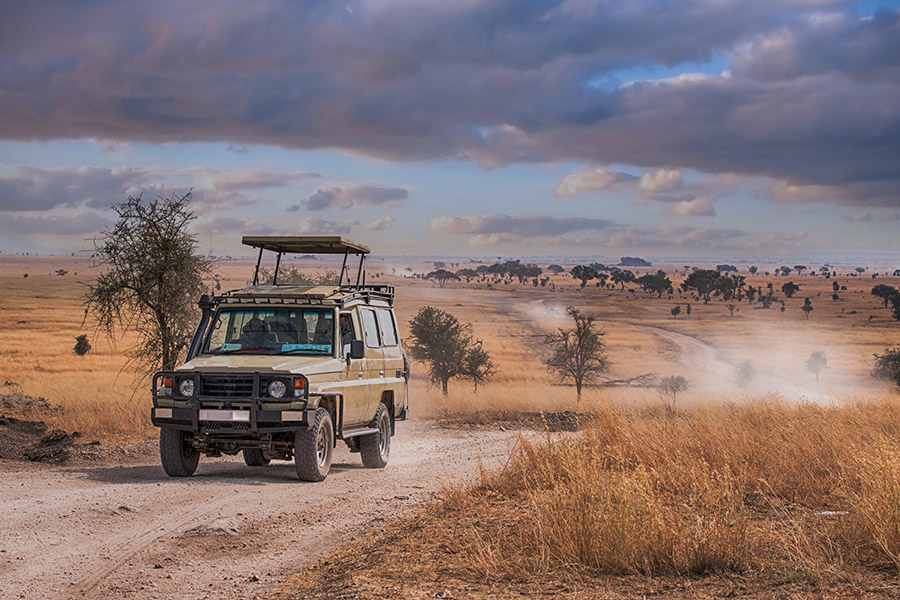
A Gombe Photography Expedition in Tanzania offers unparalleled opportunities to capture intimate moments with wild chimpanzees and document the stunning biodiversity of Gombe Stream National Park and its surroundings. These expeditions, best planned for the dry seasons of 2026-2027, involve guided treks into the forest, ethical wildlife viewing, and expert photographic guidance to ensure you get remarkable shots of primates, birds, and the dramatic landscapes along Lake Tanganyika.
The Allure of Gombe for Wildlife Photographers
Gombe Stream National Park, though Tanzania’s smallest national park, punches far above its weight when it comes to photographic potential. Nestled on the western shore of the vast, shimmering expanse of Lake Tanganyika, it is a sanctuary for habituated chimpanzees, made famous by the pioneering research of Jane Goodall. For photographers, this means the chance to witness and record complex primate behavior up close, a privilege few wildlife destinations can offer with such accessibility and ethical grounding. Beyond the chimpanzees, the park’s verdant slopes, cascading waterfalls, and the deep blue waters of the lake provide a diverse backdrop, promising a rich portfolio of images. Planning a dedicated Gombe Photography Expedition is about more than just seeing; it’s about capturing the essence of wild Africa through a lens, with subjects that exhibit remarkable intelligence and emotion.
The decision to focus on Gombe for a photography trip, especially with an eye on 2026 or 2027, signals a desire for a unique, immersive wildlife experience. Unlike the sweeping savannas of the Serengeti or the Ngorongoro Crater, Gombe offers an intimate, forest-based encounter. The photographic challenges and rewards are different: the light can be dappled and challenging under the dense canopy, requiring skill and patience, while the subjects—the chimpanzees—offer unparalleled opportunities for capturing behavioral sequences, social interactions, and individual portraits that tell a story.
Why Choose Gombe for Your Next Photo Safari?
The primary draw for any photographer considering Gombe is, undoubtedly, the chimpanzees. The park is home to several chimpanzee communities, and thanks to decades of habituation by researchers, they are accustomed to the presence of humans. This allows for relatively close encounters, where photographers can observe and photograph them foraging, playing, grooming, and interacting within their social structures. This level of access is rare and precious in the world of wildlife photography.
But Gombe’s photographic appeal extends beyond its most famous residents. The park’s diverse habitats support a variety of other wildlife, including olive baboons, red-tailed monkeys, blue monkeys, and a spectacular array of birdlife. The park’s location on Lake Tanganyika also offers opportunities for landscape photography, capturing the grandeur of Africa’s second-deepest lake, the distant shores, and the vibrant sunsets that often paint the sky. For those planning a Gombe Photography Expedition in 2026-2027, understanding these varied opportunities is key to maximizing your photographic output.
The experience is also deeply personal. Walking through the forest, guided by experienced trackers who understand chimpanzee behavior and the park’s ecology, is an adventure in itself. The sounds, smells, and sights of the rainforest create an immersive environment that translates powerfully into photographs. It’s an opportunity to connect with nature on a profound level, and to capture that connection through your imagery.
Planning Your Gombe Photography Expedition: The Essentials
A successful Gombe Photography Expedition requires meticulous planning. Several factors need careful consideration to ensure you make the most of your time and photographic opportunities. From the best time to visit to the specific gear you’ll need, every detail contributes to the overall success of your trip.
Best Time to Visit Gombe for Photography (2026-2027 Outlook)
The climate in Gombe is tropical, with distinct wet and dry seasons. For photographers, the dry seasons are generally preferred as they offer easier trekking conditions and potentially more predictable wildlife movements. The main dry season typically runs from June to October, with a shorter, less pronounced dry spell around January and February.
- June to October (Peak Dry Season): This period is ideal. The vegetation is less dense, making it easier to spot wildlife and navigate the trails. Rainfall is minimal, ensuring your photographic equipment stays drier and your mobility is less restricted. The chimpanzees may also congregate more around reliable water sources, potentially leading to concentrated viewing opportunities. For photographers keen on capturing crisp, well-lit shots, this season offers the best light quality, although midday sun can be harsh.
- November to December (Short Rains): This transitional period can still offer good photographic opportunities. The landscape becomes greener, which can be beautiful for background elements in your photos. However, expect intermittent showers, which might require you to protect your gear and adapt your shooting schedule.
- January to February (Short Dry Season): Similar to the main dry season but shorter. It can be a good time to visit if you are looking to avoid peak tourist numbers, though Gombe is never as crowded as other Tanzanian parks.
- March to May (Long Rains): This is the wettest period. Trails can become muddy and challenging to traverse, and heavy downpours can significantly disrupt photography. While the lush green scenery can be stunning, the practicalities of shooting in heavy rain often make this the least favored season for a dedicated photography expedition.
When planning for 2026-2027, consider booking your Gombe photography trip during the June to October window for the most reliable weather and accessible conditions. Early booking is advisable, especially for specific lodges or private guiding services.
Essential Photography Gear for Gombe
Gombe presents unique photographic challenges and opportunities, so packing the right gear is crucial. The subjects are often in motion, sometimes in low light under the forest canopy, and the environment can be humid.
- Camera Bodies: A DSLR or mirrorless camera with good low-light performance and a robust autofocus system is recommended. Consider bringing a backup body, especially for longer trips.
- Lenses:
- Telephoto Zoom Lens (e.g., 70-200mm, 100-400mm): Essential for capturing chimpanzees and other primates without disturbing them. A lens with a fast aperture (f/2.8 or f/4) is beneficial for low light and subject isolation.
- Mid-Range Zoom Lens (e.g., 24-70mm): Useful for wider shots of the landscape, monkeys in groups, and general park scenes.
- Prime Lens (e.g., 50mm f/1.8): Can be useful for portraits or in very low light if you can get close enough.
- Tripod/Monopod: While challenging in dense forest, a lightweight monopod can offer stabilization for telephoto shots. A small, sturdy tripod might be useful for landscape shots near the lake or in clearings.
- Protection: Waterproof camera bags, rain covers for your camera and lenses, and silica gel packets for storage are vital due to the humidity and potential for rain.
- Batteries and Memory Cards: Bring plenty of spares. You don’t want to miss a shot due to a dead battery or full memory card.
- Cleaning Kit: Microfiber cloths, lens cleaning solution, and a rocket blower are essential for keeping your gear dust and moisture-free.
- Binoculars: While not strictly photography gear, good binoculars enhance your wildlife spotting and observation experience, helping you locate subjects for your camera.
Given the potentially challenging conditions, a camera capable of good high ISO performance will be a significant asset for your Gombe Photography Expedition.
Choosing Your Accommodation and Logistics
Accommodation in Gombe is limited and ranges from basic to more comfortable lodges. Options include:
- Gombe Forest Lodge: Offers comfortable bandas (huts) with en-suite facilities, located within the park boundaries. This is often the most convenient option for photographers wanting to maximize their time in the chimpanzee territories.
- Kibira Lodge: Another option within or very near the park, offering a different experience.
- Campsites: For the more adventurous and budget-conscious, camping facilities are available.
Logistically, Gombe is typically accessed via Kigoma town on the shores of Lake Tanganyika. From Kigoma, a boat transfer is usually required to reach your chosen lodge within the park. This boat journey itself can be scenic and offer photographic opportunities of the lake and its surroundings. When booking your Gombe Photography Expedition for 2026-2027, ensure your tour operator handles these transfers seamlessly.
Ethical Photography Practices in Gombe
Ethical wildlife photography is paramount, especially when photographing habituated primates. The well-being of the animals must always come first.
- Maintain Distance: While habituated, chimpanzees are still wild animals. Always follow the guidance of your park ranger or guide regarding safe and respectful distances. A telephoto lens helps maintain this distance.
- No Flash Photography: The use of flash can startle and disturb animals, especially in the forest’s dim light.
- Avoid Feeding or Touching: Never attempt to feed or touch the chimpanzees or any other wildlife.
- Minimize Noise: Keep noise levels low to avoid stressing the animals.
- Respect Their Space: Do not block their paths or crowd them. Allow them to move freely and behave naturally.
- Follow Park Rules: Adhere strictly to all park regulations and the advice of your guides.
A responsible Gombe Photography Expedition contributes to conservation efforts by demonstrating that wildlife tourism can be managed sustainably and ethically.
A Day in the Life: Photographic Opportunities on Expedition
Imagine a typical day on your Gombe Photography Expedition. The rhythm is dictated by the forest and the primates.
Morning Chimpanzee Trek
Your day begins early, often before sunrise. After a briefing and a quick breakfast, you’ll head out with your guide and tracker into the forest. The air is cool and moist, filled with the sounds of the waking jungle. Your tracker will use their knowledge of the forest and chimpanzee calls to locate a community. The trek can be steep and challenging at times, requiring sturdy footwear and a reasonable level of fitness. As you move through the dense vegetation, keep your camera ready. You might encounter troops of red-tailed monkeys or blue monkeys leaping through the trees, or spot colorful forest birds.
Once a chimpanzee community is located, the real photographic work begins. Your guide will ensure you maintain a respectful distance, but the habituation means you can often observe intimate family dynamics. Photographing the juveniles playing, the mothers grooming their infants, or the males establishing dominance offers incredible storytelling potential. The dappled light filtering through the canopy creates dramatic lighting, demanding skill in exposure and focus. Capturing a chimpanzee’s expressive face, their hands reaching for fruit, or their powerful build moving through the trees are moments you’ll want to preserve.
Midday and Afternoon Exploration
After a morning trek, you might return to your lodge for lunch and a rest during the hottest part of the day. This downtime can be used to review your photos, clean your gear, or simply relax and enjoy the sounds of the forest. In the afternoon, you might opt for another trek, perhaps focusing on a different area or looking for specific behaviors. Alternatively, you could explore other aspects of Gombe:
- Lake Tanganyika Shoreline: Head down to the lake for landscape shots. The vastness of the lake, the local fishing boats, and the vibrant sunsets offer a stark contrast to the forest interior.
- Birdwatching: Gombe is a haven for birders. Keep your telephoto lens handy for shots of colorful kingfishers, hornbills, and other forest dwellers.
- Monkey Trails: While chimpanzees are the stars, troops of baboons, red-tailed monkeys, and blue monkeys are also common and provide excellent photographic subjects. Their interactions and movements through the trees can be captivating.
Evenings are often spent sharing stories of the day’s sightings with fellow travelers and guides, reviewing images, and preparing for the next day’s adventures. The unique environment of Gombe provides a constant stream of photographic subjects and narratives.
Beyond Chimpanzees: Documenting Gombe’s Wider Ecosystem
While chimpanzees are the primary focus for many visiting Gombe, a truly comprehensive Gombe Photography Expedition should also aim to capture the park’s broader biodiversity and unique setting.
Avian Wonders: Gombe’s Birdlife
Gombe Stream National Park is a paradise for bird photographers. The lush forest and proximity to the lake create habitats for a remarkable variety of species. Expect to find:
- Kingfishers: Several species, including the Malachite Kingfisher and the Pied Kingfisher, can be spotted along the lake shore and rivers.
- Hornbills: Various hornbill species, known for their striking appearance, inhabit the forest canopy.
- Sunbirds and Weavers: Small, brightly colored birds that are often seen flitting through the foliage.
- Raptors: Birds of prey can sometimes be seen soaring above the canopy or near the lake.
Photographing birds requires patience and a good telephoto lens. Often, the best opportunities arise during the early morning or late afternoon when birds are most active. Their vibrant colors and intricate behaviors make them rewarding subjects.
Primate Neighbors: Baboons and Monkeys
Gombe is also home to significant populations of:
- Olive Baboons: Often seen in large troops, these primates are highly social and offer fantastic opportunities to photograph their complex interactions, from troop leadership to infant care. They are often found near the lodges and trails.
- Red-tailed Monkeys: Known for their distinctive red tails and quick movements, these monkeys are arboreal and can be seen leaping through the trees.
- Blue Monkeys: These striking monkeys, with their dark bodies and lighter faces, are also common inhabitants of the forest canopy.
Photographing these species requires adapting your technique to their speed and agility. Capturing their social dynamics and their adaptation to the forest environment can add significant depth to your photographic portfolio.
The Majestic Lake Tanganyika
The presence of Lake Tanganyika is a defining feature of Gombe. This immense freshwater lake, the longest in the world, offers distinct photographic possibilities:
- Landscapes: Capture the vastness of the lake, especially during sunrise or sunset. The changing light can create dramatic moods.
- Local Life: Observe and photograph local fishermen and their activities along the shore.
- Boats and Water: The traditional dugout canoes and larger fishing boats provide excellent foreground elements for lake shots.
- Shoreline Flora and Fauna: The transition zone between forest and lake can host unique plant life and bird species.
The boat transfers to and from the park, and sometimes between lodges along the lake, provide excellent vantage points for capturing the grandeur of Lake Tanganyika.
Capturing Chimpanzee Behavior: A Photographer’s Guide
The habituated chimpanzees of Gombe are the main attraction, and capturing their behavior requires a combination of technical skill, patience, and understanding.
Understanding Chimpanzee Social Dynamics
Chimpanzee society is complex, with intricate hierarchies, alliances, and social grooming rituals. Observing and photographing these behaviors offers profound insights into primate life.
- Grooming: This is a crucial social activity, reinforcing bonds. Photographing the gentle interaction between individuals, the detailed work of picking through fur, and the relaxed expressions can be very compelling.
- Play: Young chimpanzees are incredibly playful. Capturing their energetic games, chases, and wrestling provides dynamic and often humorous images.
- Feeding: Documenting their foraging habits—finding fruits, leaves, or insects—shows their intelligence and adaptability.
- Hierarchy and Dominance: Observing interactions between males, displays of power, and the subtle cues of dominance and submission can make for powerful portraiture and behavioral sequences.
- Mother and Infant Bonds: The deep connection between a mother chimpanzee and her infant is a universal theme. Capturing moments of nursing, carrying, and protective behavior is incredibly moving.
Technical Tips for Forest Primate Photography
Shooting in a dense forest environment presents challenges:
- Low Light: Use a camera with good high ISO performance and a fast lens (f/2.8 or f/4). Consider increasing your ISO and accepting some noise, or use a monopod for stability. Shooting in RAW format will give you more flexibility in post-processing to recover detail in shadows and highlights.
- Fast-Moving Subjects: Use a fast shutter speed (e.g., 1/500 sec or faster) to freeze motion, especially for playful juveniles or quick movements through the trees. This will often mean opening up your aperture or increasing your ISO.
- Focusing: Autofocus systems can struggle in low light and cluttered environments. Learn to use your camera’s focus tracking capabilities or switch to manual focus if necessary. Aim for the eyes whenever possible.
- Composition: Look for clean backgrounds, even in the forest. Use the dappled light to your advantage, creating dramatic highlights and shadows. Frame your subject using natural elements like branches or leaves.
- Patience: Primate photography is a game of patience. Sometimes the best shots come after long waits, observing subtle behaviors.
A successful Gombe Photography Expedition is as much about the journey and the understanding gained as it is about the final image.
Planning Your 2026-2027 Gombe Photography Expedition with Top Guide Adventures
Organizing a specialized photography trip requires expert knowledge of the destination, its wildlife, and the specific needs of photographers. Top Guide Adventures, with its deep understanding of Tanzania’s natural wonders, is ideally positioned to help you craft an unforgettable Gombe Photography Expedition for 2026-2027.
We understand that photographers need flexibility, expert guiding, and logistical support that minimizes stress and maximizes shooting opportunities. Our packages can be tailored to include:
- Expert Local Guides: Our guides are not only knowledgeable about Gombe’s wildlife and ecology but also understand the photographic potential of each encounter. They can help position you for the best shots while ensuring ethical practices are maintained.
- Customized Itineraries: Whether you want to focus solely on chimpanzees, include birdlife, or capture the landscapes of Lake Tanganyika, we can design an itinerary that suits your photographic goals. We can arrange longer treks, specific timing for golden hour photography, and ensure you have ample time with subjects.
- Logistical Support: From transfers from Kigoma to accommodation bookings within Gombe and surrounding areas, we handle all the complex logistics so you can concentrate on your photography. This includes ensuring safe and efficient boat transfers on Lake Tanganyika.
- Accommodation Options: We partner with the best available lodges and camps in and around Gombe, ensuring comfort and convenience that complements your expedition.
- Photography Advice: While we don’t offer dedicated photography workshops unless specifically requested, our guides can provide practical tips on capturing the best shots in the Gombe environment.
For those looking ahead to 2026 or 2027, now is the time to start planning. The best lodges and guides get booked up well in advance, especially for specialized trips like a Gombe Photography Expedition. We can help you secure prime dates and ensure all arrangements are made smoothly.
To discuss your bespoke Gombe Photography Expedition and receive a personalized quote for 2026-2027, please do not hesitate to reach out:
- WhatsApp: +255616946642
- Email: topguideadventures@gmail.com
- Backup Email: info@topguideadventures.com
Let Top Guide Adventures help you capture the magic of Gombe’s chimpanzees and its unique environment through your lens. We are committed to providing exceptional experiences that combine adventure, wildlife, and photographic excellence.
Frequently Asked Questions about Gombe Photography Expeditions
Here are some common questions potential visitors have about planning a photography trip to Gombe:
What is the best lens for Gombe photography?
A telephoto zoom lens, such as a 70-200mm or 100-400mm, is essential for capturing chimpanzees and other primates from a respectful distance. A mid-range zoom (24-70mm) is also useful for wider shots and general scenes.
How physically demanding is a Gombe photography trek?
Trekking in Gombe can be strenuous. The terrain is steep and can be slippery, especially after rain. A moderate level of fitness is recommended. Guides will adapt the pace, but be prepared for uphill climbs through dense forest.
Can I use a drone for photography in Gombe?
Drone usage is generally restricted in Tanzanian National Parks, including Gombe Stream National Park, to protect wildlife and maintain a natural environment. Always check the latest park regulations before your trip.
What is the typical duration for a Gombe photography expedition?
Most photographers find that 2 to 4 full days within Gombe National Park are ideal to maximize opportunities for chimpanzee sightings and diverse photographic subjects. This allows for multiple treks and exploration of different areas.
Are there photographic opportunities outside of chimpanzees in Gombe?
Absolutely. Gombe offers excellent opportunities for photographing diverse birdlife, other primates like baboons and monkeys, and the stunning landscapes of Lake Tanganyika. Sunsets over the lake are particularly photogenic.
What should I pack for camera gear protection?
Essential items include waterproof camera bags, rain covers for your camera and lenses, silica gel packets for humidity control within your bags, and a good microfiber cleaning kit. The tropical environment requires diligent protection for your equipment.
Final Thoughts on Your Gombe Photography Adventure in 2026-2027
A Gombe Photography Expedition is a journey into one of Africa’s most unique and intimate wildlife settings. It’s an opportunity to connect with nature on a profound level, to witness the intelligence and social complexity of our closest living relatives, and to return with a portfolio of images that tell a powerful story. Planning for 2026-2027 allows ample time to prepare and secure the best experiences. Whether you are an experienced wildlife photographer or an enthusiast looking for unparalleled close-up primate encounters, Gombe delivers. Top Guide Adventures is here to ensure your expedition is as smooth and rewarding as possible, from the planning stages to the final click of your shutter. Contact us to start crafting your dream photographic adventure in Gombe.
Check Availability for Gombe Photography Expedition Guide
Ready to compare dates, prices, and the best option for your group? Send the package name and travel month so the team can reply with a clear quote, availability, and what is included.
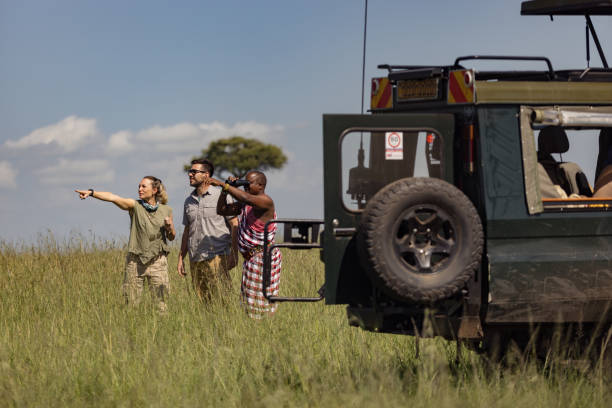 Gombe Birdwatching Tour: Your Ultimate Guide For 2026-2027start a specialized birdwatching tour in Gombe Stream National Park, Tanzania. This guide details the exceptional avian diversity, prime viewing…View package
 Gombe Boat And Forest Adventure: Your Ultimate Tanzania Wildlife ExperienceExplore the unique Gombe Stream National Park with a combined boat and forest adventure. Witness chimpanzee communities, diverse wildlife, and…View package
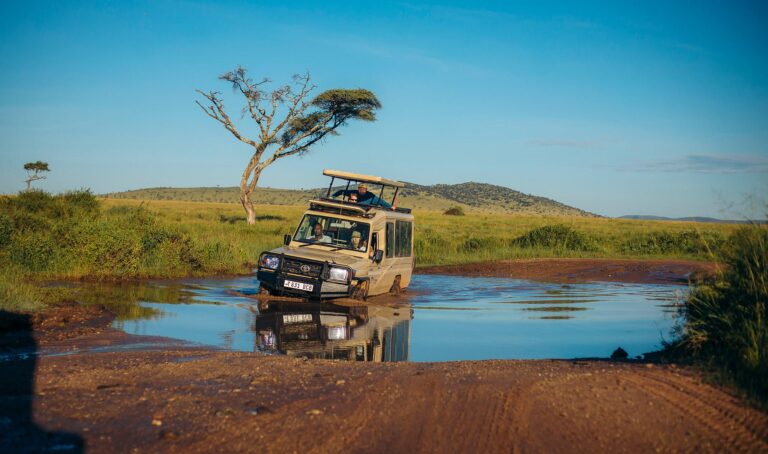 Gombe Fly-In Safari: Your Ultimate Guide To Chimpanzee Encounters In 2026-2027Discover the magic of a Gombe Fly-In Safari, offering exclusive access to chimpanzee tracking in Tanzania's Gombe Stream National Park. This…View package
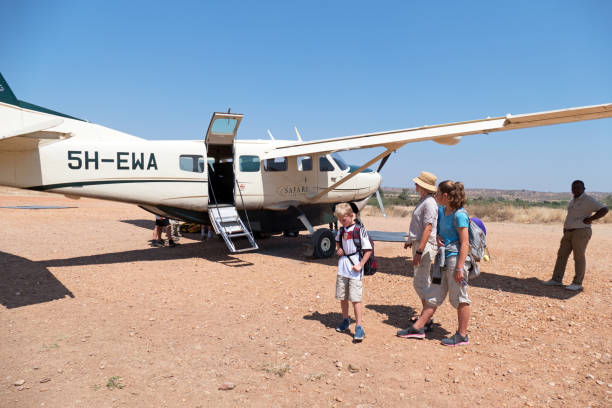 4-Day Gombe Chimpanzee And Beach Package: Ultimate Tanzania Wildlife &Discover the magic of Tanzania with our 4-day Gombe Chimpanzee and Beach Package. This unique itinerary blends the thrill of observing wild…View package
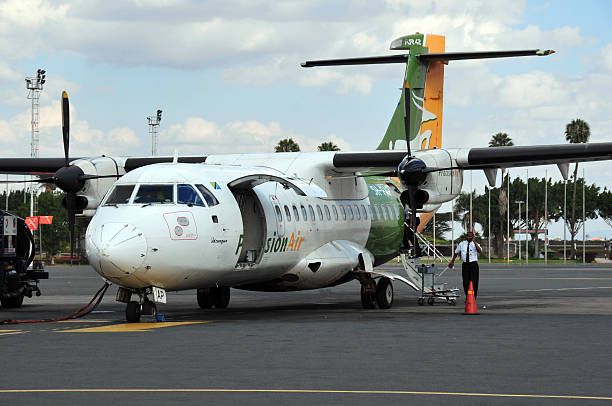 3-Day Gombe Stream Safari: Ultimate Chimpanzee Encounters In TanzaniaA 3-day Gombe Stream safari offers an unparalleled opportunity to witness chimpanzees in their natural habitat. This condensed itinerary focuses…View package
 2-Day Gombe Chimpanzee Trek: A Concise Wildlife Encounter In TanzaniaDiscover the thrill of a 2-day Gombe Chimpanzee Trek, a short yet impactful journey into the heart of chimpanzee territory in Tanzania's Gombe…View packageGombe Stream National Park: A Primate Sanctuary Adventure In TanzaniaExplore the intimate Gombe Stream National Park, a jewel on the shores of Lake Tanganyika, renowned for its chimpanzee research and trekking…View package
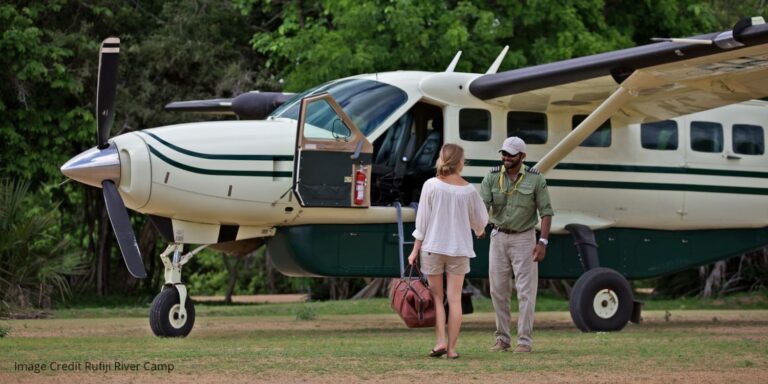 Kigoma Village Cultural Tour: Experience Authentic Tanzanian Life With TopExplore the heart of Tanzania with a Kigoma Village Cultural Tour. This immersive experience offers a genuine glimpse into local life…View package


