
Updated planning guide for 2026-2027
Guided Vs Independent Travel In Southern Africa: Complete Guide 2026-2027
Deciding between a guided tour or independent exploration in Southern Africa? This comprehensive guide helps you weigh the options for an unforgettable 2026-2027 journey.
WhatsApp +255616946642 | topguideadventures@gmail.com | info@topguideadventures.com
Guided vs Independent Travel in Southern Africa: The Essential Guide 2026-2027
Planning a trip to Southern Africa is an exciting prospect, filled with visions of vast savannas, iconic wildlife, vibrant cultures, and breathtaking landscapes. However, a crucial early decision stands between you and your adventure: should you opt for guided vs independent travel in Southern Africa? This choice significantly shapes your experience, impacting everything from your budget and itinerary to your comfort and the depth of your cultural immersion. This guide will help you navigate this decision, providing detailed insights to ensure your 2026-2027 journey is everything you dream of.
Southern Africa, encompassing countries like Tanzania, Kenya, Botswana, South Africa, Namibia, and Zambia, offers diverse travel styles. Whether you’re drawn to a classic Tanzanian safari, trekking Mount Kilimanjaro, exploring the beaches of Zanzibar, or venturing through the dramatic landscapes of Namibia, understanding the nuances of guided versus independent travel is key. We’ll explore the advantages and disadvantages of each approach, consider specific scenarios like safaris and treks, and offer practical advice for planning your trip.
Quick Answer: Guided vs Independent Travel in Southern Africa
For first-time visitors to Southern Africa, those seeking maximum convenience and expert local knowledge, or travelers on a tight schedule, a guided tour is often preferable. It simplifies logistics, provides safety, and offers deep insights. Independent travel suits experienced adventurers, budget-conscious travelers who enjoy planning, and those who value flexibility and spontaneous exploration. The best choice depends entirely on your personal travel style, priorities, and comfort level.
| Feature | Guided Travel | Independent Travel |
|---|---|---|
| Planning Effort | Low; handled by tour operator | High; requires extensive research and booking |
| Cost | Often higher upfront, but can be cost-effective overall | Potentially lower, but can escalate with poor planning or unexpected costs |
| Flexibility | Limited; set itinerary | High; complete control over schedule and activities |
| Local Knowledge | High; expert guides, local insights | Variable; depends on traveler’s research |
| Logistics & Safety | Managed; often includes transport, accommodation, activities, and safety protocols | Self-managed; requires careful planning for transport, accommodation, and safety |
| Pace | Set by the group/itinerary | Set by the traveler |
| Social Aspect | Group interaction, shared experiences | Solo or with chosen companions |
Understanding Southern Africa’s Diverse Travel Landscape
Southern Africa is not a monolithic destination. It’s a region of immense variety. Consider Tanzania, known for its world-class safaris in the Serengeti and Ngorongoro Crater, the iconic Mount Kilimanjaro, and the tropical paradise of Zanzibar. Then there’s Botswana, with its exclusive Okavango Delta, or Namibia, famous for its stark desert landscapes and wildlife. South Africa offers a blend of wildlife, culture, and history, while Zambia is renowned for walking safaris and Victoria Falls.
Each of these destinations presents unique challenges and opportunities for both guided and independent travelers. For instance, navigating remote areas in Namibia might be more feasible with a 4×4 and a detailed map for independent travel, whereas a safari in the Serengeti often benefits from experienced guides who know the wildlife’s movements and the best viewing spots. Kilimanjaro trekking, by its nature, requires a guided approach due to safety and logistical complexities.
The Case for Guided Travel in Southern Africa
Guided tours offer a structured and often more comfortable way to experience Southern Africa, especially for those who are new to the region or prefer a hassle-free vacation. The benefits are numerous:
1. Expert Local Knowledge and Insights
This is perhaps the most significant advantage. Tour guides are not just drivers or navigators; they are often local experts with deep knowledge of the flora, fauna, history, and culture. For a safari, a guide can spot animals you’d miss, understand their behavior, and take you to prime viewing locations. On a cultural tour, they can facilitate interactions, explain traditions, and provide context that enhances your understanding. For challenging treks like Kilimanjaro, guides are essential for safety, navigation, and acclimatization advice.
2. Seamless Logistics and Planning
Planning a trip to Southern Africa involves many moving parts: booking flights, accommodations, internal transfers, park permits, activities, and sometimes even visas. A guided tour operator handles all of this. You receive a well-organized itinerary, and your main task is to show up and enjoy. This is particularly valuable for complex multi-country trips or when traveling to remote areas where infrastructure might be less developed.
3. Enhanced Safety and Security
Travel in unfamiliar territories, especially in remote wildlife areas, carries inherent risks. Reputable tour operators prioritize safety. They work with experienced drivers and guides, use reliable vehicles, and have established protocols for emergencies. They are also knowledgeable about local conditions, health advisories, and safe practices. For activities like Kilimanjaro climbs, safety is paramount, and guided groups are equipped with necessary medical support and experienced guides.
4. Value for Money and Budget Control
While guided tours may seem more expensive upfront, they can often provide better value. Operators have established relationships with lodges, transport providers, and park authorities, allowing them to negotiate better rates. Furthermore, a package deal often includes most expenses, making it easier to budget and avoid unexpected costs that can quickly add up with independent travel.
5. Social Interaction and Shared Experiences
Traveling in a group can be a rewarding social experience. You meet like-minded people from around the world, share incredible moments, and build camaraderie. This is especially true for solo travelers who might find comfort and companionship on a group tour.
Who is Guided Travel Best For?
- First-time visitors to Southern Africa: Those unfamiliar with the region’s logistics and customs.
- Travelers seeking convenience and relaxation: Those who want to minimize planning and focus on the experience.
- Solo travelers: Especially those who appreciate the safety and social aspect of group travel.
- Families with young children: Guided tours often cater to family needs and provide a structured environment.
- Travelers on a specific, time-bound mission: Like summiting Kilimanjaro, where a structured, guided approach is necessary.
- Those who want deep cultural or wildlife insights: Relying on expert guides for an enriched understanding.
The Appeal of Independent Travel in Southern Africa
For some, the very essence of travel lies in charting your own course, making spontaneous decisions, and immersing yourself in a destination on your own terms. Independent travel in Southern Africa offers this freedom, but it demands more preparation and self-reliance.
1. Ultimate Flexibility and Freedom
The biggest draw of independent travel is the ability to set your own pace, choose your own destinations, and change your plans on a whim. You can linger longer at a breathtaking viewpoint, skip a scheduled stop that doesn’t appeal, or spontaneously decide to visit a local market. This level of control is invaluable for travelers who dislike rigid schedules.
2. Potential for Cost Savings
If planned meticulously, independent travel can be cheaper. By booking accommodations, transport, and activities directly, and by utilizing budget-friendly options like guesthouses, local transport, or self-catering, you can often reduce overall costs. However, this requires significant research to find the best deals and avoid expensive pitfalls.
3. Deeper Immersion and Authentic Experiences
When you travel independently, you are more likely to interact with locals on a personal level, discover hidden gems off the typical tourist trail, and experience the destination in a more authentic way. You can choose to stay in smaller, locally-owned accommodations or eat at local eateries, fostering a more direct connection with the culture.
4. Tailored Itinerary and Personalization
Independent travel allows you to craft an itinerary that perfectly matches your interests. If you’re passionate about birdwatching, you can dedicate more time to specific reserves. If you’re a history buff, you can focus on historical sites. The trip becomes a true reflection of your preferences.
Who is Independent Travel Best For?
- Experienced travelers: Those comfortable navigating unfamiliar environments and solving problems on the go.
- Budget-conscious travelers: Who are willing to put in the research to find cost-effective options.
- Travelers seeking maximum flexibility: Those who want to deviate from plans and explore spontaneously.
- Individuals or couples with specific niche interests: Who want to curate an itinerary around very particular hobbies or passions.
- Those who enjoy the planning process: The research, booking, and anticipation are part of the travel experience for them.
Guided vs Independent Travel: Specific Scenarios in Southern Africa
Let’s look at how the guided vs independent travel debate plays out for popular Southern African experiences:
1. Safaris (e.g., Tanzania, Kenya, Botswana)
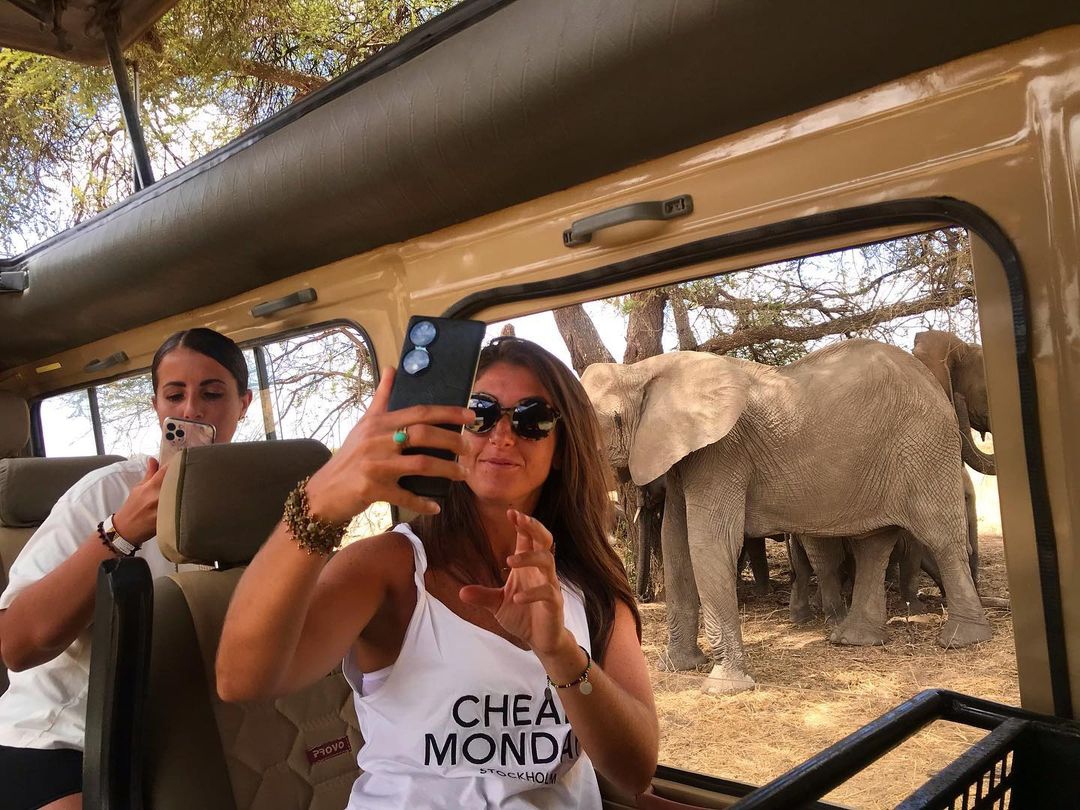
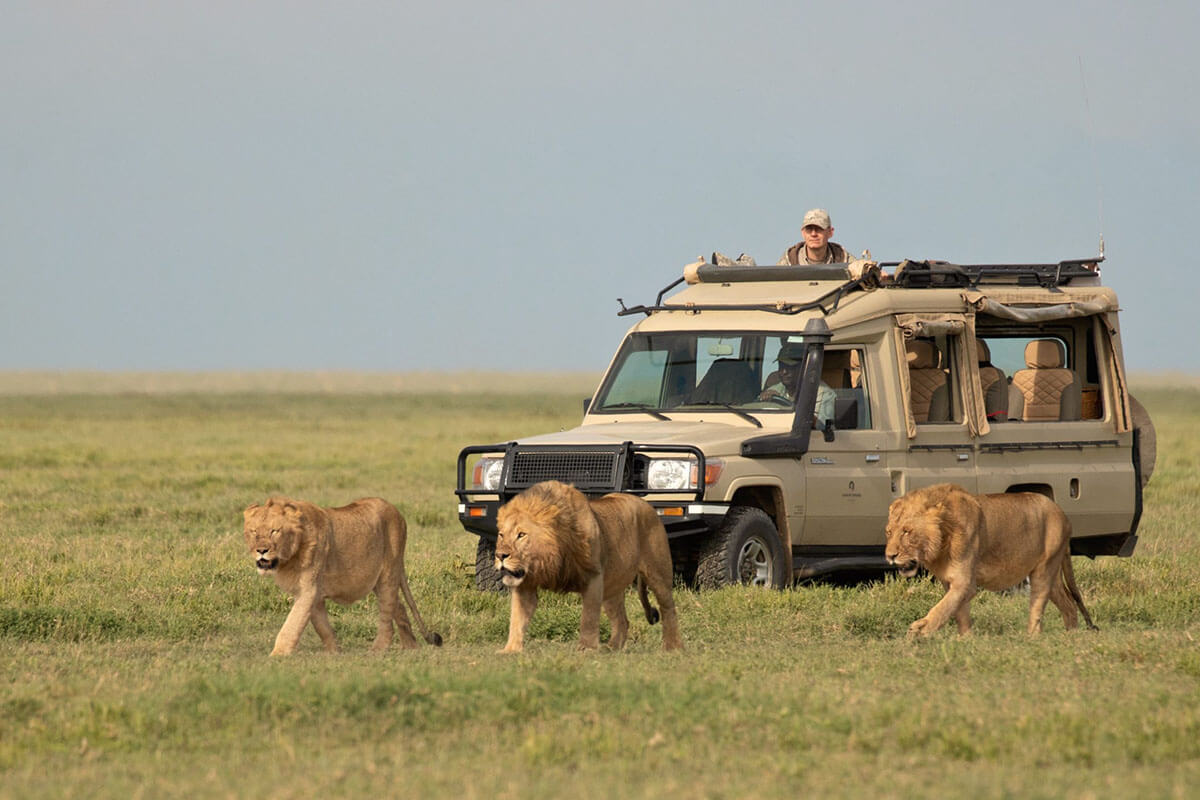
Guided: For most safari-goers, especially for iconic parks like the Serengeti, Ngorongoro, or Maasai Mara, a guided safari is highly recommended. Safari vehicles are typically open-sided or pop-top, requiring a guide for safety and optimal viewing. Guides are experts at tracking animals, understanding their behavior, and knowing the best times and locations to see specific species. They also manage park entry fees, vehicle maintenance, and lodging bookings. Many operators offer fly-in safaris or lodge-based safaris that are fully guided.
Independent: It is possible to do a self-drive safari in some parks (e.g., Kruger in South Africa, Hwange in Zimbabwe, or certain areas of Botswana). This requires renting a suitable 4×4 vehicle, understanding park rules, carrying navigation equipment, and being prepared for potential breakdowns or wildlife encounters. While offering flexibility, it demands significant planning, research into road conditions, and a higher level of self-reliance. It’s generally not recommended for first-time visitors to East African parks like the Serengeti due to the vastness and the need for expert tracking.
2. Mount Kilimanjaro Trekking
Guided: Trekking Mount Kilimanjaro is almost exclusively done with guided expeditions. The mountain’s altitude, unpredictable weather, and remoteness necessitate experienced guides, porters, and cooks. Safety is paramount, and guided groups are equipped with oxygen, medical kits, and trained personnel. It is not possible or advisable to attempt Kilimanjaro independently. Reputable tour operators provide comprehensive packages including park fees, food, equipment, and experienced mountain crew.
Independent: There is no viable option for truly independent Kilimanjaro trekking. All climbers must register with a licensed guide company and be accompanied by a certified guide. While you can choose your preferred operator, the climbing itself is a guided experience.
3. Zanzibar Holidays
Guided: A guided holiday to Zanzibar can include airport transfers, accommodation bookings, and pre-arranged excursions such as spice tours, Stone Town historical tours, or snorkeling trips. This is ideal for those seeking a relaxing beach holiday with convenient access to activities.
Independent: Zanzibar is very amenable to independent travel. You can book your own flights and accommodation, and then arrange day trips and transfers locally. Local taxi drivers and tour operators in Stone Town or beach areas can be hired for day excursions. This offers more flexibility in choosing activities and accommodations, and can be more budget-friendly.
4. Cultural and City Tours (e.g., Cape Town, Nairobi, Arusha)
Guided: City tours, historical walks, or cultural immersion experiences are often best enjoyed with a local guide. They can provide context, share stories, and navigate you through complex urban environments or sensitive cultural sites safely and informatively.
Independent: Major cities like Cape Town or Nairobi are navigable independently, especially with the aid of ride-sharing apps and public transport. Exploring local markets or neighborhoods can be done freely, though caution and awareness are always advised.
Planning Your 2026-2027 Southern Africa Adventure: Key Considerations
Whether you lean towards guided or independent travel, thorough planning is essential for a successful trip in 2026 or 2027. Here are crucial factors to consider:
1. Best Time to Visit
Southern Africa has distinct seasons, and the best time to visit depends on your priorities:
| Priority | Dry Season (Approx. June-October) | Wet Season (Approx. November-May) | Shoulder Seasons (May, Nov) |
|---|---|---|---|
| Wildlife Viewing | Excellent; animals congregate around water sources, vegetation is thinner. Peak season for safaris. | Good, but animals may be more dispersed. Excellent for birdwatching. Calving season in many areas. | Good, transitional period. |
| Green Scenery & Photography | Less lush, can be dusty. | Vibrant green landscapes, dramatic skies, fewer crowds. Ideal for photographers. | Transitional, can be beautiful. |
| Lower Prices & Fewer Crowds | Generally higher prices and more crowds during peak dry season. | Often lower prices, fewer tourists. Good for budget travelers. | Can offer good value. |
| Activities (e.g., Trekking, Water Sports) | Ideal for trekking (dry, stable weather). Good for water sports. | Trekking can be challenging due to rain. Water sports excellent in warmer months. Victoria Falls at its fullest. | Good for most activities. |
2. Choosing Your Destinations
Southern Africa is vast. It’s wise to focus on one or two countries or a specific region for a single trip, especially for shorter durations. Trying to cover too much can lead to a rushed experience.
- For classic safaris: Tanzania (Serengeti, Ngorongoro), Kenya (Maasai Mara), Botswana (Okavango Delta), South Africa (Kruger).
- For dramatic landscapes: Namibia (Sossusvlei, Damaraland), South Africa (Cape Peninsula, Drakensberg).
- For adventure: Zambia (Victoria Falls, South Luangwa for walking safaris), Tanzania (Kilimanjaro).
- For culture and history: South Africa (Cape Town, Robben Island), Zanzibar (Stone Town).
3. Sample Itinerary Logic (Tanzania Focus)
Let’s consider a hypothetical 10-day Tanzania safari. This highlights how a guided tour might structure it, and what an independent traveler would need to arrange.
Sample 10-Day Tanzania Northern Circuit Safari
- Day 1: Arrival in Arusha.
- Guided: Airport pickup, transfer to lodge, welcome briefing.
- Independent: Arrange own airport transfer, check into pre-booked lodge.
- Day 2: Arusha to Tarangire National Park.
- Guided: Drive to Tarangire, game drive, overnight lodge/camp.
- Independent: Drive or arrange transport to Tarangire, game drive, check into pre-booked accommodation.
- Day 3: Tarangire to Lake Manyara National Park.
- Guided: Morning game drive in Tarangire, drive to Lake Manyara, afternoon game drive, overnight lodge/camp.
- Independent: Drive to Lake Manyara, game drive, overnight accommodation.
- Day 4: Lake Manyara to Serengeti National Park.
- Guided: Drive to Serengeti with a stop at Olduvai Gorge, afternoon game drive, overnight lodge/camp.
- Independent: Drive to Serengeti, arrange park permits, game drive, overnight lodge/camp.
- Days 5-7: Serengeti National Park.
- Guided: Full days of game drives in Serengeti, potentially including a hot air balloon safari. Flexible based on wildlife movements.
- Independent: Continue game drives, manage own schedule and vehicle.
- Day 8: Serengeti to Ngorongoro Conservation Area.
- Guided: Morning game drive in Serengeti, drive to Ngorongoro rim, overnight lodge/camp with crater views.
- Independent: Drive to Ngorongoro, check into accommodation on the rim.
- Day 9: Ngorongoro Crater Tour.
- Guided: Descend into the crater for a full day of game viewing, ascend in the afternoon, overnight near Arusha.
- Independent: Arrange crater tour permit and vehicle access, game drive, drive back towards Arusha.
- Day 10: Departure from Arusha.
- Guided: Transfer to Kilimanjaro International Airport (JRO) for departure.
- Independent: Arrange own transfer to JRO.
Route Overview (Tanzania Northern Circuit): Arusha -> Tarangire NP -> Lake Manyara NP -> Serengeti NP -> Ngorongoro Crater -> Arusha.
4. Budget Considerations
Costs can vary wildly. For guided tours, prices typically include accommodation, meals, park fees, transport, and guide services. Independent travel costs include flights, car rental/transport, fuel, accommodation, park fees, food, and activities.
Factors influencing cost:
- Accommodation level: Luxury lodges vs. mid-range hotels vs. budget guesthouses/campsites.
- Type of safari vehicle: Standard vs. private 4×4.
- Park fees: These are fixed and can be substantial.
- Time of year: Peak season is more expensive.
- Number of travelers: Solo travelers often pay a premium for single supplements or private tours.
- Included activities: Hot air balloon safaris, guided walks, cultural visits add to the cost.
5. Visas and Vaccinations
Research visa requirements for your nationality well in advance. Many Southern African countries offer visas on arrival or e-visas, but it’s best to confirm. Consult your doctor or a travel clinic regarding recommended vaccinations (e.g., Yellow Fever, Hepatitis A, Typhoid) and malaria precautions. This is crucial for travel in 2026-2027.
6. Packing and Preparation
Pack light, neutral-colored clothing for safaris (avoid bright colors and black/dark blue which can attract tsetse flies). Include layers for cooler mornings and evenings, a good hat, sunglasses, sunscreen, insect repellent, a basic first-aid kit, and a good camera. For Kilimanjaro, specialized gear is required (see specific trekking guides).
Pre-Trip Planning Checklist (2026-2027 Travel)
- Define your budget range.
- Decide on guided vs. independent travel.
- Choose your primary destinations and activities.
- Determine the best time to visit for your priorities.
- Research and book international flights.
- For guided tours: Request quotes from reputable operators.
- For independent travel: Book internal flights/transport and accommodations.
- Check passport validity (at least 6 months beyond your stay).
- Apply for necessary visas.
- Consult a travel clinic for vaccinations and malaria advice.
- Purchase comprehensive travel insurance (essential!).
- Start packing based on climate and activities.
- Inform your bank of your travel dates.
- Learn a few basic phrases in the local language (optional but appreciated).
Common Mistakes to Avoid
Whether you choose guided or independent travel, avoiding common pitfalls can save you time, money, and stress.
- Over-scheduling: Trying to see too much in too little time leads to exhaustion and a superficial experience.
- Under-budgeting: Especially with independent travel, unexpected costs can arise. Always have a buffer.
- Ignoring local customs: Respecting cultural norms enhances interactions and avoids misunderstandings.
- Inadequate insurance: Travel insurance is non-negotiable, covering medical emergencies, trip cancellations, and lost luggage.
- Not booking in advance: For popular destinations and peak seasons (especially 2026-2027), booking well ahead is crucial.
- Choosing the cheapest option without research: Low prices can sometimes indicate lower quality, safety concerns, or hidden fees.
- Forgetting essential gear: Especially for safaris or treks, the right clothing and equipment make a big difference.
Guided vs Independent Travel: A Deeper Comparison
To further clarify the decision, let’s compare the two approaches across several dimensions:
| Aspect | Guided Travel | Independent Travel |
|---|---|---|
| Research & Booking Effort | Minimal for the traveler; operator does the heavy lifting. | Extensive research required for flights, accommodation, transport, activities, safety. |
| Cost Predictability | High; packages usually include most significant expenses. | Lower potential upfront, but higher risk of unexpected costs. Budgeting requires more diligence. |
| Flexibility & Spontaneity | Low; itinerary is fixed, group pace dictates progress. | High; complete control over schedule, activities, and pace. |
| Local Immersion | Can be limited by group dynamics and set routes, but guides provide deep insights. | Higher potential for authentic local experiences and off-the-beaten-path discoveries. |
| Safety & Support | High; experienced guides, established safety protocols, emergency support. | Relies on traveler’s own research, preparedness, and self-reliance. Access to immediate support may be limited. |
| Learning & Information | Excellent; expert guides share vast knowledge about wildlife, culture, history. | Depends on traveler’s own research and willingness to engage with locals. |
| Pace & Pace Setting | Group pace often dictates, can feel rushed or slow depending on group members. | Traveler sets own pace, can be as relaxed or as active as desired. |
| Traveler Type Suitability | Newbies, families, those seeking ease, solo travelers wanting company, specialized trips (e.g., Kilimanjaro). | Experienced adventurers, budget travelers, those prioritizing flexibility, niche interest travelers. |
Booking Advice for Your 2026-2027 Southern Africa Trip
Regardless of your chosen travel style, booking wisely is paramount for a successful trip in 2026-2027.
For Guided Tours:
- Research Operators Thoroughly: Look for companies with a strong reputation, positive reviews (on independent sites), and clear communication. For Tanzania, consider operators specializing in safaris, Kilimanjaro, and Zanzibar.
- Ask for Detailed Itineraries: Ensure you understand what is included (accommodation, meals, park fees, activities, transfers) and what is not (tips, personal expenses, certain drinks).
- Clarify Group Size: Smaller groups generally offer a more personalized experience.
- Check Inclusions/Exclusions: This is vital for budget management. For example, are park fees included in safari tours? Is equipment rental included for Kilimanjaro?
- Understand Cancellation Policies: Especially important given potential global travel uncertainties.
- Communicate Your Needs: If you have dietary restrictions, mobility issues, or specific interests, discuss them upfront.
For Independent Travel:
- Book Key Components Early: International flights, popular accommodations (especially in national parks or during peak season), and long-distance transport should be booked well in advance for 2026-2027.
- Use Reputable Booking Platforms: For accommodations and flights, stick to well-known and trusted websites.
- Secure Local Transport: Research reliable local taxi services, bus routes, or car rental agencies. If self-driving, ensure your rental agreement covers the areas you plan to visit and includes necessary insurance.
- Plan for Flexibility: Build some buffer time into your itinerary for unexpected delays or opportunities.
- Have Backup Plans: What if a road is closed, or a lodge is overbooked? Have alternative options in mind.
- Utilize Local Information: Once on the ground, talk to hotel staff, local guides, or other travelers for up-to-date information and recommendations.
Contacting Us for Guided Options
If you are leaning towards a guided experience and are planning a trip to Tanzania or a neighboring country in 2026 or 2027, we can help. We specialize in crafting memorable safari adventures, Kilimanjaro treks, and Zanzibar getaways. Whether you seek a shared group experience or a private tailor-made itinerary, our team is ready to assist.
Get in touch to discuss your dream trip:
- WhatsApp: +255616946642
- Email: topguideadventures@gmail.com
- Backup Email: info@topguideadventures.com
Frequently Asked Questions (FAQs)
Q1: Is it safe to travel independently in Southern Africa?
Safety varies by country and region. Major tourist areas are generally safe, but it’s essential to be aware of your surroundings, avoid displaying wealth, and research local safety advice. For remote areas or wildlife encounters, guided travel often offers a higher level of safety. Always have comprehensive travel insurance.
Q2: Which is more expensive: guided or independent travel in Southern Africa?
Guided tours often have a higher upfront cost but can be more cost-effective overall by including many expenses and leveraging operator discounts. Independent travel can be cheaper if meticulously planned with budget accommodations and transport, but costs can escalate quickly with poor planning or unexpected issues.
Q3: Can I combine guided and independent travel?
Absolutely. Many travelers opt for a guided safari or Kilimanjaro trek and then explore a destination like Zanzibar or Cape Town independently. This allows you to benefit from expert guidance where it’s most needed and enjoy flexibility elsewhere.
Q4: What is the best way to see wildlife in Southern Africa?
For iconic parks like the Serengeti or Kruger, guided safaris (in specialized vehicles with expert trackers) are highly recommended for the best wildlife viewing and safety. Walking safaris in areas like South Luangwa (Zambia) also offer a unique perspective, always with armed guides.
Q5: How far in advance should I book for 2026-2027 travel?
For popular destinations, peak seasons, or specific accommodations, booking 6-12 months in advance is advisable, especially for 2026-2027 travel. This is particularly true for Kilimanjaro climbs and sought-after safari lodges.
Q6: What are the main differences between guided vs independent travel in Southern Africa for safaris?
Guided safaris offer expert trackers, specialized vehicles, managed logistics, and safety. Independent safaris (self-drive) offer flexibility but require significant planning, navigation skills, and self-reliance, and are not suitable for all parks.
Q7: Is it possible to do a private guided tour?
Yes, many tour operators offer private guided tours. This combines the benefits of expert guidance and managed logistics with the flexibility and exclusivity of traveling with your own group, at your own pace. This is often ideal for families or groups of friends.
Q8: What kind of traveler is best suited for independent travel in Southern Africa?
Independent travel is best for experienced travelers comfortable with planning, problem-solving, and self-reliance. It’s also suitable for budget-conscious individuals or those who prioritize complete itinerary control and spontaneous exploration.
Q9: How do I choose a reputable tour operator for Southern Africa?
Look for operators with a strong online presence, clear contact information, detailed itineraries, positive reviews on independent platforms, and industry certifications. Ask about their safety protocols and local partnerships. For Tanzania, we at Top Guide Adventures are committed to providing exceptional experiences.
Q10: What are the key things to pack for a Southern Africa trip in 2026-2027?
Pack light, neutral-colored clothing, layers for temperature changes, a wide-brimmed hat, sunglasses, sunscreen, insect repellent, a good camera, binoculars, and a basic first-aid kit. Specific requirements will vary based on activities (e.g., trekking gear for Kilimanjaro).
Making Your Choice: Guided vs Independent Travel in Southern Africa
The decision between guided vs independent travel in Southern Africa is deeply personal. There’s no single right answer; the best approach is the one that aligns with your travel style, budget, comfort level, and desired experience. For many, a hybrid approach, combining guided elements with independent exploration, offers the perfect balance.
If you’re seeking an adventure where every detail is expertly handled, allowing you to fully immerse yourself in the wonders of Southern Africa without logistical worries, a guided tour is an excellent choice. If you thrive on planning, crave ultimate freedom, and enjoy discovering places at your own pace, independent travel might be your path. For those planning a Tanzanian safari, a Kilimanjaro climb, or a Zanzibar escape for 2026-2027, consider how our expertise can shape your journey.
We specialize in creating unforgettable travel experiences in Tanzania. Whether you’re looking for a comprehensive safari package, a challenging Kilimanjaro trek, or a relaxing Zanzibar holiday, we can tailor an itinerary to your needs. Let us help you plan your perfect adventure, ensuring a memorable and hassle-free trip.
Contact us today to start planning your guided Southern Africa adventure:
- WhatsApp: +255616946642
- Email: topguideadventures@gmail.com
- Backup Email: info@topguideadventures.com
Plan your Guided vs Independent Travel in Southern Africa with Top Guide Adventures
Tell us your travel dates, group size, comfort level, and dream experience. We will help you shape a clear, realistic, and memorable Tanzania itinerary.







 Veedesigner
 Fatma Kizanga
 Benjamin Waryuba
 Philip Philip
 John jr Itaja
 Antonia Optatus
 Edith Kanyere
 Neema Iddy
 Kelvin Boniphace
 Damari Maiga



