
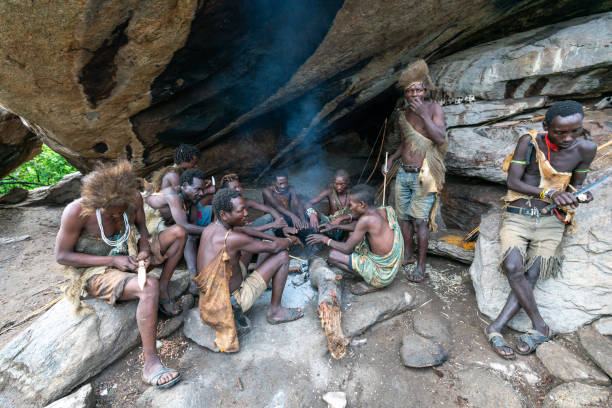
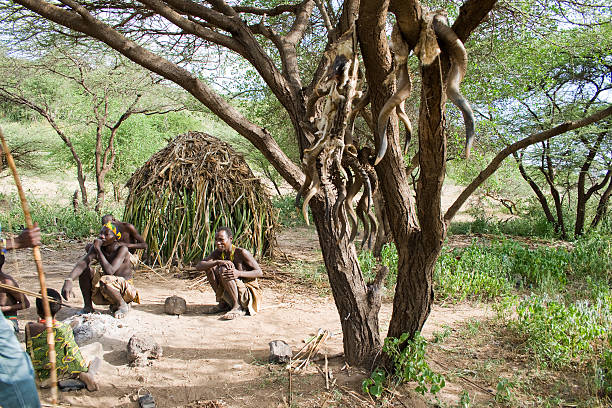
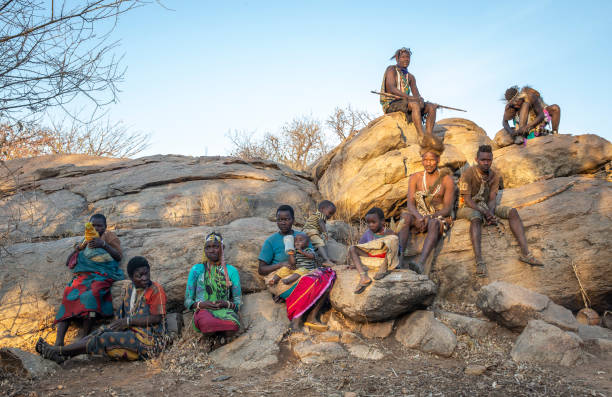
A Hadzabe and Datoga Tribe Safari offers a profoundly different perspective on Tanzania, moving beyond the renowned wildlife spectacles to explore the rich cultural heritage of its indigenous peoples. For travelers seeking authentic connections and a deeper understanding of human history, engaging with the Hadzabe, the last remaining hunter-gatherer community in East Africa, and the skilled pastoralist Datoga, presents an unparalleled opportunity. Planning such a trip for 2026 or 2027 requires specific knowledge, and this guide aims to equip you with everything needed to arrange a respectful and memorable cultural safari.
The Soul of Tanzania: Understanding the Hadzabe and Datoga
The allure of a Hadzabe and Datoga Tribe Safari lies in the unique way of life these communities have maintained for millennia, often in close proximity to Tanzania’s famous national parks. Their traditions, survival skills, and social structures offer a fascinating contrast to the modern world, providing invaluable insights into human resilience and adaptation. These encounters are not mere tourist attractions; they are windows into deeply rooted cultures that have shaped the Tanzanian landscape and its identity for centuries.
The Hadzabe: Echoes of the Stone Age
The Hadzabe, also known as the Watindiga, are one of Africa’s last true hunter-gatherer tribes. Their lifestyle is deeply intertwined with the natural environment, relying on hunting game with bows and arrows crafted from indigenous materials, gathering wild fruits, roots, tubers, and the coveted wild honey. They live in small, nomadic bands, typically comprising 20-50 individuals, primarily around the vast and ecologically rich Lake Eyasi in the Arusha Region. Their language is a marvel, characterized by unique click consonants – a linguistic feature shared with some Khoisan languages of Southern Africa, suggesting ancient migratory patterns and a lineage stretching back thousands of years. Engaging with the Hadzabe is not a performance; it’s an invitation to witness a way of life that has persisted with remarkable tenacity despite the relentless pressures of modernization, land encroachment, and changing environmental conditions. Their deep knowledge of the land, passed down through oral tradition, includes an intricate understanding of medicinal plants and the behavior of wildlife, making them true custodians of their environment.
The Datoga: Artisans of Iron and Keepers of Cattle
The Datoga (also referred to as the DhaToga, Doto, or Tatoga) are a proud pastoralist people, distinguished by their unique cultural practices and exceptional craftsmanship. They are renowned as skilled ironworkers, traditionally crafting essential tools, hunting spears, and intricate jewelry from scrap metal, often sourced from discarded items found in more populated areas. Their semi-nomadic lifestyle revolves around the meticulous herding of cattle, goats, and sheep, which are central to their economy, social status, and spiritual beliefs. While pastoralism is their primary focus, many Datoga also engage in agriculture, cultivating crops suited to the challenging environment. The Datoga are visually striking, recognized for their distinctive body tattoos and elaborate scarification rituals, which hold profound cultural significance, signifying tribal affiliation, personal achievements, and rites of passage. Their villages, often characterized by circular huts and corrals for their livestock, are typically found in the Ngorongoro Conservation Area and around the fertile shores of Lake Eyasi, making them accessible on safaris specifically designed for cultural encounters.
The Profound Value of a Hadzabe and Datoga Tribe Safari
While Tanzania is globally celebrated for its unparalleled wildlife spectacles, a safari focused on the Hadzabe and Datoga offers a different, yet equally profound, kind of richness. It transcends the typical tourist experience to foster genuine human connection, facilitate meaningful cultural exchange, and provide invaluable lessons about sustainable living practices that have supported these communities for centuries. This unique experience is ideally suited for travelers who:
- Seek authentic cultural immersion that goes far beyond superficial tourist interactions, aiming for genuine understanding and respect.
- Possess a deep interest in anthropology, human history, indigenous cultures, and traditional ways of life that offer a counterpoint to the modern world.
- Desire to understand the complex and often delicate relationship between indigenous peoples and their surrounding natural environments, particularly in the face of development.
- Appreciate and actively seek out ethical tourism models that ensure direct benefits flow to the local communities, empowering them and preserving their heritage.
- Are meticulously planning a 2026 or 2027 trip and are determined to craft a truly unique, memorable, and responsible itinerary that leaves a positive impact.
A well-organized Hadzabe and Datoga Tribe Safari is meticulously designed to ensure that your visit is not only deeply respectful and non-intrusive but also genuinely beneficial to the communities involved, while simultaneously providing you with an unforgettable, educational, and enriching learning experience. It represents a rare and precious chance to witness a different, yet equally captivating, side of Tanzania – one that is as ancient and compelling as its famed wildlife.
Strategic Planning for Your Hadzabe and Datoga Tribe Safari in 2026-2027
Successful planning for a Hadzabe and Datoga Tribe Safari hinges on a thorough understanding of the logistical nuances, the optimal times to visit, and, most importantly, how to approach these ancient communities with the utmost sensitivity and respect. Unlike a conventional wildlife-focused safari, cultural tours necessitate a more deliberate, nuanced, and ethically grounded approach to ensure a mutually beneficial experience.
Optimal Timing: Navigating Tanzania’s Seasons
The climate in the Lake Eyasi region, the ancestral home of the Hadzabe and numerous Datoga communities, is predominantly hot and arid. The most favorable periods for a deeply engaging cultural safari generally align with Tanzania’s dry seasons, which typically span from June to October and again from December to February. During these specific windows:
- June to October (The Great Dry Season): This is Tanzania’s principal dry season, characterized by pleasant temperatures, lower humidity, and abundant sunshine. Wildlife tends to congregate around dwindling water sources, making it an excellent time for combining cultural visits with traditional wildlife viewing. For cultural excursions, the dry ground significantly improves travel accessibility and comfort, reducing the challenges posed by muddy or impassable tracks.
- December to February (The Short Rains & Summer): This period often experiences the ‘short rains’ (Vuli), which can bring brief, localized showers, followed by a distinct dry spell. It can still be a rewarding time to visit, as the landscape becomes beautifully verdant. Some adventurous travelers find that the slightly less predictable weather adds an element of authentic adventure to their journey. While possible, it’s essential to be prepared for occasional rain.
It is advisable to avoid the peak of the main rainy seasons (March-May, known as Masika, and November), as heavy rainfall can render roads impassable, significantly hindering access to these remote and often isolated tribal areas. When meticulously planning your expeditions for 2026 or 2027, careful consideration of these seasonal patterns is crucial for maximizing both comfort and accessibility, ensuring a smooth and enriching cultural adventure.
Geographic Heart: The Lake Eyasi Region
The primary geographical focus for experiencing the unique cultures of the Hadzabe and Datoga is the Lake Eyasi region, a captivating area situated south of the renowned Ngorongoro Conservation Area. This strategically located region is frequently and effectively incorporated into classic Northern Circuit safari itineraries, or it can serve as a dedicated cultural extension, allowing for deeper immersion. Access is typically achieved via scenic drives from Arusha, Karatu, or the Ngorongoro Crater rim. The journey itself is often an integral part of the adventure, winding through diverse rural landscapes, passing traditional farms, and observing the rhythms of local village life.
The Ethical Imperative: The Foundation of Cultural Tourism
This aspect stands as perhaps the most critical element in the successful planning and execution of a Hadzabe and Datoga Tribe Safari. Ethical engagement is not merely a guideline; it is the fundamental principle that ensures your visit is conducted with the utmost respect, remains non-intrusive, and delivers tangible, positive benefits directly to the communities you have the privilege to encounter. Key principles that underpin responsible cultural tourism include:
- Partnering with Proven, Ethical Operators: It is paramount to select a tour operator with a demonstrably strong track record in responsible cultural tourism and community engagement. Such operators will have established, trust-based relationships with the tribes, ensuring that all visits are pre-arranged, mutually agreed upon, and conducted with the highest degree of respect and cultural sensitivity. For instance, Top Guide Adventures places an unwavering emphasis on ethical interactions and ensuring direct community benefit flows from tourism. You can easily connect with them via WhatsApp at +255616946642 or by email at topguideadventures@gmail.com.
- Upholding Privacy and Dignity: Always seek explicit permission before taking photographs or videos of individuals, particularly children. It is essential to understand and respect that some people may feel uncomfortable or unwilling to be photographed, and their wishes must be honored without question.
- Avoiding ‘Human Zoo’ Dynamics: Responsible and ethical tours are meticulously designed to foster genuine interaction, learning, and cultural exchange, rather than creating staged, artificial performances for tourist consumption. The ultimate goal is respectful observation, meaningful participation where appropriate, and a genuine connection, not exploitation or commodification of culture.
- Actively Supporting Local Economies: If you choose to purchase handicrafts, ensure you do so directly from the artisans, negotiating fair prices that reflect the value of their work and skills. Your overall tour fees should also contribute directly to community development projects or initiatives, as managed by your ethical tour operator.
- Cultivating Understanding of Local Customs: Your experienced guide will provide comprehensive briefings on appropriate behavior, respectful dress codes, and essential greetings. Modesty in dress is highly recommended, and making an effort to learn a few basic phrases in the local language (even simple greetings) can be profoundly appreciated and foster goodwill.
Defining the Duration: Depth vs. Breadth
A typical, introductory cultural visit might range from a few hours to a full day, depending significantly on the specific community being visited and the overall itinerary structure. Some specialized tours offer the compelling option for an overnight stay in a simple, eco-friendly camp situated near a Hadzabe or Datoga settlement, providing a more immersive and intimate cultural experience. For travelers planning their adventures for 2026 and 2027, it is highly recommended to consider allocating an additional 1-2 days specifically for these cultural encounters. This dedicated time allows for deeper engagement, more meaningful interactions, and a richer understanding without feeling rushed or compromising the quality of the experience.
smooth Integration: Crafting Your Hadzabe and Datoga Tribe Safari Itinerary
A Hadzabe and Datoga Tribe Safari can be designed as a standalone, culturally focused journey or, more commonly and practically, as a powerful and enriching addition to a classic Tanzanian wildlife safari. The key to a successful integration lies in meticulously balancing the pace and unique nature of each experience, ensuring a harmonious flow throughout your expedition.
Synergy with the Northern Circuit: A Balanced Adventure
The most popular and logistically straightforward approach involves combining visits to the Hadzabe and Datoga with explorations of Tanzania’s iconic Northern Circuit wildlife parks. These include the world-renowned Serengeti National Park, the unique ecosystem of the Ngorongoro Crater, the vast elephant herds of Tarangire National Park, and the diverse birdlife and tree-climbing lions of Lake Manyara National Park. The Lake Eyasi region’s proximity to these major safari destinations makes incorporating cultural visits remarkably smooth and efficient.
A thoughtfully structured potential itinerary for 2026-2027, balancing wildlife and culture, could be envisioned as follows:
Day 1-3: Arusha & Preparation Arrive at Kilimanjaro International Airport (JRO), transfer to Arusha. Settle in, meet your guide, and discuss the upcoming adventure. Optional visits to local markets or the Shanga cultural workshop for a gentle introduction to Tanzanian life.
Day 4-6: Tarangire National Park Begin your safari in Tarangire, famous for its enormous elephant herds, iconic baobab trees, and diverse birdlife. Enjoy game drives across the park’s rolling savannah.
Day 7-9: Serengeti National Park Journey into the legendary Serengeti, a vast ecosystem offering unparalleled wildlife viewing opportunities. Depending on the time of year, you might witness the dramatic Great Migration. Search for the Big Five and other predators.
Day 10: Ngorongoro Crater Exploration Descend into the Ngorongoro Crater, a UNESCO World Heritage Site, often described as Africa’s Eden. This caldera boasts an astonishing concentration of wildlife, providing exceptional game viewing in a compact, breathtaking setting.
Day 11: Lake Eyasi Cultural Immersion After breakfast, drive towards the Lake Eyasi region. Spend the morning engaging with a Datoga community, observing their traditional metalworking skills and pastoralist lifestyle. In the afternoon, venture out to meet the Hadzabe, perhaps accompanying them on a morning foraging expedition or learning about their ancient hunting techniques with bows and arrows.
Day 12: Deeper Cultural Exchange & Return to Arusha Enjoy a final morning activity with either the Hadzabe or Datoga, deepening your understanding and appreciation. Afterwards, begin the scenic drive back to Arusha, reflecting on the incredible cultural encounters.
Day 13: Departure Transfer to Kilimanjaro International Airport (JRO) for your onward flight, or continue your journey, perhaps to the spice islands of Zanzibar.
This carefully balanced structure ensures that you experience the very best of Tanzania’s wildlife while also dedicating sufficient time for profound cultural insights. The allocated time for tribal visits provides the depth needed for meaningful interaction without overshadowing the core safari experience.
A Dedicated Cultural Odyssey: Focusing on Immersion
For travelers whose primary passion and objective is deep cultural exploration, a dedicated trip centered entirely around the Lake Eyasi region can be meticulously arranged. This specialized approach offers an unparalleled opportunity for profound immersion and understanding:
- Extended Hadzabe Encounters: Spend multiple days living alongside or in close proximity to the Hadzabe, learning firsthand about their intricate tracking skills, traditional hunting methods using bows and arrows, and the sustainable gathering of wild foods and honey. This allows for a much deeper appreciation of their unique survival techniques and connection to the land.
- Exploring Datoga Diversity: Visit various Datoga communities to understand the nuances within their culture, observe different styles of craftsmanship (particularly ironwork and beadwork), and gain insights into their varied social structures and pastoralist practices.
- Landscape and Ecosystem Appreciation: Explore the broader Lake Eyasi landscape, appreciating its unique semi-arid ecosystem and understanding how it sustains both the wildlife and the indigenous peoples who have adapted to its challenges for millennia.
This focused approach offers a more profound, intimate, and comprehensive understanding of these remarkable cultures, allowing for slower-paced interactions, deeper learning opportunities, and a more holistic experience. It is an excellent choice for travelers planning niche, specialized travel for 2026 or 2027.
Anticipating Your Tribe Visit: What to Expect on the Ground
A visit to the Hadzabe and Datoga is a profoundly different experience from a typical wildlife safari. It is raw, intensely authentic, and requires an open mind, a curious spirit, and an unwavering commitment to respectful engagement.
Authentic Encounters with the Hadzabe
When you have the privilege of visiting the Hadzabe, your experience may include:
- Witnessing the Hunt: With considerable luck and depending on favorable conditions and animal availability, you may have the extraordinary opportunity to accompany Hadzabe men on a hunt. This involves observing their incredible agility, stealth, and astonishing skill with hand-crafted bows and arrows. It is crucial to understand that these hunts are their means of survival, not a staged event for tourists, and success is never guaranteed.
- Learning About Foraging: Observe Hadzabe women and children expertly foraging for sustenance in the bush. Witness their deep knowledge of identifying and gathering edible roots, tubers, berries, and, of course, the highly prized wild honey. You might be shown how they skillfully locate these resources and prepare them for consumption.
- Experiencing Camp Life: Gain insight into their daily lives by observing how they construct simple, yet effective, shelters from natural materials. Witness their communal routines, social interactions, and the egalitarian nature of their camp life.
- Hearing Their Unique Language: Listen intently to the fascinating Hadzabe language, characterized by its distinctive click consonants. This linguistic feature offers a glimpse into ancient human communication and cultural connections.
It is fundamentally important to remember that the Hadzabe live their lives according to ancient traditions; they are not performers putting on a show for visitors. Your presence is a privilege granted by them, and respectful, unobtrusive observation is the paramount guiding principle. Your expert guide will act as a crucial facilitator, bridging communication gaps and ensuring all interactions remain appropriate and respectful.
Engaging with the Datoga
Visits to Datoga communities typically offer a different yet equally enriching set of experiences:
- Observing Skilled Metalworking: Visit a traditional Datoga blacksmith’s workshop. Witness firsthand the remarkable skill and artistry with which they transform salvaged scrap metal into essential tools for farming and hunting, as well as creating beautiful, intricate jewelry and adornments. This is a highly revered craft passed down meticulously through generations.
- Understanding Pastoralist Culture: Learn about their deep, symbiotic relationship with their livestock, particularly cattle. Understand how these animals are not just a source of livelihood but are central to their economy, social standing, spiritual beliefs, and cultural identity.
- Appreciating Traditional Adornments: Admire their distinctive and culturally significant beadwork, elaborate tattoos, and scarification patterns. These adornments are not merely decorative; they serve as powerful markers of tribal identity, social status, marital milestones, and cultural beauty standards.
- Exploring Village Life: Gain valuable insights into the structure of their villages, the dynamics of family life, their social customs, and their unique architectural styles, often characterized by functional yet aesthetically pleasing designs.
Datoga communities tend to be more settled than the Hadzabe, which often allows for a more structured and accessible visit to their villages. As with the Hadzabe, unwavering respect for their privacy, customs, and traditions is absolutely paramount.
Essential Packing and Attire Guidance
For your immersive Hadzabe and Datoga Tribe Safari, thoughtful packing and appropriate attire are crucial for both comfort and cultural sensitivity:
- Modest Clothing: Pack lightweight, breathable clothing that covers your body. Long trousers or skirts and tops that cover your shoulders are highly recommended to show respect for local customs and traditions. Neutral colors are often preferred.
- Comfortable Walking Shoes: You will likely be walking on uneven, natural terrain, so sturdy and comfortable walking shoes or hiking boots are essential.
- Sun Protection: The Tanzanian sun can be intense. A wide-brimmed hat, high-SPF sunscreen, and quality sunglasses are indispensable for protecting yourself from the elements.
- Insect Repellent: Especially important during dawn and dusk hours, carrying a reliable insect repellent will help prevent bites from mosquitoes and other insects.
- Small Gifts (Optional and Carefully Considered): If you feel inclined to offer a gift, it is crucial to discuss this with your tour operator beforehand. Practical items like sugar, salt, basic medical supplies (e.g., bandages, antiseptic wipes), or school supplies are often far more useful and appreciated than generic trinkets. Avoid giving sweets, especially to children, as this can contribute to dental problems. Always consult your guide before distributing any gifts.
- Camera Gear: Ensure you have a reliable camera with plenty of battery power and sufficient memory storage. Remember the golden rule: always ask for permission before photographing people.
- Reusable Water Bottle: Staying hydrated is vital in the African heat. Carry a reusable water bottle to minimize plastic waste. Your lodge or guide can assist with refills.
Navigating Logistics: Practicalities of Your Cultural Safari
Meticulously planning the practical aspects of your journey is key to ensuring a smoother, more comfortable, and profoundly enjoyable experience. For travelers targeting 2026 and 2027, initiating bookings well in advance is strongly recommended, particularly if you aim to travel during peak seasons or secure specific, in-demand cultural experiences.
Transportation Essentials
Accessing the remote Lake Eyasi region typically necessitates the use of robust, specially equipped 4×4 safari vehicles. The terrain can be demanding, characterized by rough, dusty tracks, especially during the dry season, and potentially challenging, muddy conditions during the rainy periods. Your chosen tour operator will arrange for comfortable, reliable, and well-maintained transport, driven by experienced guides who possess intimate knowledge of the local terrain, cultural sensitivities, and driving conditions.
Accommodation Spectrum
Accommodation options available near the Lake Eyasi region cater to a range of preferences:
- Comfortable Safari Lodges/Tented Camps: Well-appointed lodges and permanent tented camps are situated in the vicinity, offering essential amenities such as en-suite bathrooms, comfortable bedding, and restaurant services. These provide an excellent and comfortable base from which to conduct day trips to the tribal communities.
- Basic Campsites: For those seeking a more rustic and grounded experience, some operators can arrange simple, well-equipped campsites situated closer to the tribal areas. This option offers a more immersive connection with the natural environment and a closer proximity to the cultural heart of the region.
- Overnight Stays with Tribes (Rare & Highly Regulated): In exceptionally specific, pre-arranged circumstances, and only with the full consent and invitation of the community, a limited overnight cultural immersion experience might be possible. This offers a truly profound connection but is not a standard offering and requires significant advance planning, cultural sensitivity, and adherence to strict protocols.
When making your travel plans for 2026 or 2027, it is highly advisable to discuss your preferred accommodation style and comfort level thoroughly with your tour operator. This ensures they can select options that best align with your expectations for comfort, immersion, and the overall nature of your cultural adventure.
Budgeting Your Cultural Safari: Costs and Considerations
The overall cost of a Hadzabe and Datoga Tribe Safari is influenced by a confluence of factors:
- Duration of the Trip: Naturally, longer safaris encompassing more days will incur higher costs.
- Accommodation Standards: Opting for luxury lodges and camps will be significantly more expensive than choosing more basic campsites or mid-range options.
- Inclusions within the Package: Carefully review what is included in your safari package. This encompasses elements like park entrance fees (for wildlife areas), meals, guide services, vehicle hire, and specific cultural interaction fees.
- Group Size: Private tours, while offering exclusivity and flexibility, are generally more expensive on a per-person basis compared to joining a small group safari.
- Operator’s Ethical Pricing Structure: Reputable tour operators who are committed to ethical engagement, fair compensation for tribal communities, and sustainable tourism practices may have higher upfront costs. However, these costs are essential investments in ensuring the authenticity, respectfulness, and positive impact of your visit.
As a general guideline, a Hadzabe and Datoga Tribe Safari, when integrated into a comprehensive 7-10 day Northern Circuit wildlife safari, could range approximately from $300 to $700+ per person per day. This estimate typically covers accommodation, transportation, park fees for wildlife areas, meals, and guide services. Dedicated cultural interaction fees may sometimes be itemized separately or incorporated into the daily rate by ethical operators who prioritize direct community benefit. For a precise, personalized quotation tailored to your specific travel dates and preferences for 2026 or 2027, contacting a specialist operator such as Top Guide Adventures is strongly recommended. You can reach them easily via WhatsApp at +255616946642 or by email at topguideadventures@gmail.com.
Permits, Fees, and Community Contributions
While the Hadzabe and Datoga communities themselves are not located within officially gazetted national parks, their ancestral lands often fall under the jurisdiction of local government authorities or specific conservation area management bodies. Your tour operator will be responsible for securing any necessary permits or entrance fees required for accessing these culturally significant areas. Crucially, a significant portion of your tour cost should be earmarked for direct contribution to the communities you visit. Ethical and responsible operators meticulously ensure that fair compensation is provided to the tribes for their time, willingness to share their culture, and the use of their lands, thereby fostering a sustainable and mutually beneficial relationship.
Ensuring Safety and Thorough Preparation for Your Cultural Safari
Your personal safety and overall well-being are of paramount importance throughout your journey. While the areas inhabited by the Hadzabe and Datoga are generally considered safe environments for respectful visitors, a few preparatory measures can significantly enhance your experience and ensure peace of mind.
Health and Vaccinations
Consult your doctor or a travel health clinic at least 4-6 weeks before your departure date. Recommended vaccinations often include Hepatitis A, Typhoid, and Tetanus. Depending on your medical history and the advice of your healthcare provider, other vaccinations or prophylactic medications, such as anti-malarials, may be recommended. It’s also wise to pack a personal first-aid kit with essentials like pain relievers, antiseptic wipes, bandages, and any personal prescription medications. Ensure you have adequate travel insurance that covers medical emergencies and evacuation.
Cultural Sensitivity and Etiquette
Respect is the cornerstone of successful cultural interaction. Your guide will provide detailed briefings on local customs, appropriate dress, and respectful behavior. Key points include:
- Dress Modestly: Cover shoulders and knees. Avoid revealing or overly flashy clothing.
- Ask Before Photographing: Always seek permission before taking pictures or videos of people. Be prepared for a ‘no’ and respect it gracefully.
- Greetings: Learn basic greetings in Swahili or local dialects if possible. A polite greeting goes a long way.
- Gifts: As mentioned, consult your guide. Avoid giving money directly unless instructed, and opt for practical items if approved.
- Patience and Openness: Embrace the experience with an open mind. Understand that cultural practices may differ significantly from your own.
Physical Fitness and Acclimatization
While not as strenuous as a high-altitude trek, a Hadzabe and Datoga Tribe Safari may involve walking on uneven terrain, sometimes in warm conditions. Maintaining a reasonable level of physical fitness will enhance your comfort. The altitude in the Lake Eyasi region is generally moderate, but it’s always wise to stay hydrated and allow your body time to acclimatize upon arrival in Tanzania, especially if you are coming from sea level.
The Lasting Impact: Why This Safari Matters
A Hadzabe and Datoga Tribe Safari is more than just a trip; it’s an investment in understanding the diversity of human experience. It offers a profound connection to the past and a vital perspective on the present challenges faced by indigenous communities worldwide. By choosing ethical operators like Top Guide Adventures (WhatsApp: +255616946642; Email: topguideadventures@gmail.com), you ensure your travel contributes positively, supporting cultural preservation and community well-being.
For your 2026 or 2027 adventure, consider this journey not just as a vacation, but as an opportunity for personal growth, a chance to learn from ancient wisdom, and a way to foster greater global understanding and respect for the diverse mix of humanity. It’s an experience that resonates long after you’ve returned home, offering a unique lens through which to view the world.
Booking your Hadzabe and Datoga Tribe Safari for 2026-2027 well in advance is highly recommended to secure the best guides, accommodation, and ensure ethical arrangements are meticulously planned. Contacting Top Guide Adventures early is key to crafting your unforgettable cultural expedition.







 Veedesigner
 Fatma Kizanga
 Benjamin Waryuba
 Philip Philip
 John jr Itaja
 Antonia Optatus
 Edith Kanyere
 Neema Iddy
 Kelvin Boniphace
 Damari Maiga



