
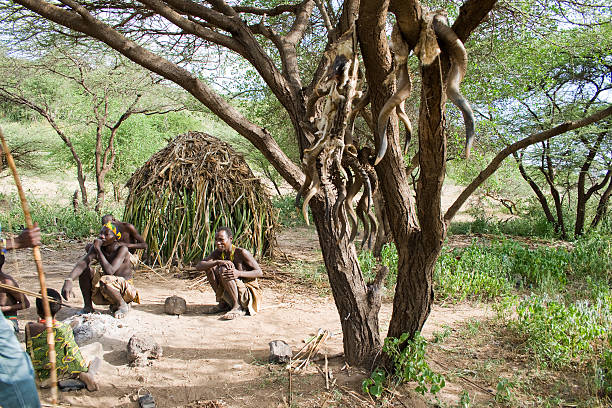
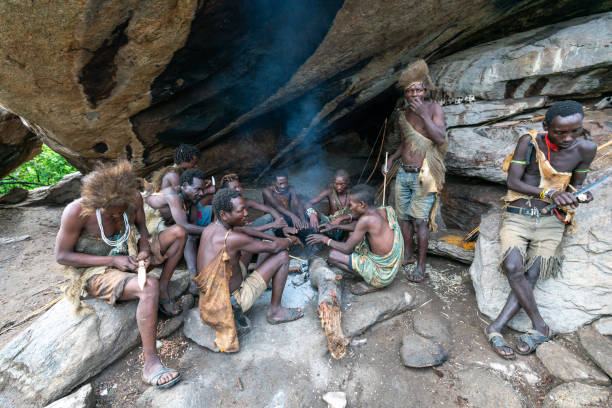
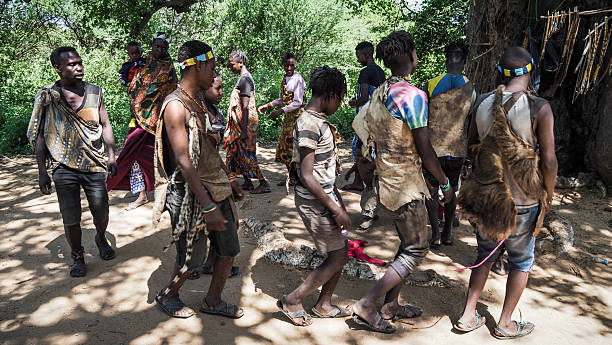
Visiting the Hadzabe people, one of the last hunter-gatherer tribes in Africa, is a profound experience that offers a unique window into a way of life far removed from the modern world. For travelers planning their 2026 or 2027 trips to Tanzania, understanding the Hadzabe tribe tour cost and entry fees is a crucial first step. This guide aims to provide comprehensive clarity, detailing what financial considerations are involved, what typically influences these costs, and how to approach this sensitive cultural encounter responsibly.
The desire to connect with indigenous cultures is growing, and the Hadzabe, living near Lake Eyasi, represent a compelling draw for many. However, it’s essential to approach such visits with respect, preparedness, and a clear understanding of the economic aspects. We’ll break down the components that make up the cost, explain what entry fees cover, and offer practical advice for planning your visit, ensuring your interaction is both meaningful and ethical.
Understanding the Value: What Your Hadzabe Tour Contribution Supports
When discussing Hadzabe tribe tour cost and entry fees, it’s vital to recognize that this is not merely a transaction but a contribution that directly benefits the Hadzabe community. The fees collected are often managed by local guides or community representatives and are used for various essential needs, including food, water, healthcare, and supporting their traditional way of life. In a rapidly changing world, these contributions help sustain their culture and autonomy.
The costs associated with a Hadzabe visit typically encompass several elements:
- Guide Fees: Employing a local Hadzabe guide is paramount. They are the bridge between your group and the community, facilitating communication, explaining customs, and ensuring interactions are conducted respectfully. A significant portion of your tour cost goes towards compensating these guides and their families.
- Community Contribution: A portion of the fee is often a direct contribution to the community as a whole, acknowledging their hospitality and the sharing of their traditions.
- Logistics and Transportation: Reaching the Hadzabe settlements near Lake Eyasi involves significant travel, often on rough terrain, from major hubs like Arusha or Mwanza. The cost of fuel, vehicle maintenance, and the driver’s expertise are factored in.
- Time and Access: The Hadzabe live a nomadic or semi-nomadic lifestyle. Arranging a visit requires coordination, often involving waiting for the community to be accessible, which adds to the logistical complexity and cost.
For travelers looking ahead to 2026 or 2027, understanding these underlying values helps frame the discussion around pricing. It’s not just about an ‘entry fee’ but about supporting a sustainable cultural exchange.
Typical Hadzabe Tribe Tour Cost Ranges for 2026-2027
Providing exact figures for Hadzabe tribe tour cost and entry fees can be challenging as prices can vary based on the tour operator, the duration of the visit, the number of people in your group, and the specific activities included. However, we can offer indicative ranges that are likely to be relevant for 2026 and 2027.
Generally, a day trip or a half-day visit focused on interacting with the Hadzabe, often combined with other Lake Eyasi attractions, can range from $100 to $250 per person. This usually includes transportation from a nearby lodge or base, a local guide, and the community contribution.
If you are planning a more immersive experience, perhaps staying overnight in a basic camp near their settlements to witness their morning hunting or gathering activities, the costs will be higher. These multi-day experiences, often part of a larger Lake Eyasi cultural tour or a broader Tanzania safari, could add $150 to $300+ per person per day on top of your standard safari or accommodation costs. This would cover extended guide services, more in-depth cultural insights, and potentially contributions for meals shared with the community.
Estimated Cost Factors for Hadzabe Tours (2026-2027)
- Group Size: Smaller groups often mean a higher per-person cost due to fixed logistical expenses. Larger groups can sometimes reduce the per-person rate.
- Duration: A brief morning visit will cost less than an all-day immersion or an overnight stay.
- Inclusions: Does the cost include transportation from afar, meals, or specific demonstrations (like archery or fire-making)?
- Operator Type: Local, community-based operators might offer more direct contributions to the tribe, while larger international operators may have different pricing structures.
- Seasonality: While less pronounced for cultural visits than safaris, peak tourist seasons (July-October, December-February) might see slightly higher demand and potentially adjusted pricing.
For precise 2026 or 2027 pricing tailored to your itinerary, we strongly recommend contacting us directly.
What Are the Entry Fees? Clarifying the Hadzabe’s Approach
The concept of ‘entry fees’ for the Hadzabe is different from that of a national park or a formal museum. There isn’t a gate with a fixed ticket price. Instead, the Hadzabe tribe tour cost and entry fees are integrated into the overall tour package facilitated by your guide and tour operator. When you book a tour that includes a visit to the Hadzabe, the fee you pay covers the permission to visit, the guidance provided, and the essential community contribution.
This contribution is crucial. It ensures that the Hadzabe are compensated for their time, their willingness to share their culture, and the resources they might share (like water or food during a demonstration). It’s a way to ensure that tourism benefits the community directly and ethically, rather than exploiting it. The amount is usually agreed upon between the tour operator, the local guides, and the community elders.
Key points about Hadzabe ‘entry fees’:
- Not a fixed ticket: It’s part of a broader service fee.
- Direct Community Benefit: The primary purpose is to support the tribe.
- Negotiated Rates: Prices are often negotiated by guides on behalf of the community.
- Transparency is Key: Reputable operators will be transparent about how these fees are utilized.
When planning for 2026 or 2027, look for operators who emphasize this direct community benefit and have established respectful relationships with the Hadzabe.
Planning Your Hadzabe Experience: Logistics and Location
The Hadzabe are primarily located in the region around Lake Eyasi in northern Tanzania. This area is quite remote and typically accessed via overland travel. Common starting points for tours include Arusha, Moshi (near Kilimanjaro), or Mwanza (on the southern shore of Lake Victoria).
Getting to Lake Eyasi:
- By 4×4 Vehicle: This is the standard and most practical method. The journey from Arusha can take anywhere from 4 to 7 hours, depending on road conditions and the specific location of the Hadzabe settlement you plan to visit. The roads can be rough, especially during the rainy seasons.
- Combined with Safari: Many travelers visit the Hadzabe as part of a longer safari circuit that might include destinations like the Serengeti, Ngorongoro Crater, Tarangire National Park, or Lake Manyara. This allows for a more comprehensive Tanzanian experience.
Timing Your Visit:
The Hadzabe are semi-nomadic, following game and seasonal resources. Their location can shift. Your guide will be crucial in determining where they are currently based and the best time to visit. Generally, morning hours are best for observing hunting and gathering activities. Some operators may arrange for overnight stays in basic camps nearby, allowing for early morning observations.
What to Expect During a Visit:
- Authentic Glimpse: You’ll likely witness daily activities such as hunting with bows and arrows, gathering edible plants and berries, and preparing traditional meals.
- Interaction: With your guide’s assistance, you can interact with the Hadzabe, learn about their language (a unique click language), their social structures, and their deep connection to the land.
- Respectful Observation: It’s crucial to observe respectfully, ask permission before taking photos (and be prepared to offer a small token if requested, though this should be managed by your guide), and avoid intrusive behavior.
When planning your 2026 or 2027 itinerary, factor in the travel time to Lake Eyasi. It’s often a full day’s journey, so it’s best incorporated into a multi-day itinerary around the region.
Maximizing Your Experience: Tips for a Respectful and Rewarding Cultural Encounter
A visit to the Hadzabe is a privilege. To ensure it is a positive experience for both you and the community, consider these tips:
Pre-Visit Preparation:
- Book with a Reputable Operator: Choose a company that prioritizes ethical tourism, has strong relationships with the Hadzabe, and is transparent about costs and community benefits. Companies like Top Guide Adventures, reachable via WhatsApp at +255616946642 or email at topguideadventures@gmail.com, are experienced in arranging such sensitive cultural interactions.
- Understand Expectations: Discuss with your operator what you hope to experience and what the Hadzabe are typically willing to share. It’s not a performance; it’s a glimpse into their lives.
- Learn a Few Phrases: While not essential, learning basic greetings in Swahili or even attempting a few Hadzabe clicks (if taught by your guide) can show respect.
During Your Visit:
- Follow Your Guide’s Lead: Your guide is your most important resource. Listen to their instructions regarding etiquette, photography, and interaction.
- Ask Permission for Photos: Always ask before taking pictures of individuals, especially children. Some tribes may request a small fee for photos, which your guide will handle.
- Be Mindful of Gifts: Avoid giving random gifts. If you wish to contribute, it’s best to discuss this with your guide beforehand. Often, monetary contributions are channeled through the community leadership or directly to your guide. Small, practical items like basic medical supplies or school materials might be appreciated if requested, but cash contributions are generally preferred and more useful.
- Observe, Don’t Interfere: Witness their activities with respect. Do not try to participate in hunting or gathering unless explicitly invited by your guide and the community.
- Keep it Clean: Do not leave any litter behind. Pack out everything you pack in.
Post-Visit Reflection:
- Share Your Experience Responsibly: When sharing your stories or photos, do so in a way that respects the privacy and dignity of the Hadzabe people.
Hadzabe Tribe Tour Cost vs. Other Cultural Experiences in Tanzania
Tanzania offers a rich mix of cultural encounters, from the Maasai to the Datoga. Understanding how the Hadzabe tribe tour cost and entry fees compare can help in budgeting and prioritizing your travel plans for 2026 or 2027.
- Maasai Boma Visits: These are generally more commercialized and standardized. Entry fees can range from $20 to $50 per person, often including a guided tour of the village, a cultural dance, and a chance to purchase handicrafts. The experience is often more curated than a visit to the Hadzabe.
- Datoga Visits: Similar to the Hadzabe in their traditional lifestyle, visits to Datoga communities (known for their ironwork and pastoralism) can also vary in cost. A half-day experience might be in the range of $50 to $150 per person, depending on the operator and location.
- Hadzabe: As discussed, the Hadzabe visits tend to be at the higher end of the cultural tour spectrum, particularly if seeking a more authentic, less staged interaction. The costs reflect the logistical challenges of reaching them and the direct support provided to a community striving to maintain its traditional way of life.
The higher cost for Hadzabe tours is justified by the unique nature of their hunter-gatherer existence and the ethical imperative to ensure their interaction with tourism is beneficial and sustainable. For those planning extensive trips in 2026 or 2027, budgeting appropriately for authentic cultural experiences like the Hadzabe is essential.
Navigating Potential Pitfalls and Ensuring Ethical Tourism
While the allure of visiting the Hadzabe is strong, travelers must be aware of potential pitfalls that can detract from the experience or, worse, harm the community:
- Over-commercialization: Some operators might present the Hadzabe in a staged manner, turning a cultural insight into a performance. This can misrepresent their way of life and exploit their traditions.
- Unethical Photography: Taking photos without consent, especially of children, is a significant breach of respect and privacy.
- Inappropriate Gifting: Handing out sweets or small trinkets can disrupt local economies, create dependency, and be unhygienic.
- Disrupting Daily Life: Visiting at inappropriate times or being overly intrusive can interfere with essential activities like hunting, gathering, or childcare.
- Misleading Cost Structures: Operators who are not transparent about where the money goes can lead to the community not receiving the full benefit of your visit.
To ensure an ethical visit for your 2026 or 2027 trip:
- Choose Operators Wisely: Opt for tour operators with a proven track record of responsible tourism and strong community partnerships. Companies like Top Guide Adventures prioritize ethical engagement.
- Prioritize Authentic Interaction: Seek experiences that focus on genuine observation and guided learning, rather than staged performances.
- Respect Boundaries: Always defer to your guide and the community members regarding interaction and photography.
- Understand the Value Exchange: Recognize that the Hadzabe tribe tour cost and entry fees are a direct investment in their community and the preservation of their culture.
Booking Your Hadzabe Tour for 2026-2027
Securing a well-organized and ethical Hadzabe tribe tour requires careful planning, especially if you’re looking at specific dates in 2026 or 2027. The best approach is to work with experienced local tour operators who have established relationships with the Hadzabe people and understand the nuances of cultural tourism in Tanzania.
When you reach out to an operator, be sure to inquire about:
- The specific inclusions in the tour cost (transport, guide fees, community contribution, meals, etc.).
- The expected duration of the visit and the best times of day to go.
- The operator’s approach to ethical tourism and their relationship with the Hadzabe community.
- The total estimated cost for your group size and desired experience.
Contacting us is the first step to a memorable and responsible Hadzabe experience. We can provide detailed itineraries and precise costings for your 2026 or 2027 travel plans. You can reach us via WhatsApp at +255616946642, email us at topguideadventures@gmail.com, or use our backup email info@topguideadventures.com. We are dedicated to crafting authentic journeys that respect both our travelers and the communities they visit.
Planning ahead for 2026 and 2027 allows ample time to arrange logistics, especially for remote cultural experiences like visiting the Hadzabe. By understanding the Hadzabe tribe tour cost and entry fees, you can budget effectively and ensure your visit contributes positively to this unique and ancient culture.



