
Updated planning guide for 2026-2027
Hidden Exploration Routes In North Africa: Complete Guide 2026-2027
Uncover the less-traveled paths of North Africa. This comprehensive guide details unique exploration routes, from ancient desert trails to vibrant coastal routes, perfect for adventurous travelers in 2026-2027.
WhatsApp +255616946642 | topguideadventures@gmail.com | info@topguideadventures.com
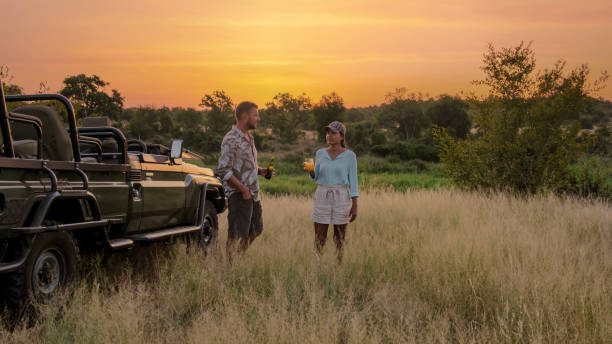
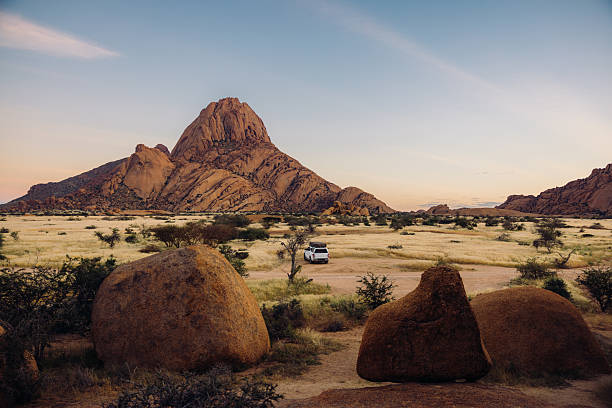
Hidden Exploration Routes in North Africa: An Expert Travel Guide
North Africa, a region steeped in history and diverse landscapes, offers far more than its well-trodden tourist trails. For the discerning traveler seeking authentic experiences and a deeper connection with the land and its cultures, hidden exploration routes present an unparalleled opportunity. These paths lead away from the crowds, revealing ancient secrets, breathtaking natural wonders, and genuine encounters with local life. This guide is designed to help you plan your own unique adventure, focusing on what makes these lesser-known routes so compelling and how to navigate them effectively for your 2026-2027 travels.
While many associate North Africa with iconic sites like the Pyramids of Giza, the bustling souks of Marrakech, or the Roman ruins of Carthage, a wealth of discovery awaits those willing to venture a little further. Imagine trekking through remote Atlas Mountain valleys, exploring forgotten oases in the Sahara, or navigating rugged coastal paths where history whispers from every cliff face. These are the experiences that define true exploration.
Quick Facts: Hidden North African Exploration
| Aspect | Details |
|---|---|
| Region | North Africa (Morocco, Algeria, Tunisia, Libya, Egypt, Mauritania) |
| Focus | Off-the-beaten-path destinations, cultural immersion, natural landscapes |
| Best Time to Explore | Spring (March-May) and Autumn (September-November) for milder temperatures. Varies by specific route. |
| Travel Styles | Trekking, overland expeditions, cultural tours, desert camping, historical site visits |
| Key Considerations | Logistics, local guides, cultural sensitivity, safety, permits (where applicable) |
| Target Years | 2026-2027 planning is ideal for these less-common routes. |
Why Seek Hidden Exploration Routes in North Africa?
The allure of the unknown is powerful, but the benefits of exploring less-traveled paths in North Africa extend beyond mere novelty. These routes offer:
- Authentic Cultural Encounters: Away from mass tourism, you’re more likely to interact with local communities in genuine ways, gaining insights into their daily lives, traditions, and hospitality.
- Unspoiled Natural Beauty: Discover landscapes that remain pristine, from remote mountain vistas to untouched desert expanses and secluded coastlines.
- Historical Depth: Many hidden routes pass through or near ancient settlements, forgotten trade posts, or historical landmarks that receive few visitors, offering a more intimate connection with the past.
- Personal Growth and Challenge: Navigating less-developed routes often requires adaptability, problem-solving, and resilience, leading to significant personal development and a profound sense of accomplishment.
- Escape from Crowds: Enjoy a more peaceful and reflective travel experience, free from the hustle and bustle of popular tourist hubs.
Table of Contents
- North Africa: Beyond the Headlines
- Why Seek Hidden Exploration Routes?
- Best Time to Explore Hidden Routes (2026-2027)
- Morocco: Atlas Mountains & Southern Oases
- Algeria: Sahara’s Untamed Heart
- Tunisia: Berber Villages & Coastal Secrets
- Egypt: Desert Nomads & Nile’s Hidden Reaches
- Mauritania: Sands of Time & Ancient Cities
- Comprehensive Planning Guide
- Building Your Itinerary: Logic & Examples
- What to Expect on Hidden Routes
- Essential Inclusions & Packing
- Common Mistakes to Avoid
- Who Are These Routes Best For?
- Alternatives to Hidden Routes
- Planning for 2026-2027: Key Considerations
- Booking Your Hidden Exploration Adventure
- Frequently Asked Questions (FAQs)
North Africa: Beyond the Headlines
North Africa is a vast and geographically diverse region, encompassing countries like Morocco, Algeria, Tunisia, Libya, Egypt, and Mauritania. While its northern coastlines are Mediterranean, the majority of its landmass is dominated by the Sahara Desert. This immense desert is not a barren wasteland but a dynamic ecosystem, home to ancient cultures, unique flora and fauna, and geological formations of incredible beauty. The region’s history is a rich tapestry woven from Berber, Arab, Roman, and French influences, leaving behind a legacy of architectural marvels, distinct languages, and enduring traditions.
Exploring hidden routes means looking beyond the major cities and well-known archaeological sites. It involves seeking out the smaller villages, the remote mountain ranges, the less-visited desert regions, and the rugged coastlines that offer a more intimate and less commercialized experience. This approach allows for a deeper understanding of the region’s complex identity and its enduring spirit.
Why Seek Hidden Exploration Routes?
The primary driver for seeking hidden exploration routes in North Africa is the desire for authenticity and a break from the conventional tourist experience. In an increasingly globalized world, finding places that retain their unique character can be challenging. North Africa, with its vast and often challenging terrain, has preserved many such places. These routes offer:
- Genuine Local Interactions: Instead of staged cultural shows, you might find yourself invited for tea in a nomad’s tent or sharing a meal in a village where few foreigners have passed.
- Unspoiled Natural Wonders: Discover canyons, rock formations, mountain peaks, and desert landscapes that haven’t been altered by mass tourism.
- Historical Immersion: Explore ancient ksours (fortified villages), Roman outposts in the desert, or prehistoric rock art sites that are difficult to access and rarely visited.
- Personal Challenge and Reward: These journeys often require more planning, flexibility, and sometimes physical exertion, leading to a profound sense of achievement.
- A Slower Pace of Travel: Experience the rhythm of local life, allowing for reflection and a deeper appreciation of your surroundings.
Best Time to Explore Hidden Routes (2026-2027)
The climate of North Africa varies significantly across its vast expanse. For most hidden exploration routes, especially those involving desert trekking or mountain hiking, the shoulder seasons are ideal. Planning for 2026-2027 should prioritize these periods:
- Spring (March to May): Temperatures begin to warm up, but are generally pleasant. Wildflowers bloom in the mountains and deserts, creating beautiful scenery. This is an excellent time for desert excursions and hiking in the Atlas Mountains.
- Autumn (September to November): After the intense summer heat, temperatures become much more agreeable. The landscapes are often serene, and this period is perfect for overland travel and cultural exploration.
Summer (June to August): Extremely hot, particularly in the Sahara Desert. Only recommended for very specific, high-altitude mountain treks or coastal areas where sea breezes offer some relief. Overland travel can be arduous.
Winter (December to February): Can be cold, especially at higher elevations in the Atlas Mountains where snow is possible. Desert nights can be freezing. However, daytime temperatures can be pleasant for exploration in some southern desert regions.
Specific Route Considerations:
- Morocco’s High Atlas: Summer can be good for higher treks, while spring and autumn offer the best overall conditions.
- Algerian Sahara: Autumn and Spring are paramount. Winter can be surprisingly pleasant during the day but very cold at night.
- Coastal Tunisia: Spring and Autumn are ideal. Summer can be hot but manageable, especially with coastal breezes.
Morocco: Atlas Mountains & Southern Oases
Morocco is perhaps the most accessible country in North Africa for intrepid travelers. While Marrakech and Fes are popular, the true hidden gems lie in its dramatic mountain ranges and the fringes of the Sahara.
The Anti-Atlas & Jebel Saghro Trekking
South of the High Atlas lies the Anti-Atlas range and the Jebel Saghro, a stark and beautiful volcanic massif. This area is less frequented than its northern neighbor and offers incredible trekking opportunities through dramatic rock formations, canyons, and Berber villages.
- Route Highlights: Trekking between villages like N’Kob and Taghazout, exploring the unique rock formations of the Jebel Saghro, visiting ancient kasbahs like Ait Ben Haddou (though this is becoming more popular, the surrounding areas are less so).
- Activities: Multi-day treks, photography, cultural immersion in remote villages, exploring geological wonders.
- Logistics: Requires local guides and often 4×4 support for access to trailheads. Accommodation is basic, often in guesthouses or camping.
Remote Saharan Oases and Desert Camps
Venture beyond the popular Erg Chebbi dunes. Explore lesser-known oases and desert landscapes further south or west.
- Route Highlights: Visiting oases like Foum Zguid, exploring the vast, rocky plains of the ‘hamada’, spending nights in remote, private desert camps, camel treks through less-traffveled dunes.
- Activities: Desert camping, camel trekking, stargazing, visiting nomadic communities (with respect and proper arrangements), 4×4 desert safaris.
- Logistics: Essential to hire experienced local guides and drivers. Permits might be required for certain areas.
Algeria: Sahara’s Untamed Heart
Algeria holds some of the most spectacular and remote parts of the Sahara Desert. Due to visa complexities and past security concerns, it remains largely unexplored by mass tourism, offering unparalleled opportunities for true discovery.
The Tassili n’Ajjer National Park
This UNESCO World Heritage site is a vast plateau in the deep Sahara, famous for its stunning rock formations (like the ‘mushrooms’ of the Jebel Ougarta) and incredibly rich prehistoric rock art. It was once a savanna, and ancient paintings depict animals long gone from the region.
- Route Highlights: Exploring the ‘forests’ of stone arches and needles, discovering thousands of rock engravings and paintings dating back millennia, visiting ancient rock shelters, experiencing the profound silence of the deep desert.
- Activities: Guided trekking through the rock formations, archaeological site visits, desert camping, photography.
- Logistics: Strict regulations apply. You MUST travel with a licensed local guide and often a convoy of 4×4 vehicles. Permits are essential and can take time to obtain. Travel is best in Autumn and Spring.
The Hoggar Mountains (Ahaggar)
Located in the southern Sahara, the Hoggar Mountains are a dramatic volcanic massif with towering peaks, deep canyons, and unique flora. This is the traditional land of the Tuareg people.
- Route Highlights: Ascending Mount Tahat (2,918m), Algeria’s highest peak, exploring the scenic gorges and canyons, visiting Tuareg settlements (with prior arrangement and cultural sensitivity), discovering ancient rock art.
- Activities: Trekking, mountaineering (for experienced climbers), cultural exchange, 4×4 exploration.
- Logistics: Similar to Tassili n’Ajjer, requiring licensed guides, 4×4 transport, and permits. Best explored in cooler months.
Tunisia: Berber Villages & Coastal Secrets
While Tunisia is known for its Roman ruins and Mediterranean coast, its southern interior and less-visited coastal areas hold unique exploration potential.
The Berber Villages of the Dahar Plateau
In the south, near the Libyan border, lies the Dahar plateau, dotted with traditional Berber villages built into hillsides or cliffs. These often feature unique ‘ghorfas’ – communal grain storage structures.
- Route Highlights: Visiting villages like Chenini, Douiret, and Ksar Hdada, exploring the distinctive troglodyte dwellings and ghorfas, understanding traditional Berber life.
- Activities: Village exploration, photography, cultural interaction, short hikes in the surrounding hills.
- Logistics: Accessible by 4×4 or sturdy vehicle. Local guides can enhance the experience. Accommodation is often in charming guesthouses.
The Kerkennah Islands
Off the coast of Sfax, these islands offer a glimpse into a more traditional, slow-paced Tunisian island life, far removed from the resorts of Djerba.
- Route Highlights: Exploring traditional fishing practices (especially the ‘charfia’ traps), enjoying quiet beaches, discovering charming villages, experiencing a relaxed island atmosphere.
- Activities: Swimming, sunbathing, bird watching, exploring by bicycle or scooter, enjoying fresh seafood.
- Logistics: Accessible by ferry from Sfax. Accommodation ranges from simple guesthouses to small hotels.
Egypt: Desert Nomads & Nile’s Hidden Reaches
Beyond the Pharaohs and the Red Sea resorts, Egypt’s vast Western Desert and less-trafficked parts of the Nile offer unique exploration avenues.
The Western Desert Oases (Siwa, Bahariya, Farafra, Dakhla, Kharga)
While Siwa is gaining popularity, the other oases and the routes connecting them are still relatively quiet. This region offers a glimpse into traditional life, unique ecosystems, and stunning desert landscapes.
- Route Highlights: Exploring the White Desert’s surreal chalk formations, visiting the Crystal Mountain, discovering ancient Roman ruins and tombs in the Dakhla oasis, experiencing the unique culture of Siwa, visiting the Great Sand Sea.
- Activities: Desert camping, 4×4 safaris, visiting local farms, exploring ancient sites, swimming in natural springs.
- Logistics: Typically done as an overland trip using 4×4 vehicles, often starting from Cairo or Luxor. Hiring local guides is essential for desert navigation and cultural insights.
Nile River Exploration Beyond Luxor/Aswan
While Nile cruises between Luxor and Aswan are common, exploring further north or south, or utilizing smaller feluccas for longer, more remote journeys, can be a hidden adventure.
- Route Highlights: Sailing on a private felucca for several days, stopping at small villages and temples missed by larger cruises, exploring the ancient city of Abydos or Dendera Temple complex with fewer crowds.
- Activities: Felucca sailing, visiting ancient temples, interacting with riverside communities, enjoying the tranquility of the Nile.
- Logistics: Requires arranging a private felucca charter for extended periods. Guides can be hired for temple visits.
Mauritania: Sands of Time & Ancient Cities
Mauritania is one of the least visited countries in North Africa, offering an experience of raw desert beauty and ancient trading cities that have changed little over centuries.
The Adrar Plateau & Ancient Ksour
This region is home to some of Mauritania’s most stunning desert landscapes and historical sites, including ancient fortified villages (ksour) and prehistoric rock art.
- Route Highlights: Visiting the ksar of Chinguetti (a UNESCO World Heritage site and former center of Islamic learning), exploring the ksar of Ouadane, hiking in the stunning mountain landscapes of the Adrar, experiencing camel treks in the dunes near Terjit oasis.
- Activities: Camel trekking, 4×4 expeditions, exploring ancient cities, desert camping, stargazing, visiting archaeological sites.
- Logistics: Essential to travel with experienced local guides and 4×4 vehicles. Permits and security escorts may be required for certain areas. Best explored in cooler months.
The Banc d’Arguin National Park
A UNESCO World Heritage site, this coastal national park is a vital sanctuary for migratory birds and home to the Imraguen fishing communities.
- Route Highlights: Witnessing vast flocks of migratory birds, observing the unique fishing techniques of the Imraguen people, exploring pristine coastlines and small islands.
- Activities: Bird watching, boat trips with local fishermen, exploring coastal areas, photography.
- Logistics: Access is usually via Nouakchott or Nouadhibou. Requires arranging boat trips and guides.
Comprehensive Planning Guide
Planning a trip to hidden exploration routes in North Africa requires a different approach than booking a standard package holiday. It’s about preparation, flexibility, and a willingness to embrace the unexpected.
1. Define Your Interests and Destination
- What kind of landscape appeals most? (Mountains, desert, coast)
- What level of physical activity are you comfortable with? (Trekking, 4×4 driving, light exploration)
- What cultural experiences are you seeking? (Nomadic life, ancient cities, local villages)
- Which countries align with your travel comfort and visa requirements?
2. Research and Choose Your Routes
Use this guide as a starting point. Look for blogs, forums, and specialized travel operators that focus on off-the-beaten-path North Africa. Consider the accessibility and safety of the chosen routes.
3. Secure Reliable Local Guides and Operators
For remote areas, especially in Algeria and Mauritania, this is non-negotiable. For Morocco and Tunisia, it’s highly recommended for deeper experiences. Look for operators with a proven track record, good reviews (if available), and a strong understanding of the local context.
4. Visa and Documentation
Check visa requirements well in advance for each country. Ensure your passport is valid for at least six months beyond your intended stay and has sufficient blank pages. Carry copies of all important documents separately.
5. Health and Vaccinations
Consult your doctor or a travel clinic 6-8 weeks before your trip. Recommended vaccinations often include Hepatitis A, Typhoid, and Tetanus. Discuss malaria prophylaxis if traveling to specific regions. Ensure you have a comprehensive travel insurance policy that covers adventure activities and remote travel.
6. Budgeting
Costs can vary significantly. While standard tourism might be affordable, specialized expeditions with private guides, 4×4 vehicles, and specific permits can be more expensive. Factor in flights, accommodation, transport, guides, food, and a buffer for unexpected expenses.
7. Language and Communication
Arabic and French are widely spoken. Local dialects and Berber languages are prevalent. Learning a few basic phrases in Arabic or French will be highly appreciated. Consider getting a local SIM card for communication, but be aware that mobile signal can be scarce in remote areas.
Building Your Itinerary: Logic & Examples
Crafting an itinerary for hidden routes involves balancing exploration with logistical realities. It’s not just about seeing places, but experiencing them.
Itinerary Logic
- Start Point & End Point: Often major cities with international airports (e.g., Marrakech, Algiers, Tunis, Cairo, Nouakchott).
- Travel Days: Factor in significant travel time between locations, especially when using 4×4 vehicles or camel treks.
- Exploration Days: Allocate sufficient time for activities at each key location (e.g., 2-3 days for a significant trek or oasis exploration).
- Buffer Days: Essential for unexpected delays, weather changes, or simply to linger longer in a place you love.
- Pacing: Avoid packing too much into each day. Allow for rest and spontaneous discoveries.
Sample Itinerary Logic (Morocco – Southern Exploration)
Duration: 10-14 days
| Day | Activity/Location | Notes |
|---|---|---|
| 1 | Arrive Marrakech, transfer to hotel. | Rest and prepare. |
| 2 | Marrakech to Ouarzazate/Agdz. | Scenic drive over the High Atlas. |
| 3 | Agdz to Zagora/M’Hamid. | Entering pre-Saharan landscapes. |
| 4-6 | Desert Exploration from M’Hamid. | Camel trek or 4×4 to remote dunes/oases. Overnight camping. |
| 7 | Return towards Agdz/Ouarzazate. | Break journey. |
| 8-9 | Jebel Saghro Trekking. | Guided 2-day trek in the Anti-Atlas. Basic guesthouses/camping. |
| 10 | Return to Marrakech. | Relax before departure. |
| 11 | Depart Marrakech. |
Sample Itinerary Logic (Algeria – Tassili n’Ajjer)
Duration: 7-10 days (excluding travel to/from Tamanrasset)
| Day | Activity/Location | Notes |
|---|---|---|
| 1 | Arrive Tamanrasset. | Meet guide, final preparations. |
| 2 | Tamanrasset to Tassili n’Ajjer region (e.g., Djanet). | 4×4 journey. |
| 3-6 | Exploration of Tassili n’Ajjer. | Guided treks through rock formations, visiting rock art sites, desert camping. Focus on specific areas like the ‘forest of stones’. |
| 7 | Return towards Tamanrasset. | Long 4×4 drive. |
| 8 | Tamanrasset. | Rest, final arrangements. |
| 9 | Depart Tamanrasset. | (Internal flight to Algiers usually required). |
What to Expect on Hidden Routes
The experience of exploring hidden routes is fundamentally different from mainstream tourism. Be prepared for:
- Variable Infrastructure: Expect basic accommodation, limited amenities, and potentially challenging road conditions.
- Unpredictable Schedules: Travel times can be longer than expected due to road conditions, vehicle issues, or local customs. Flexibility is key.
- Basic Facilities: Toilets might be pit latrines, and showers may be rare or cold. Water and food availability can be limited in very remote areas.
- Cultural Differences: Be respectful of local customs, dress codes, and traditions. Photography of people should always be done with permission.
- Language Barriers: While guides will translate, having a few basic phrases can greatly enhance interactions.
- Limited Connectivity: Mobile phone signal and internet access will likely be scarce or non-existent in many areas. Embrace the digital detox.
- Stunning Scenery and Solitude: The rewards are immense: breathtaking, unspoiled landscapes and the peace that comes from being truly away from it all.
Essential Inclusions & Packing
When booking with a tour operator for these kinds of trips, clarify what is included. For your personal packing, think practical, durable, and adaptable.
Typical Inclusions (with specialist operators):
- Local guides (essential for navigation, safety, and cultural insights)
- 4×4 vehicles and drivers for remote transport
- Camel treks (if applicable)
- Camping equipment (tents, sleeping mats, cooking gear)
- Most meals (especially during treks or desert expeditions)
- Permits and entrance fees
- Water (often provided in large containers for refilling bottles)
Essential Packing List:
| Category | Items |
|---|---|
| Clothing | Lightweight, breathable long-sleeved shirts and trousers (for sun protection and modesty), warm fleece or jacket (for cold desert nights/mountain mornings), sturdy hiking boots, comfortable camp shoes, hat with a wide brim, scarf or head covering. Layers are key. |
| Gear | High-quality backpack (day pack), reusable water bottles/hydration bladder, headlamp or flashlight with extra batteries, sunglasses, sunscreen (high SPF), insect repellent, basic first-aid kit (with personal medications), hand sanitizer, quick-dry towel. |
| Documents & Money | Passport and visas, copies of documents, travel insurance details, cash (local currency and USD/Euros for emergencies), credit/debit cards (use with caution). |
| Personal Items | Toiletries (biodegradable where possible), wet wipes, camera with extra memory cards/batteries, power bank for charging devices, a good book. |
Common Mistakes to Avoid
Venturing off the beaten path comes with its own set of potential pitfalls. Being aware of these can save you a lot of trouble.
- Underestimating Travel Times: Distances may look short on a map, but rough terrain means slow progress.
- Not Hiring Local Guides: Essential for navigation, safety, cultural understanding, and often legally required in sensitive areas.
- Lack of Flexibility: Plans can change due to weather, vehicle issues, or local circumstances. Be prepared to adapt.
- Ignoring Cultural Norms: Dress modestly, ask permission before photographing people, and be respectful of local traditions.
- Insufficient Water and Food: Always carry more than you think you’ll need, especially in desert environments.
- Over-reliance on Technology: GPS can fail, batteries die. Rely on your guide and traditional navigation skills when possible.
- Not Getting Comprehensive Insurance: Ensure your policy covers remote travel and any adventure activities planned.
- Expecting Luxury: These are adventure trips. Embrace the simplicity and focus on the experience.
Who Are These Routes Best For?
Hidden exploration routes in North Africa are not for everyone. They are best suited for:
- Adventurous Travelers: Those who enjoy challenges, unpredictability, and the thrill of discovery.
- Independent Spirits: Individuals or small groups who are comfortable with a degree of self-reliance and problem-solving.
- Culture Enthusiasts: Travelers seeking genuine interactions with local communities and a deeper understanding of diverse traditions.
- Nature Lovers: Those who appreciate raw, unspoiled landscapes and unique ecosystems.
- Photographers: Individuals looking for dramatic scenery and unique cultural subjects away from the usual tourist crowds.
- Experienced Travelers: Those who have some prior experience with adventure travel or visiting less developed regions.
They are generally not suitable for:
- First-time travelers to Africa.
- Those seeking comfort, luxury, and predictable itineraries.
- Families with very young children (unless specific family-friendly routes are carefully chosen and planned).
- Individuals with significant mobility issues (unless terrain is carefully selected).
Alternatives to Hidden Routes
If the idea of truly remote exploration feels a step too far, but you still want to experience North Africa beyond the main hubs, consider these alternatives:
- Lesser-known Moroccan Cities: Explore Essaouira’s artistic vibe, the blue city of Chefchaouen (though increasingly popular), or the historic city of Meknes.
- Tunisian Coastal Towns: Discover the charm of Mahdia or El Djem with its impressive amphitheater.
- Egyptian Nile Cruises (Private Charters): Opt for a private dahabiya or felucca for a more intimate Nile experience between Luxor and Aswan, allowing for stops at smaller villages.
- Algerian Coastal Drives: Explore parts of the Algerian coast, which is generally less developed for tourism than its Moroccan or Tunisian counterparts.
- Guided Day Trips from Major Cities: Many operators offer day trips to nearby natural attractions or smaller historical sites that offer a taste of exploration without the commitment of a multi-day expedition.
Planning for 2026-2027: Key Considerations
Planning your adventure for 2026-2027 allows ample time for research, visa applications, and securing the best local operators. Here are some specific points to consider for this timeframe:
- Geopolitical Stability: While North Africa is generally stable for tourists in many areas, it’s crucial to stay informed about the political climate in your chosen countries leading up to 2026-2027. Check government travel advisories.
- Evolving Tourism Infrastructure: Some previously remote areas might see minor developments. Research recent travel reports to understand current conditions.
- Booking Lead Times: For specialized trips requiring permits or specific guide arrangements (especially in Algeria or Mauritania), booking 6-12 months in advance for 2026-2027 is advisable.
- Sustainability: As more travelers seek unique experiences, consider operators who prioritize responsible tourism, support local communities, and minimize environmental impact.
- Technology & Connectivity: While connectivity will remain limited in remote areas, familiarize yourself with offline map applications and ensure all essential documents are accessible offline.
Booking Your Hidden Exploration Adventure
Booking a trip focused on hidden exploration routes in North Africa requires a different strategy than booking a package tour.
1. Choose Your Operator Wisely:
- Specialization is Key: Look for tour operators that specifically advertise off-the-beaten-path, adventure, or desert expeditions in North Africa. General tour operators might not have the expertise or contacts for these niche experiences.
- Local vs. International: Both can work. International operators often have robust booking systems and customer service, but local operators usually offer deeper local knowledge and potentially better pricing. A hybrid approach, working with a trusted international agent who partners with excellent local guides, can be ideal.
- Ask Detailed Questions: Inquire about their experience with the specific routes, the qualifications of their guides, their safety protocols, emergency procedures, and what exactly is included in the price.
2. Understand the Itinerary and Inclusions:
- Flexibility is Built-in: Understand that itineraries for these types of trips are often more of a framework than a rigid schedule.
- Clear Inclusions/Exclusions: Know what meals, accommodation, transport, and activities are covered. This helps avoid unexpected costs.
3. Payment and Contracts:
- Deposit and Final Payment: Most operators will require a deposit to secure your booking, with the balance due closer to the travel date.
- Cancellation Policies: Read these carefully, especially for specialized trips where refunds might be difficult due to pre-paid permits or guide arrangements.
4. Communication:
- Direct Contact: For personalized advice and to discuss your specific needs for exploring hidden routes in North Africa, don’t hesitate to reach out directly.
For expert advice and assistance in planning your unique North African exploration, reach out to us. We specialize in creating custom adventures that go beyond the ordinary.
Ready to Plan Your Hidden Exploration?
Contact us for a personalized consultation to craft your perfect adventure through the hidden exploration routes of North Africa. Let us handle the complex logistics so you can focus on the discovery.
WhatsApp: +255616946642
Email: topguideadventures@gmail.com
Backup Email: info@topguideadventures.com
We look forward to helping you create an unforgettable journey for 2026-2027!
Frequently Asked Questions (FAQs)
What are the most accessible countries for hidden exploration routes in North Africa?
Morocco and Tunisia generally offer the most accessible options for travelers looking to explore off-the-beaten-path routes, with more developed tourism infrastructure and easier visa processes for many nationalities. Algeria and Mauritania offer more profound, remote experiences but require more complex planning and often specific permits.
Do I need a special visa for remote desert areas?
In countries like Algeria and Mauritania, specific permits are often required to travel in protected areas like national parks (e.g., Tassili n’Ajjer, Adrar Plateau). These permits are usually arranged by your local tour operator as part of the expedition package. For standard tourist visas, check the requirements for each country well in advance of your 2026-2027 travel plans.
Is it safe to travel on these hidden routes?
Safety is paramount. Traveling with experienced, licensed local guides and reputable tour operators significantly enhances safety, especially in remote desert or mountain regions. Always check current travel advisories from your government and ensure you have comprehensive travel insurance. For certain areas in Algeria and Mauritania, security escorts might be part of the required arrangements.
What is the best way to find reliable local guides and operators?
Look for operators specializing in adventure travel, desert expeditions, or cultural immersion in North Africa. Seek recommendations from travel forums, specialized travel blogs, or ask for referrals from experienced travelers. Directly contacting a few well-regarded operators and asking detailed questions about their experience and safety protocols is crucial.
Can I do these trips solo?
While independent travel is possible in more developed parts of North Africa, for true hidden exploration routes, especially in the Sahara or remote mountain areas, traveling solo is generally not recommended due to safety, navigation, and logistical challenges. Traveling with a guide or as part of a small group is the most practical and safe approach.
What kind of fitness level is required for trekking routes?
This varies greatly. For desert treks with camels, fitness requirements are moderate. For mountain treks in the Atlas Mountains, a good level of fitness is necessary, as trails can be steep and uneven. Your tour operator can advise on the specific fitness requirements for any chosen route. Generally, a good basic level of health and mobility is assumed for most exploration trips.
How much cash should I carry?
In remote areas, ATMs are non-existent. You’ll need cash for local purchases, tips, and any incidental expenses. It’s wise to carry a combination of your home currency (for exchange if needed) and USD or Euros, along with sufficient local currency obtained upon arrival. Discuss with your operator about tipping customs for guides and drivers.
What are the typical accommodation options on these routes?
Accommodation ranges from basic desert camps (tents with sleeping mats) and simple guesthouses in Berber villages to more comfortable expedition-style camping with proper tents and facilities. In some more remote regions, wild camping under the stars is part of the experience. Luxury is generally not a feature of these routes, but comfort and cleanliness are usually prioritized by good operators.
Are these routes suitable for families with children?
Generally, hidden exploration routes are best suited for adults or older teenagers due to the adventurous nature, potentially challenging conditions, and remote locations. However, some operators can tailor family-friendly itineraries, perhaps focusing on shorter treks, camel rides, and accessible oases, especially in Morocco or Tunisia. Planning for 2026-2027 with children requires careful consideration of age, interests, and safety.
How far in advance should I book my trip for 2026 or 2027?
For specialized trips involving permits, specific vehicle arrangements, or remote locations, booking 6 to 12 months in advance is highly recommended for 2026 and 2027. This allows ample time for visa applications, securing the best local guides and operators, and ensuring availability during peak travel seasons.
What is the typical cost of exploring hidden routes?
Exact costs are highly variable and depend on the country, duration, level of remoteness, type of transport (4×4, camel), and inclusions. A basic overland trip in Morocco might cost a few hundred dollars per person per week, while a complex expedition in Algeria or Mauritania with private guides and logistics could range from $200-$500+ per person per day. Always get detailed quotes.
Plan your Hidden Exploration Routes in North Africa with Top Guide Adventures
Tell us your travel dates, group size, comfort level, and dream experience. We will help you shape a clear, realistic, and memorable Tanzania itinerary.







 Veedesigner
 Fatma Kizanga
 Benjamin Waryuba
 Philip Philip
 John jr Itaja
 Antonia Optatus
 Edith Kanyere
 Neema Iddy
 Kelvin Boniphace
 Damari Maiga



