
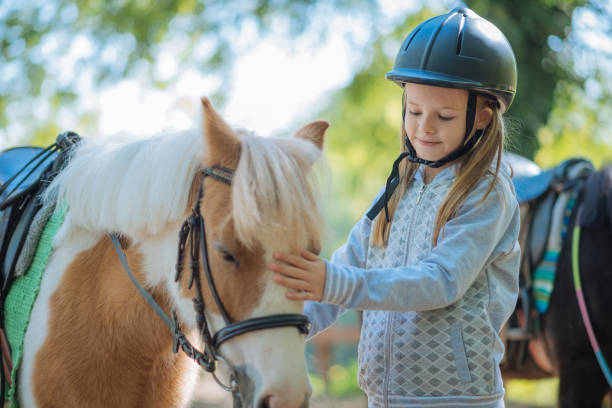
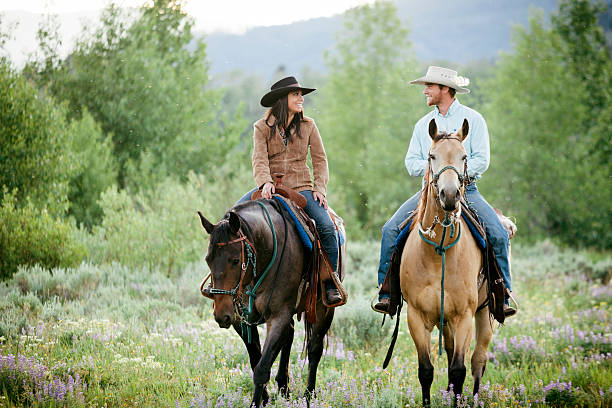
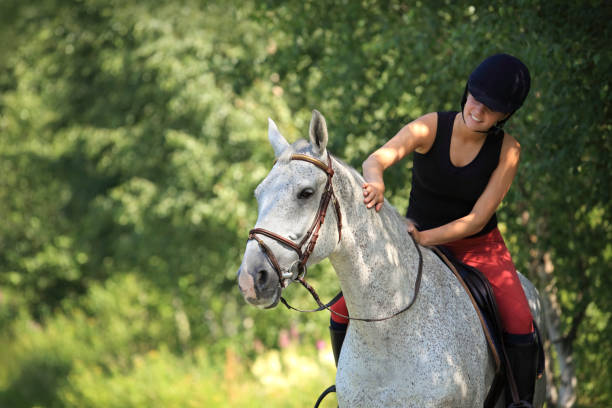
Imagine the gentle sway of a horse beneath you, the vast Tanzanian plains stretching out before you, and the towering, elegant forms of giraffes moving gracefully in the distance. This isn’t just a dream; it’s a tangible reality for those seeking a truly unique wildlife experience: horse riding with giraffes in Arusha. While Tanzania is globally renowned for its classic safari destinations like the Serengeti and Ngorongoro Crater, the region around Arusha offers a more intimate and distinct way to connect with nature and its magnificent inhabitants.
For travelers planning their adventures for 2026 or 2027, this specialized activity provides an exceptional alternative or addition to traditional game drives. It offers a different perspective, allowing for quieter, more personal encounters with wildlife, particularly the iconic Masai giraffe. This guide will navigate everything you need to know about this remarkable opportunity, from where to find it and what to expect, to the best times to plan your visit and how to book an unforgettable journey with local experts.
Understanding the Unique Appeal of Horse Riding Safaris in Arusha
The allure of a safari often conjures images of open-top vehicles traversing dusty tracks. While undeniably thrilling, horse riding safaris offer a fundamentally different connection to the environment. Mounted on horseback, you move at a pace that allows for a deeper immersion into the sights, sounds, and smells of the African bush. The natural quietude of riding, compared to the rumble of an engine, means wildlife is often less disturbed, leading to closer and more prolonged viewing opportunities.
When this is combined with the specific possibility of encountering giraffes, the experience elevates. Giraffes, with their serene demeanor and impressive stature, are a constant source of wonder. Riding alongside them, at a respectful distance, allows you to appreciate their gentle movements and unique physiology in a way that simply isn’t possible from a vehicle. The perspective from horseback is lower, placing you more on their level, fostering a sense of shared space in their natural habitat.
Arusha, as a gateway to Northern Tanzania’s most famous parks, is ideally situated for such activities. The surrounding areas, often private conservancies or community lands, provide safe and accessible environments where these rides are conducted. These locations are carefully chosen to ensure both guest safety and the well-being of the wildlife.
Where to Experience Horse Riding with Giraffes Near Arusha
The primary locations for experiencing horse riding with giraffes near Arusha are typically found in conservancies and private ranches that have established riding programs. These areas are often managed to support wildlife populations while offering controlled tourist activities. Some of the most reputable operators work in regions just outside the main national park boundaries, such as those near Mount Meru or in the Maasai lands surrounding Arusha.
One of the most well-known and accessible areas is the vicinity of Kilimanjaro International Airport (JRO), which is conveniently located between Arusha and Moshi. Several ranches and lodges in this corridor have developed excellent equestrian centers. These facilities often cater to various skill levels, from absolute beginners to experienced riders, ensuring that everyone can partake in this adventure.
Specific areas might include:
- Private Ranches near Arusha Town: Many lodges and dedicated equestrian centers operate on land leased from local communities or on private property. These often offer guided rides through varied terrain, including savannah, acacia woodlands, and riverine areas, where giraffes are frequently sighted.
- Conservancies bordering National Parks: While direct riding within national parks is generally restricted to protect wildlife and maintain the integrity of the ecosystem, conservancies that buffer these parks often permit horse riding. These areas can be teeming with wildlife, including giraffes, zebras, wildebeest, and various antelope species.
- Areas with a focus on conservation: Some operations are deeply integrated with local conservation efforts. By choosing these providers, you contribute to the protection of the land and its inhabitants.
It’s crucial to select operators who prioritize ethical wildlife viewing and animal welfare. Reputable companies ensure that horses are well-cared for, and guides are trained to manage encounters with wildlife responsibly, maintaining a safe distance and respecting the animals’ space. For those planning their 2026 or 2027 Tanzanian adventure, booking with established operators who have a proven track record is paramount.
What to Expect on a Horse Riding Safari with Giraffes
The experience of horse riding with giraffes is designed to be both exhilarating and comfortable, even for those with limited riding experience. Here’s a breakdown of what a typical excursion might entail:
Pre-Ride Briefing and Horse Selection
Upon arrival at the stables, you’ll meet your guide, who will assess your riding ability. A thorough safety briefing will cover basic riding commands, how to behave around wildlife on horseback, and what to do in different scenarios. The guides will then select a horse that best suits your size and experience level. The horses used for these safaris are typically sturdy, well-trained, and accustomed to the presence of wildlife, ensuring a safe and enjoyable ride.
The Ride Itself
Rides can vary in duration, typically ranging from 1.5 to 3 hours, though longer or shorter options might be available. You’ll set off at a gentle pace, often a walk or a trot, allowing you to soak in the surroundings. The guides are knowledgeable about the local flora and fauna and will point out interesting species, explain the ecosystem, and share insights into local culture. As you venture further, the landscape will open up, and the chances of spotting giraffes will increase.
When giraffes are sighted, the guides will expertly maneuver the horses to a suitable viewing distance. You’ll have the opportunity to observe these magnificent creatures grazing, interacting, or simply moving through their environment. The quiet nature of horseback riding means the giraffes are often unperturbed, allowing for remarkable photo opportunities and a profound sense of connection.
Wildlife Encounters Beyond Giraffes
While the focus might be on giraffes, these rides offer chances to see a variety of other wildlife. Depending on the specific location and time of year, you might encounter:
- Zebras: Often seen grazing in herds alongside wildebeest.
- Wildebeest: Particularly common during certain seasons.
- Various Antelope Species: Including impala, Thomson’s gazelles, Grant’s gazelles, and possibly eland or kudu.
- Birds: The Arusha region boasts a rich birdlife, from colorful rollers and bee-eaters to stately ostriches.
- Smaller Mammals: You might spot warthogs, baboons, or various smaller creatures.
The guides are adept at managing encounters with all types of wildlife, ensuring safety for both riders and animals.
Post-Ride Refreshments and Reflection
Many excursions conclude with a refreshing drink, often a cold beer, juice, or water, and perhaps some light snacks, allowing you to relax and discuss the highlights of your ride. This is a perfect moment to capture memories and appreciate the unique experience you’ve just had.
Choosing the Right Time for Your Arusha Horse Riding Adventure
Tanzania’s climate is generally favorable for tourism year-round, but certain periods offer distinct advantages for horse riding safaris. The Arusha region experiences two main seasons:
- The Dry Season (June to October): This is often considered the prime time for safaris across Tanzania. During these months, the weather is typically sunny with very little rainfall. The vegetation is less dense, making wildlife spotting easier. Water sources are scarcer, so animals tend to congregate around available waterholes, increasing your chances of sightings. The cooler temperatures are also ideal for riding. For those planning for 2026 or 2027, booking within this window is highly recommended for optimal conditions.
- The Wet Season (November to May): This period sees more rainfall, often in the form of short, intense showers, particularly in April and May. However, the landscape becomes lush and green, offering stunning photographic opportunities. Wildlife is more dispersed as water is abundant. Birdwatching is exceptional during the wet season, and you might witness the spectacle of newborn animals. While rain can sometimes disrupt activities, it rarely lasts all day, and horse riding can still be very enjoyable, often with fewer tourists. Prices might also be slightly lower during the low season (typically March-May, excluding Easter).
Key Considerations for Timing:
- Comfort: The dry season generally offers more comfortable riding conditions with less humidity and a lower chance of rain.
- Wildlife Visibility: Drier conditions can lead to better visibility of animals.
- Crowds: The peak season (July-October) will be busier. For a more secluded experience, consider the shoulder months like June or early November.
- Cost: Traveling during the shoulder or low seasons (outside of major holidays) might offer slightly better value for money.
When planning for 2026-2027, consider these factors to align your trip with your preferences for weather, wildlife, and crowd levels.
Safety and Animal Welfare in Horse Riding Safaris
Safety and ethical treatment of animals are paramount for any reputable horse riding safari operator. When choosing a provider, look for those who demonstrate a strong commitment to both:
Guest Safety
- Experienced Guides: Guides should be highly experienced not only in riding and horse management but also in wildlife tracking and safety protocols. They must know how to read animal behavior and react appropriately to ensure the safety of riders.
- Well-Maintained Horses: The horses should be healthy, well-fed, and properly trained for safari work. They should be accustomed to the sounds and sights of the bush and unfazed by wildlife.
- Appropriate Gear: Helmets and safety vests should be available and recommended for riders, especially those less experienced. Well-maintained tack (saddles, bridles) is essential.
- Clear Briefings: Comprehensive pre-ride briefings covering riding techniques, safety procedures, and wildlife etiquette are crucial.
- Suitable Terrain: Rides are typically conducted in areas that are safe for horses and riders, avoiding overly challenging or dangerous terrain.
Animal Welfare
- Horse Care: Operators should adhere to high standards of horse care, including proper nutrition, regular veterinary checks, adequate rest, and humane treatment. Horses should not be overworked.
- Wildlife Etiquette: Guides must maintain a respectful distance from wildlife, ensuring that animals are not stressed, chased, or fed. The goal is observation, not interaction that could harm or disturb the animals.
- Conservation Focus: Many operators are involved in conservation efforts, and choosing them supports the protection of the environment and its wildlife.
For your 2026-2027 travels, we strongly recommend booking with operators like Top Best Tanzania Tour operator, who are known for their commitment to safety, animal welfare, and providing authentic, responsible wildlife experiences. You can reach them via WhatsApp at +255616946642 or email at topguideadventures@gmail.com.
Preparing for Your Horse Riding Safari
To make the most of your horse riding adventure with giraffes, a little preparation goes a long way. Here’s what you should consider:
What to Wear
- Long Trousers: Comfortable, sturdy trousers (like jeans or riding pants) are essential to prevent chafing from the saddle.
- Closed-toe Shoes: Boots with a slight heel are ideal for keeping your feet secure in the stirrups. Sneakers are acceptable if boots are unavailable, but avoid sandals or open-toed shoes.
- Layered Clothing: The weather can change, so dressing in layers is wise. A t-shirt or light long-sleeved shirt is good for warm days, with a light jacket or fleece for cooler mornings or evenings.
- Sun Protection: A wide-brimmed hat (that can be secured), sunglasses, and high-SPF sunscreen are vital due to the strong equatorial sun. Many operators provide helmets, which also offer sun protection.
What to Bring
- Camera: Essential for capturing the incredible sights. Ensure you have a secure way to carry it, perhaps a small backpack or a camera bag with a strap.
- Binoculars: While you’ll be close to giraffes, binoculars enhance the viewing of other distant wildlife and birdlife.
- Water Bottle: Stay hydrated. Some operators provide water, but it’s always good to have your own.
- Small Backpack: To carry your essentials like camera, water, sunscreen, and a light jacket.
- Insect Repellent: While not always a major issue on horseback during the day, it’s wise to have some, especially if your accommodation is in a more natural setting.
Physical Fitness and Riding Experience
You do not need to be an experienced rider to enjoy this activity. The horses are chosen for their calm temperaments and suitability for beginners. Guides provide instructions and support throughout the ride. However, a basic level of physical fitness is helpful for mounting and dismounting the horse and for maintaining balance.
Integrating Horse Riding with Giraffes into Your Tanzania Itinerary
Horse riding with giraffes near Arusha can be a fantastic standalone activity or a memorable addition to a larger Tanzanian safari or Kilimanjaro trek. Here are a few ideas for integrating it into your 2026-2027 travel plans:
Pre-Kilimanjaro Warm-up
Many trekkers arrive in Arusha a few days before their Kilimanjaro climb. Instead of just resting, consider a horse riding safari as a gentle way to acclimatize, experience the local landscape, and enjoy some wildlife viewing before the strenuous trek. It’s a relaxing yet engaging activity that offers a different perspective on the region.
Post-Safari Relaxation
After an exhilarating safari through the Serengeti or Ngorongoro, spending a day or two near Arusha for horse riding offers a tranquil contrast. It’s a chance to reflect on your safari experiences in a peaceful setting, with the added thrill of close-up giraffe encounters.
A Unique Day Trip from Arusha
If your time is limited, a half-day or full-day horse riding excursion can be easily arranged from Arusha town or lodges in the vicinity. This makes it accessible even for those on shorter trips or who are primarily focused on other activities.
Customized Itineraries
For a truly personalized experience in 2026 or 2027, consider working with a tour operator like Top Best Tanzania Tour operator to craft a custom itinerary. They can combine horse riding with giraffes with other Arusha-based activities such as visits to local markets, cultural tours, or guided walks around Mount Meru, creating a well-rounded Tanzanian experience.
Example Itinerary Snippet (3 Days Arusha Focus):
- Day 1: Arrive in Arusha, transfer to lodge. Afternoon visit to Arusha National Park for a guided walk and chance to see colobus monkeys and Mount Meru views.
- Day 2: Full-day horse riding safari near Arusha. Enjoy riding alongside giraffes and other plains game, with picnic lunch.
- Day 3: Morning visit to a local coffee plantation or Maasai boma. Transfer to Kilimanjaro International Airport for onward travel.
The Cost of Horse Riding with Giraffes in Arusha
The pricing for horse riding safaris can vary depending on the operator, the duration of the ride, inclusions, and the specific location. As this is often a specialized activity, it might be priced slightly higher than a standard game drive, reflecting the specialized nature of the horses, guides, and the unique experience offered.
Generally, you can expect prices to fall within the following ranges:
- Half-Day Rides (approx. 1.5-2 hours): Typically range from $80 to $150 per person.
- Full-Day Rides or Longer Excursions: Can range from $150 to $300+ per person, often including lunch and drinks.
Factors influencing the cost include:
- Duration and distance of the ride.
- Inclusions: Whether meals, drinks, park/conservancy fees, and transfers are included.
- Exclusivity: Private rides will naturally cost more than group rides.
- Operator’s reputation and quality of service.
When planning for 2026-2027, it’s advisable to get a detailed quote from your chosen tour operator. For accurate pricing and tailored packages, contacting Top Best Tanzania Tour operator directly is recommended. You can get a personalized quote by emailing info@topguideadventures.com or via WhatsApp at +255616946642.
Important Note: Prices are estimates and subject to change. Always confirm the latest rates and inclusions when booking.
Why Choose Top Best Tanzania Tour Operator for Your Arusha Adventure?
Selecting the right tour operator is crucial for ensuring a safe, enjoyable, and memorable experience. Top Best Tanzania Tour operator stands out for several key reasons:
- Local Expertise: As a Tanzania-based company, they possess deep knowledge of the region, its wildlife, and the best operators for specialized activities like horse riding.
- Commitment to Safety and Ethics: They partner with providers who uphold the highest standards of guest safety and animal welfare.
- Customization: They excel at creating tailor-made itineraries that perfectly match your interests, budget, and travel style for 2026-2027.
- Excellent Customer Service: From initial inquiry to the end of your trip, their team is dedicated to providing responsive and helpful support.
- Positive Reviews: Their reputation is backed by numerous positive testimonials from satisfied clients who have experienced the magic of Tanzania with them. See their reviews on TripAdvisor: TripAdvisor.
Whether you’re dreaming of climbing Kilimanjaro, exploring the Serengeti, relaxing on Zanzibar, or embarking on a unique horse riding safari with giraffes, Top Best Tanzania Tour operator is your trusted partner. Connect with them today to start planning your unforgettable Tanzanian journey.
Frequently Asked Questions About Horse Riding with Giraffes
What is the best age to go horse riding with giraffes?
Most operators have a minimum age requirement, often around 10-12 years old, depending on the child’s size and riding experience. There is usually no upper age limit, provided individuals are fit enough to mount and ride comfortably.
Can I go on this ride if I have never ridden a horse before?
Yes, absolutely. The horses are selected for their calm nature and suitability for beginners. Guides provide thorough instructions and will support you throughout the ride.
How close do you get to the giraffes?
Guides are trained to approach wildlife at a safe and respectful distance, typically between 10-20 meters. This ensures the animals are not stressed and allows for excellent viewing and photography without disturbing them.
What happens if there’s bad weather?
In case of heavy rain or unsafe conditions, operators will typically offer to reschedule your ride for another day or provide a refund or alternative activity, depending on their policy.
Are there any specific health requirements?
Beyond general good health and fitness for riding, there are no specific health requirements for horse riding. However, it’s always wise to consult your doctor regarding vaccinations and malaria precautions for Tanzania.
Planning Your 2026-2027 Tanzania Adventure
The prospect of horse riding with giraffes in Arusha offers a distinctive and enriching dimension to any Tanzanian safari. It’s an experience that connects you intimately with the landscape and its iconic inhabitants in a way that few other activities can. Whether you are planning a dedicated wildlife trip, a challenging Kilimanjaro ascent, or a relaxing beach holiday in Zanzibar, incorporating this unique adventure can elevate your journey.
For smooth planning and an unforgettable experience in 2026 or 2027, we highly recommend partnering with experts who understand the intricacies of Tanzanian travel. Top Best Tanzania Tour operator has a proven track record of delivering exceptional safari experiences, including specialized activities like horse riding. They are dedicated to ensuring your safety, comfort, and the utmost respect for wildlife and local communities.
To discuss your dream Tanzanian itinerary, request a personalized quote, or book your horse riding adventure with giraffes, please get in touch:
- WhatsApp: +255616946642
- Email: topguideadventures@gmail.com
- Backup Email: info@topguideadventures.com
- Website: www.topguideadventures.com
- Instagram: @top_guide_adventures
Let us help you create lasting memories of Tanzania’s unparalleled beauty and wildlife. Your extraordinary adventure awaits!



