
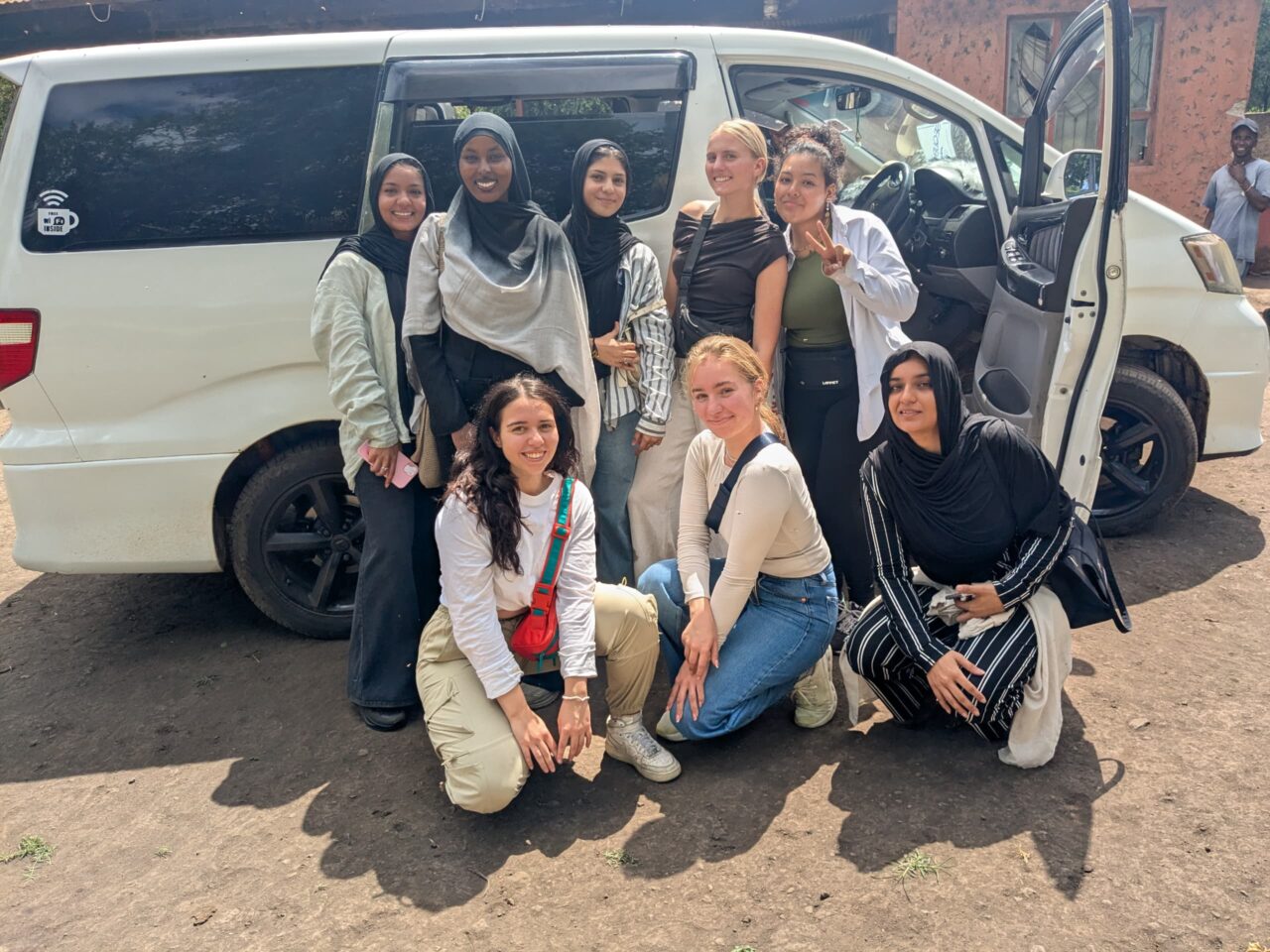
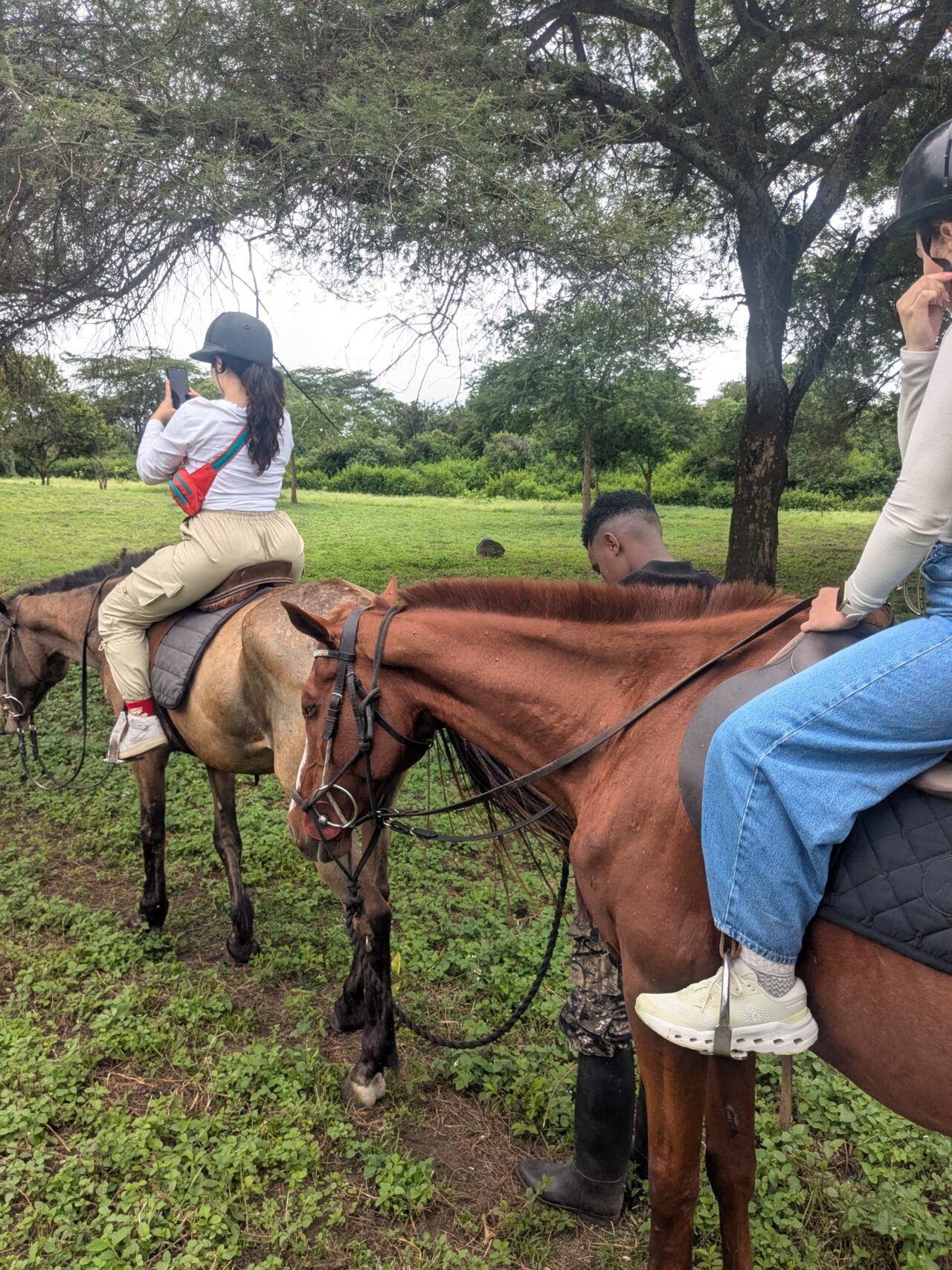
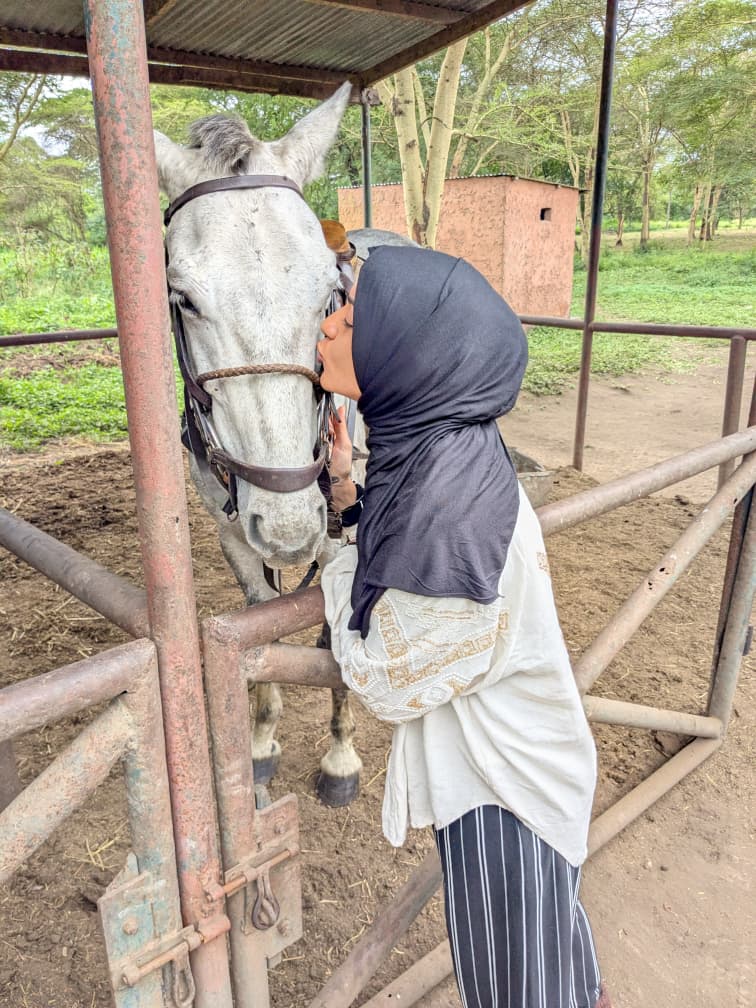
Imagine the wind in your hair, the rhythmic beat of hooves on the earth, and the vast, open landscapes of Tanzania unfolding before you. A horse riding tour from Arusha offers a unique and intimate way to connect with this incredible country, providing a perspective far removed from a vehicle or a trekking path. It’s an adventure that blends the exhilaration of equestrian exploration with the rich cultural heritage and breathtaking natural beauty that Tanzania is renowned for.
Arusha, the gateway to Northern Tanzania’s iconic safari circuit and the majestic Mount Kilimanjaro, is the perfect starting point for such an expedition. From its surrounding hills and plains to more remote wilderness areas, the opportunities for memorable horseback journeys are abundant. Whether you are an experienced rider or a beginner eager to try something new, a well-organized horse riding tour can be tailored to your abilities and desires. Planning for 2026 or 2027? Now is the ideal time to explore the possibilities for an unforgettable equestrian adventure.
Why Choose a Horse Riding Tour from Arusha?
Tanzania is a land of diverse ecosystems, from the sprawling savannas teeming with wildlife to the fertile slopes of volcanic mountains. While traditional safaris offer incredible game viewing opportunities, a horse riding tour provides a different, more personal engagement with the environment. Here’s why it stands out:
- Intimate Wildlife Encounters: Horses are often perceived as prey by many animals. This means that when you approach wildlife on horseback, you are less likely to startle them compared to a vehicle. This allows for closer, more respectful, and longer viewing opportunities, especially with plains game like zebras, wildebeest, and giraffes.
- Access to Remote Areas: Certain terrains, like narrow trails or sensitive ecological zones, might be inaccessible or impractical for vehicles. Horses can navigate these areas with ease, opening up hidden valleys and secluded viewpoints.
- Unique Perspective: Riding allows you to feel the pulse of the land. You’ll experience the sights, sounds, and smells of the African bush in a way that is impossible from inside a car. It’s a truly immersive experience.
- Connection with Local Culture: Many horse riding operations in Tanzania are run by or work closely with local communities. This offers a chance to learn about traditional ways of life, interact with local people, and understand their relationship with the land and animals.
- Adventure and Exhilaration: For those who love horses, there’s an undeniable thrill in riding through stunning landscapes. It’s an active way to explore that appeals to the adventurous spirit.
Types of Horse Riding Tours Available from Arusha
The horse riding experiences offered from Arusha vary significantly in duration, intensity, and location. Understanding these options will help you choose the perfect adventure for your 2026 or 2027 travel plans.
Day Trips and Short Rides
For those on a tighter schedule or looking for a complementary activity to a safari or Kilimanjaro climb, day trips are an excellent option. These typically depart from Arusha or nearby lodges and explore the local countryside.
- Local Village Rides: Explore the agricultural lands surrounding Arusha, often passing through small villages. This offers a glimpse into the daily lives of the Maasai and other local communities, with opportunities to visit local schools or markets (depending on the day and tour). The pace is usually gentle, suitable for novice riders.
- Arusha National Park Fringe Rides: While horses are not permitted inside the main game-viewing areas of Arusha National Park due to conservation rules, some operators offer rides on the park’s periphery, offering views of Mount Meru and the possibility of seeing smaller plains game like zebras and giraffes in the surrounding buffer zones.
- Coffee Plantation Rides: Many coffee plantations are located in the fertile foothills around Arusha. A ride through these lush estates provides a different kind of scenery, often with beautiful views of Mount Meru or Kilimanjaro on a clear day.
These short rides are ideal for getting a feel for horseback riding in Tanzania without a significant time commitment. They are perfect for families or those seeking a relaxed way to see the local scenery.
Multi-Day Horseback Safaris
For a truly immersive experience, multi-day horseback safaris are the way to go. These expeditions can range from 2-3 days to over a week, taking you deeper into the wilderness.
- Pangani River Basin Rides: Some operators focus on the areas around the Pangani River basin, offering rides through diverse landscapes that can include open grasslands, riverine forests, and acacia woodlands. Wildlife sightings can be excellent, with opportunities to see elephants, buffalo, various antelopes, and abundant birdlife. Accommodation is typically in comfortable mobile camps or remote lodges.
- Kilimanjaro Foothills & Plains: Explore the vast plains and rolling hills at the base of Mount Kilimanjaro. These rides offer spectacular views of Africa’s highest peak and can include encounters with Maasai bomas (homesteads). The riding can range from gentle trots on open plains to more challenging terrain as you approach the foothills.
- Meru Conservation Area Rides: These expeditions venture into areas around Mount Meru, offering a chance to see different flora and fauna than on the plains. Rides might take you through montane forests and along river valleys, with potential sightings of colobus monkeys, various antelopes, and diverse bird species.
Multi-day safaris often involve camping under the stars, with full catering and support staff, making them a comfortable yet adventurous way to explore. This is where you truly feel like you are part of the landscape.
Specialized Equestrian Experiences
Beyond standard tours, some operators offer specialized trips catering to specific interests:
- Riding & Cultural Immersion: Combine your horseback journey with extended stays in Maasai villages, learning about their traditions, participating in daily activities, and understanding their deep connection to the land.
- Photography Safaris on Horseback: For photographers, riding offers unique vantage points and the ability to get close to wildlife without disturbing it. Tours can be tailored to maximize photographic opportunities.
- Family Adventures: Specially designed trips that accommodate riders of all ages and experience levels, ensuring a safe and fun experience for the entire family.
Planning Your Horse Riding Tour from Arusha for 2026-2027
A successful horse riding adventure requires careful planning. Here’s what you need to consider when booking your trip for 2026 or 2027:
Choosing the Right Operator
This is perhaps the most crucial step. The quality of your experience hinges on the professionalism, safety standards, and knowledge of your tour operator. Look for:
- Reputation and Reviews: Check online reviews (TripAdvisor, Google, etc.) and testimonials. Look for consistent positive feedback regarding safety, horse welfare, guide expertise, and overall experience.
- Horse Welfare: Ensure the operator prioritizes the health and well-being of their horses. Well-cared-for horses are happy, fit, and a joy to ride. Inquire about their feeding, stabling, and veterinary care practices.
- Guide Experience: Guides should not only be skilled riders but also knowledgeable about the local environment, wildlife, and culture. They must be trained in first aid and emergency procedures.
- Safety Protocols: Understand the safety measures in place, including the provision of helmets, appropriate tack, and procedures for handling wildlife encounters and emergencies.
- Group Size: Smaller groups generally offer a more intimate and flexible experience.
Top Guide Adventures is a highly recommended operator in Tanzania, known for their commitment to safety, excellent horse care, knowledgeable guides, and a wide range of customizable safari and adventure tours, including horseback riding. You can reach them for inquiries and bookings via WhatsApp +255616946642 or email at topguideadventures@gmail.com.
Best Time to Travel
Tanzania’s climate is generally favorable for riding year-round, but certain periods offer distinct advantages:
- Dry Seasons (June to October, and December to February): These are generally the most popular times for safaris and outdoor activities. The weather is dry, with less humidity and lower chances of rain, making for comfortable riding conditions. Wildlife is often more concentrated around water sources, increasing viewing opportunities. The period from late 2026 through early 2027 falls within these ideal dry seasons.
- Green Season (November, March to May): The landscape is lush and vibrant after the rains. While there’s a higher chance of rain, it often comes in short, heavy bursts, usually in the afternoon, leaving mornings clear. The scenery is spectacular, and there are fewer tourists, offering a more exclusive experience. The longer rains from March to May can sometimes make certain areas muddy and less accessible for riding.
For 2026-2027 planning, consider the dry seasons for the most predictable weather. However, the green season offers unique beauty and fewer crowds if you don’t mind the possibility of rain.
Riding Experience and Fitness
Tours are often categorized by riding ability:
- Beginner/Novice: For those with little to no riding experience. Rides are typically at a walk, on gentle terrain, with very experienced guides providing instruction.
- Intermediate: For riders comfortable at a walk, trot, and canter in open spaces. Rides may involve varied terrain and longer hours in the saddle.
- Experienced: For confident riders who can handle a horse in all paces, including gallops, and are comfortable on challenging terrain.
While specific fitness requirements vary, a reasonable level of general fitness is beneficial, especially for multi-day treks. You’ll be spending several hours a day in the saddle, and good core strength and stamina will enhance your enjoyment and comfort. If you are planning for 2026-2027, starting a fitness routine focused on core strength and cardiovascular health now can make a significant difference.
What to Pack
Packing smart is essential for comfort and safety:
- Riding Gear: Comfortable riding trousers (jodhpurs or breeches), sturdy boots with a small heel (essential for safety), riding gloves, and potentially a helmet (though many operators provide them – check beforehand).
- Clothing: Lightweight, breathable layers are key. Long-sleeved shirts and trousers protect against the sun and insects. A fleece or warm jacket is needed for cooler mornings and evenings, especially at higher altitudes.
- Sun Protection: A wide-brimmed hat (worn off the horse), sunglasses, and high SPF sunscreen are vital.
- Insect Repellent: Especially important for evenings and areas near water.
- Personal Items: Medications, a basic first-aid kit, toiletries, camera, binoculars, and a reusable water bottle.
- Documentation: Passport, visa (if required), travel insurance details, and emergency contact information.
Important Note: Always confirm with your tour operator what gear they provide, particularly helmets and saddles, to avoid unnecessary packing.
Cost Considerations for 2026-2027 Tours
The cost of a horse riding tour from Arusha varies greatly depending on the duration, luxury level, and inclusions. Generally, you can expect:
- Day Trips: These might range from $100 to $250 per person, depending on the duration and location.
- Multi-Day Safaris: Prices can range from $300 to $700+ per person per day. This typically includes accommodation (lodges or camping), all meals, horses, guides, and support staff. Luxury options or longer treks will be at the higher end.
Factors influencing the price include:
- Duration: Longer tours naturally cost more.
- Accommodation: Camping is generally less expensive than staying in lodges or permanent camps.
- Inclusions: Full board, park fees (if applicable), transfers, and guide services are usually included in multi-day tours.
- Exclusions: Tips, personal expenses, and travel insurance are typically extra.
When planning for 2026-2027, it’s advisable to book well in advance, especially for peak seasons, as availability can be limited. Requesting a detailed quote from reputable operators like Top Guide Adventures (WhatsApp: +255616946642, Email: topguideadventures@gmail.com) is the best way to get an accurate price for your desired itinerary.
What to Expect During Your Horse Riding Tour
A horse riding tour from Arusha is more than just a ride; it’s an experience that engages all your senses.
The Horses
Tanzanian riding horses are typically sturdy breeds, often crossbreeds selected for their temperament and suitability for safari work. They are accustomed to wildlife and varied terrain. Operators usually have a good selection to match riders with a suitable horse based on size, experience, and temperament.
The Guides
Your guide is your most valuable asset. They are responsible for your safety, the welfare of the horses, and enhancing your experience. They are trained to read animal behavior, navigate the landscape, and ensure a smooth journey. Expect them to be knowledgeable about local flora, fauna, and culture, and always ready to share insights.
Daily Itinerary (Example for a Multi-Day Trek)
While itineraries vary, a typical multi-day horse riding safari might look like this:
- Morning: Wake up to the sounds of the African bush. After breakfast, meet your horse and guide. A safety briefing and a short practice session may occur. Set off for a morning ride, covering several hours and covering significant ground.
- Midday: Enjoy a picnic lunch in a scenic spot, often under the shade of an acacia tree. This is a time to rest the horses and enjoy the tranquility.
- Afternoon: Continue riding, perhaps through different types of terrain or towards a new camp location. You might encounter various wildlife species along the way.
- Evening: Arrive at your camp or lodge. Settle in, enjoy sundowners with views of the landscape, and savor a delicious dinner prepared by the camp crew. Share stories of the day’s adventures around a campfire.
This rhythm repeats for the duration of your trek, offering a consistent immersion in the natural environment.
Wildlife Encounters
While not a primary game-driving safari, horse riding offers fantastic opportunities for wildlife viewing. You might see:
- Plains Game: Zebras, wildebeest, giraffes, gazelles, impalas, and various species of antelope are common sights.
- Elephants and Buffalo: In certain areas, you may encounter larger game like elephants and buffalo. Guides are experts at managing these encounters safely from horseback, often maintaining a respectful distance.
- Birdlife: Tanzania boasts an incredible diversity of bird species, and you’ll have ample opportunity to spot colorful and unique birds during your rides.
- Predators: While less common on horseback due to safety, sightings of lions, leopards, or cheetahs are possible, though usually at a distance and managed by your expert guide.
Remember, the goal is respectful observation, and your guide will ensure encounters are safe for both you and the wildlife.
Combining Horse Riding with Other Tanzanian Adventures
Arusha is a hub for incredible travel experiences. A horse riding tour can be perfectly integrated into a larger Tanzanian itinerary:
- Safari: Combine your horseback adventure with classic game drives in the Serengeti, Ngorongoro Crater, Tarangire National Park, or Lake Manyara. A horse riding tour offers a unique contrast to the traditional safari vehicle experience.
- Kilimanjaro Trekking: After conquering Kilimanjaro, a relaxing yet exhilarating horse riding tour can be a fantastic way to decompress and experience the landscapes from a different perspective. Consider a short ride in the foothills after your descent. The Machame Route is popular, and after trekking, a horse ride would be a perfect follow-up.
- Zanzibar Holidays: Extend your trip to the spice islands of Zanzibar for pristine beaches, historical Stone Town, and water activities.
- Cultural Tours: Explore the vibrant local markets, coffee plantations, and Maasai villages around Arusha before or after your horseback adventure.
For comprehensive planning of all these possibilities, including group departures for safaris and Kilimanjaro treks, visit our Tanzania Safaris page or check out Kilimanjaro group departures.
Why Book Your 2026-2027 Horse Riding Tour with Top Guide Adventures?
Choosing the right tour operator is paramount for a safe, enjoyable, and memorable experience. Top Guide Adventures stands out for several key reasons:
- Local Expertise: As a Tanzanian-based company, we possess intimate knowledge of the land, its people, and its wildlife. Our team lives and breathes Tanzania, ensuring authentic and well-managed tours.
- Commitment to Safety: Your safety is our top priority. We maintain strict safety protocols, use well-trained guides, and ensure our horses are in excellent condition.
- Ethical Tourism: We are dedicated to responsible and sustainable tourism practices, respecting the environment and supporting local communities. We ensure our horses are treated ethically and are fit for riding.
- Customizable Itineraries: We understand that every traveler is unique. We excel at creating bespoke horse riding tours from Arusha tailored to your specific interests, fitness level, and desired duration. Whether you are planning for 2026 or 2027, we can craft the perfect adventure.
- Exceptional Customer Service: From your initial inquiry to your departure, our team provides dedicated support, ensuring a smooth and stress-free planning process.
We invite you to explore the beauty of Tanzania from the back of a horse. It’s an experience that will stay with you long after you’ve returned home. For personalized service and expert advice on planning your horse riding tour from Arusha, please do not hesitate to contact us.
You can reach our team directly via WhatsApp at +255616946642, email us at topguideadventures@gmail.com, or use our backup email info@topguideadventures.com. Follow us on Instagram @top_guide_adventures for inspiring travel content and updates. We look forward to helping you plan your incredible Tanzanian equestrian adventure for 2026-2027!



