
Updated planning guide for 2026-2027
How To Travel Tanzania On A Budget: Affordable Planning Guide 2026-2027
Discover how to travel Tanzania affordably. This comprehensive guide covers budget safaris, Kilimanjaro treks, Zanzibar stays, and essential planning for 2026-2027.
WhatsApp +255616946642 | topguideadventures@gmail.com | info@topguideadventures.com
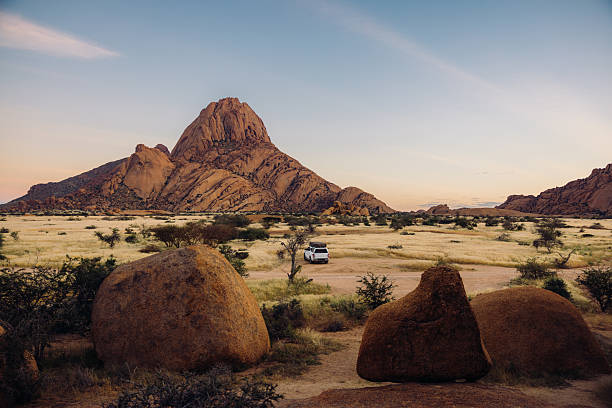
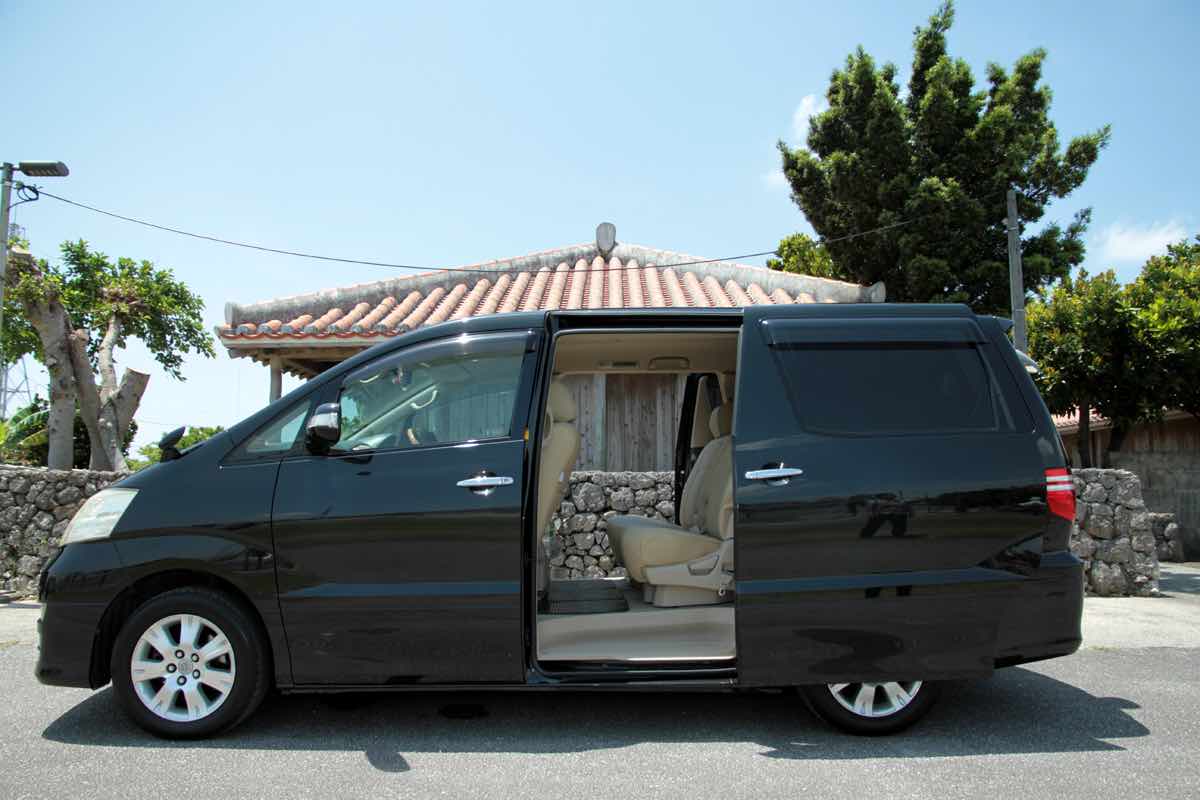
How to Travel Tanzania on a Budget: Your Comprehensive Planning Guide
Tanzania, a land of iconic wildlife, majestic mountains, and spice-scented islands, often conjures images of luxury safaris and exclusive lodges. However, experiencing the magic of this East African gem doesn’t require a king’s ransom. With smart planning and insider knowledge, it’s entirely possible to travel Tanzania on a budget, making unforgettable memories without breaking the bank. This guide provides practical advice for the budget-conscious traveler aiming for 2026-2027 adventures.
Quick Answer
Traveling Tanzania on a budget involves strategic choices in accommodation, transportation, activities, and timing. Focus on local eateries, group tours, budget guesthouses, and consider visiting during the shoulder seasons. Booking with local operators can also offer better value. For 2026-2027, early planning is key to securing the best deals.
Table of Contents
- Quick Facts for Budget Tanzania Travel
- Understanding Tanzania for the Budget Traveler
- Why Budget Travel in Tanzania Matters
- Best Time to Visit Tanzania on a Budget
- Tanzania Regions: A Budget Traveler’s Overview
- Sample Budget Tanzania Itinerary (10 Days)
- Budget Safari Planning
- Budget Kilimanjaro Trekking
- Budget Zanzibar Holidays
- Budget Transportation Options
- Budget Accommodation Choices
- Eating on a Budget
- Common Mistakes to Avoid When Budget Traveling Tanzania
- Who is Budget Travel in Tanzania Best For?
- Alternatives to Consider for Budget Travelers
- Budget Planning for 2026-2027
- Booking Your Budget Tanzania Trip
- Frequently Asked Questions
Quick Facts for Budget Tanzania Travel
| Aspect | Budget Considerations |
|---|---|
| Currency | Tanzanian Shilling (TZS). USD widely accepted for tours/lodges. |
| Language | Swahili. English is common in tourist areas. |
| Visa | Required for most nationalities. Apply online or upon arrival. |
| Best Time (Budget) | Shoulder seasons (Mar-May, Nov) offer lower prices. |
| Key Budget Destinations | Northern Circuit (budget tours), Zanzibar (local areas), Dar es Salaam. |
| Typical Daily Budget (Excluding Major Tours) | $50 – $100 USD per person (highly variable). |
| Must-Book in Advance | Kilimanjaro permits, reputable budget safari operators. |
Understanding Tanzania for the Budget Traveler
Tanzania is a vast country offering diverse experiences, from the Serengeti’s endless plains to Mount Kilimanjaro’s snowy peak and Zanzibar’s historical Stone Town. For travelers focused on cost-effectiveness, understanding the country’s tourism infrastructure and local realities is crucial. The most popular tourist routes, often referred to as the Northern Circuit (Serengeti, Ngorongoro, Tarangire, Lake Manyara) and Kilimanjaro, tend to be the most expensive due to park fees and required services. Zanzibar, while a popular beach destination, can also be managed on a budget if you choose local accommodations and activities.
Budget travel in Tanzania often means prioritizing certain experiences and being flexible with others. It’s about finding the sweet spot between experiencing the country’s highlights and managing expenses. This often involves looking for shared experiences, utilizing local transport where feasible, and opting for simpler, yet clean and safe, accommodations.
Why Budget Travel in Tanzania Matters
Choosing to travel Tanzania on a budget offers several advantages:
- Extended Stays: More money saved means more time to explore different regions or linger longer in places you love.
- Deeper Cultural Immersion: Budget travel often leads you to more local guesthouses, markets, and transport, fostering more authentic interactions with Tanzanian culture.
- Accessibility: It opens up Tanzania to a wider range of travelers who might otherwise believe it’s out of reach financially.
- Flexibility: Being less tied to expensive, pre-booked packages can allow for more spontaneous decisions and adjustments to your itinerary.
Best Time to Visit Tanzania on a Budget
While the peak tourist seasons (June to October and December to February) offer excellent wildlife viewing and dry weather, they also command the highest prices for safaris, accommodation, and flights. To travel Tanzania on a budget, consider the shoulder seasons:
- March to May (Long Rains): This period sees fewer tourists, significantly lower prices for lodges and safaris, and lush, green landscapes. Wildlife viewing can still be good, especially in areas less affected by rain. The Great Migration is often in the central Serengeti or heading towards the Western Corridor. This is a prime time for budget travelers seeking value.
- November to Mid-December (Short Rains): This can also be a good time for budget travel. While there might be occasional showers, they are usually short-lived. Prices start to drop after the peak season, and the landscapes are beautiful.
Visiting during these times means you can often negotiate better rates with tour operators and find more affordable accommodation. However, be prepared for potential rain, which could impact some activities or road conditions.
Tanzania Regions: A Budget Traveler’s Overview
Understanding the key regions and their budget potential is vital:
Key Regions for Budget Travel
Northern Circuit (Arusha, Serengeti, Ngorongoro, Tarangire, Lake Manyara): This is the most popular safari destination. While often perceived as expensive, budget options exist through group tours and mid-range lodges. Park fees are substantial and unavoidable.
Southern Circuit (Ruaha, Selous/Nyerere National Park): Less visited and often more affordable for independent travelers, though infrastructure is less developed. Safari packages here can sometimes offer better value if you’re willing to forgo the ‘classic’ Northern Circuit experience.
Zanzibar Archipelago: Stone Town offers budget guesthouses and local eateries. Beaches like Nungwi and Kendwa can be pricier, but areas like Jambiani or Paje offer more affordable stays. Local transport (dala-dalas) is very cheap.
Mount Kilimanjaro: Trekking Kilimanjaro is inherently expensive due to permits, park fees, guide, and porter costs. Budget options focus on using reputable local operators and choosing shorter routes (though this impacts acclimatization and success rates).
Dar es Salaam: Tanzania’s largest city. It’s a transport hub and offers budget accommodation and local food options, but is not typically a primary tourist destination for nature and wildlife.
Sample Budget Tanzania Itinerary (10 Days)
This sample itinerary focuses on maximizing experiences while keeping costs down, assuming a budget safari component. For 2026-2027, booking a group safari is often the most budget-friendly approach for the Northern Circuit.
10-Day Budget Tanzania Explorer
- Day 1-2: Arusha & Preparation
- Arrive at Kilimanjaro International Airport (JRO). Transfer to a budget guesthouse or hostel in Arusha.
- Explore Arusha town, visit local markets, and arrange your safari booking.
- Budget Tip: Stay in hostels or budget hotels outside the main tourist strip.
- Day 3-5: Budget Northern Circuit Safari (Group Tour)
- Join a 3-day/2-night group safari. This typically covers Tarangire National Park and the Ngorongoro Crater.
- Budget Tip: Opt for a camping safari (shared tents) or a tour that uses mid-range tented camps. Group tours significantly reduce per-person costs compared to private safaris. Ensure your operator is reputable and includes park fees, meals, and transport.
- Day 6: Moshi & Kilimanjaro Views
- Travel to Moshi, the gateway to Kilimanjaro. Stay in a budget lodge or guesthouse.
- Enjoy views of Kilimanjaro, explore Moshi town, and relax.
- Budget Tip: Moshi offers more affordable accommodation than Arusha for trekkers.
- Day 7-9: Zanzibar Island Escape
- Fly from Kilimanjaro (JRO) or Arusha (ARK) to Zanzibar (ZNZ).
- Stay in Stone Town for a day exploring its history and culture. Use local eateries.
- Transfer to a beach area like Jambiani or Paje on the southeast coast. Stay in a budget guesthouse or banda.
- Enjoy the beaches, swimming, and local life.
- Budget Tip: Use dala-dalas (local minibuses) for transport between Stone Town and the beaches. Eat at local ‘chipsi mayai’ (omelette with fries) joints or small restaurants.
- Day 10: Departure
- Enjoy a final morning in Zanzibar.
- Transfer to Zanzibar Airport (ZNZ) for your departure.
Budget Safari Planning
Safari is often the biggest expense. Here’s how to manage it:
- Group Safaris: This is the number one way to save money. Sharing a vehicle and guide with other travelers drastically cuts costs. Look for reputable operators offering fixed departures.
- Camping Safaris: Instead of lodges, opt for safari packages that include camping in national parks or designated campsites. This is significantly cheaper and offers a more immersive experience.
- Choose Your Parks Wisely: While Serengeti and Ngorongoro are iconic, they have the highest park fees. Shorter trips focusing on Tarangire or Lake Manyara, or even exploring the less-visited Southern Circuit (Ruaha, Selous) with a specialized budget operator, can offer value.
- Duration: A 3-day/2-night safari is the minimum to experience a couple of parks. Extending to 5-7 days allows for more parks and a more relaxed pace, but costs increase. Balance desired sightings with your budget.
- Operator Choice: Local operators based in Arusha often offer better prices than international ones. However, do thorough research on their reputation, safety record, and what’s included. Look for clear inclusions: park fees, vehicle, guide, meals, and accommodation.
- Negotiation (Carefully): While not always possible, especially for group tours, some flexibility might exist when booking private tours during the shoulder season. Don’t haggle aggressively, but inquire about package deals.
Budget Kilimanjaro Trekking
Trekking Kilimanjaro is expensive due to mandatory park fees, conservation fees, and the need for a support crew (guides, porters, cooks). Budget travel here means finding the most cost-effective *safe* operator.
- Reputable Local Operators: Again, using a well-established Tanzanian company is usually cheaper than international outfitters. They have local knowledge and can often offer competitive prices.
- Route Choice: Shorter routes like Marangu or Machame (6 days) are cheaper than longer ones (7-9 days). However, longer routes offer better acclimatization and higher success rates. For budget travelers, a 7-day Machame or Lemosho trek is often a good balance.
- Accommodation on the Mountain: Hut accommodation (Marangu route) is generally more expensive than camping (most other routes).
- Group Trekking: Joining a group trek can reduce costs.
- Avoid Unscrupulous Operators: The biggest danger for budget trekkers is choosing an operator that cuts corners on safety, food, or porter welfare. This can lead to serious health issues or even death. Always check reviews, ask about porter welfare policies, and ensure your operator is licensed. For 2026-2027, book with a company known for ethical practices.
Budget Zanzibar Holidays
Zanzibar offers a tropical paradise feel without the high price tag if you know where to look:
- Accommodation: Avoid beachfront luxury resorts. Opt for guesthouses, budget hotels, or even homestays in Stone Town or smaller villages like Jambiani, Paje, or Bwejuu. Many offer clean rooms, fans, and shared bathrooms at very reasonable rates.
- Food: Eat where the locals eat. Stone Town has fantastic street food and small restaurants serving affordable Swahili dishes. Beachfront restaurants are more expensive; venture a few blocks inland for better value.
- Transport: Dala-dalas (local minibuses) are incredibly cheap for getting around the island. They are slow and crowded but offer an authentic experience. Shared taxis or hiring a local driver for a day can be negotiated for specific trips.
- Activities: Many beach activities like swimming, sunbathing, and walking are free. Look for local guides for snorkeling trips or spice tours rather than booking through large hotels. Negotiate prices for boat trips.
Budget Transportation Options
Getting around Tanzania affordably requires patience and embracing local methods:
- Dala-dalas: These minibuses are the backbone of public transport for locals. They connect towns and villages and are extremely cheap. They can be crowded and slow, with no fixed schedules, but are an excellent way to save money and experience local life.
- Coaster Buses: Larger buses that travel between major cities like Arusha, Dar es Salaam, and Mwanza. More comfortable than dala-dalas and still very affordable.
- Shared Taxis/Shuttles: A step up in comfort and speed from public buses, these are often used for longer distances or between airports and towns. Prices are fixed per seat.
- Domestic Flights: For long distances (e.g., Arusha to Zanzibar, or to remote parks), flights are the fastest but most expensive option. Look for deals with local airlines like Precision Air or Coastal Aviation. Booking in advance is recommended.
- Walking/Bicycle: Within towns and villages, walking or renting a bicycle is a great way to explore and save money.
Budget Accommodation Choices
Accommodation is a major budget factor. Consider these options:
- Hostels: Available in Arusha, Moshi, Stone Town, and Dar es Salaam. Great for solo travelers and meeting others. Offer dorm beds and sometimes private rooms.
- Budget Guesthouses/B&Bs: Found in most towns and tourist areas. These are often family-run, offering basic but clean rooms, sometimes with shared bathrooms. A good middle ground for comfort and price.
- Camping: For safaris, camping is the most budget-friendly option. National park campsites and designated private campsites are available. You’ll need to book these as part of your safari package.
- Banda/Bungalows: Common in beach areas like Zanzibar, these are simple huts, often thatched, offering basic amenities.
- Homestays: Increasingly available, offering a chance to live with a local family and experience their daily life.
Eating on a Budget
Tanzanian cuisine is flavorful and can be very affordable:
- Local Restaurants (‘Local Joints’): Seek out small eateries frequented by locals. They serve staple dishes like Ugali (maize porridge), Nyama Choma (grilled meat), Pilau (spiced rice), and various stews (mishkaki – skewers, kuku choma – grilled chicken).
- Street Food: In towns, you’ll find vendors selling samosas, mandazi (doughnuts), grilled corn, and chapati. Be mindful of hygiene.
- Markets: Visit local markets for fresh fruits (mangoes, bananas, passion fruit, pineapples), vegetables, and snacks.
- Self-Catering: If your accommodation has kitchen facilities (rare in budget options), buying groceries from markets can save money.
- Avoid Tourist Restaurants: Restaurants in prime tourist areas or inside luxury lodges will be significantly more expensive.
Common Mistakes to Avoid When Budget Traveling Tanzania
To ensure your budget trip is successful:
- Underestimating Costs: Especially park fees for safaris and Kilimanjaro, which are fixed and substantial. Factor these in carefully.
- Choosing the Cheapest Operator Without Research: This is a major safety risk for safaris and treks. Always prioritize safety and reputation over the absolute lowest price.
- Not Booking in Advance (for key items): While flexibility is good, Kilimanjaro permits and popular budget safari spots for 2026-2027 can fill up. Book these critical elements ahead of time.
- Ignoring Local Transport: Relying solely on taxis or private transfers will drain your budget quickly. Embrace dala-dalas and buses for shorter inter-town journeys.
- Not Factoring in Tips: While not mandatory, tipping guides, drivers, and porters is customary and appreciated. Budget for this.
- Overpacking: Especially for Kilimanjaro. Pack light and smart to avoid extra baggage fees and make trekking easier.
- Not Having Enough Cash: While cards are accepted in some hotels and larger shops, many smaller establishments, markets, and local transport rely on cash. Carry enough Tanzanian Shillings and some USD for emergencies or tour deposits.
Who is Budget Travel in Tanzania Best For?
Budget travel in Tanzania is ideal for:
- Backpackers and Solo Travelers: Looking for adventure and cultural experiences without high costs.
- Young Travelers and Students: With limited funds but a strong desire to explore.
- Long-Term Travelers: Who need to manage their daily expenses over an extended period.
- Adventurous Spirits: Willing to trade some comfort for authenticity and savings.
- Couples or Small Groups: Who can share costs on accommodation and some transport.
- Travelers Prioritizing Experience over Luxury: Those who value seeing wildlife, climbing mountains, and experiencing local life more than staying in high-end lodges.
Alternatives to Consider for Budget Travelers
If the classic Northern Circuit safari or Kilimanjaro trek feels out of reach even on a budget, consider these:
- Southern Circuit Safaris: Parks like Ruaha and Nyerere (formerly Selous) offer incredible wildlife viewing with fewer crowds and potentially lower package prices, though infrastructure is more basic.
- Day Trips from Arusha/Moshi: Instead of multi-day safaris, take day trips to places like Arusha National Park or Materuni Waterfalls for a taste of Tanzania’s nature.
- Mount Meru Trek: A challenging but rewarding trek that is significantly cheaper than Kilimanjaro, offering excellent views and wildlife.
- Cultural Tourism Programs: Many initiatives focus on connecting travelers with local communities for authentic cultural exchanges, often at a fraction of the cost of safaris.
- Exploring Mainland Tanzania: Regions like Iringa, Mbeya, or Lake Tanganyika offer unique experiences away from the main tourist trail, with more affordable local life.
Budget Planning for 2026-2027
Planning your trip for 2026-2027 with a budget in mind requires foresight:
- Book Key Elements Early: Especially for peak seasons or popular budget tours, booking your safari operator or Kilimanjaro trek 6-12 months in advance can secure better prices and availability.
- Monitor Flight Prices: International flights are often a significant expense. Use flight comparison sites and set up price alerts well in advance. Consider flying into Nairobi (Kenya) and then taking a bus or short flight to Tanzania if it proves cheaper.
- Research Exchange Rates: Keep an eye on the USD to TZS exchange rate, as this can affect the cost of your local expenses.
- Consider Travel Insurance: Essential for any trip, but budget for it. Ensure it covers medical emergencies, trip cancellations, and lost luggage.
- Start a Savings Fund: A dedicated savings account for your Tanzania adventure can help you track progress and stay motivated.
Booking Your Budget Tanzania Trip
Making the right booking decisions is crucial for a successful budget trip:
- Prioritize Local Operators: For safaris and Kilimanjaro treks, working directly with reputable Tanzanian tour operators is often the most cost-effective approach.
- Read Reviews Thoroughly: Look for recent reviews on platforms like TripAdvisor, Google, and dedicated travel forums. Pay attention to comments on safety, guide quality, vehicle condition, and overall value.
- Get Detailed Itineraries and Inclusions: Ensure you know exactly what is covered (park fees, meals, accommodation type, vehicle, guide, water, transfers). Ambiguity can lead to unexpected costs.
- Compare Quotes (Wisely): Get quotes from 2-3 reputable budget operators for similar itineraries. Don’t just choose the cheapest; consider the inclusions, reviews, and communication quality.
- Payment Terms: Understand the deposit and final payment schedule. Most operators require a deposit (often 30-50%) to confirm bookings, with the balance due closer to the travel date. For 2026-2027 trips, deposits are common.
- Communicate Clearly: Discuss your budget constraints and expectations openly with potential operators. They may be able to suggest alternative itineraries or services that fit your needs.
- Book Kilimanjaro Permits and Safari Seats Early: These are essential and can sell out, especially during popular times.
For tailored budget safari and Kilimanjaro packages, and to get accurate quotes for your 2026-2027 adventure, reach out to local experts.
Plan Your Affordable Tanzania Adventure
Ready to explore Tanzania without overspending? We specialize in crafting memorable and budget-friendly experiences, from thrilling safaris in the Serengeti to challenging Kilimanjaro ascents and relaxing Zanzibar getaways. Let us help you plan your perfect trip for 2026-2027.
Contact us today for a personalized quote:
WhatsApp: +255616946642
Email: topguideadventures@gmail.com
Backup Email: info@topguideadventures.com
Let’s make your dream of experiencing Tanzania a reality, on your terms and your budget.
Frequently Asked Questions
Budget Tanzania Travel FAQs
Q1: How much does a budget safari in Tanzania typically cost?
A1: A budget 3-day/2-night group camping safari in Tanzania can range from $400 to $700 USD per person, excluding park fees (which are additional and substantial). Longer safaris or private tours will cost more. Prices vary significantly based on the operator, inclusions, and time of year.
Q2: Is it cheaper to book a safari in Tanzania or from my home country?
A2: Generally, booking directly with reputable local Tanzanian tour operators is cheaper than booking through international agents. Local operators have lower overheads and direct knowledge of local costs. Always compare quotes and research thoroughly.
Q3: What are the biggest expenses when traveling Tanzania on a budget?
A3: The largest expenses are typically national park entrance fees (especially for Serengeti and Ngorongoro), safari vehicle and guide hire, and Kilimanjaro trekking permits and crew costs. Accommodation and food can also add up, but are more controllable.
Q4: Can I travel Tanzania on a budget of $50 per day?
A4: It’s extremely challenging to travel Tanzania on $50 USD per day if you plan to do a major safari or climb Kilimanjaro, as these activities alone can exceed that daily budget significantly. If you exclude these major tours and focus on local transport, budget guesthouses, and local food, it might be possible for short periods in less touristy areas.
Q5: What’s the best way to get from Arusha to Zanzibar on a budget?
A5: The cheapest way is to take a bus from Arusha to Dar es Salaam (around 8-10 hours), and then a ferry from Dar es Salaam to Zanzibar (around 2 hours). Alternatively, you can fly from Arusha or Kilimanjaro airport directly to Zanzibar, which is faster but more expensive.
Q6: Are there any hidden costs I should be aware of for 2026-2027 trips?
A6: Yes, potential hidden costs include tips for guides and drivers, souvenirs, extra snacks and drinks not included in your tour package, visa fees, travel insurance, and optional activities. Always ask your operator for a full list of inclusions and exclusions.
Q7: Is it safe to use public transport (dala-dalas) in Tanzania?
A7: Dala-dalas are generally safe for locals and tourists, but they can be crowded and driven somewhat erratically. Be aware of your surroundings and keep valuables secure. For longer distances or if comfort is a priority, consider coaster buses or shared shuttles.
Q8: How much should I budget for tips for safari guides and Kilimanjaro porters?
A8: Tipping is customary. For safari guides, a common range is $15-25 USD per day per group. For Kilimanjaro, tips for the entire crew (guides, porters, cook) are usually pooled and can amount to $200-400+ USD per trekker, depending on the trek length and crew size. Your operator should provide recommended tipping guidelines.
Q9: Can I arrange a budget safari independently without an operator?
A9: While technically possible for some parks, it’s highly discouraged for the Northern Circuit and Kilimanjaro. You would need to arrange park permits, hire a 4×4 vehicle (which is expensive and requires a driver), and find accommodation. Using a reputable budget operator is far more practical, safer, and often more cost-effective for these experiences.
Q10: What is the best way to stay connected and use data on a budget in Tanzania?
A10: Purchase a local SIM card (e.g., Vodacom, Tigo, Airtel) upon arrival. These are very affordable and offer competitive data packages. You can buy them at the airport or in towns. Ensure your phone is unlocked.
Plan your How to Travel Tanzania on a Budget with Top Guide Adventures
Tell us your travel dates, group size, comfort level, and dream experience. We will help you shape a clear, realistic, and memorable Tanzania itinerary.







 Veedesigner
 Fatma Kizanga
 Benjamin Waryuba
 Philip Philip
 John jr Itaja
 Antonia Optatus
 Edith Kanyere
 Neema Iddy
 Kelvin Boniphace
 Damari Maiga



