
Updated planning guide for 2026-2027
International Flight Connections To Tanzania: Complete Guide 2026-2027
Planning your trip to Tanzania? This guide details everything you need to know about international flight connections to Tanzania, from major airports and airlines to booking strategies and essential travel tips for your 2026-2027 adventure.
WhatsApp +255616946642 | topguideadventures@gmail.com | info@topguideadventures.com

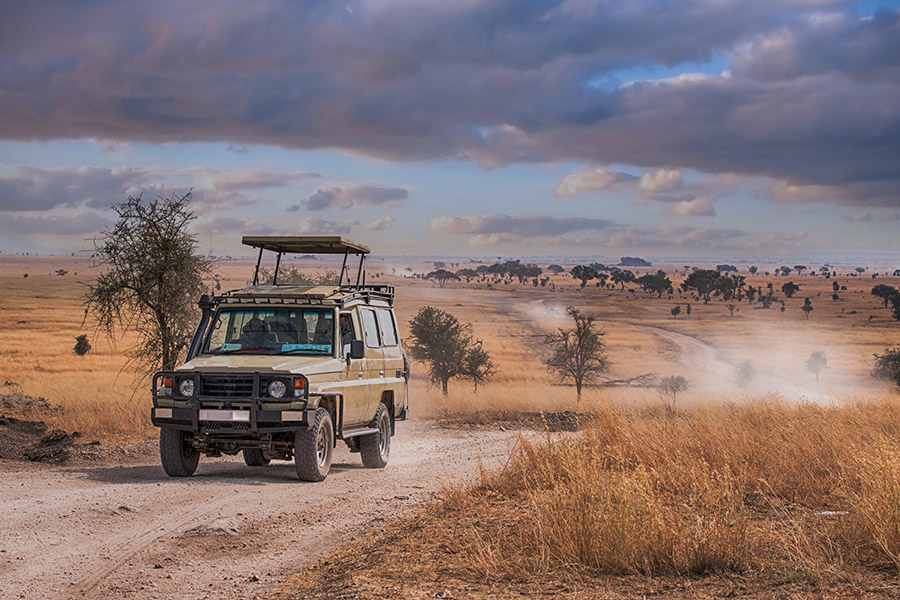
International Flight Connections to Tanzania: Your Comprehensive Planning Guide
Securing the right international flight connections to Tanzania is the crucial first step in planning an unforgettable adventure. Whether your dream is to witness the Great Migration on a Serengeti safari, stand atop Mount Kilimanjaro, or relax on the pristine beaches of Zanzibar, understanding your flight options will make the entire journey smoother. This guide provides detailed insights into navigating the world of international air travel to Tanzania, helping you make informed decisions for your 2026-2027 travels.
Tanzania, a jewel of East Africa, attracts visitors from across the globe for its diverse landscapes, incredible wildlife, and rich cultural heritage. As you prepare for your trip, knowing the best airports to fly into, the airlines that serve these routes, and the typical travel times will significantly ease your planning process. We cover everything from major international gateways to internal flight considerations, ensuring you arrive prepared and ready to explore.
Quick Facts About Tanzania Flights
| Aspect | Details |
|---|---|
| Main International Airports | Julius Nyerere International Airport (DAR) in Dar es Salaam; Kilimanjaro International Airport (JRO) near Arusha; Abeid Amani Karume International Airport (ZNZ) in Zanzibar. |
| Common Departure Hubs | Europe (Amsterdam, London, Paris, Frankfurt, Istanbul), Middle East (Doha, Dubai, Abu Dhabi), Asia (Doha, Dubai, Istanbul), North America (via European/Middle Eastern hubs). |
| Major Airlines Serving Tanzania | Qatar Airways, Emirates, Turkish Airlines, KLM, Ethiopian Airlines, Kenya Airways, Precision Air, Air Tanzania. |
| Typical Flight Duration (from Europe) | 9-12 hours (direct/one-stop); 15+ hours (with multiple stops). |
| Visa Requirements | Most nationalities require a visa, obtainable online (e-visa) or on arrival. Check official government sources. |
| Currency | Tanzanian Shilling (TZS). USD widely accepted for tourist services. |
Understanding Tanzania’s Main Airports for International Arrivals
When planning your international flight connections to Tanzania, you’ll primarily focus on three key airports. Each serves a different region and purpose, influencing where you might want to land based on your itinerary.
1. Julius Nyerere International Airport (DAR) – Dar es Salaam
Dar es Salaam is Tanzania’s largest city and its commercial capital. DAR is the busiest airport in the country and serves as the primary gateway for many international travelers, especially those planning to visit southern Tanzania, the Selous Game Reserve, or heading to Zanzibar for onward travel. While many travelers connect through DAR to reach other parts of the country, it is also a destination in itself, offering a glimpse into vibrant Tanzanian city life.
- Location: Approximately 15 km southwest of Dar es Salaam city center.
- Services: Modern facilities, including lounges, currency exchange, ATMs, duty-free shops, and car rental services.
- Connectivity: Serves as a hub for domestic flights to Arusha, Kilimanjaro, Zanzibar, and other national parks. Also a major hub for regional flights within East Africa.
- Best for: Southern circuit safaris (Selous, Ruaha), visiting Dar es Salaam, easy transit to Zanzibar.
2. Kilimanjaro International Airport (JRO) – Arusha Region
Kilimanjaro International Airport (JRO) is strategically located between Arusha and Moshi, making it the most convenient entry point for those planning to trek Mount Kilimanjaro or explore the northern safari circuit, which includes the Serengeti, Ngorongoro Crater, Tarangire, and Lake Manyara. Many international flights land here directly, saving travelers the longer overland journey from Dar es Salaam.
- Location: Situated between Arusha and Moshi, approximately 40-50 km from each town.
- Services: Offers essential services like immigration, customs, cafes, and souvenir shops. While smaller than DAR, it is well-equipped for international arrivals.
- Connectivity: Direct flights to major safari destinations within Tanzania and regional hubs.
- Best for: Kilimanjaro climbs, Northern Circuit safaris (Serengeti, Ngorongoro), Arusha, and surrounding areas.
3. Abeid Amani Karume International Airport (ZNZ) – Zanzibar
Zanzibar, the semi-autonomous archipelago off the coast, has its own international airport. ZNZ is a primary entry point for those whose primary destination is the islands of Zanzibar, famous for their spice tours, historical Stone Town, and stunning beaches. While direct international flights to ZNZ are less common than to DAR or JRO, many travelers fly into mainland Tanzania and then take a short domestic flight or ferry to Zanzibar.
- Location: On Unguja, the main island of Zanzibar, about 5 km south of Stone Town.
- Services: Basic airport facilities, including immigration, customs, and some shops.
- Connectivity: Serves a good number of regional flights and is a popular stopover for flights from DAR and JRO.
- Best for: Zanzibar holidays, beach resorts, spice tours, exploring Stone Town.
Navigating International Airlines and Routes
Several major international airlines operate routes to Tanzania, offering various connection points and service levels. Your choice of airline will often depend on your departure city, budget, and preferred travel experience.
Key Airlines and Their Hubs:
- Qatar Airways: Flies from Doha (DOH) to DAR and JRO. Known for excellent service and modern fleet. A popular choice for travelers from Asia, Australia, and the Americas.
- Emirates: Operates from Dubai (DXB) to DAR and ZNZ. Offers a premium travel experience and extensive network.
- Turkish Airlines: Connects from Istanbul (IST) to DAR, JRO, and ZNZ. Provides a good option for European travelers and those connecting from parts of Asia.
- KLM (Royal Dutch Airlines): Flies from Amsterdam (AMS) to DAR and JRO. A long-standing carrier to East Africa with a reputation for reliability.
- Ethiopian Airlines: Connects from Addis Ababa (ADD) to DAR, JRO, and ZNZ. Offers extensive African network and competitive pricing, a strong choice for those connecting from North America or within Africa.
- Kenya Airways: Flies from Nairobi (NBO) to DAR, JRO, and ZNZ. A convenient option for those already in East Africa or connecting through Nairobi.
- Precision Air & Air Tanzania: These are Tanzanian domestic carriers that also operate some regional international routes. They are crucial for internal connections once you arrive in Tanzania.
Typical Flight Routes and Connection Strategies:
Most international flights to Tanzania involve at least one stop. Common connection points include:
- Europe: Amsterdam (KLM), London (via partner airlines or indirect flights), Paris (Air France via partner), Frankfurt (Lufthansa via partner), Istanbul (Turkish Airlines).
- Middle East: Doha (Qatar Airways), Dubai (Emirates), Abu Dhabi (Etihad via partner). These hubs offer excellent connections from Asia, Australia, and North America.
- Africa: Addis Ababa (Ethiopian Airlines), Nairobi (Kenya Airways), Kigali (Rwandair). These are vital for travelers within Africa or those seeking cheaper options with longer travel times.
Example Route Logic: A traveler from New York aiming for a Serengeti safari might consider:
- New York (JFK) to Doha (DOH) with Qatar Airways.
- Doha (DOH) to Kilimanjaro (JRO) with Qatar Airways.
Alternatively, they might fly via Europe:
- New York (JFK) to Amsterdam (AMS) with KLM.
- Amsterdam (AMS) to Kilimanjaro (JRO) with KLM.
The choice often comes down to flight times, layover duration, and price.
Booking Your International Flights to Tanzania
Booking international flights requires careful consideration to secure the best options. Here are some expert tips to guide you:
When to Book:
For peak travel seasons (June to October, and December to February), it’s advisable to book your flights 6-10 months in advance. For off-peak seasons, 3-6 months might suffice. Booking early often secures better prices and availability, especially for direct or convenient routes.
Finding the Best Deals:
- Flexibility: If your travel dates are flexible, use flight comparison websites to check prices across different days. Mid-week flights are often cheaper.
- Comparison Websites: Utilize sites like Google Flights, Skyscanner, Kayak, and Momondo. However, always cross-check prices directly with airline websites, as sometimes they offer exclusive deals.
- Set Price Alerts: Many flight search engines allow you to set alerts for price drops on specific routes.
- Consider Different Airports: Sometimes flying into DAR and taking a domestic connection to JRO can be cheaper than flying directly to JRO, or vice versa. Weigh the total cost and time.
Direct vs. Connecting Flights:
- Direct Flights: Offer the most convenience, saving time and reducing the risk of missed connections. However, they are often more expensive and less common for Tanzania.
- One-Stop Flights: Usually offer a good balance of cost and convenience. Major hubs like Doha, Dubai, or Amsterdam are common and efficient connection points.
- Multiple Stops: Can be significantly cheaper but involve longer travel times and increased risk of delays or lost luggage. Best avoided if possible for a safari or trek where time is valuable.
Travel Class Considerations:
For long-haul flights to Tanzania, consider the comfort of your travel class. Economy is standard, but premium economy, business, or first class can make a significant difference, especially if you are arriving for a demanding trek like Kilimanjaro or a long safari drive. Many travelers opt for business class on the outbound journey to arrive more rested.
Internal Flights within Tanzania
Once you arrive in Tanzania, you’ll likely need internal flights to reach your safari destinations or connect between major hubs. These flights are operated by local airlines and are essential for maximizing your time, especially for shorter trips.
Key Internal Routes:
- Dar es Salaam (DAR) to Arusha (ARK) or Kilimanjaro (JRO)
- Dar es Salaam (DAR) to Zanzibar (ZNZ)
- Arusha (ARK) or Kilimanjaro (JRO) to Zanzibar (ZNZ)
- Flights from major hubs to airstrips within national parks (e.g., Serengeti, Ruaha).
Airlines for Internal Travel:
- Precision Air: A major domestic carrier with a wide network.
- Air Tanzania: The national airline, expanding its domestic and regional routes.
- Coastal Aviation / Auric Air: Specializing in flights to remote safari airstrips, often used for lodge transfers.
Booking internal flights is usually done through your tour operator or directly with the airlines. They are crucial for efficient travel between parks like the Serengeti and the Ngorongoro Conservation Area, or for quick transfers to Zanzibar.
Planning Your Tanzania Trip for 2026-2027: Key Considerations
When planning your international flight connections to Tanzania for the 2026-2027 travel years, consider the following:
Best Time to Visit:
The dry seasons are generally the most popular and offer the best wildlife viewing. These are typically from June to October and December to February.
- June – October: Dry season, cooler temperatures, excellent for game viewing, especially the Great Migration in the Serengeti. Peak season for Kilimanjaro.
- November: Short rains, can be a good shoulder season with fewer crowds and lower prices.
- December – February: Warm, dry season, good for game viewing, calving season in the southern Serengeti. Popular for beach holidays in Zanzibar.
- March – May: Long rains, lush landscapes, fewer tourists, lower prices. Can impact road conditions and some activities.
Your chosen travel time will influence flight availability and prices. Booking flights for 2026-2027 during peak demand periods requires early planning.
Visa and Health Requirements:
Most visitors need a visa for Tanzania. You can apply for an e-visa online in advance or obtain one on arrival at major airports. Check the latest requirements from the Tanzanian immigration authorities well before your trip. Consult your doctor or a travel clinic about recommended vaccinations (e.g., Yellow Fever, Hepatitis A, Typhoid) and malaria precautions.
Travel Insurance:
Comprehensive travel insurance is essential. Ensure it covers medical emergencies, evacuation (especially critical for Kilimanjaro treks), trip cancellation, and lost luggage. This is a non-negotiable for any international travel, particularly to remote areas.
Sample Itinerary Logic and Flight Integration
To illustrate how flight connections integrate with an itinerary, consider a 10-day Northern Circuit Safari and Kilimanjaro Trek combination for 2026:
10-Day Northern Circuit Safari & Kilimanjaro Preview (Sample)
- Day 1: Arrive at Kilimanjaro International Airport (JRO).
- Flight Note: Arrive on an international flight (e.g., via Doha, Amsterdam, Istanbul).
- Transfer to your hotel in Arusha. Briefing for safari and Kilimanjaro trek.
- Day 2: Arusha to Tarangire National Park.
- Activity: Full-day game drive.
- Accommodation: Lodge/camp near Tarangire.
- Day 3: Tarangire to Lake Manyara National Park & Karatu.
- Activity: Morning game drive in Lake Manyara, then drive to Karatu.
- Accommodation: Lodge/camp in Karatu.
- Day 4: Ngorongoro Crater Tour.
- Activity: Full-day game drive inside the Ngorongoro Crater.
- Accommodation: Lodge/camp in Karatu or on the crater rim.
- Day 5: Karatu to Serengeti National Park.
- Activity: Game drive en route to Serengeti. Afternoon game drive.
- Accommodation: Lodge/camp in Serengeti.
- Day 6: Serengeti National Park.
- Activity: Full-day game drives in Serengeti.
- Accommodation: Lodge/camp in Serengeti.
- Day 7: Serengeti to Kilimanjaro (Moshi/Arusha).
- Flight Note: Morning game drive, then transfer to a Serengeti airstrip for a flight to Arusha (ARK) or Kilimanjaro (JRO).
- Transfer to your hotel in Moshi/Arusha. Prepare for trek.
- Day 8-9: Mount Kilimanjaro Trek (e.g., Marangu Route 2-day taste or preparation for longer treks).
- Activity: Depending on chosen route, start trek or engage in final preparations/acclimatization. For a true trek, this would be Day 1 and Day 2 of a longer climb.
- Accommodation: Mountain hut or lodge.
- Day 10: Kilimanjaro Descent / Departure.
- Activity: Complete trek descent or final preparations.
- Flight Note: Transfer to Kilimanjaro International Airport (JRO) for your international departure.
Common Mistakes to Avoid with International Flights
Navigating international flights can be complex. Here are common pitfalls to steer clear of:
- Booking Too Late: Especially for peak seasons or specific preferred airlines, waiting too long can mean higher prices or limited options.
- Ignoring Layover Times: Very short layovers risk missed connections, while excessively long ones can be exhausting. Aim for 1.5 to 3 hours for international connections.
- Not Checking Baggage Allowances: Different airlines and classes have varying baggage rules. Be aware of weight and size limits, especially if you have multiple legs on different carriers. This is critical for safari gear.
- Forgetting Visa Requirements: Ensure your visa is sorted well in advance. Some nationalities may require specific documentation or application processes.
- Not Confirming Internal Flights: If booking internal flights separately, confirm schedules and baggage policies, as they can differ significantly from international carriers.
- Overlooking Travel Insurance: A lapse in insurance can lead to substantial unexpected costs in case of medical issues or cancellations.
- Assuming Direct Flights: Direct international flights to Tanzania are rare. Plan for at least one stop.
Who is This Information Best For?
This guide on international flight connections to Tanzania is designed for:
- First-time visitors to Tanzania: Providing a foundational understanding of entry points and travel logistics.
- Independent travelers: Those who prefer to book their own flights and want to understand their options.
- Safari enthusiasts: Planning trips to the Serengeti, Ngorongoro, Tarangire, and other northern parks.
- Kilimanjaro trekkers: Needing to arrive at JRO and prepare for their climb.
- Zanzibar holidaymakers: Seeking information on reaching the islands.
- Budget-conscious travelers: Looking for tips on finding affordable flights.
- Luxury travelers: Seeking information on premium travel options and convenient connections.
- Families and couples: Planning diverse Tanzania experiences.
Alternatives to Direct International Flights
While direct flights are rare, some travelers might consider indirect routes or alternative entry points:
- Flying into Nairobi (NBO), Kenya: Nairobi is a major East African hub. From Nairobi, you can take a short regional flight (e.g., with Kenya Airways or Precision Air) to Kilimanjaro (JRO), Dar es Salaam (DAR), or Zanzibar (ZNZ). This can sometimes be cheaper but adds an extra travel leg and potential visa considerations for Kenya.
- Flying into Entebbe (EBB), Uganda: Similar to Nairobi, Entebbe offers regional connections to Tanzania.
- Overland Travel from Neighboring Countries: While not a flight option, some travelers might enter Tanzania overland from Kenya, Rwanda, or Malawi. This is typically for those on longer, multi-country East African journeys and is not recommended for most visitors focused solely on Tanzania due to time and logistical complexities.
Planning Your 2026-2027 Tanzania Trip: A Checklist
To ensure your journey is well-prepared, use this checklist when planning your international flight connections and overall trip for 2026-2027:
- [ ] Define Your Itinerary: Decide on safari, Kilimanjaro, Zanzibar, or a combination. This dictates your arrival airport.
- [ ] Set Travel Dates: Consider seasonality for wildlife, weather, and crowd levels.
- [ ] Research Flight Options: Use comparison sites and airline websites. Check routes via Europe, Middle East, and Africa.
- [ ] Book International Flights: Aim for 6-10 months in advance for peak season.
- [ ] Check Visa Requirements: Apply for e-visa or prepare for arrival visa.
- [ ] Arrange Travel Insurance: Ensure comprehensive coverage.
- [ ] Book Internal Flights (if needed): Coordinate with your tour operator or book separately.
- [ ] Health Consultations: Visit doctor for vaccinations and malaria advice.
- [ ] Pack Appropriately: Research packing lists for safari, Kilimanjaro, or beach.
- [ ] Currency: Plan for USD for initial expenses and local currency.
- [ ] Confirm Airport Transfers: Arrange pick-ups from your arrival airport.
Frequently Asked Questions (FAQs)
Q1: What is the best international airport to fly into for a Serengeti safari?
A1: For Serengeti safaris, Kilimanjaro International Airport (JRO) is the most convenient. From JRO, you can easily travel to Arusha, the gateway to the northern safari circuit, and then begin your journey to the Serengeti, often via internal flights or overland drives.
Q2: Can I fly directly from the USA/Europe to Tanzania?
A2: Direct international flights from North America or most European countries to Tanzania are extremely rare or non-existent. You will almost certainly need to connect through a major hub such as Doha, Dubai, Amsterdam, or Istanbul.
Q3: How much should I budget for international flights to Tanzania for 2026?
A3: Flight prices vary significantly based on your departure city, time of year, how far in advance you book, and the airline. For 2026, expect round-trip economy flights from North America or Europe to range broadly from $1,000 to $2,500 USD per person. Peak season travel and last-minute bookings will be at the higher end.
Q4: What is the difference between flying into JRO and DAR for a Tanzania trip?
A4: JRO is ideal for the northern safari circuit and Kilimanjaro treks. DAR is better for southern safaris (Selous, Ruaha) and is the main entry point for Zanzibar if not flying directly there. If your main focus is the northern parks, flying into JRO saves considerable travel time compared to flying into DAR and driving north.
Q5: Is it better to book international and internal flights separately?
A5: Often, booking through a reputable tour operator is the most straightforward approach. They can manage both international flight suggestions and book reliable internal flights, ensuring seamless connections. If booking separately, be meticulous about timings and baggage allowances.
Q6: What are the baggage restrictions for flights within Tanzania?
A6: Internal flights, especially those to safari airstrips, typically have stricter baggage limits, often around 15-20 kg (33-44 lbs) per person, including hand luggage, usually in soft-sided duffels. International flight allowances are much more generous. Always confirm with your airline or tour operator.
Q7: Do I need a Yellow Fever vaccination to fly to Tanzania?
A7: A Yellow Fever vaccination certificate is required if you are arriving from or transiting through a country with a risk of Yellow Fever transmission. Even if not mandatory from your direct departure country, it’s often required if you transit through certain African or South American hubs. Check the latest official requirements.
Q8: How far in advance should I book flights for 2027?
A8: For travel in 2027, especially during the popular dry season (June-October), booking flights 8-12 months in advance is highly recommended to secure the best prices and availability. For less busy periods, 4-6 months might be sufficient.
Q9: Can I use my frequent flyer miles for flights to Tanzania?
A9: Yes, many airline alliances (e.g., Star Alliance, Oneworld, SkyTeam) allow you to use miles for flights to Tanzania, often connecting through their partners’ hubs. Check with your specific loyalty program for redemption options and availability.
Q10: What happens if my international flight is delayed and I miss my connection in Tanzania?
A10: If you booked your entire itinerary (international and internal flights) through a single tour operator or airline, they will typically rebook you. If booked separately, you will be responsible for rebooking and any associated costs. This is a key reason to book with a trusted operator.
Final Booking Advice for International Flight Connections to Tanzania
Securing your international flight connections to Tanzania is a critical part of your travel planning. For 2026 and 2027, remember that early booking is your best strategy for favorable prices and convenient routes. When choosing your flights, balance cost with travel time and comfort, especially considering the long journey.
We recommend consulting with a specialized tour operator who can provide tailored advice on flight options that best suit your itinerary and budget. They have the expertise to navigate the complexities of air travel to Tanzania and ensure a smooth start to your adventure. Whether you’re planning a thrilling safari, an epic Kilimanjaro climb, or a relaxing Zanzibar escape, the right flight connections are fundamental.
Ready to plan your Tanzanian adventure? Contact us for expert guidance on crafting your perfect itinerary, including advice on international flight connections to Tanzania. We are here to help you every step of the way.
WhatsApp: +255616946642
Email: topguideadventures@gmail.com
Backup Email: info@topguideadventures.com
Plan your International Flight Connections to Tanzania with Top Guide Adventures
Tell us your travel dates, group size, comfort level, and dream experience. We will help you shape a clear, realistic, and memorable Tanzania itinerary.







 Veedesigner
 Fatma Kizanga
 Benjamin Waryuba
 Philip Philip
 John jr Itaja
 Antonia Optatus
 Edith Kanyere
 Neema Iddy
 Kelvin Boniphace
 Damari Maiga



