


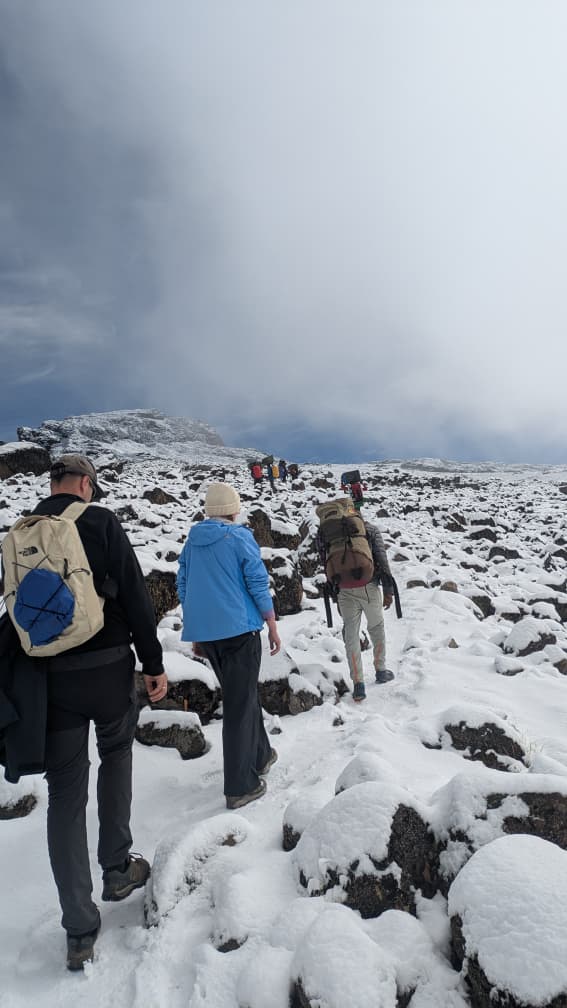
Are you dreaming of standing on the Roof of Africa? The 6 Days Machame Route – 19 November 2026 Departure offers a fantastic opportunity to conquer Mount Kilimanjaro with a well-paced itinerary and expert support. This specific departure date on November 19, 2026, falls within a prime trekking season, promising favorable weather conditions for your ascent. Known as the “Whiskey Route” for its scenic beauty and good acclimatization profile, the Machame Route is a favorite among trekkers seeking a challenging yet rewarding Kilimanjaro climb. This article provides comprehensive details for anyone considering joining this group departure, from route specifics and preparation to what makes this particular climb a standout experience for 2026 and beyond.
Why Choose the 6-Day Machame Route for Your Kilimanjaro Summit in 2026?
The Machame Route is celebrated for its diverse landscapes, ascending through rainforests, moorlands, alpine deserts, and arctic zones. The 6-day version is popular because it strikes a good balance between ascending quickly enough to make progress and allowing sufficient time for acclimatization, which is crucial for a successful summit. Joining a fixed departure like the 19 November 2026 group climb means you benefit from the camaraderie of fellow adventurers and the logistical efficiency of a pre-arranged expedition. This departure date is strategically chosen to align with the drier season, offering clearer skies and more stable weather patterns, enhancing both safety and the overall trekking experience.
The Machame Route: A Day-by-Day Overview
The 6-day Machame Route itinerary is designed to maximize your chances of reaching Uhuru Peak while minimizing the risks associated with altitude sickness. Each day brings new challenges and breathtaking vistas. Here’s a typical breakdown:
Day 1: Machame Gate (1,800m/5,905ft) to Machame Camp (3,050m/10,007ft)
The adventure begins at Machame Gate, where you’ll complete registration formalities and meet your trekking crew. The initial trek takes you through the lush montane forest, a vibrant ecosystem teeming with wildlife. The ascent is steady, and the path can be muddy, especially after rain. The total trekking time is around 5-7 hours, covering approximately 11 km (7 miles).
Day 2: Machame Camp (3,050m/10,007ft) to Shira 2 Camp (3,850m/12,631ft)
Today’s trek leads you out of the forest and into a more open moorland zone. The path involves a steep climb, followed by a traverse across the Shira Plateau. You’ll enjoy spectacular views of the Shira Caves and the surrounding landscape. The trekking duration is about 4-6 hours, covering roughly 5 km (3 miles). This day’s gain in altitude is significant, making acclimatization a key focus.
Day 3: Shira 2 Camp (3,850m/12,631ft) to Barranco Camp (3,950m/12,959ft)
This is a crucial day for acclimatization. You’ll ascend to the Lava Tower (4,600m/15,091ft) before descending to Barranco Camp. This “climb high, sleep low” strategy is vital for helping your body adapt to the increasing altitude. The trek is about 7-8 hours, covering approximately 10 km (6 miles). Barranco Camp is situated at the base of the famous Barranco Wall.
Day 4: Barranco Camp (3,950m/12,959ft) to Karanga Camp (4,000m/13,123ft)
The day starts with the challenging but rewarding scramble up the Barranco Wall. Once over the wall, the terrain becomes less steep, and you’ll trek through alpine desert towards Karanga Camp. The journey takes about 4-5 hours, covering around 5 km (3 miles). Karanga Camp offers stunning views of Kilimanjaro’s southern glaciers.
Day 5: Karanga Camp (4,000m/13,123ft) to Barafu Camp (4,650m/15,255ft)
This is the final push towards the base camp. The landscape becomes increasingly barren and rocky. The trek is shorter, about 3-4 hours and 5 km (3 miles), but the altitude makes it feel more demanding. You’ll arrive at Barafu Camp in the afternoon, giving you time to rest and prepare for the summit attempt. This camp is exposed and windy, so bundling up is essential.
Day 6: Barafu Camp (4,650m/15,255ft) to Uhuru Peak (5,895m/19,341ft) and descent to Mweka Camp (3,100m/10,170ft)
The summit night begins in the early hours of the morning (around midnight to 2 am). You’ll ascend through the arctic zone, trekking over scree and volcanic rock towards Stella Point and then Uhuru Peak, the highest point in Africa. The climb is strenuous and takes approximately 5-7 hours. After celebrating your achievement, you’ll descend back to Barafu Camp for a short rest before continuing down to Mweka Camp, a journey that takes another 3-5 hours. This is a very long and demanding day.
Day 7: Mweka Camp (3,100m/10,170ft) to Mweka Gate (1,500m/4,921ft)
Your final day involves a trek through the remaining forest to Mweka Gate. You’ll be met by your driver and transferred back to your hotel in Moshi. The trek takes about 3-4 hours, covering approximately 10 km (6 miles).
Why November 2026 is an Excellent Time for Your Kilimanjaro Climb
The period from June to October is generally considered the dry season on Kilimanjaro, but November marks the transition into the short rainy season. However, the short rains are typically less intense and shorter-lived than the long rains (April-May), often consisting of brief afternoon showers rather than all-day downpours. For the 6 Days Machame Route – 19 November 2026 Departure, this timing can offer several advantages:
- Fewer Crowds: While not the peak dry season, November is often less crowded than July-September, offering a more serene trekking experience.
- Lush Scenery: The brief rains can make the lower mountain slopes exceptionally green and vibrant.
- Manageable Weather: While there’s a chance of rain, it’s often intermittent, and clear, sunny days are still common. Temperatures are generally pleasant.
Our experienced guides and porters are adept at navigating all weather conditions Kilimanjaro can present. We monitor weather patterns closely to ensure your safety and comfort throughout the trek.
Preparing for Your 6-Day Machame Route Expedition
A successful Kilimanjaro climb relies heavily on preparation. For the 19 November 2026 departure, starting your preparations early is key. Here’s what you need to consider:
Physical Training
Kilimanjaro is a high-altitude trek, not a technical climb, but it demands significant physical endurance. Focus on cardiovascular fitness and leg strength. Activities like hiking with a weighted backpack, trail running, cycling, and stair climbing are highly recommended. Aim for at least 3-4 days of training per week in the months leading up to your climb. Practice hiking on varied terrain, including steep ascents and descents, to prepare your body for the demands of the Machame Route.
Acclimatization Strategy
The 6-day Machame Route offers a decent acclimatization profile, but individual responses to altitude vary. Listen to your body, stay hydrated, and inform your guide of any symptoms of altitude sickness. The “climb high, sleep low” principle, employed on Day 3, is a critical element of this itinerary’s success.
Gear and Equipment
Proper gear is essential for comfort and safety. Layering is key to managing temperature fluctuations. Essential items include:
- Base Layers: Moisture-wicking thermal underwear.
- Mid Layers: Fleece jackets or down vests for insulation.
- Outer Layer: Waterproof and windproof jacket and trousers.
- Footwear: Broken-in, waterproof hiking boots with good ankle support.
- Headwear: Warm hat, sun hat, and balaclava.
- Gloves: Warm, waterproof gloves and liner gloves.
- Sleeping Bag: A 4-season sleeping bag rated to at least -15°C (0°F).
- Backpack: A comfortable daypack for essentials and a larger duffel bag for porters.
- Trekking Poles: Highly recommended for stability and reducing knee strain.
- Headlamp: With extra batteries.
- Sun Protection: High SPF sunscreen, sunglasses, and lip balm.
- Water Bottles/Hydration Reservoir: At least 3 liters capacity.
We provide a detailed packing list upon booking to ensure you have everything you need for your best Kilimanjaro climb.
Health and Vaccinations
Consult your doctor or a travel clinic well in advance of your trip to discuss necessary vaccinations and malaria prophylaxis. Diamox (acetazolamide) can be prescribed to aid acclimatization, but it is not a substitute for proper acclimatization practices.
What’s Included in Our 6-Day Machame Route Expedition?
When you book the 6 Days Machame Route – 19 November 2026 Departure with us, you can expect a comprehensive package designed for a safe and enjoyable climb. While specific inclusions can be detailed in your booking confirmation, typical inclusions for our Kilimanjaro expeditions are:
- Professional Guides: Certified, experienced guides with extensive knowledge of Kilimanjaro and wilderness first aid.
- Support Crew: A dedicated team of assistant guides, cooks, and porters to carry your gear and set up camp.
- Park Fees and Permits: All necessary Mount Kilimanjaro National Park entry fees, camping fees, and rescue fees.
- Accommodation: Camping equipment, including tents, sleeping mats, and mess tents.
- Meals: All meals prepared by our cooks on the mountain, from breakfast on Day 1 to dinner on the final day before reaching the hotel.
- Water: Boiled or purified drinking water throughout the trek.
- Transfers: Airport transfers to and from your hotel in Moshi, and transfers to/from the mountain gates.
- Accommodation: 2 nights’ accommodation in a comfortable hotel in Moshi before and after the climb.
- Safety Equipment: First-aid kits and an oxygen cylinder for emergency use.
What’s Not Included?
To ensure transparency, it’s also important to know what is typically not covered:
- International Flights: Flights to and from Kilimanjaro International Airport (JRO).
- Visa Fees: Tanzania visa costs.
- Travel Insurance: Comprehensive travel and medical insurance, including emergency evacuation.
- Personal Gear: Sleeping bag, clothing, hiking boots, etc.
- Gratuities: Tips for guides, porters, and cooks (a crucial part of their income). We provide guidelines for tipping.
- Personal Expenses: Souvenirs, alcoholic beverages, laundry, and any items of a personal nature.
- Optional Activities: Such as hot springs visits or cultural tours not part of the standard itinerary.
Group Departures vs. Private Climbs
Joining a group departure like the 6 Days Machame Route – 19 November 2026 Departure is an excellent way to experience Kilimanjaro. You’ll share the adventure with like-minded individuals, which can be motivating and fun. Group climbs often offer a more budget-friendly option due to shared costs.
Alternatively, we also offer private climbs. A private climb allows you to set your own pace and schedule, and it’s ideal for families, groups of friends, or individuals who prefer more personalized attention. You can choose your preferred dates, including for 2026 or 2027. For more information on private climbs or other group departures, please visit our Machame Route Kilimanjaro Group Departures Dates page or contact us directly.
Safety and Emergency Preparedness
Your safety is our top priority. Our guides are trained in high-altitude medicine and carry comprehensive first-aid kits. We have established emergency protocols, including communication systems and evacuation procedures. In the unlikely event of a medical emergency, our team is prepared to respond swiftly. For serious emergencies, evacuation to a hospital in Moshi or Nairobi is arranged. Comprehensive travel insurance that covers high-altitude trekking and emergency evacuation is mandatory for all our clients.
The Role of Guides and Porters
The success of your Kilimanjaro climb is significantly influenced by the expertise and dedication of your local guides and porters. Our team members are highly skilled, knowledgeable about the mountain, and committed to your well-being. They are trained in navigation, first aid, and altitude sickness management. Porters are essential for carrying group equipment, food, and your personal duffel bag, allowing you to focus on trekking. We adhere to ethical porter treatment guidelines, ensuring fair wages, adequate food, and proper gear for our support crew.
Costs and Booking Your 2026 Kilimanjaro Adventure
The cost of climbing Kilimanjaro can vary based on the route, duration, and operator. For our 6 Days Machame Route – 19 November 2026 Departure, the price reflects the quality of service, safety standards, and the comprehensive inclusions provided. While exact pricing is best obtained through a direct quote, our expeditions are competitively priced to offer excellent value. We recommend booking your 2026 climb well in advance, especially for fixed departures, as spots can fill up quickly.
To secure your place on the 19 November 2026 climb or to inquire about 2027 dates, please contact us. A deposit is typically required to confirm your booking, with the balance due closer to the departure date. We are committed to providing you with the best Kilimanjaro climb experience possible, from initial inquiry to your triumphant return.
Frequently Asked Questions About the Machame Route
Here are some common questions prospective climbers ask:
Q1: Is the 6-day Machame Route suitable for beginners?
The Machame Route is considered one of the more challenging routes, but the 6-day version is manageable for individuals with good physical fitness and a determined attitude. Prior hiking experience is beneficial. The key is proper preparation and listening to your body.
Q2: What is the success rate for the 6-day Machame Route?
Success rates vary widely depending on the operator, the individual trekker’s preparation, and acclimatization. Our experienced guides and well-structured itineraries aim to maximize your chances. Generally, the 6-day Machame has a lower summit success rate than longer routes (7 or 8 days) due to the slightly faster pace, but it remains a very popular choice.
Q3: How much should I tip my guides and porters?
Tipping is customary and a significant part of the income for the mountain crew. We provide a detailed tipping guide upon booking, but a general guideline is around $20-25 USD per day for the lead guide, $15-20 USD for assistant guides, $10-15 USD for the cook, and $8-10 USD per porter, per day. These amounts are collective and distributed at the end of the trek.
Q4: What happens if I get altitude sickness?
Our guides are trained to recognize the symptoms of altitude sickness. If symptoms become severe, the standard procedure is to descend. Your guide will assess the situation and make the best decision for your health and safety. This is why comprehensive travel insurance is essential.
Q5: Can I book a private climb for the 19 November 2026 departure?
While this is a scheduled group departure, we can certainly arrange a private climb for you on or around that date if you prefer. Please contact us to discuss your specific requirements and to get a personalized quote for a private expedition in 2026 or 2027.
Plan Your 2026/2027 Kilimanjaro Adventure Today!
The 6 Days Machame Route – 19 November 2026 Departure is an exceptional opportunity to join a well-planned Kilimanjaro expedition. Whether you’re looking for a group adventure or a tailored private climb for 2026 or 2027, Best Tanzania Tour Operator is your trusted partner. We pride ourselves on delivering safe, memorable, and ethically managed climbs. Don’t miss out on this chance to conquer Kilimanjaro with a team that cares about your journey from start to finish. We also offer incredible Tanzania safari experiences and Zanzibar holidays to complement your mountain adventure. Get in touch with our travel experts today to confirm your booking or to ask any further questions. You can reach us via WhatsApp at +255616946642, email us at topguideadventures@gmail.com, or use our backup email info@topguideadventures.com. Let’s make your Kilimanjaro dream a reality!







 Veedesigner
 Fatma Kizanga
 Benjamin Waryuba
 Philip Philip
 John jr Itaja
 Antonia Optatus
 Edith Kanyere
 Neema Iddy
 Kelvin Boniphace
 Damari Maiga



