
Updated planning guide for 2026, 2027-2028
Kilimanjaro Before Safari From Moshi: Expert Trekking Guide 2026-2027-2028
Discover how to successfully combine a Kilimanjaro climb with a safari experience starting from Moshi. This guide provides detailed planning advice for 2026-2027.
WhatsApp +255616946642 | topguideadventures@gmail.com | info@topguideadventures.com
Kilimanjaro Before Safari From Moshi: Your Ultimate Planning Guide
Many travelers dream of standing atop Africa’s highest peak, Mount Kilimanjaro, and then immersing themselves in the iconic wildlife spectacles of Tanzania. The most practical and popular way to combine these two incredible experiences is by undertaking your Kilimanjaro climb first, using Moshi as your base, and then heading out on a safari. This approach maximizes your acclimatization time for the mountain and allows for a more relaxed transition into the game drives. This guide will walk you through every aspect of planning your Kilimanjaro before safari adventure from Moshi, ensuring a memorable and successful trip for 2026 and 2027.
Quick Answer:
Combining Kilimanjaro before safari from Moshi is highly recommended. Moshi serves as the perfect gateway for both the climb and subsequent safaris. Plan for at least 6-8 days for the trek and a minimum of 3-5 days for a safari. Proper acclimatization on Kilimanjaro is crucial, making the ‘mountain first’ approach ideal. Book with a reputable local operator like Top Guide Adventures for seamless logistics.
Table of Contents
- Overview: Kilimanjaro Before Safari From Moshi
- Why Climb Kilimanjaro Before Safari?
- Moshi: The Gateway to Adventure
- Kilimanjaro Trekking Essentials
- Popular Kilimanjaro Routes
- Best Time to Climb Kilimanjaro and Safari
- Tanzania Safari Options Post-Kilimanjaro
- Sample Itinerary: Kilimanjaro (7-Day Lemosho) & Safari (4-Day Northern Circuit)
- What to Expect on the Mountain and Safari
- Typical Inclusions and Exclusions
- Packing and Preparation Guide
- Health and Safety Considerations
- Common Mistakes to Avoid
- Who is This Trip Best Suited For?
- Alternatives to Kilimanjaro Before Safari
- Planning Your 2026-2027 Kilimanjaro Before Safari Trip
- Booking Your Kilimanjaro Before Safari Adventure
- Frequently Asked Questions (FAQs)
Overview: Kilimanjaro Before Safari From Moshi
The allure of Tanzania lies in its dual offerings: the majestic Mount Kilimanjaro, a dormant volcano and the world’s highest free-standing mountain, and its world-renowned national parks teeming with wildlife. For travelers seeking to experience both, the most logical and rewarding sequence is to conquer Kilimanjaro first, typically based out of the vibrant town of Moshi, and then embark on a thrilling safari. This sequence allows your body to acclimatize to altitude before the physical exertion of trekking, and it offers a natural progression from the stark beauty of the mountain to the diverse ecosystems of the plains. Moshi, situated on the lower slopes of Kilimanjaro, is the primary hub for trekkers and a convenient starting point for safaris into the Northern Circuit parks like Serengeti and Ngorongoro Crater.
Why Climb Kilimanjaro Before Safari?
There are several compelling reasons to choose the ‘Kilimanjaro before safari’ approach:
- Altitude Acclimatization: Kilimanjaro involves significant altitude gain. Completing the trek first means you’ll be at a lower altitude when you start your safari, reducing the risk of altitude sickness during game drives.
- Physical Preparation: The trek is physically demanding. Finishing it leaves you with a sense of accomplishment. You can then relax and enjoy the more sedentary pace of safari.
- Logistical Simplicity: Most tour operators in Moshi specialize in both Kilimanjaro climbs and safaris. Booking them together from one point simplifies travel arrangements, transfers, and guide coordination.
- Reduced Stress: After the mental and physical challenge of climbing Kilimanjaro, a safari offers a chance to unwind and reflect on your achievement amidst stunning natural beauty and incredible wildlife.
- Immersion: Starting with the mountain allows for a profound connection with Tanzania’s natural grandeur. The safari then broadens this immersion into the animal kingdom.
Moshi: The Gateway to Adventure
Moshi is more than just a staging post; it’s the heart of Kilimanjaro tourism. Located in the Kilimanjaro Region of Tanzania, this bustling town sits at an elevation of around 800 meters (2,600 feet), offering pleasant weather and stunning views of the mountain’s peak on clear days. It’s where trekkers gather for pre-climb briefings, gear checks, and acclimatization hikes. Moshi also serves as the departure point for most safari itineraries heading to the Northern Circuit parks. The town has a range of accommodations, from budget guesthouses to comfortable hotels, and a lively atmosphere with local markets, restaurants, and cultural experiences.
| Aspect | Details |
|---|---|
| Primary Activity 1 | Mount Kilimanjaro Trekking (5-9 days typical) |
| Primary Activity 2 | Tanzania Safari (3-7 days typical) |
| Base Town | Moshi, Tanzania |
| Best Season (Climb & Safari) | January-March and June-October |
| Key Parks for Safari | Serengeti, Ngorongoro Crater, Tarangire, Lake Manyara |
| Operator Hub | Top Guide Adventures (WhatsApp: +255616946642, Email: topguideadventures@gmail.com) |
Kilimanjaro Trekking Essentials
A successful Kilimanjaro climb requires careful planning. Here are the core elements:
Choosing Your Route
The route you select significantly impacts your success rate and overall experience. Key factors include length, scenery, acclimatization profile, and crowd levels. The most popular routes are Lemosho, Machame, Marangu, Rongai, and Northern Circuit.
Duration
While 5-day treks exist, they are not recommended due to low success rates and increased risk of altitude sickness. The optimal duration for Kilimanjaro is 7 to 9 days, allowing for better acclimatization.
Guides and Porters
Using a reputable local tour operator is essential. They provide experienced, licensed guides, qualified cooks, and dedicated porters who carry your main luggage and set up camp. Their expertise is vital for safety and enjoyment.
Accommodation
Most routes involve camping in tents, except for the Marangu route, which offers basic hut accommodation. Campsites are usually well-equipped with cooking areas and basic toilet facilities.
Physical Fitness
While no technical climbing skills are required, a good level of cardiovascular fitness is necessary. Regular hiking, running, or cycling in the months leading up to your trek will be highly beneficial.
Popular Kilimanjaro Routes
When planning your Kilimanjaro before safari from Moshi, choosing the right route is paramount. Each offers a different perspective and challenge:
| Route | Days | Scenery | Acclimatization | Crowds | Success Rate |
|---|---|---|---|---|---|
| Lemosho | 7-8 | Excellent, diverse (rainforest to alpine desert) | Very Good (circular path) | Moderate (starts remote) | High (with 8 days) |
| Machame | 6-7 | Excellent, diverse | Good (pole pole climbing) | High (popular) | Good (with 7 days) |
| Northern Circuit | 9+ | Outstanding, panoramic views | Best (longest, most gradual) | Low (least crowded) | Highest |
| Rongai | 6-7 | Good, drier eastern side | Fair | Low (approaches from north) | Moderate |
| Marangu | 5-6 | Good, but less varied | Fair (steeper) | High (only route with huts) | Lower (due to shorter duration) |
For the combination of Kilimanjaro before safari from Moshi, the Lemosho or Northern Circuit routes are often favored for their superior acclimatization profiles, which are beneficial before the added physical demands of safari. The 7-day Lemosho offers a great balance of scenery, acclimatization, and duration.
Best Time to Climb Kilimanjaro and Safari
Tanzania experiences distinct seasons, and timing your Kilimanjaro before safari trip is crucial for optimal weather conditions. The dry seasons are generally considered the best for both activities.
| Period | Kilimanjaro Conditions | Safari Conditions | Notes |
|---|---|---|---|
| June – October | Dry, cool, clear skies. Peak season. | Dry, animals gather around water sources. Excellent for game viewing. | Most popular, higher prices, book in advance. |
| November – May | Wet season. Shorter rains in Nov/Dec, longer rains March-May. | Lush green landscapes, fewer tourists. Migration in Serengeti (calving season Jan-Mar). | Lower prices, but rain can impact trek and road conditions. |
| January – February | Short dry spell, warm. Good climbing conditions. | Good for game viewing, especially calving season in southern Serengeti. | A good shoulder season option. |
For 2026 and 2027, the periods of June to October and January to February are ideal for those planning Kilimanjaro before safari from Moshi.
Tanzania Safari Options Post-Kilimanjaro
After descending Kilimanjaro and resting in Moshi, you’ll be ready for the wildlife adventure. Tanzania’s Northern Circuit is the most popular and offers an incredible diversity of landscapes and animals.
The Northern Circuit Parks:
- Serengeti National Park: World-famous for its vast plains and the Great Migration. Offers unparalleled wildlife viewing year-round.
- Ngorongoro Conservation Area: Home to the Ngorongoro Crater, a UNESCO World Heritage Site and a caldera teeming with wildlife. Offers dense predator populations.
- Tarangire National Park: Known for its large elephant herds and baobab trees, especially prominent in the dry season.
- Lake Manyara National Park: Famous for its tree-climbing lions, flamingos, and diverse birdlife.
Typical Safari Durations:
- 3-Day Safari: A quick taste, often covering Lake Manyara and Ngorongoro Crater.
- 4-Day Safari: Adds Tarangire to the above, providing more variety.
- 5-Day Safari: Includes Serengeti for a more in-depth experience.
- 6-7 Day Safari: Allows for extended time in Serengeti and potentially other parks like Tarangire or Lake Manyara.
A 4-day or 5-day safari is a popular choice to complement a Kilimanjaro climb, offering a good balance of time and experience. The itinerary often starts from Arusha or Moshi and loops through the parks.
Sample Itinerary: Kilimanjaro (7-Day Lemosho) & Safari (4-Day Northern Circuit)
This sample itinerary provides a structure for your Kilimanjaro before safari from Moshi adventure. Dates are flexible and can be adjusted.
Part 1: Kilimanjaro Climb (7-Day Lemosho Route)
Days 1-7: Kilimanjaro Trek
- Day 1: Moshi to Mti Mkubwa Camp (2,800m). Transfer from Moshi to the Lemosho Gate, then trek through the rainforest to Mti Mkubwa Camp. (Approx. 3-4 hours trekking).
- Day 2: Mti Mkubwa Camp to Shira 2 Camp (3,850m). Trek across the Shira Plateau, offering stunning views. (Approx. 5-6 hours trekking).
- Day 3: Shira 2 Camp to Barranco Camp (3,970m). A day of acclimatization, ascending to Lava Tower (4,630m) before descending to Barranco. (Approx. 6-7 hours trekking).
- Day 4: Barranco Camp to Karanga Camp (4,035m). Ascend the Great Barranco Wall, a challenging but rewarding climb. (Approx. 4-5 hours trekking).
- Day 5: Karanga Camp to Barafu Camp (4,640m). Trek across alpine desert terrain towards the summit approach camp. (Approx. 4-5 hours trekking).
- Day 6: Summit Day! Barafu Camp to Uhuru Peak (5,895m) and descend to Mweka Camp (3,100m). Begin ascent around midnight, reach Uhuru Peak at sunrise, and descend past Barafu Camp to Mweka. (Approx. 10-12 hours trekking).
- Day 7: Mweka Camp to Moshi. Descend through the rainforest to the Mweka Gate, receive your certificates, and transfer back to your hotel in Moshi.
Part 2: Rest and Safari Preparation in Moshi
Day 8: Rest and Recovery in Moshi.
Relax, shower, enjoy a good meal, and celebrate your Kilimanjaro achievement. Prepare for your safari adventure.
Part 3: Safari (4-Day Northern Circuit)
Day 9: Moshi to Tarangire National Park.
After breakfast, your safari guide will pick you up and drive to Tarangire National Park. Full-day game drive. Overnight in a lodge or tented camp near the park.
Day 10: Tarangire to Serengeti National Park.
Morning game drive in Tarangire, then drive towards Serengeti National Park, with a stop at the Ngorongoro Conservation Area viewpoint. Game drive en route to your lodge/camp in Serengeti. Overnight in Serengeti.
Day 11: Serengeti National Park.
Full day exploring the vast plains of Serengeti, searching for the Big Five and witnessing the incredible wildlife. Optional hot air balloon safari. Overnight in Serengeti.
Day 12: Serengeti to Ngorongoro Crater and Arusha/Moshi.
Morning game drive in Serengeti, then drive to the Ngorongoro Conservation Area. Descend into the Ngorongoro Crater for a half-day game drive. Ascend and drive back to Arusha or Moshi for your onward journey.
This itinerary is a suggestion and can be customized. For 2026 and 2027 bookings, early planning is advised.
What to Expect on the Mountain and Safari
On Kilimanjaro:
- Weather: Highly variable, from hot and humid in the rainforest to freezing cold at the summit. Expect sunshine, rain, wind, and snow.
- Terrain: Ranges from muddy forest trails to rocky scree slopes and icy paths near the summit.
- Accommodation: Primarily camping in tents. Expect basic facilities.
- Food: Your cook will prepare hearty, nutritious meals.
- Pace: Slow and steady (‘pole pole’) is key for acclimatization.
- Scenery: Dramatic and ever-changing, from lush vegetation to barren alpine desert and glacial zones.
On Safari:
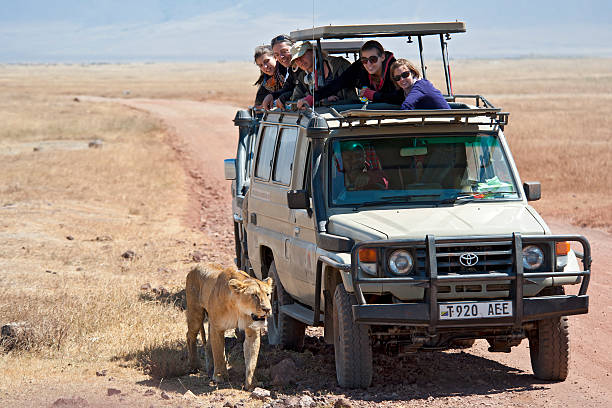
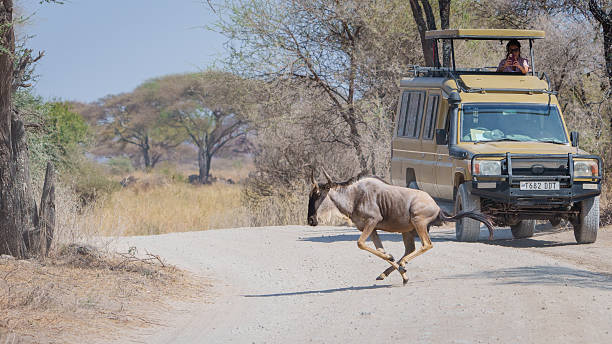
- Vehicle: Typically a 4×4 safari vehicle with a pop-up roof for game viewing.
- Guides: Experienced safari guides with excellent knowledge of wildlife behavior and tracking.
- Accommodation: Ranges from comfortable lodges to luxury tented camps, often with stunning views.
- Food: Meals are usually served at lodges or camps, often buffet-style. Packed lunches are common for full-day game drives.
- Pace: More relaxed, with hours spent driving and observing animals. Early morning and late afternoon game drives are most productive.
- Scenery: Open savannas, acacia woodlands, rift valley escarpments, and the unique Ngorongoro Crater floor.
Typical Inclusions and Exclusions
When booking your Kilimanjaro before safari from Moshi package, understanding what’s included is vital. Reputable operators like Top Guide Adventures provide comprehensive packages.
| Kilimanjaro Trek | Safari |
|---|---|
| Park fees, rescue fees | Park entrance fees |
| All meals on the mountain | All meals during safari (often excludes drinks) |
| Tented accommodation on mountain | Accommodation in lodges/tented camps |
| Experienced guides, cook, porters | Experienced safari driver-guide |
| Porters’ equipment | 4×4 safari vehicle |
| Campsite fees | Water in the vehicle |
| Boiled water on trek | Airport transfers |
| Basic camping equipment (tents, mats) | First aid kit |
| Transfer to/from mountain gate | Crater service fees (Ngorongoro) |
| Kilimanjaro Trek | Safari | General |
|---|---|---|
| Personal gear | Optional activities (balloon safari) | International flights |
| Sleeping bag, trekking poles | Tips for guides and drivers | Visa fees |
| Tips for guides, porters, cook | Alcoholic beverages, soft drinks | Travel insurance |
| Gratuities for crew | Personal expenses | Vaccinations and medications |
| Travel insurance | Travel insurance | Pre/post-tour accommodation in Moshi/Arusha |
Packing and Preparation Guide
Proper preparation is key to a successful Kilimanjaro before safari from Moshi trip. This involves both physical training and packing the right gear.
Physical Training:
- Cardiovascular Fitness: Aim for 3-4 sessions per week, including hiking with a backpack, running, cycling, or swimming.
- Strength Training: Focus on legs and core.
- Practice Hikes: Undertake long hikes (4-6 hours) with hills and carry a weighted backpack to simulate trek conditions.
- Acclimatization Hikes: If possible, do some shorter hikes at altitude before your main trek.
Essential Gear for Kilimanjaro:
Layering is crucial. You’ll need gear for a wide range of temperatures and conditions.
Kilimanjaro Packing List:
- Base Layers: Moisture-wicking thermal tops and bottoms (merino wool or synthetic).
- Mid Layers: Fleece jacket or pullover.
- Outer Layer (Insulation): Down or synthetic insulated jacket.
- Waterproof/Windproof Shell: Waterproof and breathable jacket and trousers (Gore-Tex or similar).
- Trekking Trousers: Comfortable, quick-drying hiking trousers (2-3 pairs). Avoid jeans.
- Hiking Shirts: Moisture-wicking short and long-sleeved shirts.
- Headwear: Warm fleece hat, sun hat with brim, balaclava or neck gaiter for summit night.
- Gloves: Thin liner gloves and warm, waterproof outer gloves/mittens.
- Footwear: Broken-in, waterproof hiking boots. Camp shoes or trainers for evenings. Good quality hiking socks (wool or synthetic, 4-6 pairs).
- Backpack: Daypack (30-40 liters) for essentials, waterproof liner or cover.
- Duffel Bag: Large, waterproof duffel bag (80-100 liters) for porters to carry.
- Sleeping Bag: Rated to -10°C to -20°C (4-season bag).
- Trekking Poles: Highly recommended for stability and reducing knee strain.
- Headlamp: With extra batteries.
- Water Bottles/Hydration Reservoir: At least 2-3 liters capacity. Insulated covers for bottles are useful.
- Sun Protection: High SPF sunscreen, lip balm with SPF, sunglasses.
- Personal Items: Toiletries, personal first-aid kit, hand sanitizer, wet wipes, camera, power bank.
- Documents: Passport, visa, travel insurance details, vaccination certificates.
Essential Gear for Safari:
Safari packing is generally more relaxed but still requires consideration.
Safari Packing List:
- Clothing: Comfortable, neutral-colored clothing (khaki, green, brown). T-shirts, long-sleeved shirts, trousers, shorts. A light jacket or fleece for cooler mornings/evenings.
- Footwear: Comfortable walking shoes or trainers. Sandals for relaxing.
- Sun Protection: Sun hat, sunglasses, sunscreen.
- Insect Repellent: Especially for evenings.
- Camera: With zoom lens and extra batteries/memory cards.
- Binoculars: Highly recommended for wildlife spotting.
- Personal Items: Medications, basic toiletries.
- Documents: Passport, visa, flight details.
Health and Safety Considerations
Your well-being is paramount for a successful Kilimanjaro before safari from Moshi trip.
Altitude Sickness (AMS):
This is the most significant risk on Kilimanjaro. Symptoms include headache, nausea, dizziness, and fatigue. The best prevention is slow ascent (‘pole pole’), adequate hydration, and proper acclimatization. Choose longer routes (7+ days) and listen to your guides. Diamox (acetazolamide) can be prescribed by your doctor to aid acclimatization.
Vaccinations and Malaria:
Consult your doctor or a travel clinic 4-6 weeks before your trip. Recommended vaccinations often include Hepatitis A, Typhoid, Tetanus, and Yellow Fever (required for entry to some countries). Malaria prophylaxis is recommended for safari portions, especially in lower-lying areas. Moshi and the mountain slopes are generally low-risk, but it’s wise to take precautions.
Travel Insurance:
Comprehensive travel insurance is non-negotiable. Ensure it covers:
- High-altitude trekking (up to 6,000 meters).
- Emergency medical evacuation (including helicopter rescue).
- Trip cancellation and interruption.
- Lost or stolen baggage.
Water and Food Safety:
- On Kilimanjaro: Drink only purified or boiled water provided by your guides. Avoid tap water.
- On Safari: Drink bottled water. Be cautious with uncooked food.
Guide and Operator Standards:
Choose operators who adhere to ethical climbing practices, treat their staff well, and have strong safety protocols. Top Guide Adventures prioritizes climber safety and well-being.
Common Mistakes to Avoid
To ensure your Kilimanjaro before safari from Moshi experience is positive, be aware of these common pitfalls:
- Rushing the Climb: Choosing a 5-day route for cost savings significantly increases AMS risk and lowers success rates.
- Inadequate Training: Underestimating the physical demands of the trek.
- Poor Gear Choices: Not bringing waterproofs, warm layers, or ill-fitting boots.
- Dehydration: Not drinking enough water on the mountain.
- Ignoring Symptoms: Pushing on despite signs of altitude sickness.
- Booking with Unverified Operators: Opting for the cheapest deal can compromise safety and quality.
- Not Budgeting for Tips: Gratuities for guides, porters, and cooks are customary and expected.
- Overpacking for Safari: While comfort is key, remember you’ll be traveling.
- Last-Minute Planning: Especially for 2026-2027, popular dates and accommodations book up quickly.
Who is This Trip Best Suited For?
The Kilimanjaro before safari from Moshi adventure is ideal for:
- Adventurous Travelers: Those seeking a physical challenge combined with incredible wildlife encounters.
- Nature Enthusiasts: People who appreciate diverse landscapes, from alpine peaks to savanna plains.
- First-Time High-Altitude Trekkers: Kilimanjaro is often considered an accessible introduction to high-altitude mountaineering.
- Wildlife Lovers: Those eager to witness iconic African animals in their natural habitat.
- Couples and Families (with older teens): A memorable shared experience.
- Travelers seeking a comprehensive Tanzanian experience: It offers the best of both worlds.
It requires a reasonable level of fitness and a spirit of adventure. It is not suitable for individuals with severe pre-existing health conditions that could be exacerbated by altitude or strenuous activity.
Alternatives to Kilimanjaro Before Safari
While combining Kilimanjaro and safari is a classic, consider these alternatives if your preferences or time differ:
- Safari First, Kilimanjaro Later: Some prefer to relax on safari before tackling the mountain. However, this doesn’t leverage acclimatization as effectively.
- Kilimanjaro Only: Focus solely on the mountain trek for a dedicated mountaineering experience.
- Safari Only: Immerse yourself in Tanzania’s wildlife without the mountain climb.
- Kilimanjaro with Zanzibar: Combine the climb with a relaxing beach holiday on the spice island of Zanzibar.
- Other African Peaks: Consider Mount Kenya or Mount Meru for trekking, which can be combined with safaris. Mount Meru is often used as an acclimatization climb for Kilimanjaro.
Planning Your 2026-2027 Kilimanjaro Before Safari Trip
Planning ahead is crucial for a successful Kilimanjaro before safari from Moshi trip, especially for popular travel years like 2026 and 2027. Here’s a planning timeline:
2026-2027 Planning Timeline:
- 12-18 Months Out: Research destinations, tour operators, and potential dates. Consider your budget. Start initial fitness training.
- 9-12 Months Out: Select your preferred Kilimanjaro route and safari duration. Book your trip with a reputable operator like Top Guide Adventures. Secure flights.
- 6-9 Months Out: Intensify physical training. Start researching and purchasing necessary gear.
- 3-6 Months Out: Consult your doctor about vaccinations and malaria prophylaxis. Obtain necessary visas. Ensure travel insurance is in place.
- 1-3 Months Out: Finalize gear purchases. Break in hiking boots. Confirm all trip details with your operator. Pack non-essential items.
- 2-4 Weeks Out: Pack your main luggage. Confirm flight details. Make any final health preparations.
- Week Of: Pack your daypack. Exchange currency. Inform your bank of travel plans. Get plenty of rest.
Booking in advance for 2026 and 2027 is highly recommended, especially for peak seasons (June-October) and popular routes like Lemosho or Northern Circuit.
Booking Your Kilimanjaro Before Safari Adventure
Choosing the right tour operator is critical for a safe and enjoyable Kilimanjaro before safari from Moshi experience. Here’s what to look for:
- Local Expertise: Prioritize operators based in Tanzania, like Top Guide Adventures, who have deep knowledge of the mountain and local logistics.
- Safety Record: Inquire about their safety protocols, guide training, and emergency procedures.
- Reputation: Read reviews and testimonials. Check for adherence to ethical treatment of porters and staff.
- Inclusions: Ensure the package clearly outlines what is covered (park fees, meals, guides, equipment).
- Communication: A good operator will be responsive to your questions and flexible with itinerary planning.
Contact Top Guide Adventures for personalized quotes and expert advice for your 2026-2027 Kilimanjaro before safari trip:
WhatsApp: +255616946642
Email: topguideadventures@gmail.com
Backup Email: info@topguideadventures.com
Frequently Asked Questions (FAQs)
1. Is it better to do Kilimanjaro before or after a safari?
It is generally recommended to climb Kilimanjaro before your safari. This allows for better altitude acclimatization and means you’ll be at lower elevations, reducing the risk of altitude sickness during your safari. It also provides a sense of accomplishment before you relax on your wildlife adventure.
2. How many days should I allocate for Kilimanjaro before safari from Moshi?
For Kilimanjaro, we recommend at least 7-9 days for the trek itself. Add 1 day for arrival and acclimatization in Moshi, and then a minimum of 3-5 days for your safari. So, a realistic total trip duration would be around 11-15 days.
3. What is the best route for Kilimanjaro before safari?
The Lemosho or Northern Circuit routes are highly recommended for their superior acclimatization profiles, which are beneficial before the added physical demands of safari. The 7-day Lemosho is a popular choice for its balance of scenery, acclimatization, and duration.
4. What are the typical costs for a Kilimanjaro before safari package in 2026-2027?
Costs vary significantly based on the operator, route length, and inclusions. A Kilimanjaro trek typically ranges from $1500-$3000 USD per person. A 4-5 day safari can range from $800-$2000+ USD per person. Booking them together with a reputable local operator like Top Guide Adventures can sometimes offer better value.
5. Do I need special permits for Kilimanjaro and the national parks?
Yes, all park fees, camping fees, and rescue fees for Kilimanjaro are mandatory and usually included in your tour package. Similarly, park entrance fees for national parks are required for your safari and are typically covered by your safari package.
6. What is the weather like on Kilimanjaro in June 2026?
June marks the beginning of the dry season on Kilimanjaro. You can expect clear skies, sunny days, and cool to cold temperatures, especially at higher altitudes. Nights will be cold, and frost is possible. It’s a good time to climb, though it can be busy.
7. Can I combine Kilimanjaro before safari with Zanzibar?
Absolutely. Many travelers combine Kilimanjaro, safari, and Zanzibar for a complete Tanzanian experience. The typical order is Kilimanjaro -> Safari -> Zanzibar, allowing for relaxation after your adventures.
8. What’s the most important piece of advice for climbing Kilimanjaro?
The most important advice is to go ‘pole pole’ (slowly, slowly). This pace is crucial for acclimatization and preventing altitude sickness. Listen to your guides and drink plenty of water.
9. How much should I tip the Kilimanjaro crew?
Tipping is customary and a significant part of the crew’s income. A general guideline for a 7-day trek is around $250-$350 USD per climber, distributed among guides, assistant guides, cook, and porters. Your operator will provide specific recommendations.
10. What if I get sick on Kilimanjaro?
Your guides are trained to recognize symptoms of altitude sickness and other health issues. They will assess your condition and advise on the best course of action, which may include descending the mountain. This is why choosing an operator with strong safety protocols and carrying appropriate insurance is vital.
Ready for Your Kilimanjaro Before Safari Adventure?
Planning a Kilimanjaro before safari from Moshi trip is an exciting endeavor that promises unparalleled experiences. From the majestic summit of Kilimanjaro to the vast plains of the Serengeti, Tanzania offers an unforgettable journey. Let us help you craft the perfect itinerary for 2026 and 2027.
Contact Top Guide Adventures today for expert advice, custom itineraries, and reliable service for your Kilimanjaro climb and safari.
WhatsApp: +255616946642
Email: topguideadventures@gmail.com
Backup Email: info@topguideadventures.com
Plan your Kilimanjaro Before Safari From Moshi with Top Guide Adventures
Tell us your travel dates, group size, comfort level, and dream experience. We will help you shape a clear, realistic, and memorable Tanzania itinerary.







 Veedesigner
 Fatma Kizanga
 Benjamin Waryuba
 Philip Philip
 John jr Itaja
 Antonia Optatus
 Edith Kanyere
 Neema Iddy
 Kelvin Boniphace
 Damari Maiga



