
Imagine standing at the Roof of Africa, Mount Kilimanjaro, having conquered its mighty summit. Now, picture yourself traversing the stunning landscapes at its foothills, not on foot, but from the back of a horse, accompanied by the gentle giants of the African savanna – elephants. This is the essence of a Kilimanjaro Elephant Horse Safari, a truly unique and exhilarating experience that blends iconic trekking with extraordinary wildlife encounters. For adventurers planning their 2026 or 2027 Tanzanian escapades, this combination offers unparalleled memories.
What is a Kilimanjaro Elephant Horse Safari?
A Kilimanjaro Elephant Horse Safari is not a single, monolithic tour, but rather a carefully curated itinerary that typically combines two distinct yet complementary experiences. The first, and often the primary draw for many, is the ascent of Mount Kilimanjaro, Africa’s highest peak. The second, and the unique element, involves exploring areas around Kilimanjaro National Park and its surrounding regions on horseback, with a special focus on observing elephants and other wildlife in their natural habitat. This isn’t about riding elephants; it’s about riding horses alongside or in proximity to wild elephant herds, offering a perspective that is both thrilling and respectful of these magnificent creatures.
This type of safari is ideal for travelers who seek more than just a standard wildlife drive. It appeals to those who appreciate the challenge and achievement of climbing Kilimanjaro and want to extend their adventure with an intimate connection to the natural world. The horseback riding component allows you to cover more ground than walking, yet remain closer to the earth and wildlife than you would in a vehicle. It’s about experiencing the raw beauty of Tanzania’s landscapes and its diverse fauna in a way that is both active and profoundly engaging. Planning for 2026 and 2027 means you have ample time to prepare for such an ambitious and rewarding journey.
Why Combine Kilimanjaro Trekking with an Elephant Horse Safari?
The synergy between climbing Kilimanjaro and embarking on an elephant horse safari is remarkable. Climbing Kilimanjaro is a physical and mental challenge that rewards participants with breathtaking views and a profound sense of accomplishment. It’s an iconic bucket-list item for many. Following this achievement, or even preceding it, an elephant horse safari offers a different kind of immersion. It’s a chance to connect with the land and its inhabitants on a more personal level.
Here’s why this combination is so compelling:
- Diverse Experiences: You get the best of both worlds – the high-altitude trekking challenge and the ground-level wildlife immersion.
- Unique Perspective: Horseback riding offers a unique vantage point for wildlife viewing, often allowing access to areas less frequented by vehicles and providing a quieter, more natural encounter.
- Extended Adventure: It transforms a Kilimanjaro climb into a comprehensive Tanzanian safari and adventure package, maximizing your time and experiences in this incredible country.
- Cultural Immersion: Many elephant horse safaris are conducted in areas with local communities, offering opportunities to learn about Maasai culture and traditions.
- Unforgettable Memories: The juxtaposition of conquering a mountain and sharing the plains with elephants on horseback creates stories and memories that last a lifetime.
For those looking ahead to 2026 Kilimanjaro Elephant Horse Safari or 2027 Kilimanjaro Elephant Horse Safari adventures, this dual experience promises an itinerary that is both thrilling and deeply satisfying.
Understanding the Elephant Horse Safari Component
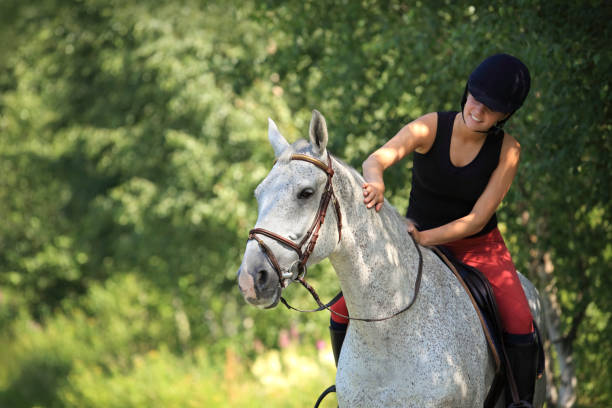
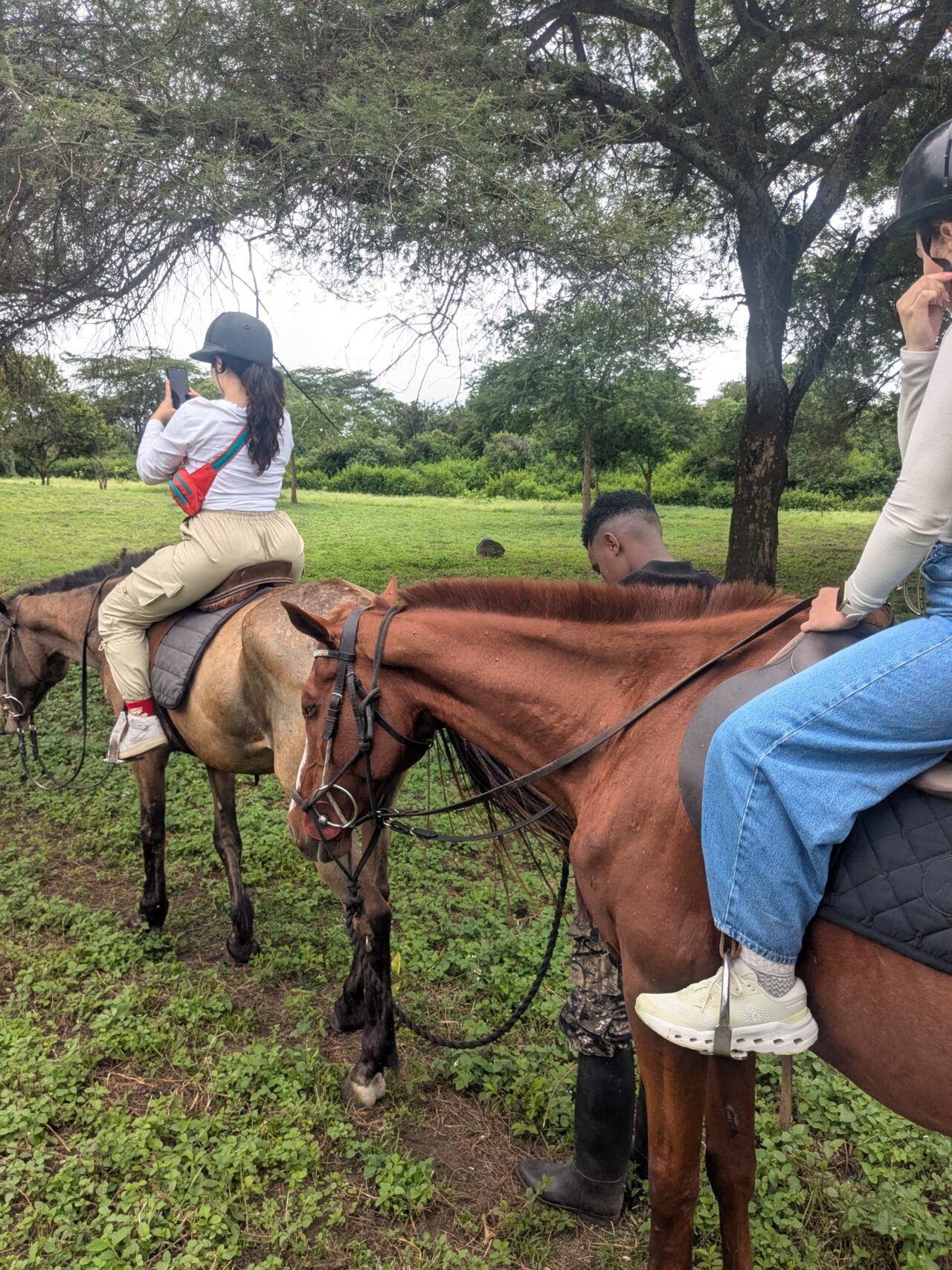
The horseback riding portion of this safari typically takes place in the regions surrounding Mount Kilimanjaro, often in areas like West Kilimanjaro, Loliondo, or near Amboseli National Park (across the border in Kenya, but accessible from Kilimanjaro). These areas are known for their open plains, acacia woodlands, and significant elephant populations.
Key aspects to expect:
- Riding Experience: Safaris are generally tailored to different riding abilities. Beginners can often be accommodated with gentle horses and experienced guides. For seasoned riders, more challenging routes can be arranged.
- Wildlife Encounters: While elephants are a primary focus, you can also expect to see giraffes, zebras, wildebeest, various antelopes, and a rich array of birdlife. The thrill of encountering elephants from horseback is a highlight, but it’s crucial to remember these are wild animals, and safety is paramount. Reputable operators ensure experienced guides who understand animal behavior and maintain safe distances.
- Landscape: The scenery is typically vast, with sweeping savannas, distant views of Kilimanjaro or Mount Meru, and dotted acacia trees. This environment is perfect for horseback riding, offering a sense of freedom and exploration.
- Accommodation: Options range from comfortable tented camps that offer an authentic bush experience to more luxurious lodges, often situated with stunning views.
It’s important to clarify that this is not an elephant-back riding safari where you ride on the elephants themselves. Instead, it’s about riding horses in areas where elephants roam freely, providing an elevated and mobile platform for observation.
Kilimanjaro Trekking: The Foundation of Your Adventure
The Kilimanjaro climb is a significant undertaking, and choosing the right route is crucial for success and enjoyment. Several routes ascend the mountain, each offering a different experience in terms of scenery, difficulty, acclimatization, and crowds.
Popular Kilimanjaro Routes for 2026-2027 Trekkers
When planning your Kilimanjaro Elephant Horse Safari for 2026 or 2027, selecting the best Kilimanjaro route is step one. Top Guide Adventures recommends routes that offer good acclimatization profiles, as this is the single most important factor for reaching the summit safely.
- Machame Route: Often called the “Whiskey Route,” Machame is popular for its scenic beauty and excellent acclimatization profile, with a “climb high, sleep low” strategy. It’s a challenging but rewarding route, typically taking 6-7 days. For 2026 and 2027, Machame remains a top choice for its success rates. Check Machame Route group departures for available dates.
- Lemosho Route: Known for its stunning scenery and high success rates, Lemosho is a longer route (7-8 days) that offers superior acclimatization. It starts in the west and crosses the Shira Plateau, providing breathtaking views.
- Marangu Route: The “Coca-Cola Route” is the oldest and most established. It’s known for its unique “hut accommodation” and is often considered less scenic and with poorer acclimatization compared to others. It’s typically a 5-day climb, which is often too short for adequate acclimatization.
- Northern Circuit: The longest route (9 days) offering the highest success rates due to its excellent acclimatization and less strenuous daily climbs. It circles the mountain, providing diverse views.
For those combining trekking with a horse safari, a 7-day Machame or Lemosho route often provides a good balance, leaving ample time for the horseback adventure before or after the climb. Planning your 2026 or 2027 trek well in advance is recommended.
Preparing for Your Kilimanjaro Trek
Successful Kilimanjaro climbs require thorough preparation. This includes:
- Physical Fitness: Regular cardiovascular exercise, strength training, and hiking with a weighted pack are essential.
- Acclimatization: Choosing a longer route (7+ days) is crucial.
- Gear: Investing in good quality, waterproof, and warm clothing, sturdy hiking boots, and essential accessories.
- Mental Preparedness: Understanding the challenges and maintaining a positive attitude.
Crafting Your Kilimanjaro Elephant Horse Safari Itinerary
A well-designed itinerary is key to maximizing your experience. Here’s a potential structure for a 10-14 day Kilimanjaro Elephant Horse Safari, ideal for 2026-2027 planning.
Sample 12-Day Kilimanjaro Trek & Elephant Horse Safari Itinerary
- Day 1: Arrival in Tanzania. Arrive at Kilimanjaro International Airport (JRO), transfer to your hotel in Moshi. Briefing and gear check.
- Day 2: Transfer to Machame Gate & Trek to Machame Camp. Begin your Kilimanjaro ascent via the Machame Route. (Approx. 5-7 hours trekking)
- Day 3: Trek to Shira Camp. Continue your climb, enjoying increasingly dramatic views. (Approx. 4-6 hours trekking)
- Day 4: Trek to Barranco Camp. A challenging day with impressive landscapes. (Approx. 5-7 hours trekking)
- Day 5: Barranco Wall & Trek to Karanga Camp. Conquer the famous Barranco Wall. (Approx. 3-5 hours trekking)
- Day 6: Trek to Barafu Camp. Prepare for summit night. (Approx. 3-5 hours trekking)
- Day 7: Summit Day & Descend to Mweka Camp. Reach Uhuru Peak (5,895m) at sunrise, then descend. (Approx. 10-14 hours trekking)
- Day 8: Descend to Mweka Gate & Transfer to Moshi. Complete your trek and celebrate.
- Day 9: Rest Day & Preparation for Horse Safari. Relax in Moshi, prepare for the next phase of your adventure.
- Day 10: Transfer to West Kilimanjaro & Horse Safari. Travel to your lodge/camp in West Kilimanjaro. Begin your horseback safari, looking for elephants and other plains game with experienced guides. (Approx. 3-4 hours riding)
- Day 11: Full Day Elephant Horse Safari. Explore the diverse landscapes on horseback, focusing on elephant sightings and enjoying the vastness of the savanna. (Approx. 5-6 hours riding)
- Day 12: Morning Horse Ride & Departure. Enjoy a final morning ride, followed by transfer back to JRO for your departure.
This is a sample, and itineraries can be customized. For instance, you might opt for the horse safari before your trek, or extend both activities. The key is to balance the physical demands and allow for recovery and enjoyment.
Cost Considerations for a Kilimanjaro Elephant Horse Safari (2026-2027)
The cost of a Kilimanjaro Elephant Horse Safari can vary significantly based on several factors. It’s important to get a personalized quote for your 2026 or 2027 trip.
Factors influencing price:
- Duration: Longer treks and more days on horseback will increase the cost.
- Route Choice: Longer routes like Lemosho or Northern Circuit are generally more expensive than shorter ones due to more days and higher park fees.
- Accommodation: The standard of hotels before and after the trek, and the type of camps/lodges used for the horse safari (e.g., luxury lodge vs. standard tented camp).
- Group Size: Private tours are more expensive per person than joining a group.
- Inclusions: What is included in the package (e.g., gear rental, tips, park fees, meals, transfers, horse riding fees).
- Time of Year: Peak seasons (July-October, December-February) may have slightly higher rates than shoulder or low seasons.
As a general guideline, a comprehensive Kilimanjaro Elephant Horse Safari package for 2026 or 2027, including a 7-day Kilimanjaro trek and 2-3 days of horseback riding, could range from $3,500 to $6,000+ per person for mid-range to luxury options. Budget travelers might find options closer to $2,800-$3,500, but careful scrutiny of inclusions is essential.
Typical Inclusions for Kilimanjaro Elephant Horse Safaris:
- Kilimanjaro National Park entry fees, camping/hut fees, rescue fees.
- Experienced, licensed Kilimanjaro guides and porters.
- Cooks and all meals during the trek.
- Accommodation in hotels before and after the trek (usually 3-star).
- All camping equipment (tents, sleeping mats, mess tent, table, chairs).
- Transfer from/to Kilimanjaro International Airport (JRO) and Moshi.
- Horse riding fees and experienced horse guides.
- Accommodation during the horse safari portion.
- Meals during the horse safari portion.
- Vehicle support for transfers.
Potential Exclusions:
- International flights.
- Visa fees.
- Travel and medical insurance.
- Personal climbing gear (can often be rented).
- Tips for guides, porters, and cooks.
- Personal expenses (souvenirs, drinks, laundry).
- Optional activities not specified in the itinerary.
For a precise quote tailored to your 2026 or 2027 travel dates and preferences, it’s best to contact a specialized tour operator like Top Guide Adventures. You can reach them via WhatsApp at +255616946642 or email at topguideadventures@gmail.com.
Choosing the Right Operator for Your 2026-2027 Adventure
Selecting the right tour operator is paramount for a safe, enjoyable, and memorable Kilimanjaro Elephant Horse Safari. Look for companies with a proven track record in both Kilimanjaro trekking and wildlife safaris.
What to Look For in an Operator:
- Experience: Years of operation and specialization in Tanzania.
- Safety Record: Emphasis on safety protocols, guide training, and emergency procedures.
- Guide Qualifications: Licensed guides with extensive knowledge of flora, fauna, and mountain conditions.
- Ethical Practices: Fair treatment of porters, responsible tourism policies.
- Customization: Ability to tailor itineraries to your specific needs and interests.
- Reviews and Reputation: Check independent review sites like TripAdvisor to gauge client satisfaction. For example, see Top Guide Adventures reviews.
- Communication: Responsive and clear communication throughout the planning process.
Top Guide Adventures is a reputable Tanzanian-based company with extensive experience in organizing both Kilimanjaro climbs and diverse safari experiences, including unique combinations like the elephant horse safari. They can assist you in planning your 2026 or 2027 trip from start to finish.
Best Time to Go for a Kilimanjaro Elephant Horse Safari (2026-2027)
The best time to undertake a Kilimanjaro Elephant Horse Safari depends on balancing the trekking season for Kilimanjaro with optimal conditions for wildlife viewing and horseback riding.
Kilimanjaro Trekking Seasons:
- Dry Seasons (Best for trekking): January-March and June-October. These months offer clearer skies, less rain, and better trail conditions.
Wildlife Viewing & Horse Riding Seasons:
- The dry seasons are also excellent for wildlife viewing as animals congregate around water sources.
- Horseback riding is generally good year-round, but the dry seasons provide more comfortable conditions with less mud and better visibility.
Recommended Periods for 2026-2027:
- June to October: This is arguably the prime time. You benefit from Kilimanjaro’s dry, cooler weather and excellent visibility, while also enjoying good wildlife viewing conditions for the horse safari component. This period is popular, so booking for 2026 or 2027 well in advance is advised.
- January to March: Another good option, though it can be hotter. This period is also excellent for both trekking and wildlife.
Avoid the rainy seasons (April-May and November) as trails can be muddy and difficult, and wildlife may be more dispersed.
Packing Essentials for Your Adventure
Combining a mountain trek with a safari requires versatile packing. Here are some essentials:
For Kilimanjaro Trekking:
- Layered Clothing: Base layers (thermal), mid-layers (fleece), and outer layers (waterproof and windproof jacket and trousers).
- Footwear: Broken-in waterproof hiking boots, comfortable camp shoes/sandals.
- Headwear: Warm hat, sun hat, balaclava or buff.
- Handwear: Warm gloves, liner gloves.
- Sleeping Bag: Rated to at least -10°C (can often be rented).
- Trekking Poles: Essential for stability and reducing knee strain.
- Sun Protection: High SPF sunscreen, sunglasses, lip balm.
- Hydration: Water bottles or hydration reservoir (at least 3 liters capacity).
- Headlamp: With extra batteries for summit night.
For the Elephant Horse Safari:
- Riding Trousers/Jeans: Comfortable for riding.
- Riding Boots or Sturdy Shoes: With a slight heel if possible.
- Lightweight Long-Sleeved Shirts: For sun protection.
- Hat with a Brim: For sun protection while riding.
- Insect Repellent: Especially for evenings.
- Binoculars: For enhanced wildlife viewing.
- Camera: With extra batteries and memory cards.
- Casual Clothing: For evenings at camps/lodges.
General Items:
- Backpack: Daypack for trekking, duffel bag for porters.
- First-Aid Kit: Personal medications, blister treatment, pain relievers.
- Toiletries: Biodegradable soap, toothbrush, toothpaste, wet wipes.
- Power Bank: For charging devices.
- Travel Adapter.
Your tour operator will provide a detailed packing list specific to your itinerary.
Safety and Responsible Travel
Safety is paramount on both Kilimanjaro and during wildlife encounters. Reputable operators prioritize:
- Qualified Guides: Experienced guides trained in first aid, mountain rescue, and animal behavior.
- Emergency Procedures: Clear protocols for medical emergencies, including evacuation plans.
- Proper Acclimatization: For Kilimanjaro, this is non-negotiable.
- Respect for Wildlife: Maintaining safe distances, never feeding animals, and understanding their behavior. For elephant encounters, guides will ensure you observe from a respectful and safe distance, respecting the animals’ space.
- Environmental Responsibility: “Leave No Trace” principles on the mountain and minimizing impact during safaris.
When planning your Kilimanjaro Elephant Horse Safari for 2026 or 2027, ensure your chosen operator adheres to the highest safety and ethical standards. This includes fair treatment of guides and porters, a critical aspect of responsible tourism in Tanzania.
Booking Your 2026-2027 Kilimanjaro Elephant Horse Safari
The journey to booking your dream Kilimanjaro Elephant Horse Safari is straightforward but requires attention to detail. Early planning is highly recommended, especially for popular travel windows in 2026 and 2027.
Steps to Book:
- Research Operators: Identify reputable companies like Top Guide Adventures that specialize in this unique combination.
- Request a Quote: Provide your desired travel dates, number of travelers, preferred Kilimanjaro route, and duration for the horse safari.
- Review the Itinerary and Inclusions: Ensure it meets your expectations and budget.
- Confirm Dates and Availability: Especially important for group departures or specific peak seasons in 2026-2027.
- Secure Your Booking: Typically requires a deposit, with the balance due closer to the travel date.
- Prepare for Your Trip: Follow the operator’s advice on fitness, gear, and vaccinations.
For personalized assistance and to start planning your unforgettable Kilimanjaro Elephant Horse Safari for 2026 or 2027, connect with the experts at Top Guide Adventures. They offer custom tour packages and can guide you through every step of the process. Reach out via WhatsApp at +255616946642, email topguideadventures@gmail.com, or backup email info@topguideadventures.com. You can also explore their offerings on their website www.topguideadventures.com or see group departure dates for safaris at their group safari page.
This adventure offers a profound connection with nature, a significant personal achievement, and a unique perspective on Tanzania’s iconic landscapes and wildlife. Make your 2026 or 2027 travel plans extraordinary with a Kilimanjaro Elephant Horse Safari.



