
Updated planning guide for 2026, 2027-2028
Kilimanjaro July Climbing Packages: Expert Trekking Guide 2026-2027-2028
Planning a Kilimanjaro climb in July? This comprehensive guide details everything you need to know about Kilimanjaro July climbing packages, routes, preparation, and what to expect for your 2026-2027 adventure.
WhatsApp +255616946642 | topguideadventures@gmail.com | info@topguideadventures.com
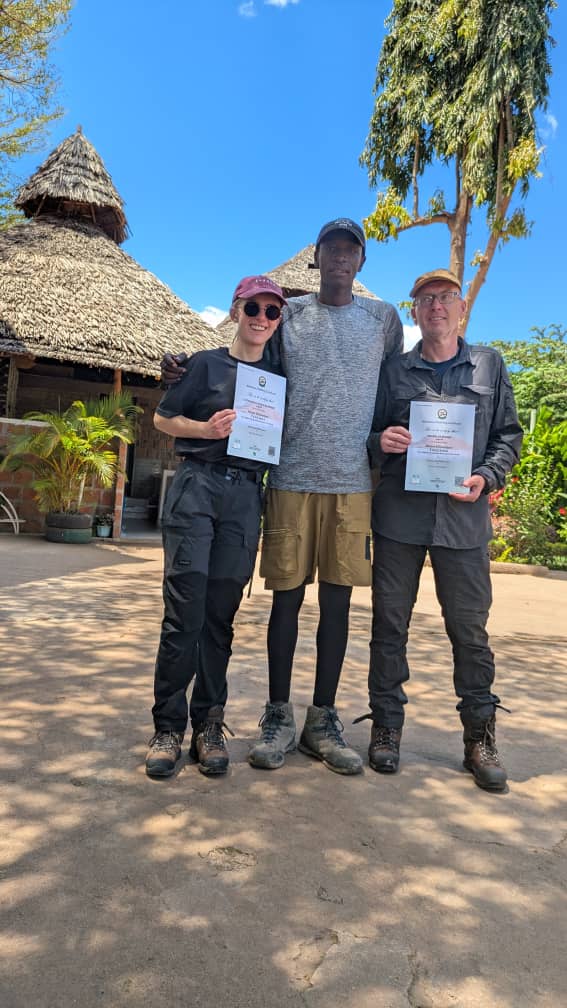

Climbing Mount Kilimanjaro is a dream for many adventurers, and July presents a fantastic opportunity to make that dream a reality. As a prime month for trekking the roof of Africa, July offers stable weather conditions, clear skies, and moderate temperatures, making it ideal for tackling Africa’s highest peak. If you’re searching for Kilimanjaro July climbing packages, you’ve come to the right place. Best Tanzania Tour Operator specializes in crafting memorable and safe climbing experiences, guiding trekkers like you to Uhuru Peak with expert support.
This guide is designed to provide you with all the essential information needed to plan your Kilimanjaro expedition in July. We’ll cover everything from understanding the weather patterns and choosing the right route to packing essentials, acclimatization strategies, and what to expect on the mountain. We aim to equip you with the knowledge to make informed decisions for your 2026 or 2027 climb, ensuring a successful and enjoyable journey.
Quick Facts About Kilimanjaro in July
| Aspect | Details for July |
|---|---|
| Weather: | Generally dry, cool to cold temperatures, clear skies are common. Potential for frost and ice at higher altitudes. Minimal rain. |
| Temperature: | Base camp: 15-25°C (59-77°F). Summit (Uhuru Peak): -5°C to 10°C (23°F to 50°F), can feel colder with wind chill. |
| Crowds: | Peak season, expect moderate to high numbers of trekkers on popular routes. |
| Best Routes: | Machame, Lemosho, and Marangu are popular. Longer routes (7+ days) are recommended for better acclimatization. |
| Daylight Hours: | Approximately 12 hours of daylight. |
| Packing Focus: | Warm layers, waterproof outer shell, good sleeping bag, sturdy boots, sun protection. |
| Acclimatization: | Crucial due to altitude. Longer routes and slow ascent are key. |
| Visibility: | Excellent, offering stunning views of the surrounding landscape and Mount Meru. |
Kilimanjaro July Climbing Packages: An Overview
When you search for Kilimanjaro July climbing packages, you are looking for a structured and supported expedition to the summit of Africa’s highest mountain. These packages are designed to handle the logistics, safety, and comfort of your trek, allowing you to focus on the challenge and the incredible experience. A typical package includes park fees, experienced guides and porters, nutritious meals, camping equipment, and transfers to and from the mountain. The duration of these packages varies depending on the chosen route, with most ranging from 5 to 9 days. July is a popular month due to its favorable weather, meaning packages are readily available, but booking in advance is advisable, especially for 2026 and 2027 departures.
Choosing the right package involves considering the route, duration, operator’s reputation, and what’s included. Longer routes, such as Lemosho or Machame, are generally recommended for better acclimatization and higher success rates, especially during the cooler July conditions. These routes also offer more scenic beauty and a less crowded experience compared to shorter options.
Why Choose July for Your Kilimanjaro Climb?
July falls within Kilimanjaro’s dry season, which typically spans from June to October. This makes it one of the most sought-after months for climbing. The benefits of choosing July for your Kilimanjaro adventure are numerous:
- Stable Weather: July offers a high probability of clear, sunny days. While you should always be prepared for varied conditions on a mountain, July generally provides the most predictable weather.
- Low Rainfall: Precipitation is minimal during July, meaning fewer muddy trails and a more comfortable trekking experience. The risks associated with heavy rain, such as flash floods or slippery paths, are significantly reduced.
- Cool Temperatures: While the equatorial sun can be strong during the day, evenings and nights, especially at higher altitudes and near the summit, can be quite cold. July’s daytime temperatures are pleasant for trekking, ranging from cool to mild. This is preferable for many trekkers over the heat of the shoulder seasons.
- Excellent Visibility: With fewer clouds, July provides exceptionally clear views. You’ll be able to appreciate the vast landscapes surrounding Kilimanjaro, including the plains of the Serengeti and Mount Meru, and witness breathtaking sunrises and sunsets from higher elevations.
- Good Trekking Conditions: The trails are generally in good condition, not overly muddy or dusty, making for a more stable footing.
The main consideration for July is that it is a peak season. This means more trekkers on the mountain, particularly on popular routes like Machame and Lemosho. While this might mean more company on the trails, it also ensures that the mountain infrastructure, including campsites and rescue services, is fully operational and well-staffed.
Kilimanjaro Weather in July
Understanding the weather is paramount for a successful Kilimanjaro climb, especially in July. While July is part of the dry season, it’s crucial to remember that Kilimanjaro is a massive mountain, and weather can change rapidly and vary significantly across its different ecological zones.
Ecological Zones and July Weather:
- Cultivation Zone (800m – 1,800m): Expect pleasant, warm temperatures during the day, potentially with some morning mist or light showers, especially early in the month.
- Rainforest Zone (1,800m – 2,800m): This zone can still experience occasional light rain or mist, even in the dry season. Temperatures are generally mild and humid.
- Moorland Zone (2,800m – 4,000m): Temperatures begin to drop noticeably. Days are often sunny and cool, while nights become significantly colder. Frost is possible.
- Alpine Desert Zone (4,000m – 5,000m): This is a harsh environment. Days are cold and windy, and nights are freezing. Sun protection is critical due to the intense UV radiation at this altitude.
- Arctic Zone (Above 5,000m): Summit night and the summit itself are extremely cold. Temperatures regularly drop below freezing, often between -5°C and -15°C (23°F to 5°F), and wind chill can make it feel much colder. Frost and ice are common.
General Conditions in July:
- Daytime: Generally clear and sunny, with temperatures ranging from 15°C to 25°C (59°F to 77°F) at lower to mid-altitudes.
- Nighttime: Temperatures drop significantly, especially above 4,000m. Expect freezing temperatures on summit night, potentially reaching -10°C (14°F) or lower.
- Wind: Can be a factor, especially at higher elevations and on exposed ridges. Windproof clothing is essential.
- Precipitation: Minimal. You are unlikely to encounter significant rainfall, but occasional light showers are possible, especially in the lower rainforest zone.
It’s wise to prepare for a range of conditions, from cool and sunny to cold and windy. Layering your clothing is the most effective strategy for managing the temperature fluctuations.
Best Kilimanjaro Routes for July Climbs
While all Kilimanjaro routes are technically open in July, some are better suited for the prevailing conditions and offer superior acclimatization profiles. The key factors for route selection in July are length, acclimatization curve, and scenery.
Recommended Routes for July:
- Machame Route: Often called the “Whiskey Route,” Machame is the most popular route and is highly recommended for July. It’s a 6-7 day trek known for its scenic beauty and excellent acclimatization profile due to its “climb high, sleep low” strategy. Its popularity means it can be busy in July. Check Machame Route group departures here.
- Lemosho Route: This is another excellent choice for July, offering spectacular scenery and a gradual ascent. It’s typically a 7-8 day trek, providing ample time for acclimatization. Lemosho is often considered more remote and pristine than Machame, though it converges with Machame after a few days.
- Marangu Route: Known as the “Coca-Cola Route,” Marangu is the only route that offers dormitory-style accommodation in huts instead of camping. It’s the shortest and fastest route (5 days), but this rapid ascent is not ideal for acclimatization, leading to lower success rates. While possible in July, it’s generally not recommended for first-time climbers due to the high altitude sickness risk. A 6-day option is better.
- Northern Circuit: The longest route (9-10 days), offering the highest acclimatization profile and the best chance of success. It circles the mountain, providing diverse views and a more remote experience. If budget and time allow, this is an outstanding option for July.
- Umbwe Route: A very steep and challenging route, generally not recommended for July or for inexperienced climbers due to its aggressive ascent profile.
Why longer routes are better in July: The cooler temperatures in July mean your body needs more time to adjust to the extreme altitude. Longer routes (7 days or more) allow for a slower ascent, more rest days, and better acclimatization, significantly increasing your chances of reaching Uhuru Peak safely and comfortably. For Kilimanjaro July climbing packages, prioritize those offering 7-day or longer itineraries.
Sample Kilimanjaro July Itinerary: Machame Route (7 Days)
This sample itinerary for the Machame Route provides a good balance of challenge, acclimatization, and scenic beauty, making it ideal for a July climb. This is a common structure for many Kilimanjaro July climbing packages.
| Day | Start Point | End Point | Altitude Gain | Approx. Trekking Time | Description |
|---|---|---|---|---|---|
| 1 | Machame Gate (1,800m) | Machame Camp (3,000m) | +1,200m | 5-7 hours | Register at the gate, then trek through lush rainforest. Expect potential mist. |
| 2 | Machame Camp (3,000m) | Shira Camp (3,850m) | +850m | 4-6 hours | Ascend out of the forest into moorland. Enjoy expansive views. |
| 3 | Shira Camp (3,850m) | Barranco Camp (3,950m) | +100m (via Lava Tower 4,600m) | 6-8 hours | Climb to Lava Tower (4,600m) for acclimatization, then descend to Barranco Camp. This “climb high, sleep low” is crucial. |
| 4 | Barranco Camp (3,950m) | Karanga Camp (4,000m) | +50m (via Barranco Wall) | 4-5 hours | Conquer the challenging Barranco Wall, then a relatively short trek to Karanga Camp. |
| 5 | Karanga Camp (4,000m) | Barafu Camp (4,650m) | +650m | 3-5 hours | Trek across alpine desert terrain. Arrive at Barafu Camp by early afternoon for rest before summit night. |
| 6 | Barafu Camp (4,650m) | Uhuru Peak (5,895m) & Mweka Camp (3,100m) | +1,245m (to summit), -2,795m (to Mweka) | 7-9 hours (to summit), 5-7 hours (to Mweka) | Summit night! Start around midnight, reach Stella Point, then Uhuru Peak. Descend to Barafu Camp for a short rest, then continue down to Mweka Camp. This is the longest and most demanding day. |
| 7 | Mweka Camp (3,100m) | Mweka Gate (1,640m) | -1,460m | 3-4 hours | Descend through rainforest to Mweka Gate. Receive your summit certificates and transfer to your hotel. |
What to Expect on Your Kilimanjaro Trek
Trekking Kilimanjaro in July is an incredible journey, but it demands physical and mental preparation. Here’s what you can generally expect:
- Physical Challenge: Kilimanjaro is a high-altitude trek. While not technically difficult, the altitude, steep ascents, and long trekking days will test your endurance. Pace yourself, drink plenty of water, and listen to your body and guides.
- Altitude Sickness (AMS): This is the most significant risk. Symptoms can include headaches, nausea, dizziness, and fatigue. Proper acclimatization through slow ascent, adequate hydration, and avoiding overexertion are crucial. Your guides are trained to recognize and manage AMS.
- Daily Routine: Your days will typically start early with breakfast, followed by several hours of trekking. You’ll have lunch en route and arrive at your camp in the afternoon. Evenings are for dinner, briefing for the next day, and rest. Summit night is an all-night affair.
- Accommodation: Most Kilimanjaro July climbing packages use tents. Campsites are usually well-established and equipped with basic toilet facilities. The Marangu route offers huts.
- Food: Your tour operator will provide three nutritious meals a day, prepared by your crew. Expect a mix of local and international dishes, often including porridge, eggs, bread, rice, pasta, chicken, and vegetables. Special dietary needs can usually be accommodated with advance notice.
- Guides and Porters: You’ll be accompanied by a team of experienced guides, cooks, and porters. They are essential for your safety, comfort, and success. Respect their knowledge and follow their instructions.
- Scenery: Kilimanjaro passes through five distinct ecological zones, each offering unique flora, fauna, and landscapes. The views in July are often spectacular due to clear skies.
- Summit Night: This is the most challenging part of the trek. You’ll start around midnight, trekking in the dark with headlamps, in cold temperatures. The final ascent to Uhuru Peak is steep and can be mentally taxing. Reaching the summit at sunrise is an unforgettable reward.
What’s Typically Included in Kilimanjaro July Packages?
Understanding what your Kilimanjaro July climbing package includes is vital for budgeting and avoiding surprises. While variations exist between operators, most reputable companies offer comprehensive packages. Here’s a general breakdown:
Common Inclusions:
- Park Fees: All Kilimanjaro National Park entrance fees, camping/hut fees, and conservation fees. These are a significant portion of the total cost.
- Guides: Experienced, licensed, and certified mountain guides. Often, you’ll have a lead guide and assistant guides.
- Porters: A team of porters to carry your main camping gear, food, and equipment.
- Cook: A dedicated cook to prepare all your meals on the mountain.
- Meals: All meals (breakfast, lunch, dinner) and purified drinking water on the mountain.
- Accommodation: Tents for camping, or huts on the Marangu route.
- Equipment: Tents, sleeping mats, dining tent, table, chairs, cooking equipment.
- Transfers: Round-trip transportation from your hotel in Moshi or Arusha to the mountain gate and back.
- Emergency Support: Oxygen cylinders, first-aid kit, and communication equipment (e.g., satellite phone for emergencies).
- Summit Certificate: A certificate of achievement awarded upon successful summiting.
Common Exclusions:
- Flights: International flights to and from Kilimanjaro International Airport (JRO).
- Visas: Visa fees for Tanzania.
- Accommodation: Pre- and post-climb hotel stays in Moshi or Arusha.
- Tips: Gratuities for guides, porters, and cooks. This is a significant cultural expectation and a vital part of their income.
- Personal Gear: Sleeping bag, trekking poles, waterproof clothing, hiking boots, and other personal equipment.
- Travel Insurance: Comprehensive travel and medical evacuation insurance.
- Personal Expenses: Drinks (other than water), snacks, souvenirs, laundry.
- Optional Activities: Day tours before or after your trek.
Always clarify what is included and excluded with your tour operator before booking your Kilimanjaro July climbing package.
Essential Packing and Preparation for a July Climb
Proper preparation and packing are crucial for a comfortable and successful Kilimanjaro climb in July. The key is layering and ensuring you have high-quality, appropriate gear.
Key Packing List for July:
- Clothing Layers:
- Base Layers: Moisture-wicking thermal tops and bottoms (merino wool or synthetic).
- Mid Layers: Fleece jacket or down vest for insulation.
- Outer Layer: Waterproof and windproof jacket and trousers (Gore-Tex or similar).
- Headwear:
- Warm woolen hat or beanie (essential for summit night).
- Sun hat with a wide brim for daytime.
- Balaclava or neck gaiter for wind protection.
- Handwear:
- Warm, waterproof gloves or mittens.
- Liner gloves for dexterity.
- Footwear:
- Broken-in, sturdy, waterproof hiking boots with good ankle support.
- Comfortable trekking socks (wool or synthetic, several pairs).
- Camp shoes or sandals for evenings.
- Sleeping Gear:
- A warm sleeping bag rated to at least -10°C (0°F) or -20°C (-4°F) for July.
- Sleeping bag liner for added warmth and hygiene.
- Trekking Gear:
- Durable backpack (40-60 liters) for day use.
- Waterproof backpack cover.
- Trekking poles (highly recommended for ascents and descents).
- Headlamp with extra batteries.
- Water bottles or hydration reservoir (at least 3 liters capacity).
- Water purification tablets or filter (backup).
- Sun Protection:
- High SPF sunscreen (SPF 30+).
- Lip balm with SPF.
- Sunglasses (category 3 or 4).
- Personal Items:
- Toiletries (biodegradable soap, toothbrush, toothpaste).
- Hand sanitizer.
- Personal first-aid kit (band-aids, blister treatment, pain relievers, any personal medication).
- Camera and spare batteries/power bank.
- Snacks (energy bars, nuts, dried fruit).
- Book or journal for downtime.
- Small towel.
Physical Preparation:
Physical fitness is essential. Aim to:
- Cardiovascular Fitness: Engage in regular aerobic activities like hiking, running, cycling, or swimming for at least 3-4 months before your trek.
- Strength Training: Focus on leg and core strength. Squats, lunges, and step-ups are beneficial.
- Hiking Practice: Undertake long hikes with a weighted backpack, preferably on varied terrain and including inclines. This helps your body adapt to the demands of trekking.
- Mental Preparation: Understand the challenges, especially altitude sickness and summit night. Visualize success and maintain a positive attitude.
Start your training at least 3-4 months prior to your planned Kilimanjaro July climbing packages in 2026 or 2027.
Common Mistakes to Avoid When Booking Kilimanjaro July Packages
Booking Kilimanjaro July climbing packages can seem straightforward, but several pitfalls can lead to disappointment or a less-than-ideal experience. Be aware of these common mistakes:
- Choosing the Shortest Route: Opting for a 5-day route (like Marangu) significantly increases the risk of altitude sickness and failure to summit. Longer routes (7+ days) are crucial for acclimatization, especially in July.
- Prioritizing Price Over Quality: The cheapest packages often cut corners on safety, guide experience, equipment quality, or food. Kilimanjaro is a serious undertaking; invest in a reputable operator.
- Not Checking Operator Reviews: Always research the tour operator’s reputation. Look for recent reviews on platforms like TripAdvisor to gauge their safety standards, guide quality, and customer satisfaction. See what our clients say.
- Ignoring Acclimatization: Rushing the ascent or not following the “climb high, sleep low” principle can lead to severe altitude sickness.
- Inadequate Packing: Underestimating the cold, especially on summit night, or not bringing essential items like waterproofs, warm layers, and good boots can make the trek miserable or even dangerous.
- Skipping Travel Insurance: Comprehensive travel insurance that includes medical evacuation is non-negotiable for a Kilimanjaro climb.
- Not Training Adequately: Believing Kilimanjaro is an easy walk can lead to significant physical struggles. Proper training is vital.
- Not Clarifying Inclusions/Exclusions: Be clear on what the package covers, especially regarding park fees, tips, and accommodation before and after the climb.
Who is Kilimanjaro July Climbing Best Suited For?
Kilimanjaro July climbing packages are well-suited for a wide range of adventurers, provided they are prepared:
- Fit Hikers and Trekkers: Individuals with good cardiovascular fitness and some experience hiking on varied terrain will find July a rewarding month.
- Nature Enthusiasts: Those who appreciate stunning landscapes, diverse ecological zones, and the challenge of reaching a significant natural landmark. The clear skies in July offer unparalleled photographic opportunities.
- Bucket List Aspirants: Anyone with a desire to conquer Africa’s highest peak and achieve a major personal goal.
- Families with Older Teens: With proper training and a longer route (7+ days), families can undertake this challenge together. It’s a fantastic way to bond and achieve something remarkable.
- Solo Travelers: July is a popular month, meaning group departures are common. Solo travelers can join group treks, making it a social and safe experience.
- Photographers: The clear, crisp air and long daylight hours of July provide excellent conditions for capturing the mountain’s beauty and panoramic views.
It is generally not recommended for:
- Individuals with serious pre-existing medical conditions that could be exacerbated by high altitude without consulting a doctor.
- Those seeking a purely relaxing vacation; it is a physically demanding adventure.
- People who are unwilling or unable to prepare physically or mentally for the challenge.
Alternatives to Kilimanjaro in July
While Kilimanjaro is a prime destination, if you’re looking for other adventures in Tanzania in July, or if Kilimanjaro doesn’t quite fit your plans, consider these excellent alternatives:
- Tanzania Safaris: July is an exceptional month for wildlife viewing on safari. It’s the dry season, meaning animals congregate around water sources, making them easier to spot. The Great Migration is often in the Serengeti or heading towards the Masai Mara in Kenya. Consider our Tanzania safari group departures for shared adventures. Our Tanzania safari blog has more planning tips.
- Zanzibar Holidays: July offers pleasant, dry weather in Zanzibar, with average temperatures around 25-29°C (77-84°F). It’s perfect for beach relaxation, snorkeling, diving, and exploring Stone Town without the intense heat and humidity of other months.
- Mount Meru Trekking: Located near Arusha, Mount Meru is a less crowded, challenging trek that can be completed in 3-4 days. It’s an excellent acclimatization hike for Kilimanjaro or a fantastic trek in its own right, offering diverse scenery and wildlife. July’s dry conditions make it ideal.
- Cultural Tours: Explore the local culture around Moshi and Arusha, visit coffee plantations, learn about the Chagga people, or engage with Maasai communities.
These options provide diverse experiences in Tanzania during July, catering to different interests and fitness levels.
Planning Your Kilimanjaro Climb for 2026-2027
Planning ahead is key, especially if you’re targeting Kilimanjaro for 2026 or 2027. Early planning allows you to secure your preferred dates, routes, and operators, and gives you ample time for physical preparation.
Timeline for Planning:
- 12+ Months Before: Research Kilimanjaro, routes, operators, and the best time to climb. Start a savings plan.
- 9-12 Months Before: Book your Kilimanjaro July climbing package. This is ideal for securing spots on popular routes or specific departure dates for 2026 or 2027. Confirm your travel dates and book flights.
- 6-9 Months Before: Begin your physical training program. Start researching and purchasing necessary gear.
- 3-6 Months Before: Intensify your training. Ensure your boots are broken in. Arrange travel insurance.
- 1-3 Months Before: Finalize packing. Get any necessary vaccinations or health advice. Confirm details with your tour operator.
- 1-2 Weeks Before: Pack your bags. Rest and ensure you are well-hydrated.
Key Considerations for 2026-2027:
- Book Early: July is a peak month. Popular routes and dates, especially for group departures, fill up quickly. Booking 9-12 months in advance is highly recommended for 2026 and 2027 climbs.
- Operator Vetting: Take your time to research and select a reputable operator. Look for those with strong safety records, experienced guides, and positive client feedback.
- Route Choice: For July, prioritize longer routes (7 days or more) for optimal acclimatization. The Machame or Lemosho routes are excellent choices.
- Fitness: Do not underestimate the physical demands. Start your training early and be consistent.
- Budget: Factor in all costs, including park fees, guides, porters, food, accommodation, tips, flights, visas, and insurance.
By planning methodically, you can ensure a well-organized and successful Kilimanjaro adventure for your chosen year.
Booking Your Kilimanjaro July Climbing Package
Choosing the right operator and package is critical for a safe and enjoyable Kilimanjaro experience. Here’s how to approach booking your Kilimanjaro July climbing package:
- Research Reputable Operators: Look for companies with a proven track record, experienced guides who are certified in wilderness first aid, and a strong emphasis on safety protocols. Check reviews on platforms like TripAdvisor. Best Tanzania Tour Operator is committed to safety and client satisfaction.
- Compare Routes and Durations: As discussed, longer routes (7+ days) are highly recommended for July. Ensure the package aligns with your fitness level and desired experience.
- Understand Inclusions and Exclusions: Carefully review what is included (park fees, meals, guides, porters, transfers) and what is not (flights, visas, tips, personal gear, insurance). This helps in budgeting and avoids unexpected costs.
- Check Safety Standards: Ask about emergency procedures, oxygen availability, and guide training. Reputable operators will be transparent about their safety measures.
- Read the Itinerary Carefully: Ensure the daily trekking times and altitudes are realistic and conducive to acclimatization.
- Ask Questions: Don’t hesitate to contact the operator with any questions you may have. A responsive and informative operator is a good sign. You can reach us via WhatsApp at +255616946642, email at topguideadventures@gmail.com, or info@topguideadventures.com.
- Review Booking Terms: Understand the payment schedule, cancellation policy, and any change fees.
- Consider Group vs. Private: Group departures are often more affordable and offer a social experience. Private treks offer flexibility and a more personalized pace.
Booking your Kilimanjaro July climbing package with a trusted operator like Best Tanzania Tour Operator ensures you have a dedicated team supporting your journey from initial planning to the summit and back.
Hear From Our Trekkers
Don’t just take our word for it. Our trekkers’ experiences highlight the dedication, professionalism, and passion of the Best Tanzania Tour Operator team. We pride ourselves on creating memorable and safe Kilimanjaro adventures.
“The guides were incredibly knowledgeable and supportive. They ensured we stayed safe and motivated, especially during the tough summit push. The food was surprisingly good too! Highly recommend for anyone looking at Kilimanjaro July climbing packages.” – Sarah K.
“From the initial inquiry to the final transfer back to the hotel, the entire experience was flawless. The porters were amazing, carrying our gear with smiles. Reaching Uhuru Peak was a dream come true, and Best Tanzania Tour Operator made it happen safely. Check out our recent adventures on Instagram!” – Mark T.
“I was initially nervous about the altitude, but the guides managed our acclimatization perfectly. The Machame route was stunning, and the July weather was exactly as promised – clear skies and crisp air. A truly unforgettable journey.” – Emily R.
For more detailed feedback and to see real experiences from trekkers who chose us for their Kilimanjaro July climbing packages, you can read reviews on platforms like TripAdvisor.
Frequently Asked Questions About Kilimanjaro July Climbs
Is July a good month to climb Kilimanjaro?
Yes, July is an excellent month to climb Kilimanjaro. It falls within the dry season, offering stable weather, clear skies, and minimal rainfall, making it ideal for trekking. Temperatures are cool to cold, especially at higher altitudes.
What is the weather like on Kilimanjaro in July?
July is generally dry and cool. Daytime temperatures can range from pleasant to cool (15-25°C / 59-77°F) at lower elevations, while summit night and the peak can be very cold, with temperatures dropping below freezing (-5°C to -15°C / 23°F to 5°F), often feeling colder due to wind chill. Frost and ice are common at higher camps and on the summit trail.
Are Kilimanjaro July climbing packages more expensive?
July is considered peak season due to the favorable weather. While prices can vary greatly by operator, you might find packages slightly higher than in the shoulder seasons. However, the stability of the weather often makes it a worthwhile investment for a successful climb. Booking in advance for 2026 or 2027 is recommended.
What is the best route for Kilimanjaro in July?
For July, longer routes offering better acclimatization are highly recommended. The Machame (7 days) and Lemosho (7-8 days) routes are excellent choices due to their scenic beauty and gradual ascent profiles. The Northern Circuit (9-10 days) offers the highest success rate. Avoid shorter routes like the 5-day Marangu.
What should I pack for a Kilimanjaro climb in July?
Key items include warm, waterproof outer layers, thermal base layers, a warm sleeping bag (rated to -10°C or colder), sturdy broken-in hiking boots, warm hat and gloves, sun protection (hat, sunglasses, sunscreen), and trekking poles. Layering is essential for managing temperature changes.
How difficult is climbing Kilimanjaro in July?
The difficulty is primarily due to altitude. While not technically challenging, the sustained effort at high altitude can be taxing. July’s cool temperatures can be more comfortable for trekking than warmer months, but summit night is always cold and demanding. Proper physical preparation and acclimatization are crucial.
Do I need special gear for July?
Yes, you need specialized gear for high-altitude trekking in cool to cold conditions. This includes insulated, waterproof clothing, a warm sleeping bag, and sturdy hiking boots. Renting some items like sleeping bags or trekking poles is often an option offered by tour operators.
How many people climb Kilimanjaro in July?
July is part of the peak trekking season, so you can expect to encounter a moderate to high number of other trekkers on the popular routes. While it’s not as crowded as December/January, it’s busier than the rainy seasons.
What are the chances of reaching the summit in July?
Success rates are generally high in July, especially when choosing longer routes (7 days or more) and following your guides’ advice on acclimatization and pace. Proper training and preparation significantly boost your chances.
Can I book Kilimanjaro July climbing packages for 2026-2027 now?
Yes, it is highly recommended to book your Kilimanjaro July climbing packages for 2026-2027 well in advance, ideally 9-12 months ahead. This secures your preferred dates and route, especially given July’s popularity.
Ready to Conquer Kilimanjaro in July?
Your dream of standing at Uhuru Peak is within reach. With July offering some of the most stable and pleasant weather conditions for climbing Mount Kilimanjaro, now is the time to plan your adventure. Best Tanzania Tour Operator is here to guide you every step of the way, ensuring a safe, memorable, and successful expedition.
We specialize in crafting personalized Kilimanjaro July climbing packages tailored to your needs. Whether you’re looking for a group departure or a private trek, our experienced guides and dedicated support team will ensure you have the best possible experience. Don’t wait to plan your 2026 or 2027 climb!
Contact us today to discuss your Kilimanjaro July climbing package:
- WhatsApp: +255616946642
- Email: topguideadventures@gmail.com
- Backup Email: info@topguideadventures.com
Let’s make your Kilimanjaro dream a reality in July 2026 or 2027!
Complete Kilimanjaro July Climbing Packages Planning Details for 2026- 2027-2028
Kilimanjaro July Climbing Packages needs more than a quick description because travelers normally want to understand timing, route logic, comfort level, inclusions, local support, safety, and how the trip fits with the rest of a Tanzania journey. For 2026- 2027-2028, the best plan is to compare the route, travel month, daily pace, accommodation style, and transport arrangement before confirming.
A strong plan should explain where the trip starts, what happens each day, how long transfers may take, what travelers should prepare, and which parts can be customized. This makes the page useful for families, couples, solo travelers, private groups, budget travelers, mid-range guests, and luxury travelers.
Important things to confirm before booking
- Exact starting point and pickup time.
- Accommodation level or day-trip timing.
- Transport type and guide arrangement.
- Park fees, activities, meals, drinking water, and transfers.
- Best travel month for weather, wildlife, trekking, beaches, or photography.
- Payment plan, deposit, cancellation terms, and changes if travel dates move.
Kilimanjaro July Climbing Packages Sample Structure and Route Logic
Most travelers choose Kilimanjaro July Climbing Packages because they want a clear experience that is easy to understand and simple to book. The structure should feel practical: arrival or pickup, main activity, important stops, relaxed timing, overnight or return plan, and final drop-off. When the topic involves safari, the route should respect park distance and game drive time. When it involves Kilimanjaro, the route should respect acclimatization and safe pacing. When it involves Zanzibar, the plan should balance ocean activities, culture, relaxation, and transfer time.
| Planning Area | What to Check | Why It Matters |
|---|---|---|
| Timing | Season, pickup time, daily pace, and activity duration | Helps avoid rushed travel and gives better value |
| Comfort | Budget, mid-range, luxury, private, or shared style | Matches the trip with the traveler expectation |
| Logistics | Transfers, vehicle, guide, permits, and entry rules | Prevents surprises during the trip |
| Booking | Deposit, availability, route, inclusions, and final balance | Makes confirmation smooth and transparent |
Top Guide Adventures Recommendation
Best Tanzania Tour operator recommends treating Kilimanjaro July Climbing Packages as a complete travel plan rather than only a title. A good operator should explain the route, guide support, what is included, what is excluded, how timing works, and what can be adjusted. Travelers can also compare Tanzania safari group departures and shared tours, check Machame Route Kilimanjaro group departures, or read more articles in the Tanzania safari tours blog.
For a more personal look at current trips and field updates, travelers may follow Top Guide Adventures on Instagram, review traveler feedback on Tripadvisor, or visit our another website.
Kilimanjaro July Climbing Packages FAQs for 2026- 2027-2028
How early should I book Kilimanjaro July Climbing Packages?
Booking early is better for 2026- 2027-2028, especially for high season, family travel, group departures, Kilimanjaro routes, Serengeti safaris, Zanzibar holidays, and private customized tours.
Can this trip be customized?
Yes. The route, accommodation level, pace, pickup point, and add-ons can usually be adjusted depending on availability and the travel dates.
Is Kilimanjaro July Climbing Packages suitable for first-time travelers?
Yes, when the itinerary is explained clearly and the guide support is reliable. First-time travelers should ask for a simple day-by-day plan, inclusions, exclusions, and preparation notes.
What should I ask before confirming?
Ask about transport, guide, meals, park or activity fees, accommodation, payment plan, cancellation terms, and what happens if weather or travel timing changes.
Kilimanjaro July Climbing Packages Detailed Cost and Value Notes
Cost can change by season, accommodation level, group size, park rules, transfer distance, and activity style. A useful page should explain what usually affects price rather than only giving one short number. Travelers comparing this topic for 2026-2027 should check whether transport, guide, meals, drinking water, accommodation, park fees, permits, and airport transfers are included.
Kilimanjaro July Climbing Packages should be explained with enough detail for a traveler to understand the route, timing, comfort level, inclusions, exclusions, preparation, and booking steps. Repeating the focus topic naturally in helpful planning areas makes the article stronger without stuffing keywords.
Kilimanjaro July Climbing Packages Best Traveler Type for This Plan
This plan can work for different travelers when the details are adjusted correctly. Families may need softer timing and private transport, couples may prefer better rooms and scenic pacing, group travelers may focus on shared departures and value, while photographers may need more time in key locations.
Kilimanjaro July Climbing Packages should be explained with enough detail for a traveler to understand the route, timing, comfort level, inclusions, exclusions, preparation, and booking steps. Repeating the focus topic naturally in helpful planning areas makes the article stronger without stuffing keywords.
Kilimanjaro July Climbing Packages Common Booking Mistakes to Avoid
Common mistakes include choosing only by the cheapest price, ignoring transfer time, booking without checking inclusions, using a rushed itinerary, not confirming accommodation names, and failing to ask how changes are handled if flights, weather, or park timing changes.
Kilimanjaro July Climbing Packages should be explained with enough detail for a traveler to understand the route, timing, comfort level, inclusions, exclusions, preparation, and booking steps. Repeating the focus topic naturally in helpful planning areas makes the article stronger without stuffing keywords.
Kilimanjaro July Climbing Packages What Makes a Strong Itinerary
A strong itinerary has a clear start point, realistic daily timing, enough activity time, transparent inclusions, simple communication, and a guide or operations team that understands local routes. It should also leave space for comfort, photos, meals, and unexpected delays.
Kilimanjaro July Climbing Packages should be explained with enough detail for a traveler to understand the route, timing, comfort level, inclusions, exclusions, preparation, and booking steps. Repeating the focus topic naturally in helpful planning areas makes the article stronger without stuffing keywords.
Plan your Kilimanjaro July Climbing Packages with Top Guide Adventures
Tell us your travel dates, group size, comfort level, and dream experience. We will help you shape a clear, realistic, and memorable Tanzania itinerary.







 Veedesigner
 Fatma Kizanga
 Benjamin Waryuba
 Philip Philip
 John jr Itaja
 Antonia Optatus
 Edith Kanyere
 Neema Iddy
 Kelvin Boniphace
 Damari Maiga



