
Updated planning guide for 2026, 2027-2028
Kilimanjaro To Amboseli Safari From Moshi: Expert Trekking Guide
Discover the ultimate Kilimanjaro to Amboseli safari experience starting from Moshi. This comprehensive guide covers everything you need to plan your adventure, from itinerary options and wildlife viewing to practical preparation and booking tips for 2026-2027.
WhatsApp +255616946642 | topguideadventures@gmail.com | info@topguideadventures.com
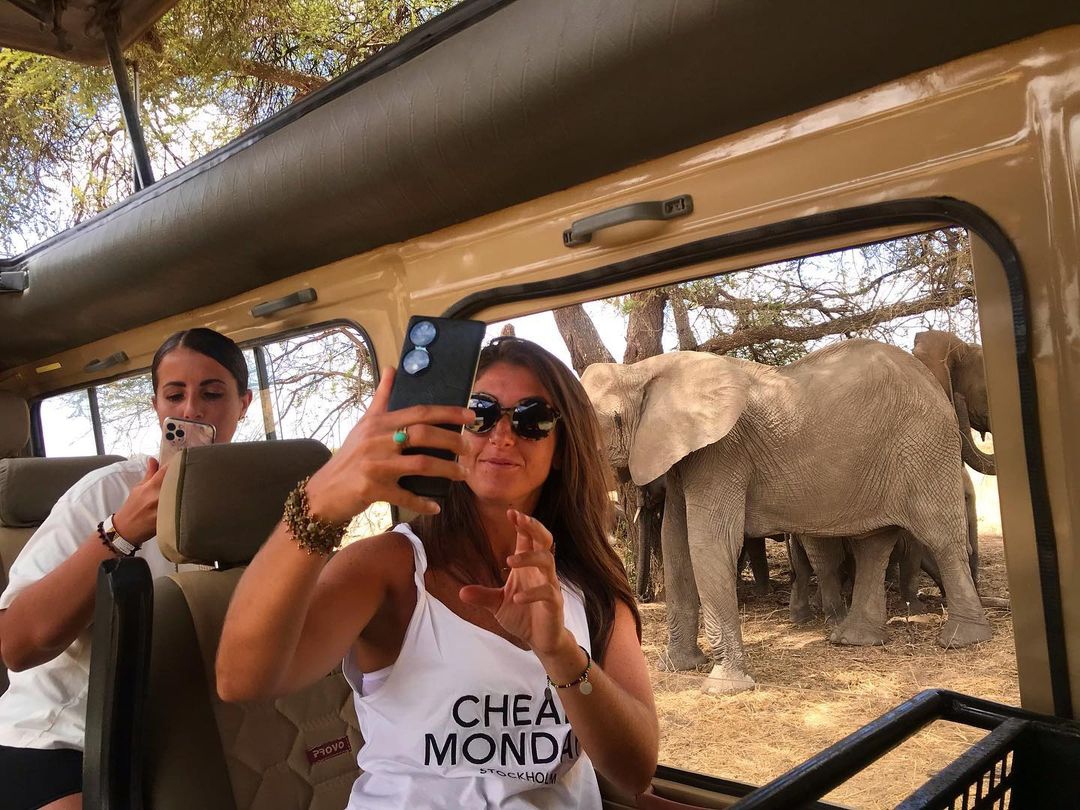
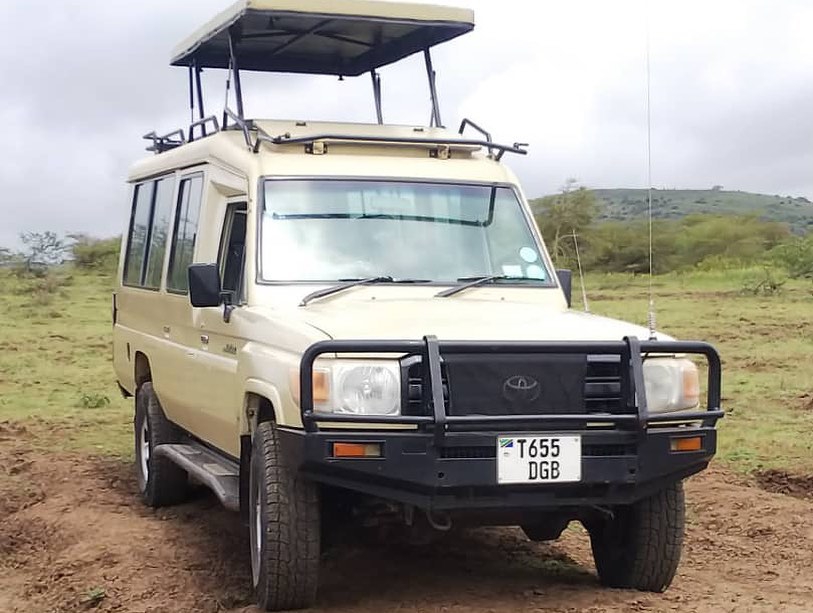
Kilimanjaro to Amboseli Safari From Moshi: The Ultimate Expedition Guide
A Kilimanjaro to Amboseli safari from Moshi offers an unparalleled journey through two of East Africa’s most iconic landscapes. This adventure combines the majestic presence of Mount Kilimanjaro, Africa’s highest peak, with the vast plains of Amboseli National Park in Kenya, famous for its large elephant herds and stunning Kilimanjaro vistas. For travelers beginning their journey in Moshi, Tanzania, this safari route provides a logical and deeply rewarding experience, blending cultural immersion with thrilling wildlife encounters. This guide is designed to help you meticulously plan every aspect of this spectacular trip, ensuring a memorable adventure for 2026 and 2027.
Table of Contents
- Quick Facts: Kilimanjaro to Amboseli Safari
- Journey Overview: From Moshi to Amboseli
- Why Choose a Kilimanjaro to Amboseli Safari from Moshi?
- Best Time to Visit: Seasonality for Your Safari
- Route & Area Overview
- Sample Itinerary Options
- What to Expect on Your Safari
- Inclusions, Packing, and Preparation
- Common Mistakes to Avoid
- Who is This Safari Best Suited For?
- Alternative Safari Combinations
- Planning Your 2026-2027 Safari
- Booking Your Kilimanjaro to Amboseli Safari
- Frequently Asked Questions
Quick Facts: Kilimanjaro to Amboseli Safari
| Aspect | Details |
|---|---|
| Starting Point | Moshi, Tanzania |
| Ending Point | Amboseli National Park, Kenya (or onward travel) |
| Primary Parks/Areas | Amboseli National Park (Kenya), potentially border areas and transit points in Tanzania. |
| Key Wildlife | Elephants, lions, cheetahs, giraffes, zebras, wildebeest, diverse birdlife. |
| Duration | Typically 3-5 days for the safari portion, plus travel time. |
| Travel Style | 4×4 safari vehicle, lodge or tented camp accommodation. |
| Best For | Wildlife enthusiasts, photographers, those combining Kilimanjaro with Kenya. |
| Key Experience | Iconic Kilimanjaro backdrop, large elephant herds, diverse ecosystems. |
Journey Overview: From Moshi to Amboseli
The Kilimanjaro to Amboseli safari from Moshi is a carefully orchestrated transition from Tanzania to Kenya, leveraging the proximity of these two renowned destinations. Moshi, nestled at the foot of Mount Kilimanjaro, serves as an ideal starting point. From here, your safari adventure typically begins with a drive towards the Tanzania-Kenya border. After completing immigration and customs procedures, you’ll continue your journey into Kenya, heading towards Amboseli National Park. The drive itself can offer glimpses of rural East African life. Upon arrival in Amboseli, you’ll transition into dedicated safari vehicles for game drives, exploring the park’s unique landscapes and abundant wildlife. The park’s open plains, acacia woodlands, and permanent swamps create a rich habitat for a wide array of animals, with the majestic Mount Kilimanjaro providing a constant, breathtaking backdrop.
This route is particularly popular for those who have just completed a Kilimanjaro climb and wish to extend their African adventure with a classic safari experience. It also appeals to travelers who want to see both the iconic Tanzanian mountain and Kenya’s renowned wildlife parks within a single trip without extensive internal flights.
Why Choose a Kilimanjaro to Amboseli Safari from Moshi?
Opting for a Kilimanjaro to Amboseli safari from Moshi offers several distinct advantages:
- Logistical Simplicity: Moshi is a major hub for Kilimanjaro climbers and a convenient gateway to Kenya. This route minimizes backtracking and offers a natural flow for your East African itinerary.
- Iconic Scenery: Amboseli is arguably one of the best places in Africa for photographing elephants with Mount Kilimanjaro in the background. This unique combination is a major draw.
- Wildlife Abundance: Amboseli is famous for its large elephant herds, often numbering in the hundreds. You’ll also find lions, cheetahs, giraffes, zebras, wildebeest, and a rich variety of birdlife.
- Complementary Experiences: If you’ve just finished trekking Kilimanjaro, the safari provides a relaxing yet exciting contrast. If you’re starting your trip, it sets a high bar for wildlife viewing.
- Cultural Immersion: The journey from Moshi to Amboseli passes through diverse landscapes and communities, offering insights into local life.
- Cost-Effectiveness: Depending on your chosen accommodation and tour operator, combining these destinations can be more economical than flying between separate safari destinations.
For travelers planning for 2026 or 2027, understanding these benefits helps in prioritizing this route within your broader travel plans.
Best Time to Visit: Seasonality for Your Safari
The best time for a Kilimanjaro to Amboseli safari from Moshi depends on your priorities, especially concerning weather and wildlife viewing. East Africa experiences distinct seasons, and understanding them is crucial for planning your 2026-2027 safari.
- Dry Seasons (June to October, and January to February): These are generally considered the peak safari seasons. The vegetation is less dense, making wildlife easier to spot as animals congregate around water sources. Skies are often clear, offering excellent visibility for photography, especially of Kilimanjaro. However, these are also the busiest and potentially most expensive times.
- Green Seasons (March to May, and November to December): These months typically bring rain. While game viewing can be more challenging due to thicker vegetation and scattered wildlife, the landscapes are lush and beautiful. This is a great time for birdwatching as migratory birds are present. Accommodation prices may be lower, and there are fewer tourists. The short rains in November and December can be unpredictable but often don’t impede safaris significantly.
Specific Considerations for Amboseli:
Amboseli is an arid park, so it’s generally good for wildlife viewing year-round, as animals depend on the swamps. However, the dry seasons offer the most predictable conditions for spotting large herds.
Specific Considerations for Kilimanjaro Views:
Clear views of Kilimanjaro are more common during the dry seasons (June-October and January-February). During the rainy seasons, clouds can often obscure the mountain’s summit.
Recommendation for 2026-2027:
For the best balance of good weather, clear Kilimanjaro views, and abundant wildlife, aim for the dry seasons. If budget is a primary concern and you don’t mind occasional showers, the green seasons can be very rewarding.
Route & Area Overview
The Kilimanjaro to Amboseli safari from Moshi follows a relatively straightforward geographical path, connecting two key points in East Africa.
| Leg | From | To | Approx. Distance/Time | Notes |
|---|---|---|---|---|
| 1 | Moshi, Tanzania | Namanga Border Post (Tanzania/Kenya) | Approx. 150-200 km / 3-4 hours | Road travel through Tanzanian countryside. |
| 2 | Namanga Border Post | Amboseli National Park, Kenya (e.g., Amboseli Main Gate) | Approx. 30-50 km / 1-1.5 hours | Border crossing formalities, then short drive into Kenya. |
| 3 | Amboseli National Park | Accommodation (Lodge/Camp) | Variable (within park) | Game drives en route to accommodation. |
Area Highlights:
- Moshi: The gateway town, offering views of Kilimanjaro and a base for pre-safari preparations.
- Namanga: A bustling border town, facilitating the transition between Tanzania and Kenya.
- Amboseli National Park: Known for its vast plains, acacia woodlands, and permanent swamps fed by Kilimanjaro’s meltwater. The park’s ecosystem supports a high density of wildlife, particularly elephants, and offers unparalleled views of Africa’s highest peak.
Sample Itinerary Options
Here are a couple of sample itineraries for a Kilimanjaro to Amboseli safari from Moshi. These can be customized based on your interests and available time.
Option 1: Classic 3-Day Amboseli Safari (from Moshi)
| Day | Morning | Afternoon | Evening |
|---|---|---|---|
| Day 1 | Depart Moshi after breakfast in a private safari vehicle. Drive to Namanga border. Complete border formalities. Continue to Amboseli National Park. | Enter Amboseli, begin first game drive en route to your lodge/camp. Check-in and lunch. Afternoon game drive exploring the park’s key areas, seeking out elephant herds. | Return to lodge/camp for dinner. Optional night listening to the sounds of the African bush. |
| Day 2 | Full day of game drives in Amboseli. Explore different habitats, from open plains to swampy areas. Focus on spotting elephants, lions, cheetahs, and other plains game with Kilimanjaro as a backdrop. | Picnic lunch in the park or return to the lodge. Continue game drives, perhaps visiting observation hill for panoramic views. | Dinner and overnight at your lodge/camp. |
| Day 3 | Early morning game drive for a final chance to see wildlife, especially predators or large elephant families. Return to the lodge for breakfast. | Check out and begin your drive back towards the Namanga border. Cross into Tanzania and continue to Moshi. | Arrive back in Moshi in the late afternoon/early evening. |
Option 2: Extended 4-Day Amboseli Safari (from Moshi)
This option allows for a more relaxed pace and deeper exploration of Amboseli.
| Day | Morning | Afternoon | Evening |
|---|---|---|---|
| Day 1 | Depart Moshi after breakfast. Drive to Namanga border post. Complete immigration and customs. Drive into Kenya and to Amboseli National Park. | Enter Amboseli and begin your first game drive, heading towards your accommodation. Check in, have lunch. Afternoon game drive focusing on elephant herds and scenic viewpoints. | Dinner and overnight at your lodge/camp. |
| Day 2 | Full day exploring Amboseli. Focus on different areas of the park, including the swamps which attract large concentrations of wildlife. | Enjoy a picnic lunch in a scenic spot. Continue game viewing, perhaps visiting Observation Hill for stunning panoramic views of the park and Kilimanjaro. | Return to camp for dinner. |
| Day 3 | Morning game drive. Option for a guided walking safari (if available and permitted, often outside the main park or with rangers) or a cultural visit to a Maasai village for deeper cultural insight. | Return to lodge for lunch. Afternoon dedicated to tracking specific animals or revisiting favorite spots. Enjoy the late afternoon light for photography. | Farewell dinner at your lodge/camp. |
| Day 4 | Optional early morning game drive. Enjoy a final breakfast with views of Kilimanjaro. Check out and drive back to the Namanga border. | Cross back into Tanzania and drive to Moshi. | Arrive in Moshi in the afternoon. |
These are just examples. Your tour operator can tailor an itinerary to include specific interests, such as birdwatching, photography, or cultural experiences.
What to Expect on Your Safari
A Kilimanjaro to Amboseli safari from Moshi is a rich experience, but it’s good to know what to anticipate:
- Vehicle: You’ll typically travel from Moshi to the border in a private safari vehicle (often a 4×4 Land Cruiser or Land Rover) with a driver-guide. In Kenya, you may continue in the same vehicle or switch to one specifically equipped for Kenyan parks. Ensure your vehicle has pop-up roofs for game viewing.
- Accommodation: Options range from comfortable mid-range lodges to luxurious tented camps. Lodges often have amenities like swimming pools and restaurants, while tented camps offer a more immersive wilderness experience, usually with en-suite bathrooms.
- Game Drives: Expect early morning and late afternoon game drives, which are typically the best times to see animals active. Midday is usually spent relaxing at the lodge or camp. Drives can last 2-4 hours each.
- Wildlife Sightings: Amboseli is renowned for its large elephant herds. You are almost guaranteed to see elephants. Other common sightings include zebras, wildebeest, giraffes, buffalo, and various antelopes. Predators like lions and cheetahs are present but can be more elusive. Birdlife is abundant.
- Kilimanjaro Views: The visibility of Kilimanjaro is highly dependent on the weather. Mornings are often clearest.
- Border Crossing: Be prepared for the border crossing at Namanga. It can be busy, and you’ll need to handle immigration and customs for both countries. Your tour operator will guide you through this process.
- Road Conditions: Roads within Amboseli are generally well-maintained dirt tracks. The drive from Moshi to the border is on paved roads, but conditions can vary.
- Pace: Safaris are generally not rushed. Your guide will spend time allowing you to observe wildlife. However, there are often set meal times and departure times for drives.
Inclusions, Packing, and Preparation
Understanding what’s included in your safari package and what you need to pack is vital for a smooth trip.
Typical Inclusions:
Most reputable tour operators will include:
- Private safari vehicle with a professional driver-guide.
- Park entrance fees for Amboseli National Park.
- Accommodation as per your chosen itinerary (lodge or tented camp).
- Meals (usually full board: breakfast, lunch, dinner) during the safari portion.
- Bottled water in the safari vehicle.
- Border crossing assistance.
Typical Exclusions:
- Visa fees for Kenya.
- Tips for your driver-guide and lodge staff.
- Alcoholic and soft drinks (unless specified).
- Travel insurance.
- Personal expenses (souvenirs, laundry).
- Flights to and from Moshi.
- Gratuities for guides and staff.
- Optional activities like Maasai village visits (often extra).
Packing Essentials:
Pack light and smart. Layers are key due to temperature variations.
- Clothing:
- Neutral-colored clothing (khaki, beige, olive green) – avoid bright colors and black/dark blue (can attract tsetse flies and are hot).
- Lightweight long-sleeved shirts and trousers (for sun and insect protection).
- T-shirts and shorts/comfortable trousers for relaxing.
- A warm fleece or jacket for cool mornings and evenings.
- A waterproof and windproof jacket.
- Comfortable walking shoes or hiking boots (if doing any walking).
- Sandals or flip-flops for around the lodge/camp.
- A wide-brimmed hat for sun protection.
- Swimsuit (if your lodge has a pool).
- Footwear:
- Comfortable, broken-in walking shoes or light hiking boots.
- Sandals or trainers for relaxing.
- Health & Hygiene:
- Personal first-aid kit (band-aids, antiseptic wipes, pain relievers, motion sickness medication, any personal prescriptions).
- Insect repellent (with DEET).
- Sunscreen (high SPF).
- Hand sanitizer.
- Personal toiletries.
- Malaria prophylaxis (consult your doctor).
- Gear:
- Binoculars (essential for wildlife viewing).
- Camera with extra batteries and memory cards.
- A good quality zoom lens for photography.
- Power bank or portable charger.
- Adapter for UK-style 3-pin plugs (Type G).
- Headlamp or small flashlight.
- Small backpack for day trips and game drives.
- Sunglasses.
- Reusable water bottle.
- Passport, visas, flight details, and copies of important documents.
- Credit cards and some USD cash (small denominations for tips).
Preparation Notes:
- Visas: Check Kenyan visa requirements well in advance for 2026-2027. Many nationalities can obtain e-visas.
- Vaccinations: Consult your doctor or a travel clinic about recommended vaccinations and malaria prevention.
- Fitness: While this safari doesn’t involve strenuous activity, good general fitness is beneficial for enjoying the experience.
- Currency: The Kenyan Shilling (KES) is the local currency. USD is widely accepted for park fees and by some lodges, but it’s good to have local currency for smaller purchases.
Common Mistakes to Avoid
To ensure your Kilimanjaro to Amboseli safari from Moshi is as enjoyable as possible, be aware of these common pitfalls:
- Booking Last Minute: Especially for peak seasons in 2026 or 2027, popular lodges and vehicles get booked up months in advance. Book early to secure your preferred options.
- Choosing the Cheapest Option: The lowest price often means compromises on vehicle quality, guide experience, accommodation standards, or safety. Invest in a reputable operator.
- Not Packing Appropriately: Forgetting layers, neutral colors, or essential items like binoculars can significantly impact your experience.
- Overpacking: Luggage space in safari vehicles can be limited. Stick to soft-sided bags if possible.
- Expecting Guaranteed Sightings: Wildlife is wild. While Amboseli offers high chances for elephant sightings, other animals can be elusive. Patience and a good guide are key.
- Ignoring Border Crossing Procedures: Ensure you have all necessary documentation and understand the process to avoid delays or issues at Namanga.
- Not Budgeting for Extras: Factor in tips, drinks, souvenirs, and any optional activities.
- Bright Clothing: Wearing bright colors can startle wildlife and make you conspicuous. Stick to muted, earthy tones.
- Underestimating Travel Time: Distances in East Africa can be deceiving, and road conditions can cause delays. Always factor in ample travel time.
- Not Communicating Preferences: Don’t hesitate to discuss your interests (e.g., photography, birding, specific animals) with your tour operator or guide.
Who is This Safari Best Suited For?
The Kilimanjaro to Amboseli safari from Moshi is an excellent choice for several types of travelers:
- Post-Kilimanjaro Trekkers: Those who have just summited or attempted Kilimanjaro and want a relaxing yet exciting continuation of their African adventure. It’s a perfect way to unwind and see wildlife after the physical demands of the climb.
- First-Time East African Safari Goers: It offers a fantastic introduction to safari, combining iconic scenery with reliable wildlife viewing, especially elephants.
- Photographers: The combination of abundant wildlife, particularly elephants, and the dramatic backdrop of Mount Kilimanjaro provides incredible photographic opportunities.
- Travelers Seeking Iconic Views: If seeing elephants with Kilimanjaro in the background is high on your bucket list, this route is ideal.
- Those Combining Tanzania and Kenya: It’s a logical and efficient way to experience highlights from both countries without extensive travel or multiple internal flights.
- Travelers on a Moderate Budget: While not the cheapest safari option, it can be more cost-effective than flying between separate major parks in each country, especially if booked as a package.
Alternative Safari Combinations
While the Kilimanjaro to Amboseli safari from Moshi is a popular choice, other combinations might better suit your interests:
- Moshi to Tarangire/Manyara/Ngorongoro (Tanzania Northern Circuit): This is the classic Tanzanian safari experience. It involves visiting Tarangire National Park (known for elephants and baobabs), Lake Manyara National Park (tree-climbing lions, diverse birdlife), and the Ngorongoro Conservation Area (Ngorongoro Crater, a UNESCO World Heritage site with incredible wildlife density). This stays entirely within Tanzania.
- Moshi to Serengeti National Park: For an even more extensive Tanzanian safari, extend your trip to the vast Serengeti, famous for the Great Migration (seasonal) and incredible predator sightings. This usually requires internal flights or longer overland journeys.
- Kilimanjaro Climb + Zanzibar: A very popular combination focusing on the mountain climb followed by relaxation on the tropical island of Zanzibar, known for its beaches, spice tours, and historical Stone Town. This skips the Kenyan safari.
- Moshi to Tsavo National Parks (Kenya): If you prefer to stay closer to the Tanzania-Kenya border and want to explore more of Kenya’s parks, Tsavo East and West are options. They offer a different landscape and wildlife experience compared to Amboseli.
- Moshi to Lake Natron & Ol Doinyo Lengai: For the more adventurous, combine Kilimanjaro with a visit to Lake Natron, a soda lake famous for flamingos, and a challenging climb of the active volcano Ol Doinyo Lengai. This is more cultural and adventure-focused than a traditional wildlife safari.
The choice depends on your priorities: staying in one country, experiencing different ecosystems, or focusing on specific wildlife phenomena.
Planning Your 2026-2027 Safari
Planning ahead is crucial for a successful Kilimanjaro to Amboseli safari from Moshi, especially for the popular travel years of 2026 and 2027. Here’s a planning timeline:
- 12+ Months Out:
- Research tour operators. Look for companies with good reviews, clear communication, and expertise in cross-border safaris.
- Define your budget and desired travel style (budget, mid-range, luxury).
- Consider the best time to travel for your priorities (weather, wildlife, crowds).
- Start looking at sample itineraries and potential dates for 2026-2027.
- 9-12 Months Out:
- Book your safari with your chosen operator. This is especially important for peak season travel in 2026-2027 to secure preferred lodges and vehicles.
- If combining with a Kilimanjaro climb, book that as well.
- 6-9 Months Out:
- Check passport validity. Ensure it has at least six months remaining beyond your intended stay and sufficient blank pages.
- Research Kenyan visa requirements for 2026-2027 and apply if necessary.
- Start thinking about travel insurance. Ensure it covers medical emergencies, evacuation, and trip cancellation.
- 3-6 Months Out:
- Consult your doctor or a travel clinic regarding necessary vaccinations and malaria prophylaxis.
- Begin purchasing safari gear and clothing. Test out any new hiking boots or camera equipment.
- Confirm your itinerary and accommodation details with your tour operator.
- 1-3 Months Out:
- Finalize travel insurance.
- Inform your bank about your travel dates to avoid card issues.
- Start packing non-essential items.
- 2-4 Weeks Out:
- Confirm flight details and arrange airport transfers.
- Exchange some currency for USD (for tips) and potentially Kenyan Shillings.
- Make final payments to your tour operator if required.
- Print important documents (passport copies, visas, insurance, booking confirmations).
- 1 Week Out:
- Pack your main luggage.
- Charge all electronics.
- Review your itinerary and packing list one last time.
- During Your Trip:
- Stay hydrated.
- Respect wildlife and local customs.
- Be flexible – travel in Africa can sometimes involve unexpected changes.
- Enjoy the incredible experience!
Booking Your Kilimanjaro to Amboseli Safari
Securing the right tour operator is key to a successful Kilimanjaro to Amboseli safari from Moshi. Here’s how to approach booking:
- Research Operators: Look for Tanzanian-based operators with a strong online presence, positive reviews on independent platforms (like TripAdvisor), and clear contact information. Specializing in cross-border trips is a plus.
- Request Detailed Itineraries: Ask for specific day-by-day plans, including accommodation names, vehicle type, and what activities are included.
- Inquire About Vehicle Type: Ensure the vehicle is a 4×4 (Land Cruiser or Land Rover) with a pop-up roof for optimal game viewing and photography.
- Check Accommodation Standards: Understand the difference between lodges and tented camps and confirm the specific properties included in your quote.
- Clarify Inclusions/Exclusions: Get a clear breakdown of what your safari package covers (park fees, meals, accommodation, guide, vehicle) and what is extra (visas, tips, drinks, optional activities).
- Ask About Guides: Inquire about the experience and qualifications of your driver-guide. A knowledgeable guide significantly enhances the safari experience.
- Understand Payment Terms: Reputable operators usually require a deposit (e.g., 20-50%) upon booking and the balance payment closer to the travel date (e.g., 30-60 days before).
- Read Reviews Carefully: Pay attention to comments about communication, guide quality, vehicle condition, and handling of any issues.
- Ask About Customization: Most operators can tailor itineraries to your interests, budget, and duration. Be specific about what you want to see or do.
- Confirm Border Crossing Support: Ensure your operator provides clear guidance and assistance for the Namanga border crossing.
- Get Everything in Writing: All agreements, itinerary details, and inclusions should be confirmed via email or a formal contract.
For your 2026-2027 safari planning, consider contacting experienced local operators.
Get a Custom Quote!
Ready to plan your unforgettable Kilimanjaro to Amboseli safari from Moshi? Contact us for a personalized itinerary and quote. We specialize in creating exceptional East African travel experiences.
WhatsApp: +255616946642
Email: topguideadventures@gmail.com
Backup Email: info@topguideadventures.com
Frequently Asked Questions
1. How long does it take to get from Moshi to Amboseli?
The journey typically involves driving from Moshi to the Namanga border post (approx. 3-4 hours), followed by border crossing procedures, and then a drive into Amboseli National Park (approx. 1-1.5 hours). The total travel time, excluding border formalities, is around 4-5.5 hours. Factor in potential delays at the border.
2. Do I need separate visas for Tanzania and Kenya?
Yes, you will need a Tanzanian visa to enter Tanzania (if required for your nationality) and a Kenyan visa to enter Kenya. Check the latest visa requirements for your nationality for both countries well in advance of your 2026-2027 trip. Many nationalities can obtain e-visas.
3. Can I see Mount Kilimanjaro from Amboseli?
Yes, Mount Kilimanjaro provides a spectacular backdrop to Amboseli National Park. The views are most clear during the dry seasons and in the early morning. It’s one of the most iconic photographic scenes in East Africa.
4. What is the best accommodation in Amboseli?
Amboseli offers a range of options, from comfortable lodges like Amboseli Serena Safari Lodge or Kilimanjaro Elephant Camp to more rustic tented camps. The choice depends on your budget and preference for immersion versus amenities. Your tour operator can recommend options suitable for your 2026-2027 travel plans.
5. Is a 3-day safari enough for Amboseli?
A 3-day safari is a good introduction and allows you to experience the park’s highlights, including its famous elephant herds and Kilimanjaro views. For a more in-depth experience and a relaxed pace, a 4-day safari is recommended.
6. What wildlife can I expect to see in Amboseli?
Amboseli is most famous for its large elephant herds. You can also expect to see zebras, wildebeest, giraffes, buffalo, hippos, various antelopes (like gazelles, impalas), and a wide array of bird species. Predators like lions and cheetahs are present but can be harder to spot.
7. How much does a Kilimanjaro to Amboseli safari cost?
Exact costs vary significantly based on the duration of the safari, accommodation level (budget, mid-range, luxury), group size, and the specific inclusions. Generally, a 3-day safari package from Moshi can range from approximately $600 to $1500+ per person, excluding international flights, visas, and tips. It’s best to get a custom quote from a tour operator for 2026-2027 pricing.
8. What should I pack for this safari?
Pack light, neutral-colored clothing, layers for temperature changes, a warm fleece/jacket for cool mornings/evenings, a hat, sunscreen, insect repellent, binoculars, and a camera. Comfortable walking shoes are also essential. Refer to the packing list in this guide for a comprehensive overview.
9. Is it safe to travel between Tanzania and Kenya?
Yes, traveling between Tanzania and Kenya via the Namanga border is a well-established tourist route. Reputable tour operators manage the logistics and ensure your safety. Standard travel precautions apply.
10. Can I combine this safari with a Kilimanjaro climb?
Absolutely. This is a very common and logical combination. Many travelers climb Kilimanjaro and then immediately transition to a safari, with Moshi serving as the perfect starting point for both adventures. Planning for 2026 or 2027 allows ample time to book both components.
Ready for Your East African Adventure?
A Kilimanjaro to Amboseli safari from Moshi promises an unforgettable experience, blending the grandeur of Africa’s highest peak with the thrill of its most iconic wildlife. Whether you’re celebrating the end of a Kilimanjaro trek or starting a grand East African exploration, this route offers incredible value and memories to last a lifetime. For personalized itineraries, expert advice, and seamless planning for your 2026-2027 travels, connect with our team.
Contact Us Today!
Let us craft your dream Kilimanjaro to Amboseli safari from Moshi. We are dedicated to providing authentic and memorable travel experiences.
WhatsApp: +255616946642
Email: topguideadventures@gmail.com
Backup Email: info@topguideadventures.com
Plan your Kilimanjaro to Amboseli Safari From Moshi with Top Guide Adventures
Tell us your travel dates, group size, comfort level, and dream experience. We will help you shape a clear, realistic, and memorable Tanzania itinerary.







 Veedesigner
 Fatma Kizanga
 Benjamin Waryuba
 Philip Philip
 John jr Itaja
 Antonia Optatus
 Edith Kanyere
 Neema Iddy
 Kelvin Boniphace
 Damari Maiga



