
Updated planning guide for 2026-2027
Kondoa Cultural Tourism Guide: Complete 2026-2027
Explore the wonders of Kondoa with our comprehensive guide. Learn about its UNESCO World Heritage rock art sites, local culture, best times to visit, and practical planning tips for your 2026-2027 trip.
WhatsApp +255616946642 | topguideadventures@gmail.com | info@topguideadventures.com
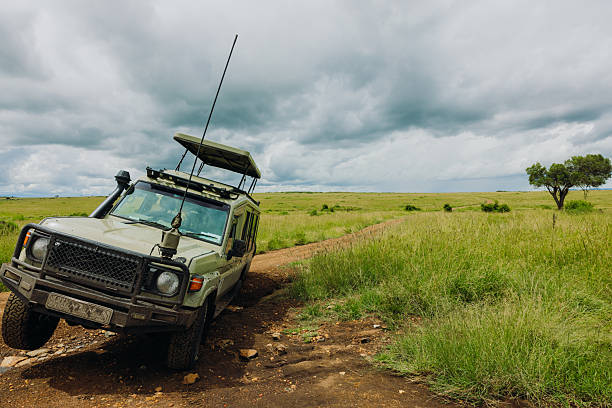

Kondoa Cultural Tourism: Your Essential Guide
Tanzania is celebrated globally for its wildlife safaris and majestic Kilimanjaro climbs. Yet, nestled in the heart of the country lies a destination offering a profound connection to human history and local traditions: Kondoa. The Kondoa rock art sites, a UNESCO World Heritage site, represent one of the most significant concentrations of ancient rock art in Africa. This guide is designed to be your comprehensive resource for planning a visit to Kondoa, focusing on cultural tourism, historical discovery, and authentic experiences. Whether you are considering a trip in 2026 or 2027, understanding the intricacies of this unique destination will ensure a rewarding journey.
This detailed guide covers everything you need to know, from what makes Kondoa a must-visit to practical planning advice, what to expect on the ground, and how to make the most of your cultural exploration. We aim to provide you with all the information necessary to craft an unforgettable experience that goes beyond the typical tourist trail.
Kondoa Cultural Tourism: Quick Facts
| Aspect | Details |
|---|---|
| Location | Central Tanzania, Dodoma Region |
| Primary Attraction | UNESCO World Heritage Rock Art Sites |
| Cultural Significance | Ancient hunter-gatherer and later agriculturalist rock paintings, rich local traditions. |
| Key Activities | Guided tours of rock art sites, village visits, cultural immersion, local market exploration. |
| Best Time to Visit | Dry seasons (June to October, December to February) for easier access and clearer viewing. |
| Traveler Type | History enthusiasts, cultural travelers, those seeking off-the-beaten-path experiences, photographers. |
| Accessibility | Requires travel to Kondoa town, then local transport or guided tours to specific sites. Roads can be challenging, especially in wet seasons. |
Why Visit Kondoa for Cultural Tourism?
Kondoa offers a rare glimpse into the lives of people who inhabited the region thousands of years ago. The rock art sites are not just ancient drawings; they are visual narratives, depicting animals, human figures, and abstract symbols that offer insights into the beliefs, rituals, and daily lives of early inhabitants. The art ranges from the Paleolithic era to more recent times, showcasing a continuous cultural evolution.
Beyond the ancient art, Kondoa provides an opportunity to engage with contemporary Tanzanian culture. The area is home to various ethnic groups, including the Hadzabe (a hunter-gatherer tribe) and the Datoga people, known for their traditional blacksmithing. Interacting with these communities, understanding their customs, and witnessing their way of life offers a deep cultural immersion that is increasingly sought after by travelers.
Choosing Kondoa for your cultural tourism experience means stepping away from mass tourism and into a realm of genuine historical significance and living traditions. It’s about connecting with the land and its people on a more profound level.
Understanding the Kondoa Rock Art Sites
The Kondoa region boasts over 150 rock shelters containing paintings. These sites are spread across a significant area, with some of the most accessible and well-preserved examples found near Kondoa town. The art is divided into several styles, reflecting different periods and cultural influences.
- Early Hunter-Gatherer Art: Often characterized by detailed depictions of animals, these paintings are the oldest, dating back thousands of years.
- Later Agriculturalist Art: These paintings frequently feature human figures engaged in activities like hunting, dancing, and ceremonies. They also include abstract symbols and geometric patterns.
- Recent Paintings: Some sites show more recent art, including depictions of domestic animals and scenes reflecting later societal changes.
The UNESCO World Heritage status recognizes the outstanding universal value of these sites, highlighting their importance as a record of human history and artistic expression. Visiting these sites is a journey back in time, guided by local experts who can interpret the visual stories etched onto the rock faces.
Best Time to Visit Kondoa
Planning your trip to Kondoa for 2026 or 2027 requires considering the climate. Tanzania has two main seasons: the dry season and the wet season.
Kondoa Seasonality Guide
| Period | Description | Pros for Kondoa | Cons for Kondoa |
|---|---|---|---|
| June to October (Dry Season) | Cooler temperatures, minimal rainfall. | Excellent for visiting rock art sites; roads are in better condition, making travel easier. Comfortable for walking and exploring. | Can be cooler, especially in the mornings and evenings. |
| November (Short Rains) | Intermittent showers. | Landscape becomes greener. Fewer tourists. | Some rain can disrupt travel plans; roads might become muddy. |
| December to February (Hot & Dry Season) | Warm to hot temperatures, dry conditions. | Good for visiting, warm weather. | Can be very hot, especially in December and January. |
| March to May (Long Rains) | Heavy rainfall, humid. | Lush scenery. Fewer tourists. | Difficult travel conditions; many roads become impassable. Rock art sites might be harder to access due to mud and vegetation. Not ideal for this specific destination. |
For the best experience with Kondoa cultural tourism, the dry seasons (June-October and December-February) are highly recommended. These periods offer the most stable weather for travel and exploration.
Getting to Kondoa and Navigating the Region
Kondoa is located in the Dodoma Region of Tanzania. The most common entry point is via Dodoma, the capital city, or Arusha, a major hub for northern Tanzania tourism.
From Arusha:
- By Road: This is the most common method. The journey takes approximately 6-8 hours by car, depending on road conditions and vehicle type. A 4×4 vehicle is often recommended, especially if you plan to visit more remote sites or travel during the shoulder seasons. Tours operators can arrange private transport.
- Public Transport: Buses run from Arusha to Kondoa town, but this option offers less comfort and flexibility, and may not be suitable for reaching specific rock art locations.
From Dodoma:
- By Road: Kondoa is about 2-3 hours from Dodoma by car. Again, a 4×4 is advisable for accessing the art sites themselves.
Within Kondoa:
- Once in Kondoa town, you will need local transport to reach the various rock art sites. This typically involves hiring a 4×4 with a driver or joining a guided tour. Many of the sites are a considerable distance from the town center and require navigating unpaved roads.
Route Overview:
Typical Route Flow:
- Arrive in Arusha/Dodoma: Start your journey from a major Tanzanian city.
- Travel to Kondoa Town: Secure transport to the main town.
- Base in Kondoa: Arrange accommodation and local guides/transport.
- Visit Key Rock Art Sites: Explore areas like Kolo, Chemka, and others with your guide. This might involve multiple day trips from Kondoa town.
- Cultural Encounters: Integrate visits to local villages or markets.
- Return to Arusha/Dodoma: Continue your Tanzania itinerary.
Planning Your Kondoa Itinerary
A typical visit to Kondoa can range from 2 to 4 days, depending on your interest level and how deeply you wish to explore the cultural aspects and surrounding areas.
Sample 3-Day Kondoa Cultural Itinerary:
Day 1: Arrival in Kondoa & First Art Sites
- Morning: Travel from Arusha or Dodoma to Kondoa town. Check into your accommodation.
- Afternoon: Meet your local guide. Visit nearby rock art sites such as those around Kolo. Focus on understanding the different styles and historical context.
- Evening: Dinner in Kondoa town, perhaps experiencing local cuisine.
Day 2: Deeper Exploration & Village Life
- Morning: Journey to more remote art sites, potentially involving a 4×4 drive. Explore shelters with significant paintings and learn about their interpretations from your guide.
- Afternoon: Visit a local village. Engage respectfully with community members, learn about daily life, traditional crafts, or farming practices. Consider arranging a visit to a local market if timing aligns.
- Evening: Optional: Attend a local performance if available, or enjoy a quiet evening reflecting on the day’s discoveries.
Day 3: Specialized Interests & Departure
- Morning: Depending on interest, visit specific sites known for particular art styles or historical significance. Alternatively, explore other cultural aspects, such as visiting a local school or interacting with artisans (e.g., if near Datoga communities, though these are often further afield and might require dedicated trips).
- Afternoon: Begin your journey back to Arusha or Dodoma, or to your next destination in Tanzania.
This itinerary is a suggestion and can be customized. For instance, if you are particularly interested in the Hadzabe or Datoga people, you would need to allocate more time and potentially travel to different regions, as they are not always in close proximity to the main Kondoa art sites.
What to Expect: The Kondoa Experience
Visiting Kondoa is a different pace than a typical safari. Expect a more grounded, historical, and community-focused experience.
- The Art: The paintings are often subtle and require a keen eye and the guidance of a knowledgeable local expert to appreciate fully. They are not always vibrant or large; many are delicate and faded, demanding careful observation.
- The Landscape: The region is characterized by dry savanna, hills, and rocky outcrops where the shelters are located. The scenery is beautiful in its own right, offering a contrast to the more famous national parks.
- Local Interaction: Be prepared for genuine interactions with local people. Tanzania is known for its hospitality, and in Kondoa, you’ll have ample opportunity to connect with communities. Always approach with respect and curiosity.
- Infrastructure: Kondoa town has basic amenities, including guesthouses and lodges. Options are simpler compared to major tourist hubs like Arusha. Expect clean, comfortable, but not luxurious accommodations unless you arrange for higher-end services through a tour operator.
- Guides: Local guides are essential. They possess invaluable knowledge of the art sites, their history, and the surrounding culture. Ensure your guide is officially recognized and knowledgeable.
Practicalities: Packing and Preparation
Packing for Kondoa should focus on comfort, sun protection, and suitability for walking and potentially dusty conditions.
Kondoa Packing List Essentials
- Clothing: Lightweight, breathable clothing (long-sleeved shirts and trousers for sun protection and modesty), comfortable walking shoes or hiking boots, a hat for sun protection, a light jacket or fleece for cooler evenings.
- Footwear: Sturdy, closed-toe shoes are a must for walking on uneven terrain.
- Sun Protection: High SPF sunscreen, sunglasses, lip balm with SPF.
- Insect Repellent: Especially for evenings.
- Hydration: Reusable water bottle. Staying hydrated is crucial.
- Camera: With extra batteries and memory cards. Photography of the art is usually permitted, but always ask your guide about specific restrictions.
- Small Backpack: For carrying water, snacks, camera, and personal items during day trips.
- Personal First-Aid Kit: Including any personal medications.
- Hand Sanitizer: For hygiene on the go.
- Cash: While some lodges might accept cards, smaller purchases, tips, and local markets are best handled with Tanzanian Shillings. US Dollars are also widely accepted for tourist services.
- Respectful Attire: When visiting villages, dress modestly (covering shoulders and knees) out of respect for local customs.
Preparation:
- Book in Advance: Especially if planning for peak seasons in 2026 or 2027, booking accommodation and transport through a reputable tour operator is advisable.
- Vaccinations: Consult your doctor or a travel clinic about recommended vaccinations for Tanzania, including Yellow Fever (if arriving from an endemic country) and malaria precautions.
- Visa: Check visa requirements for Tanzania well in advance.
- Travel Insurance: Ensure you have comprehensive travel insurance covering medical emergencies and trip cancellations.
Common Mistakes to Avoid
To ensure a smooth and enriching Kondoa cultural tourism experience, be aware of potential pitfalls:
- Underestimating Travel Times: Roads can be rough, and distances might be longer than they appear on a map. Factor in ample travel time.
- Not Hiring a Local Guide: The rock art is difficult to interpret without local knowledge. A guide is not just for navigation but for understanding the cultural and historical significance.
- Disrespecting Local Customs: Always ask permission before taking photos of people, dress modestly in villages, and be mindful of local traditions.
- Expecting Luxury Infrastructure: Kondoa offers authentic experiences. Accommodations and facilities are generally simpler than in major tourist hubs.
- Ignoring the Weather: Traveling during the rainy season can lead to significant access issues and discomfort.
- Not Staying Hydrated: The climate can be dry and warm, making dehydration a risk. Carry and drink plenty of water.
- Focusing Only on the Art: Remember that Kondoa is also about the living culture. Make time to interact with communities and learn about contemporary life.
Who is Kondoa Cultural Tourism Best Suited For?
Kondoa is a destination for a specific type of traveler, one who values depth and authenticity over convenience and luxury.
- History Buffs: Anyone fascinated by ancient human history, archaeology, and the evolution of art and culture will find Kondoa captivating.
- Cultural Explorers: Travelers eager to understand different ways of life, interact with local communities, and learn about traditions beyond the tourist trail.
- Off-the-Beaten-Path Adventurers: Those who enjoy venturing to less-visited destinations and appreciate the rewards of exploring places that require a bit more effort to reach.
- Photographers: The unique art, landscapes, and cultural encounters offer exceptional photographic opportunities.
- Responsible Travelers: Visitors who prioritize ethical tourism, respect local customs, and wish to support local communities directly.
It might not be the ideal choice for travelers seeking high-end resorts, fast-paced city life, or the typical large-scale wildlife safari experience that Tanzania is also famous for. However, it can be an excellent complement to such trips.
Alternatives and Complements to Kondoa
While Kondoa is unique, other destinations in Tanzania offer rich cultural experiences or historical insights.
Kondoa vs. Other Tanzanian Cultural Destinations
| Destination | Primary Focus | Cultural Aspects | Best For | Proximity to Kondoa |
|---|---|---|---|---|
| Kondoa | Ancient Rock Art, Early Human History | Rock art interpretation, local village life, Hadzabe/Datoga (if arranged) | History enthusiasts, cultural deep dives, off-the-beaten-path explorers | Central Tanzania |
| Olduvai Gorge | Paleoanthropology, Early Human Fossils | Museum exhibits, understanding human evolution | Paleontology fans, those on Northern Circuit safaris | Northern Tanzania (part of safari circuit) |
| Zanzibar (Stone Town) | Swahili Culture, History, Architecture | Spice tours, historical sites, markets, traditional music, Islamic heritage | History, culture, architecture, relaxation | Coastal (requires flight or long drive) |
| Arusha Region (Maasai Villages) | Maasai Culture, Traditional Lifestyle | Visits to Maasai bomas, learning about traditions, daily life | Cultural immersion, learning about pastoralist life | Northern Tanzania (near Arusha) |
| Bagamoyo | Coastal History, Colonial Past, Slave Trade | Historical ruins, museum, former slave route | History buffs interested in colonial and trade history | Near Dar es Salaam (requires travel south) |
Kondoa can be an excellent addition to a longer Tanzanian itinerary, perhaps combined with a visit to Dodoma, or as a unique cultural interlude during a trip that also includes safaris in parks like Tarangire or Manyara, or even a stop before or after Zanzibar.
Planning Your 2026-2027 Trip to Kondoa
As you look ahead to planning your cultural tourism adventure in Kondoa for 2026 or 2027, here are some key considerations:
- Book Your Tour Operator Early: Reputable operators who specialize in cultural tours and can arrange reliable transport and knowledgeable guides for Kondoa are in demand. Booking 6-12 months in advance is recommended, especially for peak travel periods.
- Flexibility with Dates: While dry seasons are best, consider shoulder months (e.g., June or early December) for potentially fewer crowds and slightly lower prices, while still enjoying good weather.
- Customization is Key: Kondoa is not a one-size-fits-all destination. Discuss your specific interests with your tour operator. Do you want to focus more on the art, local village life, or perhaps try to arrange a visit to a specific ethnic group?
- Budgeting: While Kondoa itself might be less expensive than a high-end safari, factoring in transport (especially 4×4 hire), guides, accommodation, and potential community contributions is important. Tour operators can provide detailed quotes.
- Health Preparations: Start researching and consulting with your doctor about necessary vaccinations and malaria prophylaxis at least 2-3 months before your trip.
- Research Your Operator: Look for operators with experience in cultural tourism and specific knowledge of the Kondoa region. Check reviews and ask for references.
Booking Your Kondoa Cultural Tour
Choosing the right tour operator is crucial for a successful Kondoa cultural tourism experience. A good operator will:
- Have extensive knowledge of Kondoa and its rock art sites.
- Provide experienced, licensed local guides.
- Arrange safe and reliable transportation, including 4×4 vehicles where necessary.
- Offer comfortable and appropriate accommodation options.
- Help with logistical planning, including transfers and potential onward travel.
- Ensure your visit is conducted respectfully and ethically.
We, at Best Tanzania Tour Operator, specialize in creating authentic and enriching travel experiences across Tanzania, including in-depth cultural tours to Kondoa. We understand the nuances of this unique destination and are committed to providing our clients with unforgettable journeys.
Contact us to start planning your Kondoa cultural tourism adventure for 2026-2027:
- WhatsApp: +255616946642
- Email: topguideadventures@gmail.com
- Backup Email: info@topguideadventures.com
Let us help you craft a personalized itinerary that connects you with the rich history and vibrant culture of Kondoa.
Frequently Asked Questions (FAQs) about Kondoa Cultural Tourism
Q1: Is Kondoa safe for tourists?
Yes, Kondoa is generally considered safe for tourists, especially when traveling with reputable tour operators and guides. Like any destination, it’s wise to be aware of your surroundings and follow local advice. The main focus of concern is often road safety due to conditions, which a good operator will manage.
Q2: Can I visit Kondoa independently?
While it’s technically possible to reach Kondoa town using public transport, visiting the actual rock art sites independently is challenging and not recommended. You would need to arrange local transport (likely a 4×4), find knowledgeable guides, and navigate the remote areas. Booking through a tour operator ensures you have the necessary logistics and expertise.
Q3: What is the best way to see the rock art?
The best way is with a local, licensed guide who can explain the significance, history, and interpretations of the paintings. They know the locations, the best viewing spots, and can help you spot details you might otherwise miss. A 4×4 vehicle is often necessary to reach the more remote shelters.
Q4: Are there specific rules about photographing the rock art?
Generally, photography of the rock art is permitted for personal use. However, flash photography is usually discouraged as it can potentially damage the delicate pigments over time. Always ask your guide for specific site regulations. Never touch the paintings.
Q5: What kind of accommodation is available in Kondoa?
Accommodation in Kondoa town is typically basic but clean and comfortable. Options include guesthouses and small lodges. For a more comfortable or customized experience, tour operators can often arrange for better-equipped lodges or campsites, though luxury options are limited within Kondoa itself.
Q6: How much walking is involved?
Visiting the rock art sites involves walking, sometimes over uneven, rocky, or sandy terrain. The distance can vary from a short walk from the vehicle to more significant hikes depending on the specific shelter. Comfortable walking shoes are essential.
Q7: Can I interact with the Hadzabe or Datoga people in Kondoa?
While Kondoa is a hub for rock art, the Hadzabe and Datoga communities are often found in more remote areas, sometimes requiring dedicated trips. Some tour operators can arrange respectful visits to these communities, but it’s important to manage expectations and ensure such visits are ethical and beneficial to the communities involved. This may require specific itinerary planning outside of the immediate Kondoa art sites.
Q8: What currency should I use in Kondoa?
The local currency is the Tanzanian Shilling (TZS). US Dollars are widely accepted for tourist services, especially by tour operators and for larger payments. However, for smaller purchases, local markets, and tips, it’s best to have Shillings. ATMs are available in Kondoa town but may not always be reliable, so it’s advisable to carry sufficient cash.
Q9: What if I’m planning for 2026 or 2027? Should I book now?
For travel in 2026 or 2027, especially if you are targeting peak seasons (June-October), booking your tour operator and key arrangements 6-12 months in advance is highly recommended. This ensures availability and allows for proper planning, including securing the best guides and transport.
Q10: What is the difference between Kondoa and other rock art sites in Africa?
Kondoa is distinguished by the sheer density and chronological depth of its art, spanning from ancient hunter-gatherer periods to later agricultural societies. The UNESCO recognition highlights its exceptional universal value as a continuous record of human cultural development and artistic expression over millennia, offering a unique window into Africa’s ancient past.
Plan Your Unforgettable Kondoa Cultural Tourism Experience
Kondoa offers a rare opportunity to connect with Africa’s ancient past and its vibrant living cultures. It’s a destination that rewards curiosity, respect, and a desire for authentic experiences. By understanding its unique attractions, planning carefully, and choosing the right partners, your visit can be truly exceptional.
We are passionate about showcasing the diverse beauty and rich heritage of Tanzania. If you are planning a trip for 2026 or 2027 and are interested in experiencing the Kondoa Cultural Tourism sites, we invite you to get in touch. Our team is ready to help you design a personalized itinerary that meets your interests and travel style.
Contact us today to begin planning your Kondoa adventure:
- WhatsApp: +255616946642
- Email: topguideadventures@gmail.com
- Backup Email: info@topguideadventures.com
Let us help you discover the ancient stories etched in stone and the warm hospitality of the people of Kondoa.
Plan your Kondoa Cultural Tourism Guide with Top Guide Adventures
Tell us your travel dates, group size, comfort level, and dream experience. We will help you shape a clear, realistic, and memorable Tanzania itinerary.

 Veedesigner
 Fatma Kizanga
 Benjamin Waryuba
 Philip Philip
 John jr Itaja
 Antonia Optatus
 Edith Kanyere
 Neema Iddy
 Kelvin Boniphace
 Damari Maiga



