
Updated planning guide for 2026-2027
Kondoa Rock Art From Dodoma: Complete Guide 2026-2027
Discover the ancient wonders of Kondoa Rock Art in Dodoma, Tanzania. This comprehensive guide provides essential information for travelers planning a visit in 2026-2027, from historical context to practical planning advice.
WhatsApp +255616946642 | topguideadventures@gmail.com | info@topguideadventures.com

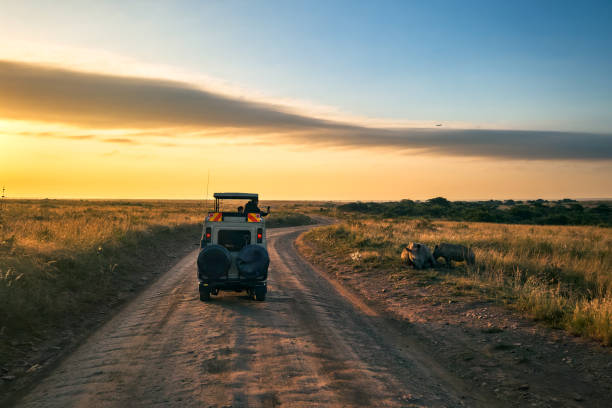
Kondoa Rock Art: Essential Travel Guide 2026-2027
The Kondoa Rock Art sites, located in the Dodoma Region of Tanzania, represent one of Africa’s most significant and extensive collections of ancient rock paintings. Designated a UNESCO World Heritage site, these galleries offer a unique window into the lives, beliefs, and artistic expressions of past human populations. For travelers seeking to connect with Tanzania’s deep history and cultural heritage beyond the typical safari circuit, a visit to Kondoa promises a profound and educational experience. This guide provides everything you need to plan your exploration of the Kondoa Rock Art for 2026-2027.
Kondoa Rock Art: Quick Facts
| Location | Dodoma Region, Tanzania |
|---|---|
| Designation | UNESCO World Heritage Site |
| Significance | One of Africa’s largest and best-preserved rock art sites |
| Age of Paintings | Estimated 500 to 10,000 years old |
| Main Sites | 33 documented sites, with Kolo, Thawi, and Pahi being prominent |
| Art Styles | Figurative, abstract, depicting animals, humans, and symbolic representations |
| Best Time to Visit | Dry seasons (June-October, December-February) |
| Access | Primarily via road from Dodoma city or Arusha |
| Guided Tours | Essential for access and interpretation |
Understanding the Kondoa Rock Art Heritage
The Kondoa Rock Art sites are not just a collection of ancient drawings; they are a living testament to human history, spanning millennia. The paintings were created by various groups, including hunter-gatherers and later agricultural communities, over thousands of years. These artworks provide invaluable insights into their daily lives, spiritual practices, social structures, and their relationship with the natural environment. The sheer scale and diversity of the art, found across numerous caves and rock shelters, make it a truly exceptional cultural treasure.
The art is typically found on the walls of rock shelters and overhangs, often in remote and scenic landscapes. The pigments used were derived from natural minerals, such as ochre for reds and yellows, charcoal for blacks, and kaolin for whites. The styles vary significantly, from detailed depictions of animals like giraffes, elephants, and antelopes, to human figures engaged in activities like hunting or dancing, and abstract geometric patterns whose meanings remain subjects of study.
Why Visit the Kondoa Rock Art?
For the discerning traveler in 2026-27, the Kondoa Rock Art offers several compelling reasons to include it in an itinerary:
- Deep Historical Connection: Step back in time and witness art created by ancestors thousands of years ago.
- Cultural Immersion: Gain a deeper understanding of Tanzania’s rich cultural history and the evolution of human societies.
- Unique UNESCO Site: Explore a World Heritage site that is less visited than many other African equivalents, offering a more intimate experience.
- Off-the-Beaten-Path Adventure: Venture beyond the popular safari routes to discover a different facet of Tanzania.
- Educational Value: Learn from local guides about the art’s symbolism, the communities that created it, and its ongoing significance.
Best Time to Visit Kondoa Rock Art
The climate in the Kondoa region is generally semi-arid. The best times to visit are during the dry seasons, which offer more comfortable weather for exploring the open-air sites and easier road conditions.
Seasonality for Kondoa Rock Art Visits
| Season | Months | Conditions | Pros | Cons |
|---|---|---|---|---|
| Dry Season 1 | June – October | Cooler temperatures, dry, sunny days | Ideal for walking and exploring, fewer insects | Can be cooler in mornings/evenings |
| Short Rains | November – December | Intermittent showers, warming up | Lush scenery, fewer crowds | Possibility of rain disrupting plans |
| Long Rains | March – May | Heavy rainfall, humid | Very green landscape | Difficult road conditions, frequent rain, many sites might be inaccessible |
| Dry Season 2 | December – February | Hotter temperatures, dry, sunny days | Good for exploring, generally accessible roads | Can be very hot, occasional short showers |
For most visitors, the primary dry season from June to October is considered the optimal period. The secondary dry season from December to February is also a good option, though it can be significantly hotter. The shoulder months of November and March can offer a balance, but always be prepared for potential rain.
Key Rock Art Sites and What to Expect
The Kondoa Rock Art UNESCO World Heritage site encompasses 33 documented rock art shelters. While exploring all of them is challenging and time-consuming, several key sites offer a representative and impactful experience. The most accessible and commonly visited sites are around the Kolo area.
- Kolo Sites: These are among the most famous and accessible. You’ll find numerous shelters here, often requiring short hikes to reach. The paintings often depict animals, human figures, and geometric patterns. The local guides are crucial here for identifying the art and explaining its context.
- Thawi: Another significant cluster of rock shelters, Thawi offers a diverse range of artistic styles and subjects. The journey to Thawi can be more rugged, adding to the sense of adventure.
- Pahi: Known for its particularly vibrant and well-preserved paintings, Pahi is another important site that showcases the artistic skill of ancient inhabitants.
What to Expect During a Visit:
- Guided Exploration: Access to the rock art sites is strictly controlled, and a local guide is mandatory. These guides are invaluable for navigating the terrain, understanding the cultural significance of the paintings, and ensuring the preservation of the sites.
- Walking and Hiking: Reaching many of the rock shelters involves walking or light hiking, sometimes on uneven or rocky terrain. Comfortable walking shoes are essential.
- Exposure to Elements: The sites are outdoors, so expect to be exposed to the sun, heat, and potentially wind or rain. Protective clothing, hats, and sunscreen are recommended.
- Cultural Sensitivity: Remember that these are sacred and historically important sites. Always follow your guide’s instructions, avoid touching the paintings, and maintain a respectful demeanor.
Sample Itinerary: Exploring Kondoa Rock Art
A visit to the Kondoa Rock Art can be integrated into a broader Tanzania trip, often as a stop between safaris or en route to other destinations. Here’s a sample itinerary focusing on the rock art, assuming arrival in Dodoma.
3-Day Kondoa Rock Art Discovery (from Dodoma)
-
Day 1: Arrival in Dodoma & Transfer to Kondoa
- Arrive at Dodoma Airport (DOD) or travel overland to Dodoma city.
- Meet your guide and driver.
- Drive from Dodoma to Kondoa town (approximately 2-3 hours). The drive offers glimpses of rural Tanzanian life.
- Check into your accommodation near Kondoa.
- Afternoon: Visit a local village and potentially a nearby, easily accessible rock art site to get an introduction.
- Evening: Dinner and briefing for the next day’s exploration.
-
Day 2: Full Day of Rock Art Exploration
- Morning: After breakfast, head out with your guide to explore the Kolo rock art sites. This will involve short hikes to various shelters. Spend ample time at each site, listening to your guide’s explanations.
- Lunch: Enjoy a packed lunch amidst the scenic landscape.
- Afternoon: Continue to other significant sites like Thawi or Pahi, depending on accessibility and your interests. The focus is on appreciating the art and the surrounding environment.
- Late Afternoon: Return to your accommodation.
- Evening: Relax and reflect on the day’s discoveries.
-
Day 3: Morning Exploration & Departure
- Morning: Visit one last rock art site or revisit a favorite from the previous day for a different perspective. Alternatively, engage in a cultural interaction with local communities.
- Late Morning: Begin the drive back to Dodoma.
- Afternoon: Depending on your onward travel plans, you can be dropped off at Dodoma Airport or your hotel in Dodoma.
Note: This is a sample. It can be extended or shortened, and integrated into larger itineraries. For instance, you could combine it with a visit to the capital city, Dodoma, or use it as a stopover on a longer journey between Northern Tanzania (safari circuit) and southern destinations.
Route and Area Overview (Text-Based)
The Kondoa Rock Art sites are spread across a rugged landscape in the Dodoma Region. The primary access point is typically via the main road connecting Dodoma city to Kondoa town. From Kondoa town, local tracks and paths lead to the various clusters of rock shelters.
Simplified Route Illustration
- Start: Dodoma City (Regional Capital)
- Travel North: Via Arusha Road (T1) then branching off towards Kondoa.
- Kondoa Town: Main administrative and service center for the area.
- Branching Out: From Kondoa town, local guides will lead you on smaller roads and tracks to:
- Kolo Rock Art Sites (most common cluster)
- Thawi Rock Art Sites
- Pahi Rock Art Sites
- Other scattered shelters
- Terrain: Expect paved roads to Kondoa town, then unpaved, sometimes rough tracks leading to the sites. Walking is required to reach the actual art.
The landscape is characterized by hills, valleys, and rock outcrops, which have provided natural shelters for ancient artists. The area is predominantly rural, with farming and pastoralism being the main economic activities.
What to Pack and Prepare
Proper preparation ensures a more enjoyable and comfortable experience exploring the Kondoa Rock Art sites.
Packing & Preparation Checklist
- Clothing: Lightweight, breathable clothing suitable for warm to hot weather. Long sleeves and trousers are recommended for sun protection and to ward off insects.
- Footwear: Sturdy, comfortable walking shoes or hiking boots with good grip.
- Sun Protection: Wide-brimmed hat, sunglasses, and high SPF sunscreen.
- Insect Repellent: Especially important during dawn and dusk.
- Water Bottle: Carry plenty of water. Staying hydrated is crucial, especially in the heat. Your tour operator will likely provide bottled water.
- Camera: To capture the stunning landscapes and, where permitted, the art (check regulations).
- Binoculars: Useful for observing wildlife in the surrounding areas.
- Small Backpack: To carry essentials like water, snacks, camera, and a light jacket.
- Personal First-Aid Kit: Including any personal medications.
- Hand Sanitizer: For hygiene on the go.
- Cash: For tips to guides or small purchases in local markets (if time permits).
- Passport & Visa: Ensure these are in order for entry into Tanzania.
- Travel Insurance: Highly recommended for any trip.
- Bookings: Confirm all tour arrangements, accommodation, and transport in advance.
Common Mistakes to Avoid
To make the most of your Kondoa Rock Art experience and avoid potential pitfalls:
- Not Hiring a Local Guide: This is not optional. Guides are mandatory, and they are essential for accessing sites, understanding the art, and respecting cultural protocols.
- Underestimating the Terrain: While not extreme trekking, some sites require walking on uneven ground. Do not wear flip-flops or inappropriate footwear.
- Ignoring the Weather: The sun can be intense. Always carry water, wear sun protection, and be mindful of the heat.
- Touching the Paintings: This is strictly forbidden and damages the delicate artwork. Maintain a respectful distance.
- Expecting Extensive Facilities: The rock art sites are in natural, often remote environments. Facilities are minimal to non-existent.
- Rushing the Experience: The Kondoa Rock Art is a place for contemplation and learning. Allow ample time to appreciate the art and its context.
- Not Booking in Advance: Especially if you plan to visit in peak season or want a specific type of experience, book your tour well ahead of time.
- Confusing with Safari Destinations: Kondoa is a cultural and historical destination, not a wildlife park. Manage your expectations accordingly.
Who is Kondoa Rock Art Best For?
The Kondoa Rock Art sites are ideal for a specific type of traveler:
- History Enthusiasts: Those fascinated by ancient human history, archaeology, and the evolution of art.
- Cultural Explorers: Travelers eager to understand the deep cultural roots and heritage of Tanzania beyond its wildlife.
- Off-the-Beaten-Path Adventurers: Individuals who enjoy exploring less-touristed destinations and experiencing authentic local life.
- Educational Travelers: Those looking for a learning experience, keen to engage with guides and absorb new knowledge.
- Photography Buffs: Interested in unique landscapes and the visual stories told by ancient art.
- Travelers on Longer Tanzania Itineraries: Those looking to add a unique cultural dimension to a safari, Kilimanjaro climb, or Zanzibar holiday.
It may not be the primary focus for travelers whose sole interest is seeing the ‘Big Five’ on a fast-paced safari or who prefer luxury resorts with extensive amenities.
Alternatives and Similar Experiences in Tanzania
While Kondoa is unique, Tanzania offers other compelling cultural and historical experiences:
- Chuma Caves (near Arusha): While not as extensive as Kondoa, these caves contain some rock art and offer a more accessible cultural stop near Arusha.
- Engaruka Ruins (near Arusha): An ancient agricultural community with fascinating ruins and irrigation systems, offering insights into past societal organization.
- Hadza and Datoga Cultural Visits (near Lake Eyasi): While not rock art, these visits offer a profound glimpse into the lives of hunter-gatherer (Hadza) and artisan (Datoga) communities, providing a different kind of historical and cultural immersion.
- Swahili Coast Heritage (Zanzibar, Kilwa Kisiwani): Explore the rich history of the Swahili coast, from ancient trade routes and architecture in Stone Town to the impressive ruins of Kilwa Kisiwani, another UNESCO World Heritage site.
Kondoa stands out for its sheer scale and the age of its rock paintings, offering a perspective on human history that is unparalleled in East Africa.
Planning Your Kondoa Rock Art Trip for 2026-2027
Planning ahead is key to a successful trip, especially when visiting a destination like Kondoa. For 2026-2027, consider these planning tips:
- Book with a Reputable Local Operator: This is crucial. A good operator will arrange knowledgeable local guides, reliable transport, and suitable accommodation. They understand the logistics and cultural nuances.
- Combine with Other Destinations: Kondoa is best experienced as part of a larger Tanzania itinerary. It can be a stopover between safari destinations (like Tarangire or Manyara) and Dodoma, or a cultural add-on to a Kilimanjaro climb or Zanzibar holiday.
- Allocate Sufficient Time: While a day trip from Dodoma is possible, spending at least two full days in the Kondoa area allows for a more in-depth exploration of multiple sites and a deeper appreciation.
- Consider Transportation: Most tours will include a 4×4 vehicle and driver/guide. The roads can be rough, so a reliable vehicle is important.
- Accommodation: Options near Kondoa are generally more basic than in major tourist hubs. Expect guesthouses or modest lodges. Some travelers opt to stay in Dodoma and make day trips, but this involves significant driving.
- Budget: While not as expensive as a luxury safari, factor in costs for guides, park/site entry fees (if applicable), transport, and accommodation. Your tour operator can provide a detailed quote.
- Health Precautions: Consult your doctor about necessary vaccinations and malaria precautions for Tanzania.
Booking Advice for Kondoa Rock Art Tours
When you’re ready to book your adventure to the Kondoa Rock Art, follow these steps:
- Research Tour Operators: Look for Tanzania-based operators with experience in cultural tourism and operating in the Dodoma region. Online reviews and recommendations can be helpful.
- Contact Directly: Reach out to your chosen operators with your desired dates, duration, and any specific interests.
- Inquire About Inclusions: Ensure your quote clearly states what is included: accommodation, all meals, park/site fees, guide fees, transport, and any activities.
- Ask About Guides: Confirm that you will have knowledgeable local guides who are fluent in English (or your preferred language) and understand the rock art’s significance.
- Clarify Itinerary: Discuss the proposed itinerary to ensure it aligns with your interests and physical capabilities.
- Payment Terms: Understand the deposit requirements and cancellation policy.
- Confirm Support: For 2026-2027 travel, ensure your operator provides 24/7 support during your trip.
Choosing a local operator like Best Tanzania tour operator ensures that your trip directly benefits the local economy and that you receive authentic insights. You can reach us for custom trip planning:
WhatsApp: +255616946642
Email: topguideadventures@gmail.com
Backup Email: info@topguideadventures.com
Frequently Asked Questions (FAQs)
- What are the Kondoa Rock Art sites?
- The Kondoa Rock Art sites are a collection of ancient rock paintings located in the Dodoma Region of Tanzania. They are a UNESCO World Heritage site and represent one of the most extensive and well-preserved rock art traditions in Africa, dating back thousands of years.
- Is a guide mandatory for Kondoa Rock Art?
- Yes, a local guide is mandatory for visiting the Kondoa Rock Art sites. They are essential for navigation, interpretation of the art, and ensuring the preservation of these culturally significant locations.
- What is the best time of year to visit Kondoa Rock Art?
- The best time to visit is during the dry seasons, generally from June to October and December to February. These periods offer more pleasant weather for exploring and better road conditions.
- How do I get to the Kondoa Rock Art sites?
- Access is typically via road. Most travelers start from Dodoma city, which is about a 2-3 hour drive to Kondoa town. From Kondoa town, local guides lead visitors to the various rock art shelters using 4×4 vehicles and walking.
- What kind of accommodation is available near Kondoa?
- Accommodation options near Kondoa are generally more basic, including guesthouses and modest lodges. Some travelers may choose to stay in Dodoma city and take day trips, though this involves significant travel time.
- Can I take photos of the rock art?
- Photography is usually permitted for personal use, but it is crucial to check with your guide. Touching the paintings is strictly forbidden to preserve them. Flash photography may also be restricted.
- What should I wear and bring for a Kondoa Rock Art visit?
- Wear comfortable walking shoes, lightweight clothing (long sleeves and trousers for sun protection), a hat, and sunglasses. Bring plenty of water, sunscreen, insect repellent, and a small backpack.
- Are the Kondoa Rock Art sites suitable for all ages?
- The sites involve walking and sometimes light hiking on uneven terrain. While generally accessible, it may be challenging for very young children or individuals with significant mobility issues. Discuss your needs with your tour operator.
- How long does a visit to Kondoa Rock Art typically take?
- A minimum of one full day is recommended to see a few key sites. However, to explore more extensively and gain a deeper understanding, a 2-3 day itinerary focused on the Kondoa area is ideal.
- What are the main differences between Kondoa and other Tanzanian attractions like safaris?
- Kondoa Rock Art is a cultural and historical destination focused on ancient human art and heritage. Safaris focus on wildlife viewing in national parks and game reserves. They offer very different, but equally enriching, experiences of Tanzania.
- Is it safe to travel to the Kondoa region in 2026-2027?
- The Kondoa region is generally safe for tourists, especially when traveling with reputable tour operators and local guides. Standard travel precautions apply. It is advisable to stay informed about any local advisories and ensure you have travel insurance.
Plan Your Unforgettable Journey to Kondoa Rock Art
The Kondoa Rock Art sites offer a unique opportunity to connect with the ancient past of Tanzania. It’s a journey into human history, art, and culture that provides a profound perspective. Whether you’re a history buff, a cultural enthusiast, or an adventurous traveler seeking the road less traveled, this UNESCO World Heritage site in Dodoma promises an enriching experience.
For a well-organized and insightful exploration of the Kondoa Rock Art, partner with experts who understand the local landscape and cultural significance. We are here to help you craft the perfect itinerary for your 2026-2027 adventure.
Contact us today to start planning your visit to the Kondoa Rock Art:
WhatsApp: +255616946642
Email: topguideadventures@gmail.com
Backup Email: info@topguideadventures.com
Plan your Kondoa Rock Art from Dodoma with Top Guide Adventures
Tell us your travel dates, group size, comfort level, and dream experience. We will help you shape a clear, realistic, and memorable Tanzania itinerary.







 Veedesigner
 Fatma Kizanga
 Benjamin Waryuba
 Philip Philip
 John jr Itaja
 Antonia Optatus
 Edith Kanyere
 Neema Iddy
 Kelvin Boniphace
 Damari Maiga



