


A Kondoa UNESCO Rock Art tour offers a profound journey into one of Africa’s most significant prehistoric sites, showcasing thousands of ancient paintings that span over 10,000 years of human history. These tours typically involve guided explorations of various rock shelters and caves within the Kondoa Irangw National Park, providing insights into the lives, beliefs, and artistic expressions of early human inhabitants. Planning a visit for 2026 or 2027 involves understanding the best times to travel, the types of rock art to expect, logistical considerations, and how to arrange a responsible and enriching experience, often starting from nearby towns like Dodoma or Arusha.
Discovering the Kondoa UNESCO Rock Art Sites: A Unique Tanzanian Treasure
Tanzania is renowned for its breathtaking wildlife safaris, iconic Mount Kilimanjaro, and idyllic Zanzibar beaches. However, for the discerning traveler seeking a deeper connection to human history and culture, the Kondoa UNESCO Rock Art sites present an unparalleled opportunity. This sprawling archaeological landscape, recognized for its outstanding universal value by UNESCO, is a living museum of prehistoric art, offering a visual narrative of human evolution in East Africa.
Unlike many other archaeological sites, the Kondoa rock art isn’t confined to a single location. Instead, it’s spread across a vast area, primarily within the Kondoa District of the Dodoma Region. The art is found in numerous rock shelters and overhangs, meticulously painted by hunter-gatherer and later agro-pastoralist communities. These paintings are not mere decorations; they are records of ritual practices, social structures, ecological knowledge, and the spiritual lives of people who lived here millennia ago.
A dedicated Kondoa UNESCO Rock Art tour is essential for navigating this complex and extensive heritage site. Local guides, often from the indigenous communities, possess invaluable knowledge passed down through generations. They can interpret the symbolism, explain the different artistic styles that evolved over thousands of years, and lead you to the most significant and accessible painting sites. This ensures that your exploration is not only informative but also respectful of the cultural and environmental significance of the area.
Why Visit Kondoa? The Significance of the Rock Art
The Kondoa rock art is globally significant for several reasons:
- Longevity and Continuity: The paintings date back as far as 10,000 years ago, with some of the earliest possibly originating from the Later Stone Age. Crucially, the tradition of painting continued into the Iron Age and even into more recent historical periods, demonstrating an unbroken artistic and cultural lineage. This continuity provides a unique window into long-term societal and environmental changes.
- Artistic Diversity: The art features a remarkable range of styles and subjects. Early paintings often depict animals, particularly large game, in detailed and naturalistic styles. Later paintings show more stylized human figures, geometric patterns, and scenes that may represent social activities, rituals, or historical events.
- Cultural Interpretation: The art offers profound insights into the beliefs, social organization, and daily lives of past peoples. Researchers believe some paintings relate to initiation ceremonies, hunting magic, and spiritual practices, providing a tangible link to the ancestors of modern Tanzanian communities.
- UNESCO World Heritage Status: Recognized in 2006, the Kondoa Rock Art area is designated a UNESCO World Heritage site, acknowledging its exceptional universal value and the need for its preservation and study. This status underscores its importance not just for Tanzania but for all of humanity.
Visiting Kondoa is more than just sightseeing; it’s an immersive experience that connects you with the deep roots of human creativity and survival. It offers a stark contrast to the more common tourist trails in Tanzania, providing a more contemplative and intellectually stimulating adventure.
Planning Your Kondoa UNESCO Rock Art Tour: Essential Considerations for 2026-2027
Organizing a trip to Kondoa requires careful planning, especially if you aim to visit in the upcoming years, such as 2026 or 2027. While the sites are accessible, they are not as developed for tourism as national parks like the Serengeti or Ngorongoro. This means a guided tour is not just recommended but practically necessary.
Best Time to Visit
Tanzania’s climate is generally divided into dry and wet seasons. For visiting the Kondoa rock art sites, the dry seasons are generally preferred:
- June to October: This is the peak of the dry season. Skies are clear, temperatures are pleasant, and the landscape is drier, making travel easier. This period is ideal for walking and exploring the rock shelters without significant weather disruptions.
- December to February: This is another dry spell, often referred to as the ‘short dry season’ or ‘short rains’ depending on the year. It can be a good time to visit, though occasional showers are possible.
The long rainy season (March to May) can make some of the unpaved roads leading to the sites challenging, and the humidity can be high. The short rainy season (November) can also bring unpredictable showers. However, visiting during the shoulder seasons (like November or early December, or late February/early March) can offer fewer crowds and potentially lower costs for accommodations and services.
Getting to Kondoa
Kondoa is located in central Tanzania. The most common ways to reach the area are:
- From Arusha: Many travelers start their Tanzanian adventures in Arusha. The drive to Kondoa town is approximately 5-7 hours, depending on road conditions and the specific starting point. This journey can be done by private vehicle or, for a more local experience, by public bus (though this is less comfortable and significantly slower).
- From Dodoma: As the capital city, Dodoma is closer to the main rock art sites. The drive from Dodoma to Kondoa town is about 2-3 hours. Many tours might incorporate Kondoa as part of a larger circuit starting or ending in Dodoma.
- From Dar es Salaam: It’s a longer journey, typically 7-9 hours by road from Dar es Salaam to Kondoa.
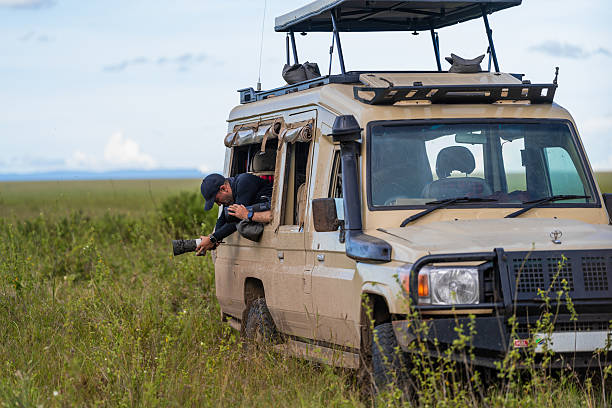
A reputable tour operator will arrange comfortable and reliable transportation, usually a 4×4 safari vehicle, which is essential for navigating some of the more remote tracks leading to the art sites, especially after rain. The actual exploration within the park often involves walking, sometimes on uneven terrain.
Accommodation Options
Accommodation near the Kondoa rock art sites is more limited and basic compared to major tourist hubs. Options typically include:
- Guesthouses and Lodges in Kondoa Town: These offer simple but clean rooms, often with en-suite bathrooms. They are functional bases for exploring the surrounding areas.
- Community-Based Accommodation: Some initiatives offer homestays or basic lodging managed by local communities, providing a more immersive cultural experience.
- Camping: For the adventurous, camping might be an option, though specific designated campsites with facilities are rare. This would require bringing all your own gear.
Tour packages will typically include accommodation that balances comfort with accessibility to the sites. For travelers planning for 2026 or 2027, it’s advisable to book accommodation in advance, especially if traveling during peak dry seasons.
The Kondoa Rock Art Experience: What to Expect on a Guided Tour
A typical Kondoa UNESCO Rock Art tour is designed to provide a comprehensive and insightful experience. It’s not just about seeing the paintings; it’s about understanding their context, significance, and the stories they tell.
Key Rock Art Sites to Visit
The Kondoa region boasts hundreds of rock art sites, but a tour will usually focus on the most accessible and visually impressive ones. Some of the most notable areas include:
- Kolo Hills: This is one of the most visited areas, featuring several shelters with dense concentrations of paintings. You’ll find depictions of animals, human figures, and geometric designs here. The paintings at Kolo are known for their variety of colors, including red, yellow, and white.
- Cheke: Another important site, Cheke offers a glimpse into different artistic styles and themes, possibly related to ritualistic practices.
- Ndala: This area may feature paintings with unique motifs and styles, contributing to the understanding of the chronological and cultural evolution of the art.
- Msasa: Further sites like Msasa add to the vastness of the art, with each location potentially revealing new insights and artistic expressions.
Your guide will explain the different layers of paintings, identifying styles associated with hunter-gatherers (often more naturalistic animal depictions) and later agro-pastoralist groups (more schematic human figures and symbolic representations). They will point out specific motifs, such as ‘rain makers’ or figures involved in ceremonies, and discuss the pigments used (ochre, charcoal, etc.) and the techniques employed.
Guided Walks and Interpretations
The exploration of the rock art sites involves guided walks, often on footpaths that can be steep or uneven. The duration of these walks varies, but they are generally manageable for most individuals with a reasonable level of fitness. The guides are crucial; they are not just navigators but storytellers and cultural interpreters. They explain:
- The Meaning and Symbolism: While definitive interpretations are debated, guides share traditional knowledge and archaeological hypotheses about what the paintings represent – from hunting strategies and social life to spiritual beliefs and cosmologies.
- The History of the Art: Understanding the different periods of creation and the evolution of styles is key to appreciating the long history of human presence in the region.
- Conservation Efforts: Guides also play a role in educating visitors about the importance of preserving these fragile artworks and the ongoing efforts to protect them.
It’s important to follow your guide’s instructions carefully to avoid damaging the delicate paintings or the surrounding environment. Flash photography is often discouraged to protect the pigments.
Beyond the Art: Cultural Encounters
A well-rounded Kondoa UNESCO Rock Art tour often includes opportunities to interact with the local communities. This might involve:
- Visiting Local Villages: Experiencing daily life, learning about traditional crafts, and understanding the contemporary culture of the people who live in the shadow of these ancient artworks.
- Meeting Local Artisans: Some communities practice traditional crafts that may have roots in the symbolism found in the rock art.
- Learning about Local Life: Understanding the challenges and resilience of communities living in this semi-arid region, and how their lives are intertwined with the natural and historical landscape.
These cultural encounters add another rich dimension to the tour, offering a holistic perspective on the region’s heritage.
Customizing Your Kondoa Tour: Tailoring the Experience
While the core experience of a Kondoa UNESCO Rock Art tour involves visiting the painted shelters, the duration and focus can be customized to suit individual interests and travel styles. Here are some ways to tailor your trip:
Duration Options
- Day Trip: If you are based in Dodoma or passing through, a single day can be dedicated to visiting a few key rock art sites. This is a whirlwind introduction.
- 2-Day Excursion: This is a popular option, allowing for a more relaxed pace and the visit to several distinct sites, perhaps including an overnight stay in Kondoa town.
- 3-Day or Longer: For those deeply interested in archaeology, anthropology, or simply seeking a more immersive cultural experience, a longer stay can be arranged. This might include visiting more remote sites, spending more time with local communities, or combining the visit with other attractions in the Dodoma region.
Combining Kondoa with Other Tanzanian Destinations
Kondoa can be a unique addition to a broader Tanzanian itinerary. Consider these combinations:
- Kondoa and Central Tanzania Safari: Combine your rock art tour with a safari to Ruaha National Park or Selous Game Reserve (Nyerere National Park), which are accessible from Dodoma. This offers a blend of wildlife and ancient history.
- Kondoa and Northern Circuit: While geographically a bit more of a stretch, it’s possible to integrate Kondoa into a northern circuit trip that includes the Serengeti, Ngorongoro, and Kilimanjaro, perhaps as a stopover between Arusha and a southern safari destination. This requires careful logistical planning.
- Kondoa and Cultural Tourism: Pair Kondoa with other cultural tourism initiatives in Tanzania, such as visiting Maasai villages or exploring the Hadzabe bushmen’s traditional lands (though the latter is often done from the Lake Eyasi region, which is a different area).
Private vs. Group Tours
The choice between a private and a group tour depends on your budget and travel preferences:
- Private Tours: Offer maximum flexibility, personalized attention from your guide, and the ability to set your own pace. This is ideal for those with specific interests or who prefer a more intimate travel experience. For 2026 or 2027, booking a private tour well in advance is recommended for popular travel periods.
- Group Tours: Can be more budget-friendly, especially if shared departures are available. These tours follow a set itinerary but still offer a rich experience. For travelers looking for shared departures for budget-friendly safaris, exploring options like group safari dates can be a good starting point, and a reputable operator can help tailor a Kondoa add-on.
Top Guide Adventures specializes in crafting custom itineraries. Whether you’re planning for 2026, 2027, or beyond, they can help design a Kondoa UNESCO Rock Art tour that perfectly matches your interests and schedule.
Practical Tips for Your Kondoa Rock Art Adventure
To ensure a smooth and enjoyable trip to Kondoa, consider these practical tips:
What to Pack
- Comfortable Walking Shoes: Essential for navigating the trails to the rock shelters.
- Lightweight Clothing: Breathable fabrics are best for the warm climate. Long sleeves and trousers can protect against the sun and insects.
- Sun Protection: A wide-brimmed hat, sunglasses, and high-SPF sunscreen are vital.
- Insect Repellent: Especially important for early mornings and late afternoons.
- Water Bottle: Staying hydrated is crucial. Refillable bottles are encouraged.
- Camera: To capture the stunning landscapes and, where permitted and with appropriate settings, the rock art.
- Small Backpack: For carrying water, snacks, camera, and personal items during walks.
- Basic First-Aid Kit: Including any personal medications.
- Binoculars: Useful for spotting wildlife or distant features.
Health and Safety
Consult your doctor regarding recommended vaccinations and malaria precautions for Tanzania. It’s advisable to drink bottled or purified water. Always inform your guide about any health concerns.
Respecting the Site and Culture
The Kondoa rock art sites are a fragile heritage. Visitors are expected to:
- Do not touch the paintings.
- Do not use flash photography directly on the art, as it can cause fading over time.
- Stay on designated paths to avoid disturbing the environment.
- Ask permission before taking photos of people.
- Be respectful of local customs and traditions.
- Do not litter. Pack out everything you pack in.
Adhering to these guidelines ensures the preservation of this invaluable site for future generations and fosters positive interactions with the local communities.
The Future of Kondoa: Conservation and Tourism in 2026-2027 and Beyond
The designation of Kondoa as a UNESCO World Heritage site highlights the global commitment to its preservation. Ongoing conservation efforts focus on protecting the rock art from natural erosion, environmental factors, and potential human impact. Sustainable tourism plays a critical role in this endeavor.
By choosing responsible tour operators who work closely with local communities and adhere to conservation guidelines, visitors contribute directly to the protection of the site. Tour operators like Top Guide Adventures are committed to promoting responsible tourism practices. They ensure that guides are well-trained in both the historical significance of the art and the principles of conservation.
As we look towards 2026 and 2027, the focus will remain on balancing increased visitor interest with the delicate task of preservation. This means that guided tours will continue to be the primary mode of access, ensuring that visitor numbers are managed and that all explorations are conducted with the utmost respect for the heritage site.
There is also potential for further research and discovery within the Kondoa region. As archaeological techniques advance, new insights into the lives of the people who created these paintings may emerge, further enriching the narrative of human history in East Africa. Travelers visiting in the coming years might be among the first to learn about these new findings.
The Kondoa UNESCO Rock Art tour is more than just a trip; it’s an investment in understanding our shared human past and contributing to its future preservation. It offers a profound perspective on the long and vibrant history of human presence in Tanzania.
Ready to Explore Ancient Tanzania?
Discover the incredible legacy of the Kondoa UNESCO Rock Art sites. Let us craft your perfect Tanzanian adventure, blending ancient history with the unforgettable beauty of this diverse country. Whether you’re planning for 2026 or 2027, our expert team is ready to help you create a journey that resonates.
Contact us today to start planning your Kondoa UNESCO Rock Art tour:
- WhatsApp: +255616946642
- Email: topguideadventures@gmail.com
- Backup Email: info@topguideadventures.com
Visit our website for more inspiration on Tanzania tours, safaris, and custom travel experiences: www.topguideadventures.com
Check Availability for Kondoa Unesco Rock Art Tour: Unveiling Tanzanias Ancient Heritage 2026-2027
Ready to compare dates, prices, and the best option for your group? Send the package name and travel month so the team can reply with a clear quote, availability, and what is included.
 3-Day Kondoa Cultural Heritage Package: Unveiling Ancient Rock Art & LocalA detailed 2026-2027 guide to 3-Day Kondoa Cultural Heritage Package, with clear planning and booking information for travelers.View package
 2-Day Kondoa Cave Painting Adventure: Explore Ancient Rock Art In TanzaniaDiscover the ancient wonders of the Kondoa rock art sites on an immersive 2-day adventure. This tour offers a unique glimpse into Tanzania's…View package
 1-Day Kondoa Rock Art Tour: Uncover Ancient Tanzanias Secrets 2026-2027Discover the ancient wonders of Tanzania with a 1-Day Kondoa Rock Art Tour. This immersive experience takes you to UNESCO World Heritage sites…View packageKondoa: Unveiling Tanzanias Ancient Rock Art Heritage 2026-2027Discover the wonders of Kondoa, a UNESCO World Heritage site in Tanzania renowned for its prehistoric rock art. This guide covers what to see…View package3-Day Dodoma And Kondoa Heritage Tour: Unveiling Tanzanias Cultural HeartA 3-day tour to Dodoma and Kondoa offers a unique glimpse into Tanzania's historical depth and contemporary significance, blending ancient rock…View package
 Your 1-Day Dodoma Rock Art Adventure: A Journey Through Tanzanias Ancient PastExperience a unique cultural journey with a 1-day Dodoma rock art adventure. This tour offers a glimpse into ancient human history, showcasing…View package
 Dodoma Photography Tour: Capturing Tanzanias Heartland In 2026-2027Explore a specialized photography tour focused on Dodoma, Tanzania's administrative capital. This tour offers unique opportunities to capture…View packageDodoma Parliament City Experience: A Comprehensive Guide For TravelersDiscover the unique Dodoma Parliament City experience, the political heart of Tanzania. This guide covers its architecture, visitor access, and…View package


