
Updated planning guide for 2026, 2027-2028
Lake Jipe And Mkomazi Tour From Moshi: Complete Guide 2026-2027-2028
Discover the serene beauty of Lake Jipe and the rugged wilderness of Mkomazi National Park on an unforgettable tour from Moshi. This guide covers everything you need to know for your 2026-2027 adventure.
WhatsApp +255616946642 | topguideadventures@gmail.com | info@topguideadventures.com
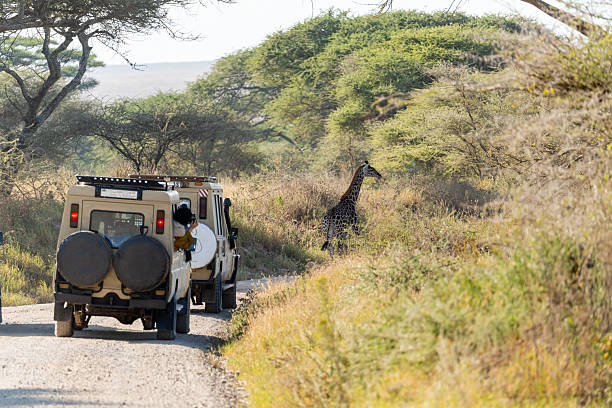
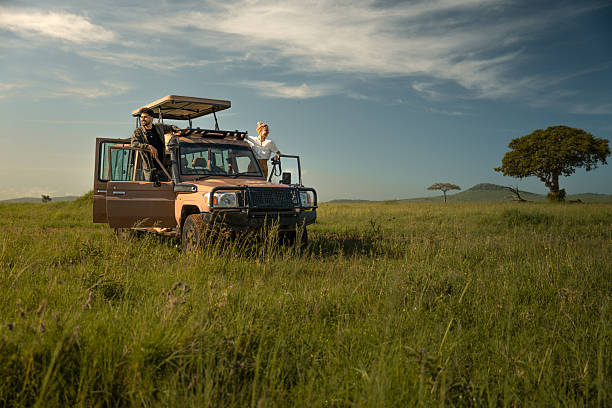
Lake Jipe and Mkomazi Tour From Moshi: The Ultimate Tanzania Adventure Guide
When considering unique excursions beyond the well-trodden safari paths in Tanzania, the combination of Lake Jipe and Mkomazi National Park presents a compelling option for travelers based in Moshi. This tour offers a distinct blend of tranquil lakeside scenery and wild, untamed conservation efforts, providing a different perspective on Tanzania’s natural wonders. For those seeking experiences that go beyond the typical Northern Circuit parks, a Lake Jipe and Mkomazi tour from Moshi offers a rewarding and insightful journey, particularly as you plan for 2026 and 2027.
This guide aims to provide a complete overview of what to expect, how to plan, and why this particular combination of destinations is worth your attention. We will explore the distinct attractions of both Lake Jipe and Mkomazi, detail potential itineraries, discuss the best times to visit, and offer practical advice for making your trip a success.
Table of Contents
- Quick Facts: Lake Jipe & Mkomazi Tour
- Tour Overview: Lake Jipe and Mkomazi National Park
- Why Choose a Lake Jipe and Mkomazi Tour From Moshi?
- Best Time to Visit Lake Jipe and Mkomazi
- Route and Area Overview
- Sample Lake Jipe and Mkomazi Itinerary From Moshi
- What to Expect on Your Tour
- Inclusions, Packing, and Preparation
- Common Mistakes to Avoid
- Who is This Tour Best Suited For?
- Alternatives to Lake Jipe and Mkomazi
- Planning Your 2026-2027 Trip
- Booking Your Lake Jipe and Mkomazi Tour
- Frequently Asked Questions (FAQs)
Quick Facts: Lake Jipe & Mkomazi Tour
| Aspect | Details |
|---|---|
| Primary Starting Point | Moshi, Tanzania |
| Key Destinations | Lake Jipe, Mkomazi National Park |
| Tour Duration | Typically 2-4 days (customizable) |
| Main Activities | Wildlife viewing, birdwatching, cultural interaction, landscape appreciation, conservation site visits |
| Wildlife Highlights | Elephants, giraffes, zebras, various antelopes, rare African wild dogs (Mkomazi), diverse birdlife (Lake Jipe) |
| Accommodation Options | Lodges, tented camps, guesthouses (varying comfort levels) |
| Best Travel Seasons | Dry seasons (June-October, December-February) for game viewing; Wet seasons can be scenic but impact accessibility. |
| Driving Time From Moshi | Lake Jipe: Approx. 3-4 hours; Mkomazi: Approx. 2-3 hours to park entrance |
Tour Overview: Lake Jipe and Mkomazi National Park
The Lake Jipe and Mkomazi tour from Moshi is a thoughtfully curated experience designed to showcase two contrasting yet complementary natural environments in northern Tanzania. This excursion offers a departure from the more crowded national parks, focusing on conservation, unique ecosystems, and a more intimate wildlife encounter.
Lake Jipe, situated on the border with Kenya and fed by the Lumi River, is a Ramsar site known for its tranquil atmosphere and significant birdlife. It’s a vital wetland ecosystem, offering a peaceful contrast to the ruggedness of Mkomazi. Visitors can enjoy boat trips, birdwatching, and interactions with local communities living along its shores, gaining insight into life intertwined with this significant water body.
Mkomazi National Park, on the other hand, is a vast, semi-arid landscape that has become a renowned success story in conservation. Once a degraded area, Mkomazi has been transformed into a sanctuary for endangered species, most notably the black rhino and the African wild dog. The park is part of a larger conservation area that includes the Usambara and Pare Mountains, contributing to a significant biodiversity hotspot. Game drives here are focused on spotting these elusive creatures, alongside other savanna inhabitants like elephants, giraffes, zebras, and various antelope species.
Combining these two destinations in a single tour from Moshi provides a comprehensive understanding of Tanzania’s diverse natural heritage, from its vital wetlands to its successful conservation initiatives. It’s an ideal choice for travelers looking for something different from the standard safari circuit.
Why Choose a Lake Jipe and Mkomazi Tour From Moshi?
Opting for a Lake Jipe and Mkomazi tour from Moshi offers several distinct advantages for the discerning traveler, especially when planning for future trips in 2026 and 2027. This itinerary caters to those who wish to explore beyond the most frequented destinations and appreciate different facets of Tanzania’s natural and conservation landscape.
- Unique Conservation Focus: Mkomazi National Park is a globally recognized conservation success story. Visiting offers a chance to see firsthand the efforts to protect endangered species like the black rhino and the African wild dog. It’s an educational and inspiring experience.
- Diverse Ecosystems: The tour connects the serene, water-rich environment of Lake Jipe with the arid, rugged beauty of Mkomazi. This contrast provides a broader appreciation of Tanzania’s varied landscapes and the unique wildlife each supports.
- Off-the-Beaten-Path Experience: While parks like Serengeti and Ngorongoro are magnificent, they can be crowded. Lake Jipe and Mkomazi offer a more secluded and personal experience, allowing for quieter wildlife viewing and deeper immersion in nature.
- Exceptional Birdwatching: Lake Jipe is a haven for bird enthusiasts, boasting a wide array of resident and migratory species. It’s a perfect complement to the land-based wildlife viewing in Mkomazi.
- Cultural Insights: The areas around Lake Jipe are home to local communities. The tour can incorporate opportunities for respectful cultural exchange, providing a richer understanding of rural Tanzanian life.
- Proximity to Moshi: Both destinations are relatively accessible from Moshi, making them ideal for shorter trips or as additions to longer itineraries without excessive travel time. This efficiency is a key consideration for planning in 2026-2027.
- Support for Conservation: By visiting Mkomazi, travelers directly contribute to the funding and support of vital conservation projects that protect endangered wildlife.
Best Time to Visit Lake Jipe and Mkomazi
The ideal time for a Lake Jipe and Mkomazi tour from Moshi depends on your priorities, whether it’s wildlife viewing, birdwatching, or general comfort. Tanzania experiences distinct wet and dry seasons, which significantly influence the landscape and animal behavior.
Dry Seasons (June to October and December to February):
- Wildlife Viewing: These are generally the best months for game drives in Mkomazi. As water sources become scarce, animals tend to congregate around remaining waterholes, making them easier to spot. The vegetation is also less dense, improving visibility.
- Birdwatching: While resident birds are present year-round, the dry season can concentrate birdlife around limited water sources. Migratory birds are typically present from November to April.
- Lake Jipe: The lake remains a significant water body, but surrounding vegetation might be drier. Birdlife is usually abundant.
- Weather: Expect pleasant temperatures, clear skies, and minimal rainfall. Days are warm, and nights can be cool, especially in Mkomazi’s higher altitudes.
Wet Seasons (March to May and November):
- Scenery: The landscape is lush and green, offering beautiful photographic opportunities.
- Birdwatching: This is an excellent time for birdwatchers, with many migratory species present and resident birds in breeding plumage.
- Mkomazi: Game viewing can be more challenging as animals disperse and vegetation thickens. Roads within the park may become difficult to navigate, especially during the peak rainy months (April-May).
- Lake Jipe: The lake and its surroundings are vibrant. Water levels may be higher, potentially impacting some lakeside activities.
- Crowds: Generally fewer tourists visit during the wet season, offering a more exclusive experience.
Recommendation for 2026-2027 Planning: For a balanced experience with good wildlife viewing and pleasant weather, consider the shoulder months of June, September, or December. If birdwatching is your primary focus, the period from November to April is excellent. For those prioritizing ease of travel and reliable road conditions in Mkomazi, the core dry season from July to October is advisable.
Route and Area Overview
The Lake Jipe and Mkomazi tour from Moshi typically follows a route that takes advantage of the proximity of these destinations to the town and to each other. While a formal map isn’t provided here, the sequence of travel is generally logical.
Starting Point: Moshi
Your journey begins in Moshi, a bustling town at the foot of Mount Kilimanjaro. From here, your vehicle will head towards the destinations.
Route to Lake Jipe:
The drive to Lake Jipe involves heading east and then south from Moshi, often passing through agricultural areas and smaller towns. The route can vary depending on the specific access points to the lake, but it generally takes around 3 to 4 hours. You’ll likely pass through areas near Taveta (on the Kenyan border) and the edge of the Tsavo ecosystem.
Route to Mkomazi National Park:
Mkomazi National Park is located northeast of Moshi. The drive is typically shorter, around 2 to 3 hours to the park’s main gate. The route heads towards the Usambara and Pare Mountains, entering a more arid and rugged terrain. The park has several gates, with the most common access point for tourists being near Same town.
Connecting the Two:
If visiting both in sequence, the order can be flexible. A common approach is:
- Moshi to Lake Jipe: Spend a day or two exploring the lake and its surroundings.
- Lake Jipe to Mkomazi: Travel from Lake Jipe towards Mkomazi. This route might involve backtracking slightly towards the main road network and then heading north. The drive can take several hours, depending on road conditions and exact locations.
- Mkomazi back to Moshi: After exploring Mkomazi, the return journey to Moshi is straightforward, taking approximately 2 to 3 hours.
Alternatively, one might visit Mkomazi first and then proceed to Lake Jipe.
Area Illustration (Conceptual):
| Mos-hi | —-> (approx. 3-4 hrs) —-> | Lake Jipe |
| Lake Jipe | —-> (approx. 3-5 hrs, route dependent) —-> | Mko-mazi NP |
| Mko-mazi NP | —-> (approx. 2-3 hrs) —-> | Mos-hi |
Note: This is a conceptual representation. Actual travel times can vary significantly based on road conditions, vehicle type, and specific starting/ending points.
Sample Lake Jipe and Mkomazi Itinerary From Moshi (3 Days / 2 Nights)
This sample itinerary provides a balanced experience of both Lake Jipe and Mkomazi National Park. It can be customized to suit your interests and available time, especially when planning for 2026 or 2027.
| Day | Morning | Afternoon | Evening | Accommodation Area |
|---|---|---|---|---|
| Day 1: Moshi to Lake Jipe | After breakfast in Moshi, meet your guide and depart for Lake Jipe. The drive takes approximately 3-4 hours, offering glimpses of rural life and changing landscapes. | Arrive at Lake Jipe. Check into your lodge or camp. Enjoy a guided walk along the lake shore, observing local fishing activities and the diverse birdlife. A boat trip on the lake offers unique perspectives and opportunities for birdwatching. | Relax and enjoy the sunset over the lake. Dinner at the lodge/camp. | Lodge/Camp near Lake Jipe |
| Day 2: Lake Jipe to Mkomazi National Park | Enjoy an early morning birdwatching session around Lake Jipe. After breakfast, depart for Mkomazi National Park. The drive can take 3-5 hours depending on the route and road conditions. | Arrive at Mkomazi National Park, check into your accommodation (e.g., Babu’s Camp or a lodge near Same). After settling in, embark on your first game drive in Mkomazi, focusing on exploring the park’s semi-arid plains and seeking out wildlife. | Return to the lodge/camp for dinner. Share stories of the day’s sightings. | Lodge/Camp within or near Mkomazi NP |
| Day 3: Mkomazi National Park to Moshi | An early morning game drive in Mkomazi. This is a prime time to look for the park’s famous black rhinos and African wild dogs, along with elephants, giraffes, and various antelopes. You might also visit the Mkomazi Rhino Sanctuary and the Wild Dog viewing area. | After the morning game drive and breakfast, begin your journey back to Moshi. The drive takes approximately 2-3 hours. You’ll arrive in Moshi by early afternoon, concluding your tour. | N/A | N/A (Return to Moshi) |
Customization Options:
- Add a day at Lake Jipe: For dedicated birdwatchers or those wanting more cultural interaction.
- Add a day in Mkomazi: To explore more remote areas of the park or focus on specific wildlife tracking.
- Combine with other destinations: This tour can be easily combined with climbing Kilimanjaro, exploring Arusha National Park, or visiting the Usambara Mountains.
What to Expect on Your Tour
A Lake Jipe and Mkomazi tour from Moshi offers a unique blend of experiences, distinct from the high-volume safaris in more famous parks. Understanding these differences will help manage expectations and enhance your enjoyment.
- Wildlife Sightings: Mkomazi is renowned for its conservation efforts, particularly for black rhinos and African wild dogs. While these can be elusive, the chances of spotting them are higher here than in many other parks. You can also expect to see elephants, giraffes, zebras, various gazelles and antelopes (like gerenuk and fringe-eared oryx), and a variety of predators. Lake Jipe’s focus is on birdlife and aquatic species, with potential sightings of hippos and crocodiles. Mammal sightings around the lake are less common than in Mkomazi.
- Landscape: Mkomazi presents a vast, semi-arid landscape characterized by dry bushland, acacia trees, and rocky outcrops. It feels wild and remote. Lake Jipe offers a serene, green environment around its shores, with the water body itself being the central feature.
- Infrastructure: Mkomazi has fewer tourist facilities compared to parks like Serengeti. Accommodation options might be more rustic but are often comfortable and strategically located for wildlife viewing. Lake Jipe has a more limited range of accommodation, often focusing on lodges or guesthouses that blend with the natural environment.
- Road Conditions: Roads within Mkomazi can be rough, especially during and just after the rainy season. A 4×4 vehicle is essential. Roads to and around Lake Jipe are generally better but can still be dusty or muddy depending on the weather.
- Activities: Game drives are the primary activity in Mkomazi. At Lake Jipe, activities include guided walks, birdwatching, and boat trips. Cultural interactions with local communities are also possible around Lake Jipe.
- Conservation Experience: A significant part of the Mkomazi experience is understanding its conservation mission. Visitors often have the opportunity to learn about the breeding programs for rhinos and wild dogs, which adds an educational layer to the trip.
- Pace: This tour generally offers a more relaxed pace than a rushed multi-park safari. It allows for deeper engagement with each location.
Inclusions, Packing, and Preparation
To ensure a smooth and enjoyable Lake Jipe and Mkomazi tour from Moshi, careful planning regarding inclusions and packing is crucial. This section provides guidance for your 2026-2027 travel plans.
Typical Inclusions in a Tour Package:
- Accommodation: Lodging for the duration of the tour (as per itinerary).
- Meals: Usually includes breakfast, lunch, and dinner, often starting with lunch on Day 1 and ending with lunch on the final day.
- Transportation: A private 4×4 safari vehicle with a professional driver/guide.
- Park Fees: Entrance fees for Mkomazi National Park and any applicable fees for Lake Jipe areas.
- Activities: Guided game drives, boat trips (if specified), and guided walks.
- Water: Bottled drinking water in the vehicle.
What to Pack:
Pack light and smart, focusing on comfort and practicality.
- Clothing:
- Lightweight, breathable clothing in neutral colors (khaki, green, brown) for game drives. Avoid bright colors.
- Long-sleeved shirts and trousers for sun protection and to ward off insects (especially in the evenings).
- A warm fleece or jacket for cool mornings and evenings, particularly in Mkomazi.
- Comfortable walking shoes or hiking boots.
- Sandals or flip-flops for relaxing at the lodge.
- Swimsuit (if your lodge has a pool).
- A wide-brimmed hat for sun protection.
- Gear:
- Binoculars: Essential for wildlife viewing and birdwatching.
- Camera with extra batteries and memory cards. A zoom lens is highly recommended.
- Sunscreen (high SPF).
- Insect repellent (with DEET).
- Sunglasses.
- A small backpack for day trips and carrying essentials.
- Reusable water bottle.
- Health & Hygiene:
- Personal first-aid kit with any necessary medications.
- Hand sanitizer.
- Malaria precautions (consult your doctor).
- Motion sickness medication if needed for bumpy roads.
- Documents & Money:
- Passport and visa (if required).
- Copies of your passport and travel insurance.
- Cash (USD or Tanzanian Shillings) for tips, souvenirs, and any personal expenses not covered.
Preparation Tips:
- Consult Your Doctor: Discuss necessary vaccinations and malaria prophylaxis well in advance of your trip.
- Travel Insurance: Ensure you have comprehensive travel insurance covering medical emergencies, evacuation, and trip cancellation.
- Fitness: While not strenuous, some walking might be involved. A basic level of fitness is beneficial.
- Learn Basic Swahili Phrases: A few words like ‘Jambo’ (Hello) and ‘Asante’ (Thank you) are always appreciated.
- Understand Tipping Culture: Tipping is customary for guides and lodge staff. Your tour operator can provide guidelines.
Common Mistakes to Avoid
To ensure your Lake Jipe and Mkomazi tour from Moshi is as enjoyable and hassle-free as possible, be aware of these common pitfalls:
- Underestimating Travel Times: While distances might not seem vast on a map, Tanzanian roads, especially off the main highways, can be slow. Factor in extra time for travel between destinations and for game drives.
- Not Packing Appropriately: Forgetting essentials like insect repellent, sunscreen, or warm layers can significantly impact comfort. Mkomazi can get cool in the mornings and evenings.
- Expecting Serengeti-Level Wildlife Density: Mkomazi is a conservation area focused on specific species. While rewarding, wildlife sightings might not be as constant or diverse as in the more famous, larger parks. Patience and good guiding are key.
- Ignoring Weather Conditions: Traveling during the peak rainy season (April-May) can lead to impassable roads in Mkomazi, potentially disrupting the itinerary. Always check current conditions.
- Over-Scheduling: Trying to pack too much into a short trip can lead to a rushed experience. Allow for some downtime and spontaneous moments.
- Not Bringing Binoculars: Wildlife can be distant, and binoculars are essential for appreciating sightings, especially birds at Lake Jipe and distant animals in Mkomazi.
- Failing to Inform Operator of Special Needs: If you have dietary restrictions, mobility issues, or specific interests, communicate them clearly to your tour operator well in advance.
- Not Budgeting for Extras: While packages often include meals and accommodation, remember to budget for tips, drinks, souvenirs, and any optional activities not listed.
- Booking Last Minute for Peak Seasons (for 2026-2027): While this tour is less crowded than some, popular lodges or specific dates can book up. Plan ahead, especially if traveling during popular holiday periods.
Who is This Tour Best Suited For?
The Lake Jipe and Mkomazi tour from Moshi is an excellent choice for specific types of travelers seeking a unique Tanzanian experience. It caters to those who appreciate conservation, diverse landscapes, and a more intimate connection with nature.
- Conservation Enthusiasts: Individuals passionate about wildlife conservation will find Mkomazi particularly inspiring. Learning about the breeding programs for endangered species and the park’s recovery story is a major draw.
- Birdwatchers: Lake Jipe is a significant birding destination. Ornithologists and casual birdwatchers will appreciate the variety of species and the serene environment for observation.
- Travelers Seeking Off-the-Beaten-Path Adventures: Those who want to avoid the crowds of more popular national parks and experience a less commercialized side of Tanzania will enjoy the tranquility and unique atmosphere of these locations.
- Nature Photographers: The contrasting landscapes of the lake and the arid park, along with the opportunities for wildlife and cultural photography, make it appealing for photographers.
- Travelers Interested in Diverse Ecosystems: The tour offers a chance to experience both wetland and semi-arid savanna environments, providing a broader understanding of Tanzania’s ecological diversity.
- Those with Limited Time: The relatively short travel times from Moshi make this tour feasible for those who may not have the time for longer safaris to parks like the Serengeti or Selous. It’s a great add-on or a standalone short trip.
- Curious Explorers: Anyone looking for a different kind of safari experience, one that combines wildlife, natural beauty, and a strong conservation narrative.
This tour is less suited for travelers whose sole focus is seeing the ‘Big Five’ in large numbers within a short timeframe, as Mkomazi’s strength lies in its specific conservation focus and unique species rather than sheer abundance of all large mammals. However, it offers a deeply rewarding experience for those who appreciate its distinct qualities.
Alternatives to Lake Jipe and Mkomazi
While the Lake Jipe and Mkomazi tour offers a unique blend, Tanzania boasts a multitude of incredible destinations. If this specific combination doesn’t perfectly align with your interests or travel plans for 2026-2027, consider these alternatives accessible from Moshi or within the Northern Circuit:
- Arusha National Park:
- Highlights: Mount Meru, Momella Lakes, Ngurdoto Crater. Excellent for walking safaris and canoeing.
- Wildlife: Black and white colobus monkeys, giraffes, zebras, buffaloes, various antelopes.
- Proximity to Moshi: Very close (approx. 1-1.5 hours).
- Comparison: Offers more diverse activities like walking safaris and canoeing, closer to Moshi, but generally has fewer large predators than Mkomazi’s potential.
- Tarangire National Park:
- Highlights: Known for its large elephant herds, baobab trees, and diverse birdlife.
- Wildlife: Huge elephant populations, lions, leopards, cheetahs, many bird species.
- Proximity to Moshi: Requires travel towards the main Northern Circuit parks (approx. 4-5 hours drive from Moshi).
- Comparison: Offers higher densities of elephants and a more classic safari experience. Less focused on conservation success stories like Mkomazi, and more on general game viewing.
- Lake Manyara National Park:
- Highlights: Famous for its tree-climbing lions, large baboon troops, and diverse birdlife. It’s a smaller park, offering varied habitats.
- Wildlife: Tree-climbing lions, elephants, hippos, flamingos (seasonal), diverse birdlife.
- Proximity to Moshi: Similar to Tarangire (approx. 4-5 hours drive).
- Comparison: Offers unique sights like tree-climbing lions and a rich birdlife. Smaller than Mkomazi, making it easier to cover in a short time.
- Chyulu Hills National Park (Kenya):
- Highlights: Volcanic landscapes, cloud forests, unique flora and fauna. Offers opportunities for walking and cultural visits.
- Wildlife: Elephants, buffaloes, various antelopes, unique bird species.
- Proximity to Moshi: Requires crossing the border into Kenya, typically accessed via Tsavo West. Travel time can be significant (6+ hours depending on border crossing).
- Comparison: Offers a different landscape and conservation focus (often community-led initiatives). Requires international border crossing.
- Usambara Mountains:
- Highlights: Lush montane forests, hiking, birdwatching, rich biodiversity, local communities.
- Wildlife: Primarily known for its endemic birds and unique flora; less for large mammals.
- Proximity to Moshi: Relatively close (approx. 2-3 hours drive).
- Comparison: Focuses on hiking, nature walks, and biodiversity rather than classic game drives. A great option for trekkers and nature lovers.
When choosing, consider your primary interests: are you seeking conservation stories, specific wildlife, diverse landscapes, or active pursuits like hiking?
Planning Your 2026-2027 Trip
Planning your Lake Jipe and Mkomazi tour from Moshi for 2026 and 2027 requires foresight to ensure the best experience. Here’s a guide to help you prepare:
- Book in Advance: While not as high-demand as Serengeti, popular lodges or specific travel dates (like Christmas/New Year 2026-2027) can fill up. Booking 6-12 months ahead is advisable, especially for custom itineraries.
- Choose the Right Operator: Select a reputable tour operator with experience in Northern Tanzania. Look for operators who understand the nuances of Mkomazi’s conservation efforts and Lake Jipe’s ecosystem. Check reviews and ask for references.
- Define Your Interests: Are you primarily interested in birding at Lake Jipe, tracking wild dogs in Mkomazi, or understanding conservation efforts? Communicate these priorities to your operator to tailor the itinerary.
- Consider the Season: As discussed, the dry season (June-Oct, Dec-Feb) is generally best for wildlife viewing in Mkomazi. If birding is key, consider the wet season (Nov-Apr). For 2026-2027, check historical weather patterns closer to your travel date.
- Budget Allocation: Understand what’s included in your package. Factor in costs for tips, personal expenses, drinks, and any optional activities. Tour prices can vary significantly based on accommodation level and vehicle type.
- Visa and Health Requirements: Research visa requirements for Tanzania for your nationality well in advance. Consult your doctor about vaccinations and malaria prevention for your 2026-2027 trip.
- Pack Smart: Refer to the packing list provided earlier. Layering is key, and neutral-colored clothing is best for safaris. Don’t forget essentials like binoculars and camera gear.
- Flexibility: While itineraries are planned, be open to minor adjustments based on wildlife movements, weather, or local conditions. Your guide will manage this effectively.
- Understand Conservation Contribution: Be aware that your visit to Mkomazi directly supports conservation. This adds a layer of purpose to your travel.
- Connectivity: Mobile phone reception can be spotty in Mkomazi and around Lake Jipe. Inform loved ones of your itinerary and potential communication blackouts.
Booking Your Lake Jipe and Mkomazi Tour
Securing your Lake Jipe and Mkomazi tour from Moshi is a crucial step. Here’s expert advice to guide you through the booking process, ensuring a reliable and memorable experience for your 2026-2027 travels:
- Research Reputable Operators: Start by identifying tour operators based in Moshi or Arusha that specialize in Northern Tanzania tours. Look for companies with strong online reviews, clear communication channels, and detailed itinerary examples. Best Tanzania Tour operator is a prime example of such a company.
- Request Detailed Itineraries and Quotes: Once you have a shortlist, request customized itineraries and quotes. Ensure the quotes clearly outline what is included (accommodation type, meals, park fees, vehicle type, guide services) and what is excluded (tips, drinks, personal expenses).
- Verify Operator Credentials: Check if the operator is a member of recognized tourism associations (like ATTA – African Travel and Tourism Association) or has relevant certifications. This indicates a commitment to industry standards.
- Direct Communication is Key: Engage directly with the operator. Ask questions about their experience with Lake Jipe and Mkomazi, their guides’ qualifications, vehicle maintenance, and their approach to conservation. Use their provided contact methods:
- WhatsApp: +255616946642
- Email: topguideadventures@gmail.com
- Backup Email: info@topguideadventures.com
- Understand Accommodation Options: Clarify the specific lodges or camps that will be used. Different levels of comfort and amenities are available, impacting the overall cost and experience.
- Payment Terms: Understand the deposit requirements and the final payment schedule. Most operators require a deposit to secure bookings and full payment several weeks before the tour starts. Ensure you use secure payment methods.
- Cancellation Policy: Read the operator’s cancellation and refund policy carefully. This is crucial for managing risks, especially when planning far in advance for 2026-2027.
- Confirm Inclusions and Exclusions: Double-check that all essential elements are included. For instance, park fees are mandatory and should always be part of the quote.
- Ask About Customization: If the sample itineraries don’t fit perfectly, inquire about customization options. A good operator will be flexible.
- Travel Insurance: While not typically booked through the tour operator, ensure you have comprehensive travel insurance in place before finalizing your booking.
By following these steps, you can confidently book your Lake Jipe and Mkomazi tour from Moshi, ensuring a well-organized and memorable adventure.
Frequently Asked Questions (FAQs)
1. What is the main difference between Lake Jipe and Mkomazi National Park?
Lake Jipe is a large, serene freshwater lake known for its abundant birdlife and wetland ecosystem, situated on the border with Kenya. Mkomazi National Park is a vast, semi-arid protected area focused on conservation, especially for endangered species like black rhinos and African wild dogs, offering a more rugged wildlife viewing experience.
2. How long does it take to get from Moshi to Lake Jipe and Mkomazi?
The drive from Moshi to Lake Jipe is approximately 3-4 hours. The drive from Moshi to Mkomazi National Park is generally around 2-3 hours to the park entrance. Travel time between Lake Jipe and Mkomazi can vary from 3-5 hours depending on the specific route and road conditions.
3. Is a 4×4 vehicle necessary for this tour?
Yes, a 4×4 safari vehicle is highly recommended, especially for Mkomazi National Park. The roads within Mkomazi can be rough and challenging, particularly during the wet season. A 4×4 ensures comfort and navigability.
4. What kind of wildlife can I expect to see?
In Mkomazi, you can expect to see elephants, giraffes, zebras, various antelopes (including gerenuk and oryx), and primates. It’s also a prime location for spotting endangered black rhinos and African wild dogs. Lake Jipe is best for birdwatching, with opportunities to see hippos, crocodiles, and diverse aquatic bird species.
5. What is the best time of year to visit for wildlife viewing?
The dry seasons, from June to October and December to February, are generally best for wildlife viewing in Mkomazi. During these months, vegetation is less dense, and animals tend to congregate around water sources, making them easier to spot. For birdwatching at Lake Jipe, the period from November to April is excellent.
6. Can I combine this tour with climbing Mount Kilimanjaro?
Absolutely. This tour can be a fantastic addition before or after a Kilimanjaro climb. Many travelers use Moshi as a base for both activities. It offers a contrasting natural experience to the mountain trek. Plan your logistics with your tour operator to ensure smooth transitions.
7. What should I pack for this tour?
Pack light, breathable clothing in neutral colors, long-sleeved shirts and trousers, a warm layer for evenings, comfortable walking shoes, a hat, sunglasses, sunscreen, insect repellent, binoculars, and a camera. Refer to the detailed packing list in the main article for comprehensive advice.
8. Are there malaria risks in these areas?
Yes, malaria is present in Tanzania, including the areas around Lake Jipe and Mkomazi. It is essential to consult your doctor about malaria prophylaxis and take precautions such as using insect repellent and wearing long sleeves and trousers in the evenings. Your tour operator can also provide general advice.
9. What are the accommodation options like?
Accommodation ranges from comfortable lodges to tented camps. In Mkomazi, options like Babu’s Camp offer a unique bush experience. Near Lake Jipe, lodges are often situated to offer scenic views. The level of luxury can vary, so discuss your preferences with your tour operator when booking for 2026-2027.
10. Is this tour suitable for families with young children?
This tour can be suitable for families, but it depends on the children’s ages and temperament. Mkomazi’s ruggedness and the focus on specific conservation efforts might be more engaging for older children or teenagers. Lake Jipe’s tranquil environment and birdwatching can appeal to all ages. Always discuss family suitability with your tour operator.
Ready for Your Unique Tanzania Adventure?
Experience the serene beauty of Lake Jipe and the vital conservation efforts of Mkomazi National Park with a tailored tour from Moshi. This journey offers a distinct perspective on Tanzania’s natural wonders, perfect for those seeking something beyond the typical safari circuit. Whether you are planning for 2026, 2027, or 2028, we are here to help you craft an unforgettable adventure.
Contact us today to discuss your interests and design your personalized Lake Jipe and Mkomazi tour from Moshi. Let us help you create memories that will last a lifetime.
Get in touch with Best Tanzania Tour Operator:
- WhatsApp: +255616946642
- Email: topguideadventures@gmail.com
- Backup Email: info@topguideadventures.com
Plan your Lake Jipe and Mkomazi Tour From Moshi with Top Guide Adventures
Tell us your travel dates, group size, comfort level, and dream experience. We will help you shape a clear, realistic, and memorable Tanzania itinerary.







 Veedesigner
 Fatma Kizanga
 Benjamin Waryuba
 Philip Philip
 John jr Itaja
 Antonia Optatus
 Edith Kanyere
 Neema Iddy
 Kelvin Boniphace
 Damari Maiga



