
Updated planning guide for 2026, 2027-2028
Lake Manyara Lodge Safari From Moshi: Best Guide 2026-2027-2028
Your ultimate guide to experiencing a Lake Manyara Lodge safari starting from Moshi. We cover everything you need to know for a memorable 2026-2027 adventure.
WhatsApp +255616946642 | topguideadventures@gmail.com | info@topguideadventures.com
Lake Manyara Lodge Safari From Moshi: The Complete Travel Guide
A safari to Lake Manyara National Park, particularly with a stay at or a visit focused around Lake Manyara Lodge, offers a distinct and rewarding Tanzanian wildlife experience. When originating from Moshi, this journey presents a fantastic opportunity to combine the iconic northern circuit parks with a more accessible, yet incredibly rich, safari destination. This guide provides an in-depth look at planning, experiencing, and maximizing your Lake Manyara Lodge safari from Moshi, covering all essential details for travelers looking ahead to 2026 and 2027.
Table of Contents
- Quick Facts: Lake Manyara Safari from Moshi
- Lake Manyara National Park: An Overview
- Why Choose Lake Manyara for Your Safari from Moshi?
- Best Time to Visit Lake Manyara from Moshi (2026-2027)
- Route Illustration: Moshi to Lake Manyara
- Sample Itinerary: 1-Day Lake Manyara Safari from Moshi
- Sample Itinerary: 2-Day Lake Manyara & Tarangire Safari from Moshi
- Focusing on Lake Manyara Lodge
- What to Expect on Your Lake Manyara Safari
- Wildlife Highlights of Lake Manyara
- Activities in and around Lake Manyara
- Planning Your Lake Manyara Lodge Safari from Moshi
- Packing Essentials for Your Safari
- Common Mistakes to Avoid
- Who is a Lake Manyara Lodge Safari from Moshi Best For?
- Alternatives to Lake Manyara from Moshi
- 2026-2027 Planning Considerations
- Booking Your Lake Manyara Safari
- Frequently Asked Questions (FAQs)
- Ready to Book Your Safari?
Quick Facts: Lake Manyara Safari from Moshi
| Feature | Details |
|---|---|
| Origin Point | Moshi, Tanzania |
| Primary Destination | Lake Manyara National Park |
| Typical Duration | 1-day trip to multi-day safari extension |
| Key Attractions | Tree-climbing lions, large elephant herds, diverse birdlife, alkaline lake, hot springs |
| Proximity to Moshi | Approx. 4-5 hours drive |
| Accommodation Focus | Lake Manyara Lodge (luxury option), lodges and camps outside the park |
| Best For | Day-trippers, short safaris, bird watchers, those seeking tree-climbing lions |
| Park Fees | Standard TANAPA park fees apply |
Lake Manyara National Park: An Overview
Nestled at the base of the Great Rift Valley, Lake Manyara National Park is a relatively small but incredibly diverse protected area. Its landscape is a vibrant mosaic of groundwater forests, acacia woodlands, thorny scrub, and the shallow, alkaline lake itself, which gives the park its name. This variety in habitat supports an astonishing density and diversity of wildlife, making it a prime safari destination. The park is particularly famous for its elusive tree-climbing lions, large populations of elephants, and an abundance of bird species, including flamingos and pelicans that often flock to the lake’s shores.
Lake Manyara National Park was established in 1960 and is one of Tanzania’s smallest national parks, covering just 330 square kilometers, of which about two-thirds is covered by Lake Manyara itself. Despite its size, the park offers a concentrated wildlife viewing experience, making it ideal for shorter safaris or as a component of a larger northern circuit itinerary. The presence of Lake Manyara Lodge, a historic and well-situated accommodation, further enhances the appeal for visitors seeking comfort and convenience within or near the park.
Why Choose Lake Manyara for Your Safari from Moshi?
When planning a safari from Moshi, several factors make Lake Manyara a compelling choice:
- Accessibility: Lake Manyara is one of the most accessible parks from Moshi, typically reachable within a 4-5 hour drive. This makes it a perfect candidate for a day trip or a convenient stop on the way to or from other northern circuit destinations like the Serengeti or Ngorongoro Crater.
- Unique Wildlife: The park is renowned for its tree-climbing lions, a behavior observed in only a few lion populations globally. While not guaranteed, spotting them lounging in the acacia branches is a memorable highlight. The park also boasts large herds of elephants, recognized for their size and habituation to vehicles, offering excellent viewing opportunities.
- Birdlife Paradise: With over 400 bird species recorded, Lake Manyara is a haven for birdwatchers. The lake shore, forests, and woodlands teem with a variety of avian life, from colorful kingfishers to large water birds like pelicans and storks. The seasonal presence of large flamingo flocks adds a spectacular pink hue to the lake.
- Scenic Beauty: The dramatic escarpment of the Great Rift Valley forms a stunning backdrop to the park. The lush groundwater forests, fed by underground springs, create a unique microclimate and support a different set of wildlife compared to the drier savannahs found elsewhere.
- Variety of Habitats: The park’s compact size belies its diverse ecosystems. This variety ensures a rich mix of flora and fauna, offering varied game viewing experiences within a short distance.
- Lake Manyara Lodge: The presence of Lake Manyara Lodge provides a comfortable and scenic base for those wishing to stay overnight, offering breathtaking views over the lake and surrounding plains.
Best Time to Visit Lake Manyara from Moshi (2026-2027)
Lake Manyara National Park can be visited year-round, but certain periods offer distinct advantages for wildlife viewing and overall experience. Considering the seasons for 2026 and 2027 will help you plan the best time for your safari.
| Period | Description | Pros | Cons |
|---|---|---|---|
| June – October (Dry Season) | This is the peak dry season. Wildlife congregates around permanent water sources, making them easier to spot. The vegetation thins out, improving visibility. | Excellent game viewing, comfortable temperatures, lower chance of rain. Ideal for spotting large animals. | Higher tourist numbers, potentially higher prices for accommodation and tours. Dust can be prevalent. |
| November – May (Wet Season) | Characterized by short rains (Nov-Dec) and long rains (March-May). The landscape becomes lush and green. | Fewer tourists, greener scenery, excellent for birdwatching (migratory birds arrive), lower prices. Baby animals are often born during this time. | Some roads can become impassable, game viewing can be more challenging due to thicker vegetation and dispersed wildlife. Rain can disrupt safari plans. |
| December – February (Shoulder Season / Early Dry) | A transitional period. Often considered a good balance with decent game viewing and fewer crowds than the peak dry season. Can experience short rains. | Good game viewing, beautiful green landscapes, fewer crowds than July-October. Often pleasant weather. | Potential for short rains, but usually not disruptive. |
For those prioritizing ease of spotting wildlife, especially the tree-climbing lions and elephants, the dry season (June to October 2026 and 2027) is generally recommended. Birdwatchers might prefer the wet season (November to May) when migratory birds are present and the park is at its most vibrant. The shoulder months of December and February can offer a good compromise.
Route Illustration: Moshi to Lake Manyara
The journey from Moshi to Lake Manyara National Park is a scenic drive through Tanzania’s northern highlands and plains. While a full map requires graphical representation, here’s a text-based illustration of the typical route and key points:
| Start: Moshi Town | (Located on the slopes of Mount Kilimanjaro) |
| Drive West: Via A3 road towards Arusha | (Approx. 1-1.5 hours) |
| Pass through Arusha | (Gateway to northern circuit safaris) |
| Continue West/Southwest: Towards Karatu/Ngorongoro area | (Passing through agricultural lands, small towns, and scenic landscapes) |
| Turn South: Towards Lake Manyara National Park entrance | (The road becomes more rugged closer to the park) |
| Enter Park: Main gate | (Park fees are processed here) |
| Game Drive: Within Lake Manyara National Park | (Areas include the forest, acacia woodlands, and lake shores) |
| Destination: Lake Manyara Lodge / Park Exits | (Depending on your safari plan) |
The drive involves traversing varied terrain. Initially, you’ll see the lush agricultural areas around Moshi and Arusha. As you head towards Lake Manyara, the landscape gradually changes, offering glimpses of Maasai villages and open savannah. The final approach to the park is dramatic, with the Rift Valley escarpment looming large.
Sample Itinerary: 1-Day Lake Manyara Safari from Moshi
This is a popular option for travelers with limited time who want to experience a taste of Tanzania’s wildlife from Moshi. It’s a long day but incredibly rewarding.
| Time | Activity | Notes |
|---|---|---|
| 05:30 – 06:00 | Early Morning Pick-up from Moshi Hotel | Your guide will meet you at your accommodation. Breakfast can be taken before departure or packed. |
| 06:00 – 11:00 | Drive to Lake Manyara National Park | Approx. 4-5 hours. Stop for a brief rest and refreshments en route if needed. |
| 11:00 – 11:30 | Park Entry and Briefing | Complete park formalities and receive a brief on the day’s plan. |
| 11:30 – 16:30 | Full Day Game Drive | Explore the park’s diverse habitats. Focus on spotting elephants, baboons, giraffes, and hopefully the tree-climbing lions. Visit the hippo pool and enjoy views of Lake Manyara. A picnic lunch will be served mid-day at a designated spot. |
| 16:30 – 17:00 | Exit Park | Begin the drive back. |
| 17:00 – 21:30 | Drive back to Moshi | Approx. 4-5 hours. Arrive at your hotel in Moshi in the late evening. |
Note: This itinerary is intense. Some prefer to break the journey by staying overnight in Arusha or Karatu. Adjustments can be made based on your preferences.
Sample Itinerary: 2-Day Lake Manyara & Tarangire Safari from Moshi
This option provides a more relaxed pace and allows you to experience two distinct parks, combining Lake Manyara’s unique features with Tarangire National Park’s famous elephant herds and baobab-dotted landscapes. This is ideal for those who want more than just a day trip.
| Day | Time | Activity | Notes |
|---|---|---|---|
| Day 1: Moshi to Tarangire | 08:00 | Pick-up from Moshi Hotel | Breakfast included before departure. |
| 08:00 – 12:00 | Drive to Tarangire National Park | Approx. 3.5-4 hours. | |
| 12:00 – 13:00 | Park Entry & Lunch | Enjoy a picnic lunch upon arrival. | |
| 13:00 – 17:30 | Afternoon Game Drive in Tarangire | Focus on elephant herds, baobab trees, and diverse birdlife. | |
| Day 1 Evening & Day 2: Tarangire to Lake Manyara & Return to Moshi | 17:30 | Transfer to Lodge/Camp near Tarangire or Karatu | Overnight stay. Dinner included. |
| Day 2: Morning | Early Morning Game Drive / Transfer to Lake Manyara | Option for an early morning game drive in Tarangire or direct transfer to Lake Manyara. | |
| Day 2: Late Morning/Afternoon | Lake Manyara Game Drive & Return to Moshi | Approx. 1-1.5 hour drive to Lake Manyara. Spend 3-4 hours on a game drive. Lunch included. Begin drive back to Moshi (approx. 4-5 hours) arriving in the evening. |
Note: This itinerary can be customized. For instance, you could spend the night at Lake Manyara Lodge itself if budget permits, or stay in Karatu for easier access to Ngorongoro the next day. This 2-day plan provides a richer experience than a single day trip.
Focusing on Lake Manyara Lodge
Lake Manyara Lodge is a significant landmark within the park, offering a unique safari accommodation experience. It’s strategically positioned to provide stunning panoramic views over the lake and the Rift Valley. While not every safari package from Moshi will include an overnight stay here due to its premium pricing and limited availability, it’s often a focal point for day visitors or those on more exclusive itineraries.
Key aspects of Lake Manyara Lodge:
- Location: Situated on the edge of the escarpment, offering unparalleled views.
- Ambiance: Historically significant, offering a classic safari lodge feel.
- Amenities: Typically includes comfortable rooms, dining areas, lounges, and often a swimming pool.
- Access: Its location means guests are already within the park, allowing for early morning or late evening game drives (if permitted and arranged).
- Suitability: Best suited for travelers seeking comfort, stunning views, and a premium safari experience. It’s an excellent base for exploring the park’s southern and central areas.
If your safari plan from Moshi includes an overnight stay at Lake Manyara Lodge, you can expect a more immersive experience. Your guide will pick you up, and the drive will lead directly to the lodge. After check-in, you can either relax and enjoy the views or immediately commence a game drive. Meals are usually taken at the lodge. For day trips, the lodge area might be a scenic spot for a picnic lunch or a brief stop for refreshments, offering a glimpse of its grandeur and the spectacular vistas it commands.
What to Expect on Your Lake Manyara Safari
A safari to Lake Manyara from Moshi is designed to maximize wildlife encounters within a limited timeframe. Here’s what you can generally anticipate:
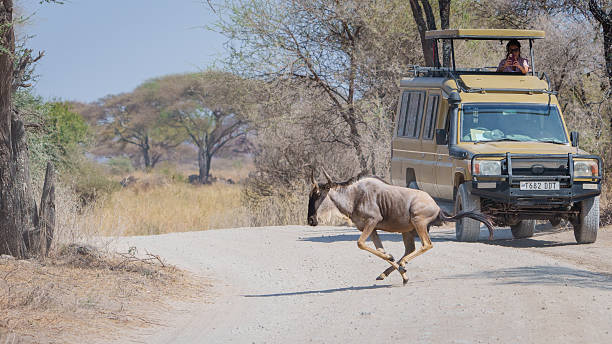
- Game Drive Vehicle: You will typically travel in a customized 4×4 safari vehicle, usually a Land Cruiser or Land Rover, equipped with pop-up roofs for optimal game viewing and photography. Your vehicle will be driven by an experienced local guide.
- Game Viewing: Expect to see a variety of animals. The park’s compact size and diverse habitats mean that wildlife is often found in close proximity to the roads. The groundwater forest is home to troops of baboons and Sykes monkeys, while the acacia woodlands and plains host elephants, giraffes, zebras, wildebeest, buffalo, and various antelope species. The lake shores attract hippos, and if you’re lucky, the famous tree-climbing lions.
- Duration of Game Drive: For a day trip from Moshi, you’ll have approximately 5-6 hours of game driving time. This is sufficient to cover the main areas of the park and see a good range of its inhabitants.
- Picnic Lunch: A packed lunch is standard for day safaris. You’ll stop at a scenic designated picnic site, often with views of the lake or surrounding landscape, to enjoy your meal.
- Guide’s Expertise: Your guide is crucial. They are trained to spot wildlife, understand animal behavior, and navigate the park efficiently. They will also share insights into the local ecosystem, culture, and conservation efforts.
- Terrain and Roads: The roads within Lake Manyara can vary. Some are well-maintained, while others can be dusty or muddy, especially during the wet season. The park’s central and southern areas, including the route to Lake Manyara Lodge, are generally accessible.
- Scenery: Be prepared for stunning landscapes. The combination of the dense groundwater forest, the shimmering lake, and the towering Rift Valley escarpment creates a visually dramatic environment.
Wildlife Highlights of Lake Manyara
Lake Manyara National Park is celebrated for several specific wildlife attractions:
- Tree-Climbing Lions: This is perhaps the park’s most famous residents. While not always visible, lions here have a peculiar habit of climbing into the branches of large acacia trees, especially during the hot season, to escape the heat and biting insects. Spotting them requires keen eyes and often the guidance of your driver-guide.
- Large Elephant Herds: Lake Manyara is home to a significant population of elephants, and they are often seen in large, relaxed herds. Their size and habituation make for fantastic viewing opportunities, with individuals frequently seen browsing along the roadsides or near water sources.
- Birdlife: With over 400 species, it’s a birdwatcher’s paradise. Look out for the ground hornbill, crowned eagle, lilac-breasted roller, and a host of water birds like pelicans, cormorants, herons, and storks. The seasonal spectacle of thousands of flamingos, lesser jacanas, and greater flamingos turning the lake pink is unforgettable.
- Baboons and Monkeys: Large troops of olive baboons are a common sight, often seen playing and foraging by the roadside. Sykes monkeys are also present in the denser forest areas.
- Other Mammals: You can expect to see giraffes (both Masai and the distinctively patterned Rothschild’s giraffe), zebras, various species of wildebeest, buffalo, warthogs, hippos (in the hippo pool), waterbucks, dik-diks, and if you’re fortunate, predators like leopards and cheetahs, though they are more elusive than lions.
Activities in and around Lake Manyara
While game driving is the primary activity, Lake Manyara offers other experiences:
- Game Drives: The classic safari activity, exploring different sections of the park to observe wildlife.
- Walking Safaris: Available in designated areas outside the main park boundaries, offering a more intimate connection with the environment. These are typically arranged as part of overnight stays near the park.
- Night Game Drives: Some lodges outside the park or specific concessions may offer night game drives, allowing you to spot nocturnal animals like genets, civets, and bush babies.
- Cultural Tourism: Interactions with local communities, particularly the Maasai, can be arranged to learn about their traditional way of life.
- Bird Watching: The park is a prime destination for bird enthusiasts, with specific hides and viewpoints overlooking the lake.
- Hot Springs: The Majimoto hot springs, located in the southern part of the park, are a geological feature worth seeing.
Planning Your Lake Manyara Lodge Safari from Moshi
Successful safari planning requires attention to detail. Here’s a breakdown for your Lake Manyara trip from Moshi:
Choosing a Safari Operator
Selecting the right tour operator is paramount. Look for companies with a strong reputation in Tanzania, good reviews, and clear communication. They should be able to customize itineraries based on your interests and budget. For a Lake Manyara Lodge safari from Moshi, ensure they understand the logistics of day trips versus overnight stays and can advise on the best approach.
Transportation
The standard for safaris in Tanzania is a 4×4 safari vehicle (Land Cruiser or Land Rover) with a pop-up roof. These are essential for navigating the park’s terrain and providing optimal viewing. Ensure your chosen operator provides well-maintained vehicles and experienced, English-speaking driver-guides.
Accommodation Options
If you opt for an overnight stay:
- Inside the Park: Lake Manyara Lodge is the primary option for a premium experience within the park boundaries.
- Outside the Park: Numerous lodges and tented camps are located in Karatu (a gateway town to Ngorongoro and Lake Manyara) or along the road leading to the park. These offer a range of budgets from mid-range to luxury.
- Day Trips: Accommodation is in Moshi before and after your safari.
Park Fees and Costs
TANAPA (Tanzania National Parks Authority) sets the park fees. These are typically charged per person per 24-hour period and are subject to change. For day trips, you pay for one entry. For overnight stays, fees are calculated based on the duration. Safari package costs usually include park fees, vehicle and guide hire, accommodation, meals, and sometimes activities. Always clarify what is included and excluded.
Customizing Your Safari
Your safari from Moshi can be tailored:
- Interests: Are you focused on birdwatching, photography, or general wildlife spotting?
- Pace: Do you prefer a packed day trip or a more relaxed overnight stay?
- Budget: Options range from budget-friendly day trips to luxury lodge stays.
- Duration: A single day is possible, but 2-3 days allow for a more comprehensive experience, perhaps combining Lake Manyara with Tarangire or a brief visit to Ngorongoro.
Packing Essentials for Your Safari
Packing wisely ensures comfort and preparedness. For a day trip from Moshi, pack light, but for overnight stays, consider these items:
| Category | Items | Notes |
|---|---|---|
| Clothing | Lightweight, neutral-colored clothing (khaki, beige, green), long-sleeved shirts, long trousers, a warm fleece or jacket (for early mornings/evenings), hat, comfortable walking shoes/sneakers. | Avoid bright colors and dark colors (like navy blue or black) which can attract insects. Layering is key. |
| Sun Protection | High SPF sunscreen, sunglasses, wide-brimmed hat. | The African sun is strong. |
| Health & Hygiene | Insect repellent (with DEET), hand sanitizer, personal first-aid kit, any prescription medications, motion sickness medication if needed. | Consult your doctor about malaria precautions and vaccinations. |
| Gear | Binoculars (essential for spotting distant wildlife), camera with extra batteries and memory cards, power bank, reusable water bottle. | A good zoom lens is highly recommended for photography. |
| Documents | Passport, visa (if required), travel insurance details, emergency contact information. | Keep copies separate from originals. |
| Miscellaneous | Small backpack for day trips, wet wipes, lip balm with SPF. | Comfort items for the drive. |
Common Mistakes to Avoid
To ensure a smooth and enjoyable Lake Manyara Lodge safari from Moshi, be aware of these common pitfalls:
- Underestimating Drive Times: Moshi to Lake Manyara is a significant drive. Factor in travel time realistically, especially for day trips. Rushing can lead to fatigue and less enjoyment.
- Not Booking in Advance: Especially during peak seasons (June-October), popular lodges like Lake Manyara Lodge and safari vehicles/guides can book up quickly. Plan and book well in advance for 2026-2027.
- Overpacking: For day trips, you only need essentials. For overnight stays, pack light, as luggage space in safari vehicles can be limited.
- Ignoring Your Guide: Your guide is your most valuable asset on safari. Listen to their advice on wildlife viewing, safety, and park rules.
- Expecting Guaranteed Sightings: While Lake Manyara is rich in wildlife, sightings are never guaranteed. Be patient and enjoy the experience, even if you don’t see every animal on your wish list. The tree-climbing lions, in particular, can be elusive.
- Not Considering Seasonality: Visiting during the wet season can lead to road closures or difficult driving conditions, impacting game viewing. Ensure your operator plans accordingly.
- Failing to Budget for Extras: While safari packages cover many costs, remember to budget for tips, souvenirs, and any personal expenses.
Who is a Lake Manyara Lodge Safari from Moshi Best For?
A Lake Manyara Lodge safari from Moshi is well-suited for a variety of travelers:
- Time-Constrained Travelers: The 1-day trip is perfect for those who have limited time in Tanzania but still want to experience a national park.
- First-Time Safari-Goers: Lake Manyara offers a fantastic introduction to African wildlife and safari culture due to its high animal density and accessibility.
- Bird Enthusiasts: The park’s diverse avian population makes it a top destination for birdwatchers.
- Photography Enthusiasts: The varied landscapes and abundance of wildlife, including large elephant herds and the potential for tree-climbing lions, provide excellent photographic opportunities.
- Travelers Combining with Kilimanjaro: Many trekkers on Kilimanjaro look for a short safari experience post-climb. Lake Manyara is a convenient and rewarding option from Moshi.
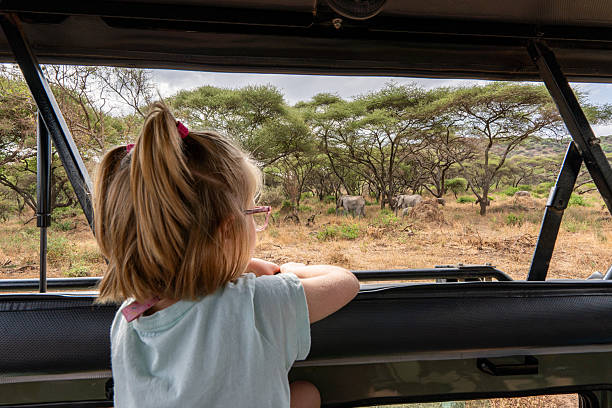
- Families: The relatively short distances within the park and the high chance of seeing large animals like elephants make it engaging for children.
- Luxury Seekers (with overnight): Lake Manyara Lodge offers a premium experience for those seeking comfort and stunning views.
Alternatives to Lake Manyara from Moshi
While Lake Manyara is a great option, other destinations can be reached from Moshi, offering different experiences:
- Arusha National Park: Closer to Moshi (approx. 1-1.5 hours), this park offers Mount Meru trekking, canoeing on Momella Lakes, and good chances of seeing colobus monkeys, giraffes, and buffalos. It’s ideal for shorter day trips or as a warm-up to a longer safari.
- Tarangire National Park: Known for its massive elephant herds and iconic baobab trees. It’s often combined with Lake Manyara and Ngorongoro for a classic northern circuit experience. It’s a bit further than Lake Manyara (approx. 3.5-4 hours from Moshi) but offers spectacular game viewing, especially in the dry season.
- Ngorongoro Conservation Area: Home to the Ngorongoro Crater, a UNESCO World Heritage Site teeming with wildlife, including the Big Five. This is a must-visit for many, but typically requires at least a 2-day trip from Moshi to fully appreciate.
- Serengeti National Park: Tanzania’s most famous park, renowned for the Great Migration and vast plains. Reaching the Serengeti from Moshi typically requires at least 3-4 days, often involving a flight or a longer drive.
For a day trip from Moshi, Arusha National Park is the most convenient. For a longer safari experience, Tarangire and Lake Manyara are excellent companions, while Ngorongoro and Serengeti represent the pinnacle of Tanzania’s safari offerings and require more time.
2026-2027 Planning Considerations
Planning your safari for 2026 or 2027 allows for more thoughtful preparation. Here are some points to consider:
- Book Early for Peak Season: If you plan to travel during the dry season (June-October) in 2026 or 2027, book your safari package and any preferred accommodation (like Lake Manyara Lodge) at least 6-9 months in advance. Popular operators and vehicles get fully booked.
- Understand Itinerary Flexibility: Discuss with your tour operator the possibility of customizing your itinerary. For example, if you’re interested in specific activities or wildlife, ensure the plan accommodates this.
- Visa Requirements: Check the latest visa regulations for Tanzania for your nationality well in advance of your 2026-2027 trip. Many nationalities can obtain a visa on arrival or apply online.
- Health Precautions: Consult your doctor or a travel clinic 4-6 weeks before your trip regarding necessary vaccinations and malaria prophylaxis. Ensure your routine vaccinations are up-to-date.
- Travel Insurance: Comprehensive travel insurance is essential. Ensure it covers medical emergencies, trip cancellations, and lost luggage.
- Currency and Payments: The local currency is the Tanzanian Shilling (TZS). US Dollars are widely accepted for tourist services, but it’s good to have some local currency for smaller purchases. Credit card facilities might be limited in remote areas.
- Tipping Culture: Tipping is customary for guides and lodge staff. Your tour operator can provide guidance on appropriate amounts for 2026-2027.
Booking Your Lake Manyara Safari
When booking your Lake Manyara Lodge safari from Moshi, follow these steps:
- Research Tour Operators: Look for reputable Tanzanian-based operators with excellent reviews and a strong online presence. Check for ATTA (African Travel and Tourism Association) membership or similar accreditations.
- Request Custom Quotes: Contact 2-3 operators with your desired dates, number of travelers, interests, and budget. Be specific about wanting a safari from Moshi to Lake Manyara.
- Compare Inclusions: Carefully review what each quote includes. Key items to check are park fees, vehicle type, guide services, accommodation type, meals, and any activities.
- Ask Questions: Don’t hesitate to ask about the guide’s experience, vehicle maintenance, safety protocols, and cancellation policies.
- Read the Contract: Understand the terms and conditions, payment schedule, and cancellation policy before signing.
- Secure Your Booking: Typically, a deposit is required to confirm your booking, with the balance due closer to the travel date. For 2026-2027 bookings, this might be 20-50% upfront.
Key Contact Information for Booking:
- WhatsApp: +255616946642
- Email: topguideadventures@gmail.com
- Backup Email: info@topguideadventures.com
Reach out to us to discuss your dream Lake Manyara Lodge safari from Moshi. We specialize in creating personalized Tanzanian adventures.
Frequently Asked Questions (FAQs)
Q1: Is a day trip from Moshi to Lake Manyara feasible and worthwhile?
Yes, a day trip from Moshi to Lake Manyara is both feasible and highly worthwhile. It’s a long day (around 4-5 hours driving each way), but it allows you to experience a diverse national park, see elephants, primates, and potentially the tree-climbing lions. It’s an excellent option for those with limited time.
Q2: What is the best way to book a Lake Manyara safari from Moshi for 2026-2027?
The best way is to book through a reputable local tour operator based in Tanzania. They have the local knowledge, established relationships, and can offer competitive pricing. Contacting operators directly via email or WhatsApp well in advance is recommended for 2026-2027 bookings, especially for peak season travel.
Q3: How much does a 1-day Lake Manyara safari from Moshi typically cost?
Costs vary significantly based on the operator, vehicle type, and inclusions. A 1-day safari from Moshi typically ranges from $200 to $400+ per person. This usually includes park fees, vehicle and guide, a picnic lunch, and transport. Always confirm exact inclusions with your chosen operator.
Q4: Can I visit Lake Manyara Lodge on a day trip?
Yes, you can visit the vicinity of Lake Manyara Lodge during a day trip. If you are staying at the lodge, you will have access to its facilities and views. For day visitors, the lodge area might be a scenic spot for a break or lunch, offering a glimpse of the lodge’s architecture and the expansive views it commands.
Q5: What are the chances of seeing tree-climbing lions in Lake Manyara?
The chances of seeing tree-climbing lions in Lake Manyara are moderate. They are present in the park, and their habit of climbing trees is well-documented. However, their visibility depends on the season, weather, and their specific location at the time of your visit. Your guide’s expertise will be crucial in increasing your chances.
Q6: Is Lake Manyara suitable for families with young children?
Yes, Lake Manyara is generally suitable for families. The park is relatively small, meaning shorter game drives are possible, and wildlife is often seen close to the roads, keeping children engaged. The abundance of elephants and baboons is usually a big hit with younger visitors.
Q7: What should I pack for a 1-day safari from Moshi?
For a day trip, pack light. Essentials include comfortable clothing in neutral colors, a hat, sunglasses, sunscreen, insect repellent, a camera, binoculars, and a reusable water bottle. A light jacket or fleece is advisable for the early morning drive.
Q8: What is the best time of year to visit Lake Manyara from Moshi for game viewing in 2026-2027?
The dry season, from June to October, is generally considered the best time for game viewing in Lake Manyara. Wildlife tends to congregate around water sources, and the vegetation is thinner, making animals easier to spot. However, the park is beautiful year-round, and the wet season offers lush landscapes and fewer crowds.
Q9: How long is the drive from Moshi to Lake Manyara?
The drive from Moshi to Lake Manyara National Park typically takes between 4 to 5 hours, depending on road conditions and traffic, especially around Arusha.
Q10: Are there any accommodation options inside Lake Manyara National Park?
Yes, Lake Manyara Lodge is located inside the park. There are also other tented camps and lodges situated just outside the park boundaries, offering convenient access.
Ready to Book Your Lake Manyara Lodge Safari From Moshi?
Experiencing the unique beauty and wildlife of Lake Manyara National Park, whether as a day trip or an overnight stay, is an essential part of any Tanzanian adventure. Starting your journey from Moshi makes this incredible park accessible and convenient. Let us help you craft the perfect safari itinerary for 2026 or 2027.
Contact us today to discuss your personalized Lake Manyara Lodge safari from Moshi:
- WhatsApp: +255616946642
- Email: topguideadventures@gmail.com
- Backup Email: info@topguideadventures.com
We look forward to planning your unforgettable Tanzanian safari!
Plan your Lake Manyara Lodge Safari From Moshi with Top Guide Adventures
Tell us your travel dates, group size, comfort level, and dream experience. We will help you shape a clear, realistic, and memorable Tanzania itinerary.







 Veedesigner
 Fatma Kizanga
 Benjamin Waryuba
 Philip Philip
 John jr Itaja
 Antonia Optatus
 Edith Kanyere
 Neema Iddy
 Kelvin Boniphace
 Damari Maiga



