
Updated planning guide for 2026, 2027-2028
Lake Manyara Photography Safari From Moshi: Best Guide 2026-2027-2028
Discover the unique opportunities for wildlife photography at Lake Manyara National Park on a safari starting from Moshi. This guide covers everything you need to know for your 2026-2027 trip.
WhatsApp +255616946642 | topguideadventures@gmail.com | info@topguideadventures.com
Lake Manyara Photography Safari From Moshi: Your Ultimate Guide
For many travelers dreaming of Tanzania’s iconic wildlife and landscapes, the journey often begins in Moshi, the gateway to Mount Kilimanjaro. However, beyond the mountain’s shadow lies a treasure trove of natural beauty and photographic potential: Lake Manyara National Park. A Lake Manyara photography safari from Moshi offers a distinct and rewarding experience, blending accessibility with incredible wildlife encounters and stunning scenery. This comprehensive guide is designed for photographers and nature enthusiasts seeking to maximize their experience in this vibrant park, providing practical advice, itinerary ideas, and planning essentials for your 2026-2027 adventure.
Lake Manyara, though one of Tanzania’s smaller parks, punches well above its weight in terms of biodiversity and photographic appeal. Its alkaline lake attracts vast flocks of flamingos, while the surrounding woodlands and savannah are home to lions, elephants, giraffes, zebras, and a remarkable array of birdlife. The park’s compact size makes it ideal for day trips or as part of a longer Northern Circuit safari, and its proximity to Moshi makes it a convenient and accessible destination for photographers looking to capture the essence of East African wildlife.
This guide will walk you through everything you need to know, from the best times to visit for photography, what wildlife to expect, sample itineraries, packing advice, and how to book the perfect safari experience with expert local operators. Whether you are a seasoned wildlife photographer or a budding enthusiast, a Lake Manyara photography safari from Moshi promises unforgettable moments and stunning images.
Quick Answer: What is a Lake Manyara Photography Safari from Moshi?
A Lake Manyara photography safari from Moshi is a guided tour focused on wildlife photography within Lake Manyara National Park, departing from and often returning to Moshi. It emphasizes capturing high-quality images of the park’s diverse animals and landscapes, often with flexible timings and dedicated focus on photographic opportunities. It’s a popular day trip or a short excursion from the Kilimanjaro region.
| Feature | Details |
|---|---|
| Location | Arusha Region, Tanzania |
| Proximity to Moshi | Approximately 3-4 hours drive |
| Key Attractions | Flamingos, tree-climbing lions, elephants, baboons, diverse birdlife, Rift Valley escarpment views |
| Best For Photography | Birds, elephants, primates, scenic landscapes, unique tree-climbing lions |
| Typical Duration | 1-day trip (from Moshi), or 1-2 days as part of a longer safari |
| Accessibility | Good, accessible via 4×4 safari vehicles |
| Park Entrance Fee | Applies per person per day (subject to change) |
Understanding Lake Manyara National Park’s Photographic Appeal
Lake Manyara National Park, nestled at the base of the Great Rift Valley escarpment, offers a unique micro-environment that makes it a prime spot for photography. The park’s diverse habitats – including groundwater forests, acacia woodlands, open grasslands, and the shallow alkaline lake itself – support a rich variety of wildlife, each presenting distinct photographic challenges and rewards.
The Iconic Flamingos
Perhaps the most visually striking feature of Lake Manyara is the sheer number of flamingos that often congregate on its shores. These vibrant pink birds, feeding on the algae and brine shrimp in the lake, create breathtaking spectacles. During the right season, the lake’s surface can shimmer with thousands, even millions, of flamingos. Capturing their collective movement, their delicate feeding postures, and the contrast of their color against the blue sky and the alkaline lake water is a photographer’s delight. The best opportunities often arise during the dry season when water levels are lower, concentrating the birds.
The Elusive Tree-Climbing Lions
Lake Manyara is renowned for its population of lions that have a peculiar habit of climbing trees. While not unique to this park, they are more frequently observed here than in many other Tanzanian parks. Spotting a lion lounging on the thick branches of an acacia or fig tree, especially during the heat of the day when other animals seek shade, provides a truly unique photographic subject. The challenge and thrill of finding and photographing these arboreal predators add a significant layer of excitement to a Lake Manyara photography safari.
Abundant Elephant Herds
The park is home to a healthy population of elephants, often seen browsing in the woodlands or near water sources. Their large size and expressive nature make them fantastic subjects. Photographers can capture intimate portraits, family interactions, or the grandeur of a herd moving through the acacia trees. The park’s relatively dense vegetation can sometimes offer opportunities for dramatic shots with elephants partially obscured by foliage, adding depth and atmosphere.
Primates and Other Mammals
Large troops of baboons are a common sight, often found near the park’s entrance and along the roads. Their social dynamics, playful young, and interactions offer endless photographic possibilities. Blue monkeys and vervet monkeys are also present in the forested areas. Beyond the elephants and lions, you can expect to photograph giraffes, zebras, wildebeest, buffalo, hippos, and a variety of antelopes, including dik-dik and impala. Each species presents its own photographic nuances, from the graceful stride of a giraffe to the intricate patterns of a zebra’s coat.
The Rift Valley Escarpment
The dramatic backdrop of the Great Rift Valley escarpment provides stunning panoramic views and opportunities for landscape photography. Whether capturing the vastness of the park from above or framing wildlife against this majestic geological feature, the scenery itself is a key element of a Lake Manyara photography safari.
Planning Your Lake Manyara Photography Safari from Moshi
A successful photography safari requires careful planning. From understanding the best times to visit for optimal light and wildlife activity to choosing the right equipment and tour operator, every detail contributes to the final outcome. Here’s how to approach planning your Lake Manyara photography safari from Moshi for 2026-2027.
Best Time for Photography in Lake Manyara
The photographic opportunities in Lake Manyara vary throughout the year, influenced by weather patterns, animal movements, and water levels.
| Period | Pros for Photography | Cons for Photography | Wildlife Highlights |
|---|---|---|---|
| Dry Season (June – October) | Clear skies, good light, animals congregate around water sources, flamingos often visible in good numbers. Vegetation is less dense, improving visibility. | Can be dusty, fewer migratory birds, water levels in smaller pools may be low. | Large elephant herds, lions, primates, flamingos concentrated. |
| Green Season (November – May) | Lush landscapes, dramatic skies, excellent light during early mornings and late afternoons, migratory birds present, young animals often visible (breeding season typically Jan-Mar). | Rain can interrupt game drives, denser vegetation can make spotting wildlife harder, fewer flamingos. | Birdlife in abundance, potential for newborn animals, dramatic storm clouds for landscape shots. |
For Photography Focus: The dry season (June-October) generally offers the best conditions for spotting and photographing a wide range of wildlife due to reduced vegetation and animals congregating near water. However, the green season can yield stunning landscapes and bird photography opportunities. Consider the specific photographic interests: if flamingos and open visibility are key, aim for the dry season. If lush scenery and birdlife are priorities, the green season can be rewarding, especially if you don’t mind occasional rain showers.
Photography Gear Essentials
To make the most of your Lake Manyara photography safari, having the right equipment is crucial. Given the diverse subjects, a versatile kit is recommended.
- Camera Body: A DSLR or mirrorless camera offering manual controls and good low-light performance.
- Lenses:
- Telephoto Zoom (e.g., 100-400mm, 150-600mm): Essential for capturing wildlife at a distance, from birds to elephants. This will likely be your primary lens.
- Mid-Range Zoom (e.g., 24-70mm): Useful for wider shots, landscapes, and when animals are closer.
- Prime Lens (e.g., 50mm f/1.8): Good for low light and portraits if you have opportunities for closer subjects.
- Tripod/Monopod: While space in safari vehicles can be limited, a monopod can offer stability for telephoto lenses, especially in low light. Some operators might have beanbags available.
- Extra Batteries and Memory Cards: Wildlife photography consumes a lot of power and storage. Always carry spares.
- Lens Cleaning Kit: Dust is common, so keeping your lenses clean is vital.
- Rain Cover: For camera and lens, especially during the green season.
- Polarizing Filter: Helps reduce glare, enhance sky colors, and cut through haze.
- Backpack: A comfortable camera backpack to carry your gear securely.
Choosing Your Safari Vehicle and Guide
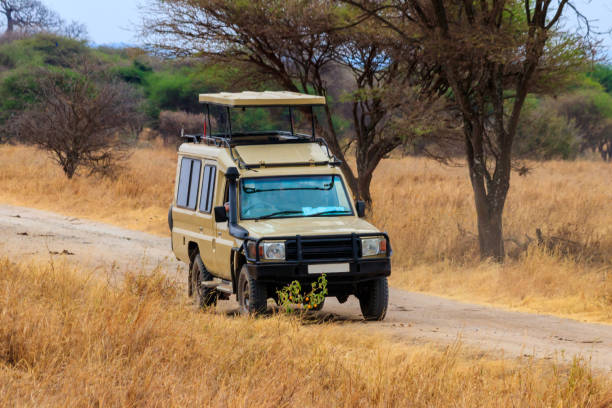
For photography, a 4×4 safari vehicle is standard and necessary. Key considerations include:
- Pop-up Roof: Essential for unobstructed 360-degree views and shooting angles.
- Window Seats: Ensure everyone has a window seat for optimal viewing and shooting.
- Experienced Driver-Guide: A guide who understands photographic needs is invaluable. They can position the vehicle for the best light, help spot wildlife, and be patient when you’re trying to get the perfect shot. They should also know the park’s best spots for different animals and times of day.
Logistics of a Lake Manyara Photography Safari from Moshi
A Lake Manyara photography safari from Moshi is typically undertaken as a full-day trip. The journey involves:
- Early Departure: You’ll usually leave Moshi around 6:00 AM to maximize daylight hours in the park.
- Drive to Lake Manyara: The drive takes approximately 3-4 hours, passing through rural landscapes and Arusha.
- Full Day Game Drive: Spend the majority of the day exploring Lake Manyara National Park, with a break for a picnic lunch.
- Late Afternoon Return: Depart from the park in the late afternoon to return to Moshi by evening.
This day trip format is popular for its efficiency, allowing you to experience Lake Manyara without needing overnight accommodation, making it a feasible add-on to a Kilimanjaro climb or a standalone excursion.
Sample Itinerary: 1-Day Lake Manyara Photography Safari from Moshi
This sample itinerary is designed to maximize photographic opportunities within a single day, focusing on the key wildlife and scenic highlights of Lake Manyara National Park. This is a typical structure for a Lake Manyara photography safari from Moshi.
Day 1: Moshi to Lake Manyara National Park & Return
Morning (Approx. 06:00 AM – 12:00 PM):
- 06:00 AM: Early pick-up from your hotel in Moshi. Meet your driver-guide and depart in a 4×4 safari vehicle equipped for photography.
- 06:00 AM – 09:00 AM: Scenic drive from Moshi towards Lake Manyara National Park. Enjoy the changing landscapes as you approach the Rift Valley.
- 09:00 AM: Arrive at Lake Manyara National Park entrance. Complete park formalities.
- 09:30 AM – 12:00 PM: Begin your morning game drive. Focus on the groundwater forests near the entrance, looking for troops of baboons and blue monkeys. Drive towards the lake shore to capture the famous flamingo flocks (seasonal). Search the acacia woodlands for the iconic tree-climbing lions and observe elephants browsing. Your guide will position the vehicle for optimal light and viewing.
Midday (Approx. 12:00 PM – 01:00 PM):
- 12:00 PM – 01:00 PM: Enjoy a picnic lunch at a designated picnic site, offering beautiful views over the lake or surrounding plains. This is a good time to review your morning’s shots and recharge.
Afternoon (Approx. 01:00 PM – 04:30 PM):
- 01:00 PM – 04:30 PM: Continue your game drive through different sectors of the park. Explore the open grasslands for giraffes, zebras, and various antelopes. Visit hippo pools for close-up views of these semi-aquatic mammals. Keep an eye out for diverse bird species, including raptors and water birds. Your guide will use their knowledge to find animals that are active during the warmer afternoon hours.
Late Afternoon/Evening (Approx. 04:30 PM onwards):
- 04:30 PM: Begin the drive back towards Moshi.
- 07:30 PM – 08:30 PM: Arrive back in Moshi, concluding your Lake Manyara photography safari.
Note: This itinerary is a suggestion and can be customized. The timing of wildlife sightings is never guaranteed, and flexibility is key for a successful photography safari.
What to Expect: Wildlife, Scenery, and Photographic Opportunities
A Lake Manyara photography safari from Moshi is about more than just ticking off animal sightings; it’s about immersing yourself in a dynamic environment and capturing its essence through your lens. Expect a mix of intimate wildlife encounters and grand landscapes.
Wildlife Encounters
Lake Manyara is famous for its high density of animals, particularly elephants, which are often seen in large herds. You can expect excellent opportunities to photograph:
- Elephants: Often close by, providing opportunities for portraits and behavioral shots.
- Primates: Large troops of baboons and troops of blue monkeys are common and highly photogenic.
- Birds: Over 400 bird species have been recorded, including the spectacular flamingo flocks, raptors, hornbills, and kingfishers.
- Predators: Lions (especially the tree-climbing variety), leopards (elusive), and cheetahs (rare) are present.
- Herbivores: Giraffes, zebras, wildebeest, buffalo, and various antelopes such as dik-dik, impala, and waterbuck are frequently seen.
- Hippos: Often seen basking in the park’s rivers and pools.
Scenic Beauty
The park’s setting is as captivating as its wildlife:
- The Lake: The shallow alkaline lake is the park’s centerpiece, attracting vast birdlife and offering reflections.
- Groundwater Forests: Lush, evergreen forests fed by underground springs, creating a unique microclimate and providing shade for animals.
- Acacia Woodlands: The classic African savannah landscape, interspersed with woodlands, where lions are often found.
- Rift Valley Escarpment: The towering cliffs form a dramatic backdrop, offering panoramic views.
Photographic Opportunities
Consider these specific photographic scenarios:
- Low-Angle Shots: With the pop-up roof, you can get down low for dynamic perspectives of animals.
- Silhouettes: Sunrise and sunset can create stunning silhouettes of animals against the dramatic African sky.
- Behavioral Shots: Patience allows for capturing interactions, feeding, or playful moments.
- Environmental Portraits: Photographing animals within their habitat, using the landscape to tell a story.
- Macro Photography: While not the primary focus, smaller details like insects or interesting textures can be captured.
- Wide-Angle Landscapes: The escarpment views and the vastness of the lake offer opportunities for sweeping vistas.
Preparing for Your Safari: Packing and Practicalities
Proper preparation ensures a comfortable and productive photography safari. Beyond your camera gear, consider these items:
What to Pack
Clothing:
- Neutral-Colored Clothing: Khaki, beige, olive green, or brown are best for safaris. Avoid bright colors that can startle wildlife or dark colors that attract tsetse flies.
- Layers: Mornings and evenings can be cool, while days are warm. Pack light long-sleeved shirts and trousers for sun protection and warmth.
- Comfortable Trousers/Jeans: For game drives.
- T-shirts/Polo Shirts: For warmer parts of the day.
- Light Jacket or Fleece: For cooler mornings/evenings.
- Hat: Wide-brimmed for sun protection.
- Comfortable Walking Shoes/Sneakers: Though you won’t do much walking on a standard game drive, comfortable footwear is essential.
- Sandals/Flip-flops: For relaxing at the lodge or in camp (if overnight).
Health and Safety:
- Sunscreen: High SPF.
- Insect Repellent: With DEET.
- Personal First-Aid Kit: Including any personal medications, pain relievers, antiseptic wipes, bandages.
- Hand Sanitizer.
- Malaria Prophylaxis: Consult your doctor.
- Yellow Fever Certificate: May be required.
Other Essentials:
- Sunglasses.
- Binoculars: For spotting wildlife in the distance.
- Reusable Water Bottle.
- Power Bank/Adapter: For charging electronics on the go.
- Small Backpack/Daypack: For carrying essentials during game drives.
- Camera Gear (as listed previously).
- Snacks: If you have specific dietary needs or preferences, though meals are usually provided.
Important Considerations
- Park Fees: These are typically included in tour packages but are significant. They are subject to change by Tanzania National Parks Authority (TANAPA).
- Tipping: It’s customary to tip your driver-guide. Discuss expected amounts with your tour operator.
- Respect Wildlife: Maintain a safe distance, do not feed animals, and avoid disturbing them. Your guide will enforce park rules.
- Photography Etiquette: Be patient, avoid sudden movements, and respect the wildlife’s space.
Common Mistakes to Avoid on Your Safari
To ensure a smooth and rewarding photography safari, be aware of potential pitfalls:
- Underestimating the Driving Time: Moshi to Lake Manyara is a significant drive. Factor this into your expectations for a day trip.
- Inadequate Camera Gear: Not bringing a telephoto lens is a common mistake for photography safaris.
- Not Preparing for Weather: Expect variable conditions, especially during the shoulder seasons.
- Ignoring Your Guide: Your driver-guide is your most valuable asset. Listen to their advice on wildlife, safety, and photographic opportunities.
- Overpacking: While it’s good to be prepared, space in safari vehicles is limited. Pack essentials efficiently.
- Not Staying Hydrated: The African sun can be intense. Drink plenty of water.
- Expecting Guaranteed Sightings: Wildlife is wild. While Lake Manyara is known for certain species, sightings are never guaranteed. Patience and flexibility are key.
- Not Considering Light: The best light for photography is typically early morning and late afternoon. Plan your game drives accordingly.
Who is a Lake Manyara Photography Safari from Moshi Best For?
This type of safari is ideal for several types of travelers:
- Photographers: Obviously, those specifically looking to capture high-quality wildlife and landscape images. The park’s unique features offer distinct photographic subjects.
- Day-Trippers: Travelers based in Moshi or Arusha who want a taste of a Tanzanian safari without committing to a multi-day trip.
- Nature Enthusiasts: Anyone with a keen interest in wildlife and the natural environment.
- Birdwatchers: The park’s diverse avian population makes it a prime destination for bird photography.
- Beginner Safari-Goers: Lake Manyara’s accessibility and manageable size make it a good introduction to Tanzanian safaris.
- Travelers with Limited Time: Those who have only one day to spare for a safari experience while in the Kilimanjaro region.
It’s particularly well-suited for those who are starting their safari journey or want a focused photographic outing without the extensive travel often associated with larger parks like the Serengeti or Tarangire.
Alternatives to a Lake Manyara Photography Safari from Moshi
While Lake Manyara offers unique advantages, other parks in Tanzania provide different photographic experiences. Consider these if your plans or interests differ:
| Park | Key Photographic Strengths | Distance from Moshi | Suitability for Photography |
|---|---|---|---|
| Lake Manyara | Flamingos, tree-climbing lions, large elephant herds, primates, Rift Valley views. Compact park, good for day trips. | ~3-4 hours | Excellent for focused day trips, birdlife, unique lion behavior. |
| Tarangire National Park | Massive elephant herds (especially in dry season), baobab trees, diverse birdlife, lions, leopards. Larger than Manyara. | ~4-5 hours | Superb for elephants, landscapes with baobabs, and general wildlife photography. Better for longer stays. |
| Ngorongoro Conservation Area (Crater) | High density of predators (lions, hyenas, leopards), rhinos, diverse herbivores in a unique caldera setting. Iconic landscapes. | ~3-4 hours (to gate), then descent | Exceptional for predator photography, iconic crater views, and a high chance of seeing the Big Five. Often combined with Manyara. |
| Serengeti National Park | Vast plains, iconic wildlife (lions, cheetahs, leopards, wildebeest, zebras), Great Migration (seasonal), diverse birdlife. Extensive park. | ~6-7 hours (to Seronera) or flight | The ultimate safari destination for wildlife photography, offering unparalleled opportunities, especially during the migration. Requires multi-day trips. |
For a Lake Manyara photography safari from Moshi, the primary advantage is its accessibility as a day trip or a short excursion. Tarangire offers more dramatic elephant sightings and iconic baobab trees. Ngorongoro Crater provides incredible predator density and unique caldera landscapes. The Serengeti is the pinnacle for vast wildlife spectacles but requires more time and travel.
Planning Your 2026-2027 Safari: Key Considerations
As you plan your trip for 2026 or 2027, consider these forward-looking planning tips:
- Book in Advance: Popular tour operators and safari vehicles can get booked up, especially during peak seasons (June-October, December-February). Booking 6-12 months ahead is advisable for 2026-2027.
- Operator Research: Look for operators with strong reviews regarding their guides’ knowledge of wildlife and photography. Check their fleet for well-maintained 4x4s with pop-up roofs.
- Itinerary Flexibility: While a day trip is standard, discuss with your operator if they can accommodate specific photographic interests, such as spending more time at a particular sighting or waiting for better light.
- Park Fee Changes: TANAPA periodically reviews park fees. While exact figures for 2026-2027 are unknown, expect them to remain substantial and potentially increase. Confirm current fees with your operator.
- Weather Patterns: While general seasonal patterns hold, climate change can sometimes lead to unpredictable weather. Be prepared for variations.
- Visa Requirements: Check the latest visa regulations for Tanzania for your nationality well in advance of your 2026-2027 travel dates.
Booking Your Lake Manyara Photography Safari
Choosing the right tour operator is paramount for a successful photography safari. You want a company that understands the specific needs of photographers.
What to Look For in a Tour Operator
- Specialization: Do they offer photography-focused safaris?
- Guide Expertise: Are their guides knowledgeable about wildlife behavior and photographic best practices (e.g., positioning for light)?
- Vehicle Quality: Do they use well-maintained 4x4s with pop-up roofs?
- Customer Reviews: Look for testimonials from other photographers or travelers who appreciated the guide’s skills and patience.
- Communication: Are they responsive to your queries and willing to customize the itinerary?
- Transparency: Are inclusions and exclusions clearly stated?
Booking with Top Guide Adventures
Top Guide Adventures is a reputable Tanzanian tour operator specializing in crafting memorable safari experiences. They understand the nuances of photography safaris and can tailor a Lake Manyara photography safari from Moshi to meet your specific needs. Their experienced guides are adept at finding wildlife and positioning vehicles to capture the best shots, ensuring you have ample time at sightings.
To inquire about a custom Lake Manyara photography safari or to get a personalized quote for 2026-2027, you can reach out to them through the following channels:
- WhatsApp: +255616946642
- Email: topguideadventures@gmail.com
- Backup Email: info@topguideadventures.com
When contacting them, specify your interest in a Lake Manyara photography safari from Moshi, mention your desired travel dates for 2026 or 2027, and any specific photographic interests you have. This will help them design the perfect itinerary for you.
Frequently Asked Questions (FAQs)
Q1: Is a 1-day Lake Manyara photography safari from Moshi feasible?
A: Yes, a 1-day Lake Manyara photography safari from Moshi is very feasible and a popular choice. It involves an early start and a late return but allows for a full day of game driving and photography.
Q2: What is the best time of year for flamingo photography in Lake Manyara?
A: The dry season, generally from June to October, often provides the best opportunities to see large numbers of flamingos as they congregate on the lake. However, their presence can fluctuate based on water levels and food availability.
Q3: Can I expect to see tree-climbing lions on my safari?
A: Lake Manyara is famous for its tree-climbing lions, and sightings are relatively common, especially during the hotter parts of the day when they seek refuge in the branches. However, as with all wildlife, sightings are not guaranteed.
Q4: What type of vehicle is best for photography?
A: A 4×4 safari vehicle with a pop-up roof is essential. This provides unobstructed 360-degree views and allows for stable shooting angles. Beanbags may also be available from some operators for lens support.
Q5: How far is Lake Manyara from Moshi?
A: The drive from Moshi to Lake Manyara National Park typically takes around 3 to 4 hours, depending on road conditions and traffic, particularly around Arusha.
Q6: What are the typical costs for a day trip safari from Moshi?
A: Exact prices vary significantly based on the operator, vehicle type, inclusions, and the number of people. However, a private 1-day safari from Moshi to Lake Manyara generally includes vehicle hire, driver-guide, park fees, and picnic lunch. Expect costs to be in the mid-to-high range for a private day trip, reflecting the park fees and private vehicle hire.
Q7: What photography gear is most important for Lake Manyara?
A: A telephoto zoom lens (e.g., 100-400mm or 150-600mm) is crucial for wildlife. A mid-range zoom (24-70mm) is useful for landscapes and closer subjects. Extra batteries and memory cards are also essential.
Q8: Can I combine Lake Manyara with other parks on a day trip from Moshi?
A: While technically possible, combining Lake Manyara with another park like Tarangire or Ngorongoro in a single day trip from Moshi is extremely rushed and not recommended, especially for photography. It’s better to dedicate a full day to one park or plan for overnight stays to explore multiple locations.
Q9: What should I wear on a photography safari?
A: Wear comfortable, neutral-colored clothing (khaki, beige, olive). Layers are recommended for changing temperatures. A wide-brimmed hat and sunglasses are vital for sun protection.
Q10: When should I book my 2026-2027 safari?
A: For travel in 2026 or 2027, it’s advisable to book your safari at least 6-12 months in advance, especially if you plan to travel during peak seasons (June-October and December-February), to secure your preferred operator and vehicle.
Conclusion: Your Unforgettable Lake Manyara Photography Safari Awaits
A Lake Manyara photography safari from Moshi presents a unique opportunity to capture the vibrant life and stunning landscapes of Tanzania’s Northern Circuit. Its accessibility makes it a perfect addition to any itinerary, whether you’re climbing Kilimanjaro or exploring other wonders of the region. With its iconic flamingos, elusive tree-climbing lions, and abundant elephant herds, Lake Manyara offers endless photographic possibilities.
By planning carefully, packing the right gear, and choosing a reputable tour operator, you can ensure your safari is both productive and memorable. Remember that patience, flexibility, and a good guide are your greatest assets in the field. For personalized planning and booking assistance for your 2026-2027 adventure, consider connecting with experts who understand the intricacies of photography safaris.
Don’t miss the chance to witness and photograph the magic of Lake Manyara. It’s an experience that will fill your memory cards and your heart.
Ready to Capture the Magic? Contact Us Today!
Let us help you plan the perfect Lake Manyara photography safari from Moshi. Our expert team is ready to craft a custom itinerary tailored to your photographic interests and travel dates for 2026-2027. Get in touch to start planning your dream Tanzanian adventure!
WhatsApp: +255616946642
Email: topguideadventures@gmail.com
Backup Email: info@topguideadventures.com
Plan your Lake Manyara Photography Safari From Moshi with Top Guide Adventures
Tell us your travel dates, group size, comfort level, and dream experience. We will help you shape a clear, realistic, and memorable Tanzania itinerary.







 Veedesigner
 Fatma Kizanga
 Benjamin Waryuba
 Philip Philip
 John jr Itaja
 Antonia Optatus
 Edith Kanyere
 Neema Iddy
 Kelvin Boniphace
 Damari Maiga



