
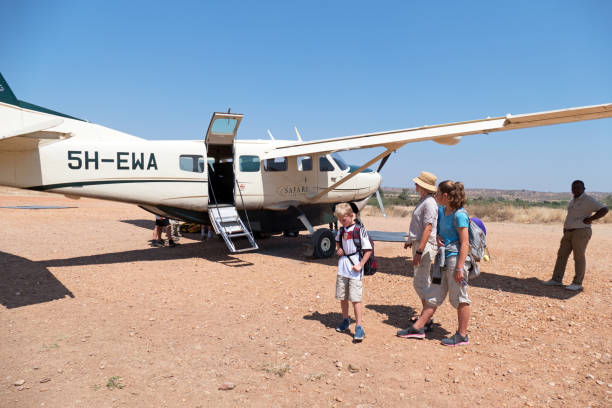
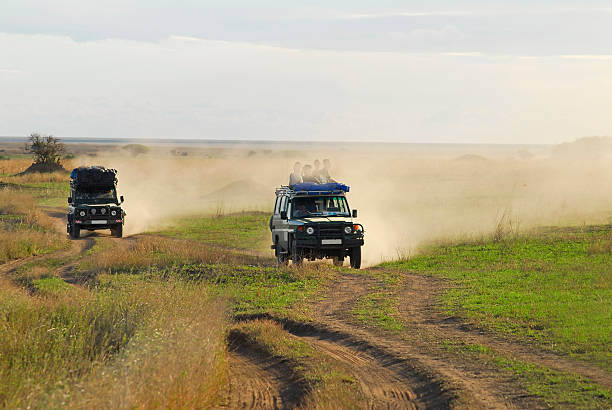
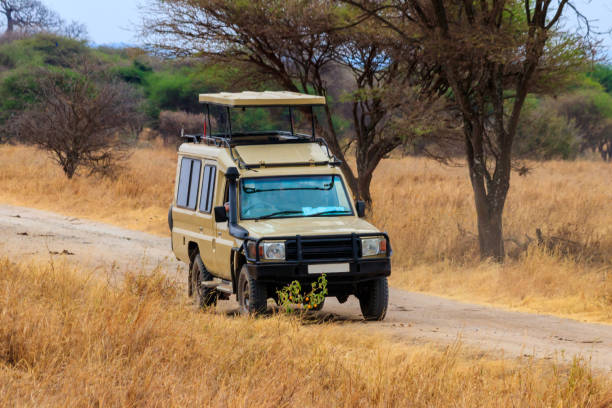
A Lake Manyara Wildlife Safari offers a concentrated and diverse wildlife viewing experience, renowned for its tree-climbing lions, vast alkaline lake attracting flamingos, and a compact ecosystem that makes spotting animals efficient. It’s an ideal destination for shorter safaris or as part of a Northern Circuit itinerary, providing excellent opportunities to see elephants, hippos, giraffes, and a rich array of birdlife, especially during the dry seasons from June to October and December to March.
Discovering Lake Manyara National Park: A Jewel of Northern Tanzania
Lake Manyara National Park, though one of Tanzania’s smaller parks, punches well above its weight in terms of biodiversity and sheer natural beauty. Nestled at the base of the Great Rift Valley, its landscapes are as varied as its inhabitants, ranging from groundwater forests and acacia woodlands to open grasslands and the shimmering expanse of the lake itself. For travelers planning their Tanzanian adventures for 2026 or 2027, a visit to Lake Manyara is often a highlight, offering a concentrated yet profoundly rewarding safari experience.
The park’s fame is largely built on a few key attractions that capture the imagination: the elusive tree-climbing lions, the spectacle of thousands of flamingos (though numbers vary seasonally), and the sheer abundance of elephants that roam its diverse habitats. It’s a place where you can witness a remarkable concentration of wildlife in a relatively short period, making it perfect for those with limited time or as a complementary stop on a grander Northern Circuit tour.
Why Choose Lake Manyara for Your Wildlife Safari?
When considering a Tanzanian safari, the options can seem overwhelming. Lake Manyara, however, presents a compelling case for inclusion in any itinerary. Its unique ecological niches support a surprising density of animals, and its compact size means that game drives are often more productive and less exhausting than in larger, more sprawling parks. Here’s why it stands out:
- Tree-Climbing Lions: Lake Manyara is one of the few places in Africa where lions have developed the habit of climbing trees. Witnessing these majestic predators lounging on acacia branches is a truly iconic safari sight. While not guaranteed on every visit, the possibility adds an extra layer of excitement to your game drives.
- Avian Paradise: The park is a haven for birdwatchers, boasting over 400 species. The alkaline lake attracts vast flocks of flamingos, pelicans, storks, and numerous other water birds. The woodland and forest areas are home to kingfishers, hornbills, eagles, and many more.
- Elephant Encounters: Lake Manyara is home to a significant population of elephants, often seen in large herds. Their presence is particularly noticeable in the groundwater forests, where they can be observed feeding and interacting.
- Diverse Habitats: The park’s varied terrain – from dense forests to open savannas and the lake shore – supports a wide range of wildlife, including buffalo, wildebeest, zebras, giraffes, hippos, and various antelopes.
- Proximity and Accessibility: Located just a few hours’ drive from Arusha, the main gateway to Northern Tanzania safaris, Lake Manyara is easily incorporated into most itineraries, often visited on the way to the Serengeti or Ngorongoro Crater.
- Scenic Beauty: The backdrop of the Great Rift Valley escarpment provides stunning vistas, enhancing the overall safari experience. The contrast between the lush vegetation and the arid plains is visually striking.
Planning Your Lake Manyara Wildlife Safari: Best Times to Visit in 2026-2027
Timing is crucial for maximizing your safari experience. While Lake Manyara is a year-round destination, certain periods offer distinct advantages. Understanding these nuances will help you plan your 2026 or 2027 trip for the best possible wildlife viewing and weather conditions.
Dry Seasons (June to October and December to March)
These are generally considered the prime times for a Lake Manyara Wildlife Safari. During the dry seasons:
- Concentrated Wildlife: As water sources become scarce, animals tend to congregate around the permanent waterholes and the lake shore, making them easier to spot.
- Easier Game Viewing: The vegetation thins out, offering clearer sightlines for spotting animals.
- Pleasant Weather: Days are typically sunny and warm, with cooler evenings and mornings. Rain is infrequent, making game drives more comfortable.
- Flamingo Spectacle: While flamingo numbers fluctuate, the dry season often brings significant numbers to the lake, creating a vibrant pink spectacle.
June to October is part of the long dry season, characterized by consistently clear skies and mild temperatures. This period aligns with the Great Migration in the Serengeti, making it a popular time for the Northern Circuit. December to March marks the short dry season, often referred to as the ‘green season’ or ‘calving season’ in other parts of the ecosystem. While there might be occasional showers, it remains a fantastic time for wildlife viewing, with lush landscapes and newborn animals.
Wet Seasons (April to May and November)
The wet seasons offer a different, yet equally rewarding, safari experience:
- Lush Scenery: The rains transform the landscape into a vibrant green, offering stunning photographic opportunities.
- Fewer Crowds: This is considered the low season, meaning fewer tourists and potentially lower prices for accommodation and tours.
- Birdlife: Migratory birds are often present, and the general birdlife is exceptionally active.
- Calving Season: Early in the wet season (November), the plains can be dotted with newborn wildebeest and zebras, offering chances to see predator-prey interactions.
April and May are typically the wettest months, with heavy rainfall that can sometimes make roads impassable and disrupt game drives. However, for the adventurous traveler seeking solitude and dramatic landscapes, these months can be rewarding. November is a transitional month, often experiencing short, localized showers that don’t typically hinder game viewing significantly.
For planning your Lake Manyara Wildlife Safari in 2026 or 2027, the dry months of June-October and December-March remain the most recommended for consistent, high-quality wildlife viewing.
What to See and Do on a Lake Manyara Wildlife Safari
Lake Manyara National Park offers a concentrated array of wildlife and activities that can be enjoyed over a day or as part of a longer safari.
Wildlife Highlights
The park’s relatively small size means you can encounter a significant portion of its inhabitants in a single day. Beyond the famous tree-climbing lions and abundant elephants, keep an eye out for:
- Giraffes: Lake Manyara is home to a large population of Masai giraffes, often seen browsing on acacia trees. Their unique camouflage makes them blend into the environment, but their height often gives them away.
- Buffalo: Large herds of Cape buffalo can be found grazing in the grasslands and woodlands.
- Hippos: The park’s hippo pool is a popular spot to observe these large mammals wallowing in the water, often accompanied by a cacophony of grunts and snorts.
- Zebra and Wildebeest: These common grazers are plentiful, especially in the open plains.
- Monkeys and Baboons: Troops of olive baboons and vervet monkeys are commonly seen along the roadside and in the forested areas, often providing entertaining displays.
- Predators: Besides lions, the park is also home to leopards (though rarely seen), cheetahs, and various smaller predators like serval cats and wild dogs (occasionally sighted).
Activities Beyond Game Drives
While game drives are the primary activity, Lake Manyara offers additional experiences:
- Canoe Safaris: Available on the lake itself, offering a unique perspective of the birdlife and a tranquil way to experience the park’s aquatic environment.
- Night Game Drives: Conducted outside the park boundaries in adjacent conservancies, these offer a chance to see nocturnal animals like genets, civets, bushbabies, and potentially leopards or lions on the hunt.
- Walking Safaris: Available in certain areas outside the main park, allowing for a more intimate connection with the bush and its smaller inhabitants, guided by an armed ranger.
- Cultural Tours: Visits to nearby Maasai villages can provide insight into the local culture and traditions.
Did You Know? The Tree-Climbing Lions of Lake Manyara
The lions of Lake Manyara are famous for their habit of climbing trees, a behavior not commonly observed in lions elsewhere. While the exact reason for this adaptation remains a subject of scientific debate, theories suggest it could be to escape the heat, avoid the tsetse flies that plague the area, or perhaps to gain a better vantage point over the park. Whatever the reason, seeing a lion perched regally on an acacia branch is an unforgettable moment of any Lake Manyara Wildlife Safari.
Crafting Your Lake Manyara Itinerary: Duration and Options
The ideal duration for a Lake Manyara Wildlife Safari depends on your overall travel plans and interests. As a standalone destination, one full day is often sufficient to experience its main attractions. However, it’s most commonly incorporated into longer Northern Circuit safaris.
A Day Trip to Lake Manyara
A day trip is perfect for those with limited time, perhaps visiting between Arusha and the Ngorongoro Crater or Serengeti. You would typically depart from Arusha early in the morning, enjoy a morning game drive, have lunch, and then continue your journey or return to Arusha by evening. This allows for a good overview of the park’s key wildlife and landscapes.
Incorporating Lake Manyara into a Northern Circuit Safari
Lake Manyara is a natural fit for itineraries covering the ‘Northern Circuit,’ which usually includes Tarangire National Park, Lake Manyara, the Ngorongoro Conservation Area, and the Serengeti National Park.
Sample 5-Day Northern Circuit Itinerary Snippet (Including Lake Manyara)
- Day 1: Arrive in Arusha, transfer to hotel.
- Day 2: Drive to Tarangire National Park for game drives. Overnight near Tarangire.
- Day 3: Morning game drive in Tarangire, then drive to Lake Manyara National Park for afternoon game drives. Overnight near Lake Manyara or Karatu.
- Day 4: Descend into the Ngorongoro Crater for a full day of game viewing. Overnight near Ngorongoro or Karatu.
- Day 5: Drive to Serengeti National Park (Central or Northern depending on season) for game drives.
This structure allows for a comprehensive experience of Tanzania’s iconic wildlife destinations. For 2026-2027 bookings, consider booking well in advance, especially for peak seasons.
Multi-Day Safaris Focused on Lake Manyara and Surroundings
For those who wish to explore Lake Manyara more deeply or combine it with other nearby attractions like the Ngorongoro Crater and Tarangire, a 2-3 day safari focusing on this region is ideal. This allows for more relaxed game drives, potential walking safaris, and cultural interactions.
Accommodation Options Around Lake Manyara
Lake Manyara National Park offers a range of accommodation options, catering to different budgets and preferences. Many lodges and tented camps are situated just outside the park boundaries, offering convenient access and stunning views.
- Luxury Lodges: For an opulent experience, these lodges offer superb amenities, fine dining, and often breathtaking views of the Rift Valley or the park. Expect infinity pools, spacious suites, and personalized service.
- Mid-Range Tented Camps and Lodges: These provide a comfortable and authentic safari experience, often featuring en-suite bathrooms, well-appointed canvas tents or bandas, and communal dining areas. They strike a good balance between comfort and immersion in nature.
- Budget Camps: Basic but clean accommodation, often featuring shared facilities. These are ideal for travelers on a tighter budget who prioritize the safari experience over luxury amenities.
- Campsites: For the truly adventurous and budget-conscious, public and special campsites are available within and around the park, offering a more rustic experience under the African stars.
When planning your 2026 or 2027 safari, it’s advisable to book your preferred accommodation well in advance, especially if you are traveling during the peak dry seasons (June-October and December-March).
Practical Tips for Your Lake Manyara Wildlife Safari
To ensure your Lake Manyara Wildlife Safari is as enjoyable and smooth as possible, consider these practical tips:
- What to Pack: Lightweight, neutral-colored clothing (khaki, beige, green), a warm fleece or jacket for cool mornings and evenings, comfortable walking shoes, a wide-brimmed hat, sunglasses, high-SPF sunscreen, insect repellent, binoculars, a camera with extra batteries and memory cards, and a reusable water bottle.
- Health Precautions: Consult your doctor about necessary vaccinations and malaria prophylaxis before your trip. Drink bottled or purified water.
- Photography: Bring a good camera with a zoom lens. Early morning and late afternoon light (golden hours) offer the best photographic conditions.
- Respect Wildlife: Maintain a safe distance from animals, never feed them, and always follow your guide’s instructions. Stay inside the vehicle during game drives unless otherwise permitted.
- Connectivity: Mobile phone reception can be spotty within the park. Wi-Fi is usually available at lodges but can be slow. Consider purchasing a local SIM card if you need consistent connectivity.
- Tipping: Tipping your guide and lodge staff is customary. Your tour operator will usually provide guidelines.
Maximizing Your Lake Manyara Experience with Top Guide Adventures
For an unforgettable Lake Manyara Wildlife Safari in 2026 or 2027, partnering with an experienced local tour operator like Top Guide Adventures is highly recommended. We specialize in crafting personalized safari experiences that cater to your specific interests and budget. Whether you’re seeking a short day trip or integrating Lake Manyara into a comprehensive Northern Circuit adventure, our expert guides will ensure you discover the park’s hidden gems and iconic wildlife.
We offer a range of safari packages, from shared group departures to exclusive private tours. Get in touch to discuss your dream Tanzanian safari:
- WhatsApp: +255616946642
- Email: topguideadventures@gmail.com
- Backup Email: info@topguideadventures.com
Explore our group departure dates for shared safari options or let us design a custom itinerary just for you. Visit our TripAdvisor reviews to see what our satisfied clients say.
Comparing Lake Manyara with Other Northern Circuit Parks
While Lake Manyara is a fantastic destination, understanding its unique offerings in comparison to its Northern Circuit neighbors helps in itinerary planning for 2026-2027.
Lake Manyara vs. Tarangire National Park
Tarangire National Park is famous for its large elephant herds, particularly during the dry season when they congregate around the Tarangire River. It also boasts iconic baobab trees and a more open savanna landscape compared to Manyara’s dense groundwater forests.
- Wildlife Density: Lake Manyara often offers higher density of sightings in a smaller area due to its varied habitats.
- Iconic Species: Lake Manyara is renowned for tree-climbing lions and flamingos. Tarangire is known for massive elephant herds and baobab trees.
- Size: Lake Manyara is significantly smaller than Tarangire, making it ideal for shorter visits or day trips.
- Landscape: Manyara has a unique mix of forest, woodland, and lake shore. Tarangire is more dominated by acacia woodland and savanna.
Lake Manyara vs. Ngorongoro Crater
The Ngorongoro Crater is a UNESCO World Heritage Site and a caldera teeming with wildlife, often called ‘Africa’s Eden.’ It offers one of the highest concentrations of wildlife on the continent, including the endangered black rhino.
- Biodiversity: Both parks are incredibly diverse. The Ngorongoro Crater offers a unique caldera ecosystem with a higher chance of seeing the Big Five in a single day, including black rhinos.
- Habitat: Lake Manyara offers varied habitats including forests and the lake itself. The Ngorongoro Crater has grasslands, swamps, and a lake, all within a contained volcanic caldera.
- Experience: Lake Manyara provides a more dispersed safari experience across varied terrains. The Ngorongoro Crater offers an intense, concentrated wildlife viewing experience within its rim.
- Size: Lake Manyara is a national park. The Ngorongoro Crater is part of a larger conservation area, with the crater floor being the main wildlife viewing area.
Lake Manyara vs. Serengeti National Park
The Serengeti National Park is perhaps Tanzania’s most famous safari destination, renowned for the Great Migration and vast, open plains that stretch as far as the eye can see.
- Scale: Serengeti is vast, offering an expansive wilderness experience. Lake Manyara is compact and more intimate.
- Wildlife: Both parks have incredible wildlife populations. The Serengeti is the stage for the Great Migration, a spectacle unmatched elsewhere. Lake Manyara offers unique sightings like tree-climbing lions in a more accessible setting.
- Landscape: Serengeti is characterized by rolling grasslands and kopjes. Lake Manyara offers a distinct mix of forests, woodlands, and lake shore.
- Duration: A Serengeti safari typically requires several days to explore effectively. Lake Manyara can be experienced in a day or two.
In summary, Lake Manyara excels in offering concentrated wildlife viewing, unique sightings like tree-climbing lions, and beautiful diverse landscapes within a manageable area, making it an essential component of a well-rounded Northern Circuit safari for 2026-2027.
Frequently Asked Questions About Lake Manyara Safaris
What is Lake Manyara most famous for?
Lake Manyara National Park is most famous for its population of tree-climbing lions, the large number of elephants, and the vast flocks of flamingos that inhabit the alkaline lake. Its diverse habitats, including groundwater forests, also contribute to its unique appeal.
Is Lake Manyara worth visiting?
Absolutely. Lake Manyara offers a rich and varied safari experience in a compact area. It’s particularly good for birdwatching, elephant sightings, and the chance to see lions in trees. It’s an excellent addition to any Northern Circuit itinerary and provides great value for its size.
How many days are needed for Lake Manyara?
A single full day is sufficient to experience the main highlights of Lake Manyara National Park, making it ideal for a day trip. However, spending two nights allows for a more relaxed pace, exploring different areas, and potentially enjoying activities like night game drives or walking safaris in surrounding areas.
What is the best time of year to visit Lake Manyara?
The best time for wildlife viewing is during the dry seasons, from June to October and December to March. During these months, wildlife is more concentrated around water sources, and the vegetation is less dense, offering better visibility. Birdlife is abundant year-round, but migratory birds are often present in the wet season.
What animals can you see in Lake Manyara?
You can see elephants, lions (including tree-climbing lions), leopards, cheetahs, giraffes, buffalo, zebras, wildebeest, hippos, various antelopes, and over 400 species of birds, including flamingos, pelicans, storks, and hornbills. Primates like baboons and vervet monkeys are also common.
Are there walking safaris in Lake Manyara?
Walking safaris are generally not permitted inside Lake Manyara National Park itself due to the density of wildlife. However, they are often available in conservancies or areas adjacent to the park, offering a different perspective of the bush under the guidance of an armed ranger.
Your 2026-2027 Lake Manyara Wildlife Safari Awaits
A Lake Manyara Wildlife Safari promises an unforgettable encounter with Tanzania’s incredible natural heritage. From the iconic tree-climbing lions to the dazzling spectacle of flamingos and the gentle giants that roam its forests, Lake Manyara offers a concentrated dose of safari magic. Whether you’re planning a short excursion or weaving it into a grand Northern Circuit adventure for 2026 or 2027, this park delivers exceptional wildlife viewing and breathtaking scenery.
At Top Guide Adventures, we are passionate about creating bespoke Tanzanian safari experiences. We understand the nuances of each park and can help you design an itinerary that maximizes your chances of incredible sightings while ensuring your comfort and safety. Let us help you plan the perfect Lake Manyara Wildlife Safari, tailored to your dreams. Contact us today to start planning your adventure:
- WhatsApp: +255616946642
- Email: topguideadventures@gmail.com
- Backup Email: info@topguideadventures.com
We look forward to helping you experience the wonders of Lake Manyara and beyond!
Check Availability for Lake Manyara Wildlife Safari: Your Ultimate Tanzania Experience In 2026-2027
Ready to compare dates, prices, and the best option for your group? Send the package name and travel month so the team can reply with a clear quote, availability, and what is included.
 Lake Eyasi Cultural Safari GuideA detailed 2026-2027 guide to Lake Eyasi Cultural Safari, with clear planning and booking information for travelers.View packageLake Natron Flamingo Adventure: Your Ultimate Guide For 2026-2027Discover the magic of Lake Natron, a vital breeding ground for lesser flamingos. This guide covers the best times to visit for the flamingo…View package
 Lake Nyasa Highlands And Beach Package: Tanzanias Ultimate Adventure 2026-2027Experience the best of Tanzania with a Lake Nyasa Highlands and Beach Package, blending the dramatic landscapes of the Southern Highlands with…View package
 Lake Tanganyika Chimpanzee And Beach Tour: Your Ultimate Tanzania AdventureDiscover the extraordinary blend of wild chimpanzee encounters at Lake Tanganyika and the idyllic coastal beauty of Tanzania. This comprehensive…View package
 Lake Victoria Fishing And Island Tour: Your Ultimate Tanzanian AdventureExplore the vast beauty of Lake Victoria with our specialized fishing and island tour packages. From trophy catches to cultural immersion on its…View package
 10-Day Tanzania Lakes Expedition Guidestart an unforgettable 10-day Tanzania Lakes Expedition, a unique journey highlighting the diverse aquatic landscapes and cultural encounters…View package
 7-Day Great Lakes Of Tanzania Tour: An Unforgettable Itinerary 2026-2027start a unique 7-day journey across Tanzania's magnificent Great Lakes. This tour blends vibrant cultural encounters with breathtaking natural…View packageLakes And Rivers Packages In Tanzania: Your Ultimate Guide For 2026-2027Explore Tanzania's stunning natural waterways with specialized lakes and rivers packages. From the vast shores of Lake Tanganyika to the vibrant…View package


