
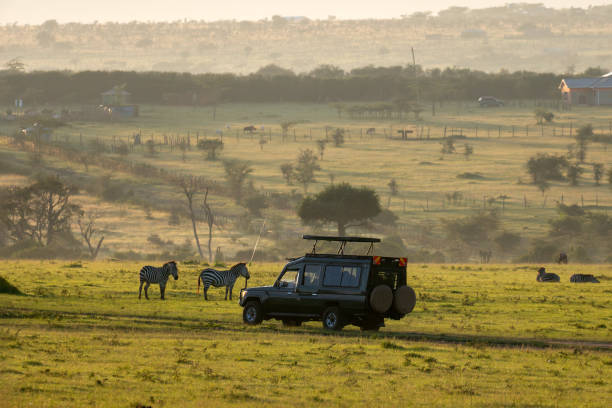
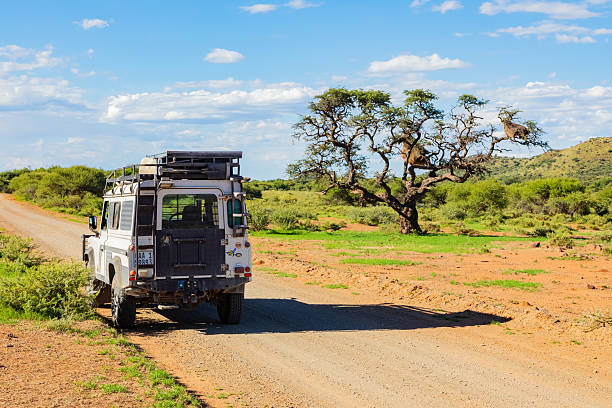

A Lake Rukwa Community Tour in Tanzania offers an unparalleled opportunity to engage with the local cultures of communities living around this vast, alkaline lake, observe diverse wildlife, and explore a unique ecosystem, providing a deeply authentic travel experience distinct from more conventional safaris, ideal for planning in 2026 or 2027.
Understanding the Appeal of Lake Rukwa Community Tours
Tanzania is globally renowned for its iconic safari destinations: the Serengeti, Ngorongoro Crater, Tarangire, and the vast Selous Game Reserve. Yet, beyond these well-trodden paths lies a region of immense natural beauty and profound cultural significance: Lake Rukwa. For the discerning traveler seeking an experience that goes beyond the typical wildlife viewing, a Lake Rukwa Community Tour presents a compelling alternative. This is not just about spotting animals; it’s about connecting with the people who call this extraordinary landscape home, understanding their way of life, and witnessing firsthand the delicate balance between human existence and the wild environment.
Lake Rukwa, a large alkaline lake in southwestern Tanzania, is a vital ecosystem supporting a remarkable array of wildlife, including significant populations of hippos, crocodiles, various bird species, and larger mammals like zebras and wildebeest that are drawn to its shores. What sets a community tour apart is its focus on integrating visitors with the local populations, primarily the Sangu, Pimbwe, and Fipa people. These tours are designed to be mutually beneficial, offering economic opportunities to the communities while providing travelers with an authentic cultural exchange and a deeper appreciation for the region’s natural heritage.
As we look towards planning for 2026 and 2027, the demand for sustainable and responsible tourism experiences is growing. Travelers are increasingly seeking ways to contribute positively to the destinations they visit. A Lake Rukwa Community Tour aligns perfectly with this ethos, offering a chance to support local livelihoods directly through homestays, guided walks, and participation in community projects. It’s an invitation to step off the beaten track and into a world where nature and culture intertwine in a truly captivating way.
The Unique Ecosystem of Lake Rukwa
Before delving into the community aspect, it’s essential to appreciate the natural environment that shapes life around Lake Rukwa. The lake itself is dynamic, its size fluctuating significantly with the seasons. During the dry season, vast salt pans can emerge, while the wet season can see its expanse swell considerably. This variability influences the wildlife patterns and the livelihoods of the surrounding communities.
Wildlife Highlights:
- Hippopotamuses: Lake Rukwa is a stronghold for hippos, with large pods often seen congregating in its waters.
- Crocodiles: Nile crocodiles are abundant, preying on fish and other animals that venture too close to the water’s edge.
- Birdlife: The lake and its surrounding wetlands are a haven for a spectacular diversity of birds. Expect to see flamingos (often in large numbers), pelicans, storks, herons, and numerous other water birds.
- Mammals: While not as densely populated with large game as the northern circuit parks, Lake Rukwa supports significant populations of wildebeest, zebras, impalas, buffalo, and occasionally giraffes and elephants, particularly in the game reserves bordering the lake.
- Reptiles: Beyond crocodiles, various lizard species inhabit the dry areas.
The landscape surrounding Lake Rukwa is equally varied, ranging from open grasslands and acacia woodlands to more rugged, hilly terrain and the stark beauty of the salt pans. This diverse topography creates a mosaic of habitats, supporting a wide range of flora and fauna. The Rukwa Rift Valley, in which the lake sits, is geologically significant, adding another layer of interest for those who appreciate natural history.
The Heart of the Experience: Community Engagement
The true essence of a Lake Rukwa Community Tour lies in its focus on human interaction. Unlike conventional safaris where tourists often remain insulated from local life, this tour actively encourages engagement. This might involve:
- Homestays: Staying with local families provides an intimate glimpse into daily life, sharing meals, and understanding household routines. This is often the most impactful aspect of the tour.
- Cultural Visits: Visiting local villages, meeting elders, and learning about traditional customs, music, and dance. This can include demonstrations of traditional crafts, farming techniques, or fishing methods.
- Guided Walks: Accompanied by local guides, explore the areas around the villages, learning about medicinal plants, local agricultural practices, and the historical significance of the landscape.
- Participation in Activities: Depending on the specific community and the traveler’s interest, there might be opportunities to participate in daily activities, such as helping with farm work, fetching water, or learning to prepare local dishes.
- School or Project Visits: Some tours may incorporate visits to local schools or community development projects, offering a chance to understand the challenges and aspirations of the younger generation.
It is crucial to approach these interactions with respect, curiosity, and an open mind. The goal is not to observe from a distance but to participate and learn. Local guides play a pivotal role, acting as cultural bridges, translating not just languages but also customs and perspectives.
Planning Your Lake Rukwa Community Tour for 2026-2027
Organizing a trip to a less-visited region like Lake Rukwa requires careful planning. The infrastructure is less developed than in prime tourist areas, which is part of its charm but also necessitates a more robust itinerary. For travelers considering 2026 or 2027, here’s what to consider:
Best Time to Visit
The climate in the Lake Rukwa region is tropical, with distinct wet and dry seasons.
- Dry Season (June to October): This is generally considered the best time for wildlife viewing as animals congregate around water sources. The weather is cooler and drier, making travel more comfortable. Roads are also more accessible.
- Wet Season (November to May): The landscape is lush and green, and birdlife is at its peak. However, heavy rains can make some areas inaccessible, and wildlife may be more dispersed. Some community activities might be affected by agricultural cycles.
For a community tour, the dry season often offers the most predictable conditions for both wildlife viewing and accessibility. However, the wet season can be incredibly rewarding for photographers and birdwatchers, provided careful logistical planning is undertaken.
Duration of the Tour
A typical Lake Rukwa Community Tour might range from 3 to 7 days, depending on the depth of immersion desired and the specific communities visited. It can be combined with other Tanzanian destinations, but it’s often best appreciated as a dedicated experience to allow for meaningful connection.
Logistics and Accommodation
Accommodation options are generally simpler compared to luxury safari lodges. Travelers can expect:
- Homestays: Basic but clean rooms within local homes, offering a truly immersive experience. Facilities may be shared.
- Community Camps: Simple tented camps or basic bandas (huts) managed by the community, often situated in scenic locations.
- Basic Lodges: Limited options for more conventional, albeit simple, lodge accommodation may exist in nearby towns or park areas.
Transportation to and around Lake Rukwa typically involves 4×4 vehicles, essential for navigating the sometimes challenging terrain. Flights to regional airstrips like Sumbawanga can shorten travel times, but overland travel offers a more gradual introduction to the landscape and local life.
What to Pack
Packing for a community tour requires a balance between comfort, practicality, and respect for local customs.
- Lightweight, breathable clothing in neutral colors for wildlife viewing.
- Warmer layers for cool evenings and early mornings.
- Comfortable walking shoes and sandals.
- Sun protection: hat, sunglasses, high SPF sunscreen.
- Insect repellent with DEET.
- Personal toiletries and any necessary medications.
- A basic first-aid kit.
- Camera and extra batteries/power bank.
- A headlamp or flashlight.
- A reusable water bottle.
- A small backpack for day trips.
- Respectful attire: While casual wear is acceptable, consider packing modest clothing (long skirts, trousers, and tops covering shoulders) for village visits, showing respect for local traditions.
Wildlife Viewing Opportunities Around Lake Rukwa
While the community aspect is central, the wildlife remains a significant draw. Lake Rukwa National Park and the surrounding game-controlled areas offer excellent opportunities for observation.
Lake Rukwa National Park
Established to protect the lake and its inhabitants, the national park is the core conservation area. Game drives here focus on:
- Hippos and Crocodiles: Easily spotted along the lake shores and in its waters. Boat trips can offer closer encounters.
- Birdwatching: The park is a paradise for ornithologists. The sheer variety and numbers of water birds are astonishing.
- Seasonal Mammals: Depending on the season, herds of wildebeest and zebras can be seen grazing on the plains. Buffalo are also present.
Beyond the Park Boundaries
The community tour often extends beyond the official park boundaries, exploring areas where wildlife and human settlements coexist. This provides unique viewing opportunities:
- Human-Wildlife Coexistence: Witnessing how local communities manage and interact with wildlife is a key part of the experience. This might include observing traditional methods of deterring animals from crops or understanding local conservation initiatives.
- Less Disturbed Wildlife: In areas less frequented by traditional safari vehicles, wildlife may be more relaxed and visible.
- Diverse Habitats: Exploring the varied landscapes around the lake reveals different species adapted to specific environments.
For the best wildlife viewing, early mornings and late afternoons are typically the most productive times. Local guides are invaluable for their knowledge of animal behavior, tracks, and preferred habitats.
Cultural Richness of the Rukwa Region
The Sangu, Pimbwe, and Fipa peoples who inhabit the shores of Lake Rukwa have rich cultural traditions shaped by their environment and history.
Sangu People
Traditionally pastoralists, the Sangu are known for their cattle culture. Their way of life is deeply connected to the land and livestock. Community tours may offer insights into:
- Cattle herding practices and the social significance of livestock.
- Traditional housing and village structures.
- Local music and storytelling traditions.
Pimbwe People
The Pimbwe are primarily agriculturalists, cultivating crops like maize, beans, and cassava. Their culture is tied to the rhythms of the farming seasons. Visitors might learn about:
- Farming techniques and crop cultivation.
- Traditional food preparation and local cuisine.
- The role of the community in agricultural practices.
Fipa People
The Fipa have a history as skilled hunters and also engage in agriculture and fishing. They are known for their distinct artistic traditions and social structures.
- Traditional fishing methods on the lake.
- Local crafts and artistic expressions.
- Historical narratives and leadership structures.
Engaging with these communities is a privilege. It requires genuine interest, respect for their customs, and a willingness to learn. The interactions are often reciprocal, with community members also curious about the visitors’ lives and cultures.
Sustainable and Responsible Tourism at Lake Rukwa
Community tourism inherently promotes sustainability by ensuring that tourism benefits flow directly to the local people. When planning a Lake Rukwa Community Tour for 2026 or 2027, choosing operators committed to responsible practices is paramount.
Benefits for Local Communities
- Economic Empowerment: Direct income from homestays, guided tours, handicraft sales, and cultural performances.
- Cultural Preservation: Encourages the continuation of traditional practices and customs as they are shared with visitors.
- Community Development: Tourism revenue can be reinvested in local projects such as schools, healthcare facilities, or clean water initiatives.
- Increased Awareness: Fosters a sense of pride and ownership in local heritage and natural resources.
Traveler Responsibilities
As a visitor, your conduct significantly impacts the experience and the community:
- Respect Local Customs: Dress modestly in villages, ask permission before taking photos of people, and be mindful of local etiquette.
- Support Local Economy: Purchase local crafts and services directly from the community members.
- Minimize Environmental Impact: Avoid littering, conserve water, and respect wildlife viewing guidelines.
- Be Open and Curious: Engage genuinely with local people, ask thoughtful questions, and share your own experiences respectfully.
- Patience and Flexibility: Understand that infrastructure and services may be basic, and schedules can be fluid.
Choosing a tour operator that works closely with the communities, ensuring fair benefit sharing and ethical practices, is essential. This approach ensures that your visit contributes positively to the region’s long-term sustainability.
Combining Lake Rukwa with Other Tanzanian Experiences
While a Lake Rukwa Community Tour can stand alone as a profound experience, it can also be integrated into a broader Tanzanian itinerary. For those planning extended trips in 2026 or 2027, consider these combinations:
- Southern Circuit Safaris: Lake Rukwa is geographically closer to parks like Ruaha National Park and Selous Game Reserve (Nyerere National Park). Combining it with these destinations offers a comprehensive southern Tanzania safari experience, focusing on different ecosystems and wildlife concentrations.
- Cultural Tourism Circuits: Pair Lake Rukwa with visits to other culturally rich regions, perhaps exploring the highlands or areas known for specific tribal traditions.
- Off-the-Beaten-Path Adventures: For travelers seeking genuine adventure, Lake Rukwa fits well with other less-visited destinations, creating a unique and personalized journey through Tanzania.
It’s important to allow adequate travel time between locations, as distances in Tanzania can be significant. Overland travel is often the most rewarding way to experience the changing landscapes, but domestic flights can save time if needed.
Why Choose a Community Tour for 2026-2027?
The shift towards more meaningful and responsible travel is a defining trend for the coming years. Travelers are looking for experiences that offer more than just sightseeing; they seek connection, learning, and positive impact.
- Authenticity: A Lake Rukwa Community Tour offers genuine interaction with local people and their way of life, far removed from staged cultural shows.
- Uniqueness: This region and its community-based tourism model are less common, providing a distinct experience compared to mainstream destinations.
- Sustainability: Your visit directly supports local livelihoods and encourages the preservation of cultural and natural heritage.
- Personal Growth: Immersing yourself in a different culture and environment can be a profoundly enriching and perspective-altering experience.
- Escape the Crowds: For those who prefer quieter, more intimate travel experiences, Lake Rukwa offers a welcome respite from more crowded tourist hotspots.
As you plan your travels for 2026 and 2027, consider the deeper rewards of a journey that connects you with the heart of Tanzania. A Lake Rukwa Community Tour promises not just sights and sounds, but meaningful encounters and lasting memories.
Booking Your Lake Rukwa Community Tour
To ensure a well-organized and responsible Lake Rukwa Community Tour, partnering with an experienced and reputable tour operator is crucial. They will handle the complex logistics, liaise with the local communities, and ensure your trip is both memorable and beneficial to all involved.
Top Guide Adventures specializes in crafting unique Tanzanian travel experiences, including community-based tours that prioritize authenticity and sustainability. We understand the nuances of this region and work closely with local partners to deliver exceptional journeys. Whether you are planning for 2026, 2027, or beyond, we can help you design a personalized itinerary that aligns with your interests.
For inquiries about planning your Lake Rukwa Community Tour or any other Tanzanian adventure, please feel free to contact us:
- WhatsApp: +255616946642
- Email: topguideadventures@gmail.com
- Backup Email: info@topguideadventures.com
We look forward to helping you discover the magic of Lake Rukwa and its welcoming communities.
Check Availability for Lake Rukwa Community Tour: An Immersive Experience In Tanzanias Wild Heart
Ready to compare dates, prices, and the best option for your group? Send the package name and travel month so the team can reply with a clear quote, availability, and what is included.
 2-Day Lake Rukwa Fishing Adventure In Tanzania: Your Ultimate Guide 2026-2027start an unforgettable 2-day fishing adventure on Tanzania's vast Lake Rukwa. This immersive experience offers incredible angling opportunities…View package
 1-Day Lake Rukwa Birdwatching Tour: Your Ultimate Tanzania OrnithologyA 1-Day Lake Rukwa Birdwatching Tour offers an intensive, focused experience for ornithology enthusiasts, showcasing the rich birdlife of this…View package
 Rukwa Valley Photography Expedition: Capturing Tanzanias Untamed Wildernessstart an unparalleled Rukwa Valley photography expedition, a journey into the heart of Tanzania's least explored wilderness. This expedition…View packageSumbawanga Historical Tour: Uncovering Rukwas Rich Past In 2026-2027A Sumbawanga Historical Tour offers a unique journey into the heart of Tanzania's Rukwa Region, revealing layers of history from pre-colonial…View packageSumbawanga And Rukwa: Your Guide To Tanzanias Untamed Southwest 2026-2027Explore the untouched beauty of Sumbawanga and Rukwa in Tanzania's southwestern corner. This guide offers insights into wildlife, culture, and…View package3-Day Sumbawanga Highlands Package: An Exclusive Tanzania Adventure 2026-2027Discover the untouched beauty and rich culture of the Sumbawanga Highlands with our exclusive 3-day package. Perfect for adventurers seeking…View package
 1-Day Sumbawanga Cultural Tour: Experience Local Life In Tanzania 2026-2027A detailed 2026-2027 guide to 1-Day Sumbawanga Cultural Tour, with clear planning and booking information for travelers.View packageKatavi Dry Season Wildlife Tour: Best Of Tanzanias Untamed WildernessDiscover the raw beauty and incredible wildlife of Katavi National Park during its dry season. This tour focuses on the best game viewing…View package


