
Updated planning guide for 2026-2027
Language Tips For Traveling Tanzania: Complete Guide 2026-2027
Navigate Tanzania with confidence by understanding its languages. This guide offers essential Swahili phrases, cultural insights, and practical language tips for travelers planning a safari, Kilimanjaro trek, or Zanzibar holiday.
WhatsApp +255616946642 | topguideadventures@gmail.com | info@topguideadventures.com
Language Tips for Traveling Tanzania: Your Comprehensive Guide
Planning a trip to Tanzania is an exciting prospect. From the vast plains of the Serengeti to the snow-capped peak of Kilimanjaro and the idyllic beaches of Zanzibar, this East African gem offers unparalleled experiences. While English is widely spoken in tourist areas, learning a few key phrases in Swahili, the national language, can significantly enrich your journey. Understanding local communication nuances goes beyond just words; it’s about connecting with people, showing respect, and gaining a deeper appreciation for Tanzanian culture. This guide provides essential language tips for traveling Tanzania, ensuring your adventure is as smooth and rewarding as possible, especially as you plan for 2026 and 2027.
Quick Facts About Tanzanian Languages
| Language | Status | Primary Use |
|---|---|---|
| Swahili (Kiswahili) | National Language | Daily communication, government, education, media |
| English | Official Language | Business, higher education, government, tourism |
| Indigenous Languages | Numerous (e.g., Sukuma, Nyamwezi, Chagga, Maasai) | Tribal and regional communication |
Why Understanding Local Language Matters in Tanzania
Tanzania is a country of incredible diversity, not just in its landscapes and wildlife, but also in its people and their languages. While English serves as a bridge in the tourism sector, making interactions with hotel staff, guides, and tour operators straightforward, true connection often happens when you step outside the typical tourist bubble. Knowing some Swahili demonstrates respect for the local culture and opens doors to more authentic experiences. It can lead to warmer interactions, better understanding of local customs, and a more immersive travel adventure. For instance, a simple greeting can change a transactional encounter into a friendly exchange.
For travelers planning safaris in national parks like the Serengeti or Tarangire, or trekking Kilimanjaro, your primary interaction will be with guides and lodge staff, where English proficiency is high. However, in local markets, smaller villages, or during overland travel, Swahili becomes invaluable. It helps in bargaining respectfully, asking for directions, or simply showing appreciation for local hospitality. This is particularly true as you look towards planning your Tanzania trips for 2026 and 2027, where authentic experiences are increasingly sought after.
The Role of Swahili (Kiswahili)
Swahili is a Bantu language with Arabic influences, spoken by millions across East Africa. In Tanzania, it’s the lingua franca, promoting national unity and facilitating communication between different ethnic groups. Its widespread use means that even if your guide speaks fluent English, understanding basic Swahili can help you follow conversations, grasp local jokes, or appreciate song lyrics. It’s a language of commerce, culture, and everyday life.
Learning Swahili for your trip doesn’t mean becoming fluent. It’s about picking up useful phrases that enhance your interactions. These phrases often revolve around greetings, politeness, basic needs, and expressions of gratitude. The pronunciation is generally phonetic, making it relatively easy to pick up.
English in Tanzania
English holds official status in Tanzania and is the language of government administration, higher education, and international business. Within the tourism industry, from major hotels and lodges to safari guides and Kilimanjaro porters, English is widely spoken. Most tour operators, including us at Best Tanzania Tour Operator, conduct all communications in English to ensure clarity and a smooth planning process. This means you can comfortably plan your safari, Kilimanjaro trek, or Zanzibar holiday without needing prior Swahili knowledge.
However, relying solely on English means you might miss out on deeper cultural insights or local interactions that occur beyond the tourist hubs. The most memorable travel moments often arise from unexpected connections, and a little Swahili can be the key to unlocking those.
Essential Swahili Phrases for Travelers
Mastering a few Swahili words and phrases will make a significant difference in your interactions. Here’s a practical selection, focusing on politeness and common situations.
Greetings and Basic Politeness
| Swahili Phrase | Pronunciation Guide | English Meaning | Usage Notes |
|---|---|---|---|
| Jambo | JAHM-boh | Hello (general) | Commonly used with tourists; a more local greeting is ‘Hujambo’. |
| Habari? | hah-BAH-ree | How are you? / What’s the news? | Very common. Response: ‘Nzuri’ (nZOO-ree) – good. |
| Habari yako? | hah-BAH-ree YAH-koh | How are you? (to one person) | More specific. Response: ‘Nzuri’. |
| Habari za asubuhi? | hah-BAH-ree zah ah-soo-BOO-hee | Good morning? | Used in the morning. Response: ‘Nzuri’. |
| Habari za mchana? | hah-BAH-ree zah m-CHAH-nah | Good afternoon? | Used in the afternoon. Response: ‘Nzuri’. |
| Habari za jioni? | hah-BAH-ree zah jee-OH-nee | Good evening? | Used in the evening. Response: ‘Nzuri’. |
| Karibu | kah-REE-boo | Welcome | Used when welcoming guests or to offer something. Plural: Karibuni. |
| Asante | ah-SAHN-tay | Thank you | Essential! Response: ‘Karibu’ (you’re welcome). |
| Asante sana | ah-SAHN-tay SAH-nah | Thank you very much | For extra appreciation. |
| Tafadhali | tah-fah-DHAH-lee | Please | Use when asking for something. |
| Samahani | sah-mah-HAH-nee | Excuse me / Sorry | For getting attention or apologizing. |
| Ndiyo | N-dee-YOH | Yes | |
| Hapana | hah-PAH-nah | No | |
| Kwaheri | kwah-HEH-ree | Goodbye | |
| Tutaonana | too-tah-oh-NAH-nah | We will see each other / See you later | A common farewell. |
Useful Phrases for Daily Situations
| Swahili Phrase | Pronunciation Guide | English Meaning | Usage Notes |
|---|---|---|---|
| Sielewi | see-eh-LEH-wee | I don’t understand | Very useful! |
| Sijui | see-JOO-ee | I don’t know | |
| Zuri | ZOO-ree | Good / Nice | Can be used to describe things. ‘Mbaya’ (M-BAH-yah) means bad. |
| Bei gani? | BEH-ee GAH-nee | How much? | For shopping. |
| Nataka… | nah-TAH-kah | I want… | Follow with the item. E.g., ‘Nataka maji’ (water). |
| Maji | MAH-jee | Water | |
| Chakula | chah-KOO-lah | Food | |
| Pesa | PEH-sah | Money | |
| Nisaidie | nee-sah-ee-DEE-eh | Help me | Use when you genuinely need assistance. |
| Kitu gani? | KEE-too GAH-nee | What thing? / What is it? | When you need clarification. |
| Pole pole | POH-lay POH-lay | Slowly, slowly | A very common saying, reflecting a relaxed pace of life. Can be used literally or figuratively. |
Pronunciation Tips
Swahili pronunciation is largely phonetic. Vowels are pronounced as in Spanish or Italian: A as in ‘father’, E as in ‘bet’, I as in ‘machine’, O as in ‘go’, U as in ‘flute’. Consonants are generally pronounced as in English, with a few exceptions:
- GH: A guttural sound, similar to the French ‘r’ or the Arabic ‘ghain’.
- DH: Similar to the ‘th’ in ‘this’.
- NG’: Similar to the ‘ng’ in ‘sing’, but with a slight ‘g’ sound at the end.
- CH: As in ‘church’.
- SH: As in ‘ship’.
Don’t worry too much about perfect pronunciation. Locals will appreciate the effort you make to speak their language.
Navigating Cultural Etiquette and Communication
Beyond words, understanding cultural norms is crucial for respectful and enjoyable travel in Tanzania. Tanzanian culture is generally warm, hospitable, and community-oriented. Politeness and respect are highly valued.
Greetings and Social Interaction
Greetings are important. A handshake is common, often lingering. It’s polite to ask ‘Habari?’ (How are you?) before launching into your request. Wait for a response, typically ‘Nzuri’ (Good), before continuing. When addressing elders or people in positions of authority, use respectful titles if you know them, or simply maintain a polite tone.
The concept of ‘pole pole’ (slowly, slowly) is deeply ingrained. This applies not just to the pace of life but also to interactions. Rushing conversations or appointments can be seen as rude. Patience is key, especially when dealing with bureaucracy or during casual encounters.
Dress Code
Tanzania is a predominantly Muslim country in coastal areas like Zanzibar, and conservative in other regions. While beach resorts have relaxed dress codes, it’s essential to dress modestly when visiting villages, towns, markets, or religious sites. For men, this means avoiding very short shorts and sleeveless tops in public. For women, covering shoulders and knees is recommended. Loose-fitting clothing is also practical for the climate and respectful.
Photography
Always ask for permission before taking photos of people, especially children or elders. Some may decline, and it’s important to respect their wishes. In certain areas, like near military installations or government buildings, photography might be prohibited.
Bargaining
Bargaining is common in markets and for souvenirs. Approach it with a smile and good humor. Start with a price significantly lower than what you’re willing to pay, but be realistic. The goal is to reach a price that both you and the seller are happy with. If a price is agreed upon, commit to the purchase. If the price is too high, politely say ‘Asante’ and walk away; the seller might call you back with a better offer.
Gift-Giving
If you wish to give gifts, practical items like school supplies (pens, notebooks) for children or useful items for households are often appreciated more than trinkets. However, avoid giving sweets to children, as this can lead to dental problems. If you’re invited to someone’s home, a small gift for the host is a thoughtful gesture.
Language in Specific Travel Contexts
Your need for Swahili will vary depending on your travel plans. Here’s how language plays a role in different Tanzanian experiences.
Language on Safari
On a typical safari, your primary point of contact will be your driver-guide. Most safari guides are highly trained and proficient in English, as it’s essential for their profession. They will communicate extensively with you about wildlife, park rules, and your itinerary. You’ll likely hear them use Swahili with other guides or park rangers, which can be an interesting linguistic insight.
Beyond your guide, interactions might include lodge staff and restaurant servers, where English is also commonly spoken. If you visit a local village near a park or a market town en route, knowing basic greetings and ‘Bei gani?’ (How much?) will be useful.
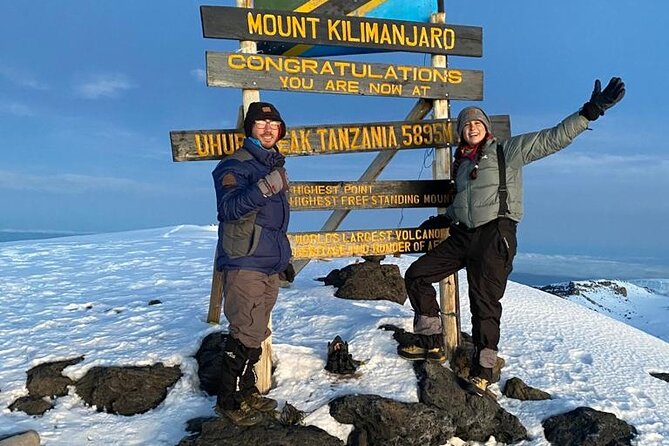
Language on Kilimanjaro Treks
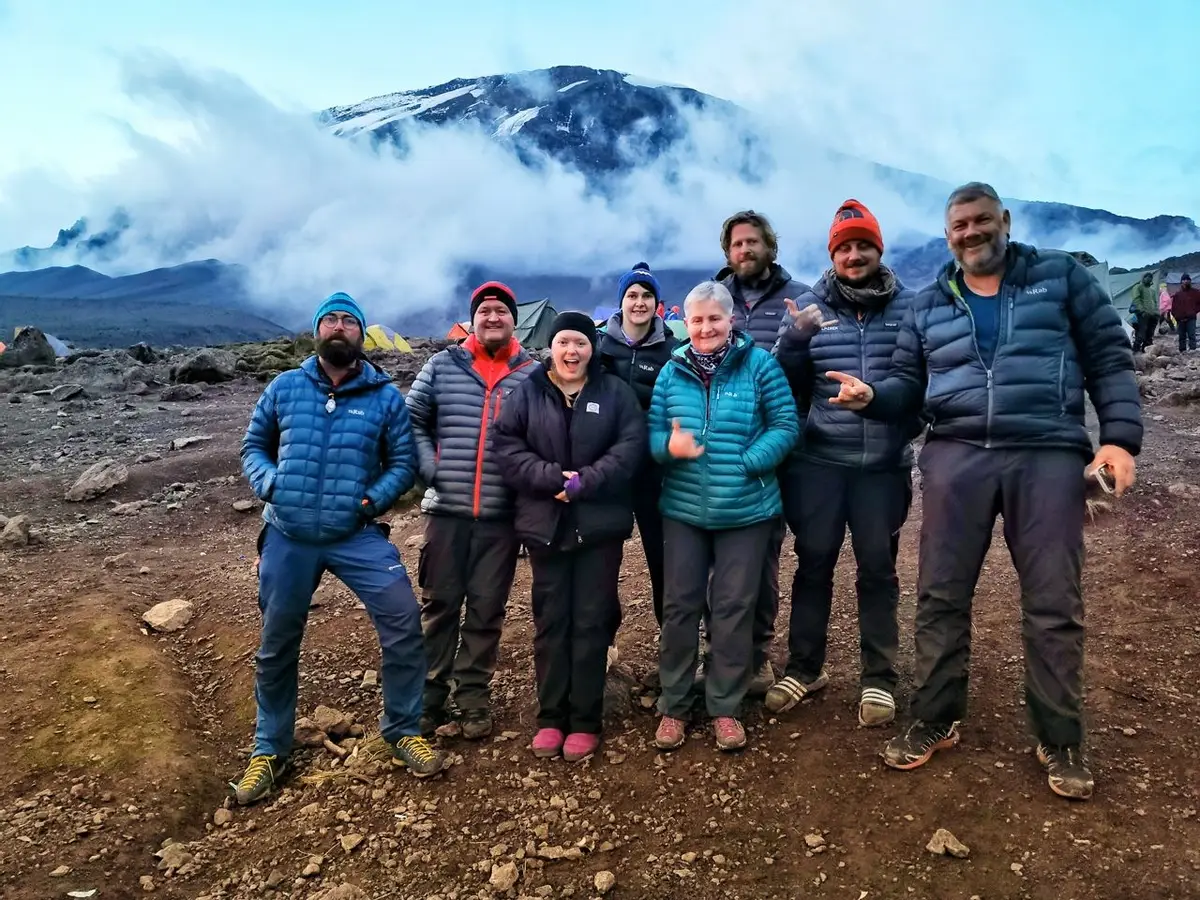
Kilimanjaro trekking involves a team: guides, assistant guides, cooks, and porters. Your lead guide and assistant guides will speak excellent English. They are responsible for your safety and well-being and need to communicate clearly about the trek, altitude, and any health concerns. Porters and cooks may have varying levels of English proficiency, but they are incredibly skilled at non-verbal communication and understanding basic instructions.
Learning ‘Asante’ (Thank you) and ‘Karibu’ (Welcome) is highly recommended for showing appreciation to your entire support crew. A simple ‘Habari?’ can also elicit a friendly response. The camaraderie on the mountain often transcends language barriers, but a few Swahili words can enhance the bond.
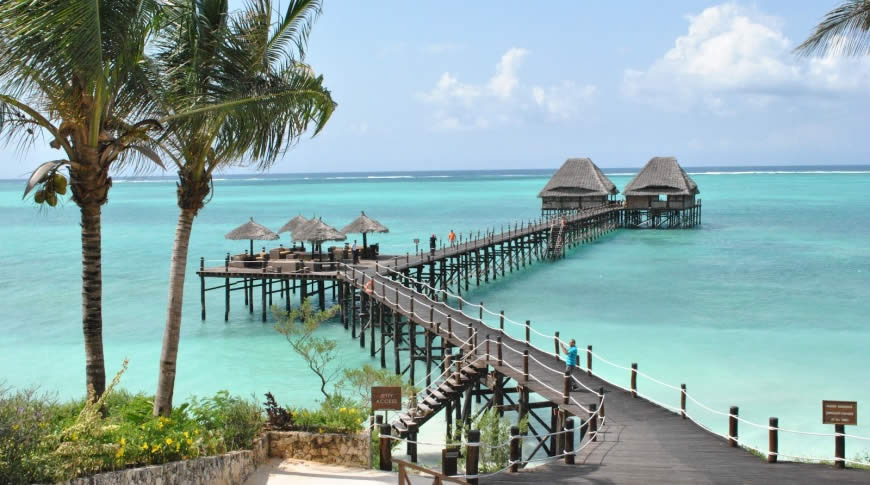
Language in Zanzibar
Zanzibar, while part of Tanzania, has a distinct cultural heritage with strong Arab and Indian influences. The primary local language is Swahili, but with a noticeable dialect and vocabulary influenced by Arabic. English is widely spoken in Stone Town, resorts, and tourist areas. However, venturing into local markets, villages outside the main tourist zones, or interacting with local fishermen might require more Swahili.
Learning phrases like ‘Jana nilikwenda…’ (Yesterday I went…) or asking about local delicacies can be rewarding. Understanding that ‘Karibu’ is used extensively to welcome people into shops, homes, and businesses is also helpful.
Planning Your Language Approach for 2026-2027
As you plan your Tanzania adventure for 2026 or 2027, consider how language fits into your desired travel experience. If you’re opting for a fully guided safari or a Kilimanjaro trek with a reputable operator, language barriers will be minimal in formal settings.
However, if you intend to explore independently, visit local communities, or seek deeper cultural immersion, investing a little time in learning Swahili will pay dividends. Even mastering the basic greetings and polite phrases can transform your interactions.
Pre-Trip Language Preparation Checklist
- Download a Swahili translation app (e.g., Google Translate, Duolingo).
- Print or save a list of essential Swahili phrases.
- Practice pronunciation of key greetings and phrases.
- Learn the Swahili word for your specific interests (e.g., ‘simba’ for lion, ‘tembo’ for elephant, ‘kahawa’ for coffee).
- Familiarize yourself with basic cultural etiquette related to greetings and dress.
- Inform your tour operator if you have specific language needs or interests.
Integrating Language into Your Itinerary
Consider where your itinerary will take you. A luxury lodge safari in a private concession might offer fewer opportunities for spontaneous local interaction than a cultural village visit or exploring Arusha town independently. For a 2026-2027 trip, you might plan specific activities that encourage language practice, such as visiting a local market with your guide or taking a cooking class.
For example, a sample 10-day Northern Circuit Safari itinerary might look like this:
Sample 10-Day Northern Circuit Safari Itinerary
- Day 1: Arrival in Arusha – Settle in, perhaps visit a local craft market. Practice ‘Jambo’ and ‘Asante’.
- Day 2: Arusha to Tarangire National Park – Game drive. Your guide will explain flora and fauna.
- Day 3: Tarangire National Park – Full day game drive.
- Day 4: Tarangire to Lake Manyara National Park – Game drive, known for tree-climbing lions.
- Day 5: Lake Manyara to Serengeti National Park – Travel to Serengeti, begin game drives.
- Day 6: Serengeti National Park – Full day game drives.
- Day 7: Serengeti National Park – Another full day exploring the vast plains.
- Day 8: Serengeti to Ngorongoro Conservation Area – Descend into the crater for game viewing.
- Day 9: Ngorongoro to Arusha – Visit a Maasai village en route (opportunity to practice greetings and ‘Bei gani?’) or head directly back to Arusha.
- Day 10: Departure – Transfer to Kilimanjaro International Airport (JRO).
During this itinerary, you’ll have ample opportunity to practice greetings with lodge staff, ask your guide questions, and perhaps try ‘Bei gani?’ if you purchase souvenirs. If you extend your trip to include cultural tours or homestays, your Swahili practice will intensify.
Common Mistakes to Avoid Regarding Language
While most Tanzanians are understanding and patient, there are a few pitfalls to avoid:
- Assuming everyone speaks English: While common in tourist areas, it’s not universal. Don’t get frustrated if someone doesn’t understand you.
- Speaking too loudly or assertively: This can be perceived as aggressive. Maintain a calm and friendly demeanor.
- Ignoring greetings: Skipping ‘Jambo’ or ‘Habari?’ can seem impolite.
- Being overly persistent when bargaining: Know when to stop if the seller is unwilling to lower the price further.
- Using Swahili incorrectly: While effort is appreciated, be mindful of context. For instance, ‘Pole pole’ is a philosophy, not just a literal instruction.
- Not asking permission for photos: This is a significant breach of privacy and respect.
Who is This Guide Best For?
This guide is beneficial for all travelers planning a trip to Tanzania, whether for a safari, Kilimanjaro climb, or Zanzibar holiday. It’s particularly useful for:
- First-time visitors to Tanzania: Provides a foundational understanding of language and culture.
- Independent travelers: Offers practical phrases for navigating local markets, transport, and informal settings.
- Culturally curious travelers: Encourages deeper engagement and authentic interactions.
- Budget travelers: Useful for bargaining and interacting in local shops and eateries.
- Anyone planning for 2026-2027: Offers timely advice for future travel planning.
Alternatives to Learning Swahili
If intensive language learning isn’t for you, there are still ways to navigate Tanzania successfully:
- Rely on your guide: Your tour operator will provide knowledgeable guides who act as cultural and linguistic bridges.
- Use translation apps: Smartphone apps can be helpful for quick translations, though offline functionality is recommended.
- Learn non-verbal cues: Smiling, nodding, and using gestures can convey a lot.
- Be patient and observant: Pay attention to how locals interact and follow their lead.
Looking Ahead: Tanzania Travel in 2026-2027
As you finalize your plans for 2026 and 2027, consider how language can enhance your experience. Booking in advance is advisable, especially for peak seasons. When you book with us, we ensure all your pre-trip communication is clear and comprehensive in English. We also provide our clients with essential Swahili phrases and cultural tips to help them make the most of their interactions on the ground.
For those seeking authentic experiences, integrating a few days in a local village or taking a cultural tour can be very rewarding. Understanding the local language, even just a little, will undoubtedly make these experiences richer.
Booking Your Tanzania Adventure
Ready to plan your dream trip to Tanzania? Whether it’s a thrilling safari, a challenging Kilimanjaro ascent, or a relaxing Zanzibar escape, Best Tanzania Tour Operator is here to help. We specialize in crafting personalized itineraries that cater to your interests and budget. Our experienced team ensures a smooth planning process, clear communication, and an unforgettable journey.
We understand the importance of cultural exchange and can incorporate opportunities for you to practice your Swahili and engage with local communities. Our guides are not only experts in wildlife and trekking but also in sharing their culture and language.
How to Book with Us
Getting started is simple:
- Contact Us: Reach out via WhatsApp, email, or our website to discuss your travel ideas.
- Custom Itinerary: We’ll work with you to design a tailor-made itinerary based on your preferences.
- Confirmation: Once you approve the itinerary and quote, we’ll guide you through the booking and payment process.
- Pre-Trip Support: We provide detailed information, packing lists, and essential language tips for traveling Tanzania.
Don’t hesitate to ask us any questions you might have about language, culture, or any aspect of your trip. We are committed to providing you with the best possible travel experience.
Contact us today:
- WhatsApp: +255616946642
- Email: topguideadventures@gmail.com
- Backup Email: info@topguideadventures.com
Frequently Asked Questions (FAQs)
What is the most spoken language in Tanzania?
The most spoken language in Tanzania is Swahili (Kiswahili), which is the national language. English is also an official language and widely used in business, education, and tourism.
Do I need to know Swahili to travel to Tanzania?
No, you do not strictly need to know Swahili to travel to Tanzania. English is widely spoken in tourist areas, hotels, and by guides. However, learning basic Swahili phrases can greatly enhance your experience and interactions with locals.
Is Swahili hard to learn for English speakers?
Swahili has a phonetic pronunciation and a relatively straightforward grammatical structure compared to some other languages. Many English speakers find it moderately easy to pick up basic phrases and conversational elements.
Which Swahili phrases are most useful for travelers?
The most useful phrases include greetings like ‘Jambo’ (Hello) and ‘Habari?’ (How are you?), expressions of politeness like ‘Asante’ (Thank you) and ‘Tafadhali’ (Please), and practical phrases like ‘Sielewi’ (I don’t understand) and ‘Bei gani?’ (How much?).
How do I greet people in Tanzania?
A simple ‘Jambo’ or ‘Habari?’ is a good start. A handshake is common, often with a gentle grip and a lingering touch. It’s polite to wait for a response to your greeting before proceeding.
Is it okay to use ‘Jambo’ with locals?
‘Jambo’ is widely understood and used with tourists. While it’s a safe greeting, locals often use ‘Hujambo?’ (to one person) or ‘Hamjambo?’ (to multiple people) as a more traditional greeting. Responding with ‘Sijambo’ (I am fine) or ‘Hatujambo’ (We are fine) is appropriate.
What should I know about bargaining in Tanzania?
Bargaining is expected in markets for souvenirs. Approach it with a smile and good humor. Start with a lower offer and be prepared to meet in the middle. If a price is agreed upon, honor the purchase. If not, a polite ‘Asante’ and walking away is acceptable.
Can I use my phone for translation in Tanzania?
Yes, translation apps on your smartphone can be very helpful. Ensure you download offline language packs before you travel, as internet connectivity can be unreliable in some areas.
What is the meaning of ‘Pole Pole’?
‘Pole pole’ means ‘slowly, slowly’ in Swahili. It reflects a cultural emphasis on patience, a relaxed pace of life, and taking things easy. It’s often used literally and figuratively.
Will my tour operator communicate in English?
Yes, reputable tour operators like Best Tanzania Tour Operator communicate extensively in English for all planning and operational aspects to ensure clarity and a smooth experience for international travelers. Your safari guides and Kilimanjaro guides will also be fluent in English.
Are there specific language tips for traveling Tanzania in 2026-2027?
The core language tips remain consistent. For 2026-2027, focus on integrating a few Swahili phrases into your daily interactions to foster deeper connections. Consider booking tours that include cultural village visits for more practice opportunities. Advance booking for popular periods in 2026-2027 is highly recommended.
What if I need urgent help and don’t speak Swahili?
In emergencies, your primary contact will be your guide or tour operator. They are trained to handle such situations. If you need to communicate with locals in an urgent situation, use simple English, gestures, and phrases like ‘Nisaidie’ (Help me). Your tour operator’s emergency contact details will be provided before your trip.
Ready for Your Tanzanian Adventure?
Mastering language tips for traveling Tanzania is a wonderful way to prepare for your trip. Whether you aim for fluency or just a few key phrases, your effort will be appreciated. Let Best Tanzania Tour Operator help you plan an unforgettable safari, Kilimanjaro trek, or Zanzibar holiday. We are dedicated to providing authentic experiences and seamless travel for our clients in 2026 and 2027.
Get in touch to start planning:
- WhatsApp: +255616946642
- Email: topguideadventures@gmail.com
- Backup Email: info@topguideadventures.com
Plan your Language Tips for Traveling Tanzania with Top Guide Adventures
Tell us your travel dates, group size, comfort level, and dream experience. We will help you shape a clear, realistic, and memorable Tanzania itinerary.

 Veedesigner
 Fatma Kizanga
 Benjamin Waryuba
 Philip Philip
 John jr Itaja
 Antonia Optatus
 Edith Kanyere
 Neema Iddy
 Kelvin Boniphace
 Damari Maiga



