
Updated planning guide for 2026-2027
Low-Season Discount Safaris — Value-Packed Departures: Complete Guide
Explore the advantages of low-season discount safaris in Tanzania. This guide provides comprehensive planning advice, itinerary ideas, cost considerations, and booking tips for your 2026-2027 adventure.
WhatsApp +255616946642 | topguideadventures@gmail.com | info@topguideadventures.com
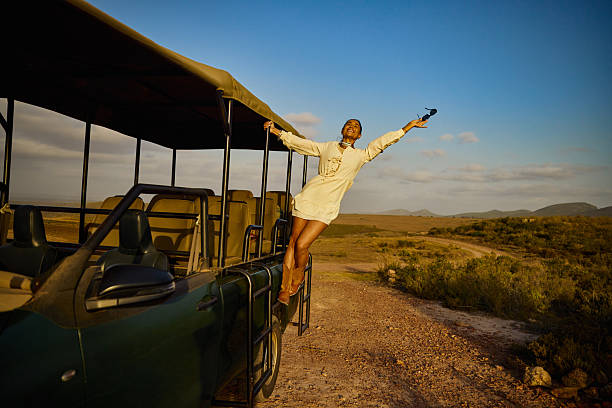
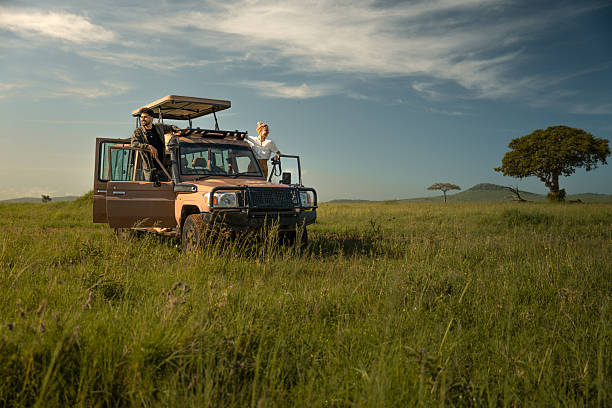
Your Complete Guide to Low-Season Discount Safaris in Tanzania
Planning an unforgettable safari in Tanzania doesn’t always require a premium budget. For savvy travelers looking for exceptional value without compromising on the wild experience, low-season discount safaris present a compelling opportunity. These departures, often scheduled outside the peak tourist months, offer a chance to witness Tanzania’s incredible wildlife and landscapes at a more accessible price point. This comprehensive guide will walk you through everything you need to know to plan and book your value-packed safari for 2026-2027.
Many travelers dream of seeing the Great Migration, the vast plains of the Serengeti, or the unique ecosystem of the Ngorongoro Crater. However, the perception of high costs can be a barrier. By understanding when the ‘low season’ occurs and what benefits it brings, you can secure a remarkable safari experience that aligns with your budget. This guide is designed to provide you with all the practical information needed, from understanding seasonality to choosing the right itinerary and making your booking with confidence.
Table of Contents
- Quick Facts: Low-Season Safaris
- What Defines Tanzania’s Safari Low Season?
- Why Choose Low-Season Discount Safaris?
- Best Time for Low-Season Safaris (2026-2027)
- Popular Routes for Low-Season Value
- Sample Low-Season Safari Itinerary (7 Days)
- What to Expect on a Low-Season Safari
- Typical Inclusions and Exclusions
- Packing and Preparation for Low-Season Travel
- Common Mistakes to Avoid
- Who Are Low-Season Safaris Best For?
- Alternatives to Discount Safaris
- Planning Your 2026-2027 Low-Season Safari
- Booking Your Discount Safari: Expert Tips
- Frequently Asked Questions (FAQs)
Quick Facts: Low-Season Safaris
| Aspect | Details |
|---|---|
| Focus Keyword | Low-Season Discount Safaris |
| Primary Benefit | Reduced costs, fewer crowds |
| Best Months (General) | March-May, November |
| Wildlife Viewing | Generally excellent, though some migrations may be elsewhere |
| Weather | Can be rainy, but often short showers; lush landscapes |
| Accommodation | Good availability, potential for upgrades or deals |
| Ideal for | Budget-conscious travelers, photographers, those avoiding crowds |
| Key Destinations | Serengeti, Ngorongoro, Tarangire, Lake Manyara |
What Defines Tanzania’s Safari Low Season?
Tanzania’s safari seasons are largely dictated by its climate and the movements of wildlife, particularly the Great Migration. The ‘low season’ typically coincides with the ‘green season’ or the period of ‘long rains’. This generally falls between March and May, and sometimes extends into early June. Another period, often considered shoulder season or a mini-low season, can be November, leading into the shorter rains.
During the long rains (March-May), the landscape is transformed. The dry, dusty plains become lush and green, dotted with wildflowers. While this can make spotting some animals slightly more challenging due to taller grass, it’s an incredibly beautiful time to visit. The rains are often characterized by heavy downpours, usually in the afternoon, followed by clear skies. This can mean some roads might be less accessible, particularly in remote areas, but major parks remain open and accessible.
The November period can be more variable. It might see shorter, more localized showers. The advantage here is that the landscape is still recovering from the dry season, and wildlife often congregates around remaining water sources, making them easier to find. It’s a transitional period that can offer excellent value.
Why Choose Low-Season Discount Safaris?
Opting for low-season discount safaris offers a multitude of advantages that extend beyond just saving money. These benefits can significantly enhance your overall travel experience:
- Cost Savings: This is the most apparent benefit. Tour operators and lodges often reduce their prices during these periods to maintain occupancy. This means you can potentially afford a longer safari, a more premium lodge, or simply save money for other aspects of your trip. For 2026-2027, these savings can make a dream safari a reality.
- Fewer Crowds: Peak seasons (like the dry season from June to October) can mean busy parks, with multiple safari vehicles around a single sighting. During the low season, you’ll often find yourself with more space, fewer other tourists, and a more intimate wildlife viewing experience. This can lead to more authentic and less disrupted encounters with animals.
- Photographic Opportunities: The lush, green landscapes of the low season provide a stunning backdrop for wildlife photography. The softer light during the green season can also be more forgiving than the harsh midday sun of the dry season. Dramatic skies with rain clouds add to the photographic appeal.
- Birdwatching Paradise: The low season is a prime time for birdwatching. Migratory birds arrive, and resident birds are in their breeding plumage. The abundance of water and vegetation means a rich diversity of birdlife.
- Calving Season: In many areas, the long rains coincide with the calving season for wildebeest and other herbivores. Witnessing newborn animals taking their first steps is a special and rewarding sight.
- More Flexible Itineraries: With potentially more availability in lodges and camps, you might find greater flexibility in customizing your itinerary or even arranging last-minute changes.
Best Time for Low-Season Safaris (2026-2027)
When planning for low-season discount safaris in 2026 and 2027, understanding the specific months is crucial. While general trends exist, minor variations can occur year to year.
- March, April, May: These are typically the core months of the ‘long rains’ season. Expect lush landscapes, dramatic skies, and fewer tourists. While some areas might experience challenging road conditions, the major parks like the Serengeti and Ngorongoro remain accessible. This period offers the most significant discounts.
- November: This month often falls into a ‘short rains’ period. It’s a shoulder season, meaning it’s not as wet as the long rains, but showers are possible. The landscape is beautiful, and wildlife is often concentrated around water sources. Prices may not be as low as the peak of the long rains, but they offer good value and fewer crowds than the dry season.
Note on Specific Years (2026-2027): While these months are generally reliable, it’s always wise to consult with your tour operator closer to your travel dates for the most up-to-date weather expectations and wildlife movements. The Great Migration’s exact location is fluid and depends on rainfall patterns.
Popular Routes for Low-Season Value
Many of Tanzania’s iconic safari destinations remain excellent choices during the low season. In fact, the reduced crowds can make these popular parks even more enjoyable.
Tanzania Northern Circuit Overview
The Northern Circuit is the most popular safari circuit in Tanzania, offering a diverse range of landscapes and wildlife. It’s generally accessible year-round, making it ideal for low-season travel.
- Arusha: Starting point for most Northern Circuit safaris.
- Tarangire National Park: Famous for its large elephant herds and baobab trees. Excellent year-round, but particularly good in drier months when elephants congregate around the Tarangire River. Still rewarding in the green season.
- Lake Manyara National Park: Known for its tree-climbing lions and diverse birdlife. The lake attracts large numbers of flamingos. Accessible and beautiful in the green season.
- Ngorongoro Conservation Area: A UNESCO World Heritage Site, the Ngorongoro Crater boasts an incredibly high density of wildlife. Its unique ecosystem means animals are present year-round. Road conditions within the crater are generally good even during the rains.
- Serengeti National Park: The vast plains are home to the Great Migration. While the wildebeest and zebra herds may be in different locations during the green season (often in the central or southern Serengeti for calving), resident wildlife is abundant. The landscape is stunningly green.
- Optional Add-ons: Depending on time and budget, consider areas like Mto wa Mbu for cultural experiences or a brief visit to Kilimanjaro National Park for views.
For low-season discount safaris, focusing on the Northern Circuit is often the most practical choice. These parks are well-established, have good infrastructure, and offer reliable wildlife viewing regardless of the season. The lush scenery during the green season provides a beautiful contrast to the typical dry savanna imagery.
Sample Low-Season Safari Itinerary (7 Days)
This sample itinerary focuses on the Northern Circuit, offering a balanced experience of Tanzania’s highlights during a value-driven period. It assumes travel during the long rains (e.g., April or May).
| Day | Location | Activities | Notes |
|---|---|---|---|
| 1 | Arrive Kilimanjaro Airport (JRO) & Transfer to Arusha | Meet your guide, transfer to your hotel. Relax and prepare for your safari. | Arusha has many comfortable lodges and hotels. Acclimatize. |
| 2 | Arusha to Tarangire National Park | Morning drive to Tarangire. Full-day game drive exploring the park’s diverse habitats and large elephant herds. | Tarangire is known for its baobab trees. Even in the green season, elephants are often found near the river. Expect lush scenery. |
| 3 | Tarangire to Lake Manyara & Karatu | Morning game drive in Tarangire or drive to Lake Manyara for a morning game drive. Focus on birdlife and potential tree-climbing lions. Afternoon drive to Karatu for overnight. | Lake Manyara offers a different landscape. Karatu provides good access to the Ngorongoro Crater for the next day. Roads might be muddy but usually manageable. |
| 4 | Ngorongoro Crater Tour | Descend into the Ngorongoro Crater for a full-day game drive. High chances of seeing the Big Five, including the endangered black rhino. Picnic lunch on the crater floor. | The crater floor is a unique ecosystem. Wildlife is resident year-round. The views from the crater rim are spectacular, even with clouds. |
| 5 | Karatu to Serengeti National Park (Central) | Drive to the Serengeti, with a stop at Olduvai Gorge (optional). Afternoon game drive in the central Serengeti. | The central Serengeti (Seronera) has resident wildlife year-round. The landscape is incredibly green during this period. |
| 6 | Serengeti National Park | Full-day game drives in the Serengeti. Depending on the time of year within the low season, you might find the wildebeest herds in the south for calving or grazing in the central plains. | Experience the vastness of the Serengeti. The green season offers excellent photographic light and dramatic skies. |
| 7 | Serengeti to Arusha & Departure | Early morning game drive in the Serengeti. Afterwards, drive back to Arusha for your onward flight or overnight stay. | Consider a hot air balloon safari in the Serengeti for a unique perspective (additional cost). |
What to Expect on a Low-Season Safari
Visiting Tanzania during the low-season discount safaris period brings a different, yet equally rewarding, experience compared to the peak dry season.
- Weather: Expect periods of rain, often heavy but usually short-lived, typically in the afternoons. Mornings are often clear and pleasant. Temperatures are generally warm to hot, but rain can bring cooler conditions. Pack for both sunshine and rain.
- Landscape: The most striking difference is the vibrant green. The plains, hills, and forests are lush and full of life. This creates a beautiful contrast for wildlife sightings and photography.
- Wildlife: While the Great Migration might be in specific areas (often the south for calving in March/April), resident wildlife populations in parks like the Serengeti and Ngorongoro are always present and active. Predators may be easier to spot in the short grass after rains, or they might be more concealed by the thicker vegetation. Many animals give birth during this time, providing opportunities to see young. Birdlife is exceptional.
- Road Conditions: Some park roads can become muddy and challenging, especially secondary tracks. However, main routes and those within popular parks like the Ngorongoro Crater and central Serengeti are usually well-maintained and accessible. Your experienced guide will know how to navigate these conditions.
- Crowds: You will encounter significantly fewer tourists. This means more personal space at sightings, a quieter atmosphere in the parks, and generally a more exclusive feel to your safari.
- Accommodation: Lodges and camps often have more availability and may offer special deals or upgrades. The atmosphere in camps can be more relaxed and intimate.
Typical Inclusions and Exclusions
Understanding what is included in your low-season discount safaris package is vital for budgeting and expectation management. While operators vary, here’s a general breakdown:
| Included | Typically Excluded |
|---|---|
| Accommodation (lodges/camps) | International flights |
| All park and conservation fees | Visa fees |
| Game drives in a 4×4 safari vehicle | Travel insurance |
| Professional English-speaking driver-guide | Tips for guides, drivers, and lodge staff |
| Meals (as specified in itinerary, often full board) | Alcoholic and non-alcoholic beverages (unless specified) |
| Bottled water during game drives | Optional activities (e.g., hot air balloon safari, cultural visits) |
| Airport transfers | Personal expenses (souvenirs, laundry, etc.) |
| Crater service fee (for Ngorongoro) | Vaccinations and medical expenses |
Always confirm the specifics with your tour operator. For 2026-2027 bookings, ensure the inclusions clearly match your needs and budget.
Packing and Preparation for Low-Season Travel
Packing for Tanzania’s low season requires a bit more consideration for changeable weather. The key is layering and versatility.
Clothing:
- Lightweight, breathable layers: Cotton or synthetic fabrics are best. Think t-shirts, long-sleeved shirts (for sun and insect protection).
- Warm layers: A fleece jacket or a warm sweater is essential for cool mornings and evenings, especially at higher altitudes like the Ngorongoro Crater rim.
- Waterproof and windproof jacket: A good quality rain jacket is a must-have for the green season.
- Neutral-colored clothing: Khaki, olive green, beige, and brown are ideal. Avoid bright colors and black/dark blue, which can attract insects or scare wildlife.
- Comfortable trousers/safari pants: Two or three pairs.
- Shorts: For warmer afternoons, though trousers are generally more practical for protection.
- Swimsuit: If your lodge has a pool.
- Hat: Wide-brimmed for sun protection.
Footwear:
- Comfortable walking shoes/hiking boots: Broken-in and sturdy. You might do some light walking on nature trails.
- Sandals or flip-flops: For relaxing at the lodge.
Other Essentials:
- Sunscreen: High SPF.
- Insect repellent: With DEET or Picaridin.
- Sunglasses.
- Camera and extra batteries/memory cards: Essential for capturing the beauty. Consider a telephoto lens.
- Binoculars: Highly recommended for wildlife viewing.
- Personal first-aid kit: With any personal medications.
- Headlamp or flashlight: Useful for navigating camps at night.
- Adapter for electronics: Tanzania uses Type G sockets (UK style).
- Small backpack or daypack: For carrying water, camera, etc., on game drives.
- Reusable water bottle.
- Hand sanitizer.
Preparation:
- Vaccinations and Malaria Prophylaxis: Consult your doctor or a travel clinic well in advance of your 2026-2027 trip. Yellow fever vaccination is required for entry if arriving from or transiting through a country with risk of yellow fever.
- Travel Insurance: Essential for medical emergencies, trip cancellations, and lost luggage.
- Fitness: No high level of fitness is required for standard safaris, but be prepared for early mornings and potentially bumpy rides.
- Learn a few Swahili phrases: ‘Jambo’ (hello), ‘Asante’ (thank you) are always appreciated.
Common Mistakes to Avoid
To ensure your low-season discount safaris are as smooth and enjoyable as possible, be aware of these common pitfalls:
- Underestimating the rain: Not packing adequate rain gear or expecting completely dry conditions.
- Ignoring the cold: Evenings and mornings can be surprisingly chilly, especially at higher altitudes.
- Focusing only on the Big Five: Tanzania offers incredible biodiversity beyond the iconic predators and large herbivores. Appreciate the smaller creatures, birds, and the stunning flora.
- Over-reliance on online information for migration timing: The Great Migration is a natural phenomenon. While general patterns exist, exact locations can vary. Trust your guide’s expertise.
- Not booking with a reputable operator: ‘Discount’ can sometimes mean cutting corners on safety, vehicle maintenance, or guide quality. Always choose established, well-reviewed companies.
- Not factoring in all costs: Ensure you understand what’s included in your package to avoid unexpected expenses like park fees or meals.
- Trying to see too much in too little time: Rushing between parks leads to less quality time for game viewing and more travel time.
- Forgetting insect repellent or sun protection: Even with rain, the sun can be intense, and mosquitoes are present.
Who Are Low-Season Safaris Best For?
Low-season discount safaris are an excellent choice for a variety of travelers:
- Budget-Conscious Travelers: Those who want to experience Tanzania’s wonders but have a limited budget will find the most significant value. This allows for a longer trip or a higher quality of accommodation than might be possible in peak season.
- Photographers: The lush green landscapes, dramatic skies, and unique light conditions of the green season offer superb photographic opportunities.
- Birdwatchers: The low season is prime time for birdwatching, with migratory birds present and resident birds in their breeding plumage.
- Travelers Seeking Solitude: Those who prefer a more intimate and less crowded safari experience will appreciate the reduced numbers of tourists.
- Repeat Visitors: Travelers who have already experienced Tanzania in peak season might appreciate a different perspective and a more relaxed pace.
- Nature Enthusiasts: The vibrant green landscapes and the abundance of newborn animals offer a unique appreciation for the cycle of life in the wild.
- Young Couples & Honeymooners (on a budget): Looking for a romantic and memorable trip without the peak season price tag.
Alternatives to Discount Safaris
If low-season discount safaris don’t perfectly align with your preferences, consider these alternatives:
- Shoulder Season Travel: Months like June and October can offer a good balance. The weather is often pleasant, crowds are starting to build or decrease, and prices may be slightly lower than the absolute peak of July-September.
- Shorter Safari Packages: If budget is the primary concern, opting for a shorter 3-4 day safari to one or two parks can be more affordable than a longer multi-park itinerary, regardless of the season.
- Camping Safaris: Opting for basic tented camps or even full camping safaris significantly reduces accommodation costs compared to lodges and tented camps. This is available year-round.
- Focusing on Specific Parks: Some parks, while part of the Northern Circuit, might have slightly different peak times or offer better value. Researching individual park dynamics can help.
- Self-Drive Safaris (with caution): While less common and often not recommended for first-time visitors to Tanzania due to road conditions and navigation challenges, a self-drive can theoretically be cheaper. However, this requires significant planning and experience.
- Combining with Zanzibar/Coastal Areas: Extending your trip to include Zanzibar or other coastal areas can offer a different kind of holiday experience. Sometimes packages combining safari and beach can offer value.
Planning Your 2026-2027 Low-Season Safari
Proactive planning is key to securing the best low-season discount safaris for 2026-2027. Here’s a planning timeline:
| Timeframe | Action |
|---|---|
| 12-18 Months Prior | Research destinations, safari styles, and tour operators. Understand the seasons. Decide on your budget range. For 2026-2027 travel, this is the ideal time to start. |
| 9-12 Months Prior | Shortlist 2-3 reputable tour operators. Request detailed quotes for low-season departures. Compare itineraries, inclusions, and accommodation levels. Book your preferred safari package. This secures your spot and potentially locks in early-bird pricing. |
| 6-9 Months Prior | Book international flights. This is often when flight prices are most competitive, especially for specific dates. |
| 4-6 Months Prior | Apply for Tanzanian visas if required. Ensure your passport is valid for at least six months beyond your stay and has sufficient blank pages. |
| 2-3 Months Prior | Consult your doctor or a travel clinic for necessary vaccinations and malaria prophylaxis. Purchase travel insurance. |
| 1 Month Prior | Finalize packing. Confirm all travel arrangements with your tour operator. Arrange any necessary currency for tips or personal expenses. |
| Week of Departure | Pack your bags. Double-check all documents (passport, visa, flight tickets, insurance details, safari confirmation). Inform your bank of your travel dates. |
Starting early for your 2026-2027 trip allows you to take advantage of the best availability and potentially the best deals on low-season discount safaris.
Booking Your Discount Safari: Expert Tips
Securing a fantastic deal on low-season discount safaris requires careful consideration. Here are expert tips to guide your booking process:
- Choose a Reputable Operator: Look for companies with a strong track record, positive reviews (on independent sites like TripAdvisor), and clear communication. For Tanzania, companies like Best Tanzania tour operator (Top Guide Adventures) are known for their expertise.
- Understand ‘Discount’: Is the discount due to seasonality, a specific promotion, or a reduction in service quality? Ensure you’re getting value, not just a cheaper product.
- Read the Itinerary Carefully: Does it match your interests? Is the pacing reasonable? Does it cover the parks you want to see?
- Check Accommodation Standards: ‘Discount’ safaris might use more budget-friendly lodges or camps. Understand the level of comfort you’re booking. You can often pay a supplement to upgrade if desired.
- Clarify Inclusions: As detailed earlier, know exactly what your package covers. Park fees and daily conservation fees are significant costs in Tanzania.
- Ask About Vehicle Type: Ensure the safari vehicle is a well-maintained 4×4 with a pop-up roof for optimal game viewing.
- Payment Terms: Understand the deposit requirements and cancellation policy. Reputable operators will have clear terms.
- Travel Insurance is Non-Negotiable: Never skip this. It protects your investment and your health.
- Consider Travel Dates Carefully: Even within the low season, some weeks might be slightly busier (e.g., around Easter).
- Communicate Your Needs: Whether it’s dietary requirements, specific interests (e.g., birding), or mobility concerns, communicate them upfront.
For your 2026-2027 low-season discount safaris, reach out to experienced operators. They can offer tailored advice and ensure you get the best possible value and experience. Contact Top Guide Adventures via WhatsApp at +255616946642 or email them at topguideadventures@gmail.com or info@topguideadventures.com to discuss your plans.
Frequently Asked Questions (FAQs)
Q1: Is the wildlife still visible during Tanzania’s low season?
A1: Yes, absolutely. While the Great Migration’s exact location can vary, resident wildlife populations in parks like the Serengeti and Ngorongoro are present year-round. The green landscapes can sometimes make spotting animals harder due to thicker vegetation, but predators may be easier to find against the short grass after rains. Birdlife is exceptional during this time.
Q2: What are the main disadvantages of traveling during the low season?
A2: The primary disadvantage is the possibility of rain, which can sometimes disrupt game drives or make roads muddy. Some lodges or camps might have reduced services or be closed for maintenance. However, for the most popular parks on the Northern Circuit, accessibility and services are generally maintained.
Q3: How significant are the discounts during the low season for 2026-2027 safaris?
A3: Discounts can vary significantly but can range from 10% to 30% or even more compared to peak season prices. This often comes in the form of reduced accommodation rates, special package deals from tour operators, or the ability to afford higher-tier lodges within the same budget.
Q4: Can I still see the Great Migration during the low season?
A4: Yes, you can, but its location is predictable based on rainfall. The long rains (March-May) often coincide with the calving season, when the wildebeest and zebras are in the southern Serengeti. While they begin their migration northwards later, you can still witness large herds during this period.
Q5: Is it safe to travel to Tanzania during the rainy season?
A5: Yes, it is generally safe. The rains are usually predictable, and tour operators are experienced in navigating conditions. Road closures are rare in the main tourist areas. Standard travel precautions apply, and travel insurance is essential.
Q6: What if I want to climb Mount Kilimanjaro during the low season?
A6: Kilimanjaro’s low season (March-May) is generally considered the most challenging time to climb due to heavy rains and potential snow at higher altitudes. November can also be wet. The best climbing seasons are typically January-March and June-October. Discount treks might be available in the shoulder months, but the primary low season is not ideal for summit attempts.
Q7: How do I find reliable tour operators offering low-season discount safaris for 2026-2027?
A7: Look for operators with strong online reviews, industry affiliations (like ATTA), and clear communication channels. Ask for references and check their safety protocols. Companies like Top Guide Adventures are a good starting point for exploring value-packed options.
Q8: What is the difference between the ‘long rains’ and ‘short rains’ in Tanzania?
A8: The ‘long rains’ typically occur from March to May and are characterized by heavier, more prolonged rainfall, though often still with sunny periods. The ‘short rains’ (Vuli) usually happen in November and December, consisting of lighter, more sporadic showers.
Q9: Can I combine a low-season safari with Zanzibar?
A9: Yes, this is a popular combination. While Zanzibar can also experience rain during the low season (especially April-May), it’s often still warm enough for beach holidays, and prices might be lower there too. The weather in Zanzibar is generally more predictable than on the mainland.
Q10: Are there any specific areas in Tanzania that are better or worse during the low season?
A10: The Northern Circuit parks (Serengeti, Ngorongoro, Tarangire, Lake Manyara) are generally well-equipped to handle the green season. Some more remote parks or areas with unpaved access roads might become challenging. For low-season discount safaris, sticking to the Northern Circuit is usually the most reliable option.
Plan Your Value-Packed Adventure Today!
Choosing low-season discount safaris is a smart way to experience the magic of Tanzania without overspending. With lush landscapes, abundant wildlife, fewer crowds, and significant cost savings, these value-packed departures offer an incredible adventure for 2026-2027. Don’t let budget constraints hold back your dream safari.
Whether you’re a keen photographer, a wildlife enthusiast, or simply seeking an unforgettable journey, a low-season safari provides an exceptional opportunity. We specialize in crafting memorable and affordable Tanzanian experiences.
Get in touch with our expert team to discuss your personalized safari plan. Let us help you design the perfect itinerary that maximizes value and delivers an extraordinary wildlife encounter.
Contact us today:
- WhatsApp: +255616946642
- Email: topguideadventures@gmail.com
- Backup Email: info@topguideadventures.com
Plan your Low-Season Discount Safaris — Value-Packed Departures with Top Guide Adventures
Tell us your travel dates, group size, comfort level, and dream experience. We will help you shape a clear, realistic, and memorable Tanzania itinerary.



