
Updated planning guide for 2026, 2027-2028
Main Tours From Moshi For Safari: Best Guide 2026-2027-2028
Planning a safari from Moshi? This comprehensive guide details the most popular main tours from Moshi, offering practical advice for travelers seeking an unforgettable Tanzanian adventure in 2026-2027.
WhatsApp +255616946642 | topguideadventures@gmail.com | info@topguideadventures.com
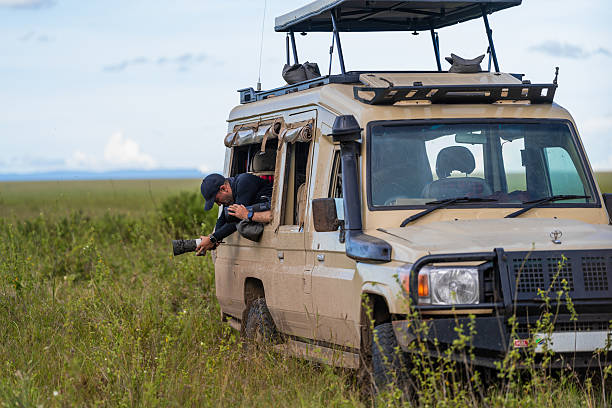
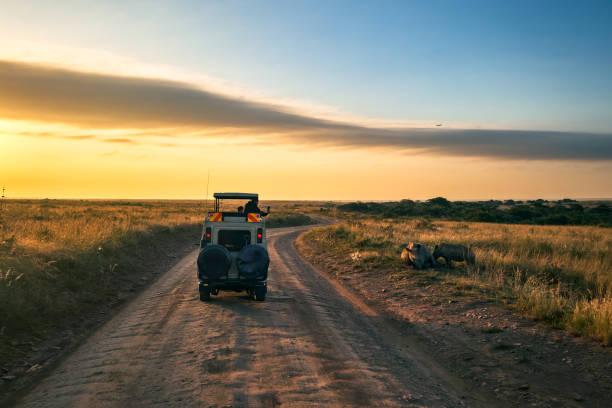
Main Tours From Moshi: Your Gateway to Tanzania’s Wildlife Wonders
Moshi, a vibrant town nestled at the foot of Mount Kilimanjaro, serves as a crucial starting point for many travelers exploring Tanzania’s world-renowned safari destinations. While many associate Moshi solely with Kilimanjaro treks, its strategic location makes it an ideal hub for accessing the Northern Circuit’s legendary national parks. This guide focuses on the main tours from Moshi, providing an in-depth look at what to expect, how to plan, and what makes these safaris so special.
For those looking to experience the incredible wildlife of Tanzania, understanding the options available from Moshi is key. Whether you are a first-time visitor or a seasoned traveler, this resource aims to equip you with the knowledge needed to plan a memorable safari adventure for 2026 and 2027.
| Feature | Details |
|---|---|
| Primary Safari Circuit | Northern Circuit (Serengeti, Ngorongoro, Tarangire, Lake Manyara) |
| Typical Safari Duration | 3 days to 7+ days |
| Common Starting Point | Moshi or Arusha (often interchangeable) |
| Wildlife Highlights | Big Five (Lion, Leopard, Elephant, Rhino, Buffalo), Great Migration (seasonal), diverse birdlife, unique flora. |
| Best Time to Visit | June to October (dry season), January to February (calving season). |
| Accommodation Types | Budget camping, mid-range lodges, luxury tented camps, high-end hotels. |
Why Choose Moshi for Your Safari Starting Point?
Moshi’s appeal as a safari departure point is multifaceted. Its proximity to Kilimanjaro International Airport (JRO) makes it easily accessible for international arrivals. Furthermore, it offers a more relaxed atmosphere compared to Arusha, allowing travelers to acclimatize before their safari. The town itself provides essential services, from currency exchange to last-minute shopping for safari gear. Most importantly, it’s the launching pad for some of the most iconic wildlife experiences on the planet.
When you consider main tours from Moshi, you are essentially looking at the Northern Circuit of Tanzania. This circuit is famous for its concentration of wildlife and the sheer diversity of landscapes, from the vast plains of the Serengeti to the unique caldera of the Ngorongoro Crater and the baobab-studded savannas of Tarangire.
Understanding the Northern Circuit Safari
The Northern Circuit is the most popular safari circuit in Tanzania, and for good reason. It encompasses a series of protected areas, each offering a distinct ecosystem and wildlife viewing opportunities. Most tours originating from Moshi will follow a variation of this classic route.
Key Parks and Reserves in the Northern Circuit:
- Serengeti National Park: The undisputed jewel, famous for its endless plains and the Great Migration.
- Ngorongoro Conservation Area: Home to the Ngorongoro Crater, a UNESCO World Heritage Site teeming with wildlife.
- Tarangire National Park: Known for its large elephant herds and iconic baobab trees.
- Lake Manyara National Park: Famous for its tree-climbing lions and diverse birdlife, set against a stunning lake backdrop.
- Arusha National Park: A smaller, accessible park often visited for day trips or as a first stop, featuring Mount Meru and diverse habitats.
The main tours from Moshi typically include a combination of these parks, with the duration and specific parks visited varying based on your interests and available time.
Popular Safari Itinerary Structures From Moshi
Safari itineraries from Moshi are designed to maximize wildlife viewing while considering travel times between parks. Here are common structures:
3-Day Safari (Short & Sweet)
This is a condensed option, usually focusing on 2-3 parks. It’s ideal for those with limited time.
Example 3-Day Northern Circuit Safari
- Day 1: Drive from Moshi to Tarangire National Park. Full day game drive. Overnight near Tarangire.
- Day 2: Morning game drive in Tarangire or drive to Lake Manyara. Game drive in Lake Manyara. Overnight near Lake Manyara or Karatu.
- Day 3: Drive to Ngorongoro Crater for a morning game drive. Descend into the crater. Afternoon drive back to Moshi.
4-Day Safari (Classic Introduction)
This itinerary allows for a more relaxed pace and often includes more time in one of the key parks.
Example 4-Day Northern Circuit Safari
- Day 1: Drive from Moshi to Tarangire National Park. Full day game drive. Overnight near Tarangire.
- Day 2: Drive to Lake Manyara National Park for a morning game drive. Continue to Karatu for overnight, perhaps visiting a local coffee plantation.
- Day 3: Full day game drive in the Ngorongoro Crater. Overnight in Karatu or near the crater rim.
- Day 4: Morning drive back to Moshi, possibly with a stop at Mto wa Mbu village or a craft market.
5-Day Safari (Deeper Exploration)
Adding a day allows for more comprehensive exploration of the Serengeti, which is vast and warrants dedicated time.
Example 5-Day Northern Circuit Safari
- Day 1: Drive from Moshi to Tarangire National Park. Full day game drive. Overnight near Tarangire.
- Day 2: Drive to Lake Manyara National Park for a morning game drive. Continue to Karatu. Overnight in Karatu.
- Day 3: Descend into the Ngorongoro Crater for a full day game drive. Overnight in Karatu.
- Day 4: Drive to Serengeti National Park (central or southern region depending on season). Afternoon game drive. Overnight in the Serengeti.
- Day 5: Morning game drive in the Serengeti. Drive back to Moshi, a long but rewarding day.
6-Day Safari (Serengeti Focus)
This duration provides substantial time in the Serengeti, allowing for exploration of different regions and better chances of witnessing the Great Migration.
Example 6-Day Northern Circuit Safari
- Day 1: Drive from Moshi to Tarangire National Park. Full day game drive. Overnight near Tarangire.
- Day 2: Drive to Lake Manyara National Park. Morning game drive. Continue to Karatu. Overnight in Karatu.
- Day 3: Full day game drive in the Ngorongoro Crater. Overnight in Karatu.
- Day 4: Drive to the Serengeti National Park. Afternoon game drive. Overnight in the Serengeti.
- Day 5: Full day game drive in the Serengeti, exploring different areas. Overnight in the Serengeti.
- Day 6: Morning game drive in the Serengeti. Drive back to Moshi.
7-Day Safari (Comprehensive Northern Circuit)
This is often considered the ‘classic’ Northern Circuit experience, covering all the major highlights with ample time for immersion.
Example 7-Day Northern Circuit Safari
- Day 1: Drive from Moshi to Tarangire National Park. Full day game drive. Overnight near Tarangire.
- Day 2: Drive to Lake Manyara National Park. Morning game drive. Continue to Karatu. Overnight in Karatu.
- Day 3: Full day game drive in the Ngorongoro Crater. Overnight in Karatu.
- Day 4: Drive to the Serengeti National Park. Afternoon game drive. Overnight in the Serengeti.
- Day 5: Full day game drive in the Serengeti. Overnight in the Serengeti.
- Day 6: Another full day in the Serengeti, potentially focusing on a different region or specific wildlife interests. Overnight in the Serengeti.
- Day 7: Morning game drive in the Serengeti. Drive back to Moshi.
Beyond the Classic: Extended Safaris
For those who want to go deeper, longer safaris (8 days or more) can incorporate:
- More time in specific Serengeti regions (e.g., Northern Serengeti for migration river crossings, Western Serengeti for Grumeti River).
- Visits to less crowded parks like Mkomazi National Park or Saadani National Park (though these are further afield and less common for standard Moshi-based tours).
- Cultural visits to Maasai villages or Hadzabe communities.
- Combinations with other activities like hot air balloon safaris.
Planning Your Safari from Moshi: Key Considerations
Successful safari planning involves understanding several critical factors. Here’s what you need to consider when arranging your main tours from Moshi for 2026 or 2027.
Best Time to Go
Tanzania offers fantastic safari experiences year-round, but different periods are better suited for specific interests:
| Period | Weather | Wildlife Highlights | Crowds | Notes |
|---|---|---|---|---|
| June – October (Dry Season) | Cooler temperatures, clear skies, minimal rain. Roads are good. | Excellent game viewing as animals congregate around water sources. Easier to spot predators. The Great Migration is typically in the western and northern Serengeti. | High season. Popular parks can be busy. | Ideal for general game viewing and photography. Higher prices. |
| November – December (Short Rains) | Brief, localized showers, often in the afternoon. Warmer. | Fewer crowds, landscapes become greener. Birdlife is excellent. Migration may be moving south. | Low to shoulder season. | Good value, but be prepared for occasional rain. |
| January – February (Long Rains / Calving Season) | Can be hot and humid, with some rain. | Calving season in the southern Serengeti – huge numbers of wildebeest and zebra, plus predators. Excellent for bird watchers. | Low season. | Great for photographers interested in newborns and predator action. Can be cheaper. Roads can be affected by heavy rain. |
| March – May (Long Rains) | Heaviest rains, can be continuous. Lush green landscapes. | Very few tourists. Landscapes are beautiful. Migration is usually in the central/western Serengeti. | Low season. | Best for budget travelers seeking solitude. Parks can be challenging to navigate due to mud. Many camps and lodges close or offer significant discounts. |
Choosing Your Safari Parks
The main tours from Moshi focus on the Northern Circuit, but the specific parks you visit will shape your experience:
- For Big Five and Dense Wildlife: Ngorongoro Crater is unparalleled for concentrated viewing. Tarangire offers vast elephant herds.
- For the Great Migration: Serengeti is essential. The location of the migration changes seasonally, so timing is crucial. From roughly July to October, it’s typically in the north, crossing rivers. From December to March, it’s in the south for calving.
- For Birdlife and Unique Scenery: Lake Manyara is excellent, with its flamingo-dotted lake and diverse bird species.
- For Variety and Accessibility: Arusha National Park is good for a shorter introduction, offering Mount Meru views, crater lakes, and diverse habitats, including savannah, forest, and montane environments.
Accommodation Options
Your choice of accommodation significantly impacts your safari experience and budget. Options generally fall into these categories:
- Budget Camping: Basic campsites within or near national parks. Shared facilities, tents provided. Offers an authentic, close-to-nature experience.
- Mid-Range Lodges & Tented Camps: Comfortable lodges or permanent tented camps with en-suite bathrooms, dining areas, and often swimming pools. A good balance of comfort and immersion.
- Luxury Lodges & Tented Camps: High-end accommodations offering superior service, gourmet food, spacious rooms, private facilities, and exclusive locations.
- Specialty Options: Some operators offer mobile tented camps that follow the migration, providing a more exclusive and dynamic experience.
Transportation: 4×4 Safari Vehicles
Most main tours from Moshi utilize robust 4×4 Land Cruisers or Land Rovers. These vehicles are equipped with:
- Pop-up roofs for excellent game viewing and photography.
- Comfortable seating for passengers.
- Ample storage space for luggage.
- Experienced, knowledgeable drivers/guides who are experts in tracking wildlife and navigating the parks.
Safari Guides: The Key to Your Experience
A good safari guide is invaluable. They are not just drivers; they are trained naturalists who can:
- Spot elusive wildlife.
- Explain animal behavior and ecological relationships.
- Share insights into local culture and history.
- Ensure your safety.
- Navigate the parks efficiently.
When booking, inquire about the qualifications and experience of the guides provided by your tour operator. Top operators invest in highly skilled guides.
Sample Route Illustration: Northern Circuit
Here’s a simplified visual representation of a common route for main tours from Moshi. This isn’t a literal map but illustrates the flow between key locations.
Moshi → Arusha (brief stop/transfer) → Tarangire National Park → Lake Manyara National Park / Karatu → Ngorongoro Conservation Area → Serengeti National Park → Return to Moshi
The exact order can vary, especially when incorporating the Serengeti. For instance, some tours might go from Arusha directly to the Serengeti, then loop back through Ngorongoro and Tarangire.
What to Expect on Your Safari
Understanding the daily rhythm and typical experiences is important for setting expectations.
Daily Safari Routine
A typical safari day involves:
- Early Morning Game Drive: Often starting just after sunrise, this is prime time for wildlife activity as many predators are still active.
- Breakfast: Either back at the lodge/camp or a packed breakfast enjoyed in the bush.
- Mid-Morning/Afternoon Game Drive: Continuing the search for wildlife, exploring different areas of the park. This can be one long drive or split into morning and afternoon sessions.
- Lunch: Usually taken at the lodge/camp or as a picnic lunch during a full-day game drive.
- Evening: Relaxing at your accommodation, sharing stories of the day’s sightings, and enjoying dinner. Some lodges offer evening entertainment or cultural experiences.
Game Drive Etiquette and Safety
To ensure a safe and enjoyable experience for everyone, adhere to these guidelines:
- Stay Inside the Vehicle: Unless at a designated picnic site or lodge, always remain inside the safari vehicle. Wild animals are unpredictable.
- Keep Noise Levels Down: Loud noises can scare animals away and disrupt the natural environment.
- Do Not Feed Animals: Feeding wildlife is harmful to their health and can make them aggressive towards humans.
- Respect Animal Space: Maintain a safe distance from all animals. Your guide will know the appropriate distance.
- Photography: Ask your guide before photographing Maasai people. Avoid using flash photography directly at animals, especially nocturnal ones.
- Waste Disposal: Carry out all litter. Do not leave anything behind in the parks.
Wildlife Viewing Opportunities
The Northern Circuit offers incredible diversity:
- The Big Five: Lion, Leopard, Elephant, Rhino, and Buffalo are the most sought-after sightings. Ngorongoro Crater has a high density of all five.
- The Great Migration: Witnessing millions of wildebeest and zebras on their annual journey across the Serengeti plains is a bucket-list event.
- Predators: Cheetahs, hyenas, wild dogs, and various big cats are commonly seen.
- Other Mammals: Giraffes, hippos, crocodiles, zebras, numerous antelope species, monkeys, and baboons are abundant.
- Birdlife: Tanzania is a birdwatcher’s paradise, with hundreds of species recorded, including raptors, water birds, and colorful terrestrial birds.
Packing Essentials for Your Safari
Packing smartly can make a significant difference to your comfort and enjoyment. Focus on practical, neutral-colored clothing.
Safari Packing Checklist
- Clothing: Lightweight, breathable fabrics in neutral colors (khaki, beige, olive green). Avoid bright colors and dark blue/black (attracts tsetse flies).
- Layers: A fleece jacket or warm sweater for cool mornings and evenings.
- Trousers/Pants: Comfortable, durable hiking or safari pants.
- Shirts: Long-sleeved shirts for sun protection and insect defense, and t-shirts.
- Shorts: For warmer days, though long pants are often more practical.
- Rain Gear: A lightweight, waterproof and breathable jacket, especially during the shoulder seasons.
- Footwear: Comfortable walking shoes or hiking boots (if planning any walking safaris), plus comfortable socks. Sandals or flip-flops for camp.
- Hat: A wide-brimmed hat for sun protection.
- Sunglasses: Essential for reducing glare.
- Sunscreen: High SPF, broad-spectrum sunscreen.
- Insect Repellent: With DEET or Picaridin.
- Personal First-Aid Kit: Including any personal medications, pain relievers, antiseptic wipes, bandages.
- Camera & Accessories: Extra batteries, memory cards, and a zoom lens are highly recommended. A dust-proof bag or cover.
- Binoculars: Crucial for spotting distant wildlife.
- Headlamp or Torch: For navigating around camp after dark.
- Adapter: For charging electronics (Type D and G sockets are common).
- Reusable Water Bottle: To minimize plastic waste.
- Small Backpack/Daypack: For carrying essentials during game drives.
- Toiletries: Biodegradable options are preferred.
What NOT to Pack
- Brightly colored clothing.
- Camouflage clothing (often restricted for civilians).
- High heels or impractical footwear.
- Excessive amounts of formal wear.
- Valuable jewelry or large amounts of cash.
- Plastic bags (many East African countries have bans).
Common Mistakes to Avoid When Booking Tours from Moshi
To ensure your safari is everything you dreamed of, be aware of potential pitfalls.
- Booking with Unreputable Operators: Always research tour operators thoroughly. Look for reviews, certifications, and clear communication.
- Not Clarifying Inclusions/Exclusions: Understand what your safari package covers (park fees, meals, accommodation, guide, vehicle) and what it doesn’t (tips, drinks, personal expenses, optional activities).
- Underestimating Travel Times: Distances in Tanzania are vast, and roads can be rough. Factor in significant travel time between locations.
- Ignoring Seasonality: Booking a calving season safari expecting river crossings will lead to disappointment. Match your travel dates to your wildlife goals.
- Overpacking: Luggage space in safari vehicles is limited. Pack light and smart.
- Not Budgeting for Extras: Park fees, accommodation, and vehicle hire are the main costs, but don’t forget tips for guides and staff, drinks, and souvenirs.
- Focusing Only on the Big Five: While iconic, Tanzania offers so much more. Appreciate the diversity of landscapes, smaller mammals, and birdlife.
- Not Discussing Pace: Some travelers prefer a fast-paced itinerary covering many parks, while others prefer to spend more time in fewer locations. Communicate your preference.
Who Are Main Tours From Moshi Best Suited For?
Safaris from Moshi cater to a wide range of travelers:
- First-Time Safari Goers: The Northern Circuit is an excellent introduction to African wildlife, with high chances of seeing iconic animals.
- Families: Many operators offer family-friendly itineraries and accommodations, providing educational and exciting experiences for all ages.
- Photographers: The stunning landscapes and abundant wildlife offer endless photographic opportunities.
- Nature Enthusiasts: Beyond the Big Five, the diverse ecosystems and birdlife appeal to those with a deep appreciation for nature.
- Adventure Seekers: While the safari itself is an adventure, combining it with Kilimanjaro or Zanzibar adds to the thrill.
- Couples & Honeymooners: Luxury lodges and private tours offer romantic and memorable experiences.
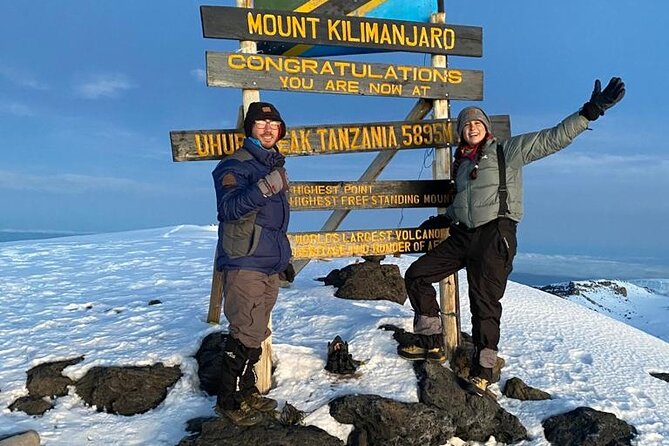
For those who have just completed a Kilimanjaro climb, a safari from Moshi is a natural and highly recommended extension, providing a different kind of awe-inspiring experience.
Alternatives to Standard Northern Circuit Tours
While the Northern Circuit is the most popular, other safari options exist, though they might not be standard main tours from Moshi without longer travel or additional flights:
- Southern Circuit (Selous Game Reserve, Ruaha National Park): Offers a wilder, less crowded experience, known for its large elephant and wild dog populations. Requires flights from Arusha/Dar es Salaam or long overland journeys.
- Western Tanzania (Gombe Stream, Mahale Mountains): Famous for chimpanzee trekking. Requires flights from Arusha or Dar es Salaam.
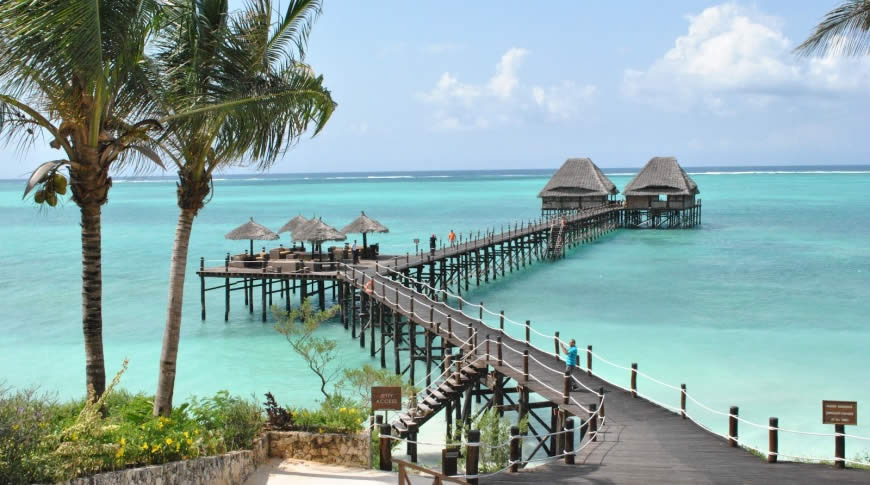
- Zanzibar Safaris: While primarily a beach destination, Jozani Forest offers a glimpse of wildlife, including the endemic Zanzibar red colobus monkey. This is not a traditional safari experience.
For most travelers starting in Moshi and seeking classic African wildlife, the Northern Circuit remains the premier choice.
Planning Your 2026-2027 Safari from Moshi
Planning well in advance is key, especially for peak seasons. Here’s a timeline for your 2026 or 2027 safari:
Safari Planning Timeline (2026-2027)
- 12-18 Months Before: Research tour operators. Define your budget, desired dates, and interests (e.g., Great Migration, specific animals).
- 9-12 Months Before: Book your safari with a reputable operator. Secure your preferred accommodation, especially for luxury options or peak season travel. Book international flights.
- 6-9 Months Before: Confirm visa requirements and apply if necessary. Start thinking about travel insurance.
- 3-6 Months Before: Get any necessary vaccinations or malaria prophylaxis recommendations from your doctor. Purchase safari gear and clothing.
- 1-3 Months Before: Finalize itinerary details with your operator. Confirm luggage restrictions.
- 2-4 Weeks Before: Exchange currency. Pack your bags. Reconfirm flight details.
- During Safari: Enjoy the incredible experience!
- Post-Safari: Write reviews and share your experiences.
Budgeting for Your Safari
Safari costs can vary significantly. Key factors influencing price include:
- Duration of Safari: Longer safaris naturally cost more.
- Accommodation Level: Camping is the most budget-friendly, followed by mid-range lodges, and then luxury camps.
- Number of Parks Visited: Each park has entrance fees.
- Vehicle Type: While most use Land Cruisers, specialized vehicles might cost more.
- Group Size: Private tours are generally more expensive per person than group tours.
- Time of Year: Peak seasons (June-October) are more expensive.
When comparing quotes, ensure you are comparing like-for-like services. Always ask for a detailed breakdown of what is included.
Booking Advice: Choosing Your Tour Operator
Selecting the right tour operator is paramount for a successful safari. Here’s how to make an informed choice for your main tours from Moshi:
- Reputation and Reviews: Look for operators with consistently positive reviews on platforms like TripAdvisor, Google, and dedicated travel forums.
- Experience and Local Knowledge: Choose operators with a proven track record in Tanzania and deep knowledge of the Northern Circuit. Local operators often provide better value and authentic experiences.
- Communication: A good operator will be responsive, clear, and helpful in answering all your questions, from initial inquiry to post-safari.
- Itinerary Customization: Ensure the operator can tailor itineraries to your specific interests, pace, and budget.
- Transparency: They should provide clear pricing, detailed itineraries, and a list of inclusions and exclusions.
- Safety Standards: Inquire about their safety protocols, vehicle maintenance, and guide training.
- Sustainability Practices: Consider operators who demonstrate a commitment to responsible tourism, supporting local communities and conservation efforts.
For reliable and expertly crafted safari experiences from Moshi, consider connecting with experienced local operators. For personalized service and in-depth planning assistance for your 2026 or 2027 adventure, reach out:
WhatsApp: +255616946642
Email: topguideadventures@gmail.com
Backup Email: info@topguideadventures.com
Frequently Asked Questions (FAQs)
Common Questions About Safaris from Moshi
Q1: How far is Moshi from the main safari parks?
Moshi is located approximately 1-2 hours drive from Arusha, which is the gateway city to the Northern Circuit parks. From Arusha, it’s another 2-4 hours drive to parks like Tarangire or Lake Manyara, and longer to Serengeti.
Q2: Can I combine a safari with climbing Mount Kilimanjaro?
Absolutely! Many travelers do this. It’s advisable to do the safari first to acclimatize to the altitude and enjoy the wildlife, or do the climb first and then relax on safari. Your tour operator can arrange both.
Q3: What is the best way to see the Great Migration?
Seeing the Great Migration depends on the time of year. From December to March, the southern Serengeti is best for calving. From July to October, the northern Serengeti is ideal for river crossings. Your tour operator can advise on the best locations for your travel dates in 2026 or 2027.
Q4: Are safaris from Moshi safe?
Yes, safaris in Tanzania are generally very safe when conducted with reputable operators. Guides are trained to handle wildlife encounters and ensure passenger safety. Following your guide’s instructions is crucial.
Q5: What is the average cost of a safari from Moshi?
Costs vary widely. Budget camping safaris might start from around $150-$200 per person per day. Mid-range safaris can range from $250-$400 per person per day, and luxury safaris can exceed $500-$800+ per person per day. These are estimates for 2026-2027; exact prices depend on itinerary and inclusions.
Q6: Do I need a visa for Tanzania?
Most nationalities require a visa for Tanzania. You can often obtain this upon arrival at the airport, but it’s recommended to check the latest requirements for your nationality and consider applying online in advance.
Q7: What vaccinations are recommended for Tanzania?
Consult your doctor or a travel clinic well in advance. Yellow fever vaccination is often required if arriving from or transiting through a country with a risk of yellow fever. Malaria prophylaxis is usually recommended.
Q8: How much should I tip my safari guide?
Tipping is customary and appreciated. A guideline for a private safari is $20-$30 per day for the driver/guide. For cook/camp assistants (if camping), $10-$15 per day per guest is common. Your operator can provide specific recommendations.
Q9: Can I do a day trip safari from Moshi?
Yes, shorter day trips to nearby parks like Arusha National Park are possible from Moshi. However, for the main Northern Circuit parks like Serengeti and Ngorongoro, multi-day tours are necessary.
Q10: What is the luggage allowance for safari vehicles?
Soft-sided duffel bags are generally preferred over hard suitcases, as they are easier to store. A typical allowance is around 15-20 kg per person. Always confirm with your tour operator.
Your Unforgettable Safari Adventure Awaits
Moshi is more than just a basecamp; it’s the launchpad for extraordinary wildlife encounters. The main tours from Moshi offer a chance to witness the raw beauty and incredible biodiversity of Tanzania’s iconic national parks. By understanding the options, planning carefully, and choosing a trusted partner, you can ensure your safari in 2026 or 2027 is an experience that stays with you forever.
Ready to plan your dream safari? Contact our expert team today for personalized advice and custom itineraries. We specialize in creating unforgettable safari experiences tailored to your interests and budget.
Get in touch:
WhatsApp: +255616946642
Email: topguideadventures@gmail.com
Backup Email: info@topguideadventures.com
Plan your Main Tours From Moshi For Safari with Top Guide Adventures
Tell us your travel dates, group size, comfort level, and dream experience. We will help you shape a clear, realistic, and memorable Tanzania itinerary.

 Veedesigner
 Fatma Kizanga
 Benjamin Waryuba
 Philip Philip
 John jr Itaja
 Antonia Optatus
 Edith Kanyere
 Neema Iddy
 Kelvin Boniphace
 Damari Maiga



