
When considering a truly unique way to experience the vast beauty and abundant wildlife of Tanzania, the Maji Ya Chai Horseback Safari stands out as an exceptional choice. Far from the typical safari vehicle, this adventure offers an intimate connection with the land and its inhabitants, allowing you to traverse diverse ecosystems from the back of a sturdy, well-trained horse. Whether you’re a seasoned rider or a novice eager for a new perspective, a Maji Ya Chai safari promises unforgettable encounters and a profound appreciation for the African wilderness. As you plan your travels for 2026 or 2027, incorporating this remarkable experience into your itinerary is highly recommended for those seeking an authentic and exhilarating journey.
This comprehensive guide will explore what makes a Maji Ya Chai horseback safari so special, detailing the landscapes you’ll traverse, the wildlife you might see, the practicalities of planning your trip, and why choosing a reputable tour operator is crucial for a safe and rewarding adventure. We’ll cover everything you need to know to make your Maji Ya Chai Horseback Safari a highlight of your Tanzanian exploration.
Understanding the Maji Ya Chai Horseback Safari Experience
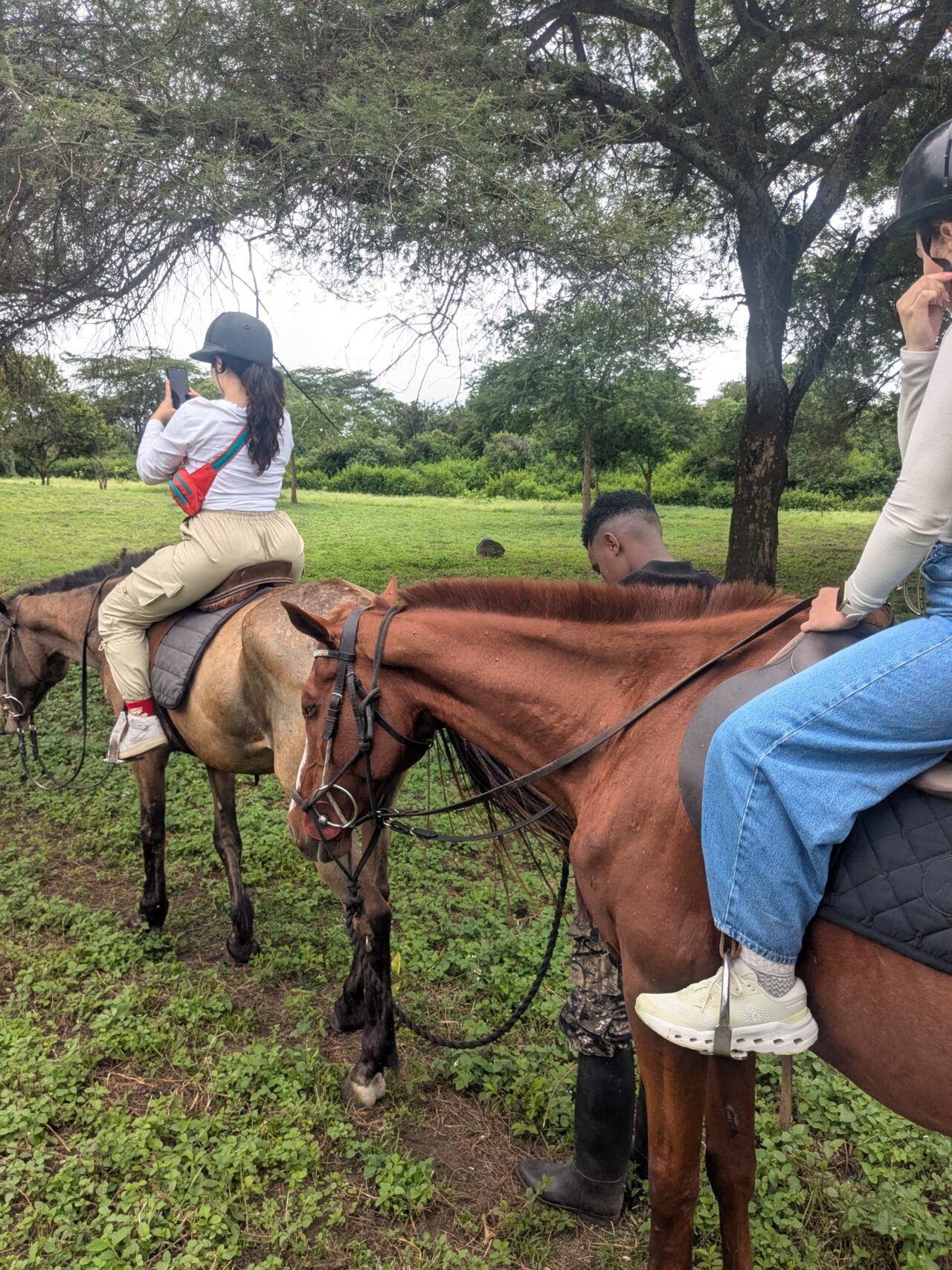
The name ‘Maji Ya Chai’ itself evokes images of flowing water and the lushness of the Tanzanian landscape. This specific region, often associated with the areas bordering the northern safari circuits and potentially extending towards the Great Rift Valley, offers a unique blend of open plains, acacia woodlands, and rugged terrain that is perfectly suited for horseback exploration. Unlike safaris confined to roads, horseback safaris allow riders to move more quietly through the bush, getting closer to wildlife without causing undue disturbance.
The core of the Maji Ya Chai horseback safari experience lies in its immersive nature. You are not merely an observer; you are an active participant, guided by experienced local riders who possess an unparalleled understanding of the environment and animal behavior. This approach fosters a deep connection with nature, allowing for moments of quiet observation and thrilling encounters that are simply not possible from within a vehicle.
Why Choose Horseback Over Traditional Safaris?
While traditional game drives in 4×4 vehicles are the cornerstone of most Tanzanian safaris, horseback safaris offer distinct advantages:
- Proximity to Wildlife: Horses are a natural part of the African landscape. Animals often perceive them as less of a threat than vehicles, allowing for closer, more natural viewing opportunities. Imagine seeing elephants or giraffes from eye-level, moving alongside them at a gentle pace.
- Quieter Encounters: The soft tread of hooves is far less disruptive than the engine of a vehicle. This quiet approach enhances the sense of peace and allows for better listening to the sounds of the bush, from birdsong to distant animal calls.
- Access to Different Terrain: Horses can navigate areas inaccessible to vehicles, opening up hidden valleys, narrow game trails, and water sources where wildlife frequently congregates.
- Active Engagement: For those who enjoy an active holiday, riding a horse provides a physical connection to the journey. It’s an engaging way to cover ground and feel the pulse of the wild.
- Unique Perspective: Seeing the landscape from a higher vantage point on horseback offers a different perspective, revealing the scale and beauty of the plains and hills in a way that ground-level viewing cannot.
The Maji Ya Chai Landscape: A Rider’s Paradise
The terrain around Maji Ya Chai is diverse, contributing to the richness of the safari experience. You’ll likely encounter:
- Rolling Savannahs: Vast, open grasslands dotted with iconic acacia trees, providing excellent visibility for spotting game. These are ideal for a comfortable, steady pace.
- Woodlands and Bushland: Denser areas with thicker vegetation where smaller game and a variety of birdlife thrive. Riding through these areas requires more skilled horsemanship and offers opportunities for surprising wildlife sightings.
- Watercourses and Seasonal Rivers: Many safaris are timed around water sources, and Maji Ya Chai’s proximity to such features means opportunities to see animals coming to drink, especially during drier periods.
- Gentle Hills and Ridges: Offering panoramic views of the surrounding landscape, these elevated points provide breathtaking vistas and excellent vantage points for scanning for wildlife.
The specific routes and types of terrain will vary depending on the operator and the time of year, but the common thread is the suitability of the landscape for horseback riding, offering a dynamic and varied experience for riders.
Wildlife Encounters on a Maji Ya Chai Horseback Safari
While no safari can guarantee specific sightings, the Maji Ya Chai region is known for its diverse fauna. The advantage of a horseback safari is the ability to approach wildlife more discreetly. Common sightings might include:
- Grazing Mammals: Herds of zebras, wildebeest, various species of gazelle (Thomson’s, Grant’s), and impala are frequently seen in the open plains.
- Giraffes: These majestic creatures are often found browsing on acacia trees and can be observed peacefully from horseback.
- Elephants: While caution is paramount, elephants can sometimes be encountered, especially near water sources. Your guides will ensure safe distances are maintained.
- Buffalo: Large herds of Cape buffalo can be a formidable sight, and guides will manage encounters to ensure safety for both riders and the animals.
- Predators: While less common to see up close on horseback due to their elusive nature and potential danger, lions, cheetahs, and leopards inhabit these areas. Sightings are rare but possible, and guides are trained to handle such encounters with utmost care and respect for animal space.
- Smaller Mammals: Warthogs, baboons, various monkey species, and smaller antelopes are often seen.
- Birdlife: Tanzania boasts an incredible diversity of bird species. From ostriches and secretary birds on the plains to colorful rollers and bee-eaters in the woodlands, birdwatchers will be delighted.
The thrill of a horseback safari is the unexpected. You might round a bend and find yourself observing a lion pride resting in the shade, or witness a family of elephants drinking from a waterhole, all while maintaining a respectful distance.
Planning Your Maji Ya Chai Horseback Safari for 2026-2027
Successful planning is key to an exceptional safari. For a Maji Ya Chai Horseback Safari in 2026 or 2027, consider the following:
Best Time to Travel
The best time for a horseback safari in Tanzania generally aligns with the dry seasons, when the grass is shorter, visibility is better, and wildlife congregates around permanent water sources. These periods are typically:
- June to October: This is the peak of the dry season. Skies are clear, temperatures are pleasant, and wildlife viewing is excellent. It’s also a prime time for the Great Migration in the Serengeti, though Maji Ya Chai is a separate experience.
- January to February: This is a secondary dry season, often referred to as the ‘short rains’ period, but it can also offer excellent game viewing with fewer crowds.
The shoulder seasons (March-May and November-December) can see more rain, which might impact riding conditions and wildlife distribution, but can also offer lower prices and fewer tourists.
Duration of Your Safari
A typical Maji Ya Chai horseback safari can range from a half-day excursion to multi-day expeditions. For a truly immersive experience, consider a 3-day to 5-day horseback safari. This allows ample time to cover significant ground, experience different landscapes, and maximize wildlife viewing opportunities without feeling rushed. Longer trips can be customized to your preferences.
What to Pack
Packing for a horseback safari requires a balance of comfort, safety, and practicality:
- Riding Gear: Comfortable long trousers (jeans or riding breeches), closed-toe shoes or riding boots (with a slight heel if possible), and gloves are recommended. Helmets are usually provided by the operator, but if you have a preferred helmet, you can bring it.
- Clothing: Lightweight, breathable clothing in neutral colors (khaki, beige, green) is best. Long-sleeved shirts and trousers protect against the sun and insects. A warm layer (fleece or jacket) is essential for cooler mornings and evenings.
- Sun Protection: A wide-brimmed hat or cap, sunglasses, and high-SPF sunscreen are crucial.
- Insect Repellent: Especially important for evenings.
- Camera and Binoculars: To capture memories and spot distant wildlife. Ensure you have extra batteries and memory cards.
- Water Bottle: Staying hydrated is vital.
- Personal Items: Basic toiletries, any personal medications, and a small first-aid kit.
Riding Experience and Fitness
Most Maji Ya Chai horseback safaris cater to a range of riding abilities. Operators typically offer:
- Beginner-Friendly Rides: Slower paces through open areas, focusing on wildlife viewing.
- Intermediate/Advanced Rides: Longer durations, faster paces, and more challenging terrain for experienced riders.
While you don’t need to be an elite athlete, a moderate level of fitness is beneficial, especially for multi-day rides. The ability to sit comfortably for several hours a day is important.
Choosing the Right Operator for Your Maji Ya Chai Horseback Safari
The success and safety of your horseback safari hinge significantly on the quality of your tour operator. When selecting a provider for your Maji Ya Chai Horseback Safari, especially when planning for 2026 or 2027, look for:
- Experience and Reputation: Choose operators with a proven track record in running horseback safaris in Tanzania. Check reviews on platforms like TripAdvisor and ask for references.
- Horse Welfare: Ensure the operator prioritizes the health, well-being, and appropriate training of their horses. Healthy, well-cared-for horses make for a better and safer experience.
- Guide Expertise: Guides should be knowledgeable not only about riding and horse management but also about local wildlife, conservation, and safety protocols. They must be experienced in handling various wildlife encounters.
- Safety Standards: Inquire about their safety procedures, emergency plans, and the equipment they provide (e.g., helmets, first-aid kits).
- Itinerary Customization: A good operator will be willing to tailor the safari to your interests, fitness level, and desired duration.
Top Guide Adventures is a highly recommended Tanzanian tour operator with extensive experience in crafting unique safari experiences, including horseback safaris. They understand the nuances of the Tanzanian wilderness and are committed to providing safe, ethical, and memorable adventures. You can reach them via WhatsApp at +255616946642 or email at topguideadventures@gmail.com. Their backup email is info@topguideadventures.com.
Typical Itinerary Structure (Example)
While itineraries vary, a 3-day Maji Ya Chai Horseback Safari might look something like this:
Day 1: Arrival and First Ride
Arrive at the designated starting point (often near Arusha or a specific ranch/camp). Meet your guides and horses. After a briefing and fitting, start a shorter afternoon ride to get acquainted with your horse and the surrounding terrain. Enjoy sundowners overlooking the plains.
Day 2: Full Day Exploration
A full day in the saddle. Ride through diverse landscapes, seeking out wildlife. Enjoy a picnic lunch in a scenic spot. Learn about the local flora and fauna from your guides. Return to camp in the late afternoon.
Day 3: Morning Ride and Departure
A final morning ride, perhaps exploring a different area or revisiting a favorite spot. Enjoy breakfast at the camp before bidding farewell to your horses and guides. Transfer to your next destination or airport.
Multi-day safaris often involve camping in the bush or staying at remote lodges, adding to the adventure.
Cost Considerations for Maji Ya Chai Horseback Safaris (2026-2027)
The cost of a Maji Ya Chai Horseback Safari can vary significantly based on several factors:
- Duration: Longer safaris naturally cost more.
- Inclusions: What is included (meals, accommodation, park fees, transfers, horse hire)?
- Accommodation Style: Camping, standard lodges, or luxury tented camps.
- Group Size: Private safaris are typically more expensive per person than shared group departures.
- Operator’s Standard: High-end operators with more experienced guides and better-maintained horses will charge more.
As a general guideline for 2026-2027 planning:
- Budget/Basic Rides (e.g., half-day or 1-day): Might range from $150 – $300 per person.
- Multi-day Safaris (3-5 days): Expect prices from $300 – $700+ per person per day. This often includes accommodation, meals, guides, horses, and basic transfers.
It’s essential to get a detailed quote from your chosen operator. Always clarify what is included and excluded. For instance, international flights, visas, travel insurance, tips, and personal expenses are usually not covered.
Example Cost Factors (Per Person for a 3-Day Safari)
Budget Camping Safari: $900 – $1,500
Mid-Range Lodge/Tented Camp Safari: $1,500 – $2,500
Luxury Tented Camp Safari: $2,500 – $4,000+
Note: These are indicative ranges for 2026-2027. Actual prices will depend on specific inclusions and operator pricing. Contact us for a personalized quote.
Combining Horseback Safaris with Other Tanzanian Experiences
A Maji Ya Chai Horseback Safari can be a spectacular standalone adventure or a fantastic addition to a broader Tanzanian itinerary. Consider combining it with:
- Northern Circuit Safaris: Extend your trip to include iconic parks like the Serengeti, Ngorongoro Crater, Tarangire, and Lake Manyara. Many horseback safaris are based near Arusha, making it a convenient starting or ending point for these classic safaris. You can explore options for all Tanzania safaris group departures or private tours through operators like Top Guide Adventures.
- Kilimanjaro Trekking: For the adventurous, a trek up Mount Kilimanjaro is a classic Tanzanian challenge. Popular routes like the Machame Route have group departures available, which can be coordinated with your safari. Check Machame Route Kilimanjaro group departures dates for planning.
- Zanzibar Holidays: After the dust and excitement of the safari, unwind on the pristine beaches of Zanzibar. Stone Town offers rich history and culture, while the northern beaches are perfect for relaxation and watersports.
- Cultural Tours: Engage with local communities, visit Maasai villages, or learn about traditional crafts.
By strategically combining these experiences, you can create a truly comprehensive Tanzanian adventure tailored to your interests and the travel season of 2026 or 2027.
Safety and Responsible Tourism on Horseback
Safety is paramount on any safari, and horseback safaris are no exception. Reputable operators adhere to strict safety protocols:
- Experienced Guides: Guides are trained in first aid, wildlife behavior, and emergency procedures. They will always maintain safe distances from potentially dangerous animals.
- Well-Trained Horses: The horses are accustomed to safari environments and wildlife.
- Appropriate Gear: Helmets and other safety equipment are provided.
- Communication: Guides typically carry radios or satellite phones for emergencies.
Responsible tourism is also crucial. This includes:
- Respecting Wildlife: Never approach animals too closely, feed them, or disturb their natural behavior.
- Minimizing Environmental Impact: Stick to trails where designated, avoid littering, and respect the natural environment.
- Supporting Local Communities: Choose operators who employ local staff and contribute to community development.
Frequently Asked Questions about Maji Ya Chai Horseback Safaris
What is the typical duration of a Maji Ya Chai Horseback Safari?
Safaris can range from half-day excursions to multi-day expeditions lasting up to a week or more. For a substantial experience, a 3-day to 5-day safari is often recommended.
Do I need to be an experienced rider?
No, most operators cater to various skill levels, from beginners to experienced riders. They will match you with a suitable horse and guide you on appropriate routes. However, a moderate level of fitness is beneficial for longer rides.
What wildlife can I expect to see?
You can expect to see a variety of plains game such as zebras, wildebeest, gazelles, and impalas. Giraffes and buffalo are also common. While predator sightings are less frequent and require caution, they are possible. Birdlife is abundant.
Is it safe to ride near wildlife?
Yes, with experienced guides and well-trained horses, it is generally safe. Guides are experts in wildlife behavior and will ensure that safe distances are maintained from potentially dangerous animals. Safety is the top priority.
When is the best time to go for a horseback safari?
The dry seasons, generally from June to October and sometimes January to February, offer the best conditions with shorter grass, better visibility, and wildlife congregating around water sources.
What should I pack for a horseback safari?
Pack comfortable riding attire, long trousers, closed-toe shoes, sun protection (hat, sunglasses, sunscreen), insect repellent, and layers for cooler mornings/evenings. Helmets are usually provided.
Ready to Plan Your 2026-2027 Maji Ya Chai Horseback Safari?
A Maji Ya Chai Horseback Safari offers a profoundly different way to connect with the spirit of Tanzania. It’s an adventure that combines the thrill of wildlife encounters with the freedom and perspective of riding through breathtaking landscapes. For those planning their Tanzanian journey for 2026 or 2027, this experience promises to be a highlight, creating memories that will last a lifetime.
To ensure your adventure is expertly planned, safe, and unforgettable, consider partnering with seasoned professionals. Top Guide Adventures specializes in creating bespoke Tanzanian safari experiences, including unique horseback expeditions. They have the local knowledge and dedication to craft the perfect itinerary for you. Don’t hesitate to reach out to them to discuss your dream safari:
Contact Top Guide Adventures:
WhatsApp: +255616946642
Email: topguideadventures@gmail.com
Backup Email: info@topguideadventures.com
Whether you’re dreaming of the vast plains, the thrill of seeing wildlife up close from the back of a horse, or combining this with other Tanzanian wonders like Kilimanjaro or Zanzibar, planning early for 2026 and 2027 is advisable. Let Top Guide Adventures help you create an extraordinary journey.



