
Updated planning guide for 2026-2027
Malaria Risk Africa Travel: Your Essential Guide
Planning an African adventure? Understand and manage malaria risk for a safe and enjoyable trip to Tanzania. This guide covers everything from prevention to packing for your safari, trek, or beach holiday.
WhatsApp +255616946642 | topguideadventures@gmail.com | info@topguideadventures.com
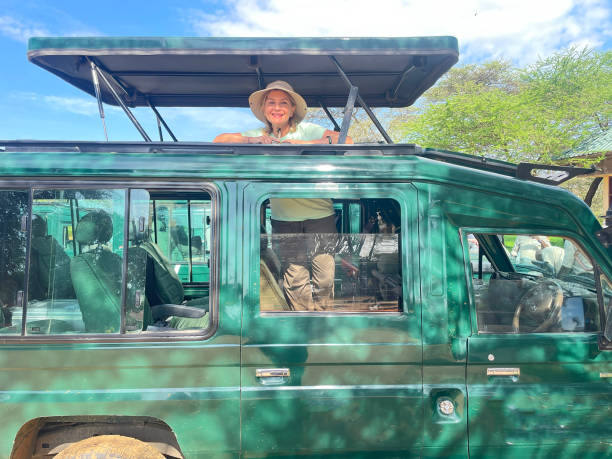
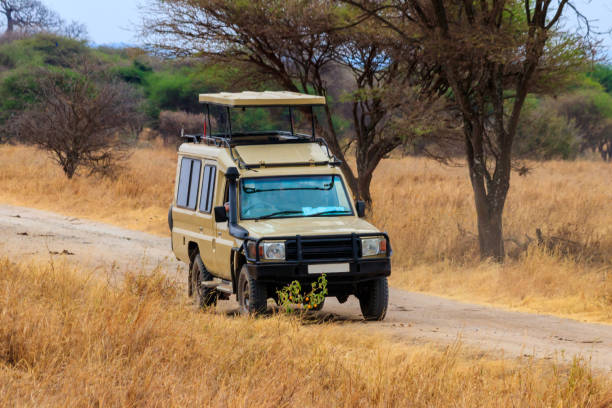
Malaria Risk Africa Travel: Your Essential Planning Guide
Africa captivates with its vast savannas, towering peaks, and turquoise coastlines. For many travelers, Tanzania represents the quintessential African experience, offering iconic safaris in the Serengeti, the challenging ascent of Mount Kilimanjaro, and the exotic allure of Zanzibar. However, alongside the incredible sights and sounds, potential visitors often consider the health implications, particularly regarding malaria risk in Africa travel. Understanding this risk and preparing adequately is crucial for a safe, healthy, and memorable journey. This guide provides an in-depth look at malaria in Tanzania, offering practical advice for travelers planning their adventures for 2026 and 2027.
Quick Answer: Managing Malaria Risk for Your Africa Trip
The most effective approach to malaria risk in Africa travel involves a multi-pronged strategy: consulting your doctor well in advance, adhering strictly to prescribed antimalarial medication, taking personal protective measures against mosquito bites (especially during dawn and dusk), and being aware of symptoms. For Tanzania, malaria is endemic, meaning it’s present year-round in most regions, though risk can fluctuate with seasons and altitude. Proactive planning and informed choices are your best defenses.
Table of Contents
- Understanding Malaria in Africa
- Malaria Risk in Tanzania: Regional Breakdown
- Your Prevention Strategy: Medication and More
- Personal Protection: Avoiding Mosquito Bites
- Recognizing Symptoms and Seeking Treatment
- Malaria Risk on Safari: What to Expect
- Malaria Risk on Kilimanjaro: Altitude Matters
- Malaria Risk in Zanzibar: Coastal Considerations
- Packing for Malaria Prevention
- Common Mistakes to Avoid
- Who is This Guide For?
- Alternatives to Consider
- Planning Your 2026-2027 Trip: Key Steps
- Booking Your Tanzania Adventure
- Frequently Asked Questions (FAQs)
Understanding Malaria in Africa
Malaria is a serious disease caused by parasites transmitted to people through the bites of infected female Anopheles mosquitoes. While preventable and treatable, it remains a significant public health challenge in many tropical and subtropical regions, including large parts of sub-Saharan Africa. The Anopheles mosquito is most active between dusk and dawn, making these periods critical for taking precautions.
The severity of malaria can vary. In its mild form, it can present as flu-like symptoms. However, if left untreated or if caused by certain parasite strains (like Plasmodium falciparum, common in Africa), it can quickly progress to severe illness and become life-threatening. This is why understanding the specific risks in your destination and taking appropriate measures is paramount for any malaria risk Africa travel.
Malaria in Tanzania: Quick Facts
| Aspect | Details |
|---|---|
| Disease Type | Parasitic infection transmitted by mosquitoes |
| Primary Vector | Female Anopheles mosquito |
| Peak Biting Times | Dusk and dawn |
| Risk in Tanzania | Present year-round in most areas; higher in lowland and coastal regions. Lower risk at higher altitudes. |
| Prevention Focus | Antimalarial medication, mosquito bite avoidance |
| Severity | Can be severe and life-threatening if untreated (especially P. falciparum) |
Malaria Risk in Tanzania: Regional Breakdown
Tanzania, like many African nations, presents a varied landscape in terms of malaria risk. Generally, the risk is higher in areas closer to sea level and lower in higher altitudes. This distinction is vital when planning your itinerary.
- Coastal Areas and Lowlands: Regions like Zanzibar, Dar es Salaam, the Serengeti plains, and the Selous Game Reserve (now Nyerere National Park) have a consistently high malaria risk year-round. Mosquito populations can thrive in the warmer, more humid conditions.
- Highlands and Mountainous Regions: Areas like Arusha (gateway to Kilimanjaro and the Northern Safari Circuit), and the slopes of Mount Kilimanjaro itself, have a significantly lower malaria risk. The cooler temperatures at higher altitudes are less favorable for mosquitoes. However, risk is not entirely eliminated, especially at lower elevations on the mountain or in surrounding towns.
- Seasonal Fluctuations: While malaria is present throughout the year, mosquito breeding can increase during and immediately after the rainy seasons (typically March-May and November-December). This can lead to a temporary spike in cases.
When considering malaria risk Africa travel, it’s essential to discuss your specific itinerary with your healthcare provider. A trip that includes both the Serengeti and the higher slopes of Kilimanjaro will have different risk profiles for different parts of the journey.
Your Prevention Strategy: Medication and More
Preventing malaria is a cornerstone of safe travel to malaria-endemic regions. It’s a proactive approach that combines medical advice with practical daily habits.
Consult Your Doctor Early
This is the single most important step. Schedule an appointment with your doctor or a travel clinic at least 4-6 weeks before your departure date for 2026 or 2027 travel. They will:
- Assess your individual health status and any pre-existing conditions.
- Discuss the specific malaria risks for your planned destinations in Tanzania.
- Prescribe the most suitable antimalarial medication based on current recommendations and your health profile.
- Advise on dosage, side effects, and how to take the medication correctly (e.g., with food, on an empty stomach, timing relative to meals).
- Provide information on other necessary vaccinations or health precautions for Tanzania.
Antimalarial Medications
Several antimalarial drugs are available, each with different efficacy, side effect profiles, and dosing schedules. Common options include:
- Malarone (Atovaquone/Proguanil): Often well-tolerated, taken daily starting 1-2 days before entering a risk area, during the stay, and for 7 days after leaving.
- Doxycycline: An antibiotic that also has antimalarial properties. It’s taken daily starting 1-2 days before, during the stay, and for 4 weeks after leaving. It can increase sun sensitivity.
- Lariam (Mefloquine): Taken weekly, starting 1-2 weeks before, during the stay, and for 4 weeks after. It can have neurological side effects in some individuals, so it’s not always the first choice.
- Primaquine: Used in specific situations, often to prevent relapse after infection, and requires testing for a specific enzyme deficiency (G6PD deficiency).
Important: Never self-medicate or rely on medications purchased abroad without a prescription from your doctor. Follow your doctor’s instructions precisely regarding the duration of treatment. Stopping early significantly increases your risk of contracting malaria.
Adherence is Key
The effectiveness of antimalarials hinges on correct usage. This means:
- Taking the medication at the same time each day.
- Taking it with food or water as recommended to minimize stomach upset.
- Continuing the full course even after you have left the malaria-risk area.
Forgetting a dose can compromise your protection. If you miss a dose, take it as soon as you remember, unless it’s almost time for your next dose. In that case, skip the missed dose and resume your regular schedule. Consult your doctor or pharmacist if you are unsure.
Personal Protection: Avoiding Mosquito Bites
While antimalarial medication is vital, it’s not foolproof. Preventing mosquito bites is the second crucial layer of defense against malaria risk Africa travel. Mosquitoes are most active during dawn and dusk, but can also bite at other times, especially indoors.
- Insect Repellent: Use repellents containing DEET (N,N-diethyl-meta-toluamide), Picaridin, or Oil of Lemon Eucalyptus (OLE). Apply to exposed skin, following product instructions. Reapply as needed, especially after sweating or swimming.
- Protective Clothing: Wear long-sleeved shirts, long trousers, and socks, especially during peak mosquito biting times. Light-colored clothing is often recommended as it may be less attractive to mosquitoes. Consider treating clothing with permethrin for added protection.
- Mosquito Nets: Sleep under a well-maintained, intact mosquito net, preferably one treated with insecticide. Ensure it’s tucked in securely around the bed. Most lodges and camps in safari areas provide these, but it’s wise to confirm.
- Stay in Screened Accommodations: Choose accommodations with well-maintained screens on windows and doors. If screens are damaged, ensure you keep doors and windows closed, especially during dawn and dusk.
- Use Air Conditioning: If available, air-conditioned rooms are generally mosquito-free.
- Avoid Fragranced Products: Strong perfumes, colognes, and scented lotions can attract mosquitoes.
Recognizing Symptoms and Seeking Treatment
Even with precautions, malaria can sometimes occur. Prompt recognition of symptoms and immediate medical attention are critical. Symptoms can appear days or weeks after exposure and may include:
- Fever
- Chills
- Headache
- Muscle aches
- Fatigue
- Nausea and vomiting
- Diarrhea
Crucially, if you develop any of these symptoms during your trip or up to a year after returning home, seek medical attention immediately. Inform your doctor that you have been in a malaria-risk area. Early diagnosis and treatment are highly effective. Do not wait for all symptoms to appear or try to self-treat with leftover medication.
For travelers in Tanzania, local clinics and hospitals are available, but quality can vary. Your tour operator can often assist in connecting you with reputable medical facilities. It’s also wise to have travel insurance that covers medical emergencies and evacuation.
Malaria Risk on Safari: What to Expect
Safari destinations in Tanzania, such as the Serengeti National Park, Nyerere National Park (formerly Selous), Ruaha National Park, and the Ngorongoro Conservation Area (though the crater floor is higher altitude), are generally located in lowland or savanna regions where malaria is prevalent. This means that during your safari, you will be in a malaria risk zone.
Key considerations for safari travelers:
- Peak Exposure Times: Early morning game drives and late afternoon/evening drives are prime times for mosquito activity. Ensure you are protected with repellent and appropriate clothing during these periods.
- Accommodation: Safari lodges and tented camps are typically situated within or near wildlife areas. While many have good mosquito netting around beds and screened windows, always check and use your own precautions. Mosquito coils or plug-in repellents can be useful additions for your room.
- Daytime Activities: During the heat of the day, mosquitoes are less active. However, this doesn’t mean the risk is zero.
- Duration of Stay: The longer you spend in a high-risk area, the more important consistent adherence to your prevention strategy becomes.
For a safari focusing on areas like the Serengeti or Nyerere, a robust antimalarial regimen and diligent bite prevention are non-negotiable aspects of malaria risk Africa travel planning.
Malaria Risk on Kilimanjaro: Altitude Matters
Climbing Mount Kilimanjaro offers a unique situation regarding malaria risk. As you ascend the mountain, the altitude increases, and temperatures decrease, making it progressively less hospitable for mosquitoes.
- Lower Slopes (e.g., Marangu, Machame, Mweka villages): The areas around the park gates and the initial stages of the trek (below approximately 1800-2000 meters / 6000-6500 feet) do carry a malaria risk. Moshi and Arusha towns, at the base of the mountain, are also considered risk areas.
- Mid-Altitudes: As you climb higher, into the moorland and alpine desert zones (above 2500-3000 meters / 8000-10000 feet), the malaria risk drops significantly. Mosquitoes are rarely found at these heights.
- Summit and Camps: At the highest camps (e.g., Barafu Camp, Kibo Huts) and the summit (Uhuru Peak), there is virtually no risk of malaria transmission due to the extreme cold.
Recommendation for Kilimanjaro Trekkers:
Even though the risk is lower at higher altitudes, it is still recommended that climbers take antimalarial medication. This is because you will spend time in the lower, riskier zones before ascending, and you may also descend through these zones. The risk during the initial days of the trek and in the towns of Arusha or Moshi warrants protection. Consult your doctor about the best antimalarial for your trek. Personal protection against bites (repellent, long sleeves) is still advisable during the lower stages of the climb, particularly in the mornings and evenings.
Malaria Risk in Zanzibar: Coastal Considerations
Zanzibar, a beautiful archipelago off Tanzania’s coast, is a popular destination for beach holidays and cultural exploration. However, it is a region with a high malaria transmission rate year-round, driven by its warm, humid climate.
- Consistent Risk: Unlike Kilimanjaro, Zanzibar does not offer an escape from malaria risk due to altitude. Mosquitoes are abundant, particularly during and after the rainy seasons (which are less distinct on the islands).
- Coastal Environment: The proximity to the sea and lush vegetation provides ideal breeding grounds for mosquitoes.
- Traveller’s Itinerary: Many travelers combine a safari or Kilimanjaro trek with a Zanzibar beach holiday. It’s crucial to remember that the malaria risk on Zanzibar is significant and requires the same diligent approach as mainland safari areas.
For Zanzibar holidays, antimalarial medication is strongly advised, and strict personal protection measures against mosquito bites are essential, especially in the evenings and at night.
Packing for Malaria Prevention
Your packing list should include items specifically for malaria prevention. Here’s a checklist:
| Item | Notes |
|---|---|
| Prescribed Antimalarial Medication | Enough for the entire trip duration plus the recommended post-trip period. Keep in original packaging with prescription. |
| Insect Repellent | Containing DEET (20-30%), Picaridin, or OLE. Bring multiple small bottles. |
| Long-Sleeved Shirts and Trousers | Lightweight, breathable fabrics for evenings and cooler periods. |
| Socks | To wear with trousers in the evening. |
| Mosquito Net (Optional) | If your accommodation doesn’t provide one or if you prefer your own. Ensure it’s treated or bring repellent to spray it. |
| Mosquito Net Treatment (Optional) | Permethrin spray for clothing or nets. |
| Small First-Aid Kit | Include basic wound care, pain relievers, and any personal medications. |
| Hand Sanitizer | For hygiene when soap and water aren’t readily available. |
Common Mistakes to Avoid
When planning and undertaking malaria risk Africa travel, several common pitfalls can compromise your health. Being aware of these can help you avoid them:
- Not Consulting a Doctor Early Enough: Waiting until the last minute means you might not get the best advice or the right prescription in time.
- Stopping Antimalarials Too Soon: This is one of the most frequent and dangerous mistakes. The medication needs to remain in your system for the full recommended period after leaving the risk zone to kill any parasites that may have been incubating.
- Skipping Doses: Inconsistent use of antimalarials drastically reduces their effectiveness.
- Relying Solely on Medication: Antimalarials are not 100% effective. Bite prevention is equally critical.
- Underestimating Risk in ‘Safer’ Areas: Even areas with lower reported risk, like higher altitudes on Kilimanjaro or during dry seasons, can still pose a threat. Mosquitoes can be present.
- Not Using Repellent Correctly: Applying repellent too thinly, not reapplying, or forgetting exposed areas like ankles and ears.
- Ignoring Symptoms: Dismissing flu-like symptoms as travel fatigue or a common cold. Any illness during or after travel to a malaria zone should be investigated for malaria.
- Using Unverified Medications: Purchasing antimalarials from unofficial sources or relying on advice from fellow travelers without consulting a medical professional.
Who is This Guide For?
This guide is designed for anyone planning a trip to Tanzania, specifically those who are concerned about or need to understand the malaria risk involved. This includes:
- Safari Enthusiasts: Planning to explore the Serengeti, Nyerere, or other wildlife parks.
- Kilimanjaro Trekkers: Preparing for the climb and understanding the risk on lower slopes.
- Zanzibar Holidaymakers: Seeking relaxation on the beaches and exploring the islands.
- Multi-Destination Travelers: Combining different experiences within Tanzania.
- Families and Solo Travelers: Anyone seeking comprehensive information to ensure a safe journey.
- First-Time Visitors to Africa: Those unfamiliar with health considerations in tropical regions.
Essentially, if your travel plans involve Tanzania for leisure, adventure, or any other purpose, understanding malaria risk Africa travel is a vital part of your preparation.
Alternatives to Consider (Regarding Malaria Risk)
While Tanzania is a premier destination, some travelers might seek destinations with lower or no malaria risk. However, for those committed to the unparalleled experiences Tanzania offers, the focus remains on managing the risk rather than avoiding it entirely. If, however, the malaria risk is a significant deterrent, consider these alternatives:
- Southern Africa (e.g., Botswana, Namibia, South Africa): Many prime safari destinations in these countries are considered low-risk or malaria-free, particularly during certain seasons. For example, the Western Cape of South Africa is malaria-free. However, areas like the Okavango Delta in Botswana or northern Namibia do have malaria seasons.
- Kenya (Northern Regions): While coastal Kenya has malaria risk, some northern and eastern regions of Kenya are considered lower risk.
- Rwanda and Uganda (Gorilla Trekking): These destinations have a malaria risk, similar to Tanzania’s highland areas, but can be managed with precautions. The primary draw here is gorilla and chimpanzee trekking.
- Destinations Outside Africa: For a tropical adventure with zero malaria risk, consider parts of Southeast Asia (e.g., Thailand’s islands, Bali in Indonesia) or Central/South America (e.g., Costa Rica, parts of Brazil).
However, it’s important to note that no destination offering wildlife, mountains, and beaches can completely eliminate all potential health considerations. The key is always informed preparation.
Planning Your 2026-2027 Trip: Key Steps
Planning your trip for 2026 or 2027 requires early preparation, especially concerning health. Here’s a timeline and checklist:
| Timeline | Action |
|---|---|
| 12+ Months Prior | Research destinations in Tanzania (Serengeti, Kilimanjaro, Zanzibar). Consider seasonality for weather and wildlife. Identify potential tour operators. |
| 6-8 Months Prior | Book key accommodations or safari packages. Start firming up your itinerary. Begin researching visa requirements. |
| 4-6 Months Prior | Schedule your pre-travel medical consultation. Discuss malaria prevention, vaccinations, and other health needs for your 2026-2027 travel. Obtain prescriptions for antimalarials. |
| 2-3 Months Prior | Purchase travel insurance. Book internal flights or transfers if needed. Finalize packing list, including insect repellent and appropriate clothing. |
| 1 Month Prior | Pick up your antimalarial medication. Start taking it as prescribed (if required to start before departure). Confirm all bookings. Pack essential medications. |
| 1-2 Weeks Prior | Continue taking antimalarials. Pack your bags. Ensure your passport and visa are in order. |
| During Trip | Strictly adhere to antimalarial medication schedule. Use bite prevention methods diligently, especially at dawn and dusk. Stay hydrated. Be aware of any symptoms and seek medical help if needed. |
| Post-Trip | Continue taking antimalarials for the full recommended duration (often up to 4 weeks after leaving the risk area). Monitor for any delayed symptoms and consult a doctor if unwell. |
Booking Your Tanzania Adventure
Choosing the right tour operator is crucial for a safe and enjoyable trip. When booking your safari, Kilimanjaro trek, or Zanzibar holiday, consider these points:
- Reputation and Experience: Look for operators with a proven track record and good reviews. Ask about their experience handling traveler health concerns.
- Itinerary Customization: A good operator will work with you to tailor an itinerary that suits your interests and pace, and can advise on malaria risk within your specific route.
- Accommodation Standards: Inquire about the quality and safety measures of the lodges and camps, including mosquito netting and screening.
- Support and Communication: Ensure they have clear communication channels and are responsive to your questions. A reliable operator can be invaluable if you face any health issues during your trip.
- Health and Safety Briefings: A reputable operator will often provide pre-trip information and on-arrival briefings regarding health precautions, including malaria prevention.
For a trusted partner to help plan your malaria risk Africa travel adventure, consider contacting us. We specialize in creating unforgettable Tanzania experiences tailored to your needs.
Ready to Plan Your Tanzania Adventure?
Let us help you craft the perfect safari, Kilimanjaro climb, or Zanzibar escape, keeping your health and safety at the forefront. We provide expert advice and seamless arrangements for your 2026-2027 travels.
Contact us today:
WhatsApp: +255616946642
Email: topguideadventures@gmail.com
Backup Email: info@topguideadventures.com
We look forward to helping you plan an incredible and safe journey.
Frequently Asked Questions (FAQs)
Q1: Is malaria risk in Africa travel only during certain seasons?
While mosquito populations can increase during and after rainy seasons, malaria is present year-round in many parts of Africa, including Tanzania. It’s best to assume risk exists throughout the year and take all necessary precautions regardless of the season.
Q2: Can I get malaria if I’m only staying for a few days?
Yes. Even short stays in malaria-risk areas can lead to infection. The incubation period for malaria can be as short as 7 days, but often longer. It’s crucial to follow your doctor’s advice on medication duration, which typically extends for several weeks after leaving the risk zone.
Q3: What are the symptoms of malaria? I might mistake them for a cold.
Malaria symptoms can mimic those of the flu or a common cold, including fever, headache, chills, muscle aches, and fatigue. Nausea, vomiting, and diarrhea can also occur. If you experience any of these symptoms during or after your trip to a malaria-risk area, it’s vital to seek immediate medical attention and inform your doctor about your travel history.
Q4: My doctor prescribed Malarone. How should I take it for my Tanzania trip?
Typically, Malarone (atovaquone/proguanil) is taken once daily. You should start taking it 1-2 days before entering a malaria-risk area, continue taking it every day during your stay, and for 7 days after you leave the risk area. It is best taken with food or a milky drink to improve absorption and reduce potential stomach upset. Always follow your doctor’s specific instructions.
Q5: What if I forget to take my antimalarial pill?
If you miss a dose, take it as soon as you remember, unless it is almost time for your next dose. If it is almost time for your next dose, skip the missed dose and continue with your regular dosing schedule. Do not take a double dose. If you are concerned or frequently miss doses, consult your doctor or pharmacist.
Q6: Is it safe to travel to Tanzania in 2026 or 2027 if I’m pregnant?
Pregnancy increases the risk of severe malaria. If you are pregnant and planning to travel to Tanzania, consult your doctor well in advance. They will discuss the risks and benefits of antimalarial medications that are considered safe during pregnancy. Avoiding travel to high-risk areas during pregnancy is often recommended if possible.
Q7: Do children need antimalarials too?
Yes, children are also susceptible to malaria and can develop severe illness. The type of antimalarial medication and dosage for children will depend on their age and weight. Always consult a pediatrician or travel clinic for advice specific to children.
Q8: Can I rely on mosquito repellent alone?
No. While mosquito repellent is a crucial part of preventing bites, it should not be the sole method of protection. Antimalarial medication is essential for malaria risk Africa travel in endemic areas. A combination of medication, repellent, protective clothing, and mosquito nets offers the best defense.
Q9: What if I am bitten by a mosquito, but I am taking antimalarials?
Being bitten does not automatically mean you will contract malaria, especially if you are taking your antimalarial medication correctly. However, it’s important to remain vigilant. Continue your medication as prescribed and be aware of any symptoms that develop in the weeks and months following your trip. If symptoms appear, seek medical attention immediately and mention your travel history.
Q10: What should I do if I feel unwell during my safari or trek?
If you feel unwell with flu-like symptoms during your trip, inform your guide or tour operator immediately. They can help you access medical assistance. Do not ignore symptoms, as prompt treatment is key to a good outcome. Your tour operator can often facilitate transport to the nearest clinic or hospital.
Q11: Are there specific antimalarials recommended for Tanzania?
The choice of antimalarial medication depends on individual health, potential side effects, and resistance patterns in the region. Medications like Malarone and Doxycycline are commonly prescribed for Tanzania. However, only a healthcare professional can determine the best option for you after assessing your medical history and travel plans for 2026 or 2027.
Q12: What is the risk of malaria in Arusha?
Arusha town, the gateway to Northern Tanzania’s safaris and Kilimanjaro, is at a moderate altitude (around 1,400 meters / 4,600 feet). While the risk is lower than in coastal areas or the Serengeti plains, malaria is still present, especially during and after the rainy seasons. It is advisable to take precautions and consult your doctor regarding antimalarials for Arusha and its surrounding areas.
Plan Your Healthy African Adventure with Confidence
Your dream trip to Tanzania should be filled with incredible memories, not health concerns. Understanding and managing malaria risk Africa travel is a key part of responsible planning. We are committed to helping you prepare for a safe and enjoyable experience, whether you’re exploring the vast plains of the Serengeti, conquering Kilimanjaro, or relaxing on the beaches of Zanzibar.
For personalized advice and to arrange your unforgettable 2026-2027 Tanzania journey, get in touch with our expert team:
WhatsApp: +255616946642
Email: topguideadventures@gmail.com
Backup Email: info@topguideadventures.com
Let us guide you through every step of your planning, ensuring a healthy and spectacular adventure.
Plan your malaria risk Africa travel with Top Guide Adventures
Tell us your travel dates, group size, comfort level, and dream experience. We will help you shape a clear, realistic, and memorable Tanzania itinerary.







 Veedesigner
 Fatma Kizanga
 Benjamin Waryuba
 Philip Philip
 John jr Itaja
 Antonia Optatus
 Edith Kanyere
 Neema Iddy
 Kelvin Boniphace
 Damari Maiga



