
Updated planning guide for 2026-2027
Mkomazi Rhino Sanctuary Guide: Complete 2026-2027
Discover Mkomazi Rhino Sanctuary, a vital conservation area in Tanzania. This expert guide covers everything you need to plan your visit, from wildlife viewing to accommodation and conservation efforts.
WhatsApp +255616946642 | topguideadventures@gmail.com | info@topguideadventures.com
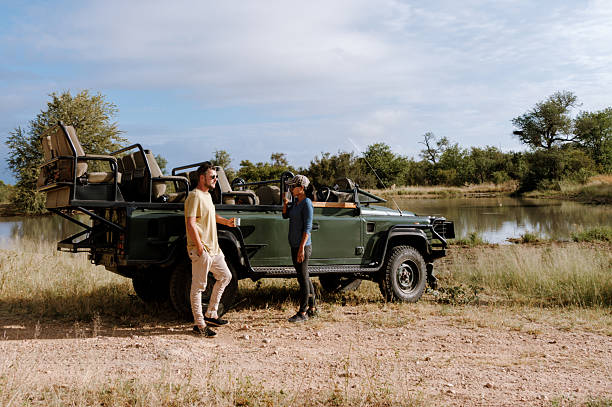
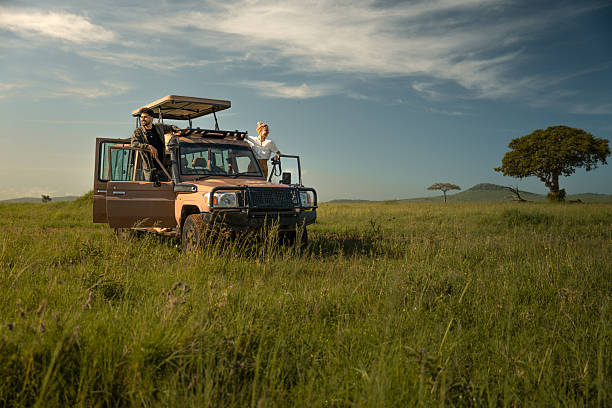
Mkomazi Rhino Sanctuary: Your Essential Tanzania Safari Guide
For travelers seeking an authentic and impactful wildlife experience in Tanzania, Mkomazi Rhino Sanctuary stands out. This expansive protected area, located in the north of the country, is a critical haven for endangered species, most notably the black rhino and the African wild dog. Unlike some of the more commercially developed parks, Mkomazi offers a raw, less crowded encounter with Tanzania’s natural heritage, making it a compelling addition to any safari itinerary for 2026 and 2027.
This Mkomazi Rhino Sanctuary guide is designed to provide you with all the information needed to plan a successful and memorable visit. We’ll cover what makes Mkomazi unique, the best times to visit, what wildlife to expect, accommodation options, how to get there, and practical tips for maximizing your experience. Whether you’re a seasoned safari-goer or planning your first trip to Africa, Mkomazi offers a profound connection to conservation in action.
Quick Answer: What is Mkomazi Rhino Sanctuary?
Mkomazi Rhino Sanctuary is a large, protected conservation area in northern Tanzania, renowned for its successful black rhino breeding program and its role in reintroducing African wild dogs. It’s a vital protected ecosystem offering unique safari opportunities away from the main tourist trails.
Table of Contents
- Mkomazi Rhino Sanctuary: Quick Facts
- Mkomazi Rhino Sanctuary: An Overview
- Why Visit Mkomazi Rhino Sanctuary?
- Best Time to Visit Mkomazi Rhino Sanctuary (2026-2027)
- Getting to Mkomazi Rhino Sanctuary
- What to Expect on Safari in Mkomazi
- Wildlife Highlights of Mkomazi
- Accommodation in and Around Mkomazi
- Sample Mkomazi Rhino Sanctuary Itinerary
- Essential Planning & Preparation for 2026-2027
- What to Pack for Mkomazi
- Common Mistakes to Avoid
- Who is Mkomazi Rhino Sanctuary Best Suited For?
- Alternatives to Mkomazi Rhino Sanctuary
- Booking Your Mkomazi Safari
- Frequently Asked Questions (FAQs)
Mkomazi Rhino Sanctuary: Quick Facts
| Feature | Details |
|---|---|
| Location | Northern Tanzania, between Mount Kilimanjaro and the Usambara Mountains. |
| Size | Approximately 3,245 sq km (1,253 sq miles). |
| Primary Focus | Black rhino conservation, African wild dog reintroduction, general wildlife protection. |
| Key Species | Black rhino, African wild dog, gerenuk, fringe-eared oryx, cheetah, leopard, lion, elephant, giraffe, numerous bird species. |
| Accessibility | Requires 4×4 vehicle; accessible via road from Arusha or Moshi. |
| Accommodation | Limited inside the park (e.g., Mkomazi Tented Camp, Babu’s Camp), with more options in nearby towns like Same. |
| Activities | Game drives, guided walks, bird watching, conservation area visits. |
| Conservation Partner | Pannys and Tony Fitzjohn’s George Adamson African Wildlife Trust (now Mkomazi Rhino Sanctuary Trust). |
Mkomazi Rhino Sanctuary: An Overview
Mkomazi Game Reserve was established in 1989 and later designated as a Rhino Sanctuary. Its transformation is a testament to dedicated conservation efforts, particularly those led by the George Adamson African Wildlife Trust (now the Mkomazi Rhino Sanctuary Trust). The sanctuary covers a vast area of diverse landscapes, from dry savannah to rocky hills, providing a critical habitat for a range of wildlife.
The sanctuary’s primary mission is the breeding and protection of the endangered black rhino. It has become one of the most successful rhino sanctuaries in East Africa, contributing significantly to the species’ survival. Beyond rhinos, Mkomazi is a crucial stronghold for the African wild dog, a species that has faced severe declines across the continent. The reintroduction programs here have been instrumental in giving these highly social and intelligent predators a chance to thrive.
Visiting Mkomazi is more than just a safari; it’s an opportunity to witness conservation work firsthand. The sanctuary is managed with a strong emphasis on anti-poaching patrols, community engagement, and habitat restoration. This dedication creates an environment where wildlife can flourish, offering visitors a chance to see animals in a more natural and protected setting.
Why Visit Mkomazi Rhino Sanctuary?
Mkomazi offers a distinct safari experience that sets it apart from Tanzania’s more famous national parks:
- Rhino Conservation: It’s one of the best places in East Africa to see black rhinos. The success of their breeding program is a major draw for conservation-minded travelers.
- African Wild Dogs: Mkomazi is a key location for spotting these rare and endangered predators, often seen in packs during game drives.
- Fewer Crowds: Compared to Serengeti or Ngorongoro, Mkomazi is much less visited. This means more intimate wildlife encounters and a greater sense of solitude in nature.
- Unique Landscapes: The scenery is diverse, with dramatic hills, open plains, and dry riverbeds, offering varied photographic opportunities.
- Conservation Impact: Your visit directly supports the ongoing conservation efforts, contributing to the protection of rhinos, wild dogs, and their habitat.
- Gerenuk and Oryx: Mkomazi is one of the few places in Tanzania where you can reliably see the elegant gerenuk (a long-necked antelope) and the fringe-eared oryx.
- Bird Watching: The sanctuary is a haven for a variety of bird species, attracting ornithologists and casual birdwatchers alike.
Best Time to Visit Mkomazi Rhino Sanctuary (2026-2027)
The best time to visit Mkomazi Rhino Sanctuary depends on your priorities, but generally, the dry seasons offer the most rewarding wildlife viewing experiences. The climate is semi-arid, with distinct wet and dry periods.
- Dry Season (June to October): This is the prime time for safaris across Tanzania. Wildlife tends to congregate around permanent water sources, making them easier to spot. Vegetation is less dense, improving visibility. Temperatures are pleasant during the day and cooler at night. This period is ideal for rhino and wild dog sightings.
- Short Rains (November to December): The landscape becomes greener, and birdlife is abundant. Wildlife disperses as temporary water sources appear. Game viewing can still be good, but animals are more spread out.
- Long Rains (March to May): This is the low season. Heavy rains can make roads difficult to navigate, and some areas may become inaccessible. Vegetation is lush, and the scenery is beautiful, but wildlife viewing is generally more challenging. It’s a good time for budget travelers seeking fewer crowds, provided you are prepared for potential weather disruptions.
For 2026 and 2027, the dry months of June through October remain the most recommended period for a Mkomazi Rhino Sanctuary safari. The shoulder months of late May and early November can also offer good value and fewer people while still experiencing favorable conditions.
Getting to Mkomazi Rhino Sanctuary
Mkomazi Rhino Sanctuary is located in the north of Tanzania, approximately 150 km (93 miles) east of Arusha and about 100 km (62 miles) west of the town of Same. Access requires overland travel.
- From Arusha: The most common starting point for safaris in northern Tanzania. You can arrange a private safari vehicle with a driver-guide. The drive takes approximately 3-4 hours, depending on road conditions. The route typically goes via Moshi and then turns north towards Mkomazi.
- From Moshi: Similar to Arusha, you can hire a vehicle and driver. The journey is slightly shorter, around 2.5-3 hours.
- From Dar es Salaam: If coming from Tanzania’s largest city, it’s a longer drive (around 6-7 hours to Same, then another hour to Mkomazi) or you could take a domestic flight to Kilimanjaro International Airport (JRO) and then proceed as from Arusha.
Important Note: A 4×4 safari vehicle is essential for navigating the roads within Mkomazi, especially during and after the rainy seasons. Most tour operators will include this in their safari packages. You will need to pay park entrance fees upon arrival.
What to Expect on Safari in Mkomazi
A safari in Mkomazi Rhino Sanctuary is characterized by its wildness and dedication to conservation. Here’s what you can anticipate:
- Game Drives: The primary activity is exploring the sanctuary in a 4×4 vehicle with a knowledgeable guide. Drives are typically conducted in the early morning and late afternoon, when wildlife is most active.
- Rhino Sightings: Mkomazi is one of the best places to see black rhinos. While they are wild animals, the sanctuary’s conservation efforts have led to a healthy population, increasing your chances of a sighting.
- Wild Dog Encounters: Spotting a pack of African wild dogs is a highlight. They are elusive, but with a good guide and some patience, you might be rewarded.
- Other Wildlife: Expect to see a variety of antelope species, including gerenuk and fringe-eared oryx, as well as giraffes, zebras, elephants, baboons, and various smaller mammals. Predators like lions, leopards, and cheetahs are present but can be harder to find than in parks like Serengeti.
- Birdlife: Mkomazi is a birdwatcher’s paradise, with numerous species recorded.
- Conservation Focus: You might have opportunities to learn about or even visit conservation projects within the sanctuary, offering insight into the challenges and successes of wildlife protection.
- Solitude: Enjoy the peace and quiet of a less-visited destination. You are unlikely to encounter many other safari vehicles.
Wildlife Highlights of Mkomazi
Mkomazi is home to a remarkable diversity of wildlife, with some species being particularly special to spot:
- Black Rhinoceros: The sanctuary’s namesake and star attraction. Mkomazi’s rhino program is a significant conservation success story.
- African Wild Dog (Painted Wolf): One of the most endangered large carnivores in Africa. Mkomazi’s reintroduction efforts have helped establish a viable population.
- Gerenuk: Also known as the “giraffe gazelle” for its long neck, this unique antelope stands on its hind legs to reach higher vegetation.
- Fringe-eared Oryx: A striking antelope with distinctive ear tufts and long, straight horns.
- Cheetah: While elusive, cheetahs inhabit the plains and rocky areas of Mkomazi.
- Leopard: Solitary and nocturnal, leopards are present but challenging to spot.
- Lion: Lions are found in Mkomazi, though not in the large prides seen in other parks.
- Elephants: While not as numerous as in some other parks, elephants do roam through Mkomazi.
- Other Mammals: Grant’s gazelle, Thomson’s gazelle, Coke’s hartebeest, impala, warthogs, baboons, vervet monkeys, and various smaller predators like serval and caracal.
- Birds: Over 450 species have been recorded, including raptors, ground birds, and water birds.
Accommodation in and Around Mkomazi
Accommodation options directly within Mkomazi Rhino Sanctuary are limited but offer an immersive experience. For more budget-friendly or varied choices, staying in nearby towns is an alternative.
- Inside the Sanctuary:
- Mkomazi Tented Camp: Offers comfortable tented accommodation, providing an authentic bush experience with good access to wildlife viewing areas.
- Babu’s Camp: Another option for staying within the sanctuary, often associated with conservation activities and offering a rustic charm.
- Near the Sanctuary (Town of Same):
- Same town offers more basic guesthouses and lodges, which can be a more economical choice. These require driving into the sanctuary for game drives each day.
- Lodges en route: Some lodges and camps are located between Arusha/Moshi and Mkomazi, often situated on private land or near the foothills of the Usambara Mountains. These can serve as a stopover or a base for exploring the region.
When planning for 2026-2027, it’s advisable to book accommodation inside the sanctuary well in advance, as options are few. If you prefer more amenities or a wider range of dining, consider staying in Same and arranging daily transfers.
Sample Mkomazi Rhino Sanctuary Itinerary
This sample itinerary focuses on Mkomazi Rhino Sanctuary, assuming it’s part of a larger northern Tanzania safari. It can be adapted for longer or shorter stays.
| Day | Morning | Afternoon | Evening |
|---|---|---|---|
| Day 1: Arrival in Mkomazi | Depart from Arusha/Moshi after breakfast in a 4×4 safari vehicle. Drive towards Mkomazi Rhino Sanctuary (approx. 3-4 hours). Check into your chosen accommodation (e.g., Mkomazi Tented Camp). | After settling in and having lunch, head out for your first afternoon game drive. Focus on exploring the central areas and looking for general game and rhino tracks. | Return to camp for dinner and relax, listening to the sounds of the bush. |
| Day 2: Rhino and Wild Dog Focus | Early morning game drive, concentrating on areas known for black rhino sightings. Your guide will use their knowledge of rhino movements. | Return to camp for lunch and a short rest. In the late afternoon, head out on another game drive, this time specifically searching for African wild dogs. Also, look for gerenuk and fringe-eared oryx in the more open habitats. | Dinner at the camp. Optional: Briefing on conservation efforts if available. |
| Day 3: Exploring Further & Departure | Enjoy a final early morning game drive, perhaps exploring a different sector of the sanctuary or revisiting a favorite spot. Look for birdlife and any species missed. | Return to camp for breakfast. Check out and begin your drive back to Arusha or your next destination. Stop for lunch en route. | Arrive in Arusha/Moshi in the late afternoon. |
Note: This is a 3-day/2-night itinerary. Many travelers combine Mkomazi with other Northern Circuit parks like Tarangire, Lake Manyara, or Serengeti, spending 1-2 full days in Mkomazi.
Essential Planning & Preparation for 2026-2027
Planning your Mkomazi Rhino Sanctuary safari for 2026 or 2027 requires attention to detail. Here are key considerations:
- Book in Advance: Especially if you wish to stay at the limited camps within the sanctuary, book at least 6-12 months ahead, particularly for peak safari seasons (June-October).
- Choose the Right Time: Consider the dry season (June-October) for the best game viewing, or the shoulder seasons for fewer crowds.
- Safari Vehicle and Guide: Ensure you have a reliable 4×4 safari vehicle and an experienced guide. This is crucial for navigating Mkomazi’s terrain and for effective wildlife spotting.
- Park Fees: Be aware of daily park entrance fees. These are usually included in package tours but confirm this.
- Conservation Contributions: Understand that your visit contributes to conservation. Some tours might offer opportunities for direct donations or to learn more about specific projects.
- Health Precautions: Consult your doctor about necessary vaccinations (e.g., Yellow Fever certificate may be required) and malaria prophylaxis.
- Visa Requirements: Check Tanzania’s visa requirements for your nationality well in advance.
- Travel Insurance: Comprehensive travel insurance is highly recommended.
What to Pack for Mkomazi
Packing for a safari in Mkomazi is similar to other Tanzanian safaris, focusing on comfort, practicality, and protection from the elements.
- Clothing:
- Lightweight, neutral-colored clothing (khaki, beige, green) – avoid bright colors and dark blue/black.
- Long-sleeved shirts and trousers for sun protection and cooler evenings.
- T-shirts and shorts for warmer days.
- A warm fleece or jacket for early morning and evening game drives (temperatures can drop significantly).
- A waterproof or water-resistant jacket, especially if traveling during the shoulder seasons.
- Comfortable walking shoes or hiking boots (if planning guided walks).
- Sandals or flip-flops for relaxing at the camp.
- Sun Protection:
- Wide-brimmed hat.
- Sunglasses.
- High SPF sunscreen.
- Lip balm with SPF.
- Health & Hygiene:
- Personal first-aid kit (band-aids, antiseptic wipes, pain relievers, motion sickness medication, any personal prescriptions).
- Insect repellent with DEET.
- Hand sanitizer.
- Toiletries (biodegradable if possible).
- Gear:
- Binoculars (essential for wildlife viewing).
- Camera with extra batteries and memory cards. Consider a zoom lens.
- Power bank or adapter for charging devices (power can be intermittent).
- Headlamp or small flashlight.
- Reusable water bottle.
- Documents:
- Passport (with at least 6 months validity).
- Visa (if required).
- Yellow Fever certificate (if required).
- Flight details and accommodation confirmations.
- Travel insurance details.
- Copies of all important documents.
Note on Luggage: Most safari vehicles have limited luggage space. Soft duffel bags are preferred over rigid suitcases. Check with your tour operator for specific weight and size restrictions.
Common Mistakes to Avoid
To ensure a smooth and enjoyable Mkomazi Rhino Sanctuary safari, be aware of these common pitfalls:
- Underestimating Travel Times: Distances in Tanzania can be deceiving. Always factor in ample travel time, especially on unpaved roads.
- Not Booking in Advance: For the limited accommodation within Mkomazi, booking months ahead is crucial, particularly for 2026-2027 peak travel.
- Ignoring Local Advice: Your guide is your most valuable asset. Listen to their recommendations regarding wildlife viewing, safety, and cultural etiquette.
- Packing Inappropriately: Avoid bright colors that can disturb wildlife or attract insects. Ensure you pack warm layers for cool mornings and evenings.
- Expecting Serengeti Crowds: Mkomazi is intentionally less developed and less crowded. Embrace the solitude and the chance for more personal encounters.
- Forgetting Binoculars: Essential for spotting distant animals or appreciating details.
- Not Considering the Dry vs. Wet Season: Game viewing is significantly better in the dry season. Plan accordingly for 2026-2027.
- Failing to Get Travel Insurance: Unforeseen events can happen; insurance is non-negotiable.
- Trying to See Too Much: Rushing through Mkomazi or cramming too many destinations into a short trip can diminish the experience. Allow time to appreciate each location.
Who is Mkomazi Rhino Sanctuary Best Suited For?
Mkomazi Rhino Sanctuary appeals to a specific type of traveler looking for a more focused and impactful safari experience:
- Conservation Enthusiasts: Those passionate about wildlife conservation, particularly rhino and wild dog protection, will find Mkomazi incredibly rewarding.
- Nature Lovers Seeking Solitude: Travelers who prefer a quiet, uncrowded safari experience and enjoy the raw beauty of the African bush.
- Photographers: The unique landscapes and opportunities for intimate wildlife shots make it appealing, especially if you appreciate patience.
- Repeat Safari-Goers: Those who have visited more famous parks and are looking for something different, a deeper understanding of conservation, or a chance to see specific species like gerenuk.
- Adventure Seekers: The less developed nature of the sanctuary and the journey itself can appeal to those looking for a more rugged adventure.
- Bird Watchers: The sanctuary’s diverse habitats attract a wide array of bird species.
It might be less suitable for travelers who expect large concentrations of all Big Five animals easily visible, luxury amenities in every lodge, or a high-octane, fast-paced safari experience with constant action.
Alternatives to Mkomazi Rhino Sanctuary
While Mkomazi offers a unique proposition, several other destinations in Tanzania and East Africa provide different but equally compelling safari experiences. If Mkomazi doesn’t quite fit your needs, consider these:
- For Vast Plains and Great Migration (Serengeti National Park): If your priority is seeing huge herds, the drama of the Great Migration, and a classic Big Five safari, Serengeti is unparalleled. It’s more crowded and expensive but offers iconic wildlife spectacles.
- For Abundant Wildlife and Big Cats (Tarangire National Park): Known for its large elephant herds, baobab trees, and excellent lion sightings, Tarangire is a fantastic option, especially during the dry season when animals concentrate along the Tarangire River. It’s more accessible from Arusha than Mkomazi.
- For Unique Ecosystems and Birdlife (Lake Manyara National Park): Famous for its tree-climbing lions, large baboon troops, and vibrant birdlife, Manyara is a smaller park, often visited as a day trip or part of a short circuit.
- For Crater Safaris and High Animal Density (Ngorongoro Conservation Area): The Ngorongoro Crater offers an astonishing concentration of wildlife within a collapsed volcanic caldera. It’s a visually stunning and wildlife-rich experience, though access is regulated and can feel busy.
- For Rugged Wilderness and Less Crowds (Selous Game Reserve / Nyerere National Park): Located in southern Tanzania, this vast reserve offers a more wild and remote experience. It’s known for its large elephant and buffalo populations, wild dogs, and boat safaris on the Rufiji River. It requires separate travel arrangements from the Northern Circuit.
- For Conservation and Community Focus (Various smaller conservancies): Many private conservancies in Kenya and Tanzania offer exclusive experiences with a strong conservation ethos, often allowing off-road driving and night drives (check local regulations).
When choosing for your 2026-2027 trip, weigh your priorities: iconic wildlife density, specific species, solitude, landscape diversity, and conservation impact.
Booking Your Mkomazi Safari
Securing your Mkomazi Rhino Sanctuary safari is best done through a reputable tour operator. This ensures a well-organized trip, especially given the logistical considerations of Mkomazi.
- Choose a Specialist Operator: Look for tour operators with experience in Tanzania and specifically with less common destinations like Mkomazi. They will understand the best routes, accommodation, and timing.
- Customization: A good operator will help you tailor your itinerary. You might want to spend more time in Mkomazi, combine it with other parks, or focus on specific interests like birding or photography.
- Inclusions and Exclusions: Clearly understand what your safari package includes (accommodation, park fees, meals, guide, vehicle, activities) and what it doesn’t (tips, drinks, personal expenses, flights to Tanzania).
- Vehicle and Guide Quality: Inquire about the type of safari vehicle used (ensure it’s a well-maintained 4×4) and the experience of your guide. A knowledgeable guide is paramount for wildlife spotting and understanding the ecosystem.
- Accommodation Options: Discuss accommodation preferences. If you want to stay inside Mkomazi, confirm availability and book well in advance for 2026-2027.
- Payment Terms: Understand the deposit and final payment schedule, as well as cancellation policies.
- Communication: Maintain open communication with your chosen operator. For immediate assistance or inquiries, you can reach out via:
- WhatsApp: +255616946642
- Email: topguideadventures@gmail.com
- Backup Email: info@topguideadventures.com
- Reviews and Reputation: Check online reviews and testimonials to gauge the operator’s reliability and customer satisfaction.
Booking with a trusted local operator like Top Guide Adventures ensures you get expert advice and a well-managed safari experience in Mkomazi Rhino Sanctuary.
Frequently Asked Questions (FAQs)
1. Is Mkomazi Rhino Sanctuary safe for tourists?
Yes, Mkomazi Rhino Sanctuary is generally safe for tourists. The sanctuary has a strong anti-poaching presence and experienced guides who prioritize visitor safety. Standard safari precautions apply: always follow your guide’s instructions, stay within your vehicle during game drives unless instructed otherwise, and be aware of your surroundings.
2. How many days are recommended for Mkomazi?
For a good experience, a minimum of 2 full days (3 nights) is recommended to explore the sanctuary and maximize your chances of seeing its unique wildlife. Many combine it with other parks, spending 1-2 full days here.
3. Can I see the Big Five in Mkomazi?
Mkomazi is home to lions, leopards, and elephants, which are part of the Big Five. However, rhinos are its primary focus, and buffalo are also present. While you might see some of the Big Five, it’s not the primary destination for guaranteed sightings of all five, unlike parks like Serengeti or the Ngorongoro Crater.
4. What is the difference between Mkomazi Rhino Sanctuary and Mkomazi Game Reserve?
Mkomazi Rhino Sanctuary is a designated area within the larger Mkomazi Game Reserve. The sanctuary specifically focuses on the conservation and breeding of black rhinos and the reintroduction of African wild dogs, with enhanced protection measures. The reserve encompasses this sanctuary and surrounding areas managed for wildlife.
5. Is Mkomazi suitable for families with children?
Mkomazi can be suitable for families with older children who are interested in wildlife and conservation. The remoteness and focus on specific conservation efforts might be less engaging for very young children compared to parks with more abundant and easily visible wildlife. Discuss with your tour operator to tailor the experience.
6. What kind of accommodation is available inside the sanctuary for 2026-2027?
Accommodation inside Mkomazi Rhino Sanctuary is limited. The main options are usually Mkomazi Tented Camp and Babu’s Camp, offering a bush camping experience. Booking these well in advance for 2026-2027 is essential due to high demand and limited capacity.
7. Can I do walking safaris in Mkomazi?
Yes, guided walking safaris are often available in Mkomazi, offering a different perspective on the bush. These walks are conducted with armed rangers or experienced guides and are a fantastic way to appreciate the smaller details of the ecosystem.
8. What are the conservation fees for Mkomazi?
Park entrance fees and conservation fees apply daily for visitors. These fees contribute directly to the running costs of the sanctuary, including anti-poaching units, staff, and conservation programs. Your tour operator will typically include these in your safari package, but it’s good to clarify.
9. How does visiting Mkomazi contribute to conservation in 2026-2027?
Your visit to Mkomazi Rhino Sanctuary directly supports its conservation efforts through park fees and by raising awareness. The revenue generated helps fund anti-poaching patrols, habitat management, and community outreach programs, which are vital for the long-term survival of rhinos, wild dogs, and other wildlife.
10. What is the main difference between Mkomazi and parks like Serengeti?
The main differences lie in scale, wildlife density, and tourist traffic. Serengeti offers vast plains, the Great Migration, and extremely high concentrations of diverse wildlife, attracting many visitors. Mkomazi is smaller, less crowded, and has a specific focus on rhino and wild dog conservation, offering a more intimate and conservation-oriented safari experience.
Plan Your Mkomazi Rhino Sanctuary Safari Adventure
Mkomazi Rhino Sanctuary offers a unique and deeply rewarding safari experience for those who appreciate dedicated conservation efforts and a less-traveled path. Witnessing the success of rhino and wild dog protection firsthand is truly inspiring.
Ready to plan your unforgettable Mkomazi Rhino Sanctuary safari for 2026 or 2027? Contact us today for expert advice and tailor-made itineraries. We specialize in creating authentic Tanzanian adventures that connect you with nature and conservation.
Get in touch:
- WhatsApp: +255616946642
- Email: topguideadventures@gmail.com
- Backup Email: info@topguideadventures.com
Plan your Mkomazi Rhino Sanctuary Guide with Top Guide Adventures
Tell us your travel dates, group size, comfort level, and dream experience. We will help you shape a clear, realistic, and memorable Tanzania itinerary.







 Veedesigner
 Fatma Kizanga
 Benjamin Waryuba
 Philip Philip
 John jr Itaja
 Antonia Optatus
 Edith Kanyere
 Neema Iddy
 Kelvin Boniphace
 Damari Maiga



