
Updated planning guide for 2026-2027
Mkomazi Wildlife Guide: Complete 2026-2027
Discover Mkomazi National Park with our expert guide. Learn about its unique wildlife, best visiting times, planning your safari, and booking with Top Guide Adventures.
WhatsApp +255616946642 | topguideadventures@gmail.com | info@topguideadventures.com
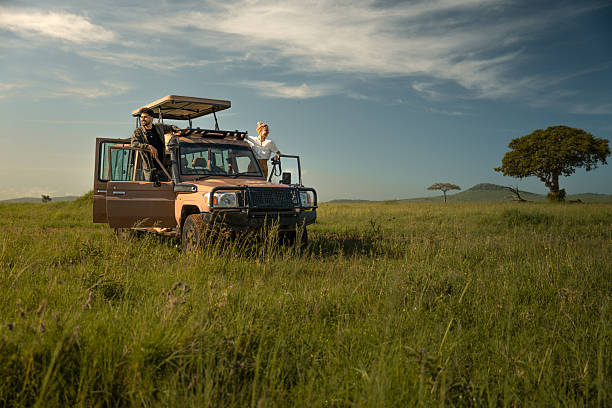
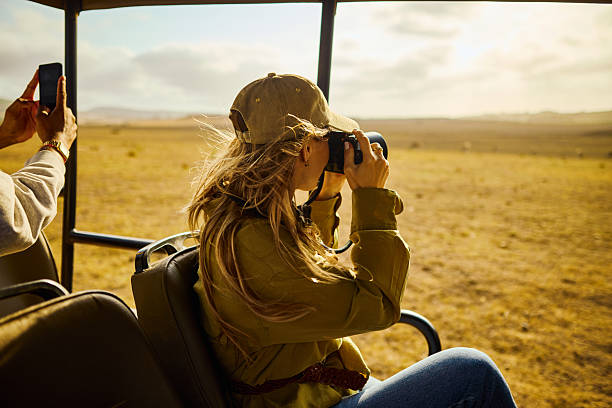
Your Ultimate Mkomazi Wildlife Guide: Planning Your Tanzania Safari Adventure
Welcome to the definitive Mkomazi Wildlife Guide, your essential companion for exploring one of Tanzania’s most captivating and wild destinations. Mkomazi National Park, a vast and rugged landscape in the north of Tanzania, offers a safari experience distinct from its more famous neighbours. It’s a place where conservation success stories are written, and where you can witness rare species thriving in a protected environment. This guide is designed to provide you with all the information you need to plan an unforgettable safari here, covering everything from when to visit and what wildlife to expect, to practical planning advice and how to book your adventure.
For travelers seeking an authentic, less-trodden path in Tanzania, Mkomazi presents a unique opportunity. This park is a testament to dedicated conservation efforts, particularly for endangered species like the black rhino and the East African wild dog. Our goal is to equip you with the knowledge to make the most of your visit, ensuring a rewarding and memorable journey. Whether you are planning for 2026 or 2027, this guide will help you navigate the intricacies of a Mkomazi safari.
| Feature | Details |
|---|---|
| Location | Northern Tanzania, bordering Kenya |
| Size | Approx. 3,270 sq km (1,260 sq mi) |
| Key Wildlife | Black rhino, East African wild dog, gerenuk, fringe-eared oryx, elephants, lions, leopards, giraffes, zebras, various antelopes |
| Habitat | Arid savanna, acacia woodlands, semi-desert scrubland |
| Conservation Status | National Park, significant conservation focus |
| Accessibility | By road from Arusha; airstrip available for light aircraft |
Why Choose Mkomazi National Park for Your Safari?
Mkomazi National Park might not have the immediate name recognition of the Serengeti or Ngorongoro Crater, but its appeal lies in its raw, untamed beauty and its crucial role in wildlife conservation. This park offers a different kind of safari experience, one that is often more intimate and less crowded.
A Haven for Endangered Species
Mkomazi is internationally renowned for its successful breeding programs for the endangered black rhino and the endangered East African wild dog. Visiting Mkomazi provides a unique chance to see these magnificent creatures, knowing that your presence contributes to the funding and sustainability of these vital conservation initiatives. The park is a sanctuary, offering hope for species that have faced severe threats.
Unique Wildlife Encounters
Beyond the flagship species, Mkomazi is home to a variety of wildlife adapted to its arid environment. Keep an eye out for the gerenuk, a giraffe-like antelope known for its ability to stand on its hind legs to reach high vegetation, and the fringe-eared oryx. While predators like lions and leopards are present, they are often more elusive here than in other parks, making sightings particularly rewarding.
Off-the-Beaten-Path Experience
If you prefer to escape the larger crowds often found in Tanzania’s more popular parks, Mkomazi offers a refreshing alternative. The park’s vastness and rugged terrain mean that you can often enjoy game drives with very few other vehicles around, allowing for a more personal and immersive connection with nature.
Stunning Arid Landscapes
The scenery in Mkomazi is dramatic and captivating. The landscape is characterized by dry savanna, thorny acacia woodlands, and open plains that stretch towards the Usambara and Pare Mountains. This unique environment creates a stark and beautiful backdrop for wildlife viewing.
Best Time to Visit Mkomazi National Park
The best time to visit Mkomazi National Park depends on your priorities, particularly regarding weather and wildlife viewing. Mkomazi experiences a dry climate for much of the year, typical of its semi-arid location.
| Period | Weather | Wildlife Viewing | Activities & Notes |
|---|---|---|---|
| June – October (Dry Season) | Cooler temperatures, very little rain, clear skies. This is the peak dry season. | Excellent. Animals congregate around dwindling water sources, making them easier to spot. Vegetation is sparser. | Ideal for game drives. Roads are generally in good condition. This is a popular time for safaris in Tanzania. |
| November – December (Short Rains) | Brief, intermittent showers. Temperatures start to rise. | Good. The landscape becomes greener. Wildlife disperses as water becomes more available. | Fewer tourists. Offers photographic opportunities with a greener backdrop. |
| January – February (Dry Spell) | Short dry period within the long rains season. Hot and dry. | Good. Similar to the June-October period, animals may gather at water. | Can be very hot. A good time for birdwatching as migratory birds are present. |
| March – May (Long Rains) | Heavy, persistent rainfall. Can be cooler. Roads can become difficult. | Fair. Wildlife disperses into thicker vegetation. Sightings can be more challenging. | Low season, meaning fewer visitors and potentially lower prices. The landscape is lush and green. Some roads may be impassable. |
For the best overall safari experience, the dry season from June to October is generally recommended. This period offers the most reliable wildlife sightings and the most comfortable weather for game drives. However, the shoulder months of November-December and January-February can also be rewarding, offering a greener landscape and fewer crowds.
Mkomazi National Park: Routes and Area Overview
Mkomazi National Park is a large park with a rugged terrain. While it doesn’t have the intricate road networks of some other parks, its layout is designed to facilitate exploration and wildlife viewing. The park is divided into different zones, with the main access points and accommodation typically located near the southern and western boundaries.
The park’s geography is dominated by the vast plains that make up its core, bordered by the Usambara Mountains to the south and the Pare Mountains to the east. The Mkomazi River, often dry, carves through the landscape, and its vicinity can be a good place to find wildlife during dry spells.
Key Areas and Features:
- Rhino Sanctuary: This is a heavily protected area where black rhinos are bred and protected. Access may be restricted or require special permits and guided tours to ensure the safety of the animals and visitors.
- Wild Dog Enclosure: Similar to the rhino sanctuary, there are specific areas dedicated to the conservation of wild dogs. Guided visits here are crucial.
- Main Game Drive Tracks: A network of dirt tracks crisscrosses the park, allowing access to various sections for game viewing. These tracks are often around waterholes and along the riverbeds.
- Usambara and Pare Mountains Foothills: The edges of the park offer scenic views and different habitats, potentially supporting varied wildlife.
- Ushiri Ranger Post: Often a key entry point and administrative center.
Illustrative Route Concept:
(Note: This is a conceptual representation, not a literal map.)
Starting Point (e.g., Arusha)
- Drive towards Same town.
- Enter Mkomazi National Park via the main gate (e.g., near Ushiri).
- Southern/Western Circuit: Explore tracks around the park headquarters, looking for general game like giraffes, zebras, and various antelopes.
- Rhino Sanctuary Area: Undertake a guided visit (if permitted and arranged) to observe the rhino conservation efforts. This might involve specific tracking excursions.
- Wild Dog Viewing Points: Guided tours to areas where wild dogs are known to roam or are being monitored.
- Open Plains Exploration: Drive through the central plains, seeking predators like lions and leopards, and unique species like gerenuk and fringe-eared oryx.
- Scenic Viewpoints: Stop at designated spots offering views of the surrounding mountains and the vast park landscape.
- Exit the park or return to accommodation.
Travel time within the park can be significant due to the distances and road conditions. Full-day game drives are common.
Sample Mkomazi Safari Itinerary (3 Days / 2 Nights)
This sample itinerary is designed to give you a good taste of Mkomazi National Park, focusing on its unique wildlife and conservation efforts. It assumes arrival from Arusha and includes travel time.
| Day | Morning | Afternoon | Evening |
|---|---|---|---|
| Day 1: Arrival and Southern Plains | Depart Arusha early (approx. 7 AM). Drive to Mkomazi National Park (approx. 4-5 hours). Enter the park and proceed to your lodge/campsite. Enjoy a late lunch. | Afternoon game drive in the southern/western areas of the park. Focus on general game, giraffes, zebras, and diverse antelopes. Look for gerenuk. | Return to lodge/camp for dinner and overnight stay. |
| Day 2: Conservation Focus & Eastern Exploration | Early morning visit to the rhino sanctuary area with a ranger guide (subject to availability and park regulations). Learn about rhino conservation and track sightings. | Afternoon game drive focusing on the wild dog conservation areas and exploring the eastern plains. Search for lions, leopards, and other predators. | Dinner and overnight at the lodge/camp. Optional night drive if available. |
| Day 3: Final Game Drive and Departure | Early morning game drive, perhaps revisiting areas with recent sightings or exploring new tracks. Focus on any species you haven’t yet seen. | Return to the lodge/camp for breakfast. Check out and begin the drive back to Arusha, with a packed lunch en route. | Arrive back in Arusha in the late afternoon/early evening. |
Note: This itinerary can be customized. Longer stays (4-5 days) allow for deeper exploration, more time for tracking rare species, and visiting more remote areas of the park. Extensions to other parks like Tsavo (Kenya) or areas within Tanzania are also possible.
What to Expect on a Mkomazi Safari
A safari in Mkomazi National Park is an experience that requires a certain mindset. It’s about appreciating the raw wilderness, the dedication to conservation, and the thrill of discovery in a less-manicured environment.
Wildlife Sightings
While Mkomazi is home to the Big Five (lion, leopard, elephant, rhino, buffalo), sightings can be more challenging than in parks with higher densities. Patience is key. You are almost guaranteed to see numerous species of antelope, including the unique gerenuk and fringe-eared oryx. Zebras, giraffes, and various bird species are common. The highlight for many is the chance to see black rhinos and East African wild dogs, often in specific conservation zones.
Game Drive Experience
Expect dusty roads and rugged terrain. Game drives are typically conducted in 4×4 safari vehicles with pop-up roofs for optimal viewing. The vastness of the park means that distances can be considerable, and game drives can be long. The relative lack of other vehicles contributes to a feeling of solitude and an authentic wilderness experience.
Accommodation
Accommodation options in Mkomazi are more limited compared to more established parks. You’ll typically find options ranging from basic but comfortable tented camps to a few lodges. These are often situated to offer good views and proximity to park activities. Booking accommodation well in advance is recommended, especially during peak seasons.
Conservation Focus
A significant aspect of visiting Mkomazi is its strong conservation ethos. You’ll likely encounter park rangers and learn about the ongoing efforts to protect wildlife. Guided walks with rangers might be available in certain areas, offering a different perspective on the ecosystem.
Planning Your Mkomazi Safari: Inclusions, Packing, and Preparation
Proper planning is crucial for a successful Mkomazi safari. Understanding what’s typically included in a tour package, what to pack, and how to prepare will ensure a comfortable and enjoyable trip.
Typical Safari Inclusions
When booking a safari package with a reputable tour operator like Top Guide Adventures, you can generally expect the following to be included:
- Park entrance fees.
- Accommodation (lodge or camp).
- All meals (breakfast, lunch, dinner) during the safari.
- Game drives in a 4×4 safari vehicle with a professional driver-guide.
- Drinking water during game drives.
- Transfers to and from your starting point (e.g., Arusha Airport or hotel).
- Conservation fees related to specific sanctuaries (if applicable and arranged).
What’s usually NOT included:
- International flights.
- Visa fees.
- Travel insurance.
- Tips for your guide and lodge staff.
- Alcoholic and soft drinks (unless specified).
- Personal expenses (souvenirs, laundry, etc.).
- Optional activities not listed in the itinerary.
Essential Packing List
Packing light yet smart is key for a safari. Layers are your best friend, as temperatures can vary throughout the day.
- Clothing:
- Lightweight, neutral-colored clothing (khaki, beige, green, brown) – avoid bright colors and black/dark blue (attracts tsetse flies).
- Long-sleeved shirts and long trousers (for sun protection and evenings).
- T-shirts and comfortable shorts/trousers for daytime.
- A warm fleece or jacket for cool mornings and evenings.
- A lightweight waterproof jacket or poncho.
- Comfortable walking shoes or hiking boots (if planning any walks).
- Sandals or flip-flops for relaxing at camp/lodge.
- Swimsuit (if your lodge has a pool).
- Pajamas.
- Accessories:
- Wide-brimmed hat or cap for sun protection.
- Sunglasses.
- Scarf or bandana (useful for dust and sun).
- Binoculars (essential for wildlife viewing!).
- Camera with extra batteries and memory cards.
- Power bank or portable charger.
- Adapter for charging electronics (Tanzania uses Type G sockets, 230V).
- Headlamp or small flashlight.
- Toiletries & Health:
- High SPF sunscreen.
- Insect repellent with DEET.
- Personal first-aid kit (band-aids, antiseptic wipes, pain relievers, motion sickness medication, any personal prescriptions).
- Hand sanitizer.
- Wet wipes.
- Any personal medications.
- Documents & Money:
- Passport (with at least 6 months validity) and visa (if required).
- Flight tickets and itinerary copies.
- Travel insurance details.
- Cash (USD is widely accepted for tips and small purchases) and credit/debit cards.
- Copies of all important documents (stored separately).
Preparation Tips
- Vaccinations and Health: Consult your doctor or a travel clinic 4-6 weeks before your trip regarding recommended vaccinations (e.g., Yellow Fever, Typhoid, Hepatitis A) and malaria prevention.
- Travel Insurance: Ensure you have comprehensive travel insurance that covers medical emergencies, evacuation, and trip cancellation.
- Physical Fitness: While Mkomazi safaris are not strenuous, being reasonably fit will enhance your enjoyment, especially if you plan on any walking safaris or need to board/disembark vehicles frequently.
- Learn Basic Swahili Phrases: A few words like ‘Jambo’ (Hello), ‘Asante’ (Thank you), and ‘Karibu’ (Welcome) are always appreciated.
- Respect Local Culture: Tanzania is a diverse country with rich cultural traditions. Be respectful of local customs, dress modestly when not on safari, and always ask permission before taking photos of people.
Common Mistakes to Avoid on a Mkomazi Safari
To ensure your Mkomazi wildlife adventure is as smooth and rewarding as possible, be aware of these common pitfalls:
- Underestimating Travel Times: Mkomazi is vast, and roads can be rough. Don’t pack too much into one day, and allow ample time for travel between locations and within the park.
- Not Packing Appropriately: Forgetting neutral-colored clothing, a warm layer, or essential toiletries can lead to discomfort. Refer to the packing list above.
- Expecting High Densities of All Animals: While Mkomazi has excellent wildlife, it’s not the Serengeti. Be patient and appreciate the unique species and the conservation story.
- Ignoring Your Guide’s Advice: Your driver-guide is experienced. Listen to their recommendations regarding safety, best viewing spots, and timing.
- Not Booking in Advance: Especially for accommodation and specific guided activities (like rhino tracking), booking ahead is crucial, particularly for 2026-2027 travel.
- Failing to Bring Binoculars: Wildlife can be distant. Binoculars are non-negotiable for an enjoyable safari.
- Not Being Prepared for the Sun and Dust: Sunscreen, hats, and sunglasses are essential. A bandana or scarf can help with dust.
- Relying Solely on Credit Cards: While cards are accepted at larger establishments, cash (USD is best for tips and smaller purchases) is often necessary.
- Not Having Travel Insurance: Medical emergencies or trip disruptions can happen. Comprehensive insurance is a must.
- Being Too Loud or Disruptive: Respecting wildlife and the environment is paramount. Loud noises can scare animals and disrupt the natural atmosphere.
Who is Mkomazi National Park Best Suited For?
Mkomazi National Park appeals to a specific type of traveler who appreciates its unique offerings:
- Conservation Enthusiasts: Those passionate about wildlife conservation will find Mkomazi particularly inspiring due to its successful breeding programs and dedicated protection efforts.
- Nature Lovers Seeking Solitude: Travelers who prefer quieter, less crowded safari experiences and enjoy the feeling of being in a truly wild landscape.
- Photographers: The dramatic scenery, unique species, and often solitary wildlife encounters provide excellent photographic opportunities.
- Adventurous Travelers: Those looking for an off-the-beaten-path experience and are comfortable with potentially more rugged conditions.
- Repeat Tanzania Visitors: Travelers who have already experienced the more famous parks and are looking for a new, distinct Tanzanian safari destination.
- Those Interested in Specific Species: Visitors specifically hoping to see black rhinos and East African wild dogs will find Mkomazi to be one of the best places in Tanzania to do so.
It might be less ideal for:
- Travelers on a very tight schedule who want to tick off the ‘Big Five’ quickly in easily accessible locations.
- Those seeking luxury accommodation with extensive amenities, as options are more limited.
- Families with very young children who might find the long drives and rugged conditions challenging.
Alternatives to Mkomazi National Park
While Mkomazi offers a unique experience, Tanzania boasts a wealth of other incredible safari destinations. Here are a few alternatives, each with its own distinct character:
| Park/Area | Key Highlights | Best For | Crowds | Landscape |
|---|---|---|---|---|
| Serengeti National Park | Great Migration, Big Five, vast plains, cheetahs, lions. | Classic safari experience, Great Migration viewing. | High, especially during migration. | Expansive savanna, acacia woodlands. |
| Ngorongoro Conservation Area | Ngorongoro Crater (dense wildlife), Big Five, Maasai culture. | High chance of seeing Big Five in one day, unique crater ecosystem. | High, especially on the crater floor. | Volcanic crater, highlands, savanna. |
| Tarangire National Park | Large elephant herds, baobab trees, diverse birdlife, predators. | Elephant viewing, birdwatching, scenic baobab landscapes. | Moderate to High. | Acacia woodland, savanna, riverine forest. |
| Lake Manyara National Park | Tree-climbing lions, large baboon troops, flamingos (seasonal), diverse birdlife. | Shorter safaris, diverse habitats in a small park, birdwatching. | Moderate. | Forest, savanna, lake shore, rift valley escarpment. |
| Ruaha National Park | Largest park, significant lion and wild dog populations, large elephant herds, remote feel. | Remote wilderness, excellent predator viewing, off-the-beaten-path. | Low. | Vast, rugged terrain, rocky outcrops, acacia savanna. |
| Selous Game Reserve (Nyerere National Park) | Boat safaris, walking safaris, vast wildlife populations, Rufiji River. | Unique safari activities (boat/walking), diverse wildlife, remote. | Low to Moderate. | Miombo woodland, savanna, riverine forest. |
Mkomazi stands out for its dedicated conservation focus, particularly on rhinos and wild dogs, and its more arid, rugged landscape, offering a distinct experience from the classic savanna parks.
Planning Your Mkomazi Safari for 2026-2027
Planning ahead is crucial, especially for trips in 2026 and 2027. Booking early ensures better availability for accommodation and guides, and allows you to secure competitive pricing.
Key Planning Steps for 2026-2027:
- Define Your Safari Goals: Are you primarily interested in seeing specific endangered species like rhinos and wild dogs? Do you prefer solitude or a classic safari experience? This will help tailor your itinerary.
- Choose Your Travel Dates: Consider the best time to visit Mkomazi based on weather and wildlife viewing. For 2026-2027, the dry season (June-October) remains a top choice for general game viewing.
- Select a Reputable Tour Operator: Partnering with an experienced operator like Top Guide Adventures is vital. They can handle logistics, recommend itineraries, and provide expert guidance.
- Determine Your Budget: Safaris can range in cost depending on accommodation style, duration, and inclusions. Having a clear budget will help narrow down options.
- Book Flights and Accommodation: Once your itinerary is set, book international flights and confirm accommodation and safari packages. Early booking for 2026-2027 is highly advisable.
- Arrange Visas and Vaccinations: Check visa requirements for Tanzania and consult your doctor about necessary vaccinations and malaria precautions well in advance.
- Prepare Your Packing List: Start gathering your safari essentials, focusing on practical, neutral-colored clothing and necessary gear.
Booking Timeline Suggestion for 2026-2027:
- 12-18 Months Prior: Research destinations and tour operators. Start discussing your trip with potential operators. Book international flights if prices are favorable.
- 9-12 Months Prior: Finalize your itinerary and book your safari package with your chosen operator. Confirm accommodation.
- 6-9 Months Prior: Apply for necessary visas. Book internal flights if needed.
- 3-6 Months Prior: Consult your doctor for vaccinations and malaria advice. Purchase travel insurance.
- 1-3 Months Prior: Finalize packing. Confirm all details with your tour operator.
- 1-2 Weeks Prior: Exchange some currency. Pack your bags.
Booking Your Mkomazi Wildlife Safari with Top Guide Adventures
Ready to plan your Mkomazi Wildlife Guide adventure? Top Guide Adventures is your premier partner for creating unforgettable safari experiences in Tanzania. We specialize in crafting custom itineraries that cater to your specific interests, whether you’re keen on conservation, photography, or simply immersing yourself in the wild.
Our expert guides have intimate knowledge of Mkomazi National Park and other Tanzanian treasures. We are committed to responsible tourism, ensuring that your safari not only provides incredible memories but also contributes positively to conservation efforts and local communities.
Why Choose Top Guide Adventures?
- Tailored Itineraries: We design trips around you, not the other way around.
- Expert Local Guides: Deep knowledge of wildlife, ecosystems, and conservation.
- Commitment to Conservation: We support and promote sustainable tourism practices.
- Reliable Logistics: We handle all the details, from transport to accommodation.
- Personalized Service: We are here to answer all your questions and ensure a seamless experience.
Contact us today to start planning your dream Mkomazi safari for 2026-2027:
WhatsApp: +255616946642
Email: topguideadventures@gmail.com
Backup Email: info@topguideadventures.com
Frequently Asked Questions (FAQs) about Mkomazi
Q1: Is Mkomazi National Park suitable for a first-time safari-goer?
A1: Yes, Mkomazi can be suitable, especially if you are interested in conservation and a less crowded experience. However, for first-timers who want a higher chance of seeing the ‘Big Five’ easily, parks like the Serengeti or Ngorongoro Crater might be more conventional choices. Mkomazi offers a more unique, conservation-focused adventure.
Q2: What is the best way to get to Mkomazi National Park?
A2: The most common way is by road from Arusha, which takes approximately 4-5 hours. Alternatively, light aircraft can fly into Mkomazi’s airstrip, which is a faster but more expensive option.
Q3: Can I see the Big Five in Mkomazi?
A3: Mkomazi is home to lions, leopards, elephants, rhinos, and buffalo. While all are present, sightings, particularly of rhinos and leopards, can be more challenging and require patience and a bit of luck, often with guided tracking.
Q4: Are there guided walks available in Mkomazi?
A4: Guided walking safaris may be available in certain areas, often accompanied by armed park rangers. These offer a different perspective on the bush. This needs to be arranged in advance with your tour operator and park authorities.
Q5: What kind of accommodation is available in Mkomazi?
A5: Accommodation options are more limited than in major parks. They typically include tented camps (ranging from basic to comfortable) and a few lodges. Booking well in advance is essential, especially for 2026-2027 travel.
Q6: Is Mkomazi safe for tourists?
A6: Mkomazi National Park is generally safe for tourists when visiting with reputable tour operators and following guide instructions. Like any wilderness area, it’s important to be aware of your surroundings and adhere to safety guidelines, particularly concerning wildlife.
Q7: What makes Mkomazi unique compared to other Tanzanian parks?
A7: Mkomazi’s uniqueness lies in its dedicated conservation programs for endangered species like the black rhino and East African wild dog. It also offers a more remote, rugged, and less crowded safari experience with distinct arid landscapes.
Q8: How much does a Mkomazi safari cost?
A8: Safari costs vary significantly based on accommodation type, duration, group size, and inclusions. A Mkomazi safari can be comparable to or slightly less expensive than the Northern Circuit parks, depending on the chosen comfort level. For specific pricing for 2026-2027, please contact us.
Q9: What is the best time of year for birdwatching in Mkomazi?
A9: Birdwatching is generally good year-round, but the period from November to April is particularly excellent, as it coincides with the arrival of migratory birds from Europe and other parts of Africa.
Q10: Can I combine Mkomazi with other parks in Tanzania for a longer safari?
A10: Absolutely. Mkomazi is often included as part of a broader Northern Circuit itinerary, potentially combined with parks like Tarangire, Lake Manyara, or the Serengeti, or even extending to the coast or Zanzibar. We can design comprehensive multi-park itineraries.
Your Mkomazi Wildlife Guide Awaits
Mkomazi National Park offers a profound connection to the wild, a chance to witness conservation in action, and an escape from the ordinary. With its unique species, dramatic landscapes, and commitment to preservation, it’s a destination that rewards the curious and the adventurous traveler.
We at Top Guide Adventures are passionate about sharing the wonders of Mkomazi and the rest of Tanzania with you. Let us help you craft the perfect Mkomazi Wildlife Guide experience for your 2026 or 2027 adventure. Whether you’re dreaming of seeing a black rhino in its protected habitat or simply exploring vast, untouched wilderness, we are here to make it happen.
Get in touch with our Tanzania safari experts today to begin planning your unforgettable journey:
WhatsApp: +255616946642
Email: topguideadventures@gmail.com
Backup Email: info@topguideadventures.com
Plan your Mkomazi Wildlife Guide with Top Guide Adventures
Tell us your travel dates, group size, comfort level, and dream experience. We will help you shape a clear, realistic, and memorable Tanzania itinerary.



