
Updated planning guide for 2026, 2027-2028
Moshi Banana Farm Tour: Complete Guide 2026-2027-2028
Explore the vibrant world of Tanzanian agriculture with a Moshi Banana Farm Tour. This guide covers everything from what makes the tour special to planning your visit and booking with experts.
WhatsApp +255616946642 | topguideadventures@gmail.com | info@topguideadventures.com
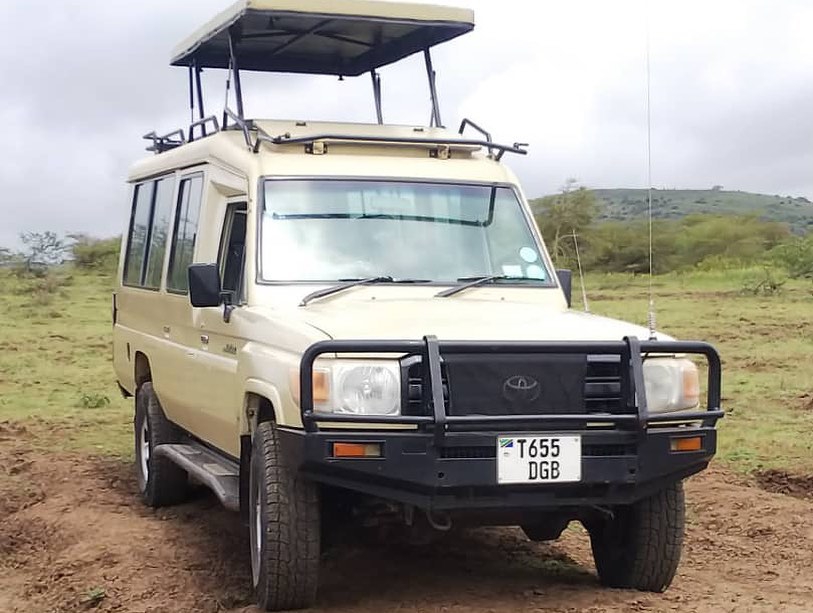
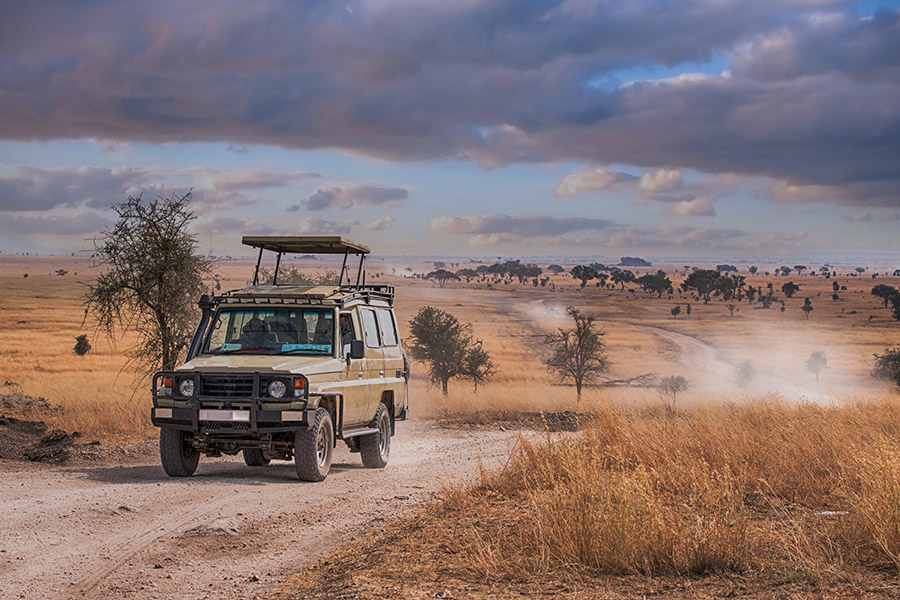
Moshi Banana Farm Tour: An Authentic Taste of Tanzania
When planning a trip to Tanzania, most travelers immediately think of safaris in the Serengeti or climbing Mount Kilimanjaro. While these are incredible experiences, the country offers a wealth of cultural and agricultural wonders that provide a deeper connection to local life. One such experience, often overlooked but incredibly rewarding, is the Moshi Banana Farm Tour. This unique excursion offers a hands-on look at one of Tanzania’s most important crops and provides a genuine interaction with the communities that cultivate it.
This guide is designed to be your ultimate resource for understanding and planning a Moshi Banana Farm Tour. We will cover what makes this tour so special, what you can expect during your visit, the best times to go, essential preparation tips, and how to book an experience that aligns with your travel goals for 2026 and 2027.
Quick Answers: Moshi Banana Farm Tour
| Aspect | Details |
|---|---|
| Location | Moshi, Kilimanjaro Region, Tanzania |
| Primary Activity | Visiting a local banana farm, learning about cultivation, processing, and tasting. |
| Duration | Typically half-day (3-5 hours), can be combined with other local visits. |
| Best Time to Visit | Year-round, but dry seasons (June-October, December-February) offer more comfortable conditions. Banana harvesting occurs throughout the year. |
| What to Expect | Guided walk through plantations, explanation of banana varieties, traditional farming methods, tasting fresh bananas and banana products, cultural interaction. |
| Who is it For? | Travelers interested in culture, agriculture, local life, food experiences, and those seeking authentic Tanzanian interactions. Suitable for individuals, couples, families, and small groups. |
| Booking | Best booked through reputable local tour operators like Top Guide Adventures. |
What is the Moshi Banana Farm Tour?
The Moshi Banana Farm Tour is an immersive cultural and agricultural experience centered around the cultivation and use of bananas in the Moshi area, located on the fertile slopes of Mount Kilimanjaro. This region is ideal for growing a wide variety of bananas due to its rich volcanic soil and favorable climate.
During the tour, visitors are guided by local farmers or knowledgeable guides who explain the entire lifecycle of bananas. This includes:
- Planting and Cultivation: Learning about the traditional and modern methods used to grow banana plants, from selecting seedlings to managing the soil and water.
- Varieties: Discovering the many different types of bananas grown in Tanzania, some of which are unique to the region and used for various purposes beyond just eating raw.
- Harvesting: Understanding the process of harvesting bananas, which is a year-round activity.
- Processing and Uses: Seeing how bananas are prepared for consumption and other uses. This can include making banana beer (local Pombe), banana flour, dried banana chips, and traditional dishes.
- Cultural Significance: Gaining insight into how bananas are a staple food and hold cultural importance in Tanzanian society, often featuring in local cuisine and traditions.
- Tasting: The highlight for many is the opportunity to taste fresh, ripe bananas directly from the plant, as well as various banana-based products like juices, local beer, and snacks.
This tour offers a stark contrast to the typical safari experience, providing a grounded and intimate glimpse into the daily lives and livelihoods of Tanzanian farmers.
Why Choose a Moshi Banana Farm Tour?
In a country celebrated for its wildlife and mountain adventures, the Moshi Banana Farm Tour offers distinct advantages and appeals to a specific type of traveler seeking depth and authenticity.
1. Authentic Cultural Immersion
Unlike curated cultural performances, a farm tour is a genuine look at agricultural practices that have sustained communities for generations. You interact directly with farmers, learning about their challenges, joys, and the significance of their work. This provides a more profound understanding of Tanzanian life than many other tourist activities.
2. Educational and Informative
Bananas are more than just a fruit in Tanzania; they are a vital food source, a cash crop, and a key ingredient in traditional beverages and dishes. The tour educates you on agricultural science, local economics, and the diverse applications of a single plant. You’ll learn about different banana varieties, their nutritional value, and how they are processed using traditional and sometimes modern techniques.
3. Support Local Communities
By participating in a Moshi Banana Farm Tour, you are directly contributing to the local economy. The fees generated often go to the farming families, supporting their livelihoods and encouraging the preservation of traditional farming methods. Choosing a local tour operator like Top Guide Adventures ensures that a significant portion of your payment benefits the community directly.
4. Unique Culinary Experience
Tasting freshly picked bananas is one thing, but experiencing banana beer (Pombe), banana bread, or other local delicacies made from this versatile fruit is another. It’s a chance to explore Tanzanian flavors in their most authentic form, directly from the source.
5. Connect with Nature and Landscape
The farms are typically located on the lush, fertile slopes of Kilimanjaro. The tour offers a pleasant walk through scenic agricultural landscapes, providing beautiful views and a refreshing contrast to the often dusty plains of safari destinations. It’s an opportunity to appreciate the natural beauty that supports Tanzania’s agriculture.
6. A Complementary Experience
For travelers focusing on Kilimanjaro treks, a banana farm visit can be an excellent way to acclimatize or decompress. It offers a gentle, engaging activity before or after a strenuous climb, providing context for the local environment and culture surrounding the mountain.
Best Time to Visit for a Moshi Banana Farm Tour
The beauty of the Moshi Banana Farm Tour is that it is accessible and enjoyable year-round. Bananas are a perennial crop, meaning they produce fruit throughout the year. However, certain times might offer a slightly different experience or more comfortable travel conditions.
| Season | Months | Pros | Cons |
|---|---|---|---|
| Dry Season (Short Rains Break) | June – October | Pleasant weather, minimal rain, clear skies, ideal for walking and outdoor activities. Good for combining with Kilimanjaro or other northern circuit safaris. | Can be cooler, especially in the mornings and evenings. Peak tourist season for safaris and Kilimanjaro, so book in advance for 2026-2027. |
| Long Rains | November – December | Lush green landscapes, fewer tourists, potentially lower prices. Banana growth is strong. | Rain can disrupt travel and outdoor activities. Roads might become muddy. |
| Dry Season (Post-Rain) | December – February | Warm and sunny, good for outdoor activities. Bananas are abundant. Often considered a great time for a mixed Tanzania trip. | Can be very hot. Peak tourist season, especially around holidays. |
| Long Rains (Second Season) | March – May | Very green scenery, fewest tourists, potentially the lowest prices. Banana plants are thriving. | Significant rainfall is expected, which can impact outdoor plans and travel logistics. |
Recommendation for 2026-2027: The dry seasons (June-October and December-February) generally offer the most comfortable weather for this type of outdoor tour. However, if you are looking for a quieter experience and don’t mind the possibility of rain, the shoulder seasons can also be very rewarding. The essential part of the tour – learning about and tasting bananas – is available any time of year.
Sample Moshi Banana Farm Tour Itinerary
A typical Moshi Banana Farm Tour is a half-day excursion, often starting in the morning. It can be easily integrated into a larger Tanzania itinerary, perhaps on a travel day between destinations or as a dedicated cultural experience from Moshi town or lodges near Kilimanjaro.
Here’s a sample itinerary:
| Time | Activity | Details |
|---|---|---|
| 8:00 AM | Pick-up | Your guide will pick you up from your hotel or lodge in Moshi or a nearby area. |
| 8:30 AM – 9:00 AM | Arrival at the Farm | Meet your local farmer host and guide at the designated banana plantation. Introduction to the farm and the day’s activities. |
| 9:00 AM – 10:30 AM | Farm Walk & Explanation | A guided walk through the banana plantation. Learn about different banana varieties, planting techniques, soil management, pest control (often organic methods), and the growth cycle. Understand the importance of bananas in the local diet and economy. |
| 10:30 AM – 11:30 AM | Processing & Tasting | Witness or participate in the process of preparing bananas. This might include learning how banana beer (Pombe) is made, how bananas are dried, or how they are used in cooking. Enjoy a tasting session featuring fresh bananas, banana juice, local snacks, and perhaps a small sample of banana beer. |
| 11:30 AM – 12:00 PM | Cultural Interaction & Q&A | Opportunity to ask your host farmer questions about their life, farming practices, and local culture. This is a key part of the authentic experience. |
| 12:00 PM – 12:30 PM | Farewell & Departure | Thank your hosts. Opportunity to purchase any local crafts or products if available. Depart from the farm. |
| 1:00 PM | Return to Accommodation | Arrive back at your hotel or lodge in Moshi. |
Note: This itinerary is flexible. Some tours might include a visit to a local market, a brief stop at a Maasai village (if arranged), or a cooking demonstration using bananas. Always confirm the specifics with your tour operator.
What to Expect During the Tour
Preparation and understanding what awaits you can enhance your experience. Here’s a breakdown of what to anticipate on a Moshi Banana Farm Tour:
The Setting
You’ll be in a rural or semi-rural environment. The farms are often nestled on the foothills of Kilimanjaro, surrounded by lush greenery. Expect a natural, working environment, not a manicured tourist attraction. Paths may be uneven, and the air can be humid, especially after rain.
The People
Your hosts will be local farmers, often from the Chagga community. They are generally warm, welcoming, and eager to share their knowledge. Guides will facilitate communication, but learning a few Swahili greetings like ‘Jambo’ (Hello) and ‘Asante’ (Thank you) is always appreciated.
The Activities
Expect a walking tour. You’ll be on your feet for a significant portion of the time, navigating farm paths. Hands-on elements might include helping to harvest a bunch of bananas, learning to peel them in a traditional way, or observing the brewing process. The tasting session is a highlight, offering a chance to savor the natural sweetness and unique flavors.
The Learning
The educational aspect is substantial. You’ll learn about the botanical side of bananas, the agricultural practices, and the socio-economic role of bananas in Tanzania. Be prepared to ask questions; the farmers and guides are usually happy to share detailed information.
Sensory Experience
Engage all your senses. Smell the rich earth, the sweet scent of ripening bananas, and perhaps the earthy aroma of banana beer fermentation. See the vibrant green of the plants, the different stages of banana growth, and the ingenuity of local tools. Taste the natural sweetness of fresh bananas and the complex flavors of traditional preparations. Hear the sounds of farm life – birds, distant chatter, and the rustling of leaves.
Pace
The pace is generally relaxed, allowing for thorough exploration and interaction. It’s designed to be an enjoyable and informative experience, not a rushed one.
What to Wear and Pack
Comfort and practicality are key for a Moshi Banana Farm Tour. Since it’s an outdoor activity in a rural setting, dressing appropriately will ensure you have a pleasant experience.
Clothing
- Lightweight, breathable clothing: Long trousers or sturdy pants are recommended to protect against scratches from plants, insects, and the sun. A long-sleeved shirt can also offer protection.
- Comfortable walking shoes: Closed-toe shoes or hiking boots are ideal. Sandals or flip-flops are not suitable for walking on farm paths.
- Hat: A wide-brimmed hat or cap for sun protection.
- Light rain jacket or poncho: Especially if traveling during a rainy season (March-May, November-December).
What to Bring
- Water bottle: Stay hydrated. While some tours might offer water, bringing your own reusable bottle is always a good idea.
- Sunscreen: The sun can be strong, even on cloudy days.
- Insect repellent: While not usually a major issue on well-managed farms, it’s wise to have some on hand.
- Camera: To capture the beautiful scenery and your experience.
- Small backpack: To carry your essentials.
- Cash (small denominations): For purchasing any local crafts or souvenirs, or for tipping guides/hosts if you wish.
- Hand sanitizer: For hygiene before tasting or after touching farm elements.
Important Note: Avoid wearing overly flashy jewelry or expensive items. The focus is on the experience and cultural exchange, not on displaying wealth.
Common Mistakes to Avoid
To ensure your Moshi Banana Farm Tour is as enjoyable and respectful as possible, be aware of potential pitfalls:
- Underestimating the physical aspect: While not strenuous, it involves walking on uneven terrain. Wear appropriate footwear.
- Not asking questions: The farmers and guides are there to share. Don’t hesitate to ask about anything you’re curious about. This is how you gain deeper insight.
- Disrespecting local customs: Always ask permission before taking close-up photos of people. Be mindful of noise levels and dress modestly.
- Expecting a polished, Western-style attraction: This is a real working farm. Embrace the authenticity, including any rustic elements.
- Not staying hydrated: Tanzania can be hot and humid. Drink plenty of water.
- Ignoring the guide: Your guide is crucial for translation, cultural context, and ensuring the tour runs smoothly and respectfully.
- Only focusing on the tasting: While delicious, the tour is about the entire process and cultural exchange. Appreciate the farming, the people, and the education.
- Not booking in advance for peak seasons (2026-2027): If you plan to visit during popular holiday periods or combine this with other major activities like Kilimanjaro climbs, secure your tour well in advance.
Who is the Moshi Banana Farm Tour Best For?
This tour appeals to a diverse range of travelers, but it particularly resonates with those who:
- Are culturally curious: Individuals who want to understand the daily lives, traditions, and livelihoods of Tanzanians beyond the typical tourist trails.
- Love food and agriculture: Anyone fascinated by where their food comes from, interested in farming techniques, and eager to taste local produce and products.
- Seek authentic experiences: Travelers who prioritize genuine interactions and learning over staged performances.
- Are undertaking Kilimanjaro treks: It’s an excellent way to explore the local environment and culture at the base of the mountain, offering a grounding experience before or after a climb.
- Are visiting Moshi: It’s a must-do activity for anyone spending time in or around Moshi town.
- Travel with families: Children can find the farm environment engaging and learn a lot about nature and food production in an accessible way.
- Are on a budget but want rich experiences: While not always the cheapest activity, it offers significant value and depth compared to its cost.
It might be less appealing to travelers solely focused on adrenaline-pumping activities or those who prefer highly luxurious, resort-style experiences without any interaction with local environments.
Alternatives and Similar Experiences
While the Moshi Banana Farm Tour is unique, Tanzania offers other cultural and agricultural experiences that might appeal to similar interests:
| Experience | Description | Similarities to Banana Farm Tour | Differences |
|---|---|---|---|
| Maasai Village Visit | Visiting a traditional Maasai boma to learn about their semi-nomadic lifestyle, culture, and traditions. | Direct cultural interaction, supporting local communities, learning about traditional life. | Focuses on pastoralist culture rather than agriculture. Often more structured for tourists. |
| Coffee Plantation Tour (Arusha/Moshi) | Exploring coffee farms, learning about the bean-to-cup process, and tasting freshly brewed coffee. | Agricultural focus, learning about cultivation and processing, tasting local produce, rural setting. | Focuses on coffee, a different crop with its own cultural and economic significance. |
| Local Market Tour (Moshi/Arusha) | Exploring bustling local markets where farmers and vendors sell produce, crafts, and goods. | Immersion in local life, seeing produce (including bananas) in context, vibrant atmosphere. | Less structured, more about observation and interaction with many vendors rather than a single farm. |
| Chagga Cultural Heritage Centre | A museum and cultural center dedicated to the history and traditions of the Chagga people, who are prominent banana farmers. | Learning about Chagga culture, which is intrinsically linked to banana farming. | Museum-style learning, less hands-on and experiential than a farm visit. |
| Cooking Classes (Zanzibar/Arusha) | Participating in classes that teach traditional Tanzanian or Swahili cuisine. | Focus on local food and ingredients, hands-on experience, cultural insight through cuisine. | Focus is on prepared meals rather than the source of the ingredients. Often more kitchen-based. |
When choosing, consider your primary interests: is it the farming process itself, the cultural context, or the culinary aspect?
Planning Your Moshi Banana Farm Tour for 2026-2027
Planning ahead is crucial for any travel, and Tanzania is no exception. Here are key considerations for scheduling your Moshi Banana Farm Tour in 2026 or 2027:
1. Integrate with Your Itinerary
Decide where the banana farm tour fits best. It’s a great addition if you’re:
- Climbing Kilimanjaro (before or after).
- Visiting Arusha National Park.
- Traveling between safari destinations and Moshi/Arusha.
- Spending time on Zanzibar and flying to the mainland.
A half-day tour can often be slotted into a travel day or a rest day.
2. Choose Your Tour Operator Wisely
Reputable local operators are key to an authentic and well-organized experience. Look for companies that:
- Have a strong local presence and good reviews.
- Prioritize community benefit and ethical tourism.
- Offer clear communication and transparent pricing.
- Can customize tours or combine them with other local activities.
Top Guide Adventures is a prime example of a local operator committed to authentic experiences and community support. Contacting them early for 2026-2027 bookings is advisable.
3. Booking Timeline
- For Peak Seasons (June-Oct 2026, Dec-Feb 2027): Book at least 3-6 months in advance, especially if combining with other major activities like Kilimanjaro.
- For Shoulder/Low Seasons (e.g., March-May 2027): Booking 1-2 months in advance might suffice, but booking earlier is always safer.
4. Health and Safety
Consult your doctor regarding any necessary vaccinations or malaria precautions for Tanzania. The farm environment is generally safe, but basic hygiene (hand washing) is important, especially before tasting food or drinks.
5. Budget Considerations
While specific prices fluctuate, factor in the tour cost, transportation to/from the farm, and any potential purchases. Reputable operators will provide a clear breakdown of what’s included.
Example Planning Checklist for 2026-2027:
| Task | Timeline | Status |
|---|---|---|
| Research and select tour operator | 12-9 months prior | [ ] |
| Confirm tour dates and inclusions | 9-6 months prior | [ ] |
| Book tour and pay deposit | 6-3 months prior | [ ] |
| Arrange transportation to Moshi/meeting point | 6-2 months prior | [ ] |
| Pack appropriate clothing and gear | 1 month prior | [ ] |
| Confirm final details with operator | 1 week prior | [ ] |
| Learn basic Swahili phrases | 1 month prior | [ ] |
Booking Your Moshi Banana Farm Tour
Securing your Moshi Banana Farm Tour with a trusted provider ensures a well-organized, authentic, and beneficial experience. Top Guide Adventures specializes in creating these types of immersive cultural encounters.
To book or inquire about a Moshi Banana Farm Tour, you can:
- Contact via WhatsApp: Send a message to +255616946642 for a quick response and to discuss your plans for 2026 or 2027.
- Email: Reach out to topguideadventures@gmail.com with your questions and booking requests.
- Backup Email: For any reason, you can also use info@topguideadventures.com.
When you contact them, be sure to mention:
- Your desired travel dates.
- The number of people in your group.
- Any specific interests you have (e.g., focus on banana beer, organic farming).
- If you wish to combine the tour with other activities in the Moshi area.
They can help tailor the experience to your preferences and provide all necessary details regarding inclusions, exclusions, and pricing. Booking with a local expert like Top Guide Adventures not only guarantees a high-quality tour but also ensures your travel supports the local Tanzanian economy directly.
Frequently Asked Questions (FAQs)
Q1: Is the Moshi Banana Farm Tour suitable for children?
A1: Yes, the Moshi Banana Farm Tour is generally suitable and engaging for children. They can learn about where food comes from, see different plants, and enjoy tasting fresh fruit. It’s a gentle outdoor activity. Always ensure children are supervised and dressed appropriately.
Q2: What is the typical duration of the tour?
A2: The typical Moshi Banana Farm Tour lasts about 3 to 5 hours, including travel time to and from the farm. This allows for a relaxed pace of exploration and interaction.
Q3: Can I purchase bananas or banana products to take home?
A3: Often, yes. Depending on the farm and what’s available, you may have the opportunity to purchase fresh bananas, banana beer, dried chips, or local crafts. It’s a great way to support the farmers directly. Ensure you check customs regulations for bringing produce back to your home country.
Q4: What if it rains during my scheduled tour?
A4: If rain is light, the tour may proceed as planned, as the farm environment can still be enjoyable. For heavy rain, your tour operator will likely offer to reschedule the tour for another day or provide an alternative activity. Always discuss weather contingency plans with your operator when booking for 2026-2027.
Q5: Do I need to tip the farmer or guide?
A5: Tipping is not mandatory but is greatly appreciated for excellent service. If you feel your farmer host and guide provided exceptional insights and hospitality, a tip is a good way to show your gratitude. Your tour operator can advise on appropriate amounts.
Q6: What kind of bananas will I see?
A6: Tanzania cultivates a wide variety of bananas, including the common sweet dessert bananas, but also larger plantains used for cooking, and smaller varieties. Your guide will explain the differences and uses of each type found on the farm.
Q7: Is the Moshi Banana Farm Tour a very touristy experience?
A7: The goal of operators like Top Guide Adventures is to provide authentic experiences. While it is a tourist activity, it is designed to be a genuine interaction with a working farm, minimizing the ‘staged’ feel often found in other cultural tourism. You’ll be on a real farm, interacting with real farmers.
Q8: Can I combine the banana farm tour with other activities?
A8: Absolutely. It’s common to combine the Moshi Banana Farm Tour with visits to local markets, coffee plantations, or even a short hike on Kilimanjaro’s lower slopes. Discuss your interests with your tour operator to create a personalized day trip for 2026 or 2027.
Q9: What is ‘Pombe’ and is it safe to drink?
A9: ‘Pombe’ is a generic Swahili word for alcoholic beverage, and in the context of banana farms, it often refers to banana beer. It’s traditionally brewed and can vary in strength and flavor. Tasting a small, freshly made sample is part of the cultural experience. It’s generally safe when prepared by the hosts for the tour, but moderation is advised.
Q10: How does this tour support local communities?
A10: By booking through a responsible local operator, a significant portion of your tour fee goes directly to the farming family and the local community. This provides economic incentive for farmers to share their culture and practices, contributing to sustainable tourism that benefits those on the ground.
Your Gateway to Authentic Tanzania
The Moshi Banana Farm Tour offers a unique and enriching perspective on Tanzania, moving beyond the expected to reveal the vibrant agricultural heart of the country. It’s an opportunity to connect with the land, its people, and their traditions in a meaningful way.
For an unforgettable Moshi Banana Farm Tour experience in 2026 or 2027, trust the local expertise of Top Guide Adventures. They are dedicated to providing authentic, high-quality tours that benefit local communities and offer travelers genuine insights into Tanzanian life.
Ready to taste the sweetness of Tanzania? Reach out today to plan your adventure:
- WhatsApp: +255616946642
- Email: topguideadventures@gmail.com
- Backup Email: info@topguideadventures.com
Let us help you craft a memorable journey filled with local flavor and genuine discovery.
Plan your Moshi Banana Farm Tour with Top Guide Adventures
Tell us your travel dates, group size, comfort level, and dream experience. We will help you shape a clear, realistic, and memorable Tanzania itinerary.







 Veedesigner
 Fatma Kizanga
 Benjamin Waryuba
 Philip Philip
 John jr Itaja
 Antonia Optatus
 Edith Kanyere
 Neema Iddy
 Kelvin Boniphace
 Damari Maiga



