
Updated planning guide for 2026, 2027-2028
Moshi Coffee And Culture Tour: Complete Guide 2026-2027-2028
Explore the rich flavors and vibrant traditions of Tanzania with our comprehensive guide to the Moshi Coffee and Culture Tour. Learn about itineraries, what to expect, and how to plan your unforgettable experience for 2026-2027.
WhatsApp +255616946642 | topguideadventures@gmail.com | info@topguideadventures.com
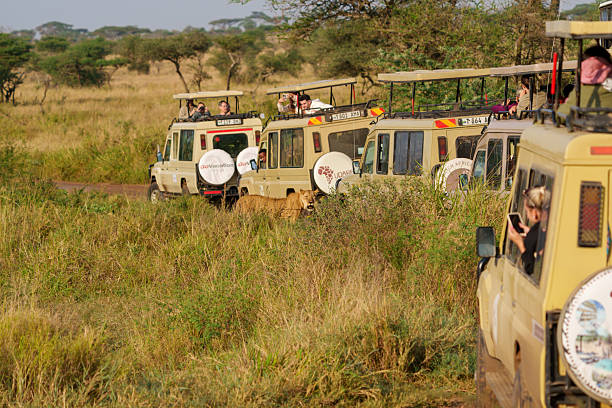
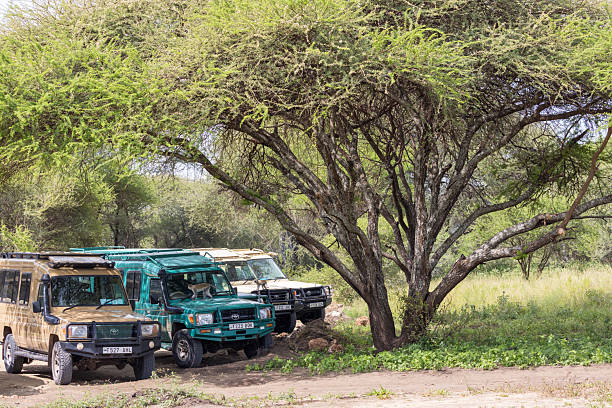
Moshi Coffee and Culture Tour: Your Comprehensive Guide
For travelers seeking an authentic connection with Tanzania beyond the iconic safari landscapes, the Moshi Coffee and Culture Tour offers a unique and deeply rewarding experience. Nestled at the foothills of Mount Kilimanjaro, Moshi is not only a gateway to Africa’s highest peak but also a vibrant hub for coffee cultivation and rich Chagga heritage. This tour invites you to explore the journey of coffee from bean to cup, engage with local communities, and gain insight into the daily life and traditions of the Chagga people.
This detailed guide covers everything you need to know to plan and enjoy a Moshi Coffee and Culture Tour, whether you’re considering it for 2026, 2027, or beyond. We’ll cover what makes this tour special, the best times to visit, sample itineraries, what to pack, common pitfalls, and how to book the perfect trip with experienced local operators.
Quick Answers
What is the Moshi Coffee and Culture Tour? It’s an immersive experience focused on learning about coffee farming, processing, and tasting, combined with cultural interactions with the Chagga people in the Moshi region of Tanzania.
What are the main activities? Visiting coffee plantations, participating in coffee processing, tasting freshly brewed coffee, exploring local villages, learning about Chagga traditions, and often visiting waterfalls or local markets.
When is the best time to go? Generally, the dry seasons (June to October and December to February) are ideal, offering pleasant weather for outdoor activities and coffee-related work.
How long does it typically last? Most tours range from 1 to 3 days, depending on the depth of exploration desired.
What should I expect to pay? Costs vary based on inclusions, duration, and the operator, but budget for a mid-range cultural experience.
Table of Contents
- Tour Overview: More Than Just Coffee
- Moshi Coffee and Culture Tour: Quick Facts
- Why Choose Moshi for a Coffee and Culture Tour?
- Best Time to Experience the Moshi Coffee and Culture Tour
- Sample Moshi Coffee and Culture Tour Route
- Detailed Itinerary: A Day-by-Day Plan
- What to Expect on the Tour
- Typical Inclusions and Exclusions
- What to Pack for Your Tour
- Preparation and What to Know Before You Go
- Common Mistakes to Avoid
- Who is the Moshi Coffee and Culture Tour Best Suited For?
- Alternatives to the Moshi Coffee and Culture Tour
- Planning Your 2026-2027 Moshi Coffee and Culture Tour
- Booking Your Moshi Coffee and Culture Tour: Expert Tips
- Frequently Asked Questions (FAQs)
Tour Overview: More Than Just Coffee
The Moshi Coffee and Culture Tour is designed to provide travelers with a holistic understanding of the region’s most famous agricultural product: coffee. It goes beyond a simple plantation visit, offering a deep dive into the entire coffee-making process, from the careful cultivation of coffee cherries on steep, fertile slopes to the meticulous drying, roasting, and brewing of the final beverage. You’ll learn about different coffee varietals grown in Tanzania, such as Bourbon and Kent, and the impact of the volcanic soil and climate on their unique flavors.
However, the tour’s richness lies in its cultural component. Moshi is home to the Chagga people, a vibrant community with a distinct history, language, and traditions. The tour often includes visits to local villages where you can interact with residents, learn about their way of life, understand their social structures, and perhaps witness traditional crafts or agricultural practices. You might visit a local school, a traditional hut, or a family home, gaining authentic insights that are rarely found on more conventional tourist paths.
This immersive experience is a fantastic complement to other Tanzanian adventures, such as a safari in the nearby Serengeti or a trek up Mount Kilimanjaro. It offers a slower pace, a chance to connect with the land and its people, and a taste of the real Tanzania.
Moshi Coffee and Culture Tour: Quick Facts
| Aspect | Details |
|---|---|
| Primary Focus | Coffee cultivation, processing, tasting, and Chagga culture. |
| Location | Moshi region, Kilimanjaro, Tanzania. |
| Typical Duration | 1 to 3 days. |
| Best Time to Visit | Dry seasons: June-October, December-February. Coffee harvesting can be observed during specific months (typically March-July for Arabica). |
| Key Activities | Plantation walks, coffee processing demonstrations, tasting sessions, village visits, cultural interactions, local market exploration. |
| Physical Activity Level | Light to moderate. Involves walking on uneven terrain and potentially some uphill inclines on plantations. |
| Accommodation | Can range from day trips from Moshi town hotels to overnight stays in local guesthouses or homestays. |
Why Choose Moshi for a Coffee and Culture Tour?
Moshi’s unique geographical position and historical significance make it an unparalleled location for this type of tour. The region boasts ideal conditions for growing high-quality Arabica coffee, thanks to the fertile volcanic soil, ample rainfall, and favorable altitudes on the slopes of Mount Kilimanjaro and Mount Meru.
Historically, the Chagga people were among the first to cultivate coffee in Tanzania, a practice introduced by German colonialists but adapted and expanded by the local population. They developed sophisticated farming techniques and a deep understanding of the crop, making their coffee production a cornerstone of their economy and culture. Visiting a Chagga-owned coffee farm offers a chance to connect with this legacy and understand their resilience and innovation.
Furthermore, Moshi is a gateway to northern Tanzania’s major attractions. This makes it logistically convenient for travelers already planning a safari in the Serengeti, Ngorongoro, or Tarangire, or those preparing for a Kilimanjaro climb. Adding a coffee and culture tour provides a wonderful contrast to the wildlife-focused safaris and the physical challenge of climbing the mountain, offering a more intimate and grounded perspective of Tanzanian life.
Best Time to Experience the Moshi Coffee and Culture Tour
The ideal timing for your Moshi Coffee and Culture Tour depends on what you wish to experience, particularly regarding the coffee harvest. Tanzania generally has two main rainy seasons and two dry seasons, influencing travel comfort and agricultural activities.
Dry Seasons (Generally Best for Travel):
- June to October: This is the primary dry season. The weather is typically sunny and mild, making it excellent for exploring plantations and villages without the hindrance of heavy rain. It’s a popular time for safaris and Kilimanjaro treks, meaning Moshi will likely be active with other tourists.
- December to February: This is a shorter dry season, often referred to as the ‘short rains’ period can sometimes occur. It’s still a good time to visit, with warm temperatures and clear skies for much of the period.
Rainy Seasons (Can Offer Unique Perspectives):
- March to May: This is the long rainy season. While you might encounter daily downpours, the landscape is incredibly lush and green. Coffee farms will be in their prime growing stages. This period is often less crowded and can offer lower prices for tours and accommodation. Be prepared for potential travel disruptions due to rain.
- November: The short rains season can bring occasional showers, usually in the afternoon. It’s a transitional month, often with good weather mixed with rain.
For Coffee Harvesting:
- The main harvest for Arabica coffee in Tanzania, which is prevalent around Moshi, typically runs from March/April through to July. If you want to see the coffee cherries being picked and witness the initial processing stages firsthand, planning your visit during these months is ideal. This period coincides with the long rainy season, so balancing the desire to see the harvest with weather considerations is important.
For most travelers, the June-October window offers the best balance of pleasant weather for touring and seeing the coffee at various stages of its growth, though not necessarily the peak of the harvest.
Sample Moshi Coffee and Culture Tour Route
This sample route illustrates a typical 2-day Moshi Coffee and Culture Tour. It can be adapted to be a single day or extended to three days based on your interests.
The tour primarily takes place in the rural areas surrounding Moshi town, on the lower to mid-slopes of Mount Kilimanjaro. Key areas include local villages known for coffee cultivation, such as Marangu, Machame, or Kilema, and specific coffee estates.
Route Progression:
- Day 1: Coffee Plantation Immersion
– Morning: Arrive at a designated coffee farm. Introduction to coffee farming and the Chagga people.
– Mid-day: Walk through the plantation, learn about coffee varietals, shade-growing techniques, and the ecosystem.
– Afternoon: Participate in the coffee processing – from picking cherries to washing, drying, and hulling.
– Late Afternoon: Roasting and brewing your own coffee. Enjoy tasting sessions.
– Evening: Traditional Chagga dinner and overnight stay (optional, depending on tour package) or return to Moshi accommodation. - Day 2: Cultural Exploration and Local Life
– Morning: Visit a local Chagga village. Interact with community members, learn about their homes, social structures, and daily routines.
– Mid-day: Explore a local market (if schedule permits and it’s market day) or visit a local school or community project.
– Afternoon: Hike to a nearby waterfall (e.g., Materuni Waterfalls, if accessible and part of the tour). Enjoy the natural scenery.
– Late Afternoon: Farewell coffee tasting and departure from the tour area.
Detailed Itinerary: A Day-by-Day Plan
Here is a more detailed breakdown of a typical 2-day Moshi Coffee and Culture Tour, designed to give you a deep appreciation for the region.
| Day | Morning (Approx. 8:00 AM – 12:00 PM) | Afternoon (Approx. 12:00 PM – 5:00 PM) | Evening (Optional) |
|---|---|---|---|
| Day 1: Coffee’s Journey & Chagga Heritage | Arrival at Coffee Farm & Plantation Walk: After breakfast and pick-up from your Moshi accommodation, you’ll be driven to a local coffee plantation, often a family-run farm. You’ll be welcomed by the farmer and introduced to the history of coffee in Tanzania and the specific farm. The guided walk through the plantation will cover: – Identifying different coffee plants (Arabica, Bourbon, Kent). – Understanding the best growing conditions (altitude, soil, shade). – Learning about sustainable farming practices. – Observing intercropping with bananas, avocados, and other local produce. |
From Bean to Cup: Processing & Tasting: Engage hands-on with the coffee processing stages: – Cherry Picking: If in season, you’ll try picking ripe coffee cherries. – Washing & Fermentation: Learn how the beans are separated from the fruit pulp. – Drying: Observe the beans laid out on drying beds. – Hulling & Sorting: Understand the removal of parchment and final grading. Next, you’ll participate in roasting green beans over a fire and grinding them by hand using traditional methods. The highlight is brewing and tasting the freshly made coffee, often accompanied by local snacks. You might also learn about the cultural significance of coffee in Chagga life. Lunch is typically a local meal prepared at the farm. |
Traditional Dinner & Cultural Exchange: Enjoy a traditional Chagga dinner featuring local dishes. This is a great opportunity for more informal interaction with the host family or guides, sharing stories and learning about daily life. Overnight stay at a guesthouse on the farm or a local homestay can be arranged for a more immersive experience. Alternatively, you’ll be returned to your hotel in Moshi. |
| Day 2: Village Life & Natural Wonders | Chagga Village Immersion: After breakfast, you’ll visit a nearby Chagga village. This is a chance to see how people live outside the main town. You might: – Visit a traditional Chagga house (often underground historically). – Learn about their social organization and family structures. – See how they cultivate crops for subsistence. – Interact with local artisans or community members. Depending on the tour, you might also visit a local school to understand the education system or a community project. |
Local Market or Waterfall Excursion: Option 1: If it’s a market day, you’ll visit a bustling local market where you can see a wide array of produce, crafts, and everyday items. It’s a sensory experience and a great place for people-watching. Option 2: Embark on a short hike to a beautiful local waterfall, such as Materuni Waterfalls. The walk itself is scenic, and you can enjoy the refreshing spray and natural beauty. Swimming might be possible. Lunch will be served at a local restaurant or as part of the excursion. |
Farewell & Departure: Enjoy a final cup of locally grown coffee and reflect on your experiences. You’ll then be transferred back to your accommodation in Moshi or to your next destination (e.g., Kilimanjaro International Airport, Arusha). |
What to Expect on the Tour
The Moshi Coffee and Culture Tour is an intimate and educational experience. Here’s what you can generally anticipate:
- Hands-On Participation: Don’t expect to just watch. You’ll be encouraged to get involved in tasks like picking coffee cherries, washing beans, roasting, and grinding.
- Authentic Interactions: While guides facilitate communication, you’ll have opportunities for genuine conversations with local farmers and villagers. Be respectful and open to learning.
- Sensory Experience: The tour is rich in sights, sounds, smells, and tastes. From the aroma of roasting coffee to the vibrant colors of the market and the taste of fresh coffee, it engages all your senses.
- Varied Terrain: Coffee plantations are often on hillsides. Expect walking on unpaved paths that can be uneven, muddy (especially in the rainy season), or steep. Comfortable walking shoes are essential.
- Simple but Delicious Food: Meals are typically prepared using fresh, local ingredients. Expect dishes like Ugali (maize porridge), rice, beans, local vegetables, and possibly chicken or goat meat.
- Basic Facilities: While some farms may have modern amenities, others might offer more rustic facilities. This is part of the authentic experience. Restrooms might be basic pit latrines or simple flush toilets.
- Learning and Education: The guides are knowledgeable about coffee farming, Chagga history, and local customs. Be prepared to ask questions and absorb information.
- Flexibility: While itineraries are planned, things can sometimes run on a slightly different schedule due to local conditions or opportunities. A relaxed attitude is beneficial.
Typical Inclusions and Exclusions
When booking a Moshi Coffee and Culture Tour, understanding what is included and what is not will help you budget and prepare. Always confirm specifics with your tour operator.
Common Inclusions:
- Pick-up and drop-off in Moshi town.
- Transportation to and from the coffee plantation and village.
- Services of a knowledgeable local guide (often fluent in English).
- Guided walk through the coffee plantation.
- Demonstration and participation in coffee processing.
- Coffee tasting session.
- Lunch at the farm or a local eatery.
- Visits to a local village and potentially a waterfall or market.
- Donation to the local community or school (sometimes included).
Common Exclusions:
- Accommodation in Moshi (unless a package includes overnight stays).
- Dinner and breakfast (unless specified, especially if not staying overnight).
- Drinks other than water or coffee during meals.
- Tips for guides and drivers.
- Personal expenses.
- Travel insurance.
- Entrance fees for specific attractions not covered by the tour (e.g., national park fees if a waterfall is in a protected area, though this is rare for local falls).
What to Pack for Your Tour
Packing smart will ensure you are comfortable and prepared for the various activities and conditions you might encounter on the Moshi Coffee and Culture Tour.
Clothing:
- Lightweight, breathable clothing: Long-sleeved shirts and trousers are recommended for sun protection and to guard against insects, especially in rural areas.
- Comfortable walking shoes: Sturdy, closed-toe shoes with good grip are essential for navigating plantation paths.
- A hat or cap: For sun protection.
- A light jacket or fleece: Evenings can be cooler, especially at higher altitudes.
- Rain jacket or poncho: Especially if traveling during the shoulder or rainy seasons.
- Modest clothing: When visiting villages, it’s respectful to dress modestly, covering shoulders and knees.
Essentials:
- Reusable water bottle: Stay hydrated.
- Sunscreen: The sun can be strong at altitude.
- Insect repellent: Particularly for early mornings and evenings.
- Small backpack: To carry your essentials during the day.
- Camera: To capture the beautiful scenery and interactions.
- Hand sanitizer: Useful before eating or after touching surfaces.
- Cash: For tips, souvenirs, or personal purchases. Local currency (Tanzanian Shilling) is best for smaller purchases.
- Any personal medications.
Preparation and What to Know Before You Go
Proper preparation enhances the enjoyment and understanding of your Moshi Coffee and Culture Tour.
- Book in Advance: Especially if you are traveling during peak seasons (2026-2027), book your tour with a reputable operator well in advance.
- Learn Basic Swahili Phrases: While guides speak English, knowing a few basic Swahili words like ‘Jambo’ (Hello), ‘Asante’ (Thank you), and ‘Karibu’ (Welcome) is greatly appreciated by locals.
- Understand Local Customs: Be mindful of local etiquette. Always ask permission before taking photos of people. Dress respectfully when visiting villages.
- Health Precautions: Consult your doctor about necessary vaccinations and malaria precautions for Tanzania. Ensure you have travel insurance.
- Currency: Have some Tanzanian Shillings for small purchases or tips. US Dollars are also widely accepted for larger payments, but local currency is better for local markets and smaller vendors.
- Connectivity: Wi-Fi might be limited or non-existent at the farm or in villages. Consider purchasing a local SIM card in Moshi or Arusha if you need constant connectivity.
- Flexibility: Be prepared for potential changes in schedule due to weather or local circumstances. Embrace the experience as it unfolds.
Common Mistakes to Avoid
To ensure a smooth and enjoyable Moshi Coffee and Culture Tour, be aware of these common pitfalls:
- Underestimating the Terrain: Coffee farms are often on slopes. Wearing inappropriate footwear like flip-flops or sandals can lead to discomfort or injury.
- Not Packing Appropriately: Forgetting rain gear during the wet season or insufficient sun protection can make the tour unpleasant.
- Being Disrespectful: Treating local interactions as purely transactional or not respecting cultural norms can lead to misunderstandings. Always show genuine interest and politeness.
- Taking Photos Without Permission: Always ask before photographing people, especially children. While some guides might say it’s okay, it’s best practice to get explicit consent.
- Expecting Luxury Facilities: While some farms are well-equipped, many offer a more authentic, rustic experience. Manage your expectations regarding accommodation and restroom facilities.
- Not Confirming Inclusions: Assuming meals, transport, or specific activities are included without checking the tour operator’s details can lead to unexpected costs.
- Ignoring Health Advice: Failing to take necessary health precautions like vaccinations or malaria prevention can have serious consequences.
- Rushing the Experience: The tour is about immersion. Trying to rush through activities or constantly checking your watch detracts from the cultural exchange and appreciation of the process.
Who is the Moshi Coffee and Culture Tour Best Suited For?
This tour is ideal for a wide range of travelers, particularly those who:
- Are curious about food and drink origins: Anyone interested in understanding where their coffee comes from and the effort involved in production.
- Seek authentic cultural experiences: Travelers who want to connect with local communities beyond typical tourist attractions.
- Appreciate sustainable tourism: The tour often supports local farmers and communities directly, aligning with responsible travel principles.
- Are visiting Northern Tanzania: It’s a perfect addition for those on safari, climbing Kilimanjaro, or visiting Arusha, offering a different perspective on the region.
- Enjoy hands-on activities: Those who like to participate and learn by doing will find this tour very engaging.
- Travelers on a mid-range budget: It offers significant value and depth of experience for its cost, unlike some high-end luxury tours.
- Families with older children: The educational aspect and interactive nature can be very engaging for teenagers and adults.
It might be less suitable for travelers solely focused on luxury, those with significant mobility issues due to the terrain, or those who prefer strictly scheduled, fast-paced tours.
Alternatives to the Moshi Coffee and Culture Tour
While the Moshi Coffee and Culture Tour is unique, Tanzania offers other enriching cultural and agricultural experiences:
- Arusha Cultural Heritage Centre: More of a museum and craft center, it offers insight into various Tanzanian tribes and art, but less hands-on than the Moshi tour.
- Maasai Village Visits: Common additions to safari itineraries, these offer a glimpse into the traditional nomadic lifestyle of the Maasai people. They are often more staged than the organic interactions on a Moshi tour.
- Zanzibar Spice Tours: On the island of Zanzibar, spice tours are very popular. They focus on the cultivation and use of various spices, offering a similar agricultural immersion but in a tropical island setting.
- Local Market Tours: Visiting bustling local markets in towns like Arusha or Dar es Salaam provides a vibrant snapshot of daily life, commerce, and local produce, but without the specific focus on coffee or a single community.
- Homestays in Rural Areas: Some tour operators offer homestay programs in various regions of Tanzania, providing a deeper immersion into rural life, though not necessarily focused on a specific crop like coffee.
- Hadza and Datoga Cultural Tours: In regions like Lake Eyasi, tours focus on the hunter-gatherer Hadza people and the Datoga pastoralists. These are distinct and deeply traditional experiences, offering a different facet of Tanzanian culture.
The Moshi Coffee and Culture Tour stands out for its specific focus on coffee, its deep connection to the Chagga heritage, and its accessible location near major tourist hubs.
Planning Your 2026-2027 Moshi Coffee and Culture Tour
Planning ahead is key to a successful and memorable trip, especially as you look towards 2026 and 2027. Here’s how to approach it:
- Define Your Interests: Are you most interested in the coffee process, the cultural interactions, or a mix? This will help you choose the right tour length and operator.
- Choose Your Travel Dates: Consider the best time to visit based on weather and coffee harvest seasons. For 2026 and 2027, booking key safari or trek dates first might help align your coffee tour.
- Research Tour Operators: Look for operators with strong local ties, good reviews, and clear communication. Prioritize those who emphasize genuine cultural exchange and fair practices.
- Determine Tour Duration: A single day is good for a taste, while 2-3 days allow for deeper immersion and relaxation.
- Budget Accordingly: While exact prices vary, consider costs for the tour, accommodation, meals not included, tips, and personal expenses.
- Combine with Other Activities: Moshi is ideally situated. Plan your coffee tour in conjunction with a Kilimanjaro climb, a Northern Circuit safari, or a trip to Arusha National Park.
- Book Flights and Accommodation: Secure your international flights to Kilimanjaro International Airport (JRO) and any accommodation in Moshi or Arusha well in advance for 2026-2027 travel.
- Health and Visas: Check visa requirements for Tanzania and consult your doctor for health advice well in advance of your 2026-2027 departure.
Booking Your Moshi Coffee and Culture Tour: Expert Tips
Securing the right tour operator is crucial for an authentic and well-organized experience. Here are expert tips for booking your Moshi Coffee and Culture Tour:
- Prioritize Local Operators: Working directly with a Tanzania-based tour operator like Best Tanzania Tour operator (Top Guide Adventures) ensures that more of your money stays within the local economy and provides access to unparalleled local knowledge.
- Read Reviews Carefully: Look beyond star ratings. Read detailed reviews on platforms like TripAdvisor, Google, and travel forums. Pay attention to comments about guide knowledge, authenticity of cultural interactions, and overall organization.
- Ask Detailed Questions: Don’t hesitate to ask potential operators specific questions:
- What is the exact itinerary?
- What is included and excluded?
- What is the guide’s experience and language proficiency?
- What is the typical group size?
- What is their policy on responsible tourism and community engagement?
- What are the payment terms and cancellation policy?
- Check for Transparency: A good operator will be upfront about all costs, inclusions, and potential challenges. Avoid operators who are vague or pushy.
- Look for Customization Options: If you have specific interests or dietary needs, inquire if the tour can be customized. A good operator will be flexible.
- Understand Payment Methods: Confirm how they accept payments (e.g., bank transfer, online payment gateway) and be wary of requests for full payment upfront via unusual methods. A deposit is standard.
- Confirm Contact Information: Ensure you have reliable contact details, including WhatsApp and email, for your operator. For example, you can reach Best Tanzania Tour operator (Top Guide Adventures) via WhatsApp at +255616946642 or email at topguideadventures@gmail.com or info@topguideadventures.com.
- Consider a Package Deal: If you’re combining this tour with a safari or Kilimanjaro trek, booking everything with one reputable operator can simplify logistics and potentially offer better value.
Frequently Asked Questions (FAQs)
Is the Moshi Coffee and Culture Tour suitable for families?
Yes, it can be. The tour offers educational and interactive elements that older children and teenagers often enjoy. However, younger children might find the walking and focus on agricultural processes less engaging. It’s best suited for families with children aged 10 and above, depending on their interests.
Do I need to speak Swahili to do this tour?
No, English is widely spoken by guides and in tourist areas. However, learning a few basic Swahili phrases like ‘Asante’ (Thank you) and ‘Jambo’ (Hello) is always appreciated by the local communities you’ll interact with.
What is the difference between this tour and a spice tour in Zanzibar?
Both are agricultural immersion tours, but they focus on different products and regions. The Moshi tour is centered on coffee cultivation and Chagga culture in the Kilimanjaro region, while Zanzibar spice tours focus on spices like cloves, cinnamon, and vanilla in a tropical island setting.
Can I buy coffee directly from the farms?
Often, yes. Many farms sell their freshly roasted coffee directly to visitors. It’s a great way to take home a genuine souvenir and support the farmers.
What if I’m not a coffee drinker?
While coffee tasting is a highlight, the tour also offers significant cultural immersion. You can still enjoy the process, the scenery, and the interactions with local people. You can also opt out of tasting if you prefer.
How much should I tip the guide?
Tipping is customary for good service. A general guideline for a 1-3 day tour would be around $10-$20 USD per person per day for the guide. Always tip based on the service received and your budget.
Are there any specific health concerns for this tour?
Standard travel health advice for Tanzania applies. Consult your doctor about vaccinations (e.g., Hepatitis A, Typhoid) and malaria prevention. The main health concern during the tour itself would be staying hydrated and protecting yourself from the sun.
What if it rains heavily during my tour?
Reputable operators will have contingency plans. If weather severely impacts outdoor activities, they may adjust the itinerary, substitute activities, or reschedule if possible. Communication with your guide and operator is key.
Can I visit a coffee plantation on a single day trip from Arusha?
Yes, many operators offer single-day Moshi Coffee and Culture Tours that can be done as a day trip from Arusha or Moshi. However, an overnight stay allows for a more relaxed and in-depth experience.
What are the best times for coffee harvesting in Moshi for 2026-2027?
The main harvest for Arabica coffee, which is common in the Moshi region, typically runs from March/April through July. If seeing the picking and initial processing is a priority for your 2026 or 2027 trip, aim for this period, but be prepared for potential rain.
Ready to Experience the Moshi Coffee and Culture Tour?
Immerse yourself in the heart of Tanzania’s coffee country and discover the rich traditions of the Chagga people. Whether you’re planning for 2026, 2027, or 2028, the Moshi Coffee and Culture Tour offers an unforgettable journey from bean to cup and beyond. Let our expert team at Best Tanzania Tour operator (Top Guide Adventures) craft your perfect cultural adventure.
Contact us today to discuss your tailor-made itinerary:
WhatsApp: +255616946642
Email: topguideadventures@gmail.com
Backup Email: info@topguideadventures.com
Let’s plan your authentic Tanzanian experience!
Plan your Moshi Coffee and Culture Tour with Top Guide Adventures
Tell us your travel dates, group size, comfort level, and dream experience. We will help you shape a clear, realistic, and memorable Tanzania itinerary.







 Veedesigner
 Fatma Kizanga
 Benjamin Waryuba
 Philip Philip
 John jr Itaja
 Antonia Optatus
 Edith Kanyere
 Neema Iddy
 Kelvin Boniphace
 Damari Maiga



