
Updated planning guide for 2026, 2027-2028
Moshi Local School Visit Tour: Complete Guide 2026-2027-2028
Discover the profound experience of a Moshi local school visit tour. This comprehensive guide offers insights into cultural exchange, community engagement, and practical planning for your 2026-2027 trip to Tanzania.
WhatsApp +255616946642 | topguideadventures@gmail.com | info@topguideadventures.com
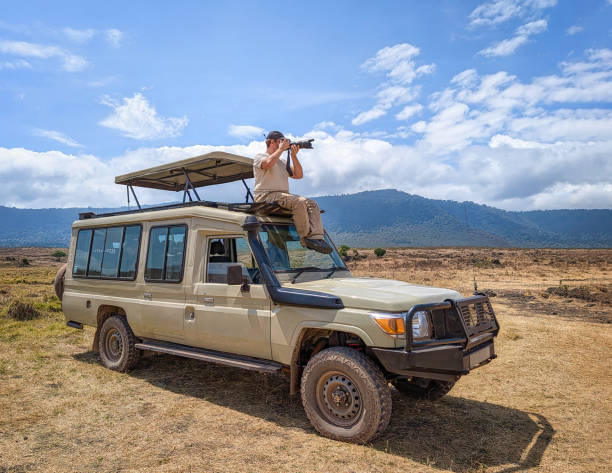
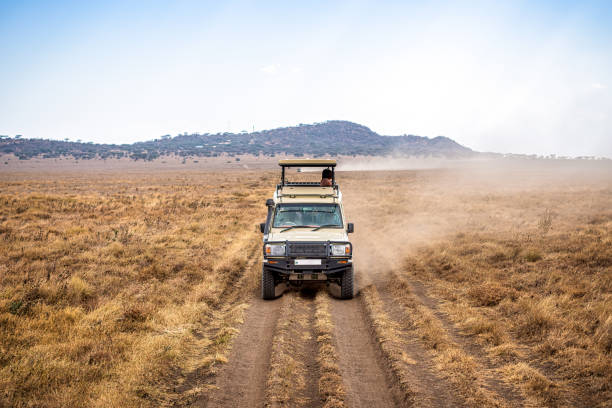
A Moshi local school visit tour offers a unique opportunity to connect with the heart of Tanzania beyond the typical safari or Kilimanjaro trek. It’s a chance to engage directly with local communities, understand their daily lives, and contribute positively to educational initiatives. For travelers seeking authentic cultural immersion and a meaningful travel experience, this type of visit provides unparalleled depth and perspective. This guide is designed to help you plan, prepare for, and make the most of such an impactful journey, whether you are considering it for 2026, 2027, or beyond.
Table of Contents
- Quick Facts: Moshi Local School Visit
- Understanding the Moshi Local School Visit Tour
- Why Choose a Local School Visit in Moshi?
- Best Time for a School Visit in Moshi
- Moshi Region: A Brief Overview
- Sample Itinerary: A Day at a Moshi School
- What to Expect During Your Visit
- Preparation and Packing Essentials
- Common Mistakes to Avoid
- Who is a Moshi Local School Visit Tour Best For?
- Alternatives to a School Visit
- Planning Your 2026-2027 Trip
- Booking Your School Visit Tour
- Frequently Asked Questions
Quick Facts: Moshi Local School Visit
| Aspect | Details |
|---|---|
| Location | Moshi, Kilimanjaro Region, Tanzania |
| Primary Purpose | Cultural exchange, educational support, community engagement |
| Duration | Typically half-day to full-day, can be part of a longer itinerary |
| Key Activities | Interacting with students and teachers, observing classes, donating supplies, sharing skills |
| Best Suited For | Families, students, educators, cultural travelers, volunteers |
| Organizing Body | Local tour operators, NGOs, community-based organizations |
Understanding the Moshi Local School Visit Tour
A Moshi local school visit tour is more than just a sightseeing excursion; it is an immersive cultural experience focused on education and community. These tours are typically arranged through reputable local tour operators who have established relationships with schools in and around Moshi town. The primary goal is to facilitate a genuine exchange between international visitors and Tanzanian students and educators. This involves observing the daily routines of a local school, understanding the challenges and triumphs of the Tanzanian education system, and offering tangible support through donations or shared activities. It’s an opportunity to foster understanding, build bridges, and create lasting memories for both the visitors and the school community.
The experience can range from a few hours spent interacting with students and teachers to a full day that might include participating in a lesson, sharing a meal, or even helping with a small project. The specific activities depend on the school’s needs, the age of the students, and the interests of the visiting group. Ethical considerations and respect for the local culture are paramount, ensuring that the visit is beneficial and not disruptive to the educational environment.
Why Choose a Local School Visit in Moshi?
Choosing to include a local school visit in your Tanzania itinerary offers several compelling benefits:
- Authentic Cultural Immersion: Unlike more curated tourist experiences, visiting a local school provides direct insight into the daily lives, aspirations, and challenges of Tanzanian children and their communities. You’ll witness firsthand the educational environment and interact with people in a natural setting.
- Meaningful Contribution: This experience allows you to make a direct, positive impact. Donations of school supplies, books, or even your time and skills can significantly benefit the students and teachers. This is a form of responsible tourism that benefits everyone involved.
- Educational Value: For students and educators traveling from abroad, it’s an invaluable learning opportunity. It offers a real-world perspective on different educational systems, cultural norms, and the global context of development.
- Unique Travel Story: While safaris and mountain climbs are iconic, a school visit adds a unique and deeply personal dimension to your travel narrative. It’s a story of connection and shared humanity that resonates long after the trip.
- Supporting Local Economy: By booking through reputable local operators who partner with schools, you ensure that your tourism dollars directly support the local community and its educational infrastructure.
The insights gained from such a visit often shape a traveler’s perspective on global issues, education, and the importance of cross-cultural understanding. It’s a humbling and enriching experience that complements other Tanzanian adventures.
Best Time for a School Visit in Moshi
The timing for a Moshi local school visit tour is largely dictated by the Tanzanian school calendar and the general climate in the Kilimanjaro region. While visits can technically occur year-round, certain periods are more conducive.
| Period | Weather | School Schedule | Notes |
|---|---|---|---|
| January – February | Warm, dry season. Pleasant temperatures. | School is in session. | Good time for visits, though can be hot. |
| March – May | Long rains. Can be wet and humid. | School is in session, but heavy rains might disrupt travel to some rural schools. | Less ideal due to weather, but possible. Check road conditions. |
| June – October | Cool, dry season. Ideal temperatures. | School is in session. Includes a break in August. | Excellent period for visits. Comfortable weather. |
| November – December | Short rains, then warmer, drier conditions towards December. | School is in session, with a break typically in December. | Early November can be rainy. Late November and December offer good conditions. |
Key Considerations:
- School Holidays: Avoid major school holidays, as schools are closed. These typically fall around April, August, and December.
- Exam Periods: While schools are open, it’s generally best to avoid visiting during critical exam periods to minimize disruption. Your tour operator will be aware of these times.
- Community Events: Sometimes, visits can be timed to coincide with local festivals or school events, offering an even richer experience.
For planning your 2026 or 2027 trip, the dry seasons (June-October and January-February) are generally the most convenient and comfortable for both visitors and the school environment.
Moshi Region: A Brief Overview
Moshi is a vibrant town situated at the foothills of Mount Kilimanjaro, Tanzania’s highest peak and Africa’s highest mountain. It serves as a gateway for many Kilimanjaro expeditions and northern circuit safaris. The region is predominantly agricultural, known for its coffee and banana plantations, thriving on the fertile volcanic soil. The Chagga people, indigenous to this area, have a rich cultural heritage and a strong community spirit.
The landscape around Moshi is characterized by lush greenery, rolling hills, and stunning views of Kilimanjaro, often snow-capped at its summit. The town itself is bustling, with a central market, local shops, and administrative centers. It offers a blend of traditional Tanzanian life and developing infrastructure.
Local schools in Moshi and its surrounding villages are integral to the community. They range from government-funded primary and secondary schools to smaller, community-run initiatives. These institutions often face resource limitations but are driven by dedicated teachers and eager students. A visit here provides context for the importance of education and the impact of external support.
Moshi Region – School Visit Area
General Location: Northern Tanzania, Kilimanjaro Region.
Key Areas for School Visits:
- Moshi Town Outskirts: Schools within a short drive of Moshi town, often government primary or secondary schools. These are easily accessible.
- Rural Villages (e.g., near Marangu, Himo, Kibosho): Schools in more remote settings, offering a deeper dive into rural life. Access might require 4×4 vehicles depending on road conditions.
- Community-Initiated Projects: Smaller schools or learning centers established by local communities or NGOs, often with specific needs.
Note: The exact location of a school visit will be determined by your tour operator based on established partnerships and the specific focus of the visit.
Sample Itinerary: A Day at a Moshi School
This sample itinerary outlines a typical full-day experience for a Moshi local school visit tour. It can be customized based on group size, interests, and the school’s schedule.
Sample Full-Day Moshi School Visit
| Time | Activity | Description |
|---|---|---|
| 8:00 AM | Departure from Moshi Hotel | Meet your guide and depart for the selected school. |
| 8:45 AM | Arrival and Welcome | Greeted by the headteacher or a designated school representative. Brief introduction to the school and its mission. |
| 9:00 AM | School Tour & Observation | Guided tour of the school facilities (classrooms, library if available, playground). Observe lessons in progress (e.g., English, Math, local subjects). |
| 10:00 AM | Interaction with Students | Engage with students, perhaps in a dedicated session. This could involve Q&A, storytelling, singing, or simple games. Age-appropriate activities are key. |
| 11:00 AM | Contribution/Activity | Depending on arrangements: donate supplies, participate in a small project (e.g., planting a tree, painting a wall, helping in a garden), or conduct a workshop (e.g., basic English, hygiene). |
| 12:00 PM | Lunch with Staff/Students (Optional) | Share a simple meal with teachers and perhaps a group of students. This offers deeper personal connection. (Note: arrangements vary; sometimes lunch is provided by the visitors for the school). |
| 1:00 PM | Teacher Interaction / Q&A | Meet with teachers to discuss their experiences, challenges, and successes in the education system. |
| 2:00 PM | Farewell and Departure | Thank the school administration and staff. Depart for your accommodation. |
| 2:45 PM | Return to Hotel | Reflect on the day’s experiences. |
Note: This is a flexible outline. Shorter, half-day visits are also common, focusing on observation and interaction.
What to Expect During Your Visit
A Moshi local school visit tour is designed to be an eye-opening and engaging experience. Here’s a breakdown of what you can generally expect:
- Warm Welcome: Tanzanian hospitality is renowned. You will likely receive a very warm and enthusiastic welcome from students and staff, often involving singing or traditional greetings.
- Classroom Environment: Classrooms can vary significantly in size and resources. You might see large class sizes, limited learning materials, and basic facilities. This is part of understanding the context.
- Student Engagement: Children are naturally curious and excited to interact with visitors. They will be eager to practice English, ask questions, and share their school life. Be prepared for a lot of energy and enthusiasm.
- Teacher Dedication: You will witness the commitment and passion of local teachers who often work with limited resources but are dedicated to providing education.
- Cultural Differences: Be mindful of cultural norms. Dress modestly, be respectful of the learning environment, and always ask permission before taking photos.
- Basic Facilities: Expect basic sanitation facilities and a simple setup. This is part of the reality of many local schools.
- Language: While English is taught in schools and many teachers will speak it, Swahili is the national language. Your guide will facilitate communication.
- Potential for Disruption: While well-intentioned, large groups or unprepared visitors can sometimes disrupt the school’s routine. This is why working with experienced operators is crucial.
The overall atmosphere is usually one of vibrancy, resilience, and a strong community focus on education.
Preparation and Packing Essentials
Proper preparation is key to ensuring your school visit is respectful, beneficial, and enjoyable. Here are some essential tips:
Before You Go:
- Consult Your Tour Operator: Discuss your visit plans with your tour operator (like Best Tanzania Tour Operator). They will advise on specific schools, cultural etiquette, and what donations are most needed.
- Coordinate Donations: Do not bring random items. Coordinate with the operator and the school about what supplies are most useful. Common needs include:
- Pens, pencils, erasers, rulers
- Notebooks and exercise books
- Chalkboards (if appropriate and agreed upon)
- Educational posters (e.g., alphabet, numbers, maps)
- Children’s books (age-appropriate, durable)
- Sports equipment (e.g., soccer balls, skipping ropes)
- Hygiene items (e.g., soap, hand sanitizer – though consider local availability and preference)
- Prepare a Presentation/Activity: If you plan to teach a simple lesson, tell stories, or lead games, prepare this in advance. Keep it age-appropriate and engaging.
- Learn Basic Swahili Phrases: A few words like ‘Jambo’ (Hello), ‘Asante’ (Thank you), and ‘Karibu’ (Welcome) are greatly appreciated.
- Understand Cultural Norms: Research local customs and etiquette. Modest dress is important.
What to Pack for the Visit:
- Modest Clothing: Long trousers or skirts, and tops that cover shoulders. Avoid revealing clothing. Light, breathable fabrics are best for the climate.
- Comfortable Shoes: You might be walking around school grounds or potentially sitting on basic seating.
- Hand Sanitizer and Wet Wipes: For personal hygiene, especially before and after interacting with students or handling supplies.
- Small Gifts (Optional, and only if pre-arranged): Sometimes small, practical gifts for teachers can be appropriate, but always check with your operator. Avoid giving money directly to children.
- Camera (with permission): Always ask permission before taking photos of students or teachers. Be respectful of privacy.
- Water Bottle: Stay hydrated.
- Small Backpack: To carry your essentials.
Important Note on Donations: It is generally more impactful to donate items that the school can purchase locally or that are specifically requested. Cash donations are often best channeled through the tour operator or a registered NGO to ensure they are used effectively for school improvements or resources.
Common Mistakes to Avoid
To ensure your Moshi local school visit tour is a positive experience for everyone, be aware of common pitfalls:
- Disrupting the School Day: Arriving unannounced or expecting students to stop their lessons for extended periods can be disruptive. Always follow the school’s schedule and the guidance of your tour leader.
- Inappropriate Dress: Wearing revealing or flashy clothing can be seen as disrespectful. Opt for modest attire that respects local customs.
- Taking Photos Without Permission: Always ask before photographing students or teachers. Some families may prefer not to be photographed.
- Giving Money or Sweets Directly to Children: This can create dependency, cause arguments among children, and is generally discouraged by educators. Donations should be channeled through the school administration.
- Making Unfulfilled Promises: Do not promise resources or support that you cannot realistically deliver.
- Overwhelming the Children: Large groups can be intimidating. Smaller, well-managed interactions are usually more effective.
- Treating the Visit as a Spectacle: Approach the visit with humility and a genuine desire to learn and connect, not as a tourist attraction.
- Assuming Familiarity: Do not assume that educational systems or daily life are the same as back home. Be open to learning and observing.
- Not Using a Reputable Operator: Unscrupulous operators may take visitors to schools without proper arrangements, causing disruption or exploiting the situation. Always book with a trusted company.
By being mindful and respectful, you can ensure your visit is a truly positive exchange.
Who is a Moshi Local School Visit Tour Best For?
A Moshi local school visit tour is an enriching experience suited for a variety of travelers, particularly those seeking:
- Culturally Curious Individuals: Anyone eager to understand Tanzanian life beyond the tourist trail and engage with local people on a deeper level.
- Families with School-Aged Children: A visit can be incredibly educational for children, offering them a global perspective and a chance to connect with peers from a different background. It can be a highlight of a family safari.
- Students and Educators: This is an ideal learning opportunity for school groups, university students, or teachers looking to study international education systems, development, or cultural anthropology.
- Volunteers and Philanthropists: For those interested in contributing to community development and education, a school visit offers insight into needs and potential areas for future involvement.
- Responsible Travelers: Individuals committed to ethical and sustainable tourism practices who want their travel to have a positive impact.
- Travelers Seeking Meaningful Experiences: Those who prioritize authentic connections and personal growth over standard sightseeing.
It is generally not recommended for travelers who are uncomfortable with basic facilities, have limited time, or are solely focused on adventure activities without a cultural component.
Alternatives to a School Visit
While a school visit is a unique experience, other community-focused and cultural activities in the Moshi region offer similar benefits of immersion and connection:
- Coffee Plantation Tours: Learn about the process from bean to cup, often involving interaction with local farmers and their families. Many tours in the Marangu area offer this.
- Chagga Cultural Heritage Centre: Explore the history, traditions, and lifestyle of the Chagga people through exhibits and demonstrations.
- Local Market Visits: Immerse yourself in the daily life of Moshi by visiting the bustling local markets. It’s a great place to observe local commerce and culture.
- Homestays: For a truly immersive experience, consider a homestay with a local family. This provides direct insight into daily life, cooking, and family customs.
- Village Walks: Guided walks through local villages allow you to see rural life, agricultural practices, and interact with residents in a natural setting.
- Craft Workshops: Participate in workshops where you can learn traditional crafts from local artisans.
These alternatives can provide rich cultural experiences and opportunities for community interaction, complementing or serving as options if a school visit isn’t feasible for your itinerary.
Planning Your 2026-2027 Trip
Planning a trip that includes a Moshi local school visit tour for 2026 or 2027 requires thoughtful consideration, especially regarding timing and logistics. Here’s a planning guide:
2026-2027 Planning Checklist
- Define Trip Goals (Now): Are you primarily interested in cultural exchange, educational impact, or a blend? This will help select the right school and activities.
- Choose Your Travel Window (6-12 months prior): Consider the best time for school visits (dry seasons: June-Oct, Jan-Feb) and factor in other Tanzania activities (safari, Kilimanjaro). For 2026-2027, aim for these periods.
- Select a Reputable Tour Operator (6-10 months prior): Research operators with strong community ties and ethical practices. Look for those specializing in cultural tourism and who clearly outline their school visit protocols. Best Tanzania Tour Operator is a recommended choice.
- Discuss Itinerary Details (4-6 months prior): Work with your operator to integrate the school visit. Confirm duration, activities, and any specific contributions you wish to make.
- Arrange Donations (2-3 months prior): Coordinate with your operator on needed supplies. Purchase items well in advance or arrange for the operator to procure them.
- Book Flights and Accommodation (4-6 months prior): Secure your international flights and book accommodation in Moshi or nearby areas.
- Visa and Vaccinations (2-3 months prior): Check visa requirements for Tanzania and consult your doctor regarding necessary vaccinations and malaria precautions.
- Pack Accordingly (1 month prior): Refer to packing lists, ensuring you have modest clothing and any pre-arranged donation items.
- Finalize Details (1-2 weeks prior): Confirm all arrangements with your tour operator and ensure you have their contact information.
- Prepare Mentally (Ongoing): Read about Tanzanian culture and the education system. Be open-minded and ready for a rewarding experience.
By starting your planning early, especially for popular travel years like 2026 and 2027, you can secure the best arrangements and ensure a well-organized and impactful Moshi local school visit tour.
Booking Your School Visit Tour
Booking a Moshi local school visit tour requires careful selection of a tour operator to ensure the experience is ethical, meaningful, and well-organized. Here’s how to approach booking:
- Choose a Local, Reputable Operator: Prioritize companies based in Tanzania, like Best Tanzania Tour Operator. Local operators have established relationships with schools and a deeper understanding of community needs and cultural nuances.
- Inquire About Partnerships: Ask potential operators about their history and relationship with the schools they visit. Do they have formal agreements? How long have they been working with the school? Do they contribute to the school beyond visits?
- Understand the Itinerary: Ensure the itinerary is detailed and clearly outlines the activities planned for the school visit. It should emphasize interaction and cultural exchange rather than just observation.
- Clarify Donation Policies: A responsible operator will guide you on what donations are most needed and how they will be delivered to the school effectively. They should discourage direct giving to children.
- Read Reviews and Testimonials: Look for feedback from previous clients specifically mentioning school visits or community tours.
- Ask About Ethics and Sustainability: A good operator will have clear policies on responsible tourism, community engagement, and minimizing negative impacts.
- Get Everything in Writing: Ensure all aspects of the tour, including the school visit, are clearly documented in your booking confirmation.
- Direct Contact: Don’t hesitate to reach out directly to the operator with your questions. This is a good way to gauge their responsiveness and expertise.
Contact Information for Booking Assistance:
For a well-organized and ethical Moshi local school visit tour, consider reaching out to:
- WhatsApp: +255616946642
- Email: topguideadventures@gmail.com
- Backup Email: info@topguideadventures.com
They can help tailor an itinerary that includes a meaningful school visit as part of your broader Tanzanian adventure for 2026 or 2027.
Frequently Asked Questions
What is the primary purpose of a Moshi local school visit tour?
The main purpose is to foster cultural exchange, provide educational support, and engage with the local community in a meaningful way. It allows visitors to gain insight into Tanzanian education and daily life, while offering tangible contributions to the school.
Can I visit any school I choose?
Generally, visits are arranged through tour operators who have established relationships with specific schools. This ensures the visit is welcomed, organized, and beneficial for both the school and the visitors. Unannounced visits are not recommended.
What kind of donations are most helpful for Tanzanian schools?
It’s best to coordinate with your tour operator and the school. Commonly needed items include stationery (pens, pencils, notebooks), educational books, and sometimes sports equipment. Avoid giving cash or sweets directly to children.
How should I dress for a school visit?
Modest clothing is essential. This means covering your shoulders and knees. Long trousers or skirts and t-shirts or blouses are appropriate. Avoid revealing or flashy attire.
Is it okay to take photos during the visit?
Always ask for permission before taking photos of students or teachers. Respect their privacy and be mindful of cultural sensitivities. Your guide will assist with this.
What age groups are suitable for a school visit?
School visits can be suitable for a range of ages, from young children to adults. The activities and interactions will be tailored to the age of the visiting group and the students at the school.
How long does a typical school visit last?
A typical visit can range from a few hours (half-day) to a full day, depending on the program and the school’s schedule. This will be arranged by your tour operator.
Are there any specific times to avoid visiting schools in Moshi?
It’s advisable to avoid school holidays (typically around April, August, and December) and major exam periods. Planning for the dry seasons (June-October and January-February) is also recommended for better weather conditions in 2026 and 2027.
What if I want to contribute more significantly, beyond supplies?
For more substantial contributions, discuss your interests with your tour operator. They can help identify specific projects or needs within the school or community that align with your goals, potentially involving longer-term support or skill-sharing.
How can I book a reliable school visit tour for 2026-2027?
Book through a reputable, local tour operator like Best Tanzania Tour Operator. They have established relationships with schools, understand local needs, and ensure ethical and beneficial interactions. Contact them via WhatsApp +255616946642 or email topguideadventures@gmail.com.
Plan Your Impactful Moshi Local School Visit Tour
A Moshi local school visit tour offers a profound opportunity for cultural exchange and positive contribution. It’s a chance to connect with the future of Tanzania and gain a deeper understanding of community life. For an unforgettable and ethically managed experience, partner with experts who understand the local landscape and community needs.
Let us help you craft a meaningful itinerary that includes a visit to a local school, ensuring it’s a highlight of your 2026 or 2027 Tanzanian adventure. We prioritize authentic interactions and sustainable tourism practices.
Contact us today to start planning:
- WhatsApp: +255616946642
- Email: topguideadventures@gmail.com
- Backup Email: info@topguideadventures.com
We look forward to helping you create a truly impactful journey.
Plan your Moshi Local School Visit Tour with Top Guide Adventures
Tell us your travel dates, group size, comfort level, and dream experience. We will help you shape a clear, realistic, and memorable Tanzania itinerary.







 Veedesigner
 Fatma Kizanga
 Benjamin Waryuba
 Philip Philip
 John jr Itaja
 Antonia Optatus
 Edith Kanyere
 Neema Iddy
 Kelvin Boniphace
 Damari Maiga



