
Updated planning guide for 2026, 2027-2028
Moshi Tanzania Safari Tours: Best Guide 2026-2027-2028
Your comprehensive guide to planning an unforgettable safari adventure starting from Moshi, Tanzania. Learn about the best parks, itineraries, timing, costs, and how to book your dream trip.
WhatsApp +255616946642 | topguideadventures@gmail.com | info@topguideadventures.com
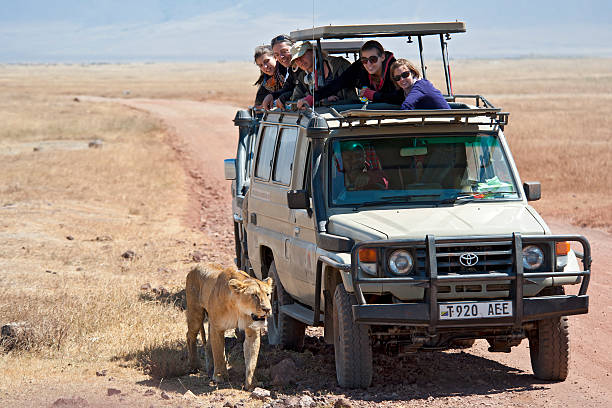
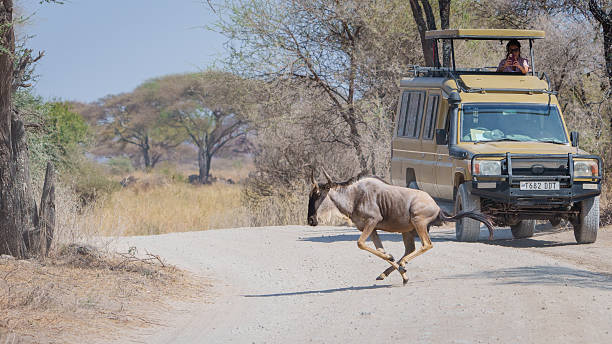
Moshi Tanzania Safari Tours: Your Ultimate Planning Guide
Moshi, a vibrant town nestled at the foot of Mount Kilimanjaro, serves as a primary gateway for many travelers venturing into Tanzania’s spectacular northern safari circuit. While often recognized as the starting point for Kilimanjaro climbs, Moshi is also a strategic and convenient base for organizing incredible Moshi Tanzania safari tours. This guide is designed to provide you with every detail needed to plan a remarkable safari experience, whether you’re seeking wildlife encounters in nearby national parks or combining your adventure with a trek up Africa’s highest peak.
Choosing Moshi as your safari starting point offers distinct advantages, including access to experienced local guides, competitive pricing, and the opportunity to immerse yourself in local culture before or after your wildlife excursions. This in-depth resource will cover everything from understanding the best national parks accessible from Moshi, crafting ideal itineraries, navigating seasonality, estimating costs, to making informed booking decisions for 2026 and 2027.
Quick Facts: Moshi Tanzania Safari Tours
| Key Feature | Details |
|---|---|
| Primary Gateway For | Kilimanjaro Treks, Northern Tanzania Safari Circuit |
| Major Nearby National Parks | Tarangire, Lake Manyara, Ngorongoro Crater, Serengeti |
| Typical Safari Durations | 3 Days to 10+ Days |
| Best Time to Visit (Safari) | June to October (Dry Season), January to February (Calving Season) |
| Activities | Game Drives (Jeep Safari), Walking Safaris (limited areas), Cultural Visits, Bird Watching |
| Accommodation Options | Lodges, Tented Camps, Budget Campsites |
| Getting There | Kilimanjaro International Airport (JRO) |
Why Choose Moshi for Your Safari Adventure?
Moshi offers a unique blend of accessibility and authenticity for safari-goers. Its proximity to Kilimanjaro International Airport (JRO) makes it an easy first stop. Beyond logistics, the town itself provides a glimpse into Tanzanian life, offering a more grounded experience compared to some larger tourist hubs. When planning Moshi Tanzania safari tours, you benefit from:
- Direct Access to Northern Circuit Parks: Moshi is ideally positioned to begin safaris heading towards Tarangire, Lake Manyara, the Ngorongoro Conservation Area, and the vast Serengeti National Park.
- Kilimanjaro Integration: For many, a safari is part of a larger Tanzanian adventure that includes climbing Kilimanjaro. Moshi is the definitive starting and ending point for all Kilimanjaro routes, allowing for seamless integration of a safari before or after your trek.
- Local Expertise and Pricing: Many reputable tour operators are based in or have strong connections in Moshi. This local presence often translates to better understanding of the terrain, wildlife, and more competitive pricing for safari packages.
- Cultural Immersion: Spend time in Moshi before or after your safari to visit local markets, coffee plantations, or Chagga villages. This adds a rich cultural dimension to your wildlife experience.
- Variety of Safari Styles: From budget-conscious camping safaris to more comfortable lodge-based experiences, operators in Moshi can cater to a wide range of preferences and budgets.
Understanding the Northern Tanzania Safari Circuit from Moshi
The parks and conservation areas accessible from Moshi form one of the world’s most celebrated wildlife destinations. Each offers a distinct landscape and array of animals:
Safari Route Overview from Moshi
A typical safari route from Moshi often follows this general flow, though itineraries are highly customizable:
- Moshi to Tarangire National Park: Known for its large elephant herds and baobab trees.
- Tarangire to Lake Manyara National Park: Famous for tree-climbing lions, diverse birdlife, and the Great Rift Valley escarpment.
- Lake Manyara to Ngorongoro Conservation Area: Home to the iconic Ngorongoro Crater, a UNESCO World Heritage Site with dense wildlife populations.
- Ngorongoro to Serengeti National Park: Vast plains offering incredible predator-prey action and the Great Migration (seasonal).
- Return to Moshi (or Arusha/JRO Airport).
Some tours might skip certain parks or extend stays based on traveler interests and duration.
Tarangire National Park
Often the first stop on a northern circuit safari from Moshi, Tarangire is renowned for its massive elephant populations, especially during the dry season when they congregate around the Tarangire River. The park’s landscape is dotted with ancient baobab trees, creating a unique and picturesque setting. Besides elephants, expect to see lions, leopards, giraffes, zebras, wildebeest, and a rich variety of bird species.
Lake Manyara National Park
This relatively small but diverse park offers a concentrated wildlife experience. It’s famous for its elusive tree-climbing lions, which are not found in many other parks. The park also boasts a large population of baboons, significant numbers of elephants, giraffes, zebras, and a stunning array of birdlife, particularly around the shallow alkaline lake. The dramatic Rift Valley escarpment forms a beautiful backdrop.
Ngorongoro Conservation Area & Crater
The Ngorongoro Crater is a natural wonder, a vast caldera that supports an astonishing density of wildlife. It’s one of the few places in Tanzania where you have a high chance of spotting the ‘Big Five’ (lion, leopard, elephant, rhino, buffalo) in a single day. The conservation area surrounding the crater also provides a habitat for Maasai communities, allowing for cultural interactions. Visiting the crater floor is a highlight for most Moshi Tanzania safari tours.
Serengeti National Park
The name ‘Serengeti’ evokes images of endless plains and the Great Migration. This iconic park is world-famous for its vast herds of wildebeest and zebras, their movements dictated by the search for fresh grazing. The migration is a year-round phenomenon, but its most dramatic phase – the river crossings – typically occurs between July and October. Serengeti also offers exceptional opportunities to see predators like lions, cheetahs, and leopards.
Best Time for Moshi Tanzania Safari Tours
The ideal time for your safari depends on your priorities. Tanzania experiences distinct wet and dry seasons:
Seasonality for Safaris from Moshi
| Period | Weather | Wildlife Viewing | Crowds & Prices | Specific Events |
|---|---|---|---|---|
| June – October (Dry Season) | Cooler temperatures, sunny days, minimal rain. Roads are good. | Excellent. Animals concentrate around water sources. Vegetation is thinner, making spotting easier. Ideal for Great Migration river crossings (July-Oct). | Peak season. Higher prices, more tourists. Book well in advance for 2026-2027. | Great Migration river crossings in Serengeti. |
| November – December (Short Rains) | Intermittent, short showers, warmer temperatures. | Good. Wildlife disperses but is still present. Landscapes become greener. Birdwatching improves. | Shoulder season. Fewer crowds, potentially better prices. | Post-calving season for wildebeest in southern Serengeti. |
| January – February (Long Rains / Calving Season) | Hotter, with occasional heavier rain showers, especially in the afternoons. | Excellent for predator sightings, especially in the southern Serengeti (Ndutu area) during the wildebeest calving season. Lush landscapes. | Low season. Fewer tourists, often the lowest prices. Roads can be challenging in some areas. | Wildebeest calving season in the southern Serengeti/Ndutu. |
| March – May (Long Rains) | Heavier, prolonged rainfall. Cooler. Roads can become impassable. | Challenging. Wildlife disperses widely. Vegetation is very dense. Many lodges may close. | Low season. Lowest prices, very few tourists. Not generally recommended for a first safari due to conditions. |
For most travelers aiming for classic game viewing and the best conditions, the dry season (June to October) is preferred. However, the shoulder months (November-December and January-February) offer a good balance of wildlife viewing and fewer crowds, especially if you’re interested in the calving season or don’t mind occasional rain. Planning for 2026 and 2027 safaris should consider these seasonal patterns.
Sample Itineraries for Moshi Tanzania Safari Tours
Itineraries can be tailored precisely to your interests, time, and budget. Here are a few popular sample structures for Moshi Tanzania safari tours:
Sample Itinerary 1: Classic Northern Circuit (7 Days / 6 Nights)
- Day 1: Arrive at JRO, transfer to Moshi. Overnight in Moshi.
- Day 2: Moshi to Tarangire National Park. Game drive. Overnight near Tarangire.
- Day 3: Tarangire to Lake Manyara National Park. Game drive. Transfer to Karatu/Ngorongoro area. Overnight near Ngorongoro.
- Day 4: Full day Ngorongoro Crater tour. Overnight near Ngorongoro.
- Day 5: Ngorongoro to Serengeti National Park (Central). Game drive en route. Overnight in Central Serengeti.
- Day 6: Full day game drive in Serengeti. Overnight in Central Serengeti.
- Day 7: Morning game drive in Serengeti. Fly from Seronera airstrip to Arusha/JRO, or drive back to Moshi. Depart.
Sample Itinerary 2: Extended Northern Circuit with Migration Focus (10 Days / 9 Nights)
- Day 1: Arrive JRO, transfer to Moshi.
- Day 2: Moshi to Tarangire National Park. Game drive. Overnight near Tarangire.
- Day 3: Tarangire to Lake Manyara. Game drive. Transfer to Karatu.
- Day 4: Ngorongoro Crater tour. Overnight near Ngorongoro.
- Day 5: Ngorongoro to Serengeti (Central). Game drive en route. Overnight Central Serengeti.
- Day 6: Full day game drive in Central Serengeti.
- Day 7: Serengeti (Central) to Northern Serengeti (Lamai/Kogatende area, seasonal for migration). Game drive. Overnight Northern Serengeti.
- Day 8: Full day game drive in Northern Serengeti.
- Day 9: Morning game drive in Northern Serengeti. Fly from Kogatende airstrip to Arusha. Transfer to Moshi or Arusha.
- Day 10: Depart from JRO.
Sample Itinerary 3: Short Safari Experience (4 Days / 3 Nights)
- Day 1: Moshi to Tarangire National Park. Game drive. Overnight near Tarangire.
- Day 2: Tarangire to Lake Manyara National Park. Game drive. Transfer to Karatu/Ngorongoro area. Overnight near Ngorongoro.
- Day 3: Full day Ngorongoro Crater tour. Overnight near Ngorongoro.
- Day 4: Drive back to Moshi/Arusha. Depart from JRO.
These are just examples. Your tour operator can customize routes, add days, or focus on specific parks based on your interests, such as birdwatching, photography, or specific wildlife sightings. When planning for 2026 or 2027, discuss these options with your chosen provider.
What to Expect on Your Safari from Moshi
A safari is an immersive experience. Here’s what you can typically anticipate:
- Game Drives: The primary activity involves driving in custom-built 4×4 safari vehicles, usually with pop-up roofs for optimal viewing and photography. Your experienced driver-guide will track wildlife, interpret animal behavior, and navigate the park. Early morning and late afternoon drives are most productive for spotting animals.
- Accommodation: Options range from basic campsites (often with shared facilities) to mid-range lodges and luxury tented camps. Campsites offer a more rustic, immersive experience, while lodges and tented camps provide more comfort and amenities. Many lodges are situated within or on the borders of national parks, offering stunning views and convenience.
- Meals: Typically, three meals a day are provided. These can range from simple but delicious meals prepared by a camp chef during camping safaris to more elaborate dining experiences at lodges. Packed lunches are common during full-day game drives.
- Guides: Your driver-guide is key to your safari experience. They are knowledgeable about wildlife, local ecosystems, and culture. Most guides speak fluent English and are trained to ensure your safety and enjoyment.
- Pace: Safaris can be fast-paced, with early starts to maximize game viewing. However, your itinerary can be adjusted for a more relaxed pace if preferred.
Packing and Preparation for Your Safari
Smart packing is crucial for comfort and practicality. Focus on layers and neutral colors:
Safari Packing List Essentials
- Clothing: Lightweight, breathable long-sleeved shirts and trousers (neutral colors like khaki, olive green, beige – avoid bright colors and dark blue/black which can attract insects). T-shirts for warmer days. A warm fleece or jacket for cool mornings and evenings. A waterproof/windproof jacket. Comfortable shorts or skirts for relaxing at the lodge.
- Footwear: Comfortable walking shoes or hiking boots (if planning any walking safaris or light hikes). Sandals or flip-flops for camp/lodge.
- Headwear: Wide-brimmed hat or cap for sun protection. Bandana or scarf for dust.
- Eyewear: Sunglasses.
- Health & Hygiene: Personal toiletries, sunscreen (high SPF), insect repellent (with DEET), hand sanitizer, basic first-aid kit (band-aids, pain relievers, antiseptic wipes, any personal medication). Anti-malarial medication (consult your doctor).
- Photography: Camera with extra batteries and memory cards. Binoculars are highly recommended. Power bank or car charger.
- Documents: Passport, visa (if required), flight details, travel insurance information, vaccination certificates. Copies of important documents.
- Money: US Dollars are widely accepted for park fees and tips. Local currency (Tanzanian Shilling) for smaller purchases. Credit cards are accepted in larger lodges and towns but not always reliable in remote areas.
- Other: Reusable water bottle. Small backpack for day trips. Headlamp or small flashlight.
Important Note: Most safari vehicles have weight restrictions for luggage, especially if you are flying between locations. Soft duffel bags are generally preferred over hard suitcases.
Common Mistakes to Avoid on Your Safari
To ensure a smooth and enjoyable trip, be aware of common pitfalls:
- Overpacking: Stick to essentials. Soft bags are best.
- Wearing Bright Colors: This can startle animals and attract insects. Stick to muted, natural tones.
- Not Packing Layers: Early mornings and evenings can be surprisingly cool, especially at higher altitudes like Ngorongoro.
- Underestimating Sun Protection: The African sun is intense. High SPF sunscreen, hats, and sunglasses are non-negotiable.
- Not Bringing Binoculars: Essential for spotting distant wildlife and appreciating details.
- Ignoring Local Advice: Trust your guide. They know the parks, wildlife, and safety protocols.
- Expecting Big City Amenities: Embrace the wild. Internet and phone signal can be spotty.
- Not Booking in Advance (Especially for 2026-2027 Peak Season): Popular lodges and vehicles get booked up months, sometimes a year, ahead for peak times.
- Not Budgeting for Extras: Factor in tips for guides and camp staff, drinks, souvenirs, and park fees if not fully included.
Who Are Moshi Tanzania Safari Tours Best For?
Moshi Tanzania safari tours are incredibly versatile and can be adapted for a wide range of travelers:
- Adventure Seekers: Those looking to combine wildlife viewing with the challenge of climbing Mount Kilimanjaro or Mount Meru.
- Wildlife Enthusiasts: Anyone passionate about observing diverse animal species in their natural habitat, from the smallest insects to the largest mammals.
- Photographers: The dramatic landscapes and abundant wildlife offer unparalleled photographic opportunities.
- Families: With careful planning, safaris can be educational and exciting for children, offering a unique learning experience. Operators can tailor activities and accommodations.
- Couples & Honeymooners: Romantic lodge stays, stunning sunsets, and the thrill of discovery make safaris an unforgettable experience.
- Budget Travelers: Camping safaris offer an affordable way to experience the magic of Tanzania’s parks.
- Luxury Travelers: High-end lodges and private charter flights provide a more exclusive and comfortable safari.
Essentially, if you seek an authentic African wildlife experience with incredible biodiversity and stunning scenery, a safari starting from Moshi is an excellent choice. It suits those who appreciate nature, are open to adventure, and want a genuine connection with the African wilderness.
Alternatives to Traditional Moshi Safaris
While the northern circuit is world-renowned, Tanzania offers other safari experiences, and there are variations on the classic safari:
- Southern Circuit Safaris (Ruaha, Selous): Less crowded and more remote, these parks offer a different, wilder experience. They are typically accessed via flights from Arusha or Dar es Salaam, rather than directly from Moshi.
- Western Tanzania Safaris (Gombe, Mahale): Famous for chimpanzee trekking. These are specialized trips requiring internal flights and are a significant undertaking, quite different from a typical game drive safari.
- Walking Safaris: While not the primary activity in the main parks, some areas near national parks or in conservancies offer guided walking safaris, providing a more intimate connection with the bush.
- Cultural Tourism: Beyond the parks, consider incorporating visits to Maasai villages, Hadzabe hunter-gatherer communities, or local markets to deepen your understanding of Tanzania’s diverse cultures.
For those based in Moshi, the northern circuit remains the most convenient and popular option, offering a comprehensive safari experience that is hard to match in terms of sheer wildlife density and variety.
Planning Your 2026-2027 Moshi Tanzania Safari Tour
Planning ahead is key, especially for trips in the popular 2026 and 2027 seasons. Here’s a timeline and considerations:
- 12+ Months Before: Research tour operators. Decide on your budget, desired safari length, and preferred style (camping, lodge, luxury). If you’re also climbing Kilimanjaro, book that now as well, as guides and permits are limited.
- 9-12 Months Before: Contact your shortlisted operators. Request sample itineraries and quotes. Discuss customization options. Book your international flights once your safari dates are confirmed.
- 6-9 Months Before: Finalize your itinerary and book your safari. Pay the deposit. This is crucial for securing your preferred accommodation and guides, especially for peak season 2026-2027.
- 3-6 Months Before: Obtain necessary visas. Consult your doctor about vaccinations and malaria prophylaxis. Purchase travel insurance. Start a packing list.
- 1-3 Months Before: Finalize payments. Confirm all booking details. Purchase any specific gear you need (e.g., good binoculars, camera equipment).
- 1 Month Before: Pack your bags. Reconfirm flight details. Inform your bank of your travel dates.
- 1-2 Weeks Before: Exchange some currency. Finalize any last-minute arrangements.
Booking early for 2026 and 2027 is highly recommended, particularly if you aim for the peak dry season (June-October) or specific migration viewing periods.
Booking Advice for Your Safari
Selecting the right tour operator is paramount for a successful safari. Consider these points:
- Reputation and Reviews: Look for operators with consistently positive reviews on platforms like TripAdvisor. Check for local Tanzanian operators as well as international ones.
- Local Knowledge: A local operator often has a deeper understanding of the parks, wildlife, and logistical nuances, potentially offering better value and authentic experiences.
- Customization: Ensure the operator is willing and able to customize your itinerary to your specific needs and interests.
- Inclusions and Exclusions: Clearly understand what is included in your safari package (park fees, accommodation, meals, guide, vehicle, water) and what is not (tips, drinks, souvenirs, international flights).
- Vehicle Quality: Inquire about the type and maintenance of the safari vehicles. They should be well-equipped 4x4s suitable for rough terrain.
- Guide Experience: Ask about the qualifications and experience of their guides.
- Communication: Choose an operator who communicates clearly and promptly.
Top Guide Adventures is a reputable local tour operator based in Moshi, specializing in tailor-made safaris, Kilimanjaro climbs, and Zanzibar trips. They offer expert advice and personalized service to create unforgettable experiences. For inquiries or a custom quote for your Moshi Tanzania safari tours in 2026 or 2027, feel free to reach out.
Ready to Plan Your Dream Safari?
Let our experts craft your perfect Moshi Tanzania safari tour. Whether you’re dreaming of the Serengeti’s vast plains, the Ngorongoro Crater’s wildlife abundance, or a combination with Kilimanjaro, we’re here to help.
Contact us today:
WhatsApp: +255616946642
Email: topguideadventures@gmail.com
Backup Email: info@topguideadventures.com
We look forward to helping you plan your adventure for 2026-2027!
Frequently Asked Questions (FAQs)
1. How do I get to Moshi for my safari?
The nearest international airport is Kilimanjaro International Airport (JRO). From JRO, you can take a pre-booked taxi or shuttle service directly to Moshi, which typically takes about 1-1.5 hours. Many tour operators can arrange airport transfers for you as part of your safari package.
2. Can I combine a safari with climbing Mount Kilimanjaro?
Absolutely! This is a very popular combination. Moshi is the primary gateway for Kilimanjaro climbs. You can arrange your safari to take place either before or after your trek. Many operators, like Top Guide Adventures, specialize in offering both services, ensuring a seamless transition between your climbing and safari adventures for 2026-2027.
3. What is the cost of a Moshi Tanzania safari tour?
Safari costs vary significantly based on the duration, parks visited, accommodation style (camping, mid-range lodges, luxury lodges), and number of people. Generally, a 5-day mid-range safari can range from $1000-$1800 per person. Budget camping safaris can be less, while luxury safaris can be $2500+ per person. It’s best to get a custom quote based on your specific requirements for 2026 or 2027.
4. Are park fees included in safari packages?
Reputable tour operators will clearly state whether park fees are included. For the northern circuit parks (Serengeti, Ngorongoro, Tarangire, Lake Manyara), these fees are substantial and are typically included in mid-range and higher-end packages. Always confirm this detail when comparing quotes.
5. What kind of vehicle will I use for my safari?
Most safaris from Moshi utilize custom-built 4×4 Land Cruisers or Land Rovers. These vehicles are equipped with pop-up roofs for game viewing, comfortable seating, and often have charging ports. The 4×4 capability is essential for navigating the varied terrain of the national parks.
6. Is it safe to go on safari?
Tanzania’s safari industry is well-established and prioritizes safety. Your driver-guide is highly trained in wildlife behavior and safety protocols. Always follow their instructions, stay inside the vehicle during game drives unless instructed otherwise, and avoid loud noises or sudden movements that could disturb animals. Medical evacuation insurance is highly recommended.
7. What is the Great Migration, and when can I see it?
The Great Migration is the annual movement of over 1.5 million wildebeest, zebras, and gazelles across the Serengeti ecosystem. The timing varies, but the river crossings in the Grumeti and Mara rivers typically occur between July and October. The calving season is in the southern Serengeti (Ndutu area) from late January to February. Your tour operator can help you plan your safari for the best viewing opportunities in 2026 or 2027.
8. What vaccinations do I need for Tanzania?
Consult your doctor or a travel clinic well in advance of your trip. Yellow fever vaccination is often required if arriving from or transiting through certain countries. Malaria prophylaxis is usually recommended for most safari areas. Other routine vaccinations should be up-to-date.
9. Can I use my credit card in the parks or lodges?
Credit cards are widely accepted in larger lodges and in towns like Moshi and Arusha. However, they are generally not accepted in national parks for park fees or at smaller camps. It’s advisable to carry enough US Dollars (in smaller denominations) and some Tanzanian Shillings for tips, souvenirs, and any incidentals.
10. What is the tipping etiquette for safari guides and staff?
Tipping is customary and appreciated for good service. A general guideline for a safari driver-guide is $20-$30 per day per group. For cooks and camp staff, a tip of $10-$15 per day per group is common. Your tour operator can provide specific recommendations. These tips are usually given at the end of the safari.
A safari from Moshi offers an unparalleled opportunity to witness Africa’s iconic wildlife and breathtaking landscapes. By planning carefully and choosing the right partners, your Moshi Tanzania safari tour will undoubtedly be a highlight of your travels. Let Top Guide Adventures assist you in creating the adventure of a lifetime for 2026-2027.
Plan your Moshi Tanzania Safari Tours with Top Guide Adventures
Tell us your travel dates, group size, comfort level, and dream experience. We will help you shape a clear, realistic, and memorable Tanzania itinerary.







 Veedesigner
 Fatma Kizanga
 Benjamin Waryuba
 Philip Philip
 John jr Itaja
 Antonia Optatus
 Edith Kanyere
 Neema Iddy
 Kelvin Boniphace
 Damari Maiga



