
Updated planning guide for 2026, 2027-2028
Moshi To Arusha Transfer And Safari: Best Guide 2026-2027-2028
Planning a trip from Moshi to Arusha for a safari? This guide covers everything from transfer options and safari packages to essential planning details for your 2026-2027 Tanzania adventure.
WhatsApp +255616946642 | topguideadventures@gmail.com | info@topguideadventures.com
Moshi to Arusha Transfer and Safari: Your Comprehensive Planning Guide
The journey from Moshi to Arusha is a common starting point for many travelers eager to explore Tanzania’s world-renowned safari destinations. Whether you’ve just finished a trek up Mount Kilimanjaro or are arriving directly into Kilimanjaro International Airport (JRO) near Moshi, understanding the transfer options and how to best combine this trip with a safari is crucial for a smooth and memorable experience. This guide provides an in-depth look at the Moshi to Arusha transfer and safari, covering everything from practical logistics to itinerary planning, to help you make the most of your 2026-2027 Tanzanian adventure.
Quick Answers
What is the main reason for a Moshi to Arusha transfer? It’s typically done to connect with safari departures, access Arusha’s tourism hub, or travel to Kilimanjaro International Airport (JRO) for flights. Arusha serves as the gateway to the Northern Circuit safaris.
What are the transfer options? Private car hire, shared shuttles, and public transport (dala-dala) are available. Private transfers offer comfort and flexibility, while shuttles are more budget-friendly.
How long does the transfer take? The road journey between Moshi and Arusha typically takes 1.5 to 2.5 hours, depending on traffic and road conditions.
Can I go on safari directly from Moshi? While some initial safaris might start from Moshi, most Northern Circuit tours officially begin in Arusha, which has more tour operator offices and better access to parks like Tarangire, Lake Manyara, Serengeti, and Ngorongoro.
What is the typical cost for a transfer? Private transfers can range from $80 to $150 USD, while shared shuttles are considerably less, around $20-30 USD per person. Public transport is the cheapest but least comfortable option.
Table of Contents
- Overview: Moshi, Arusha, and the Northern Circuit
- Why the Moshi to Arusha Transfer is Key
- Moshi to Arusha Transfer Options Explained
- Route and Area Overview: Moshi to Arusha
- Best Time for Safari After Transfer
- Sample Safari Itinerary: Moshi to Arusha to Serengeti
- What to Expect on Your Safari Journey
- What to Pack and Prepare For
- Common Mistakes to Avoid
- Who is This Trip Best For?
- Alternatives to the Standard Moshi to Arusha Transfer
- Planning Your 2026-2027 Trip
- Booking Your Transfer and Safari
- Frequently Asked Questions
Overview: Moshi, Arusha, and the Northern Circuit
Tanzania is a land of breathtaking landscapes, iconic wildlife, and vibrant cultures. At the heart of its most popular safari region, the Northern Circuit, lies Arusha. Often referred to as the ‘Geneva of Africa’ due to its role as a hub for international organizations and tourism, Arusha is a bustling city that serves as the primary gateway for safaris into national parks like Tarangire, Lake Manyara, Serengeti, and the Ngorongoro Conservation Area.
Moshi, a smaller town nestled at the foot of Mount Kilimanjaro, is famous as the starting point for Kilimanjaro climbs. Many trekkers and their support staff end their expeditions in Moshi. For travelers continuing their Tanzanian journey with a safari, the logical next step is often to travel to Arusha to meet their tour operators, join group tours, or begin their private safari expeditions. Kilimanjaro International Airport (JRO) is conveniently located between Moshi and Arusha, serving both towns and acting as the main international arrival and departure point for this region.
The proximity of Moshi and Arusha (approximately 80 kilometers apart) makes the transfer between them straightforward, yet it’s a vital logistical step that connects the mountain experience with the plains safari. Understanding this connection is key to planning a cohesive Tanzanian adventure for 2026 or 2027.
Why the Moshi to Arusha Transfer is Key
The Moshi to Arusha transfer is more than just a simple drive; it’s a crucial link in the typical Tanzanian travel itinerary. Here’s why it’s so important:
- Safari Hub: Arusha is the administrative and logistical center for most Northern Circuit safaris. Tour operators are based here, safari vehicles are prepped here, and most safari itineraries officially commence from Arusha.
- Airport Proximity: Kilimanjaro International Airport (JRO) is situated between Moshi and Arusha. If you’re flying into or out of JRO after a Kilimanjaro climb in Moshi, you might need to travel to Arusha for onward safari arrangements, or vice versa.
- Meeting Point: It’s the standard meeting point for travelers joining group safaris or meeting their private safari guides and vehicles.
- Access to Services: Arusha offers a wider range of services catering to tourists, including specialized gear shops, currency exchange, and medical facilities, which might be needed before embarking on a safari.
- Connecting Experiences: For those combining a Kilimanjaro trek with a safari, the transfer is the bridge between these two distinct but complementary Tanzanian experiences.
Moshi to Arusha Transfer Options Explained
Choosing the right transfer method depends on your budget, time, and comfort preferences. Here’s a breakdown of the most common options for the Moshi to Arusha transfer:
1. Private Car Hire (Recommended for Comfort & Flexibility)
This is the most comfortable and convenient option. You’ll hire a private vehicle, typically a sturdy 4×4 Toyota Noah or similar van, with a dedicated driver.
- Pros: Door-to-door service, privacy, flexibility for stops, ability to carry ample luggage, direct transfer to your Arusha hotel or safari starting point. Ideal if you have lots of gear from a trek.
- Cons: The most expensive option.
- Typical Duration: 1.5 to 2.5 hours.
- Cost Note: Expect to pay between $80 and $150 USD for a one-way trip. Prices can vary based on the vehicle type and the specific tour operator.
2. Shared Shuttle Services
These are pre-booked minivan services that operate on a fixed schedule between Moshi and Arusha. They pick up and drop off passengers at designated points or hotels.
- Pros: More affordable than private hire, generally reliable, comfortable enough for the short journey.
- Cons: Less flexibility, fixed schedules, multiple stops can extend travel time, less privacy.
- Typical Duration: 2 to 3 hours, depending on stops.
- Cost Note: Typically around $20-30 USD per person.
3. Public Transport (Dala-Dalas)
This is the local way to travel. Dala-dalas are minibuses that run frequently between Moshi and Arusha.
- Pros: Extremely cheap.
- Cons: Least comfortable, crowded, often have no luggage space (requiring extra payment for bags on the roof), frequent stops, can be intimidating for first-time visitors, requires navigating local bus stations. Not recommended for those with significant luggage or seeking comfort before a safari.
- Typical Duration: 3+ hours.
- Cost Note: Very low, likely less than $5 USD per person.
4. Taxi Services
Taxis are available in both Moshi and Arusha. You can negotiate a fare for a direct trip.
- Pros: Direct and relatively quick.
- Cons: Cost can be similar to or higher than a private car hire if not negotiated well. Reliability can vary.
- Typical Duration: 1.5 to 2.5 hours.
- Cost Note: Negotiable, but expect prices in the $100-$150 USD range.
Route and Area Overview: Moshi to Arusha
The journey from Moshi to Arusha primarily follows the A14 road, a well-maintained tarmac route that cuts across the northern Tanzanian plains. The distance is approximately 80 kilometers (about 50 miles).
| Point | Description |
|---|---|
| Moshi | Starting point, town at the base of Kilimanjaro. |
| Kilimanjaro International Airport (JRO) | Located roughly midway between Moshi and Arusha. Can be a pickup or drop-off point. |
| Road A14 | The main highway connecting Moshi and Arusha. Generally in good condition. |
| Arusha | Destination city, safari hub for the Northern Circuit. |
The landscape along the route is varied. You’ll see agricultural land, small villages, and eventually the outskirts of Arusha, a more developed city with bustling markets and a noticeable increase in traffic. The views of Mount Kilimanjaro are often spectacular on clear days as you depart Moshi.
Best Time for Safari After Transfer
While the Moshi to Arusha transfer itself can happen year-round, the best time for a safari in the Northern Circuit, which you’ll likely head to after your transfer, is influenced by weather and wildlife movements. For 2026 and 2027, consider these periods:
- June to October (Dry Season): This is peak safari season. The weather is generally dry and sunny, with cooler temperatures. Wildlife congregates around permanent water sources, making them easier to spot. The vegetation is less dense, offering clearer game viewing. This period also coincides with the Great Migration river crossings in the Serengeti (typically July-September). It’s an excellent time for a Moshi to Arusha transfer and subsequent safari, though it’s also the busiest and most expensive.
- November to May (Wet Season): This period sees rainfall, which can range from short, sharp showers to longer rainy spells. The landscape is lush and green, and birdlife is abundant. It’s a great time for photography due to the vibrant colors. Wildlife is more dispersed, but calving season for wildebeest in the southern Serengeti (January-March) is a major draw. This is a more budget-friendly time to travel and often less crowded. The Moshi to Arusha transfer is still easy, but road conditions within parks can sometimes be challenging.
For 2026-2027: Booking during the shoulder months (May, early June, late October, November) can offer a good balance of decent weather, fewer crowds, and slightly lower prices for your safari experience originating from Arusha.
Sample Safari Itinerary: Moshi to Arusha to Serengeti
This sample itinerary assumes you’ve completed a Kilimanjaro trek and are ready for a safari adventure starting from Moshi. You’ll take your transfer to Arusha to meet your safari guide and vehicle.
6-Day Northern Circuit Safari from Moshi (via Arusha)
| Day | Morning | Afternoon | Overnight |
|---|---|---|---|
| Day 1 | Moshi to Arusha Transfer: After breakfast, take your pre-arranged transfer from Moshi to Arusha (approx. 1.5-2.5 hours). Meet your safari guide and vehicle in Arusha. Briefing and vehicle check. | Arusha National Park: Short game drive in Arusha National Park, offering views of Mount Meru and diverse wildlife including colobus monkeys and various antelopes. Return to Arusha in the late afternoon. | Arusha (Hotel) |
| Day 2 | Arusha to Tarangire: After breakfast, depart Arusha for Tarangire National Park (approx. 2-3 hours). Begin game drive upon entry. | Tarangire National Park: Famous for its large elephant herds and baobab trees. Continue game drive, looking for lions, leopards, and diverse birdlife. | Tarangire Area (Lodge/Tented Camp) |
| Day 3 | Tarangire to Lake Manyara: Morning game drive in Tarangire, then drive towards Lake Manyara National Park (approx. 1-1.5 hours). | Lake Manyara National Park: Known for its tree-climbing lions, flamingos (seasonal), and diverse habitats including groundwater forest and acacia woodlands. Game drive. | Lake Manyara Area (Lodge/Tented Camp) |
| Day 4 | Manyara to Serengeti: After breakfast, drive to the Serengeti National Park, stopping at the Ngorongoro Conservation Area viewpoint. Enter Serengeti and begin game drive en route to your camp/lodge. | Serengeti National Park: Explore the vast plains of the Serengeti, renowned for its abundant wildlife and the Great Migration (depending on season). Search for big cats, giraffes, zebras, and more. | Central Serengeti (Lodge/Tented Camp) |
| Day 5 | Serengeti National Park: Full day of game drives in the Serengeti. Options for early morning hot air balloon safari (additional cost). Explore different regions of the park based on wildlife movements. | Serengeti National Park: Continue exploring the Serengeti. Look for predators, large herds, and unique landscapes. | Central or Western Serengeti (Lodge/Tented Camp) |
| Day 6 | Serengeti to Arusha: Early morning game drive in Serengeti, followed by breakfast. Depart Serengeti for Arusha (approx. 5-6 hours drive, including a stop at Ngorongoro Conservation Area). | Arrive back in Arusha in the late afternoon. You can be dropped off at your hotel or transferred to Kilimanjaro International Airport (JRO) for your onward flight. | N/A (Departure) |
This is a sample, and itineraries can be customized. For 2026-2027, consider booking well in advance, especially for peak season.
What to Expect on Your Safari Journey
The entire experience, from the Moshi to Arusha transfer to the safari itself, is designed to immerse you in Tanzania’s natural beauty and wildlife.
- The Transfer: Expect a comfortable drive if you opt for private or shared services. You’ll see local life, agricultural landscapes, and eventually the more urban environment of Arusha. Your safari guide will likely meet you in Arusha to discuss the safari plan.
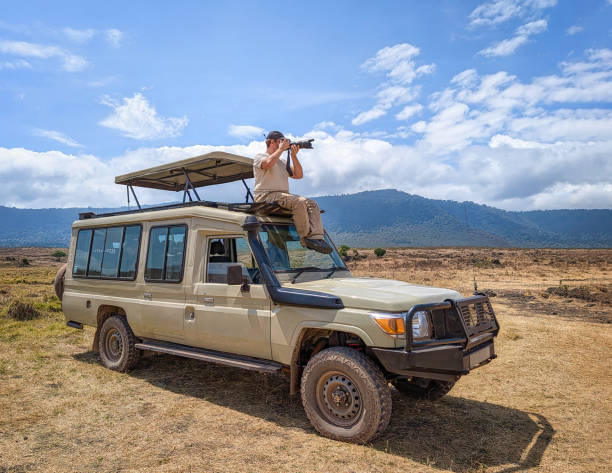
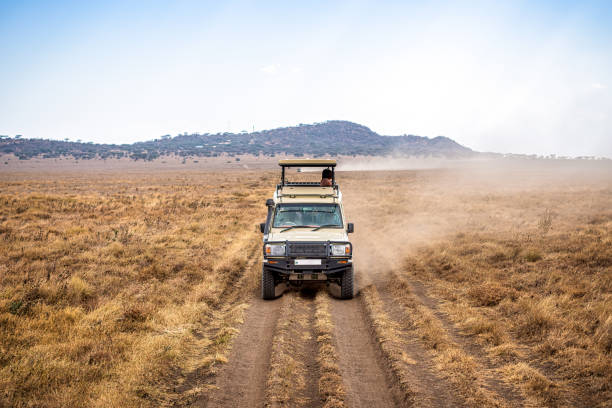
- Safari Vehicles: Most reputable tour operators use customized 4×4 Land Cruisers or Land Rovers. These vehicles have pop-up roofs for excellent game viewing and photography, comfortable seating, and are equipped with essential tools for off-road travel.
- Guides: Your safari guide is your expert companion. They are knowledgeable about animal behavior, tracking, local culture, and the geography of the parks. They are trained to spot wildlife and ensure your safety.
- Accommodation: Safari accommodations range from budget-friendly tented camps to luxury lodges. Tented camps offer a more immersive experience, often with en-suite bathrooms, while lodges provide hotel-like amenities. All are chosen for their proximity to wildlife areas.
- Game Drives: These are the core of your safari. Early morning and late afternoon drives are usually the most productive for spotting animals when they are most active. Your guide will plan routes based on recent sightings and animal movements.
- Meals: Meals are typically provided by your lodge or camp. Packed lunches are common during full-day game drives. Expect hearty, satisfying meals.
- Pace: Safaris are generally unhurried. The focus is on observing wildlife in its natural habitat. There’s time for relaxation at your accommodation between game drives.
What to Pack and Prepare For
Packing smart is essential for a comfortable safari experience following your Moshi to Arusha transfer.
Essential Items:
- Clothing: Neutral-colored clothing (khaki, green, brown) is best for camouflage. Avoid bright colors and dark blue/black (can attract tsetse flies). Pack lightweight, breathable fabrics for daytime and warmer layers for cool mornings and evenings.
- Footwear: Comfortable walking shoes or hiking boots if you plan any walking safaris (less common in Northern Circuit parks but possible). Sandals or comfortable shoes for camp/lodge.
- Sun Protection: Wide-brimmed hat, sunglasses, and high SPF sunscreen are crucial.
- Insect Repellent: Especially important for evenings and areas with potential tsetse flies.
- Camera & Binoculars: Essential for capturing memories and spotting distant wildlife. Bring extra batteries and memory cards.
- Personal First-Aid Kit: Include any personal medications, pain relievers, antiseptic wipes, and bandages.
- Toiletries: While lodges provide basics, bring your preferred items. Biodegradable options are a good choice.
- Adapter & Power Bank: For charging electronics. Many camps have limited charging facilities.
- Reusable Water Bottle: Stay hydrated. Most lodges provide filtered water.
- Lightweight Backpack: For day trips and carrying essentials during game drives.
- Swimsuit: If your lodge has a pool.
Preparation Notes:
- Vaccinations & Malaria Prevention: Consult your doctor well in advance of your 2026-2027 trip regarding recommended vaccinations (e.g., Yellow Fever, Hepatitis A) and malaria prophylaxis.
- Travel Insurance: Comprehensive travel insurance covering medical emergencies and trip cancellations is highly recommended.
- Visa: Check visa requirements for Tanzania for your nationality.
- Currency: The Tanzanian Shilling (TZS) is the local currency. USD is widely accepted for tourist services, but it’s good to have some local currency for smaller purchases.
- Fitness: While safaris are not strenuous, you should be able to get in and out of vehicles and walk short distances.
Common Mistakes to Avoid
Planning a trip involving a Moshi to Arusha transfer and safari requires attention to detail. Avoid these common pitfalls:
- Booking Too Late: Especially for 2026-2027 peak season (June-October), accommodations and popular safari slots fill up quickly. Book your safari well in advance.
- Choosing the Cheapest Option Uncritically: While budget is a factor, extremely low prices for safaris often mean compromised quality, safety, or ethical standards. Research your tour operator thoroughly.
- Not Clarifying Inclusions/Exclusions: Understand what your safari package covers (park fees, meals, accommodation, guide, vehicle) and what it doesn’t (tips, drinks, optional activities like balloon safaris).
- Overpacking: Safari vehicles have limited space. Stick to soft-sided duffel bags if possible.
- Ignoring Luggage Restrictions on Transfers: Public transport and even some shared shuttles have strict luggage limits. A private transfer is best if you have substantial gear.
- Not Informing Your Tour Operator About Your Arrival: Ensure your tour operator knows your flight details or your Moshi accommodation so they can arrange the correct transfer timing to Arusha.
- Expecting to See Everything: Wildlife sightings are not guaranteed. Embrace the experience and trust your guide’s expertise.
- Not Using a Reputable Tour Operator: This is perhaps the biggest mistake. A good operator ensures safety, provides knowledgeable guides, and adheres to responsible tourism practices.
Who is This Trip Best For?
The Moshi to Arusha transfer followed by a Northern Circuit safari is ideal for a wide range of travelers:
- Adventure Seekers: Those who have just completed a Kilimanjaro trek and want to experience Tanzania’s wildlife wonders.
- Wildlife Enthusiasts: Anyone passionate about seeing iconic African animals in their natural habitat, including the Big Five.
- Photographers: The landscapes and wildlife offer incredible photographic opportunities.
- Families: Safaris can be educational and exciting for children (though age recommendations vary by operator and park).
- Couples & Honeymooners: Romantic lodges and stunning scenery make for a memorable getaway.
- First-Time African Safari Goers: The Northern Circuit is renowned for its high concentration of wildlife and well-developed tourism infrastructure, making it an excellent introduction to African safaris.
- Travelers Combining Kilimanjaro and Safari: This is the classic Tanzania itinerary.
For 2026-2027, it remains a top choice for a quintessential East African safari experience.
Alternatives to the Standard Moshi to Arusha Transfer
While the Moshi to Arusha route is standard, there are a few alternatives or variations:
- Direct Transfer to JRO Airport: If your flight from JRO is soon after your trek, you might arrange a transfer directly from Moshi to Kilimanjaro International Airport, bypassing Arusha.
- Safari Starting from Moshi: Some smaller tour operators might offer limited safari departures directly from Moshi. However, most major operators and tour logistics are centered in Arusha.
- Southern Circuit Safari: If you’re looking for a less crowded experience, consider a safari in Tanzania’s Southern Circuit (e.g., Selous Game Reserve, Ruaha National Park). This would involve different logistics, often flying from Arusha or Dar es Salaam.
- Western Circuit Safari: For chimpanzee trekking, the Western Circuit (Gombe Stream, Mahale Mountains) offers a different kind of wildlife experience. This typically requires flights from Arusha or Dar.
- Flying into Arusha: Instead of transferring from Moshi, you could fly directly into Arusha Airport (ARK) from other Tanzanian cities or even Nairobi, Kenya, and start your safari from there.
Planning Your 2026-2027 Trip
Planning your Moshi to Arusha transfer and safari for 2026 or 2027 requires foresight:
Planning Checklist:
- 12-18 Months Out: Research tour operators, identify your desired safari length and parks, and book Kilimanjaro climb (if applicable) and main safari package. This is crucial for 2026-2027 peak season.
- 9-12 Months Out: Confirm flights to Kilimanjaro International Airport (JRO).
- 6 Months Out: Book accommodations for any pre- or post-safari nights in Moshi or Arusha.
- 3-4 Months Out: Consult your doctor for vaccinations and malaria advice. Arrange travel insurance. Check visa requirements.
- 1-2 Months Out: Purchase safari gear. Confirm your Moshi to Arusha transfer details with your tour operator. Finalize any optional activities (e.g., balloon safari).
- 2-4 Weeks Out: Exchange some currency. Pack your bags.
- During Your Trip: Enjoy the adventure! Keep your documents secure.
For 2026-2027, early booking is strongly advised, particularly if you aim for the dry season (June-October) or specific holidays. Consider a private safari for maximum flexibility and comfort.
Booking Your Transfer and Safari
When booking your Moshi to Arusha transfer and safari, prioritize reliability and quality:
- Choose a Reputable Tour Operator: Look for operators with good reviews, clear communication, and a strong presence in Arusha. They can often arrange your Moshi to Arusha transfer as part of your overall package.
- Communicate Clearly: Detail your arrival point (Moshi hotel, JRO airport) and your desired safari start date and duration. Confirm pick-up times and locations for your transfer to Arusha.
- Understand the Package: Ensure you know what’s included: park fees, vehicle, guide, meals, accommodation, water. Clarify any exclusions.
- Payment Terms: Most operators require a deposit upon booking and the balance closer to the travel date. Understand their cancellation policy.
- Ask About Vehicle Type: For Northern Circuit safaris, a 4×4 Land Cruiser is standard and recommended.
- Inquire About Guides: Ask about the experience and training of their safari guides.
Contact Us: For seamless arrangements for your Moshi to Arusha transfer and a personalized safari experience in 2026 or 2027, reach out to our expert team. We specialize in crafting unforgettable Tanzanian adventures.
WhatsApp: +255616946642
Email: topguideadventures@gmail.com
Backup Email: info@topguideadventures.com
Frequently Asked Questions
Common Questions about Moshi to Arusha Transfers and Safaris:
Q1: How do I book a Moshi to Arusha transfer if I’m not booking a safari through the same company?
A1: You can book private transfers directly with many Arusha-based tour operators or reputable taxi services. Some hotels in Moshi can also arrange this for you. For convenience, it’s often best to coordinate this with your safari operator.
Q2: Can I store my luggage in Moshi while I’m on safari?
A2: Some hotels in Moshi offer luggage storage for guests who are trekking Kilimanjaro or heading out on safari. It’s advisable to confirm this with your accommodation provider beforehand.
Q3: What happens if my Kilimanjaro climb finishes later than planned? How does this affect my safari start?
A3: Communicate any delays immediately to your safari operator. They are experienced in handling such situations and can often adjust your safari start date or itinerary. A flexible private transfer from Moshi to Arusha can also help accommodate last-minute changes.
Q4: Is it safe to travel between Moshi and Arusha?
A4: Yes, the road is generally well-maintained, and traveling during daylight hours is standard. Using reputable transfer services (private car, shuttle) is recommended for safety and comfort. Avoid traveling at night if possible.
Q5: What is the best way to see the Great Migration as part of a safari starting from Arusha?
A5: The Great Migration moves throughout the year. For river crossings, July to September is typically best in the Northern Serengeti. For calving season, January to March is ideal in the Southern Serengeti. Your tour operator will advise on the best location within the Serengeti for your 2026-2027 safari dates.
Q6: How much should I budget for park fees for a Northern Circuit safari?
A6: Park fees are a significant part of safari costs and vary by park. For example, Serengeti fees can be around $70-80 USD per person per day, and Ngorongoro Crater fees are around $300 USD per vehicle plus $70 USD per person. These fees are usually included in safari package prices, but confirm this with your operator.
Q7: Can I do a day trip safari from Arusha?
A7: Yes, Arusha National Park is a popular option for a day trip safari from Arusha. It’s easily accessible and offers good wildlife viewing. Other parks like Tarangire or Lake Manyara are usually part of multi-day tours due to travel time.
Q8: What kind of currency should I bring for my safari in 2026-2027?
A8: US Dollars are widely accepted for safari packages and larger tourist expenses. It’s also advisable to have some Tanzanian Shillings for tips, souvenirs, and smaller purchases in towns. Ensure your USD bills are newer (post-2009) and in good condition.
Q9: Are there any specific COVID-19 protocols I need to be aware of for 2026-2027 travel?
A9: Travel protocols can change. It’s essential to check the latest requirements from the Tanzanian government and your airline before your trip. Reputable tour operators will also keep you informed.
Q10: What is the difference between a lodge and a tented camp?
A10: Lodges are typically permanent structures with hotel-like amenities, while tented camps can range from basic canvas tents to luxurious canvas structures with en-suite bathrooms and comfortable furnishings. Both offer unique safari experiences.
Ready for Your Tanzanian Adventure?
The journey from Moshi to Arusha is the perfect prelude to an unforgettable safari experience in Tanzania’s famed Northern Circuit. Whether you’re seeking the thrill of the Great Migration, the majesty of the Ngorongoro Crater, or the vast elephant herds of Tarangire, planning is key.
Let Best Tanzania Tour operator handle all the details. We offer expert guidance for your Moshi to Arusha transfer and can craft custom safari itineraries tailored to your interests and budget for 2026 and 2027. From comfortable transfers to thrilling game drives, we ensure a seamless and enriching journey.
Contact us today to start planning your dream Tanzania safari:
WhatsApp: +255616946642
Email: topguideadventures@gmail.com
Backup Email: info@topguideadventures.com
Plan your Moshi to Arusha Transfer and Safari with Top Guide Adventures
Tell us your travel dates, group size, comfort level, and dream experience. We will help you shape a clear, realistic, and memorable Tanzania itinerary.







 Veedesigner
 Fatma Kizanga
 Benjamin Waryuba
 Philip Philip
 John jr Itaja
 Antonia Optatus
 Edith Kanyere
 Neema Iddy
 Kelvin Boniphace
 Damari Maiga



